
Travel
Roaming in Sri Lanka: SIM Plans, Network Coverage & Data Packs

Rahul Garg
February 18, 2026
8 min read2,742 views
Roaming Sri Lanka made easy: Routes, transport, timing, and regional guides for a seamless island adventure across culture, hills, and beaches.
Introduction
Sri Lanka isn't just a destination you visit—it's an island you experience through roaming. One morning you're climbing an ancient rock fortress, by afternoon you're sipping world-class tea in misty hills, and come evening, you're watching the sun melt into the Indian Ocean from a golden beach. That's the magic of roaming in Sri Lanka: everything feels surprisingly close, yet each region offers a completely different world. This guide is about how to roam Sri Lanka smartly—whether you have one week or three, whether you're traveling solo, as a couple, or with family. We'll cover routes that connect smoothly, transport that actually works, and experiences that make every kilometer worth it.
For specific attractions, check our detailed guides on places to visit in Sri Lanka and things to do in Colombo.
This guide is about how to roam Sri Lanka smartly—whether you have one week or three, whether you're traveling solo, as a couple, or with family. We'll cover routes that connect smoothly, transport that actually works, and experiences that make every kilometer worth it.
For specific attractions, check our detailed guides on places to visit in Sri Lanka and things to do in Colombo.
Why Roaming Sri Lanka Feels Special
What makes Sri Lanka different from other tropical destinations? It's the variety packed into a small space. You can technically see ancient cities, rainforests, tea country, and pristine beaches in under two weeks if you plan well. But the real joy comes from not rushing—from letting each region pull you in at its own pace.The Layout That Makes Roaming Easy
Sri Lanka's geography naturally divides into clear regions, which makes route planning intuitive. The Cultural Triangle anchors the north-central plains with ancient ruins. Hill country dominates the center with rolling tea gardens and cool air. Beaches ring the entire island, with different coasts shining in different seasons. Colombo sits on the west, ready to welcome or farewell you.What You Need to Know Before Roaming
- Size advantage: You can cross the country in a day, but that's missing the point. Plan 2-3 nights minimum per base.
- Weather reality: Different coasts have dry seasons at different times. There's always somewhere good to be.
- Cultural warmth: Sri Lankans are genuinely welcoming. A smile and basic respect go very far.
- Food adventure: Rice and curry is just the beginning. Each region has flavors worth discovering.
Best Time for Roaming Sri Lanka
Timing your Sri Lanka roaming adventure matters, but not in the way you might think. Instead of looking for a single "best season," think about which regions you prioritize and when they shine brightest.Regional Season Breakdown
| Region | Best Months | Vibe During Peak |
|---|---|---|
| South & West Coast | December–March | Calm seas, beach days, Galle Fort wanderings |
| Hill Country | December–April | Crisp views, tea estates, train journeys |
| East Coast | April–September | Uncrowded beaches, surf, swimming |
| Cultural Triangle | Year-round (drier Jan–Apr) | Ancient sites, fewer crowds in shoulder months |
Shoulder Season Magic
The sweet spots for roaming Sri Lanka are often the shoulder months—March-April and October-November. You'll find smaller crowds, sometimes better prices, and weather that's usually workable with smart planning. The key is flexibility: build buffer days into your itinerary for weather shifts.Transport Options for Roaming Sri Lanka
Getting around Sri Lanka is part of the adventure. The island offers multiple transport modes, and the best roaming strategies usually mix them based on distance, scenery, and comfort needs.Train Travel: The Journey is the Destination
Trains in Sri Lanka, especially the hill-country routes, are experiences in themselves. The Kandy-to-Ella or Kandy-to-Nuwara Eliya routes are famous for a reason: tea plantations, cloud forests, and valley views that make even travel photographers reach for their cameras constantly.- Best for: Hill country routes, budget travelers, scenic lovers
- Book in advance: First-class and observation cars sell out fast
- Pro tip: Even if reserved cars are full, second-class can be fine with expectations managed
Private Drivers: Comfort and Flexibility
Hiring a driver is popular for good reason. It gives you door-to-door convenience, luggage ease, and the ability to stop whenever something catches your eye. Most roaming itineraries work wonderfully with a private driver for 7-10 days.- Best for: Families, couples, comfort-focused travelers
- Cost reality: More than public transport, but often worth it for time and stress saved
- Arrange through: Hotels, guesthouses, or reputable agencies
Tuk-Tuks: For Short hops and Local Flavor
For short distances within towns or to nearby attractions, tuk-tuks are perfect. Negotiate prices upfront or insist on meters in cities. They're not ideal for long transfers but unbeatable for last-mile flexibility.Buses: The Budget Champion
If you're traveling Sri Lanka on a tight budget, buses connect everywhere affordably. Long-distance buses can be crowded and fast-driven, but they're an authentic local experience. Save them for shorter hops or if budget is a real constraint.Classic Roaming Routes
The beauty of Sri Lanka is how routes naturally connect. Here are time-tested roaming circuits that work smoothly, whether you have one week or more.The 7-Day Cultural & Coastal Loop
This is Sri Lanka in a nutshell: culture, nature, and beaches in one manageable week.- Days 1-2: Arrive Colombo, transfer to Cultural Triangle (Sigiriya/Dambulla area)
- Days 3-4: Hill country base (Ella or Nuwara Eliya) with scenic train ride
- Days 5-7: South coast beaches + Galle Fort, depart from Colombo
The 10-Day Balanced Route
Add wildlife and more depth without feeling rushed.- Days 1-3: Cultural Triangle deep dive (Sigiriya + Dambulla + one ancient city)
- Days 4-6: Hill country exploration (Ella hikes + Nuwara Eliya tea country)
- Day 7: Wildlife safari (Yala or Udawalawe, depending on route)
- Days 8-10: South coast beaches + Galle Fort heritage time
The 14-Day Slow Roam
For travelers who believe less is more, this route adds space and depth.- Days 1-4: Cultural Triangle + Kandy (culture + temple of the tooth)
- Days 5-8: Extended hill country time (multiple bases, slow hiking, tea experiences)
- Days 9-11: Wildlife + nature buffer days (no rushing)
- Days 12-14: Choose one coast and stay put (south or east, depending on season)
Regional Roaming Deep Dives
Cultural Triangle: Where History Lives
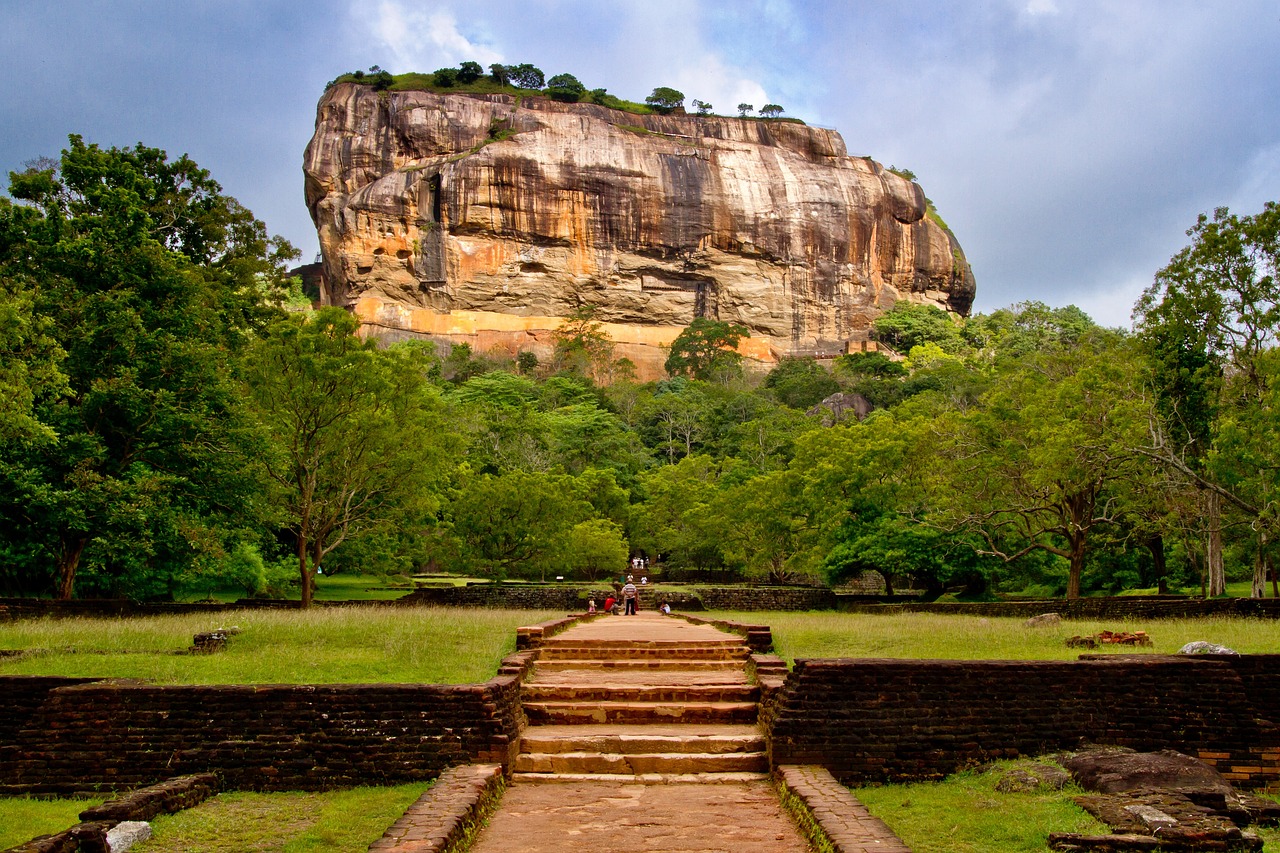
Roaming the Cultural Triangle feels like walking through an open-air museum. Sigiriya's rock fortress rises dramatically from plains, Dambulla's cave temples glow with golden statues, and ancient cities like Polonnaruwa stretch across hectares of ruins. Plan 2-3 days minimum, early mornings for key sites, and evenings for slow exploration.Hill Country: Sri Lanka's Cool Green Heart
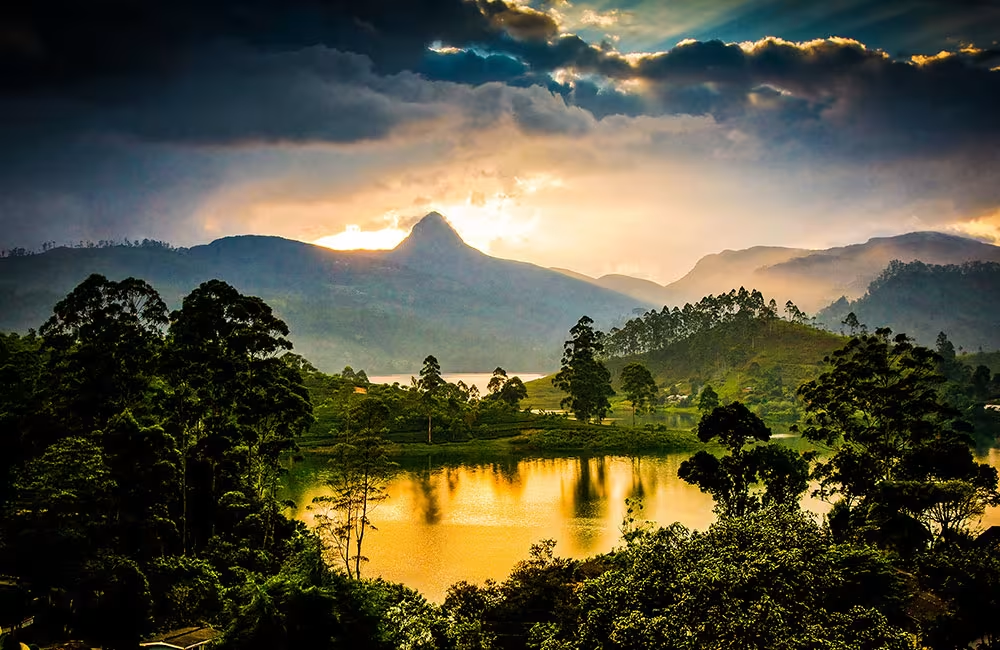
The hills hit you differently—cooler air, endless tea gardens, and small towns that feel like lost worlds. Ella delivers viewpoints and hikes. Nuwara Eliya offers colonial architecture and tea estates. The train ride connecting them is worth planning your entire route around. This is where roaming Sri Lanka feels most like a dream.Beaches: Choose Your Coast Wisely
South coast beaches (Unawatuna, Mirissa, Weligama) are famous for good reason: golden sand, surf, and beach-town energy. But the east coast (Trincomalee, Arugam Bay) shines when the south-west is wetter. Don't try to beach-hop the whole island—pick one coast based on season and settle in.Wildlife Parks: Nature's Theater
Yala National Park is famous for leopards, but Udawalawe might be better for elephants. Minneriya's "gathering" of elephants happens seasonally and can be spectacular. Book safaris with ethical operators who respect distance and don't chase animals. One well-done safari day is usually plenty for most itineraries.Where to Stay While Roaming
Sri Lanka offers everything from luxury boutique properties to family-run guesthouses that cost less than a nice dinner back home. The sweet spot for most travelers? Mid-range guesthouses and boutique hotels that offer local character, good food, and authentic hospitality.Accommodation Tips by Region
- Cultural Triangle: Stay near Sigiriya or Dambulla for easy early access to sites
- Hill country: Mix Ella (backpacker vibe, great cafés) with Nuwara Eliya (cooler, tea estates)
- Beaches: Pick one beach town as base rather than moving constantly
- Colombo: One or two nights max—use it as arrival/departure comfort
Food While Roaming Sri Lanka
Roaming Sri Lanka is also a food journey. Rice and curry varies by region—coastal versions feature seafood, hill country versions include more temperate vegetables. Don't skip hoppers (bowl-shaped pancakes), kottu (chopped roti stir-fry), and short eats (savory snacks). Every town has local gems—ask guesthouse owners where they eat.Eating Smart
- Street food is generally safe if it's freshly cooked and popular
- Vegetarian travelers will find options everywhere
- Spice levels can be high—ask for "mild" if sensitive
- Resort restaurants are convenient but pricier than local spots
Roaming Sri Lanka on Different Budgets
| Traveler Type | Daily Estimate (per person) | Key Tradeoffs |
|---|---|---|
| Budget | $30-50 | Guesthouses, public transport, local food, fewer paid attractions |
| Mid-Range | $70-120 | Boutique stays, private driver some days, mix of local and tourist restaurants |
| Comfort | $150+ | Luxury properties, private transport throughout, fine dining, curated experiences |
Responsible Roaming Practices
Sri Lanka's beauty deserves protection. Choose ethical wildlife operators, avoid single-use plastics, support local businesses, and dress respectfully at religious sites. The small choices add up when thousands of travelers make them.Practical Tips for Smooth Roaming
- Sim card: Buy at the airport—Dialog and Mobitel have good coverage
- Cash: Cards work in cities, but cash is king in rural areas
- Pack light: You'll likely move every 2-3 days
- Power banks: Essential for long train/bus rides
- Respect: Remove shoes/head coverings at temples, dress modestly
Conclusion
Roaming Sri Lanka rewards flexible, curious travelers who understand that the magic isn't in checking boxes—it's in the space between. The train ride that becomes a highlight. The guesthouse owner who invites you to watch the sunset. The beach day that turns into a beach week because you just don't want to leave. Whether you have seven days or three weeks, plan routes that make sense geographically. Build buffer days for weather or simply for doing nothing. Choose transport that matches your comfort level. And remember: Sri Lanka is small, but it's deep. The best roaming happens when you stop trying to see everything and start really experiencing something.Location
Frequently Asked Questions
Q1.How many days are ideal for roaming in Sri Lanka?
Seven days covers highlights of culture, hills, and beaches. Ten days lets you add wildlife and depth. Fourteen days or more allows for slow, immersive exploration without rushing between regions.
Q2.What is the best way to get around Sri Lanka?
Most travelers combine scenic hill-country trains with private drivers for long transfers, tuk-tuks for short hops, and occasional buses for budget stretches. The best mix depends on your budget and comfort preferences.
Q3.When is the best time for roaming Sri Lanka?
Sri Lanka has regional seasons rather than one national best time. The south and west coasts shine from December to March, the east coast from April to September, and hill country is best from December to April. Shoulder months offer fewer crowds and workable weather.
Q4.Is Sri Lanka good for solo travelers?
Yes, Sri Lanka is very solo-travel friendly with good infrastructure, welcoming locals, and plenty of other travelers on popular routes. Trains and guesthouses make it easy to meet people, and transport is straightforward even alone.
Q5.How much does roaming Sri Lanka cost?
Budget travelers can manage $30-50 per day using guesthouses and public transport. Mid-range comfort runs $70-120 with better stays and some private transport. Luxury experiences start from $150+ daily.
Q6.What should I pack for roaming Sri Lanka?
Light, breathable clothing for heat, a layer for hill country's cool evenings, comfortable walking shoes, swimwear, sun protection, modest temple wear, and a power bank for long travel days.
Q7.Is Sri Lanka safe for tourists?
Sri Lanka is generally safe for tourists with low violent crime. Standard precautions apply: secure valuables, use reputable operators for activities, and stay updated on local advisories. Civil unrest is rare but worth checking before travel.
Q8.Can I use English while roaming Sri Lanka?
Yes, English is widely spoken in tourist areas, hotels, and restaurants. Signage is usually bilingual, and transport staff generally understand basic English. Learning a few Sinhala or Tamil phrases is appreciated but not essential.
Recommended For You
Beaches
Unawatuna Beach Sri Lanka: Stay Zones, Nightlife & Beach Activities
Unawatuna Beach Sri Lanka travel guide with best time to visit, how to reach from Colombo, top things to do, nightlife, hotels, food, and travel tips.
Feb 18Read More
Heritage
Sigiriya Rock Fortress Sri Lanka: Tickets, Climb Timings & Travel Tips
Complete guide to Sigiriya Rock Fortress Sri Lanka. Details on tickets, timings, climbing tips, history, how to reach, and best time to visit this UNESCO World Heritage Site.
Dec 12Read More
Waterfalls
Waterfalls in Sri Lanka: Top 15 Falls, Routes & Best Visiting Months
Discover best waterfalls in Sri Lanka: Bambarakanda, Diyaluma, Dunhinda & more. Locations, height & travel guide.
Feb 20Read More
Never Miss an Adventure
Get the latest trekking guides, travel tips, and exclusive offers delivered straight to your inbox.
