
Rutland Island Andaman: Offbeat Beaches, Diving & Boat Access

Ananya Sharma
February 20, 2026
Rutland Island Andaman travel guide covering offbeat beaches, diving, snorkeling, access from Port Blair, best season, and practical day-trip planning.
Introduction: Andaman's Quiet Alternative to Mainstream Island Circuits
Rutland Island in Andaman is one of the lesser-discussed options for travelers who want a quieter marine experience beyond the usual tourist-heavy island routes. It is known for undeveloped stretches, diving potential, snorkeling-friendly pockets, and an offbeat atmosphere that appeals to people who value raw landscape over polished resort infrastructure.
Unlike heavily commercial islands, Rutland feels more like a day-expedition destination where planning matters. Transport windows, weather, and activity readiness decide whether your visit is smooth or rushed. Travelers who arrive with realistic expectations and basic preparation often rate the experience highly.
This guide covers what makes Rutland special, how to reach from Port Blair, what activities are practical, best season windows, and safety/permit considerations. For route pairing, connect it with Havelock Island, Neil Island, and scuba diving in Andaman.
What Makes Rutland Island Special?
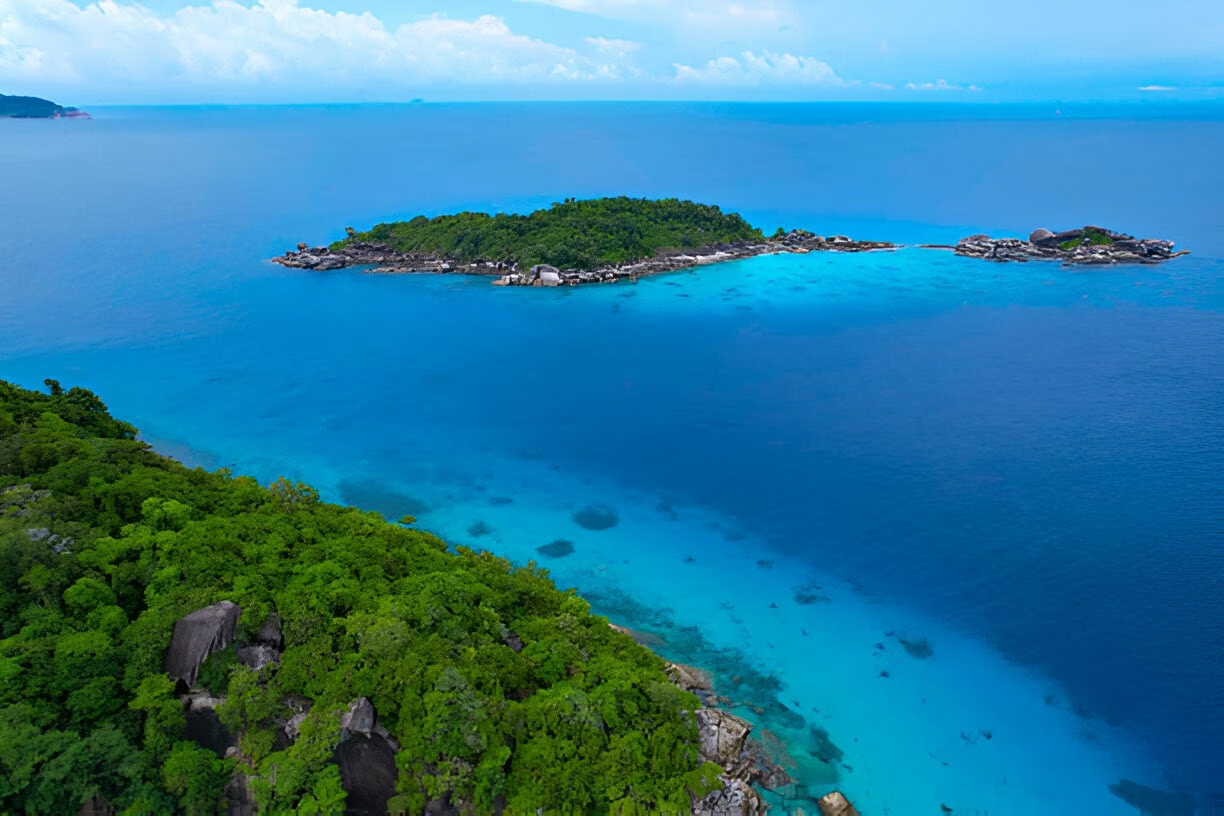
Rutland stands out because it combines marine access with a low-density visitor environment. It is not a plug-and-play leisure island. Instead, it suits travelers who prefer exploratory day trips, light adventure, and fewer crowds.
- Low commercialization: Fewer built-up tourist zones.
- Marine appeal: Snorkeling and diving interest areas.
- Natural feel: Cleaner visual landscape and quieter movement.
- Day-trip value: Good offbeat add-on from Port Blair side.
This profile makes Rutland ideal for photographers, adventure travelers, and repeat Andaman visitors looking for alternatives.
Best Beaches and Coastal Spots on/around Rutland
Beach quality in offbeat islands is often better understood as a collection of pockets rather than one headline shore. Rutland's appeal is in this mixed shoreline character.
| Spot Type | Experience | Best Use |
|---|---|---|
| Open sandy stretches | Quiet walks and light beach time | Morning photography |
| Rocky-coral patches | Marine viewing potential | Snorkeling with guide support |
| Sheltered coves | Calmer water windows | Short activity sessions |
Exact accessibility can vary by tide and local operator route. Confirm on ground before finalizing activity plans.
Diving and Snorkeling at Rutland Island
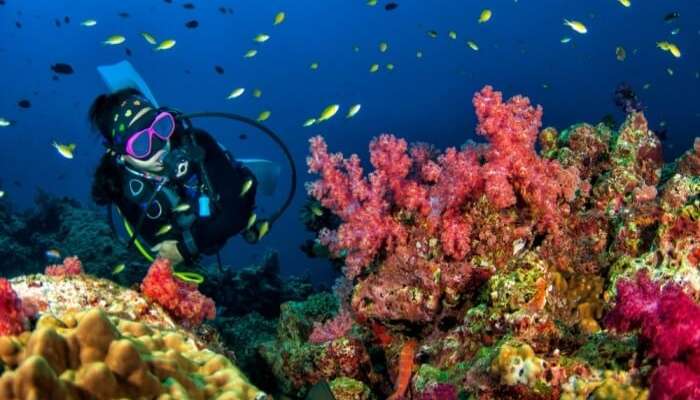
Rutland is often discussed in relation to diving access and less-crowded marine sessions. Visibility and conditions depend on season, tide, and weather, so planning with experienced operators is essential.
- Choose certified operators with safety briefings.
- Prefer morning slots for calmer water.
- Carry your own essentials even if gear is provided.
- Avoid forcing activity in unstable sea conditions.
For beginners, supervised snorkeling is usually the most practical entry activity before committing to deeper sessions.
How to Reach Rutland Island from Port Blair
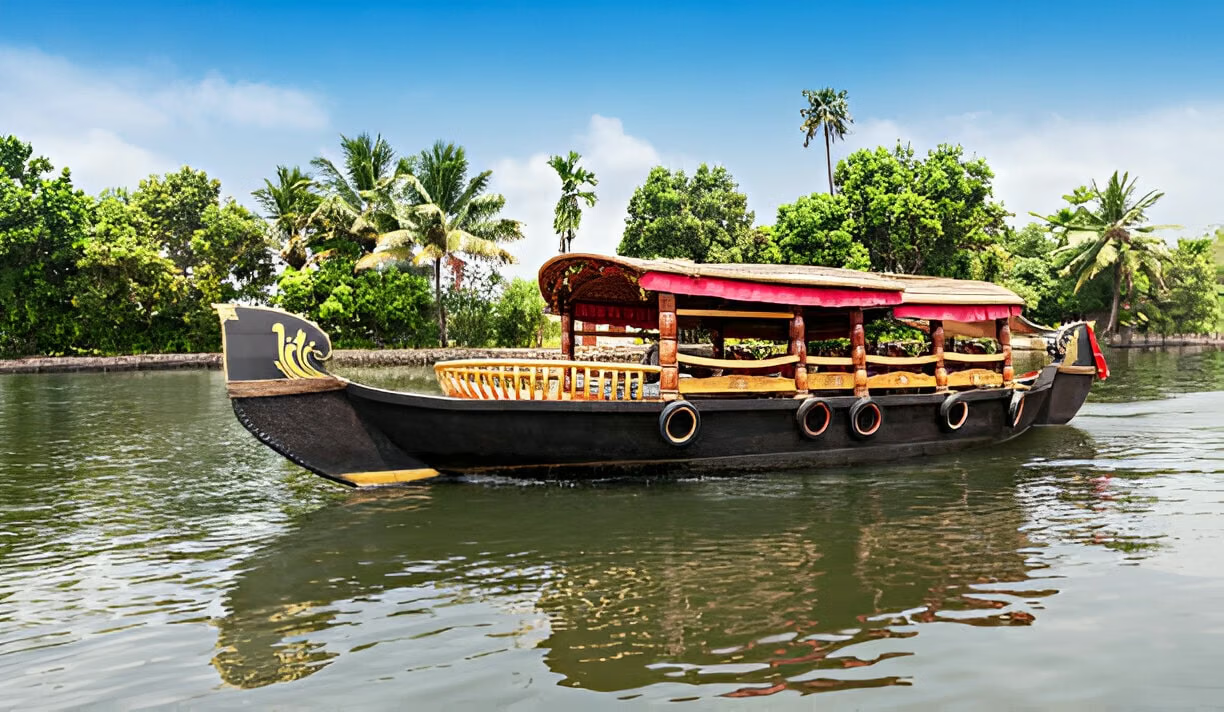
Most visitors access Rutland via Port Blair-side transport arrangements, including local boat-based movement depending on route and operator availability. This is why pre-coordination matters.
- Base point: Port Blair and nearby coastal departure zones.
- Travel mode: Boat transfer, often arranged through activity operators.
- Timing: Early departures generally work better.
- Return planning: Confirm same-day return before start.
Because schedules can shift with sea conditions, avoid rigid same-evening commitments after the trip.
Best Time to Visit Rutland Island
Andaman marine travel is generally strongest in stable-weather windows outside heavy monsoon disruption phases. Rutland follows the same logic.
- Preferred season: Drier months with calmer sea conditions.
- Avoid high-risk windows: Rough-sea and unpredictable heavy-rain periods.
- Best daily slot: Morning for activities and clear visibility.
Always verify same-day local marine advisories before departure.
Activities Beyond Water Sports
Even if you skip diving, Rutland can still be worthwhile for short coastal walks, quiet landscape viewing, and photography-driven exploration.
- Beach-hopping and shoreline observation
- Landscape and seascape photography
- Light nature-focused day outing
- Pairing with wider Andaman offbeat planning

Planning Tips: What to Carry and What to Avoid
- Carry sun protection, reusable water, and basic medical kit.
- Use quick-dry clothing and waterproof pouches.
- Do not rely on full-service infrastructure on the island.
- Avoid littering and respect marine ecology.
Offbeat islands reward self-sufficiency. Keep your day setup simple and safety-oriented.
Sample Day Plan from Port Blair
| Time | Plan | Outcome |
|---|---|---|
| 7:00 AM | Departure coordination and transfer | Smooth early start |
| 9:00 AM | Rutland arrival + activity briefing | Safety and route clarity |
| 10:00 AM | Snorkeling/diving/shore exploration | Core experience window |
| 1:00 PM | Break and scenic session | Photography and reset |
| 3:00 PM | Return transfer | Buffer for weather variation |
Extended Activity Planning for Rutland Day Trips
Rutland trips become significantly better when activity flow is designed in phases instead of random stops. Phase one should always be orientation and safety: confirm local sea condition, check your operator's communication plan, and identify emergency support details before starting marine activity. Phase two is experience core: snorkeling, diving, or guided coastal exploration depending on your comfort and training level. Phase three is low-intensity closure: shoreline walk, hydration break, gear reset, and weather-aware return planning. This phased model protects your energy, improves safety, and avoids rush-driven mistakes.
If your group includes mixed experience levels, split responsibilities early. Strong swimmers can take longer sessions while beginners stay on supervised shallow activities. Do not force the entire group into one activity intensity. Flexible pacing creates better memories and reduces risk. Also keep communication clear about return timing. Offbeat island days can slip quickly if no one tracks schedule, especially when photography and marine sessions run longer than expected.
For travelers combining Rutland with broader Andaman circuits, keep the next day lighter rather than packing immediate long transfers. Marine-day fatigue is real even when activity feels easy. A lighter next-day plan helps you recover and maintain trip quality across the full itinerary.
Marine Safety and Environmental Responsibility
Responsible travel on marine islands starts with two rules: respect local safety guidance and reduce ecological disturbance. Coral ecosystems are fragile. Even casual contact from fins or standing attempts can damage reef systems. Use buoyancy discipline where applicable and follow guide instructions closely. Avoid touching marine life for photos. Good operators brief this clearly; treat these briefings as non-negotiable.
Plastic discipline is equally important. Carry reusable water bottles and ensure wrappers are packed out. Do not leave any waste on shore sections. If your group carries food, plan a waste-bag system before departure. Small steps matter more on low-infrastructure islands where disposal systems are limited. Also avoid loud behavior in quiet natural areas. The appeal of Rutland is its lower human pressure; travelers should help preserve that character.
Photographers should prioritize non-intrusive practices. Keep distance, avoid stepping into sensitive shoreline zones for dramatic angles, and never request guides to push unsafe positions for content shots. Ethical travel images are more valuable than risky captures.
What to Do If Weather Changes Mid-Trip
Sea weather can shift quickly. If wind rises or visibility drops, switch from deep activity goals to low-risk shoreline observation. A successful offbeat day is not defined by maximum activity count; it is defined by safe adaptation. Maintain communication with your operator and avoid pressure to "complete everything" in poor conditions. This mindset keeps island travel sustainable and stress-free.
Rutland Island Andaman: Sample Full-Day Plan
A realistic day plan helps travelers avoid rushed movement and maximize calm water windows. Start early from Port Blair, ideally with a light breakfast and pre-packed drinking water, reef-safe sunscreen, and dry bags for electronics. Mornings are often better for basic marine activity because sea conditions can be cleaner and boat transfers more predictable. Once you reach your activity zone, spend the first part of the day on guided snorkeling or a beginner-friendly dive, then reserve mid-day for rest and hydration. Heat and humidity in Andaman can reduce energy quickly, so a planned recovery break is practical, not optional.
After lunch, keep your second activity low intensity, such as shoreline exploration, birdwatching, or short photography walks. This sequencing gives your body time to recover while still adding memorable moments to the trip. For return movement, confirm boat timing before 4 PM and keep at least one-hour buffer for delays. Evening can be used for reviewing photos, gear cleaning, and next-day planning in Port Blair. This structure makes the day feel complete without forcing too much into a single itinerary.
What First-Time Visitors Usually Underestimate
The most common mistake is treating Rutland like a mainstream sightseeing destination. In reality, it rewards patience, preparation, and activity-led travel choices. Transport may not work with city-level frequency, mobile signal can vary, and on-ground facilities are more basic than at better-known islands. Visitors who expect luxury convenience often feel frustrated; those who plan for a slower pace usually enjoy the experience more.
Another frequent gap is hydration and sun exposure management. Even short outdoor windows can lead to fatigue when heat index rises. Carrying oral rehydration, wearing UV-protective clothing, and applying sunscreen before boarding boats improves comfort through the day. Small decisions create large quality differences on island trips.
How to Balance Adventure and Safety
Adventure in Rutland should be calibrated by skill level and conditions, not by social media comparison. Beginners should prioritize certified operators, clear safety briefing, and conservative activity duration. Ask directly about instructor ratio, emergency protocol, and backup plans for weather changes. If responses are vague, choose another operator.
For snorkeling and diving, avoid skipping rest after heavy movement and do not combine multiple high-intensity activities without breaks. Keep valuables protected, label gear, and use waterproof pouches. If sea visibility drops or currents change, accept itinerary changes quickly. Flexible decisions are part of responsible marine travel.
Responsible Travel Checklist for Rutland
Use reef-safe products, avoid touching marine life, and keep all plastic waste packed back to the mainland. Respect community spaces, ask before photographing people, and avoid loud music in quiet coastal stretches. If you book local guides, pay fair rates and confirm inclusion details in advance to prevent misunderstandings. Sustainable behavior improves both visitor experience and long-term destination health.
Finally, evaluate success by quality of moments rather than checklist volume. Rutland is best for travelers who value nature time, marine learning, and low-crowd exploration. When expectations match this profile, the trip often becomes one of the most meaningful parts of an Andaman itinerary.
Conclusion
Rutland Island Andaman is a strong choice for travelers looking for offbeat coastal exploration with marine activity potential near Port Blair-side logistics. It is not a resort-heavy destination, and that is exactly its strength.
With correct season choice, operator coordination, and realistic expectations, Rutland can become one of the most memorable low-crowd days in your Andaman trip. For context on how Rutland fits into a wider itinerary, see our our broader Andaman places-to-visit guide.
Location
Frequently Asked Questions
Q1.Where is Rutland Island located in Andaman?
Q2.How can I reach Rutland Island from Port Blair?
Q3.Is Rutland Island good for snorkeling and diving?
Q4.What is the best time to visit Rutland Island?
Q5.Can I visit Rutland Island as a day trip?
Q6.Are there accommodations on Rutland Island?
Q7.What should I carry for a Rutland day trip?
Q8.Is Rutland Island suitable for first-time Andaman travelers?
Recommended For You

Things to Do in Andaman: Top Activities, Water Sports & Island Tours
Plan top things to do in Andaman with diving, snorkeling, beaches, island hopping, historical sites, and practical itinerary plus budget guidance.

Places to Visit in Andaman: Islands, Beaches & Planning Tips
Explore the best places to visit in Andaman with island-wise highlights, beach picks, activity ideas, and practical route planning tips.

Andaman Islands: Best Time To Visit And Things To Do
Planning your dream Andaman Islands vacation? This comprehensive guide covers essential Andaman travel tips for first-timers including best time to visit, how many days required, permits, packing list, budget breakdown, ferry booking, safety guidelines, and practical advice. Get ready for the perfect island paradise getaway with our expert tips on Port Blair, Havelock, Neil Island, water activities, and more.
Never Miss an Adventure
Get the latest trekking guides, travel tips, and exclusive offers delivered straight to your inbox.
