
Bhojpur Temple Bhopal: History, Route and Visit Tips

Ananya Sharma
February 18, 2026
Plan Bhojpur Temple Bhopal with spiritual context, route guidance, and practical visit tips for a smoother heritage-faith experience.
Bhojpur Temple Bhopal: History, Architecture, and Visit Planning
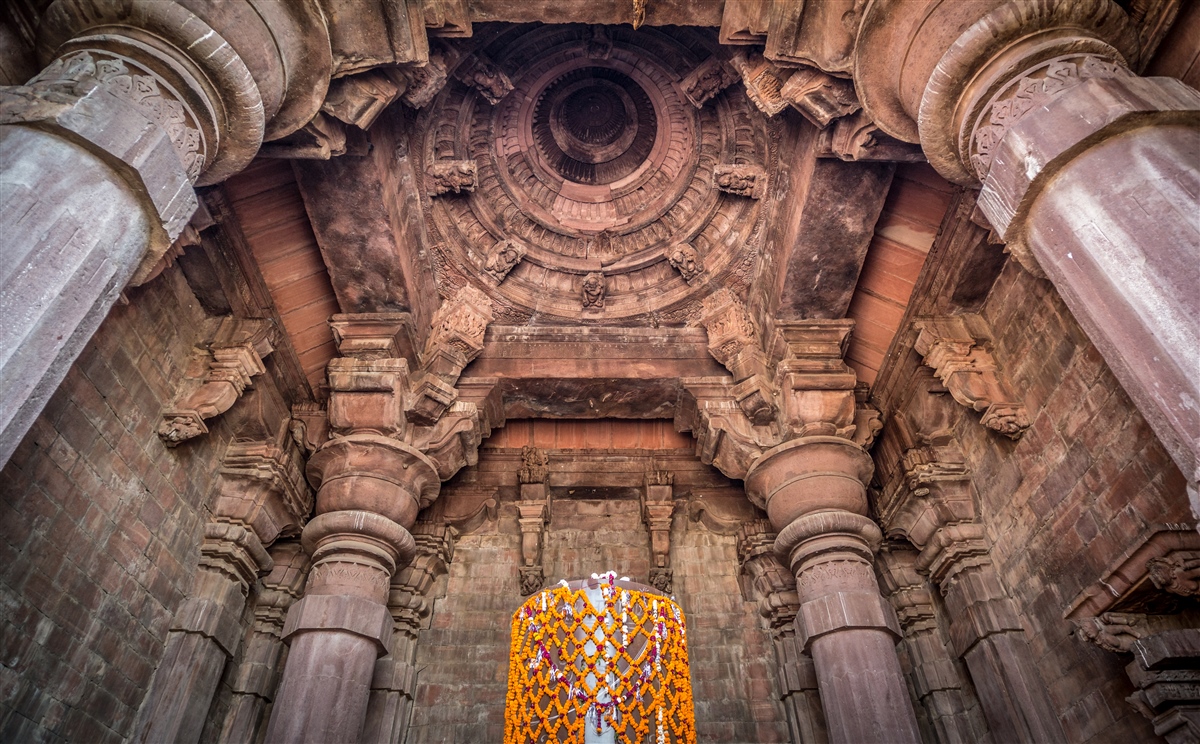
Bhojpur Temple near Bhopal is one of central India’s most impressive Shiva heritage sites, known for its monumental scale and unfinished yet powerful architectural form. The temple is often called the Bhojeshwar Temple and is closely associated with Raja Bhoj of the Paramara dynasty. For many visitors, the site stands out because of its massive Shiva lingam and the way incomplete stone structures still communicate grand design intent.
This is not a rushed photo-stop destination. The temple deserves a slow visit that combines devotion, architectural observation, and practical route planning. If you are creating a Bhopal circuit, pair this with Sanchi Stupa Bhopal, Taj-ul-Masajid Bhopal, and leisure balance from Upper Lake Bhopal.
Why Bhojpur Temple Is Historically Important
Bhojpur Temple is connected to medieval central Indian temple-building traditions and remains a key site for understanding large-scale stone construction logic. Even in its incomplete state, the temple reveals planning precision through massive pillars, elevated structure lines, and sanctum emphasis. Historians and architecture enthusiasts study the site for clues about design methods, construction sequencing, and interruptions that prevented completion.
The spiritual significance is equally strong. Devotees visit for darshan of the giant Shiva lingam and temple atmosphere that blends simplicity with monumental presence. This dual identity, sacred and archaeological, makes Bhojpur different from many fully finished temple complexes.
The Massive Shiva Lingam and Sanctum Experience
The most striking element inside the temple is the large Shiva lingam, which immediately defines the experience. Its scale can only be understood in person. Visitors often fall silent in the sanctum because the structure and vertical volume create a naturally meditative setting. Even travelers not deeply familiar with temple traditions can feel the gravity of the space.

During prayer activity, keep movement calm and avoid blocking ritual lines. Photography is usually possible in many areas, but always follow local guidance and avoid intrusive behavior near active worship. Respectful temple conduct improves everyone’s experience and preserves spiritual dignity.
| Temple Element | Why It Matters | Visitor Note |
|---|---|---|
| Shiva lingam | Primary sacred focus | Observe quietly, avoid crowding |
| Stone structure | Architectural scale evidence | Take time to view pillar geometry |
| Open unfinished form | Historical construction insight | Notice carved yet incomplete details |
Architecture and the Incomplete Construction Story
Bhojpur’s unfinished state often raises questions, and that is part of its appeal. Visitors can observe carved blocks, structural intent, and construction pathways that are rarely visible in completed temples. The site acts almost like an architectural document in stone. It helps explain how large medieval temple projects may have been planned, assembled, and interrupted.
The temple’s Bhumija-influenced style, strong massing, and elevated sanctum design reflect both ritual priorities and engineering ambition. For architecture-focused travelers, this site is one of the most instructive temple stops in the region.
How to Reach Bhojpur from Bhopal
Bhojpur is commonly visited as a short road trip from Bhopal. Travel time depends on traffic and departure window, but a half-day visit is practical for most travelers. Private cab or self-drive options are usually the most convenient, especially for families and mixed-age groups. Keep buffer time so temple exploration does not feel rushed.

- Leave early in the day for better comfort and lighter traffic.
- Carry water, modest clothing, and basic sun protection.
- Keep extra time for quiet temple observation and photography.
- Avoid stacking too many attractions on the same day.
If you want a heritage-focused day, add one cultural site and one city stop only. For example, combine Bhojpur with Bharat Bhavan Bhopal or architectural context from Gohar Mahal Bhopal.
Best Time to Visit and Festival Context
Cooler months generally offer more comfortable conditions for longer temple visits. Early mornings are preferable in warm periods. Festival days can be spiritually intense and deeply meaningful, but crowd levels rise significantly. If you prefer calm architectural exploration, choose non-peak dates. If you want devotional atmosphere, festival windows are powerful with proper preparation.
Regardless of season, maintain respectful clothing and behavior. Spiritual sites are living religious spaces, not only heritage monuments.

Practical Tips for First-Time Visitors
- Allocate at least 2 to 3 hours for a meaningful visit.
- Read basic temple history before arrival for better context.
- Use comfortable footwear suitable for stone surfaces.
- Keep noise low inside sacred areas and avoid rushed movement.
- Pair with one nearby attraction, such as Moti Masjid Bhopal, for a balanced route.
Most visitors who enjoy Bhojpur are the ones who slow down and treat the site as both sacred and historical. The temple rewards attention to detail and calm pacing.
Conclusion
Bhojpur temple bhopal is a rare blend of devotion, unfinished grandeur, and architectural significance. With thoughtful timing and respectful conduct, it can become one of the most memorable heritage visits near Bhopal. Plan a focused half-day, keep your itinerary realistic, and experience the site with both faith and curiosity.
Devotional Mindset and Heritage Interpretation
Visitors often arrive at Bhojpur with either a purely religious mindset or purely architectural interest, but the site becomes most meaningful when both perspectives are held together. Devotional visitors gain deeper appreciation by observing structural ambition and unfinished details. Heritage-focused visitors gain context by recognizing active worship and local faith continuity. This balanced lens helps explain why Bhojpur remains emotionally powerful even without complete temple construction.
Before leaving, spend a few quiet minutes in observation rather than moving immediately to the next stop. Notice stone scale, silence, and ritual rhythm. These moments often become the most memorable part of the visit. A calm ending also improves transition to city traffic and keeps the rest of your Bhopal day more grounded and enjoyable.
Carry this simple visit goal: arrive early, observe patiently, and leave respectfully. That approach aligns with both temple decorum and heritage learning, and it consistently produces a more complete Bhojpur experience for first-time visitors.
If possible, keep a short silent pause at the end of your visit; it helps absorb both devotional and architectural depth before returning to city pace.
Arrive patient, observe slowly, and leave with gratitude for the site.
Location
Frequently Asked Questions
Q1.What is Bhojpur Temple famous for?
Q2.How far is Bhojpur Temple from Bhopal?
Q3.What is the best time to visit?
Q4.Can I combine it with other Bhopal attractions?
Q5.Is this place suitable for family visits?
Q6.What should I wear?
Q7.How much time should I allocate?
Q8.Should I check festival-day crowd conditions?
Recommended For You
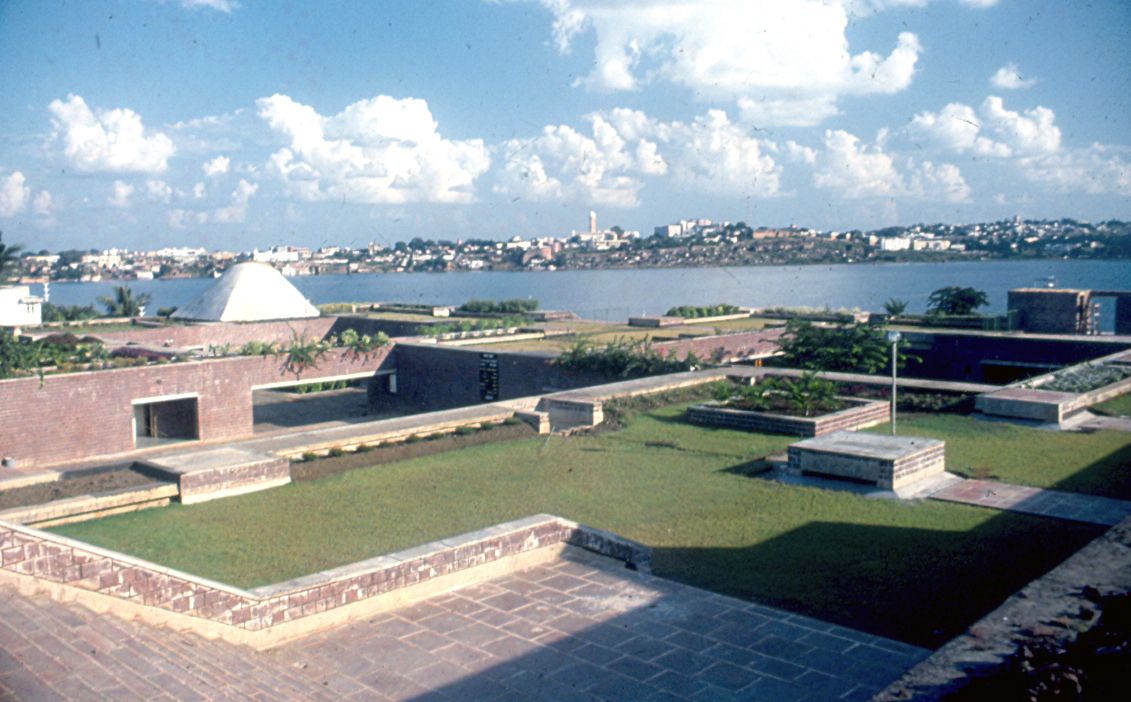
Bharat Bhavan Bhopal: Galleries, Shows & Visitor Timings
Plan a Bharat Bhavan Bhopal visit with cultural context, event-aware timing, and practical city-route tips for a richer experience.
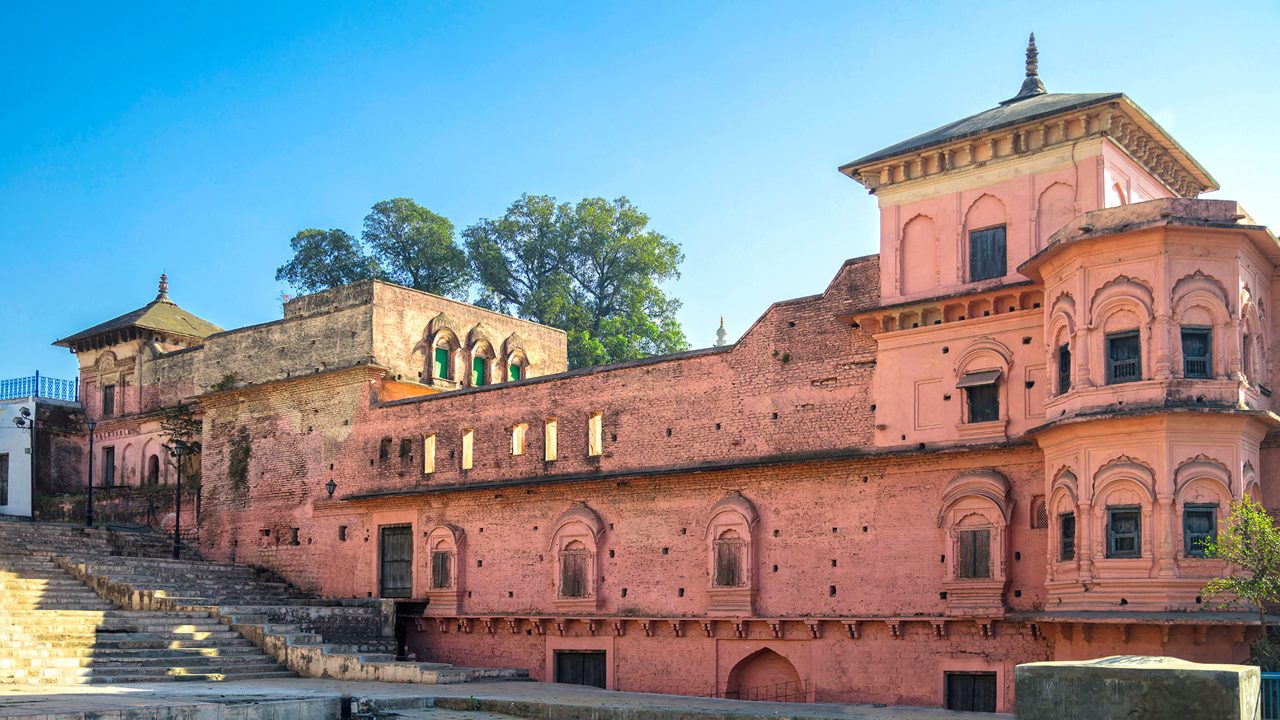
Gohar Mahal Bhopal Guide: History, Timings, Visit
Explore Gohar Mahal Bhopal with Begum-era history, architecture highlights, and practical timing and route-planning guidance.
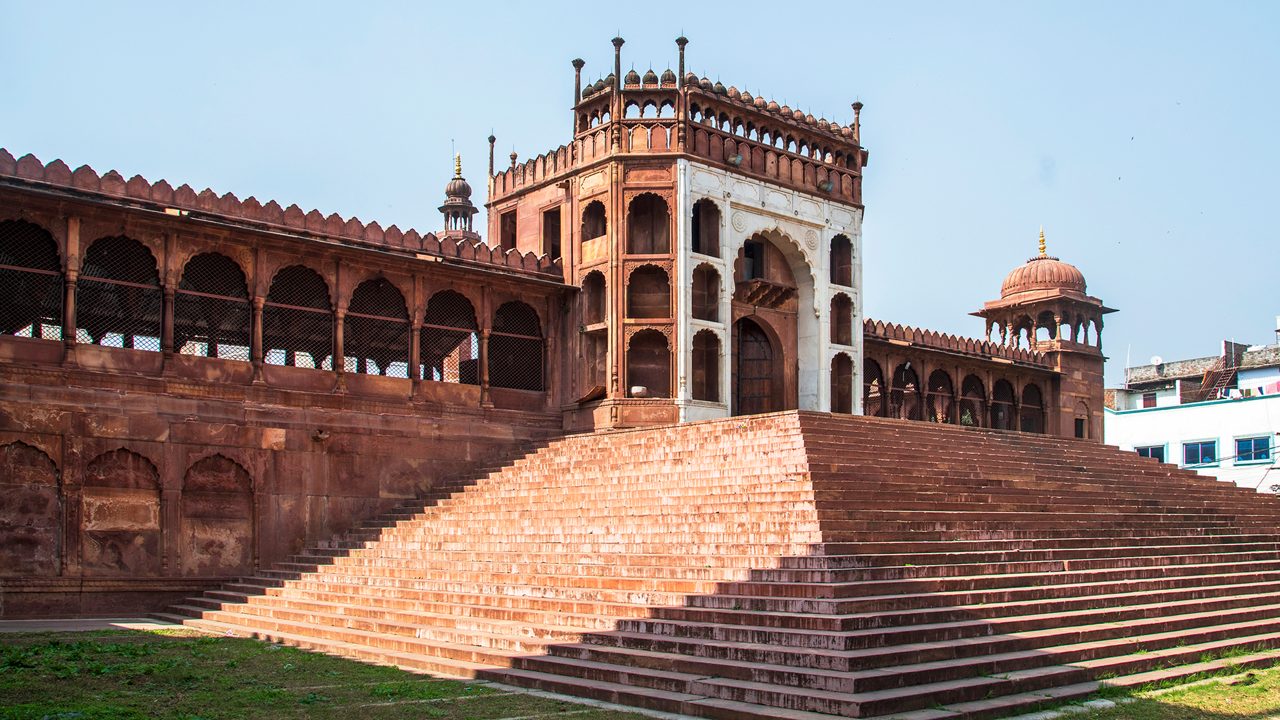
Moti Masjid Bhopal: History, Prayer Timings & Visitor Etiquette
Explore Moti Masjid Bhopal with practical history, timing, and respectful-visit guidance for heritage travelers.
Never Miss an Adventure
Get the latest trekking guides, travel tips, and exclusive offers delivered straight to your inbox.
