
Sariska Tiger Reserve: Safari Booking, Zones & Wildlife Sightings

Priya Mehta
December 29, 2025
Explore Sariska Tiger Reserve in Rajasthan, a hidden gem in the Aravalli hills. This comprehensive guide covers safari experiences, wildlife encounters, ancient temples, and practical travel tips for an unforgettable wildlife adventure.
Discovering Sariska Tiger Reserve
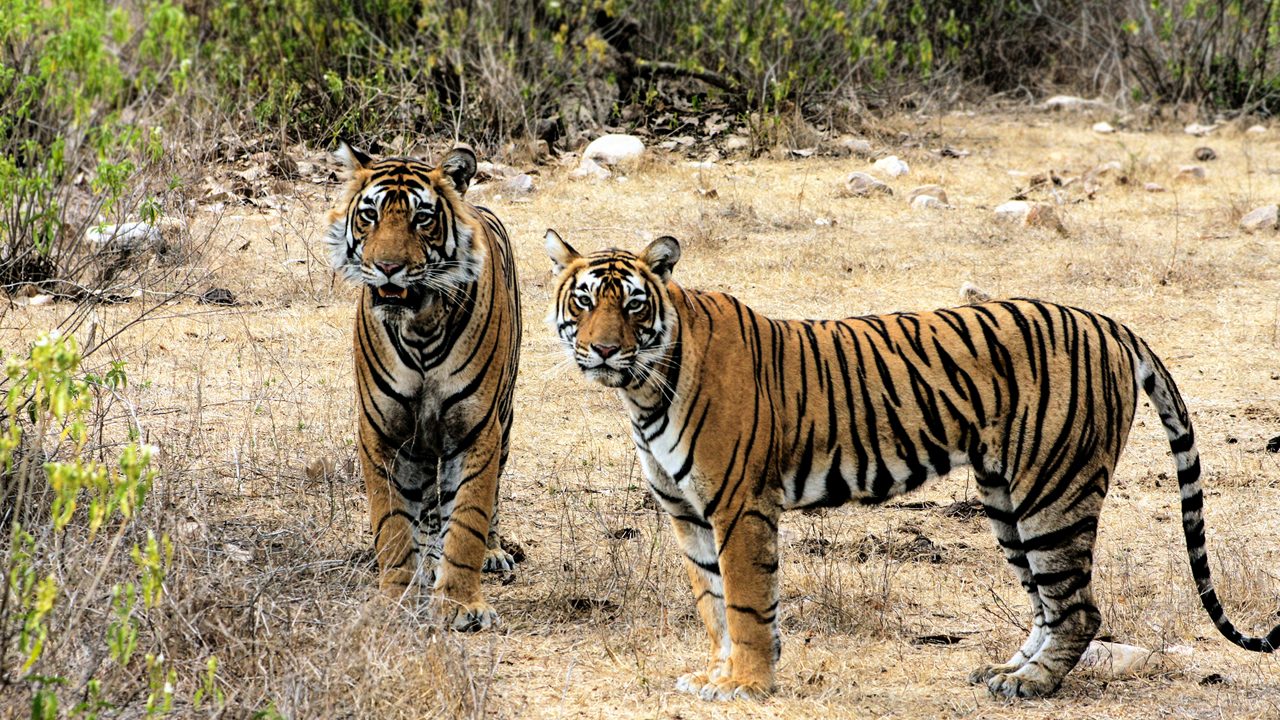
Nestled in the Aravalli hills of Rajasthan, Sariska Tiger Reserve spans approximately 866 square kilometers of dry deciduous forests and is one of India's most unique wildlife destinations. Located just 200 kilometers from Delhi and 107 kilometers from Jaipur, it serves as a convenient weekend getaway for wildlife enthusiasts from North India. The reserve gained prominence as part of Project Tiger in 1978 and has since been at the forefront of tiger conservation efforts in India.
What sets Sariska apart from other tiger reserves is its remarkable story of tiger reintroduction. After losing all its tigers to poaching in 2004-2005, the reserve successfully reintroduced tigers from Ranthambore, starting with a male tiger in 2008. Today, Sariska is home to approximately 20-25 tigers, including several breeding females and cubs, making it an inspiring conservation success story. The reserve's landscape of rocky hills, narrow valleys, and dense forests creates a unique habitat that supports diverse wildlife beyond just tigers. For wildlife enthusiasts planning to explore multiple tiger reserves, Ranthambore National Park is located nearby and offers excellent tiger sightings.
Best Time to Visit Sariska
The ideal time to visit Sariska is from October to March when the weather is pleasant and wildlife sightings are frequent. The winter months from November to February offer comfortable temperatures ranging from 8 to 25 degrees Celsius, making safari drives enjoyable. The dry winter months also see animals congregating around water sources, improving visibility and sighting opportunities.
The summer months from April to June can be hot with temperatures reaching 45 degrees Celsius, but this is when wildlife sightings peak as animals flock to remaining waterholes. The park remains closed during the monsoon season from July to September, allowing the forest to regenerate and animals to breed without human disturbance. Early morning safaris (6:00 AM) and late afternoon drives (3:00 PM) are most productive for wildlife sightings throughout the year.
Safari Experience and Zones
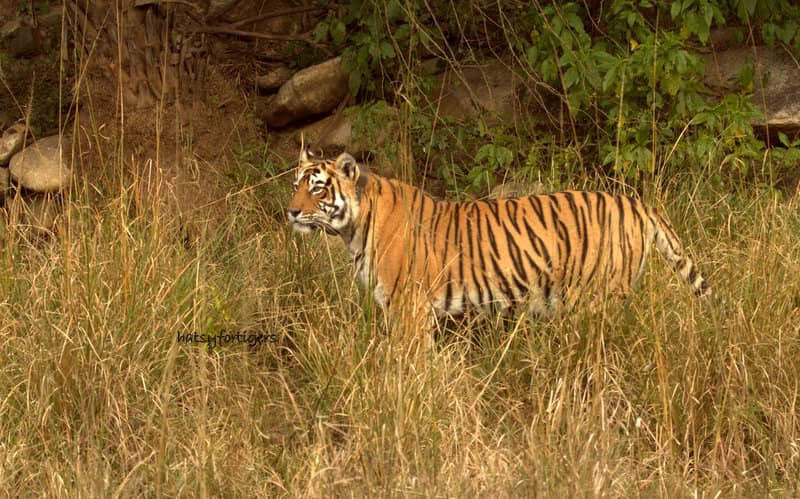
The magnificent tiger prowling through its territory
Sariska offers two safari zones – the main tourism zone that's open to all visitors, and the buffer zone that requires special permits. The main zone is divided into several routes, each offering different landscapes and wildlife experiences. The Sariska Palace route takes you through historic grounds, while the Kalighati route is known for frequent tiger sightings and beautiful waterholes.
Safaris can be booked online through the Rajasthan Forest Department website or through approved tour operators. Jeep safaris (6-seater gypsies) are the preferred option as they offer better mobility and can navigate narrow trails. Canter safaris (20-seater vehicles) are also available but are less maneuverable. Each safari lasts approximately 3 hours, giving you ample time to explore different areas of the reserve. The forest department assigns zones randomly to distribute tourist pressure, though you can request preferred zones for an additional fee.
Wildlife and Biodiversity
While tigers are undoubtedly the main attraction, Sariska boasts an impressive diversity of wildlife. The reserve is home to leopards, jungle cats, caracals, and fishing cats, though these elusive predators are rarely seen. Herbivores include sambar deer, chital (spotted deer), nilgai (blue bull), chinkara (Indian gazelle), wild boar, and langur monkeys. The four-horned antelope or chousingha, unique to the Indian subcontinent, is also found here. Those interested in exploring more wildlife destinations should consider Jim Corbett National Park, India's oldest national park.
Birdwatchers can spot over 200 species of birds, including peafowl, grey partridge, bush quail, sandgrouse, tree pie, golden-backed woodpecker, and crested serpent eagle. The reserve is particularly good for raptor sightings, with species like the honey buzzard, sparrow hawk, and vultures commonly seen. Reptiles include the monitor lizard, Indian python, and various snake species. The park's water bodies harbor marsh crocodiles, which can often be seen sunning themselves on the banks.
Ancient Temples Within the Reserve
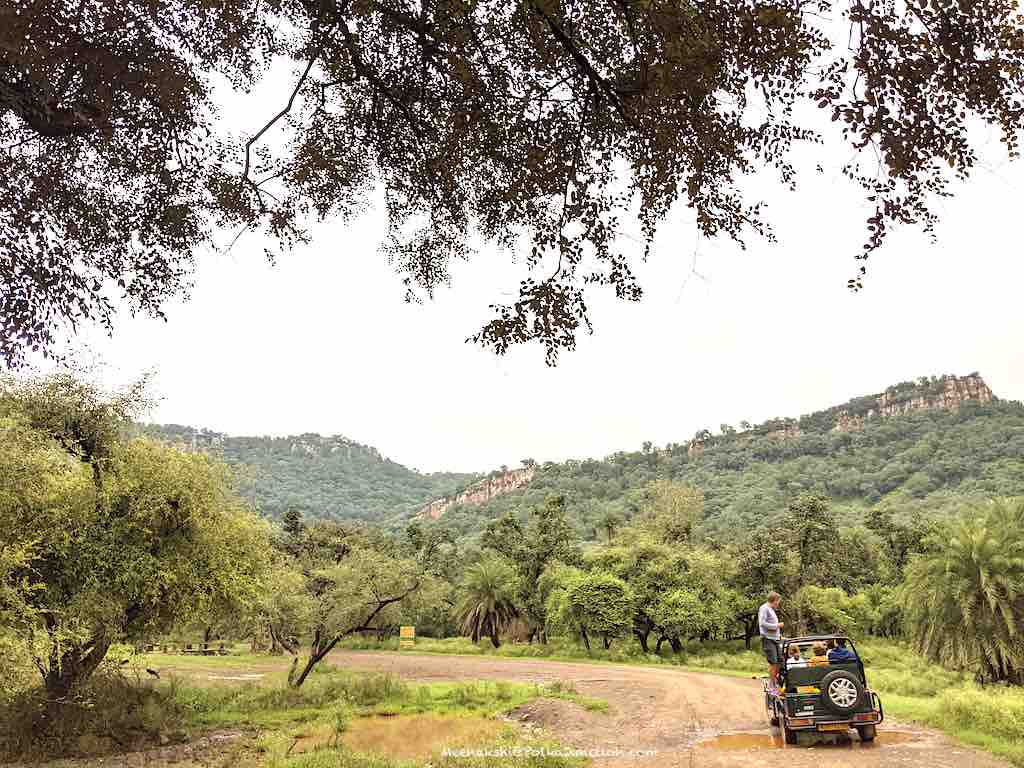
Dry deciduous forests of Sariska
One of Sariska's unique features is the presence of ancient temples within its boundaries, adding a cultural dimension to the wildlife experience. The most famous is the Neelkanth Mahadev Temple, dedicated to Lord Shiva, dating back to the 6th-9th centuries. This beautiful temple complex features intricate carvings and serene surroundings, with langurs often seen playing on its premises.
Dry deciduous forests of Sariska
The Kankwari Fort, where Mughal emperor Aurangzeb imprisoned his brother Dara Shikoh, stands atop a hill within the reserve and offers panoramic views of the surrounding forest. The Garh-Rajor temples, built in the 10th century, are another architectural marvel worth visiting. These structures are protected monuments but accessible during safaris, creating a fascinating blend of nature and history that few wildlife reserves can offer.
Places to Stay Near Sariska
Accommodation options range from luxury to budget-friendly properties. The Sariska Palace, a former royal hunting lodge, offers a heritage stay experience with its grand architecture and period decor. Other luxury options include Alwar Bagh by Aamod and Welcomhotel by ITC, which provide modern amenities amidst natural surroundings.
Mid-range options like Tiger Heaven Resort, Jungle Retreat, and Sariska Palace Hotel offer comfortable rooms and organized safari packages. For budget travelers, there are several forest rest houses and basic lodges in Alwar town. Many properties arrange cultural programs featuring Rajasthani folk music and dance, adding to the overall experience. Staying within or close to the reserve allows for early morning safari starts, which are most productive for wildlife sightings.
How to Reach Sariska
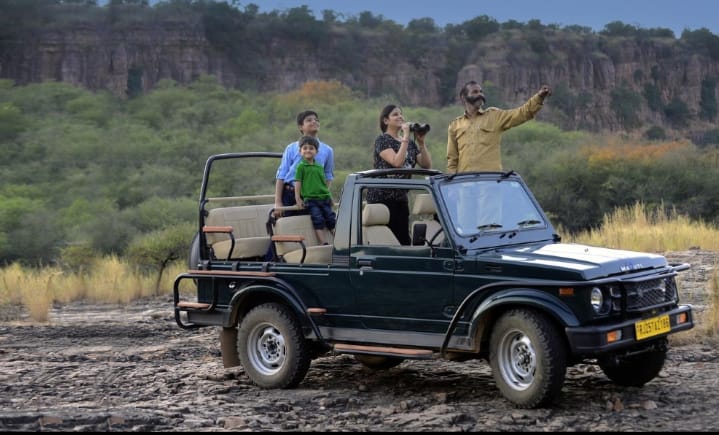
Safari jeep ready for wildlife adventure
The nearest railway station is Alwar, located 37 kilometers away and well-connected to Delhi, Jaipur, and other major cities. From Alwar, taxis and buses are available to reach the reserve. The nearest airport is Jaipur, approximately 107 kilometers away, with regular flights from major Indian cities. Taxis from Jaipur take about 2.5 hours to reach Sariska.
Safari jeep ready for wildlife adventure
Sariska is easily accessible by road from Delhi (200 kilometers, 5-6 hours) via NH8. The drive is scenic and passes through several towns, offering glimpses of rural Rajasthan. Many visitors combine Sariska with nearby attractions like the Siliserh Lake Palace, Bhangarh Fort (said to be India's most haunted place), and the city of Alwar, known for its forts and palaces. The reserve's proximity to Delhi makes it perfect for weekend trips from the National Capital Region. For a complete wildlife experience in India, Kaziranga National Park in Assam is famous for its one-horned rhinoceros.
Safari Booking and Tips
Book your safaris at least 2-3 weeks in advance for weekends and during peak season. The booking process is online through the official website, where you can select zones, time slots, and vehicle types. Carry your ID proof (original) as it's verified at the entry gate. The forest department permits only a limited number of vehicles per zone, so early booking is crucial, especially for morning safaris.
Wear earthy colors like olive green, brown, or beige that blend with the forest. Avoid bright colors, white, or shiny accessories that might disturb wildlife. Carry binoculars and a camera with a telephoto lens – even if you don't spot a tiger, there's plenty of wildlife and birdlife to photograph. Most importantly, respect the forest and its inhabitants – maintain silence, don't litter, and follow your guide's instructions at all times.
Conservation Story and Challenges
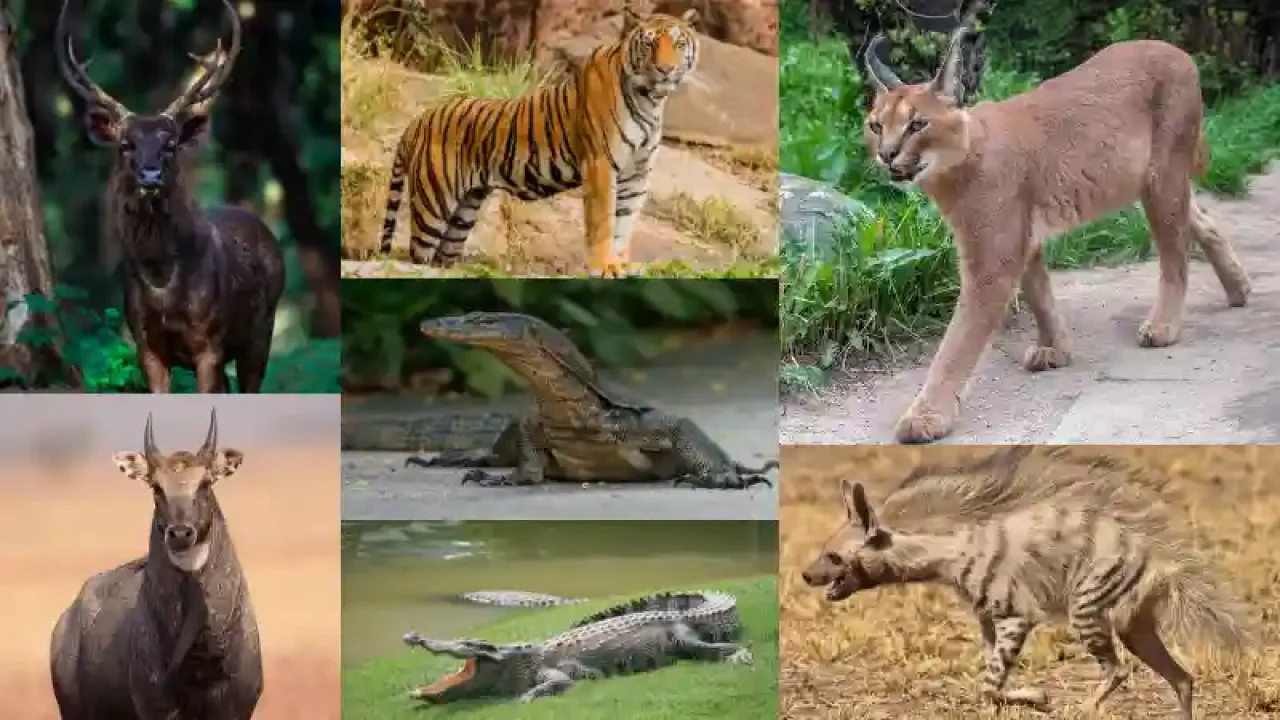
Diverse fauna of the Aravalli range
Sariska's conservation journey is both inspiring and cautionary. The reserve lost all its tigers to poaching in 2004-2005, a major setback for India's conservation efforts. However, this crisis led to strengthened protection measures and an ambitious reintroduction program. Starting in 2008, tigers from Ranthambore were relocated to Sariska, and the reserve now has a thriving population with several breeding females and cubs.
Diverse fauna of the Aravalli range
The reserve faces ongoing challenges including habitat fragmentation, human-wildlife conflict in buffer areas, and pressure from tourism. The forest department works closely with local communities, involving them in conservation and ensuring they benefit from tourism. The story of Sariska demonstrates both the vulnerability of wildlife and the power of determined conservation efforts to restore ecosystems and bring species back from the brink.
Combining Sariska with Other Destinations
Sariska's location makes it an excellent addition to various travel itineraries. It can be combined with Jaipur for a royal Rajasthan experience, or with Ranthambore for a double-tiger safari adventure. The nearby Siliserh Lake, with its palace hotel, offers a peaceful retreat after exciting jungle safaris. For the adventurous, a visit to Bhangarh Fort, known for its legends and architecture, adds an element of mystery to the trip.
Many travelers also visit the Keoladeo National Park in Bharatpur, approximately 180 kilometers away, for a birdwatching experience that complements Sariska's wildlife focus. Whether as a standalone destination or part of a larger Rajasthan itinerary, Sariska offers a unique blend of wildlife, history, and culture that makes it truly special.
Location
Frequently Asked Questions
Q1.How far is Sariska from Delhi and what is the best way to reach?
Q2.What are the chances of tiger sightings in Sariska?
Q3.How much does a Sariska safari cost?
Q4.Can we visit temples inside Sariska during safari?
Q5.What wildlife can we see besides tigers in Sariska?
Q6.Is Sariska suitable for children and elderly visitors?
Recommended For You
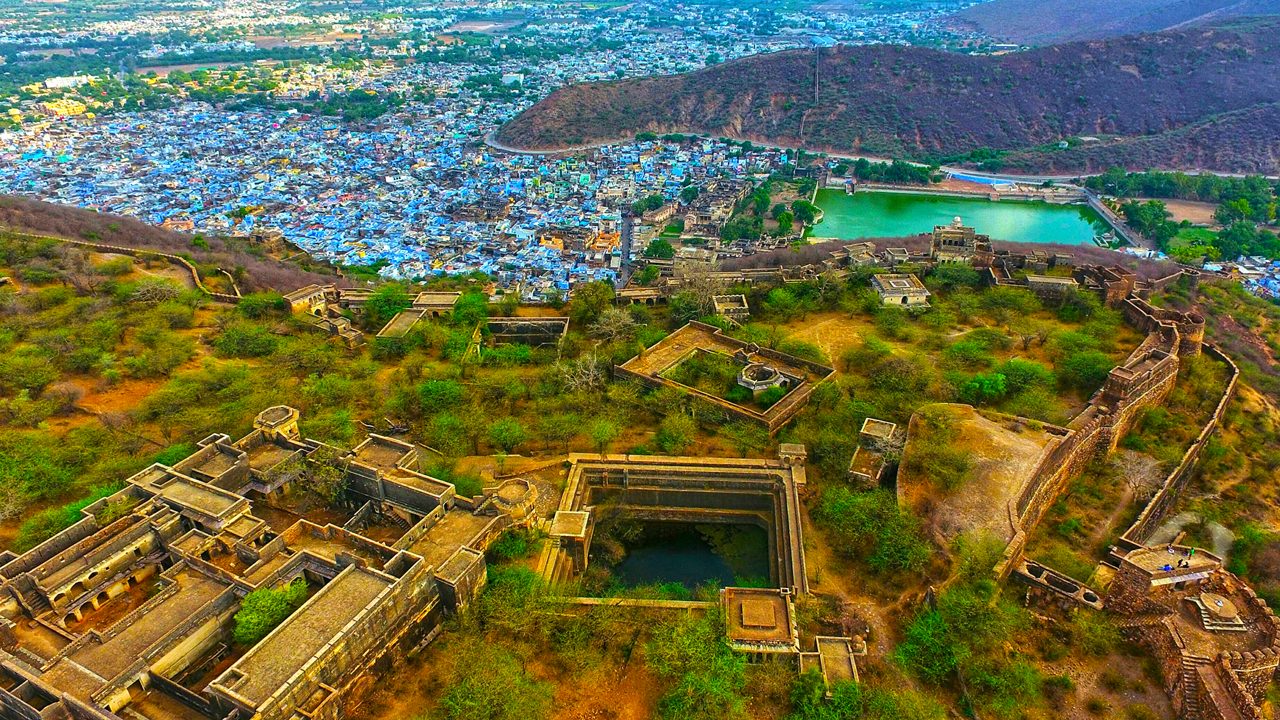
Best Time to Visit Rajasthan: Weather by City & Ideal Travel Months
Plan the best time to visit Rajasthan with season-wise weather, month-by-month insights, activity timing, festival impact, and smart itinerary guidance.
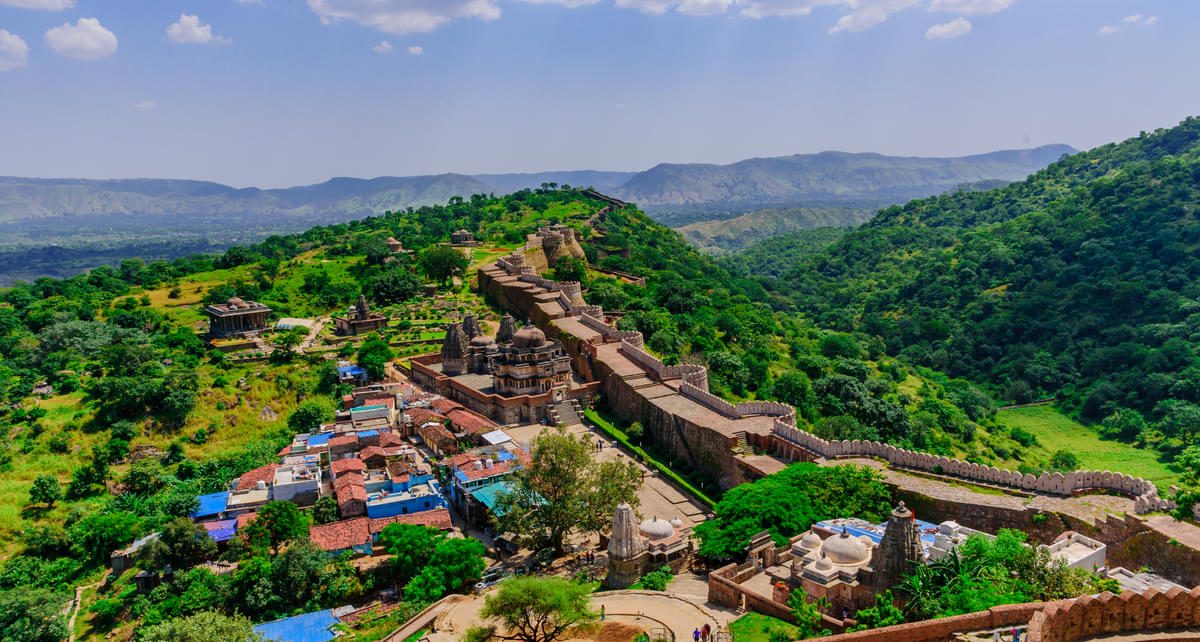
Rajasthan in Monsoon: Top Places to Visit
Discover the best places to visit in Rajasthan in monsoon with city-wise ideas, seasonal highlights, and practical travel tips.
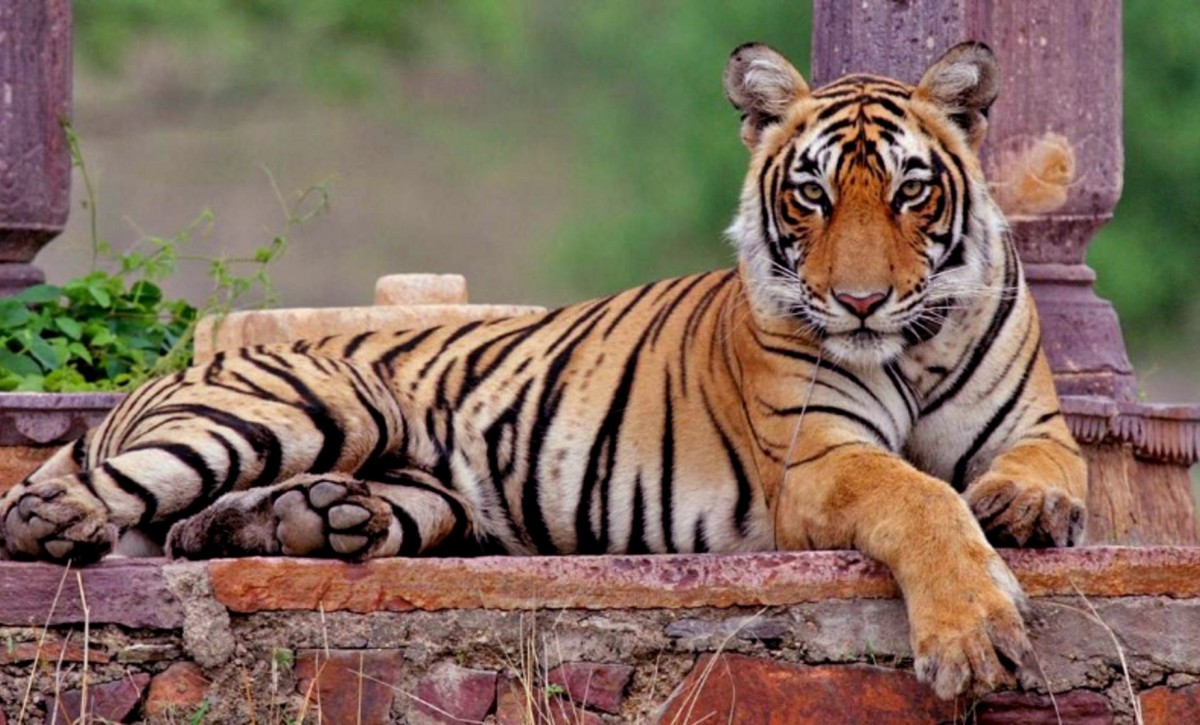
The Legend of Machali: The Queen of Ranthambore Tigers
Discover the inspiring story of Machali (T-16), the legendary tigress of Ranthambore National Park who became the world's most photographed tiger. From her incredible crocodile-hunting feats to her remarkable 20-year life, learn about the Queen of Tigers whose legacy shaped India's conservation efforts.
Never Miss an Adventure
Get the latest trekking guides, travel tips, and exclusive offers delivered straight to your inbox.
