
Jim Corbett National Park: Safari Zones, Permit Booking & Best Time

Neha Kapoor
February 19, 2026
Explore Jim Corbett National Park, India's oldest tiger reserve. Complete guide to safaris, best time to visit, zones, wildlife, booking tips & accommodation in Uttarakhand.
Introduction to Jim Corbett National Park
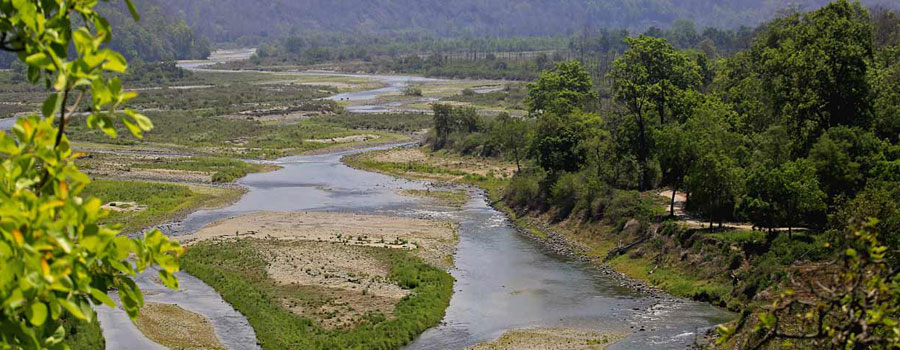
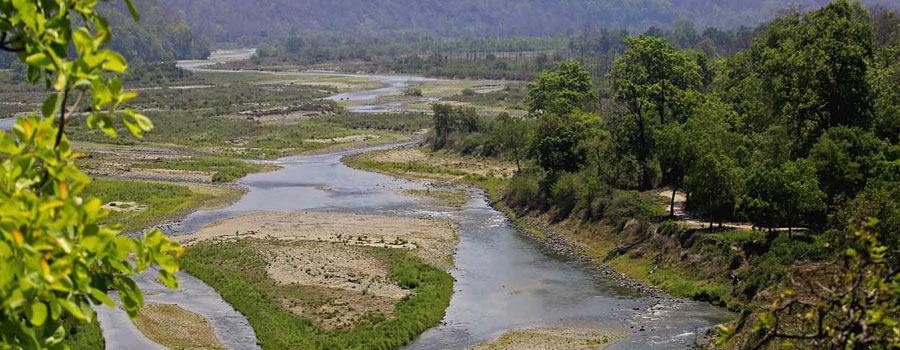
Jim Corbett National Park stands as India's oldest and most prestigious national park, nestled in the foothills of the Himalayas in Uttarakhand. Established in 1936 as Hailey National Park and later renamed in honor of the legendary hunter-turned-conservationist Jim Corbett, this 520 square kilometer wilderness represents the crown jewel of India's tiger conservation efforts. As the proud recipient of the prestigious Project Tiger initiative in 1973, Corbett has become synonymous with wildlife tourism and Bengal tiger conservation in India. It's one of India's most celebrated tiger reserves, drawing wildlife enthusiasts from across the globe.
The park's diverse landscape spans from the Himalayan foothills to the Terai grasslands, creating a unique ecosystem that supports an incredible variety of flora and fauna. The Ramganga River flows through the heart of the park, its reservoir creating a stunning aquatic habitat that attracts wildlife and visitors alike. Whether you're a wildlife enthusiast, nature photographer, or simply seeking an escape into the wilderness, Jim Corbett National Park promises an unforgettable adventure.
The Majestic Bengal Tigers of Corbett
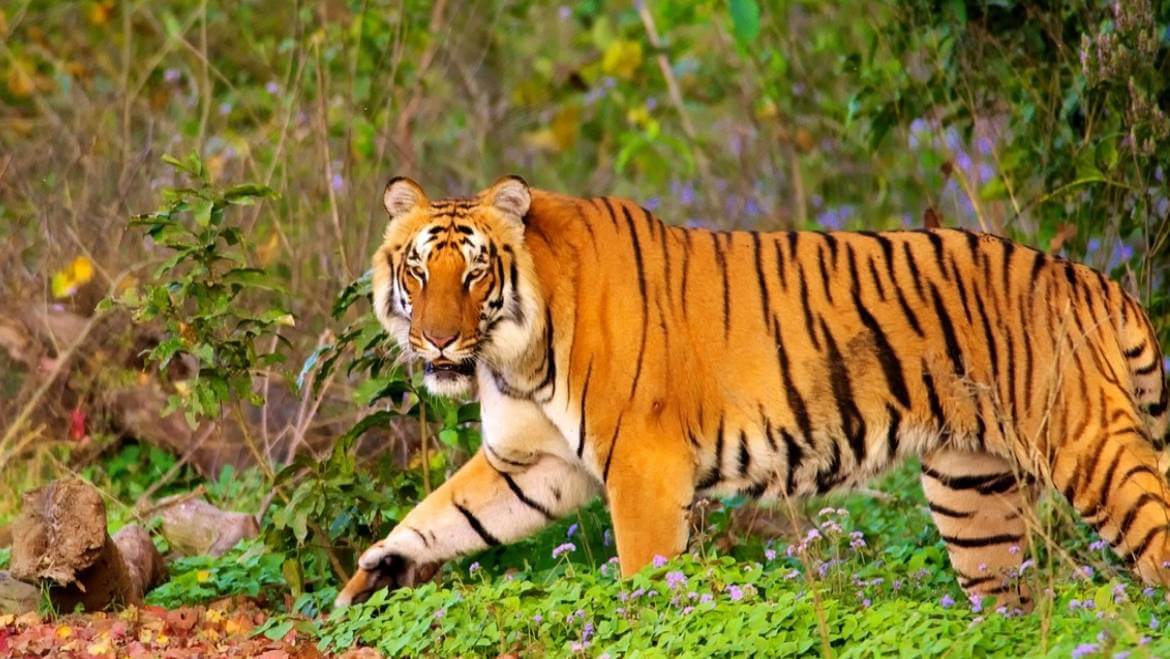
Jim Corbett National Park's most celebrated residents are undoubtedly its Bengal tigers, the park's primary attraction and the reason thousands of visitors flock here annually. The park boasts one of the highest tiger densities in India, with approximately 230 tigers roaming its diverse terrain. Unlike some other reserves where sightings can be elusive, Corbett offers relatively good tiger sighting opportunities, particularly in the Dhikala and Bijrani zones.
What makes Corbett special is its varied terrain - from dense sal forests to open grasslands and riverine belts - creating ideal habitats for tigers. The park's tigers are known for their size and robust health, testament to the thriving ecosystem. While sightings are never guaranteed in the wild, the park's experienced guides and naturalists significantly enhance your chances of encountering these magnificent predators in their natural habitat.
Best Time to Visit Jim Corbett National Park
Timing your visit to Jim Corbett National Park significantly impacts your wildlife viewing experience. The park remains open from mid-November to June, with each season offering distinct advantages and experiences.
November to February (Winter): The weather remains pleasant with temperatures ranging from 5-20°C. This is the most comfortable time for safaris, and the park's beauty is enhanced by the winter mist over the Ramganga River. While tiger sightings might be slightly less frequent compared to summer, the crisp air and clear visibility make for excellent wildlife observation and photography. This is also the peak tourist season, so advance booking is essential.
March to June (Summer): As temperatures rise to 40-45°C, animals frequent water sources more predictably, making summer the best season for tiger sightings. The dry vegetation also improves visibility. While the heat can be intense, especially during May and June, the increased probability of wildlife encounters makes it worthwhile for serious enthusiasts. The park remains open until mid-June, after which monsoon rains force its closure.
Monsoon (July to October): The park remains closed during these months for animal breeding season and maintenance.
Safari Zones and Booking
Jim Corbett National Park is strategically divided into six zones, each offering unique landscapes and wildlife experiences. Understanding these zones helps in planning your safari effectively.
Dhikala Zone: The most famous and popular zone, Dhikala offers the complete Corbett experience with diverse terrain including grasslands, riverine belts, and dense forests. The Dhikala Forest Rest House, perched overlooking the Ramganga reservoir, provides an incredible vantage point. This zone has excellent tiger density and offers the highest probability of sightings. Book well in advance as it's always in high demand. The experience here is comparable to the best safari zones in Ranthambore.
Bijrani Zone: Known for its excellent tiger sightings and beautiful sal forests, Bijrani is another favorite among wildlife enthusiasts. The terrain here is varied, with open grasslands mixed with dense forest cover, creating perfect conditions for wildlife viewing.
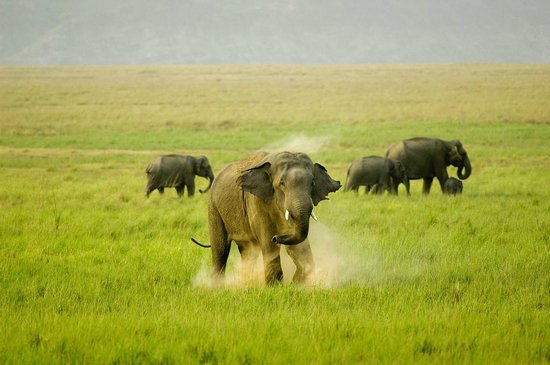
Jhirna Zone: Open throughout the year (subject to weather conditions), Jhirna offers excellent opportunities for spotting sloth bears, wild elephants, and various bird species. The terrain is drier compared to other zones, with scrub forest and grasslands.
Durga Devi Zone: Located in the northeastern part of the park, this zone is known for its birdlife and the scenic Laldhang grasslands. It's less visited but offers excellent opportunities for birdwatching and sighting leopards.
Other Zones: Sitabani and Sonanadi offer additional safari experiences with their own unique landscapes and wildlife populations.
Booking Tips: Safari bookings open 45-60 days in advance and fill rapidly, especially for Dhikala and Bijrani zones. Weekends and holiday periods see maximum demand. Morning safaris (6:00-10:00 AM) generally offer better wildlife activity, while afternoon safaris (2:00-6:00 PM) can be productive during summer months when animals seek water.
Beyond Tigers: Diverse Wildlife
While tigers dominate the spotlight, Jim Corbett hosts an incredible diversity of wildlife that makes every safari exciting regardless of tiger sightings. The park's ecosystem supports over 50 species of mammals, 580+ bird varieties, and numerous reptile species.
Major Mammals: Asian elephant, leopard, jungle cat, fishing cat, sloth bear, Himalayan black bear, yellow-throated marten, Indian pangolin, and various deer species including sambar, chital (spotted deer), hog deer, and barking deer. The park also has a significant population of otters along the Ramganga River.
Birdlife: Corbett is a birdwatcher's paradise, home to species like the crested serpent eagle, great hornbill, pied kingfisher, red junglefowl, and numerous migratory species that visit during winter. The Ramganga reservoir attracts water birds including cormorants, darters, and storks.
Reptiles: The park supports mugger crocodiles and gharials in the Ramganga River, along with various snake species including king cobras, pythons, and Russell's vipers.
Types of Safari Experiences
Jim Corbett offers two primary safari modes, each providing unique perspectives of the wilderness.
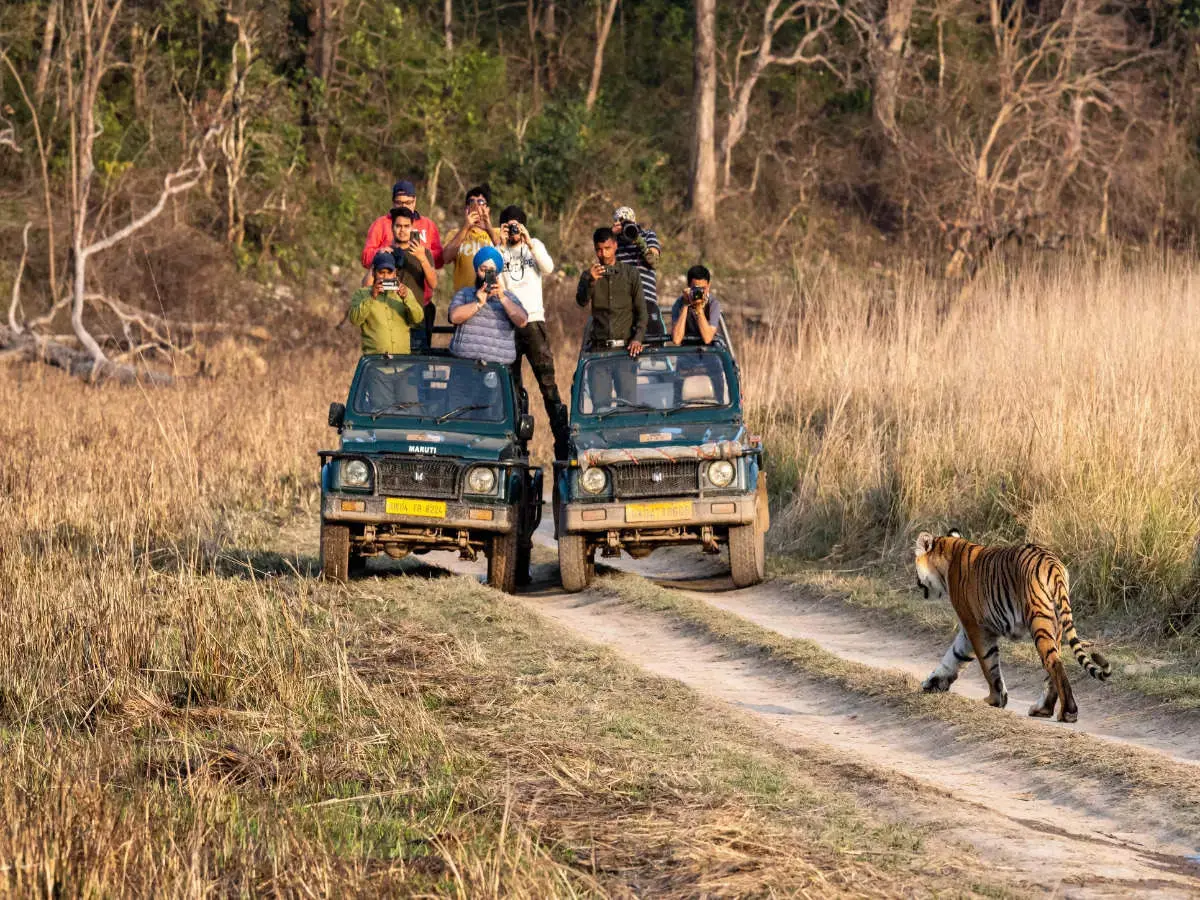
Jeep Safari (6 Seater): The most popular choice, offering flexibility, better photography opportunities, and a more intimate wildlife experience. Open-top jeeps allow for 360-degree viewing and excellent photographic angles. Jeeps can navigate narrow trails and follow fresh pugmarks quickly. Ideal for serious wildlife enthusiasts and photographers.
Canter Safari (16 Seater): A larger open-air vehicle that's more economical and allows for group experiences. While less flexible than jeeps, canters provide elevated viewing positions and are perfect for families or larger groups. Dhikala zone uses canters for all safaris.
Both safari types are accompanied by experienced naturalists and guides who enhance your experience with their knowledge of animal behavior, tracking skills, and fascinating stories about the park's residents.
How to Reach Jim Corbett National Park
By Air: The nearest airport is Pantnagar (50 km away), though with limited flight connectivity. Dehradun's Jolly Grant Airport (160 km) offers better connections. From either airport, taxis are available to Ramnagar.
By Train: Ramnagar railway station is the nearest railhead, directly connected to major cities like Delhi, Varanasi, and Lucknow. The Ranikhet Express from Delhi is a convenient overnight option.
By Road: Corbett is well-connected by road. The drive from Delhi takes approximately 6-7 hours (260 km) via Moradabad and Kashipur. Regular buses and private taxis operate on this route, making road travel a convenient option. Many travelers combine their Corbett visit with other wildlife destinations in India for a complete nature experience.
Where to Stay Near Jim Corbett
Accommodation options range from luxury resorts to budget-friendly lodges, catering to all preferences and budgets.
Luxury Options: Premium resorts like Aahana, Jim's Jungle Retreat, and Taj Corbett offer world-class amenities, guided nature walks, and exclusive safari experiences. These properties provide luxury in the wilderness with excellent service.
Forest Rest Houses: The Dhikala, Bijrani, and other zone forest rest houses offer authentic stay experiences within the park boundaries. Bookings are managed by the forest department and require advance reservation. These provide basic but comfortable facilities and incredible locations. Similar forest rest house experiences are available at Rajaji National Park.
Mid-Range & Budget: Numerous resorts and lodges in Ramnagar and along the park periphery offer good value with essential amenities and proximity to park gates.
Essential Safari Tips
- Book Early: Reserve safaris at least 30-45 days in advance, especially for Dhikala zone and peak seasons.
- Wear Earth Tones: Neutral colors like khaki, olive, and brown help you blend with the environment.
- Carry Binoculars: Essential for spotting wildlife from a distance and appreciating birdlife.
- Stay Silent: Maintain quiet during safaris to avoid disturbing animals and maximize sightings.
- Be Patient: Wildlife viewing requires patience. Your efforts will likely be rewarded.
- Respect Rules: Follow your guide's instructions and park regulations for your safety and animal welfare.
- Stay Hydrated: Carry water, especially during summer morning safaris.
- Camera Preparation: Bring telephoto lenses (200mm+) and extra batteries for wildlife photography.
Photography Tips for Corbett
Capturing the perfect wildlife shot requires preparation and patience. Use fast shutter speeds (1/1000 or higher) to freeze animal movement, especially tigers on the prowl. Shoot during the golden hours (early morning and late afternoon) for the most dramatic lighting. Keep your camera ready at all times - wildlife encounters happen unexpectedly. Respect the animals' space and never use flash photography, which can disturb them.
Conservation and Tourism
Jim Corbett National Park's success story is a testament to effective conservation practices. From being the hunting ground of the British to becoming India's first national park and the flagship of Project Tiger, Corbett has come full circle in its approach to wildlife conservation. The park's tiger population has been stable and growing, though challenges like habitat pressure and human-wildlife conflict persist. Your visit directly supports conservation efforts and local communities, making responsible tourism crucial for the park's future.
Conclusion
Jim Corbett National Park offers much more than just tiger sightings - it's a complete wilderness experience that combines incredible wildlife, stunning landscapes, and authentic Himalayan foothill culture. Whether you're a seasoned wildlife enthusiast or a first-time visitor, the park's magic will leave an indelible mark on your soul. The thrill of watching a wild tiger in its natural habitat, the serenity of the Ramganga River at dawn, and the ancient forests' wisdom create memories that last a lifetime. Plan your visit thoughtfully, respect the wilderness, and prepare for one of India's most remarkable wildlife adventures.
Location
Frequently Asked Questions
Q1.What is the best time to visit Jim Corbett for tiger sightings?
Q2.How many safaris should I book for a good tiger sighting chance?
Q3.Which zone is best for tiger sightings in Jim Corbett?
Q4.How far in advance should I book Jim Corbett safaris?
Q5.Is Jim Corbett safe for families with children?
Q6.What should I carry for a Jim Corbett safari?
Q7.Can we stay inside Jim Corbett National Park?
Q8.What are the chances of actually seeing a tiger?
Q9.How to reach Jim Corbett from Delhi?
Q10.What wildlife can we see besides tigers?
Recommended For You
Dachigam National Park: Kashmir's Hidden Wildlife Paradise
Explore Dachigam National Park in Kashmir - home to the endangered Hangul. Discover wildlife, safari tips, permits, timings & how to reach this Himalayan paradise.
Hemis National Park Ladakh: Snow Leopard Tracking & Travel Info
Explore Hemis National Park Ladakh, home to the world's highest density of snow leopards. Discover wildlife, trekking & tracking in this Himalayan paradise.
Pin Valley National Park Spiti: Wildlife, Trek Routes & Travel Tips
Pin Valley National Park complete guide covering wildlife, snow leopard habitat, treks, best season, route planning from Kaza, permits, and practical stay tips in Spiti.
Never Miss an Adventure
Get the latest trekking guides, travel tips, and exclusive offers delivered straight to your inbox.
