
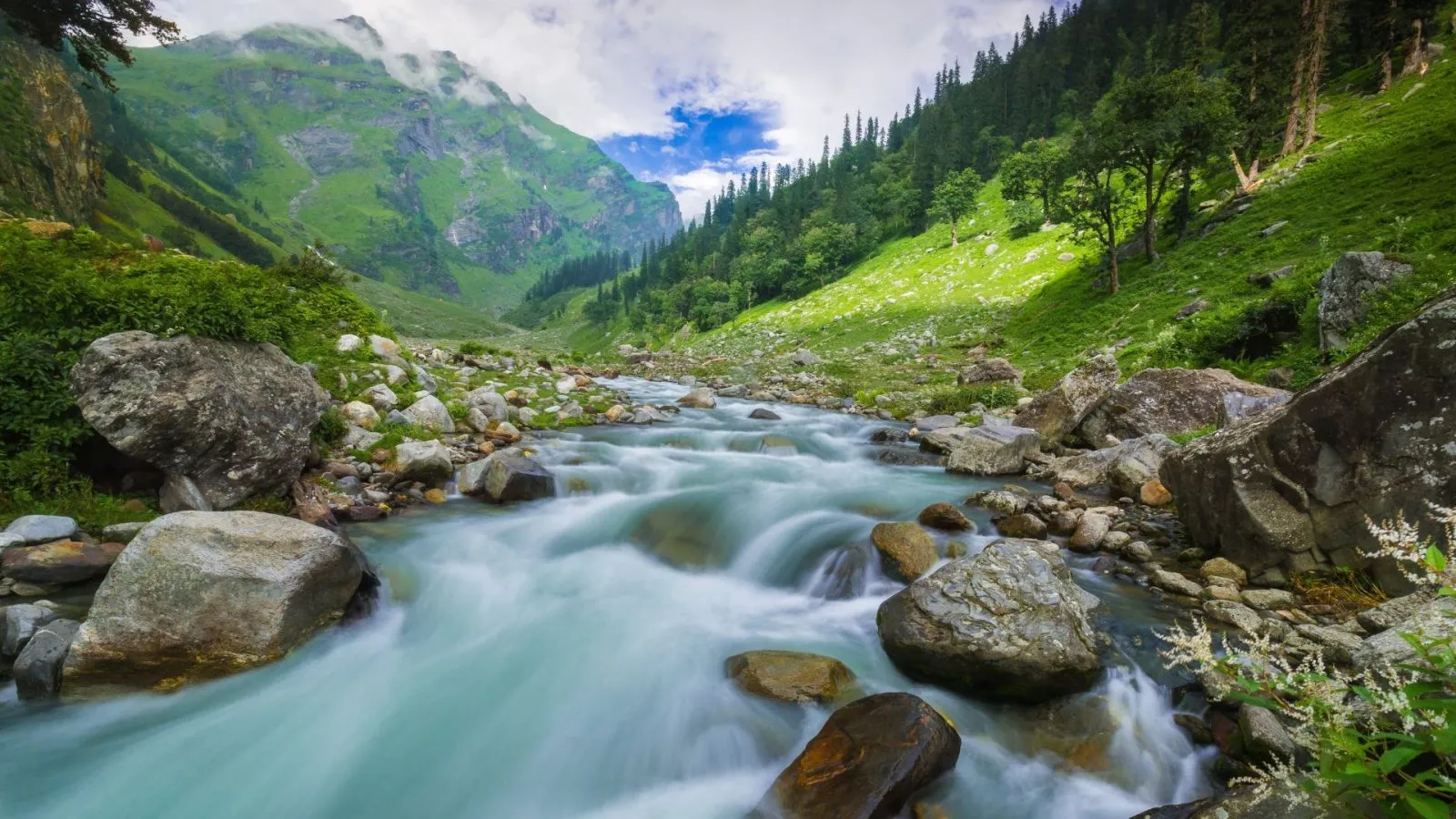
Sethan Valley Manali: Hidden Himalayan Gem

Rahul Garg
January 17, 2026
Discover Sethan Valley, Manali's hidden Himalayan paradise. Snow activities, Tibetan culture, trekking, camping & complete travel guide.
Sethan Valley Manali: Complete Offbeat Travel Guide
Sethan Valley is one of the most rewarding offbeat escapes near Manali for travelers who want quiet landscapes, snow-season mood, and village-based mountain stays. People search this keyword for practical details: where exactly it is, what to do, when to go, and whether it is worth replacing mainstream Manali spots. This guide gives clear answers with planning depth.
Sethan is best for slow travelers and nature-focused itineraries rather than rushed sightseeing checklists. For broader planning, combine this with places to visit in Manali and Manali travel guide.
Why Visit Sethan Valley
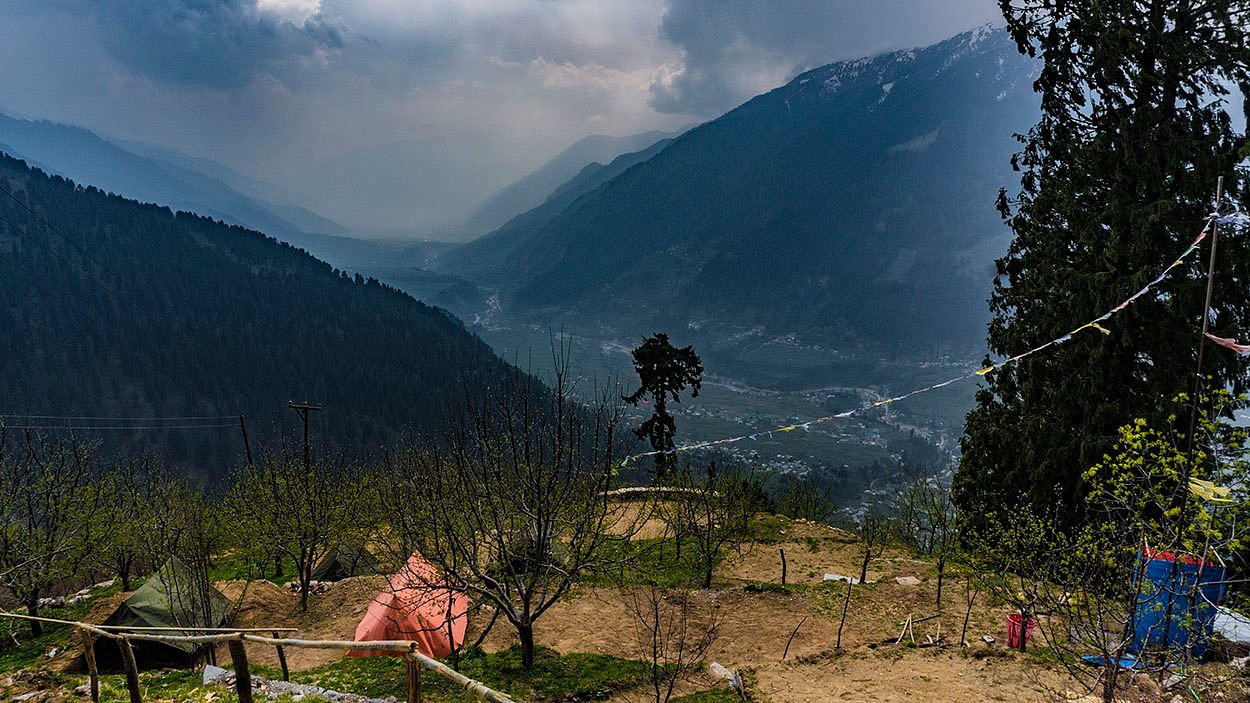
Sethan offers open mountain spaces, cleaner silence, and a more intimate village atmosphere than crowded Manali zones. It is especially known for winter snow experiences and peaceful stays with local hospitality. The valley is also a useful base for short hikes and relaxed day movement.
If your goal is reflection, mountain photography, and low-noise travel, Sethan performs strongly.
Things to Do in Sethan Valley
Snow activities in season
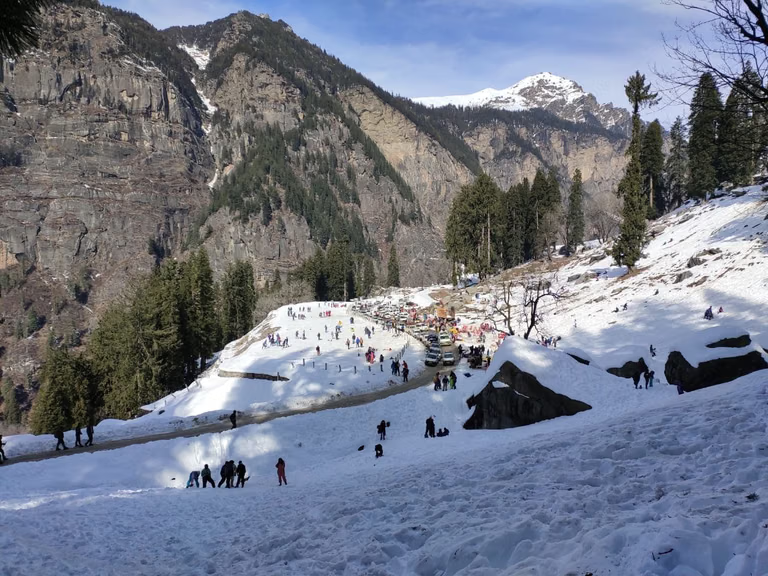
Winter windows bring snow landscapes and beginner-friendly play zones depending on conditions. Always verify local weather and approach road status before final movement.
Village walks and culture
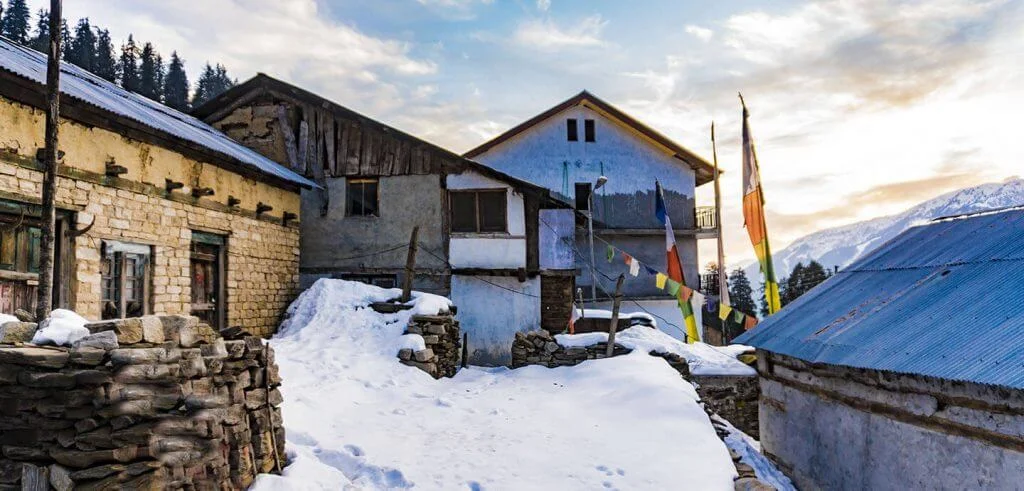
Sethan’s Tibetan-influenced village character is a major part of its charm. Slow walking and local interaction often become highlights.
Viewpoint sessions and photography
Morning and sunset light in valley settings can be exceptional. Keep battery care in mind during cold weather.
Best Time to Visit Sethan Valley
Winter: snow mood and cold-weather atmosphere. Spring and autumn: clearer movement and balanced weather. Monsoon: green visuals but route caution required. Choose month based on snow preference versus comfort priority.
For season comparison, align with Old Manali guide and treks in Manali region for route continuity.
How to Reach Sethan from Manali
Sethan is reached by road from Manali side and travel time depends on weather and road condition. In snow months, vehicle choice and driver experience matter significantly. Always check local advisories before departure.
First-time visitors should avoid late arrivals in uncertain weather windows and plan daylight travel for safer movement.
Where to Stay in Sethan
Accommodation is usually homestay-centric, offering warm local hospitality and simple mountain comfort. Confirm heating, meal timings, and access conditions before booking. Limited inventory means advance booking is helpful in peak windows.
Homestays are ideal for travelers who value authenticity over luxury-format infrastructure.
Trip Budget and Duration
1 night: quick offbeat break from Manali crowd. 2 nights: better for slower walks and weather buffer. 3 nights: suitable for deep rest and photo-oriented stays.
Main budget variables are transport type and stay category. Winter transport can increase costs due to road complexity.
Safety and Practical Tips
- Travel in daylight, especially during winter windows.
- Carry warm layered gear and snow-appropriate footwear.
- Keep cash backup and offline maps.
- Avoid overcommitting to long routes in low visibility.
- Respect village privacy and local culture norms.
Final Verdict
Sethan Valley is one of Manali’s best offbeat alternatives for travelers seeking mountain silence, slower pace, and seasonal snow charm. With realistic planning and weather-aware movement, it offers a memorable Himalayan micro-escape.
For longer circuit design, combine with Pin Parvati Pass context and Shoja planning based on your trip length and adventure level.
Detailed Itinerary Optimization
A stronger trip comes from sequencing, not just destination count. Keep each day focused on one core movement axis and one flexible backup option. For example, in mountain routes, start with viewpoint windows in the morning and keep denser transfers for later only if weather remains stable. This pattern protects both safety and travel satisfaction while reducing rushed decision-making.
Meal and rest planning also influence experience quality more than most travelers expect. Schedule one stable meal stop and one lighter break in every active day. Hydration and temperature management are especially important in high-altitude or coastal humidity conditions. These small decisions improve energy, photography outcomes, and your ability to adapt when plans shift.
Accommodation selection should be based on route logic, not only visuals. A scenic stay that adds two hours of daily commute can reduce overall trip quality. Prioritize location, access reliability, and essential comfort features. If remote work or calls are needed, confirm network consistency before booking. For family travel, check meal timing and heating or cooling support in advance.
When weather uncertainty is high, build a layered plan: primary route, secondary route, and local fallback loop. This avoids day loss and keeps momentum during unpredictable windows. Keep offline maps, cash backup, and emergency essentials ready. Experienced travelers treat these as standard planning, not optional extras.
If you are extending the journey, useful related reading includes places to visit manali, manali travel guide, old manali, treks manali.
Local Culture and Responsible Travel
Respect for local culture improves both safety and hospitality outcomes. Dress appropriately in spiritual spaces, ask before close-up photography, and avoid high-noise behavior in quiet settlements. In sensitive ecological zones, follow no-litter discipline and avoid single-use plastics where possible. Responsible behavior helps preserve destinations and keeps local communities supportive of tourism.
Support local businesses where feasible: guides, homestays, regional eateries, and small handicraft sellers. This gives your trip stronger local value and often produces better insight than standardized tourist circuits. Authentic recommendations usually come from people who live in the destination, so leave time for conversation and flexible discovery.
Finally, maintain realistic pace. High-output itineraries look impressive on paper but often reduce enjoyment in real conditions. A good trip is not measured by maximum check-ins, but by quality of experience, safety, and meaningful memory retention. Plan smart, stay flexible, and let the destination unfold with its natural rhythm.
Detailed Itinerary Optimization
A stronger trip comes from sequencing, not just destination count. Keep each day focused on one core movement axis and one flexible backup option. For example, in mountain routes, start with viewpoint windows in the morning and keep denser transfers for later only if weather remains stable. This pattern protects both safety and travel satisfaction while reducing rushed decision-making.
Meal and rest planning also influence experience quality more than most travelers expect. Schedule one stable meal stop and one lighter break in every active day. Hydration and temperature management are especially important in high-altitude or coastal humidity conditions. These small decisions improve energy, photography outcomes, and your ability to adapt when plans shift.
Accommodation selection should be based on route logic, not only visuals. A scenic stay that adds two hours of daily commute can reduce overall trip quality. Prioritize location, access reliability, and essential comfort features. If remote work or calls are needed, confirm network consistency before booking. For family travel, check meal timing and heating or cooling support in advance.
When weather uncertainty is high, build a layered plan: primary route, secondary route, and local fallback loop. This avoids day loss and keeps momentum during unpredictable windows. Keep offline maps, cash backup, and emergency essentials ready. Experienced travelers treat these as standard planning, not optional extras.
If you are extending the journey, useful related reading includes places to visit manali, manali travel guide, old manali, treks manali.
Local Culture and Responsible Travel
Respect for local culture improves both safety and hospitality outcomes. Dress appropriately in spiritual spaces, ask before close-up photography, and avoid high-noise behavior in quiet settlements. In sensitive ecological zones, follow no-litter discipline and avoid single-use plastics where possible. Responsible behavior helps preserve destinations and keeps local communities supportive of tourism.
Support local businesses where feasible: guides, homestays, regional eateries, and small handicraft sellers. This gives your trip stronger local value and often produces better insight than standardized tourist circuits. Authentic recommendations usually come from people who live in the destination, so leave time for conversation and flexible discovery.
Finally, maintain realistic pace. High-output itineraries look impressive on paper but often reduce enjoyment in real conditions. A good trip is not measured by maximum check-ins, but by quality of experience, safety, and meaningful memory retention. Plan smart, stay flexible, and let the destination unfold with its natural rhythm.
Location
Frequently Asked Questions
Q1.Where is Sethan Valley located?
Q2.How far is Sethan Valley from Manali?
Q3.What is the best time to visit Sethan Valley?
Q4.Is there snow in Sethan Valley throughout the year?
Q5.What activities can we do in Sethan Valley?
Q6.Is Sethan Valley good for camping?
Q7.Are there homestays in Sethan Valley?
Q8.Do we need a 4WD to reach Sethan Valley?
Recommended For You
Manali: Complete Travel Plan Places And Weather
Complete Manali travel guide featuring Rohtang Pass, Solang Valley, Hadimba Temple, adventure activities, best time to visit & practical tips.
Shoja Himachal: Offbeat Stays, Waterfalls & Scenic Trails
Explore Shoja Himachal with offbeat-stay planning, season-aware route tips, and practical mountain pacing guidance.
Treks in Manali: Best Routes, Camps & Difficulty Levels
Explore the best treks in Manali with difficulty-wise options, season planning, fitness prep, and practical trekking tips.
Never Miss an Adventure
Get the latest trekking guides, travel tips, and exclusive offers delivered straight to your inbox.
