
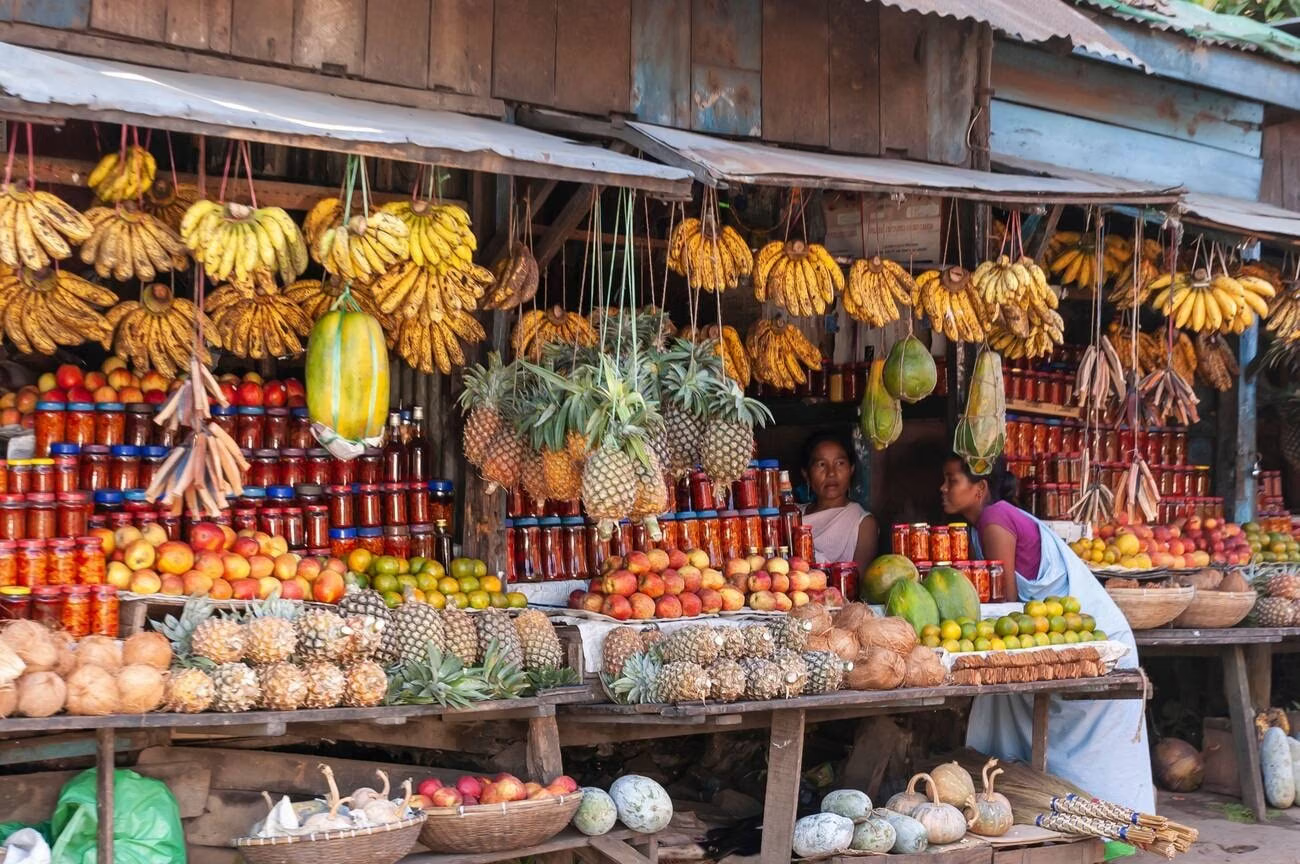
Shopping in Guwahati: Assam Silk, Tea, Handicrafts & Top Markets

Rohan Malhotra
February 19, 2026
Discover shopping in Guwahati with our guide to Assam silk, Muga and Pat silk, handicrafts, tea, bamboo products, and traditional markets.
Guwahati shopping overview
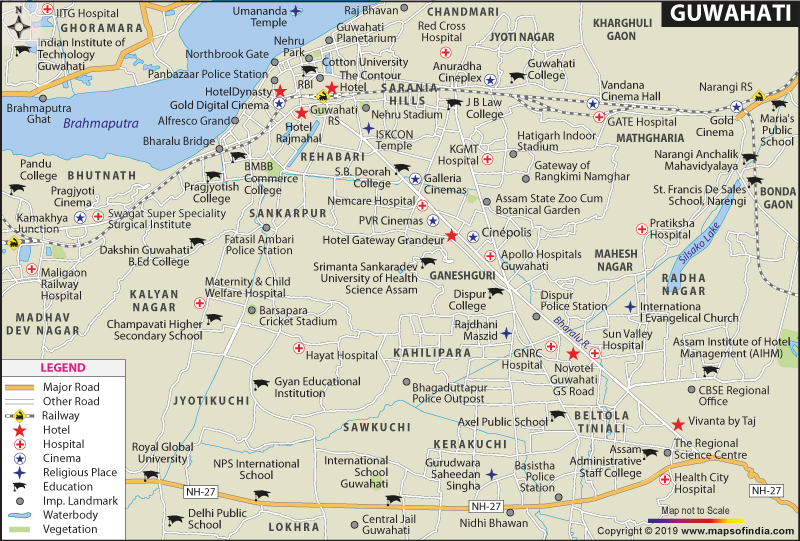
Shopping in Guwahati offers a unique gateway to the rich cultural heritage of Northeast India. As the largest city in Assam and the gateway to the seven sister states, Guwahati shopping scene reflects the diverse traditions, craftsmanship, and natural products of the region. The city is particularly renowned for Assamese silk (Muga, Pat, and Eri), traditional handicrafts, aromatic Assam tea, and bamboo products that represent the artistic excellence of the Northeast. Guwahati shopping landscape spans from the bustling local markets of Fancy Bazaar and Pan Bazaar with their authentic regional products to modern shopping centers offering contemporary goods. Understanding where to find authentic Northeast Indian products, knowing how to identify quality in specialties like Assam silk and handicrafts, and planning efficient routes through the city diverse shopping zones are essential for a satisfying shopping experience.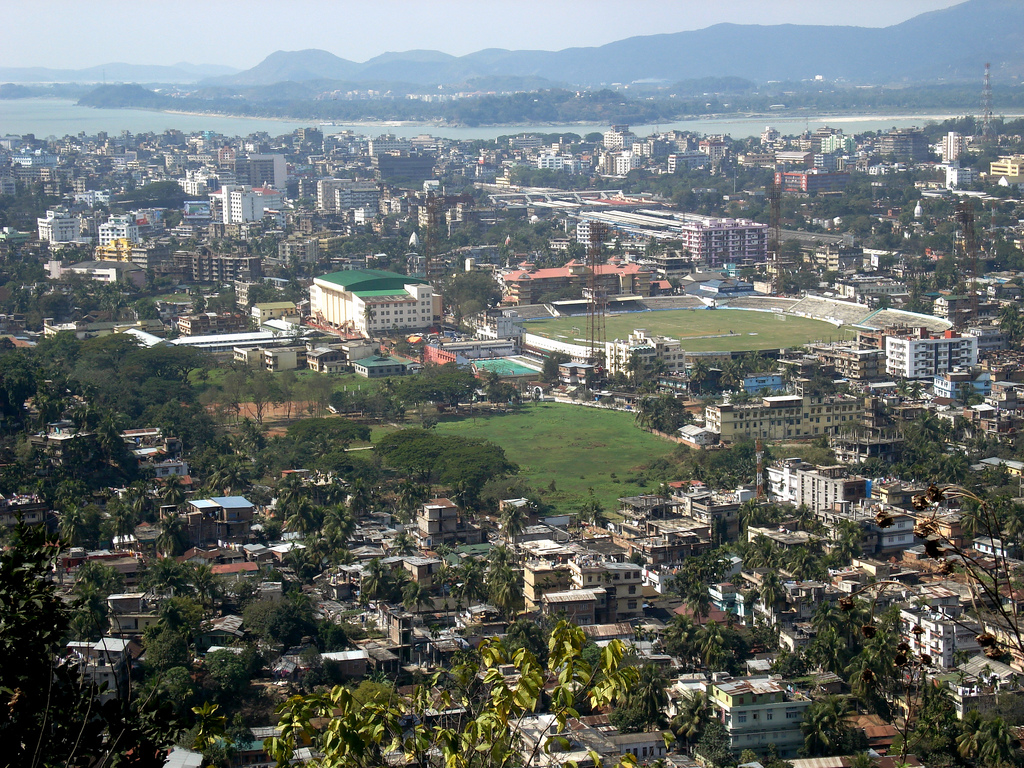
Best shopping areas in Guwahati
If you are planning a Northeast shopping circuit, compare this with shopping in Gangtok and shopping in Kolkata before finalizing your route.
Guwahati shopping is concentrated in distinct areas, each offering different products and experiences. Strategic movement across these zones maximizes both shopping efficiency and product discovery.| Shopping Area | Specialty | Price Range | Best For |
|---|---|---|---|
| Fancy Bazaar | Mixed goods, textiles, daily needs | Budget to mid | Local shopping, bargains |
| Pan Bazaar | Books, silk, traditional items | Budget to mid | Authentic crafts, books |
| Ganeshguri | Boutiques, branded clothing | Mid to premium | Contemporary shopping |
| Paltan Bazaar | Textiles, clothing, household | Budget | Daily shopping |
| GS Road | Malls, modern retail | Mid to premium | Modern shopping |
Assam silk shopping
For broader silk and ethnic buying benchmarks, travelers also review shopping in Jaipur.
Assam is famous for its unique silks, particularly Muga (golden silk), Pat (white silk), and Eri (non-violent silk). These textiles represent centuries of silk weaving tradition and are prized for their quality, durability, and unique characteristics. Guwahati offers excellent opportunities to purchase authentic Assam silk products.Muga silk
Muga silk, often called golden silk for its natural golden sheen, is Assam most prized silk variety. This rare silk is produced only in Assam and is known for its durability, natural golden color that deepens with washing, and fine texture. Muga silk sarees, stoles, and fabrics make excellent investment pieces and cherished heirlooms. Quality Muga silk features a subtle golden luster, fine weaving, and soft texture. Natural Muga improves with age and washing, developing a deeper golden hue. The silk should feel smooth against the skin and have consistent sheen.Pat silk
Pat silk is a white, more affordable alternative to Muga. This silk is known for its brightness, durability, and suitability for everyday wear. Pat silk is commonly used for sarees, mekhela chadors (traditional Assamese attire), and fabrics. Quality Pat silk has a bright white or off-white color, tight weaving, and smooth texture.Eri silk
| Silk Type | Characteristics | Best Products | Price Range |
|---|---|---|---|
| Muga (golden) | Golden sheen, durable | Sarees, stoles | Rs. 8000-50000 |
| Pat (white) | Bright, affordable | Sarees, mekhela chadors | Rs. 3000-15000 |
| Eri (peace silk) | Warm, matte | Shawls, winter wear | Rs. 2000-10000 |
Where to buy Assam silk
Look for government emporiums like Assam State Textile Corporation outlets, reputed silk stores in Fancy Bazaar and Pan Bazaar, and specialized silk boutiques. Reputed sellers provide authenticity certificates for premium silk products. Ask about silk type, weaving origin, and care instructions before purchasing.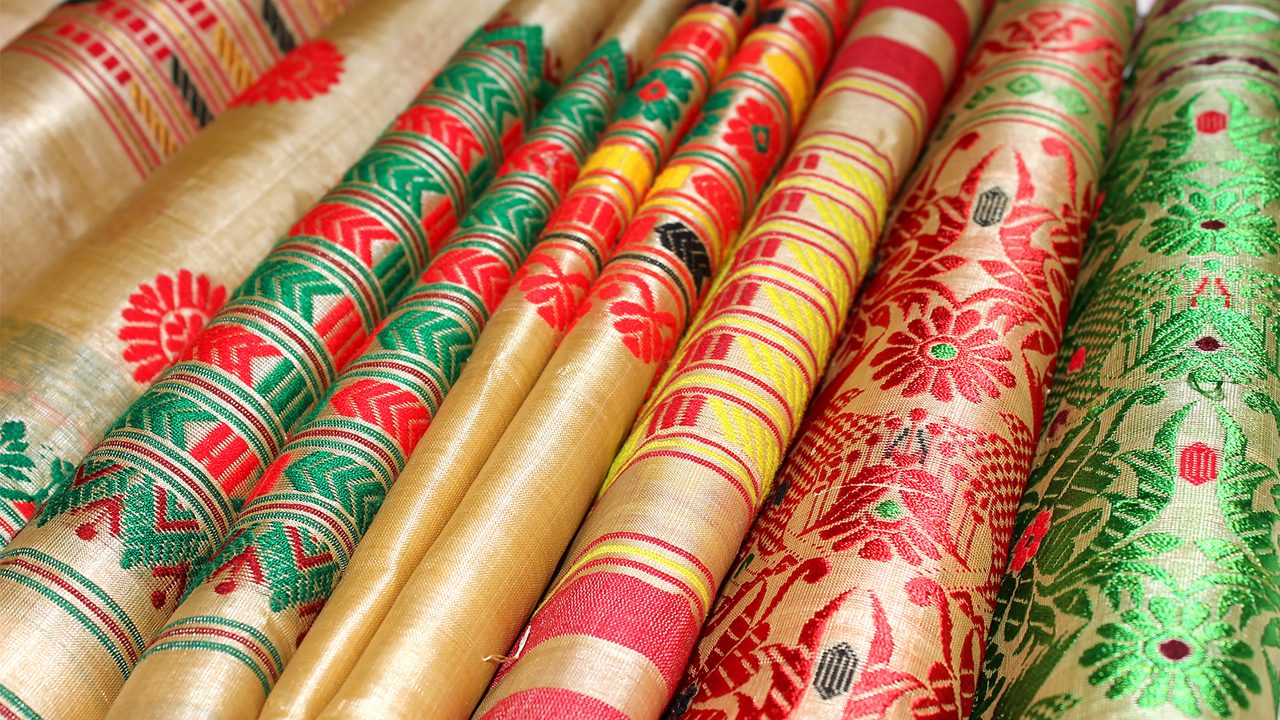
Traditional handicrafts and bamboo products
Northeast India is renowned for its handicrafts, and Guwahati serves as a major center for these artistic traditions. The region craftsmanship is particularly known for bamboo and cane work, metal crafts, and traditional textiles.Bamboo and cane products
- Jaapi: Traditional Assamese bamboo and cane hat with decorative work
- Baskets: Various sizes for household and decorative use
- Furniture: Chairs, tables, and decorative pieces
- Mats: Floor mats and decorative wall hangings
Metal crafts
Assamese metal craft, particularly brass and bell metal, is known for its quality and traditional designs. Products include bells, utensils, decorative items, and ritual objects. Xorai (traditional offering tray) and Bota (betel nut box) are traditional Assamese metal craft items. Quality metalwork has smooth finishes, consistent metal quality, and intricate traditional designs.Terracotta and pottery
Guwahati offers terracotta products including pottery, decorative items, and traditional figurines. These handcrafted items make excellent souvenirs and home decor. Quality pieces have smooth surfaces, consistent color, and structural stability.| Handicraft | Characteristics | Best For | Price Range |
|---|---|---|---|
| Bamboo baskets | Tight weaving | Household use, gifts | Rs. 200-1500 |
| Brass Xorai | Traditional design | Ritual use, decor | Rs. 500-3000 |
| Jaapi | Decorative hat | Wall decor, souvenirs | Rs. 300-2000 |
| Terracotta items | Hand-crafted | Home decor | Rs. 100-800 |
Assam tea and food products
Assam is the world largest tea-growing region, and Guwahati offers excellent opportunities to purchase authentic Assam tea. The region tea is known for its strong, malty flavor and is prized globally.Assam tea varieties
- Assam Orthodox: Traditional whole-leaf tea, premium quality
- Assam CTC: Crush, tear, curl tea, strong flavor, most common
- Darjeeling-style: Lighter variety from higher elevation gardens
- Green tea: Growing popularity, health benefits
- Herbal blends: Traditional Assamese herbal teas
Other Assamese food products
- Assam pickles: Various traditional pickles
- Jolpan (Assamese breakfast items): Rice flakes, puffed rice
- Honey: Organic Assam honey
- Spices: Local Assamese spices
Traditional markets in detail
Fancy Bazaar
Fancy Bazaar is Guwahati busiest commercial area, offering a mix of traditional and modern shopping. The market has shops selling textiles, clothing, electronics, household goods, and food products. Bargaining is common in smaller shops, while established stores have fixed prices. The area can be crowded but offers excellent variety.Pan Bazaar
Pan Bazaar is known for bookstores, silk shops, and traditional items. The area houses several government emporiums selling authentic Northeast handicrafts and textiles. This area is quieter than Fancy Bazaar and offers a more relaxed shopping experience. The presence of several bookstores makes it popular with students and book lovers.Ganeshguri
Ganeshguri represents Guwahati modern shopping face, featuring boutiques, branded stores, and contemporary retail. The area offers a pleasant shopping experience with cafes and restaurants. Prices are higher than traditional markets but the environment is more comfortable.| Market | Best Products | Bargaining | Atmosphere |
|---|---|---|---|
| Fancy Bazaar | Mixed goods, textiles | Moderate | Busy, vibrant |
| Pan Bazaar | Books, silk, crafts | Low/Moderate | Quieter, cultural | Ganeshguri | Boutiques, brands | None/Fixed | Modern, relaxed |
| GS Road Malls | Modern retail | None/Fixed | Air-conditioned, convenient |
Modern shopping centers and malls
If you prefer metro-style mall planning, compare categories with shopping in Delhi.
For contemporary shopping experiences, Guwahati offers several malls along GS Road.- City Centre: GS Road, major brands, multiplex
- Hub Mall: GS Road, retail mix, entertainment
- Don Planet: GS Road, shopping and dining
- Sova Mall: GS Road, comprehensive retail
- Guwahati Central: Central location, shopping complex
Budget planning and pricing guide
Understanding Guwahati market pricing and planning budgets appropriately prevents overspending and ensures value purchases.| Product Category | Budget Range | Mid-Range | Premium |
|---|---|---|---|
| Assam silk saree | Rs. 3000-8000 | Rs. 8000-20000 | Rs. 20000-50000 |
| Bamboo handicrafts | Rs. 100-300 | Rs. 300-800 | Rs. 800-3000 |
| Assam tea (per kg) | Rs. 300-500 | Rs. 500-1200 | Rs. 1200-3000 |
| Metal crafts | Rs. 200-500 | Rs. 500-1500 | Rs. 1500-5000 |
Bargaining strategies
- Fancy Bazaar: Moderate bargaining (15-25% discount possible)
- Pan Bazaar: Low to moderate bargaining (10-20% discount)
- Street vendors: Higher bargaining potential (25-35% discount)
- Ganeshguri/Malls: Fixed prices

Best timing for shopping in Guwahati
Strategic timing affects shopping experience quality, crowd levels, and weather comfort.Seasonal considerations
Daily timing recommendations
| Time Period | Market Status | Best For |
|---|---|---|
| Early morning (10-11 AM) | Opening, cooler | Best shopping comfort |
| Late morning (11 AM-1 PM) | Full activity | General shopping |
| Afternoon (2-4 PM) | Quieter, some heat | Moderate shopping |
| Evening (4-7 PM) | Cooler, busy | All markets |
Shopping routes and itineraries
Efficient routing through Guwahati shopping zones maximizes time and minimizes unnecessary movement.Half-day traditional route
| Time | Activity | Duration |
|---|---|---|
| 10:00-11:30 AM | Pan Bazaar (silk, handicrafts, books) | 1.5 hours |
| 11:30 AM-1:00 PM | Fancy Bazaar (mixed shopping) | 1.5 hours |
| 1:00-2:00 PM | Traditional Assamese lunch | 1 hour |
| 2:00-3:30 PM | Government emporiums (authentic crafts) | 1.5 hours |
Full-day shopping itinerary
Transport and accessibility
Guwahati shopping areas are well-connected by various transport options.- Auto-rickshaw: Rs. 40-100 for inter-market trips
- Taxi/Uber: App-based cabs available
- City buses: Connect major areas, budget option
- Two-wheeler: Flexible, but parking challenging in markets
Shopping for specific traveler types
Family travelers
Families should focus on Assam silk, bamboo handicrafts, and tea products. Markets can be crowded - visit early morning. Plan shorter sessions with breaks. Malls on GS Road offer family-friendly shopping. Silk stoles, bamboo products, and tea make good family gifts.Couples and honeymooners
Budget travelers
Fancy Bazaar offers excellent budget shopping. Focus on bamboo handicrafts, tea, and smaller silk items. Eri silk provides more affordable silk options. Bargain respectfully for best prices.Serious collectors
Common shopping mistakes to avoid
- Buying fake silk: Learn to distinguish real silk from synthetic. Real silk has natural irregularities and smooth texture.
- Ignoring silk quality: Check weaving quality, silk texture, and finish before purchasing.
- Poor bamboo work: Check for tight weaving, sturdy construction, and smooth finishes.
- Skipping tea freshness: Check tea packaging date and ensure proper sealing for freshness.
- Rushing purchases: Quality handicrafts and silk require time to compare and evaluate.
- Neglecting care instructions: Assam silk requires special care. Ask about washing and maintenance.
- Monsoon shopping: Heavy rainfall can make market shopping challenging. Plan indoor alternatives.
- Forgetting regional diversity: Guwahati offers products from all Northeast states. Explore beyond Assam products.
Special considerations and tips
- Payment methods: Cash preferred in traditional markets. Cards accepted in malls and newer areas.
- Weather: Monsoon heavy - carry rain protection. Summer hot - dress in light, breathable clothing.
- Cultural respect: Northeast cultures are diverse. Respect local customs while shopping.
- Silk authenticity: Reputed sellers provide certificates for premium silk.
- Tea freshness: Check packaging dates for tea purchases.
- Certificates: Premium handicrafts may come with certificates of authenticity.
- Regional specialties: Explore products from other Northeast states available in Guwahati.
Conclusion
Shopping in Guwahati offers a fascinating gateway to the rich cultural traditions of Northeast India. The city legendary Assam silks (Muga, Pat, Eri), traditional bamboo and cane handicrafts, aromatic Assam tea, and metal crafts represent centuries of artistic excellence. From the bustling lanes of Fancy Bazaar with its diverse offerings to the cultural atmosphere of Pan Bazaar with its silk and bookstores, Guwahati provides shopping experiences that blend regional tradition with modern convenience. By understanding the best shopping areas, authentic sources for quality products like Assam silk and handicrafts, and strategic planning, visitors can acquire meaningful souvenirs that celebrate the rich cultural heritage of Assam and the Northeast. Proper preparation, quality awareness, and efficient routing transform shopping from a challenging task into an essential part of the Guwahati cultural experience.Location
Frequently Asked Questions
Q1.Where is the best place to buy Assam silk in Guwahati?
Q2.What are the differences between Muga, Pat, and Eri silk?
Q3.What souvenirs should I buy in Guwahati?
Q4.Which markets should I visit in Guwahati?
Q5.Is bargaining expected in Guwahati markets?
Q6.What is Assam tea and where to buy it?
Q7.How do I identify quality Assam silk?
Q8.What is the best time to shop in Guwahati?
Recommended For You

Places to Visit in Guwahati: Temples, Riverfront & City Highlights
Explore top places to visit in Guwahati including Kamakhya Temple, Umananda, Brahmaputra cruise, and a practical 2-day itinerary.

Best Time to Visit Guwahati: Month-Wise Weather & Festival Season
Plan the best time to visit Guwahati with season-wise weather, temple timing, festival windows, and practical monthly travel tips for a smooth Assam trip.

North East India Tourism: Itinerary Plans, Routes & Travel Seasons
Plan North East India tourism with route-based itinerary ideas, state-wise season tips, and practical budget guidance.
Never Miss an Adventure
Get the latest trekking guides, travel tips, and exclusive offers delivered straight to your inbox.
