

Shopping in Kaza: Tibetan & Local Crafts

Neha Kapoor
December 28, 2025
Discover shopping in Kaza Spiti: Tibetan handicrafts, woolens, souvenirs & local products. Guide to markets & what to buy.
Introduction: Kaza's Remote Shopping Scene
If you are planning a high-altitude shopping route, compare this with shopping in McLeodganj and shopping in Dharamshala.
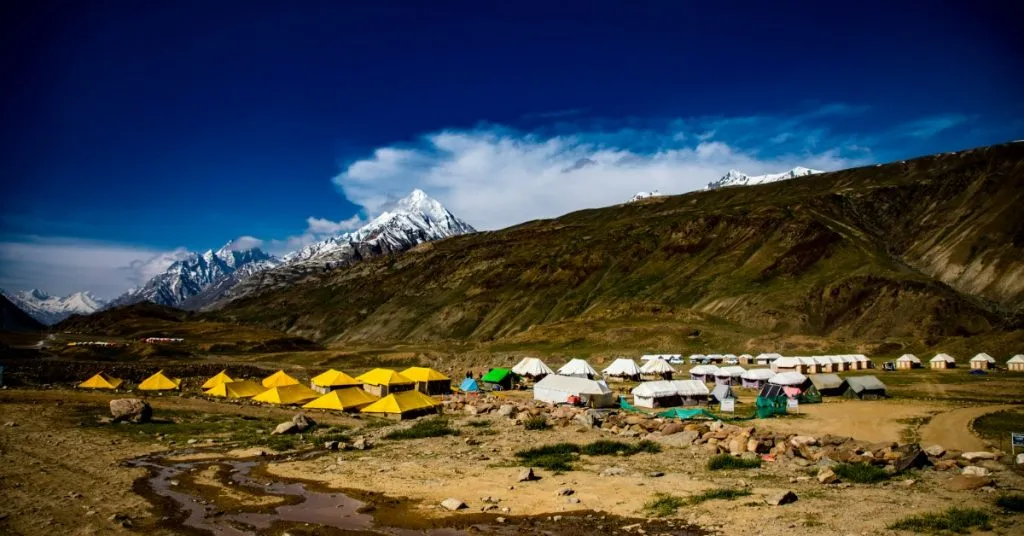
Nestled in the Spiti Valley at 3,800 meters above sea level, Kaza is the administrative capital of this remote Himalayan region and a surprisingly rewarding destination for shopping. While you won't find the bustling bazaars of Delhi or the designer boutiques of Mumbai, Kaza offers something far more authentic—the opportunity to purchase unique Spitian handicrafts, Tibetan artifacts, and local products that you simply cannot find elsewhere. Shopping in Kaza is less about commercial retail therapy and more about supporting local communities, taking home pieces of Spiti's rich culture, and finding practical items for your mountain journey.
Kaza's shopping scene is concentrated in a small market area that comes alive during the brief summer season (May-October) when tourists trickle in and roads are open. The town has a handful of shops that sell everything from basic provisions to exquisite handicrafts. What makes shopping here special is the authenticity—most items are handmade by local artisans or sourced from nearby Tibetan communities, making each purchase meaningful and directly supporting the local economy.

Whether you're looking for spiritual artifacts, warm woolens to combat Spiti's bitter cold, unique souvenirs that capture the essence of this Himalayan desert, or just emergency supplies for your journey, Kaza's limited but characterful market has what you need. This guide covers everything you can buy in Kaza, where to find it, what to carry versus purchase locally, and practical shopping tips for this remote mountain town.
Main Market in Kaza: The Shopping Hub
Travelers often connect this route with shopping in Dalhousie for broader hill-station buying.
Kaza's commercial activity centers around its main market area, commonly referred to as the Kaza Market or New Market. This is the town's shopping district, though it's more accurately described as a collection of small shops along the main road rather than an organized marketplace. The market is easily walkable and forms the heart of Kaza's small but vibrant commercial life.
Layout and Atmosphere
The Kaza Market consists of a row of single-story shops lining both sides of the main road. The architecture is simple—concrete structures with metal shutters, typical of small Himalayan towns. What lacks in architectural charm is made up for by the atmosphere: the air is filled with the scent of incense from monastery supply shops, the vibrant colors of handicrafts catching sunlight, and the warm hospitality of shop owners who are always happy for a chat.
Mornings (10 AM-12 PM) are the best time to visit as shop owners open their shutters, fresh goods are displayed, and the market buzzes with activity. Afternoons are quieter, especially during tourist off-peak hours, but evenings (5-7 PM) see a second wave of activity as locals finish work and tourists return from day trips to browse and shop.
Types of Shops
- General Stores: These stock daily provisions including food items, toiletries, basic clothing, and household goods. Essential for stocking up on supplies.
- Handicraft Shops: Specialized stores selling Tibetan and Spitian handicrafts, including thangkas, prayer flags, singing bowls, jewelry, and textiles.
- Woolen Shops: Stores specializing in warm clothing—hand-knit sweaters, caps, gloves, socks, and shawls essential for cold weather.
- Monastery Supply Shops: Shops catering to Buddhist monasteries and devotees, selling incense, prayer flags, statues, and religious artifacts.
- Souvenir Shops: Shops with Spiti-themed souvenirs—t-shirts, mugs, keychains, postcards, and small handicrafts perfect for gifting.
Seasonal Considerations
Kaza's market is seasonal. Most shops open in May when roads from Manali and Shimla become accessible, and close by late October or early November before winter snows block passes. During winter (November-April), Kaza becomes largely isolated, with only a few general stores remaining open for the few hundred residents who brave the extreme cold. If you're visiting in shoulder season (May or October), expect some shops to still be opening or closing for the season.
Best Approach
Shopping in Kaza requires patience and a sense of adventure. Don't expect air-conditioned stores or fixed prices. Instead, approach it as a cultural experience—chat with shop owners, learn about the products, and appreciate the effort that goes into bringing goods to this remote location. Most shop owners speak Hindi and basic English, and communication is usually easy. Prices are fixed but reasonable—bargaining is not the norm here, though you can politely ask for discounts on bulk purchases.
Tibetan Handicrafts and Buddhist Items
One of Kaza's shopping highlights is its selection of Tibetan handicrafts and Buddhist ritual items. Spiti Valley has strong cultural and religious ties to Tibet, and this is reflected in the availability of authentic Tibetan crafts that make for spiritually meaningful purchases and beautiful home decor.
Thangka Paintings
Thangkas are Tibetan Buddhist paintings on cotton or silk appliqué, usually depicting a deity, mandala, or scene from Buddhist scripture. These are not just art pieces but sacred objects used for meditation and religious practice. In Kaza, you'll find thangkas ranging from small, affordable pieces suitable for beginners to large, intricately painted masterpieces created by skilled artists.
What to Look For: Authentic thangkas use natural mineral pigments and gold dust in details. Check for the cotton canvas backing, proper mounting with silk brocade, and detailed brushwork. Machine-printed replicas are cheaper but lack the spiritual significance and artistry of hand-painted pieces. Prices range from ₹1,500 for small pieces to ₹15,000+ for large, detailed thangkas.
Prayer Flags
The colorful prayer flags (lung ta) seen fluttering across Spiti are readily available in Kaza. Traditional Tibetan prayer flags come in five colors representing five elements: blue (sky), white (clouds/air), red (fire), green (water), and yellow (earth). They're printed with prayers, mantras, and auspicious symbols.
Buying Options: You can buy small strings of flags (₹100-300) or long strings meant to span large distances (₹500-1,500). Some shops offer prayer flags printed with specific mantras or blessings. These make excellent, lightweight souvenirs and are believed to spread blessings wherever they're hung.
Prayer Wheels
Prayer wheels are cylindrical wheels on a spindle, containing scrolls of paper printed with mantras (typically "Om Mani Padme Hum"). According to Tibetan Buddhism, spinning a prayer wheel distributes blessings and purifies karma. Kaza sells both handheld prayer wheels and larger wheels meant for home installation.
Types Available: Handheld wheels range from small metal versions (₹300-800) to larger wooden ones (₹1,000-2,500). Miniature prayer wheels for keychains are also popular as souvenirs (₹100-200). Some shops offer elaborate wheels with precious metal inlay and gemstones—these are expensive (₹5,000-15,000+) but stunning.
Singing Bowls
Singing bowls are metal bowls that produce resonant harmonic tones when struck or circled with a mallet. Used in meditation, sound healing, and spiritual practice, these beautiful instruments are popular souvenirs. Kaza offers both authentic Tibetan singing bowls and machine-made versions.
Authenticity Check: Authentic bowls are handmade from seven-metal alloy (gold, silver, mercury, copper, iron, tin, lead) and have complex, resonant overtones. They're more expensive (₹2,000-8,000) but produce superior sound. Machine-made brass bowls are cheaper (₹500-1,500) but don't have the same acoustic properties. Always test the bowl before purchasing to ensure you like its sound.
Incense and Ritual Supplies
Kaza has excellent Tibetan incense, made from natural herbs, flowers, and minerals according to ancient recipes. You'll also find incense holders, butter lamps, offering bowls (kapala), and other ritual items. These are affordable (₹100-500 for most items) and make authentic spiritual souvenirs.
Buddhist Statues
Small statues of Buddha, Tara, Chenrezig, and other deities are available in various materials—clay, brass, copper, and silver. Hand-carved wooden statues and painted clay statues are particularly beautiful. Prices vary widely based on size, material, and craftsmanship, from ₹500 for small clay pieces to ₹10,000+ for large metal statues.
Local Woolens and Winter Wear
If you're visiting Spiti, you quickly learn that warm clothing is not optional—it's survival. Kaza's woolen shops offer locally made and Himalayan woolen products that are both practical and authentic. Shopping for woolens in Kaza supports local artisans and ensures you're properly equipped for the cold.
Hand-Knit Sweaters
Hand-knit woolen sweaters are a Kaza specialty, made by local women using traditional patterns and techniques. These sweaters are warm, durable, and have a rustic charm that machine-made clothing lacks. You'll find both Spitian designs and contemporary patterns.
Prices and Quality: Expect to pay ₹800-2,000 for a hand-knit sweater, depending on wool quality and design. Pure wool sweaters are more expensive than wool-acrylic blends but warmer. Check the knitting quality—tight, even stitches indicate good craftsmanship. Many shops will make custom sweaters to order, though this takes a few days.
Caps, Beanies, and Headwear
Nothing is more essential in Spiti than a good woolen cap. Kaza has excellent options:
- Spitian Caps: Traditional caps with geometric patterns and sometimes colorful pom-poms. These are typically handmade and unique to the region (₹200-400).
- Monkey Caps: Balaclava-style caps that cover the head, neck, and sometimes face. Essential for extreme cold (₹150-300).
- Beanies: Simple, tight-fitting woolen caps in various colors (₹100-250).
- Fur/Lined Caps: Caps lined with synthetic fur or extra wool for added warmth (₹300-600).
Gloves and Mittens
Hand-knit woolen gloves are available in various styles—simple five-finger gloves, mittens (warmer but less dexterous), and fingerless gloves with mitten flaps. Prices range from ₹150-400. Some shops have lined gloves with fleece or thermal material for extra warmth (₹400-700).
Woolen Socks
Thick woolen socks are non-negotiable in Spiti's cold. Kaza sells excellent hand-knit socks in various weights—lightweight for indoors and heavyweight for outdoor activities. Expect to pay ₹100-300 per pair, depending on wool quality and thickness. Buy multiple pairs; you'll need them.
Himachali Shawls
While Kaza is in Spiti and not the classic shawl-making regions like Kullu or Kinnaur, you can find Himachali-style shawls here. These are wool blend shawls with traditional geometric patterns. Prices range from ₹800-2,000. Pure pashmina shawls are sometimes available but expensive (₹3,000-8,000).
Jackets and Outerwear
Kaza shops sell synthetic and wool jackets suitable for Spiti conditions. Most are machine-made rather than locally crafted, but they're functional and affordable (₹1,500-4,000). For high-quality branded gear, you're better off purchasing in cities before your trip. However, if you need an emergency jacket or don't want to carry heavy gear from home, Kaza's options are adequate.
Spiti Specialties and Souvenirs
Beyond handicrafts and woolens, Kaza offers unique products specific to Spiti Valley. These make excellent souvenirs and gifts, capturing the essence of this remote region.
Sea Buckthorn Products
Sea buckthorn (lemon berry) is a wonder plant that grows in Spiti's harsh conditions. Its bright orange berries are incredibly nutritious, rich in Vitamin C, antioxidants, and omega fatty acids. In Kaza, you can find:
- Sea Buckthorn Juice: Tart, refreshing, and healthy. Sold in bottles (₹200-400).
- Sea Buckthorn Jam: Sweet-tart spread perfect for breakfast (₹250-400).
- Sea Buckthorn Tea: Dried berries for making tea (₹150-300 per packet).
- Sea Buckthorn Oil: Used for skin and hair care (₹400-800).
- Sea Buckthorn Squash: Concentrated syrup to mix with water (₹200-350).
These products are healthy, unique to this region, and make excellent gifts. Look for products with high sea buckthorn content rather than those with excessive sugar or additives.
Spiti Tea
Local herbal tea blends are available, often incorporating sea buckthorn, Himalayan herbs, and sometimes black tea. These make warming, healthy beverages and are lightweight souvenirs. Expect to pay ₹150-400 for packets depending on quality and quantity.
Local Honey
Spiti's high-altitude flora produces excellent honey, collected from wild beehives. The honey is dark, aromatic, and distinct from commercial honey sold in cities. It's sold in simple bottles (₹300-600) and makes a delicious, healthy souvenir. Some shops offer honey infused with sea buckthorn or local herbs.
Spiti-Themed Souvenirs
For casual souvenirs and gifts, shops offer:
- T-Shirts: With Spiti-themed designs, landscapes, or slogans (₹300-600).
- Mugs and Cups: Featuring Spiti scenes or Buddhist symbols (₹200-400).
- Postcards and Prints: Beautiful photographs of Spiti landscapes (₹20-100).
- Keychains and Magnets: Inexpensive souvenirs (₹50-150).
- Stickers: Spiti-themed stickers for laptops and water bottles (₹50-150).
Komic Pottery
While you need to visit Komic village (Asia's highest village) for the full pottery experience, some Kaza shops sell Komic pottery—handmade clay items including mugs, bowls, and decorative pieces. These are unique, earthy, and make excellent souvenirs (₹200-600 depending on size).
Local Jewelry
Turquoise and coral jewelry, traditional in Spiti and Tibetan culture, is available. These include necklaces, bracelets, earrings, and rings. Authentic pieces use real turquoise and coral with silver settings (₹800-3,000). Imitations are cheaper (₹200-500) but less valuable. These make beautiful, culturally meaningful gifts.
Wooden Handicrafts
Carved wooden items including boxes, picture frames, and decorative pieces are available. These showcase traditional motifs and local craftsmanship. Prices vary widely (₹300-2,000) based on size, carving quality, and wood type.
Food Products and Essential Supplies
For travelers needing provisions, Kaza's market has basic supplies. Don't expect the variety of city supermarkets, but you can find essentials for your Spiti journey.
Basic Provisions
- Noodles and Instant Food: Maggi and other instant noodles are widely available (₹40-60 per packet). Good for quick meals.
- Biscuits and Snacks: Indian biscuits, chips, and local snacks (₹10-100).
- Canned Goods: Baked beans, canned fruits, and other canned items (₹80-200).
- Rice and Dal: Basic staples for self-catering (₹60-150 per kg).
- Spices and Condiments: Basic Indian spices, salt, sugar, tea (₹50-200).
Beverages
- Water Bottles: Essential and widely available (₹20-40 per liter).
- Cold Drinks: Cola, Sprite, and similar drinks (₹30-50). Limited selection.
- Energy Drinks: Red Bull and similar (₹80-120).
- Tea and Coffee: Packet tea, instant coffee (₹100-300).
Local Specialties
- Spiti Peas: Famous for being sweet and tender. Available seasonally (₹80-150 per kg).
- Barley: Local grain used for tsampa (roasted barley flour). Sometimes available (₹80-120 per kg).
- Dried Apricots: From Kinnaur region, sweet and chewy (₹200-400).
Toiletries and Personal Care
Basic toiletries are available but selection is limited. Carry what you need from cities. Available items include toothpaste, soap, shampoo (small bottles), tissues, wet wipes, and basic first aid supplies. Prices are higher than in cities.
Emergency Supplies
- Batteries: AA and AAA available but expensive (₹80-150 per pair).
- Power Banks: Basic models available (₹800-2,000).
- Sunscreen and Moisturizer: Limited selection, buy in cities before your trip.
- Medicines: Basic painkillers, cold medicine, and first aid items available. For prescription medications or specific needs, bring from home.
What to Carry vs Buy There
For larger city fallback categories, keep shopping in Delhi as backup on return travel.
Deciding what to bring from home versus buy in Kaza is crucial for efficient packing. Here's a practical breakdown:
Must Carry from Home
Clothing: Bring high-quality winter gear from home. While Kaza sells woolens, the quality may not match what you can buy in cities. Carry:
- Thermal underwear (good quality)
- Heavy down/synthetic jacket
- Waterproof shell jacket and pants
- Hiking boots and comfortable shoes
- Personal clothing preferences
Electronics: Bring all electronics from cities:
- Camera and accessories
- Phone, charger, power bank
- Headlamp/flashlight
- Spare batteries
Toiletries and Medications:
- Sunscreen (high SPF)
- Moisturizer and lip balm
- Personal medications
- Specific toiletry brands you prefer
- First aid kit with basics
Documents and Cash:
- ID, permits, insurance
- Sufficient cash (ATMs unreliable)
- Credit/debit cards (backup)
Can Buy in Kaza
Woolens: If you need extra warmth or forget something, Kaza's woolens are adequate for the climate. Hand-knit caps, socks, and gloves make good purchases.
Food and Water: Stock up on water, snacks, and basic food items in Kaza before heading to remote areas.
Souvenirs: Obviously, buy souvenirs in Kaza—handicrafts, Buddhist items, local products. These are unique and often support local artisans.
Emergency Supplies: If you need emergency toiletries, batteries, or basic gear, Kaza has options. They may be expensive or limited in selection, but better than being without essentials.
Not Available in Kaza
- Specialized Gear: Technical trekking gear, branded outdoor equipment, or specialized electronics are not available. Buy in cities like Manali, Shimla, or Delhi before your trip.
- Fashion Items: This is not a fashion shopping destination. Bring clothing you need from home.
- Variety: Don't expect the variety, brands, or selection of city markets. Kaza is remote, and stock is limited.
- ATMs Always Working: Kaza has one ATM, but it frequently runs out of cash or malfunctions. Carry sufficient cash from Manali/Shimla.
Location
Frequently Asked Questions
Q1.Are there shops in Kaza?
Q2.What to buy from Kaza?
Q3.Is Kaza good for shopping?
Q4.Where to buy woolens in Kaza?
Q5.Are handicrafts available in Kaza?
Q6.What souvenirs to buy from Spiti?
Q7.What are shop timings in Kaza?
Q8.Is bargaining acceptable in Kaza?
Recommended For You

Things to Do in Spiti Valley: Monasteries, Villages & Routes
Discover the top 15 things to do in Spiti Valley including Key Monastery, Chandratal Lake, Pin Valley, ancient villages, and high-altitude adventures. Complete guide with itineraries, costs, and travel tips.

Places to Visit in Hikkim: World’s Highest Post Office
Complete guide to places to visit in Hikkim with post office experience, route from Kaza, altitude tips, and Langza-Komic circuit planning.

Spiti Valley in March: Snow Conditions, Accessibility & Itinerary Ideas
Visit Spiti Valley in March! Guide to weather, snow, road conditions, temperature, Manali route & spring travel tips.
Never Miss an Adventure
Get the latest trekking guides, travel tips, and exclusive offers delivered straight to your inbox.
