
Spiti Valley in March: Snow Conditions, Accessibility & Itinerary Ideas

Priya Mehta
February 18, 2026
Visit Spiti Valley in March! Guide to weather, snow, road conditions, temperature, Manali route & spring travel tips.
Introduction: Spring Awakening in the Himalayas
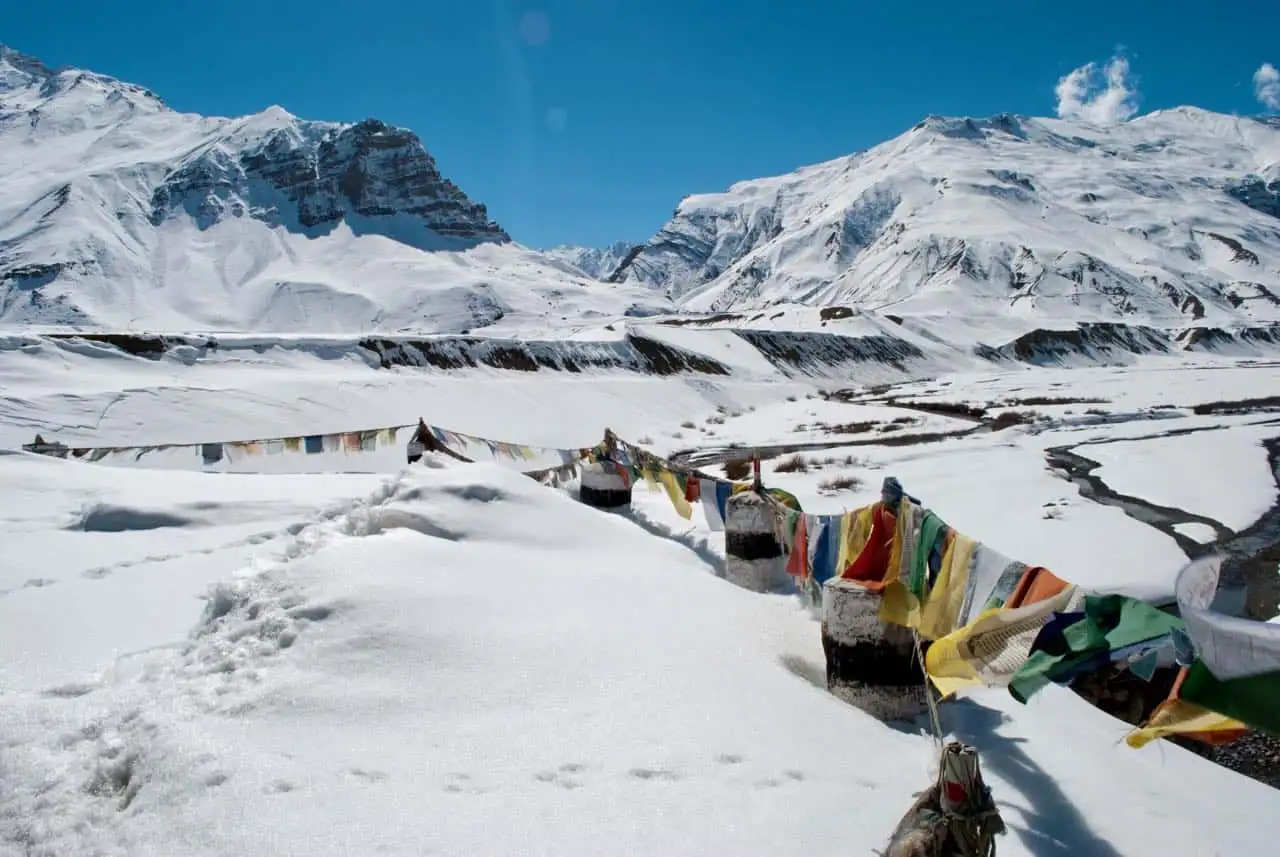
March marks a fascinating transition period in Spiti Valley, when this cold desert mountain region begins its slow awakening from the harsh winter freeze. Located in Himachal Pradesh at altitudes averaging 4,270 meters (14,009 feet), Spiti in March offers adventurous travelers a unique opportunity to experience the valley caught between winter's grip and spring's arrival. This is when snow still blankets the landscape in pristine white, yet the promise of warmer days begins to thaw frozen streams and reopen isolated routes. If you're exploring the best places to visit in Himachal Pradesh, Spiti in March offers a unique winter experience.
What makes March special is the relative solitude it offers. Unlike the peak summer months when Spiti bustles with tourists, March sees only the most dedicated travelers making the journey. You'll find monasteries dusted with fresh snow, frozen rivers beginning to crack, and local settlements emerging from months of isolation. The valley's dramatic scenery—snow-capped peaks, barren mountains painted in shades of brown and white, and the Spiti River winding through it all—takes on an ethereal quality that's simply breathtaking.
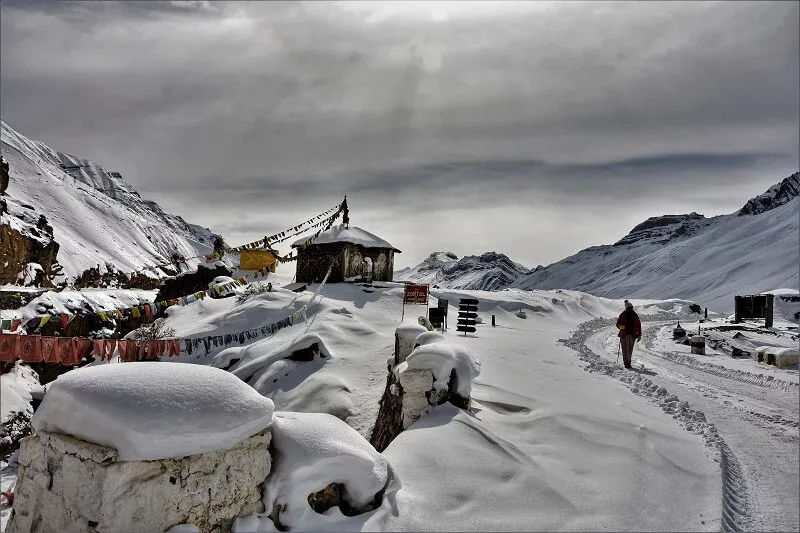
However, visiting Spiti in March is not for the faint-hearted. It requires careful planning, flexibility with itineraries, and proper preparation for extreme cold. Roads are just opening, passes may be blocked, and facilities are limited. But for those willing to brave these challenges, March rewards with an authentic Spiti experience—untouched by crowds, rich in winter beauty, and filled with the warm hospitality of locals happy to see visitors after months of isolation.
Weather in March: Cold but Warming
March in Spiti Valley brings a gradual shift from severe winter to milder spring conditions, though it remains decidedly cold by most standards. The valley experiences intense temperature variations between day and night, making proper layering essential for anyone visiting during this time.
Temperature Range
Daytime Temperatures: During the day, especially when the sun is shining, temperatures typically range from -2°C to 8°C (28°F to 46°F). In Kaza, the main town, you might find pleasant afternoons where sitting in the sun at a monastery courtyard feels comfortable. The UV radiation at this altitude is intense, so even with cold air temperatures, the sun feels powerful when it's out.
Nighttime Temperatures: Once the sun sets, temperatures plummet dramatically. Nights are consistently freezing, ranging from -15°C to -5°C (5°F to 23°F). In Kaza and other settlements, nighttime lows can drop to -15°C or lower. At higher altitudes like Kunzum Pass (though you likely won't cross it in March), temperatures are even more extreme. This is when heavy-duty winter gear becomes non-negotiable.
Climate Conditions
The overall climate in March is cold and dry, typical of Spiti's rain-shadow desert environment. What precipitation does occur usually comes as snow rather than rain. You can expect:
- Sky Conditions: Mostly clear to partly cloudy days. March offers some of the clearest skies of the year, making it excellent for photography and stargazing.
- Snowfall: Occasional snowfall is possible, especially in early March. Fresh snow can temporarily close roads but adds to the valley's winter beauty.
- Wind: Cold winds are common, particularly in open areas and mountain passes. The wind chill factor can make temperatures feel significantly colder.
- Sunshine: Strong sunlight due to the high altitude. Sun protection (SPF 50+ sunscreen, sunglasses) is mandatory, even when it feels cold.
What to Expect
March weather in Spiti is characterized by its unpredictability. You might experience brilliant sunshine one day and snowfall the next. Mornings start frigid, warm up slightly by afternoon, then drop rapidly after sunset. The key to staying comfortable is dressing in layers and being prepared for sudden weather changes.
The air is thin and dry at these altitudes, which can cause dehydration and altitude-related issues. Drinking plenty of water and allowing time for acclimatization is crucial. Despite the cold, many travelers find March's crisp air, clear skies, and snow-covered landscapes worth the temperature challenges.
Road Conditions in March: The Great Transition
March is arguably the most challenging month for road access to Spiti Valley, as it sits right on the cusp of winter closure and summer opening. The road situation in March is complex, with conditions varying significantly depending on your route and the specific timing within the month.
Manali-Kaza Route (Via Rohtang Pass)
The Manali to Kaza route via Rohtang Pass and Kunzum Pass is the more direct but challenging approach to Spiti. In March, this route presents significant obstacles. For those planning a Spiti Valley road trip, it's important to understand the seasonal road limitations.
- Rohtang Pass Status: At 3,978 meters, Rohtang Pass typically remains closed through most of March. The pass usually opens seasonally between late May and mid-June, depending on snow clearance efforts by the Border Roads Organization (BRO). Occasionally, if snowfall has been light and the BRO prioritizes clearance, Rohtang might open briefly for a few days in late March, but this is the exception rather than the rule.
- Batal-Gramphoo Road: This critical stretch connecting Gramphoo to Batal and onward to Kaza is notorious for its challenging conditions. In March, it typically remains buried under deep snow, with massive snowdrifts making passage impossible for most vehicles.
- Kunzum Pass: At 4,551 meters, Kunzum Pass is substantially higher than Rohtang and usually remains closed throughout March. Kunzum typically opens in late June or early July, making the Manali-Kaza route via Kunzum a no-go in March.
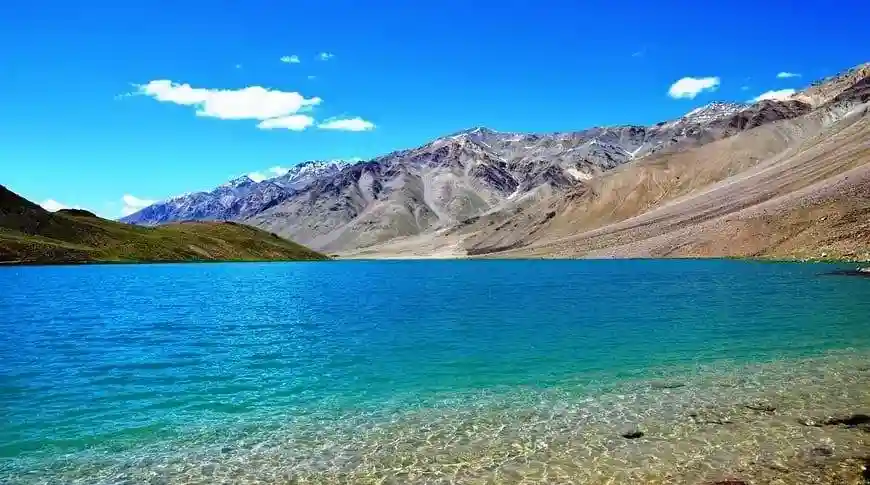
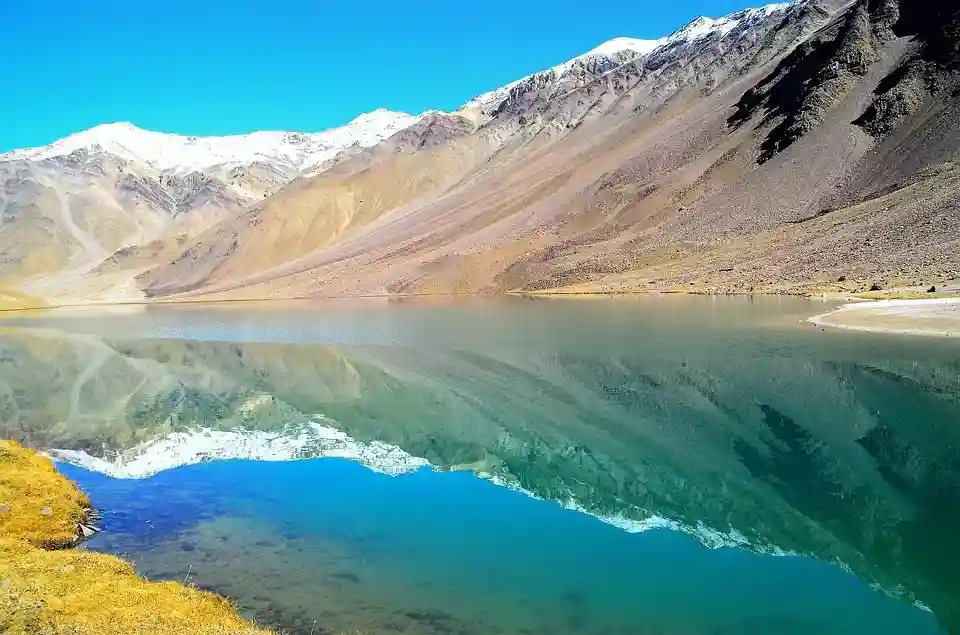
- Chandratal Access: The stunning Chandratal Lake is completely inaccessible in March. The road to Chandratal is blocked by snow, and the lake itself remains frozen, buried under winter snow cover.
Reality Check: Unless you're traveling in late March and have confirmed that Rohtang Pass has opened (which is rare), the Manali-Kaza route is generally not feasible. Most travelers attempting Spiti in March opt for the Shimla route.
Shimla-Kaza Route (Via Kinnaur)
The Shimla to Kaza route via Recong Peo and Kinnaur is the recommended and more reliable option for March travel to Spiti. Here's what to expect:
- Shimla to Recong Peo: This section via National Highway 5 remains open throughout March. The road is generally in good condition, though occasional snowfall or landslides can cause temporary disruptions. The drive from Shimla to Recong Peo takes approximately 8-9 hours.
- Recong Peo to Kaza: Beyond Recong Peo, the road climbs into the Spiti Valley. While this route is at lower altitude than the Manali route and more protected from extreme snow, it still presents challenges. Key considerations:
- Sumdo to Kaza: The stretch from Sumdo (the entry point to Spiti) to Kaza typically remains open in March, though you may encounter snow patches and ice.
- Nako: The beautiful village of Nako is accessible in March, though the road can be tricky.
- Malling Nallah: This notorious water crossing can be challenging depending on recent precipitation.
- Road Conditions: Expect a mix of clear tarmac, snow patches, and possibly ice. The roads are being actively maintained and widened, so BRO work is common.
Recommended Route: For March travel, the Shimla-Kinnaur-Kaza route is your best bet. It's longer (approximately 2-3 days from Shimla to Kaza) but more reliable and less prone to complete closure than the Manali route.
Inner Spiti Roads
Once you've reached Kaza, conditions on roads within the Spiti Valley vary:
- Kaza to Kibber: Generally accessible in March, though snow may cover parts of the road.
- Kaza to Key Monastery: The road to Key Gompa is usually open, and the monastery itself is accessible (and spectacular in winter white).
- Kaza to Langza: This road may have snow, but is typically passable.
- Kaza to Hikkim and Komic: Asia's highest post office at Hikkim and the world's highest motorable village at Komic are accessible in March, though check current conditions before heading out.
- Kaza to Pin Valley: The road into Pin Valley (Mudh village) can be challenging in March due to snow and may be closed if there's been recent snowfall.
- Dhankar: The road to the ancient Dhankar Monastery is generally accessible, though the final stretch may be snowy.
Border Roads Organization (BRO) works continuously to clear and maintain these roads. It's essential to check current road conditions before your trip and be prepared for last-minute changes. Having a flexible itinerary and buffer days is smart when traveling Spiti in March.
Things to Do in Spiti in March
While March limits some activities due to snow and cold, it offers unique experiences that aren't possible during peak tourist season. Here's what you can realistically do and see in Spiti during March:
Monastery Visits: The Most Accessible Attractions
Monasteries (gompas) are among Spiti's most important cultural and spiritual attractions, and March is an excellent time to visit them:
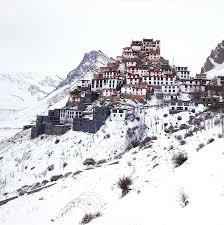
- Key Monastery (Ki Gompa): Perched at 4,166 meters, Key is Spiti's largest and most famous monastery. In March, against a backdrop of snow-covered mountains and clear blue skies, Key is particularly striking. Monks are often present, and you may witness prayer ceremonies. The monastery's location offers panoramic views of the Spiti Valley. Note that it's cold inside the monastery, so dress warmly. The Key Monastery is one of the most important spiritual sites in Spiti Valley.
- Dhankar Monastery: Dramatically situated on a cliff edge, Dhankar was once the capital of Spiti's rulers. The old monastery, dating back over 1,000 years, is atmospheric and less visited than Key. In March, the approach road may have snow, but the monastery itself is accessible. The views of the confluence of the Spiti and Pin rivers are spectacular.
- Tabo Monastery: Known as the "Ajanta of the Himalayas" for its ancient wall paintings, Tabo is one of the oldest continuously operating Buddhist enclaves in India. Founded in 996 CE, the monastery's temples house invaluable artwork. March's cold weather is perfect for exploring the temples, which are fascinating and richly decorated.
- Komic and Tangyud Monastery: At 4,580 meters, Komic is one of the world's highest villages. The Tangyud Monastery here is less visited but offers insight into Spiti's Buddhist culture. In March, Komic is buried in snow, making the journey adventurous.
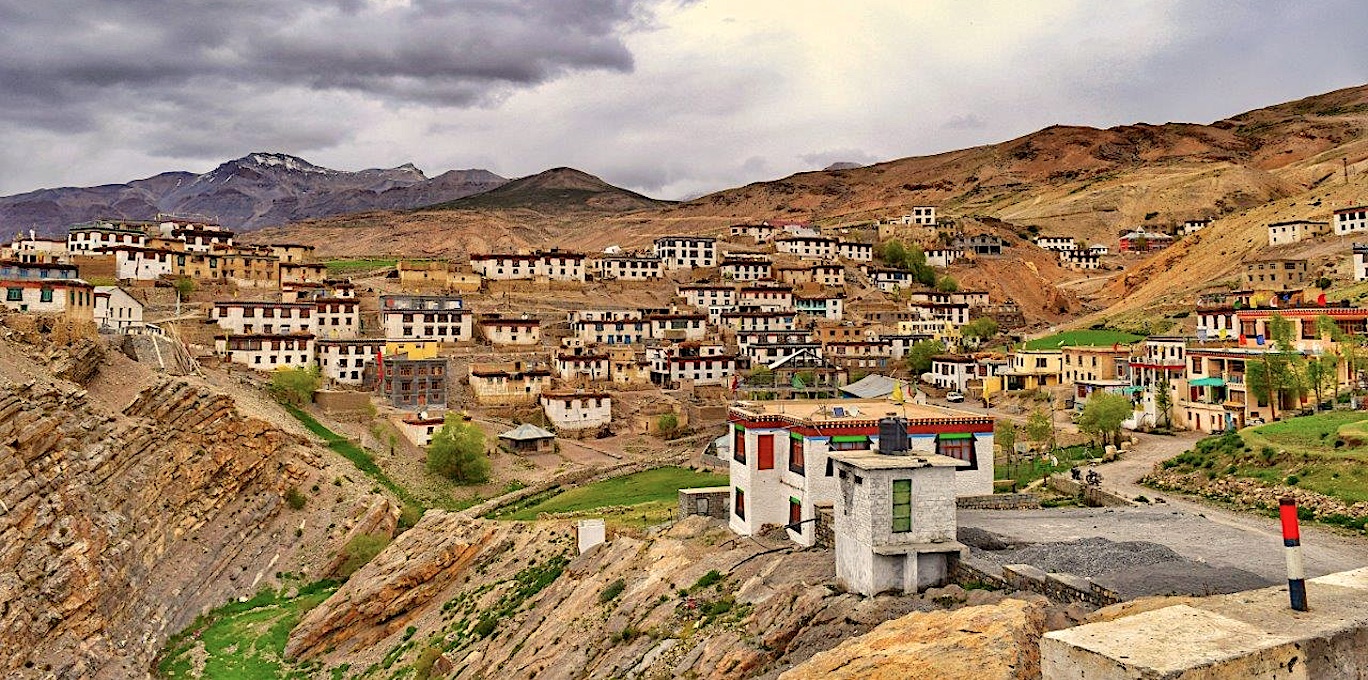
- Kibber: While not a monastery, Kibber is one of Spiti's highest villages at 4,270 meters. The village offers a glimpse into high-altitude life, and nearby Chicham Bridge (Asia's highest bridge) is an engineering marvel worth seeing.
Village Exploration: Life in Winter
March is when Spiti's villages begin emerging from winter isolation. While not all villages are accessible, those you can visit offer authentic insights into local life:
- Kaza: The main town of Spiti is fully functional in March. While many guesthouses and restaurants remain closed (opening in April-May), some accommodations and eateries are operational. Kaza's market, fuel station, and basic facilities are available. It's fascinating to observe the town slowly waking up for the tourist season.
- Local Culture: March is an excellent time to interact with locals, who are generally relaxed and happy to engage with visitors after the quiet winter. You might learn about traditional Spiti life, the challenges of high-altitude living, and local customs.
- Homestays: Some homestays operate in March, offering an immersive experience of local family life. Staying with a Spiti family is rewarding, and the warm hospitality is a highlight for many travelers.
- Agricultural Preparations: March is when locals begin preparing for the brief growing season. You might see farmers plowing fields or preparing for barley and pea cultivation.
Snow Activities and Photography
March's snow cover creates unique opportunities:
- Snow Landscapes: Spiti's dramatic mountains, monasteries, and villages look magical under snow. Photography enthusiasts will find endless opportunities for capturing winter Himalayan scenes.
- Snow Trekking: While high-altitude treks aren't feasible, short walks in and around villages are possible. Always check local conditions before venturing out, and never attempt treks without a guide.
- Stargazing: March's clear nights offer spectacular star-filled skies. With minimal light pollution, Spiti is incredible for night sky photography.
What's Not Possible in March
It's important to be realistic about limitations:
- Chandratal Lake: Completely inaccessible. The lake is frozen, buried under snow, and the road is blocked.
- Kunzum Pass: Closed throughout March. You won't be crossing from Spiti to Lahaul via this route.
- High-Altitude Treks: Most multi-day treks (like Pin Parvati, Parang La) are not possible in March due to snow and weather conditions.
- Cycling: While some hardcore cyclists attempt Spiti in March, it's extremely challenging due to snow, ice, and cold.
What to Pack for Spiti in March
Packing for Spiti in March requires careful planning and emphasis on extreme cold weather gear. Temperatures can drop to -15°C or lower at night, and you'll be exposed to high-altitude conditions. Here's a comprehensive packing list:
Clothing (Layering System)
The key to staying comfortable in Spiti's variable temperatures is a layered clothing system:
- Base Layer (Thermals): 2-3 sets of thermal underwear (top and bottom). Merino wool or synthetic materials are best—avoid cotton, which traps moisture and loses insulating properties when wet. Your base layer should fit snugly against your skin.
- Mid Layer: 2-3 fleece jackets or wool sweaters. Fleece is lightweight, breathable, and provides good insulation. Wool sweaters are an excellent alternative. You'll wear these between your thermals and outer jacket.
- Outer Layer (Insulation): A heavy down or synthetic jacket rated for temperatures well below freezing. Down jackets offer the best warmth-to-weight ratio but lose insulating properties when wet. Synthetic insulation (like PrimaLoft) performs better in damp conditions. Your jacket should have a hood and be windproof.
- Shell Layer: A waterproof and windproof jacket and pants. This outermost layer protects against wind, snow, and moisture. Look for breathable materials (like Gore-Tex) that allow perspiration to escape while keeping precipitation out.
- Trousers: 2-3 pairs. One should be trekking pants (quick-drying synthetic material), another heavier pair for cold weather, and thermal bottoms for extreme cold.
- Accessories:
- Woolen Cap/Beanie: Essential. Significant body heat is lost through your head. A cap that covers your ears is ideal.
- Balaclava/Ski Mask: For extreme cold and wind protection, especially during travel.
- Scarf/Neck Gaiter: Protects your neck and can be pulled up over your face.
- Gloves: 2 pairs. One thin pair for dexterity (like liner gloves) and one heavy, insulated pair. Consider touchscreen-compatible gloves if you'll use your phone.
- Woolen Socks: 3-4 pairs of merino wool socks. Avoid cotton socks, which cause blisters when wet.
- Sturdy Footwear: Waterproof, insulated boots with good grip. Hiking boots or winter boots are essential. Your feet will be cold if your footwear isn't up to the task.
Essential Gear
- Sunglasses: Category 3 or 4 UV protection sunglasses are mandatory. Snow reflects UV radiation, and at high altitudes, the risk of snow blindness is real. Good sunglasses also protect against wind and dust.
- Sunscreen: SPF 50+ sunscreen. Apply generously, even when it feels cold. The sun's UV radiation is significantly stronger at 4,000+ meters. Lip balm with SPF is also essential.
- Moisturizer: The air is extremely dry, which causes skin to crack and chap. A good moisturizer for face and body is necessary.
- Backpack: A comfortable daypack (20-30 liters) for carrying water, snacks, extra layers, and camera gear during day trips.
- Water Bottle: Insulated or regular water bottles. You need to drink 3-4 liters of water daily to prevent dehydration and altitude sickness. Wide-mouth bottles are easier to fill.
- Headlamp/Flashlight: Power cuts are frequent in Spiti. A headlamp is useful for navigating guesthouses or villages at night.
- Power Bank: To charge your phone and electronics. Cold temperatures drain batteries faster than usual.
Health and Safety Items
- First Aid Kit: Include bandages, antiseptic, pain relievers, blister treatment, and any personal medications.
- Altitude Medication: Consult your doctor about Diamox (acetazolamide) for altitude sickness prevention. Some travelers carry it as a precaution.
- Cold and Flu Medication: Decongestants, throat lozenges, and cough syrup.
- Water Purification: Water purification tablets or a portable filter. While bottled water is available, having a backup is smart.
- Toilet Paper: Many guesthouses and public facilities may not provide it. Carry your own supply.
- Wet Wipes and Hand Sanitizer: Useful when water is scarce or cold.
- Plastic Bags: For keeping wet or dirty clothes separate from clean ones, and for trash (carry out what you carry in).
Documents and Miscellaneous
- Identification: Original ID (voter card, passport, driver's license) and photocopies.
- Permits: If you're a foreign national, you need an Inner Line Permit for Spiti. Indians don't need permits for Spiti proper but may need them for certain routes near the China border.
- Cash: ATMs are unreliable in Spiti. Carry sufficient cash for your entire trip. Kaza has one ATM, but it frequently runs out of cash or malfunctions.
- Emergency Contacts: List of important phone numbers (guesthouses, taxi drivers, emergency services).
- Camera and Accessories: If you're into photography, bring your camera, extra batteries (cold drains batteries fast), and memory cards.
Pros and Cons of Visiting Spiti in March
Choosing to visit Spiti in March involves weighing unique advantages against significant challenges. Here's an honest assessment to help you decide if March is right for you:
Pros: The Rewards
Authentic Winter Experience
March delivers Spiti's quintessential winter aesthetic without the extreme isolation of January-February. The valley is blanketed in snow, monasteries wear white caps, and frozen waterfalls create dramatic ice formations. For photography enthusiasts and seekers of off-season beauty, March is magical. The crisp air, clear skies, and snow-dusted landscapes create scenes that feel almost otherworldly.
No Crowds
Perhaps March's greatest advantage is the complete absence of tourist crowds. Unlike May-June, when Spiti bustles with visitors, March offers solitude. You'll have monasteries to yourself, empty villages to explore, and an authentic connection with locals who aren't overwhelmed by tourist traffic. Accommodation prices are lower, and the overall pace is slower and more relaxed.
Unique Cultural Access
Locals, having emerged from winter isolation, are generally more relaxed and willing to engage with the few visitors who make the journey. This is a great time for cultural exchange. You might get invited into local homes, witness monastery rituals without crowds, and gain deeper insight into Spiti's Buddhist culture and high-altitude life.
Clear Skies and Stargazing
March offers some of the clearest skies of the year. With minimal cloud cover and low humidity, nighttime stargazing is spectacular. The Milky Way is visible to the naked eye, and for photography enthusiasts, the conditions are ideal for night sky shots.
Wildlife Spotting
Winter and early spring are excellent for spotting wildlife. Snow leopards (though extremely rare) occasionally descend to lower elevations in search of prey. Himalayan blue sheep, ibex, red fox, and various bird species are more easily spotted against the snow-covered landscape.
Cons: The Challenges
Extreme Cold
There's no way around it—March is cold. Nighttime temperatures of -15°C or lower are common, and daytime temperatures rarely climb above 8°C. Staying warm requires constant effort, proper gear, and adjustments to your routine. If you're not prepared for extreme cold, March will be miserable.
Limited Accessibility
Road closures are the biggest logistical challenge. The Manali route via Rohtang and Kunzum passes is typically closed, forcing you to take the longer Shimla-Kinnaur route. Even within Spiti, some villages and attractions may be inaccessible due to snow. This limits what you can see and do. Flexibility is essential, as road conditions can change rapidly.
Basic Facilities
Most hotels, guesthouses, and restaurants close for winter, reopening in April or May. Those that remain open offer basic facilities—no heating in rooms (except bukharis, which require constant wood fueling), intermittent hot water, limited menu options, and frequent power cuts. This isn't luxury travel; it's basic, sometimes uncomfortable, adventure travel.
Health Risks
The combination of extreme cold, high altitude, and limited medical facilities presents genuine risks. Altitude sickness is a real concern, frostbite is possible without proper protection, and the nearest hospital with proper facilities is in Kullu or Shimla—hours away. Being in good physical health and properly acclimatized is important.
Travel Uncertainty
Your itinerary must be flexible because you're at the mercy of weather and road conditions. A sudden snowfall can close roads, stranding you for days. Landslides can block routes. You need buffer days in your schedule and the mental flexibility to accept that plans might change.
Is March Right for You?
March is ideal for:
- Adventure travelers seeking authentic off-season experiences
- Photography enthusiasts chasing winter landscapes and clear skies
- Experienced high-altitude travelers comfortable with basic conditions
- Those who prioritize solitude and cultural immersion over convenience
- Travelers with flexible schedules and buffer days
- Those interested in homestays in Spiti Valley for an authentic local experience
March is NOT ideal for:
- First-time visitors to the Himalayas
- Families with young children or elderly travelers
- Those seeking luxury or even comfort travel
- People with limited time who can't afford road delays
- Travelers unprepared for extreme cold
Travel Tips for March: Essential Advice
To make your Spiti March trip successful and safe, keep these essential tips in mind:
Check Road Conditions Daily
Road status can change rapidly in March due to snowfall or BRO operations. Before starting your journey and each day of travel, check current conditions:
- Call your guesthouse or taxi driver for local updates
- Check Himachal Pradesh road condition websites or social media pages
- Connect with other travelers in Spiti Facebook groups for real-time information
- Be prepared to change your route if a road suddenly closes
Be Prepared for Delays
Build buffer days into your itinerary. If you're planning a 7-day trip, allocate 9-10 days to account for potential road closures or weather delays. This reduces stress and gives you flexibility if conditions change.
Carry Emergency Supplies
Always have emergency supplies in your vehicle, especially when traveling between towns:
- Extra food (snacks, energy bars, instant noodles)
- Water (at least 2-3 liters per person)
- Warm blankets or sleeping bags
- First aid kit
- Flashlight/headlamp with extra batteries
- Power bank for charging phones
- Torch light for signaling
Roads can be temporarily blocked by snow or landslides, leaving you stranded in your vehicle for hours. Being prepared makes these situations manageable rather than dangerous.
Keep a Flexible Itinerary
Your March itinerary should be a general plan, not a rigid schedule. If road conditions prevent you from reaching a particular village, have alternative activities planned. If weather is bad, postpone outdoor exploration for a clearer day. Flexibility is key to enjoying Spiti in March.
Respect Local Customs
Spiti is deeply Buddhist and culturally distinct from mainstream India:
- Dress Modestly: Shoulders and knees should be covered, especially when visiting monasteries.
- Remove Shoes: Always remove shoes before entering monastery temples or local homes.
- Ask Permission: Before photographing people or religious ceremonies, ask for permission.
- Walk Clockwise: When circumambulating chortens (Buddhist shrines) or stupas, always walk clockwise.
- Be Quiet: Monasteries are places of worship. Speak softly and behave respectfully.
- Don't Litter: Spiti's fragile ecosystem can't handle plastic waste. Carry out all trash.
Stay Hydrated and Acclimatize
Altitude sickness is a real risk in Spiti:
- Drink 3-4 liters of water daily
- Avoid alcohol and smoking (they worsen altitude effects)
- Ascend gradually—don't rush from lower altitudes to Kaza in one day
- Spend your first night in Spiti at a lower altitude if possible (like Sumdo or Nako) before sleeping in Kaza
- If you experience symptoms of AMS (headache, nausea, dizziness), descend to a lower altitude immediately
- Consider consulting a doctor before your trip about Diamox (acetazolamide) as a preventive measure
Book Accommodations in Advance
While few accommodations are open in March, it's smart to book ahead:
- Contact guesthouses directly via phone or email to confirm they're open
- Make reservations rather than assuming you'll find space upon arrival
- Confirm what's included (meals, hot water, heating bukhari, etc.)
- Get the phone number of your guesthouse for navigation and emergencies
Travel with Experienced Drivers
If you're hiring a taxi or private vehicle, ensure your driver has experience driving in Spiti in winter:
- Ask specifically about experience with snowy and icy conditions
- Ensure the vehicle is in good condition (winter tires, working heater, reliable brakes)
- Experienced drivers know the roads, have networks for real-time condition updates, and can navigate safely
- Never pressure your driver to attempt risky maneuvers—if they say a road is unsafe, trust their judgment
Respect the Environment
Spiti's ecosystem is fragile:
- Carry out all trash—don't leave plastic, bottles, or waste behind
- Don't pick flowers or disturb wildlife
- Stick to designated paths to avoid damaging fragile vegetation
- Use established accommodations rather than wild camping to minimize impact
- Conserve water—it's a scarce resource in high-altitude deserts
March in Spiti Valley offers a unique, rewarding experience for the right traveler—someone who values authenticity, adventure, and solitude over comfort and convenience. The valley's winter beauty is profound, the cultural experience is genuine, and the memories will last a lifetime. But come prepared: this is extreme travel that demands respect, preparation, and flexibility. For those willing to embrace the challenges, March's Spiti is a Himalayan paradise unlike any other time of year.
Location
Frequently Asked Questions
Q1.Is Spiti Valley open in March?
Q2.Is there snow in Spiti in March?
Q3.Are roads to Spiti open in March?
Q4.How is the weather in Spiti in March?
Q5.Can we visit Chandratal in March?
Q6.Is March a good time to visit Spiti?
Q7.What to pack for Spiti in March?
Q8.Is Manali-Kaza road open in March?
Q9.How cold is Spiti in March?
Q10.How many days for Spiti in March?
Recommended For You
Things to Do in Spiti Valley: Monasteries, Villages & Routes
Discover the top 15 things to do in Spiti Valley including Key Monastery, Chandratal Lake, Pin Valley, ancient villages, and high-altitude adventures. Complete guide with itineraries, costs, and travel tips.
Kibber Village Spiti: Altitude, Weather, Homestays & Route
Planning Kibber Village in Spiti? Get altitude details, best season, route from Kaza, weather tips, homestay guidance, and wildlife-focused travel advice.
Spiti Valley in April: Road Conditions, Weather & Itinerary
Complete guide to visiting Spiti Valley in April featuring weather conditions, road access via Shimla route, snow conditions, temperatures, and travel tips.
Never Miss an Adventure
Get the latest trekking guides, travel tips, and exclusive offers delivered straight to your inbox.
