
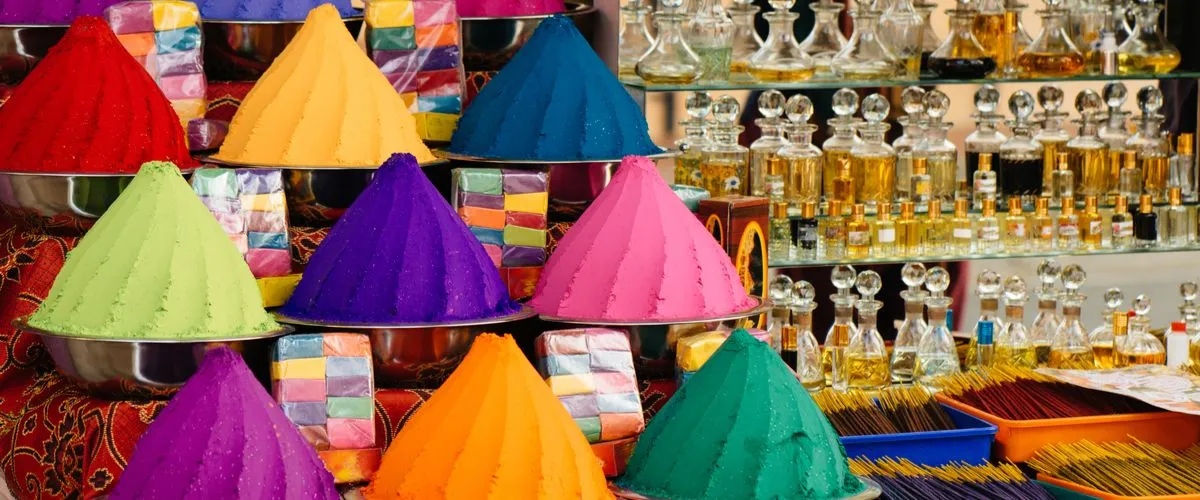
Shopping
Shopping in Kerala: Complete Guide to Spices, Handicrafts & Souvenirs

Rohan Malhotra
November 13, 2025
11 min read4,309 views
Shopping in Kerala guide - spices, handicrafts, kasavu sarees, Aranmula mirrors. Complete guide by region with best buys and shopping tips.
Shopping in Kerala: God's Own Country's Retail Treasures
Kerala, famously known as "God's Own Country," offers shopping as distinctive and diverse as its landscape. From spice plantations in the Western Ghats to coir workshops along coastal backwaters, from antique centers in Fort Kochi to tribal craft markets in Wayanad, Kerala's retail landscape reflects millennia of cultural exchange, artistic traditions, and natural abundance. What makes Kerala shopping unique is the combination of authenticity and variety. Unlike some Indian states where tourist souvenirs dominate, Kerala offers genuine products reflecting daily life and cultural traditions. The spices you buy are the same ones Keralites use in their kitchens. The coir products matting Kerala homes are the same ones available to visitors. The textiles represent living traditions, not museum reproductions. Kerala's complete travel experience extends beyond sightseeing to include authentic shopping opportunities that connect visitors with local culture. Kerala's shopping advantages include excellent quality, genuine craftsmanship, fair pricing (particularly outside tourist centers), and the opportunity to purchase products with direct connection to place - cardamom from Idukki plantations, coir from Alappuzha backwaters, cedar wood carvings from forest workshops. Each purchase carries a story of origin.Kerala's Specialties: What Makes Shopping Unique
Kerala's geographic and cultural diversity produces distinctive products unavailable elsewhere. Spices: Kerala is India's spice garden, producing the world's finest cardamom, pepper, cinnamon, cloves, and nutmeg. These spices shaped Kerala's history - ancient maritime traders came to Kerala's shores specifically for these commodities. Today, they remain Kerala's most famous exports and most popular purchases. Coir and Coconut Products: Kerala's millions of coconut palms produce coir (coconut fiber) used in mats, rugs, and decorative items. The coir industry, centered around Alappuzha, creates eco-friendly products combining utility with artistry. Handlooms: Kerala's handloom tradition produces distinctive fabrics - the famous kasavu (white cotton with gold border), Kerala cottons with earthy colors, and temple saris featuring intricate weaving. These represent centuries-old textile traditions. Aranmula Kannadi: These metal mirrors from Aranmula use unique metallurgy creating reflective surfaces without glass. A protected Geographical Indication product, genuine Aranmula Kannadi represents Kerala metallurgical expertise. Nettur Petti: Traditional Kerala jewelry boxes made from wood with brass trim showcase Kerala woodworking traditions. Kathakali Souvenirs: Kerala's classical dance-drama produces distinctive masks, figurines, and collectibles that represent this cultural treasure.
Shopping by Region: Kerala's Geographic Diversity
Kerala's different regions offer distinct shopping specialties.
Central Kerala (Kochi/Ernakulam)
Central Kerala offers the most diverse shopping, blending traditional and modern. Kochi: The commercial capital provides comprehensive shopping. Jew Town in Mattancherry offers spices and antiques. MG Road features modern retail, gold jewelry, and textiles. Lulu Mall (India's one of largest) offers international brands. Kochi serves as Kerala's primary shopping destination. Spice Markets: Kochi's spice markets, particularly in Mattancherry, offer authentic Kerala spices at wholesale prices. Cardamom, pepper, cinnamon, and other spices are available in bulk or packaged for travel.North Kerala (Kozhikode, Kannur)
North Kerala has distinctive craft traditions. Kozhikode (Calicut): Historic port city famous for Kozhikodan Halwa (a dense sweet made from wheat, coconut, and ghee). The city's Sweet Meat Street (Mithai Theruvu) specializes in this delicacy. Kozhikode also offers traditional cotton handlooms known as Kozhikodan fabrics. Kannur: Known for theyyam related crafts and distinctive handloom traditions. Kannur's valkannadi (metal mirrors, different from Aranmula version) represent local metallurgical traditions.South Kerala (Thiruvananthapuram, Kollam)
Southern Kerala offers temple traditions and unique crafts. Thiruvananthapuram (Trivandrum): The capital city features Chalai Bazaar, one of Kerala's oldest and largest markets. This crowded market area offers everything from spices to textiles at local prices. The city also has excellent government emporiums for handicrafts. Kollam (Quilon): Historic port city with strong cashew industry. Kollam cashews are famous across India. The city also processes spices and produces coir products.Central Travancore (Kottayam, Kottayam)
This region is Kerala's spice heartland. Kottayam: Surrounded by spice plantations, Kottayam offers excellent opportunities for purchasing rubber products, spices, and plantation crops. The region's rubber-based products represent a unique Kerala industry.High Ranges (Munnar, Thekkady, Wayanad)
Kerala's hill stations offer spice and handicraft shopping. Munnar: Tea plantation center offers tea shopping at plantation outlets. Kerala tea, though less famous than Darjeeling or Assam varieties, has distinctive character. Spice shops in Munnar sell freshly harvested plantation spices. Visitors can combine Munnar's scenic beauty with shopping for fresh tea and spices. Thekkady (Periyar): Spice plantations around Thekkady offer spice tours with shopping opportunities. Cardamom, pepper, and other spices grown in surrounding plantations are available at farm-gate prices. Wayanad: Known for tribal crafts and jaggery (unrefined sugar). Wayanad's tribal communities produce distinctive handicrafts including bamboo work, traditional artifacts, and forest products. The region offers unique cultural experiences alongside traditional shopping opportunities.| Region | Specialties | Best For |
|---|---|---|
| Kochi/Central | Spices, antiques, modern retail | Comprehensive shopping |
| Kozhikode/North | Halwa, cotton handlooms | Food specialties, textiles |
| Thiruvananthapuram/South | Traditional markets, cashews | Local shopping experience |
| Munnar/Thekkady | Tea, spices | Plantation products |
| Wayanad | Tribal crafts, jaggery | Ethnic handicrafts |
Spice Shopping: Kerala's Signature Experience
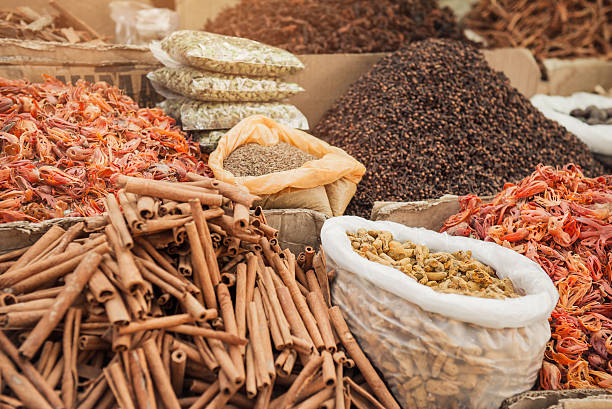
No Kerala shopping experience is complete without spices. Kerala's spice markets connect visitors to centuries-old trade networks. Cardamom: Kerala's Idukki district produces India's finest cardamom. Green cardamom for cooking, baking, and chai masala is available in several grades based on size and color. Brown/black cardamom used in savory dishes is also available. For best quality, purchase whole green pods rather than ground cardamom. Black Pepper: Known as "black gold" in ancient times, Kerala pepper remains prized. Malabar pepper and Wayanad pepper have distinctive flavor profiles. Whole peppercorns offer better value than ground pepper. Cinnamon: Kerala produces both Ceylon cinnamon (true cinnamon, superior flavor) and Cassia bark. Ceylon cinnamon has a delicate, sweet flavor but costs more. Whole quills maintain flavor better than ground cinnamon. Cloves: Dried flower buds essential for both Kerala cuisine and baking. Quality cloves should release oil when pressed. Nutmeg and Mace: Two spices from the same fruit - nutmeg is the seed, mace the lacy covering. Essential for Kerala cuisine, particularly for meat dishes. Star Anise: Distinctive eight-pointed spice used in Kerala biryani and certain meat preparations.
Spice Shopping Tips:
- Buy Whole: Whole spices retain flavor longer than ground varieties and are easier to verify for quality.
- Check Aroma: Quality spices should have strong, characteristic aromas. Avoid spices with musty or weak smells.
- Packaging: For travel, vacuum-sealed packaging preserves freshness. Some shops offer this service.
- Quantity: Don't overbuy - spices lose potency. Purchase quantities you'll use within 6-12 months.
Handloom and Textile Shopping

Kerala's handloom tradition produces distinctive textiles. Kasavu: Kerala's iconic white cotton with gold border represents understated elegance. Traditionally worn for festivals and special occasions, kasavu sarees, mundus (men's garments), and set mundus remain popular. Quality varies according to gold thread purity (real vs. synthetic) and cotton quality. Kerala Cotton: Beyond kasavu, Kerala produces distinctive handloom cottons with earthy colors (derived from natural dyes), simple patterns, and excellent breathability suitable for Kerala's climate. Temple Saris: Kerala's temple towns produce distinctive sarees with traditional motifs and weaving techniques. These are investment pieces with excellent craftsmanship. Kasavu Shopping: Available across Kerala. Government Handloom Emporiums offer authentic handloom at regulated prices. Private shops offer wider selection but vary in quality.
Handicrafts and Artisan Products
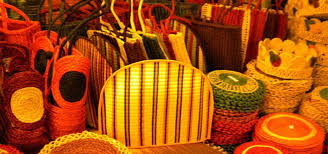
Kerala's artisan traditions produce distinctive handicrafts. Aranmula Kannadi: These metal mirrors from Aranmula (Pathanamthitta district) use traditional metallurgy creating reflection without glass. The technique is a family secret passed through generations. Genuine mirrors are expensive (Rs. 3000-10000+) but represent unique Kerala craftsmanship. Look for Geographical Indication (GI) tags verifying authenticity. Nettur Petti: Traditional Kerala jewelry boxes made from wood (usually cedar or similar) with brass trim. These represent both utility and beauty. Available in various sizes, they make excellent gifts. Wood Carvings: Kerala's forested regions produce wood carving traditions. Figures of Hindu deities, elephants, and decorative items are available. Kathakali figures and Theyyam masks represent Kerala's performing arts. Coir Products: Kerala's coconut palms produce coir (fiber) used in door mats, floor coverings, wall hangings, and decorative items. The coir industry centers in Alappuzha district. Coir products are eco-friendly, durable, and distinctly Keralan.
Handicraft Shopping:
- Government Emporiums: Kerala's Handicrafts Development Corporation outlets offer authentic handicrafts at fair prices. Available in major cities and tourist areas.
- Craft Villages: Some craft villages (like Aranmula for mirrors) allow direct purchase from artisans.
- Quality Verification: For expensive items like Aranmula Kannadi, verify authenticity through GI tags or artisan documentation.
Ayurveda and Wellness Products
Kerala is India's Ayurveda heartland, and Ayurvedic products make popular purchases. Ayurvedic Oils: Kerala's Ayurvedic traditions produce medicated oils for various conditions. Kumkumadi tailam (for skin), Neelibhringadi tailam (for hair), and Dhanwantharam tailam (general wellness) are popular. Purchase from reputable Ayurvedic pharmacies like Kottakkal Arya Vaidya Sala or government Oushadhi outlets. Herbal Products: Soaps, cosmetics, and food products made from Kerala's herbs (tulsi, neem, amla) represent natural wellness traditions. SNA Oushadhi: Kerala government's Ayurvedic products manufacturing offers quality-assured products through outlets across Kerala.
Food Specialties: Edible Souvenirs
Kerala's cuisine produces distinctive food products that make excellent souvenirs. Banana Chips: Kerala's signature snack - thinly sliced plantain chips, salted or spiced. Available everywhere, with variations in thickness and spice levels. These crispy snacks are perfect to enjoy during backwater cruises or while exploring Kerala's diverse attractions. Kozhikodan Halwa: Dense, chewy sweet made from wheat, coconut, and ghee. Kozhikode's Sweet Meat Street specializes in this. Different varieties include plain, ghee, and with nuts. Cashews: Kerala produces excellent cashews, particularly in Kollam district. Whole, roasted, salted, and spiced varieties are available. Jaggery: Unrefined sugar cane products, particularly from Wayanad. Jaggery blocks, powder, and products made with jaggery represent traditional Kerala sweets. Tea and Coffee: Kerala's hill regions produce tea (Munnar) and coffee (Wayanad). Plantation outlets offer fresh products at good prices.
Shopping in Kerala's Cities
Beyond Kochi, Kerala's cities offer distinctive shopping. Thiruvananthapuram: The capital features Chalai Bazaar (traditional market), Connemara Market, and government emporiums. Palayam Market and Attukal shopping areas offer comprehensive retail. Kozhikode: Sweet Meat Street for halwa, S.M. Street for general shopping, and MITRA shopping complex. Kozhikode's Mitti (traditional clay pots) and handloom cottons are distinctive. Kottayam: Baker Street and DC Books area represent the city's shopping. Rubber products and plantation crops are regional specialties.
Shopping Malls in Kerala
Kerala has embraced mall culture with major developments. Lulu Mall (Kochi): One of India's largest malls, with international brands, extensive food court, and entertainment. Centre Mall (Thiruvananthapuram): The capital's major shopping center. Mall of Travancore (Thiruvananthapuram): Another major mall in the capital. Sobha City Mall (Kochi): Premium shopping in Kochi's suburbs.
Best Time for Kerala Shopping
Kerala's climate and festival calendar influence shopping timing. Winter (October-February): Pleasant weather makes shopping comfortable. This peak tourist period means maximum stock but also crowds. Onam (August-September) and Vishu (April) are traditional shopping festivals. Monsoon (June-September): Heavy rain disrupts outdoor shopping but is ideal for Ayurvedic treatments (often purchased alongside products). Malls provide comfortable shopping. Summer (March-May): Hot and humid, but Vishu (April) brings traditional shopping for gold, clothes, and festive items.
Practical Shopping Tips
- Weather: Kerala heat and humidity require light clothing and hydration. Monsoon requires rain gear. Hill station shopping (Munnar, Thekkady) is cooler but requires layered clothing.
- Cash: While urban areas accept cards, rural shops and markets often prefer cash. Carry sufficient cash for market shopping.
- Authenticity: For GI-tagged products like Aranmula Kannadi, verify authenticity through proper documentation.
- Packaging: For travel, many shops provide vacuum sealing for spices and proper packaging for fragile items.
- Shipping: Heavy or bulky items can often be shipped. Check shop policies and international shipping if needed.
Conclusion: Kerala's Shopping Soul
Shopping in Kerala offers more than commercial transactions - it provides connection to place, culture, and traditions that have evolved over millennia. Each spice carries echoes of ancient maritime trade. Each textile represents weaving techniques passed through generations. Each handicraft tells stories of Kerala's artistic heritage. What makes Kerala shopping special is authenticity. The products here aren't manufactured for tourists - they're part of Kerala's daily life and cultural fabric. Purchasing them means taking home genuine pieces of Kerala culture. Whether browsing spice markets in Kochi, selecting kasavu sarees in Thiruvananthapuram, watching coir making in Alappuzha, or buying tea directly from Munnar plantations, Kerala shopping rewards those who seek authenticity, quality, and cultural connection. In Kerala's markets, malls, and craft villages, shopping becomes a way to understand and appreciate this remarkable land.
Location
Frequently Asked Questions
Q1.What should I buy in Kerala?
Best Kerala purchases include spices (cardamom, pepper, cinnamon, cloves, nutmeg), coir products (mats, rugs), kasavu sarees and mundus (traditional Kerala white cotton with gold border), Aranmula Kannadi (metal mirrors), Kathakali souvenirs, Ayurvedic oils and products, banana chips, Kozhikodan halwa, and cashews. These items represent Kerala's culture and offer excellent value.
Q2.Where can I buy authentic Kerala spices?
Authentic Kerala spices are available throughout the state. Kochi's Jew Town (Mattancherry) offers excellent spice markets. Munnar and Thekkady plantation areas sell fresh spices at farm-gate prices. Government outlets and reputable spice shops across Kerala offer quality products. For best value, buy whole spices rather than ground varieties, and purchase from established spice merchants rather than tourist shops.
Q3.What is Aranmula Kannadi and where can I buy it?
Aranmula Kannadi is a traditional metal mirror from Aranmula village in Pathanamthitta district, made using unique metallurgy that creates reflection without glass. It's a Geographical Indication (GI) product, meaning authentic pieces carry GI certification. Prices range from Rs. 3000-10000+. Buy from authorized dealers in Aranmula or government handicraft emporiums. Beware of cheap imitations - authentic pieces have documentation.
Q4.Where can I buy traditional Kerala sarees?
Kerala's traditional kasavu sarees (white cotton with gold border) are available throughout the state. Government Handloom Emporiums in major cities offer authentic handloom at regulated prices. Kochi's MG Road, Thiruvananthapuram's Chalai Bazaar, and textile shops across Kerala stock kasavu sarees. Quality varies according to gold thread purity (real vs. synthetic) and cotton quality. Prices range from Rs. 1500 to Rs. 8000+.
Q5.What food items can I buy as souvenirs from Kerala?
Popular edible Kerala souvenirs include banana chips (widely available), Kozhikodan halwa (dense sweet from Kozhikode's Sweet Meat Street), cashews (particularly from Kollam), jaggery products (especially from Wayanad), Kerala tea from Munnar plantations, Wayanad coffee, and various pickles and papads. For fresh items like halwa, purchase near departure. Spices travel well and make excellent gifts.
Q6.Is bargaining acceptable in Kerala shops?
Bargaining is acceptable and expected in markets, with roadside vendors, and some souvenir shops. However, established stores, government emporiums, and malls have fixed prices. In markets, you can typically negotiate 15-20% off asking prices. Always bargain respectfully and recognize that Kerala's small business owners operate on thin margins.
Q7.Which region in Kerala offers the best shopping?
Each Kerala region has different specialties. Kochi (Central Kerala) offers the most comprehensive shopping with spices, antiques, modern retail, and malls. Kozhikode (North) is famous for halwa and cotton handlooms. Munnar/Thekkady (High Ranges) offer plantation products like tea and spices. Thiruvananthapuram (South) has traditional markets and government emporiums. For diverse shopping, Kochi is ideal. For specific products, visit the region known for them.
Recommended For You
Food
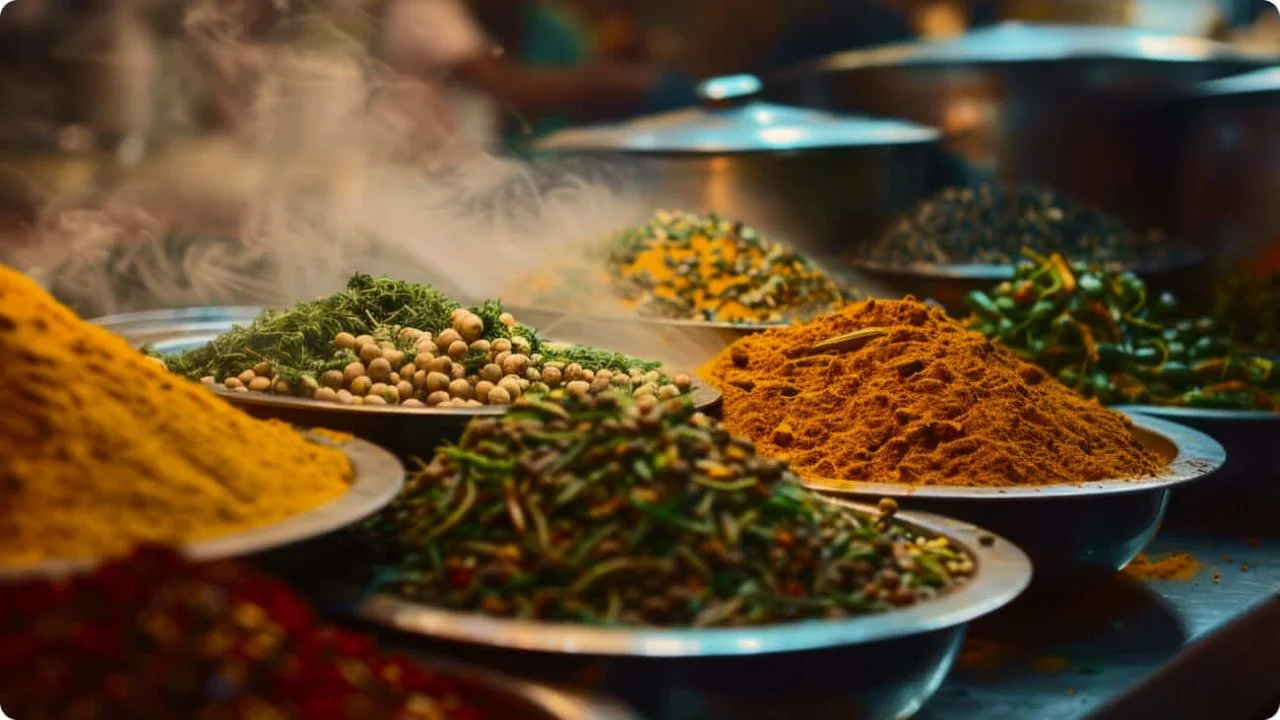
Spice Markets in Kerala: What to Buy, Prices & Best Towns
Complete guide to Kerala spice markets featuring best shopping destinations, must-buy spices, price guide, quality identification tips, and packaging advice.
Nov 17Read More

Travel
Kerala Complete: Plan Backwaters Weather And Places
Complete Kerala travel guide featuring Munnar, Alleppey backwaters, Thekkady, Kochi, houseboats, Ayurveda, best time to visit & practical tips.
Feb 20Read More

Travel
Kerala in June: Weather, Places to Visit & Monsoon
Planning Kerala in June? Discover monsoon weather, best places to visit, houseboat experiences, packing tips, and practical travel advice for a smooth trip.
Jan 8Read More
Never Miss an Adventure
Get the latest trekking guides, travel tips, and exclusive offers delivered straight to your inbox.
