
Siddhivinayak Temple Mumbai: Darshan Timings, VIP Entry & Nearby Access

Neha Kapoor
January 26, 2026
Complete guide to Siddhivinayak Temple Mumbai including darshan timings, aarti schedule, online booking, VIP pass, offerings, history, and how to reach.
Siddhivinayak Temple Mumbai: Complete Devotional Guide
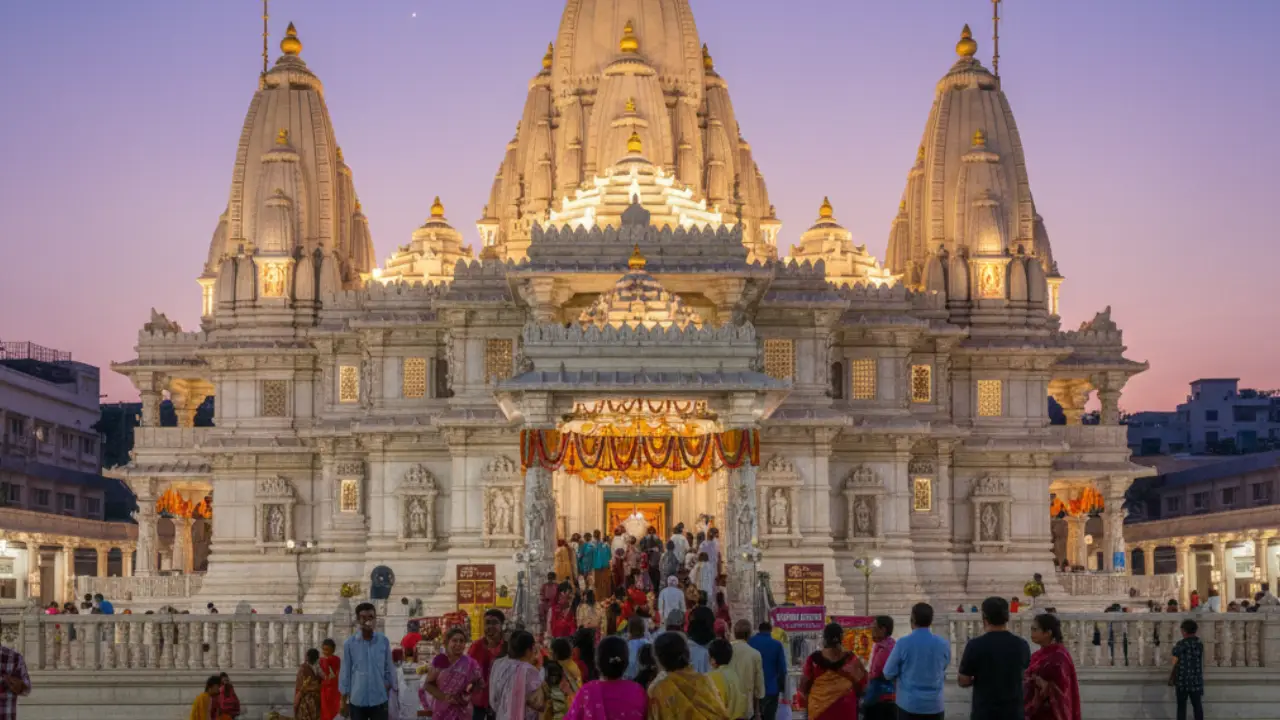
Siddhivinayak Temple, located in the bustling Prabhadevi area of Mumbai, stands as one of India's most revered Ganesh temples and a symbol of unwavering faith for millions of devotees. The temple, dedicated to Lord Ganesha, known as the "remover of obstacles" and "bestower of success," attracts devotees from across India and abroad who seek blessings for new beginnings, prosperity, and fulfillment of their heartfelt wishes. The name Siddhivinayak combines "Siddhi" meaning supernatural powers or fulfillment and "Vinayak," another name for Lord Ganesha, reflecting the temple's reputation as a wish-fulfilling shrine.
What sets Siddhivinayak Temple apart is its unique combination of spiritual significance and modern accessibility. Unlike many ancient temples shrouded in mystery and difficult to reach, Siddhivinayak welcomes devotees with open arms, offering organized darshan, online booking facilities, and well-maintained infrastructure. The temple has evolved from a small shrine built by a devoted couple to one of Mumbai's most prominent religious landmarks, while maintaining the intimate devotional atmosphere that draws millions annually.
Temple History and Significance
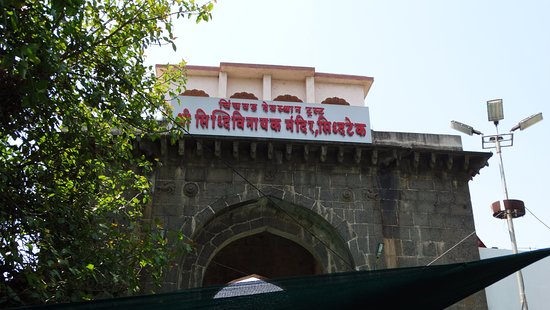
The story of Siddhivinayak Temple begins in 1801 with the extraordinary devotion of a childless couple, Laxman Vithu and Devubai Patil. Unable to conceive despite prayers to various deities, they made a solemn vow to build a Ganesh temple if blessed with a child. When their prayers were answered, they fulfilled their vow by constructing a small brick structure under a sacred tree in the then-remote area of what is now Prabhadevi.
The original temple housed a black stone idol of Lord Ganesha, approximately 2.5 feet tall, with distinctive features that made it special. What began as a modest shrine gradually gained reputation for granting wishes, attracting increasing numbers of devotees. The temple's location near a small pond (which no longer exists) added to its spiritual aura. Over decades, the structure evolved through renovations and expansions, transforming from a humble shrine into the magnificent temple complex visible today.
| Year | Event | Significance |
|---|---|---|
| 1801 | Temple founded by Devubai Patil | Original brick shrine construction |
| 1952 | Major renovation | Temple structure expanded |
| 1970s-80s | Increased popularity | Devotee numbers grew significantly |
| 1990s | Modernization began | Infrastructure and facilities improved |
| 2008 | Gold canopy installation | Enhanced sanctum sanctum grandeur |
The temple's significance extends beyond religious devotion to become part of Mumbai's cultural identity. Its central location and accessibility have made it a unifying force in the city's diverse fabric. Politicians, film personalities, business tycoons, and common citizens alike stand in the same queue, reflecting the democratic nature of devotion. The temple trust, established to manage the temple's affairs, has implemented various charitable activities, including educational support, healthcare initiatives, and disaster relief, extending the temple's spiritual mission into social service.
Lord Ganesha Idol: Unique Features
The central deity of Siddhivinayak Temple is Lord Ganesha in a distinctive idol form that has captivated devotees for over two centuries. Standing approximately 2.5 feet tall, the black stone idol represents Ganesha with four arms, each holding symbolic attributes that represent different aspects of divine power. The idol's serene expression and carefully sculpted features convey both compassion and strength, embodying the dual nature of the deity who is both the remover of obstacles and the bestower of blessings.
What makes the Siddhivinayak idol particularly unique is its trunk positioned on the right side. Most traditional Ganesh idols feature the trunk on the left side, but the right-sided trunk (known as "Dakshinamukhi") is considered especially powerful and effective for granting wishes quickly. This distinctive feature has contributed significantly to the temple's reputation as a wish-fulfilling shrine and attracts devotees seeking specific outcomes in their lives.
Idol Attributes
- Four Arms: Each holds different sacred items including axe (to cut obstacles), rope (to pull devotees toward spiritual goals), modak (sweet offering representing rewards), and a blessing gesture
- Right-Sided Trunk: Powerful Dakshinamukhi form associated with rapid wish fulfillment
- Black Stone: Carved from sacred black stone with smooth, polished appearance
- Serpent: A sacred snake (Naga) around the neck symbolizing protection
- Crown: Elaborate crown denoting royal status among deities
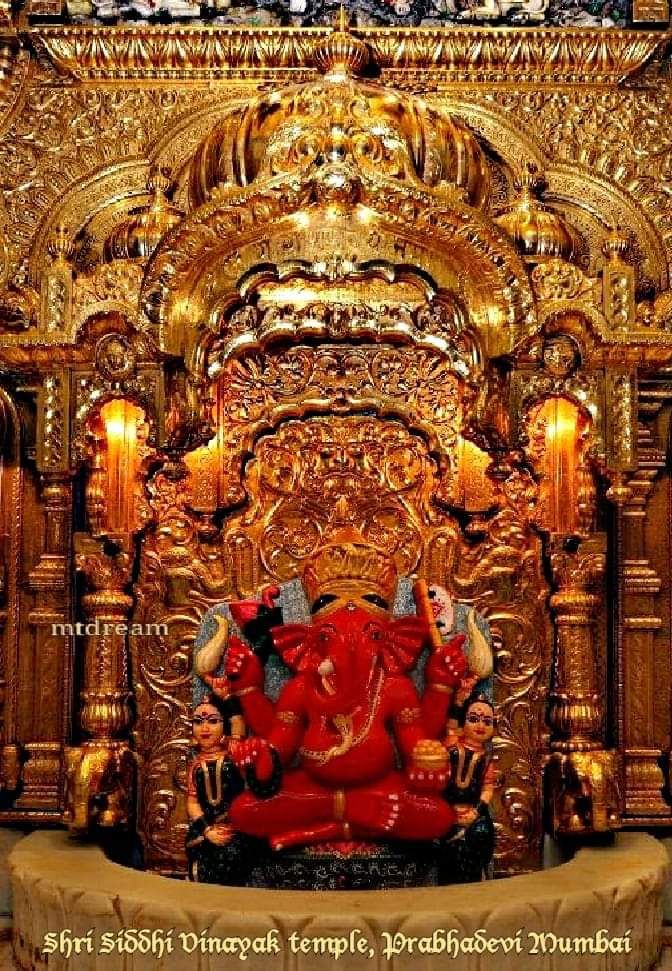
In 2008, the temple sanctum received a significant enhancement with the installation of a gold-plated canopy (known as "Shikhar") above the idol. This canopy, weighing over 50 kilograms and constructed from pure gold, adds to the temple's splendor and demonstrates devotees' devotion. The idol resides in the main sanctum (garbhagriha) behind glass protection, allowing devotees clear view while preserving the idol's sanctity.
Darshan Timings and Aarti Schedule
Understanding the temple's darshan timings and aarti schedule helps devotees plan their visit effectively. Siddhivinayak Temple maintains a structured schedule with specific times for general darshan and ritual aartis, ensuring organized worship throughout the day. The temple is exceptionally well-managed despite handling millions of visitors annually.
General Darshan Timings
| Day | Morning Darshan | Afternoon Darshan |
|---|---|---|
| Monday, Wednesday-Friday | 5:30 AM - 9:50 AM | 3:15 PM - 9:30 PM |
| Tuesday | 4:30 AM - 9:50 AM | 3:15 PM - 9:30 PM |
| Saturday | 5:30 AM - 9:50 AM | 3:15 PM - 9:30 PM |
| Sunday | 5:30 AM - 9:50 AM | 3:15 PM - 9:30 PM |
The temple opens exceptionally early on Tuesdays (4:30 AM instead of 5:30 AM) as Tuesday is considered especially auspicious for Ganesha worship. Devotees seeking shorter queues often arrive early on Tuesday mornings, though the crowds are also substantial during this time. The temple remains closed between morning and afternoon sessions for rituals and maintenance.
Aarti Schedule
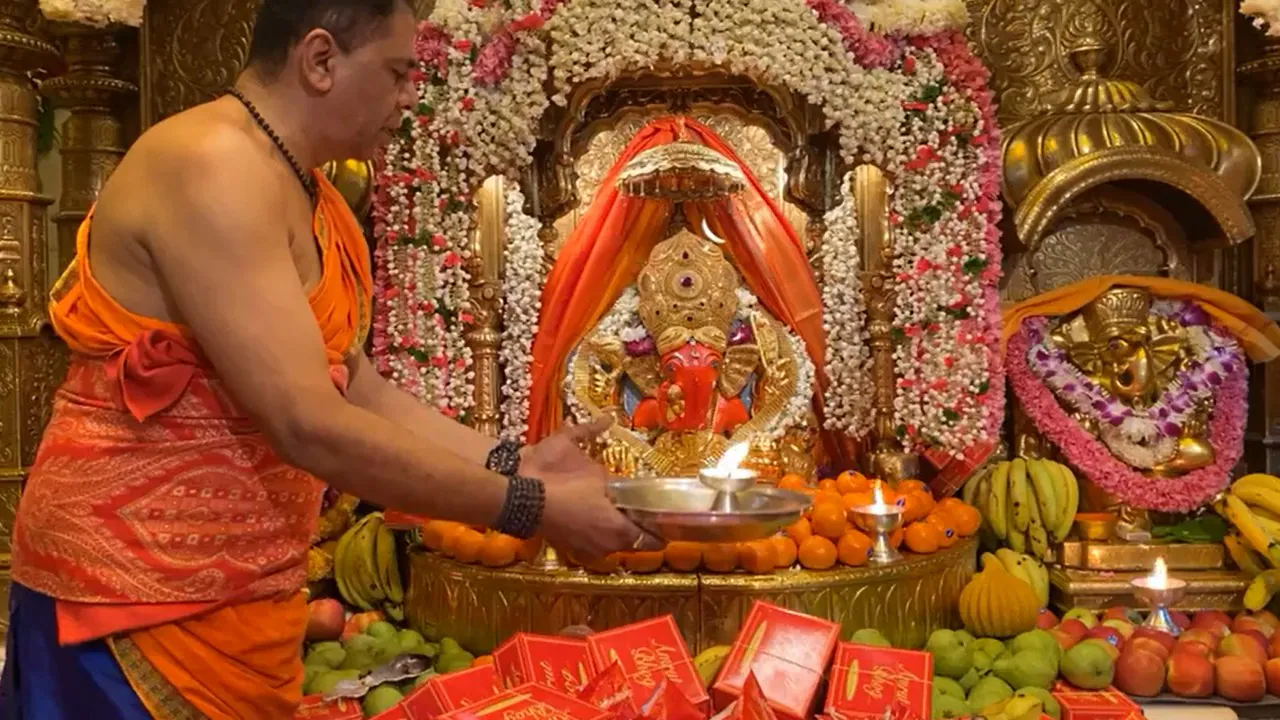
Aarti, the ritual worship involving light offerings, occurs at specific times throughout the day. The aarti experience, with chanting, bells, and the aroma of incense, creates an intensely devotional atmosphere that many devotees find transformative.
| Aarti | Timing | Characteristics |
|---|---|---|
| Morning Aarti | 5:30 AM | First worship, peaceful atmosphere |
| Madhyan Aarti | 12:00 PM | Noon worship, midday blessings |
| Evening Aarti | 7:30 PM | Most popular aarti, vibrant energy |
| Shej Aarti | 10:00 PM | Final ritual, putting deity to rest |
The Evening Aarti at 7:30 PM attracts the largest crowds, creating an electric atmosphere with collective chanting of "Ganpati Bappa Morya." Devotees who can attend the Shej (sleeping) Aarti at 10:00 PM experience a particularly intimate moment as the ritual symbolizes putting the deity to rest, complete with the ceremonial waving of the camphor lamp. Special booking options exist for Shej Aarti participation.
Special Days and Festivals
During significant festivals, particularly Ganesh Chaturthi and Sankashti Chaturthi, the temple operates extended hours with continuous darshan. Ganesh Chaturthi celebrations are particularly grand, with the temple decorated elaborately and devotees queuing for hours, sometimes overnight. During these peak periods, the temple implements special crowd management measures including queue diversions and additional viewing areas.
Online Booking and VIP Darshan
Siddhivinayak Temple has embraced technology to improve the devotee experience, offering online booking options that reduce waiting time and provide convenience. The temple's official website and mobile app facilitate various services, making pilgrimage planning easier for both local and outstation devotees.
Online Darshan Booking
Devotees can book darshan slots online through the temple's website (www.siddhivinayak.org). Online booking typically requires providing personal details, selecting a preferred time slot, and making payment. The system generates a booking confirmation with a QR code that must be presented at the temple entrance. Online bookers enter through a dedicated lane that typically has significantly shorter wait times compared to the general queue.
VIP Darshan Pass
The temple offers VIP darshan passes for devotees who wish to avoid the general queue. These passes are available for INR 200 per person and can be booked online or purchased at the temple counter (subject to availability). VIP pass holders enter through a separate queue that provides faster access to the sanctum. However, even with VIP passes, some waiting is inevitable during peak hours and festival days.
Shej Aarti Booking
Participation in the special Shej (sleeping) Aarti requires advance booking through the temple's online system. This ritual, considered particularly auspicious, has limited capacity and high demand. The booking system typically opens several weeks in advance for each month's Shej Aarti dates. Successful applicants receive detailed instructions about reporting time, dress code, and participation procedures.
Prasad Online Booking
Devotees unable to visit the temple in person can still receive the sacred prasad (blessed food offerings) through online ordering. The temple offers prasad delivery services within Mumbai and shipping to other cities. The most popular prasad offerings include modaks (sweet dumplings sacred to Ganesha), laddoos, and dry fruit offerings. Online orders typically require several days for processing and delivery.
Online Donations
The temple trust accepts donations online through secure payment gateways, credit/debit cards, UPI, and net banking. Donations are used for temple maintenance, charitable activities, and expansion projects. Donors can specify whether their contribution should support particular causes such as education, healthcare, or temple operations. The temple provides receipts for tax purposes as applicable.
Temple Rituals and Offerings
Siddhivinayak Temple maintains a rich tradition of rituals and offerings that allow devotees to express their devotion in various forms. From simple flower offerings to elaborate paid pujas, the temple accommodates different levels of devotion and budgetary considerations.
Daily Rituals
The temple conducts five main aartis daily, each with its own significance and characteristics. These rituals, performed by trained priests following ancient scriptural guidelines, involve offerings of various items including flowers, incense, lamps, and sacred substances. The meticulous preparation for each ritual ensures proper sanctity and adherence to tradition.
- Kakad Aarti: Early morning awakening ritual
- Madhyan Aarti: Midday offering ritual
- Dhoop Aarti: Evening incense ritual
- Shej Aarti: Nighttime sleeping ritual
Offerings and Prasad
Devotees can make various offerings to the deity, each with symbolic meaning:
- Modaks: Sweet dumplings, Ganesha's favorite offering
- Laddoos: Sweet balls representing divine nectar
- Durva Grass: Sacred grass especially dear to Ganesha
- Red Flowers: Hibiscus and red rose petals
- Coconut: Symbol of self-offering
- Betal Leaves: Paan leaves as sacred offering
- Sandalwood Paste: For cooling and fragrance
Prasad, the blessed food offering distributed after rituals, is available at the temple's prasad counter. The most common prasad items include modaks, laddoos, and sugar crystals that have been offered to the deity. Devotees believe that consuming this prasad brings blessings and removes obstacles.
Paid Pujas
The temple offers various paid pujas (worship rituals) for devotees who wish to sponsor special ceremonies:
| Puja | Cost (Approx) | Description |
|---|---|---|
| Satchidananda Puja | INR 2,100 | Comprehensive ritual with multiple offerings |
| Navchandi Puja | INR 5,000+ | Elaborate ceremony involving chanting |
| Abhishek | INR 1,500+ | Sacred bath ritual with various substances |
| Archana | INR 500+ | Name chanting with flowers |
| Ekadasha Rudrabhishek | INR 10,000+ | Elaborate ritual requiring multiple priests |
These pujas can be booked online or at the temple counter. The temple provides receipts with the devotee's name included in the ritual. For pujas not requiring personal presence, the temple performs the ceremony and sends prasad to the devotee's address.
Festival Celebrations
Ganesh Chaturthi, the festival celebrating Ganesha's birth, represents the temple's most important celebration period. During the 10-day festival, the temple is decorated elaborately with flowers, lights, and thematic decorations. Special rituals occur throughout the festival period, and devotees flock in unprecedented numbers. Sankashti Chaturthi, the monthly fasting day dedicated to Ganesha, also sees increased devotion with special evening aartis and extended darshan hours.
How to Reach Siddhivinayak Temple
Siddhivinayak Temple's central Mumbai location makes it accessible by various modes of transport. Understanding the best way to reach based on your starting point helps ensure a smooth pilgrimage without unnecessary stress or delay.
By Local Train
The nearest railway station is Dadar, which is served by both Western and Central Railway lines. From Dadar station, the temple is approximately a 15-minute walk. The walk involves navigating through busy streets but is straightforward. Exit from Dadar (Western) station toward the west side and follow signs to Prabhadevi. From Dadar (Central) station, cross the overbridge to the Western side and proceed as above.
By Taxi or Auto-Rickshaw
Taxis and auto-rickshaws are readily available throughout Mumbai and can drop you directly at the temple entrance. From major locations:
| From | Distance | Time | Approximate Cost |
|---|---|---|---|
| Churchgate | 7 km | 25-30 mins | INR 100-150 |
| CSMT (VT) | 8 km | 30-35 mins | INR 110-160 |
| Bandra | 12 km | 35-45 mins | INR 150-200 |
| Andheri | 18 km | 45-60 mins | INR 200-250 |
| Chhatrapati Shivaji Airport | 12 km | 35-45 mins | INR 300-400 |
By Bus
BEST (Brihanmumbai Electric Supply and Transport) buses operate routes that pass near the temple. Bus routes 123, 132, and several others connect Dadar to areas across Mumbai. Check current bus routes and stops as these may change. From Dadar bus depot, it's a short walk to the temple.
Parking
Parking near the temple is extremely limited and challenging. The temple area experiences heavy traffic, especially on Tuesdays and festivals. If driving, consider parking at Dadar station or nearby shopping areas and walking to the temple. The area near the temple is a no-parking zone during peak hours to manage traffic flow.
Landmarks
The temple is located near several prominent landmarks that help with navigation:
- Famous Studios: Historic film studio adjacent to temple
- Prabhadevi Station: Local train station (Western Line)
- Siddharth College: Educational institution nearby
- Amar Mahal Junction: Major road intersection
Nearby Attractions
The Siddhivinayak Temple area offers several other attractions that pilgrims can visit during their trip to Mumbai:
- Haji Ali Dargah: Nearby shrine, approximately 3 kilometers away
- Mahalaxmi Temple: Famous goddess temple, 4 kilometers away
- Dadar Chowpatty: Popular beach and evening promenade
- Shivaji Park: Historic ground and recreational space
- Marine Drive: Iconic Mumbai waterfront promenade
- Juhu Beach: Famous beach and evening destination
Visitor Guidelines and Tips
Dress Code
Visitors should dress modestly as this is a religious site. Traditional Indian attire is preferred, but at minimum, shoulders and knees should be covered. Avoid shorts, short skirts, sleeveless tops, or revealing clothing. Footwear must be removed before entering the temple complex, so wear shoes that are easy to take off and put on.
Prohibited Items
- Cameras and video equipment (photography not allowed inside)
- Mobile phones with cameras (some restrictions apply)
- Large bags or backpacks
- Electronic devices
- Leather items
Best Time to Visit
- Early Morning (5:30-7:30 AM): Shorter queues, peaceful atmosphere
- Late Evening (8:30-9:30 PM): Reduced crowds, cooler weather
- Weekdays (except Tuesday): Generally less crowded
- Avoid: Tuesday afternoons, festival days, and full moon days
Special Considerations
- Elderly and differently-abled visitors can use the special queue with assistance
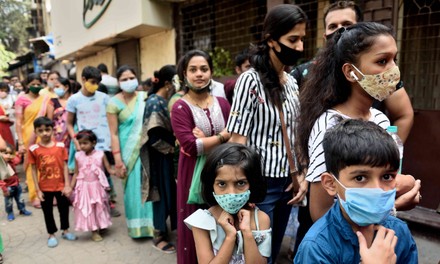
- Children should be supervised closely in crowds
- Keep valuables secure; pickpockets operate in crowded areas
- Carry drinking water as temple areas can get warm
- Use the temple's shoe storage facility rather than leaving footwear outside
- Follow instructions from temple staff and police during peak hours
Conclusion
Siddhivinayak Temple represents the perfect blend of ancient devotion and modern convenience. For millions of devotees, the temple serves as a spiritual anchor where faith finds expression through ritual, offering, and the simple act of standing in queue with fellow believers. Whether seeking blessings for a new venture, expressing gratitude for fulfilled wishes, or simply experiencing the charged devotional atmosphere, the temple welcomes all with equal warmth.
Proper planning—understanding timings, booking options, and practical considerations—helps ensure a meaningful temple visit. The journey to Siddhivinayak is not merely a pilgrimage but an experience of Mumbai's spiritual heart, where the sacred exists alongside the mundane, and devotion transcends social and economic boundaries. For those who approach with faith and respect, Siddhivinayak continues to be the wish-fulfilling shrine it has been for over two centuries.
Location
Frequently Asked Questions
Q1.What are the darshan timings at Siddhivinayak?
Q2.When is aarti at Siddhivinayak Temple?
Q3.Is VIP darshan available at Siddhivinayak?
Q4.What is the history of Siddhivinayak Temple?
Q5.Is photography allowed inside the temple?
Q6.What is the dress code for Siddhivinayak?
Q7.How to reach Siddhivinayak Temple?
Q8.Is online booking available for darshan?
Recommended For You
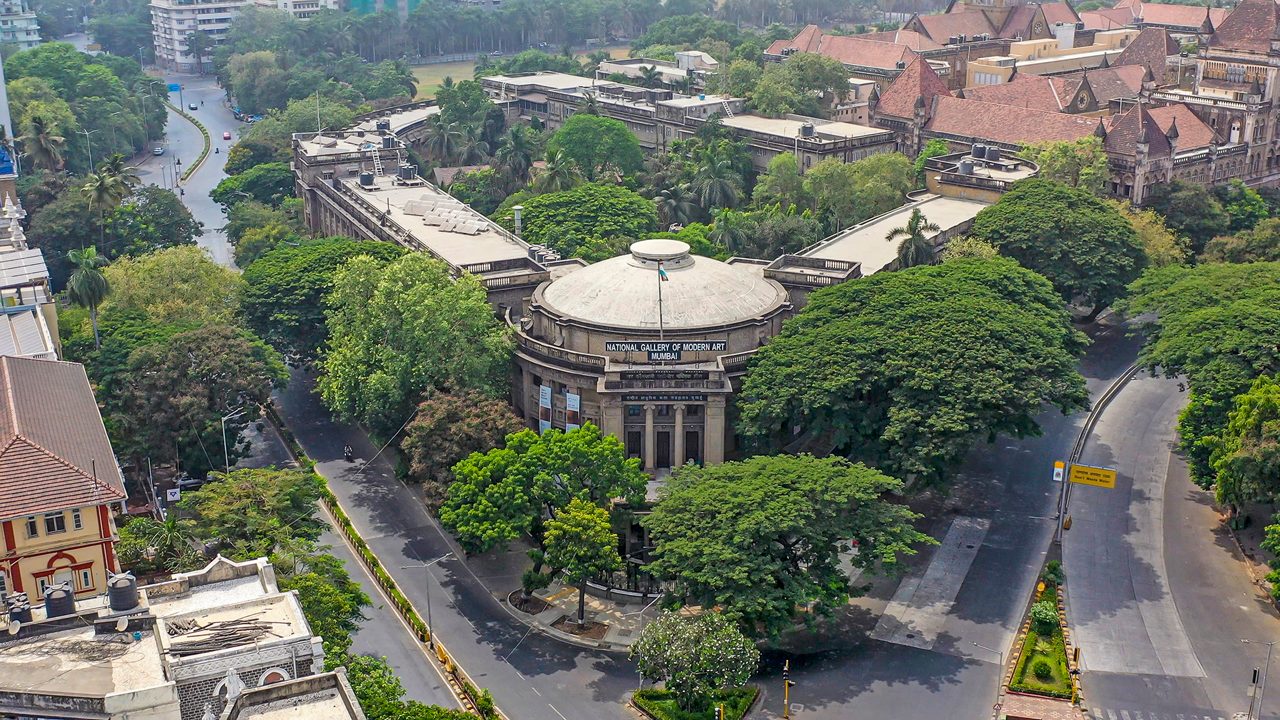
Best Places to Visit in Mumbai: Top Tourist Attractions
Discover the best places to visit in Mumbai from iconic Gateway of India and Marine Drive to Elephanta Caves and Juhu Beach. Explore Mumbai's top tourist attractions, heritage sites, beaches, and practical travel tips.

Taraporewala Aquarium Mumbai: Ticket Price, Timings & Marine Exhibits
Visit Taraporewala Aquarium Mumbai. Guide to ticket price, timings, entry fee, history & how to reach India's oldest aquarium at Marine Drive.
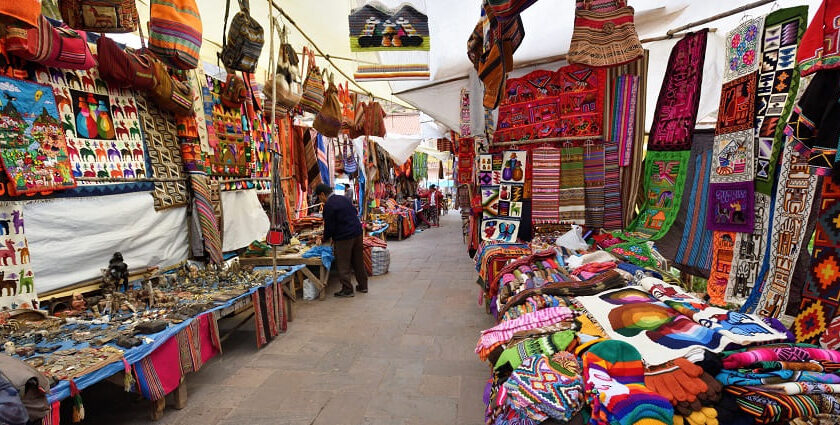
Fashion Street Mumbai: Price Range, Bargaining & Best Time
Shop at Fashion Street Mumbai - ultimate budget shopping destination near CSMT. Get trendy clothes, shoes & accessories at unbeatable prices. Complete guide with bargaining tips.
Never Miss an Adventure
Get the latest trekking guides, travel tips, and exclusive offers delivered straight to your inbox.
