
Snowfall in Manali: Best Time, Snow Points & Trip Planning

Priya Mehta
December 5, 2025
Experience snowfall in Manali! Guide to best time, weather updates, snow activities, travel tips & how to reach for white winter.
Introduction: Manali's Winter Paradise
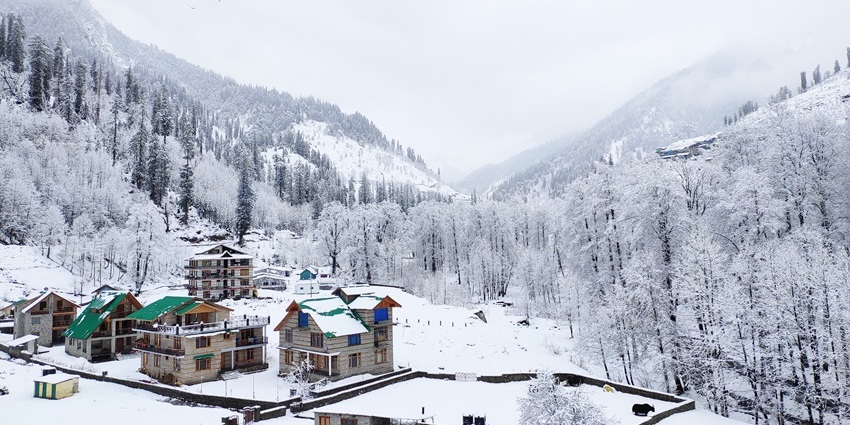
There's something magical about watching snowflakes drift down from the heavens, blanketing the world in pristine white. For millions of Indians who've never experienced snow, Manali is the closest and most accessible winter wonderland. Nestled in the Kullu Valley of Himachal Pradesh at an altitude of 2,050 meters, Manali transforms into a completely different destination when winter arrives and the snow begins to fall.
Snowfall in Manali is not just a weather phenomenon – it's an experience that draws visitors from across India and around the world. The sight of pine trees laden with snow, the sound of crunching snow underfoot, the feeling of cold air on your face, and the warmth of a crackling bonfire in the evening – these are the memories that make a Manali winter trip unforgettable. Whether you're a snow enthusiast or experiencing it for the first time, Manali offers the perfect blend of adventure, romance, and natural beauty.
When Does It Snow in Manali?
Understanding the snowfall pattern in Manali is crucial for planning your trip. Unlike high-altitude areas that have snow year-round, Manali's snowfall is seasonal and follows a predictable pattern.
Snowfall Season
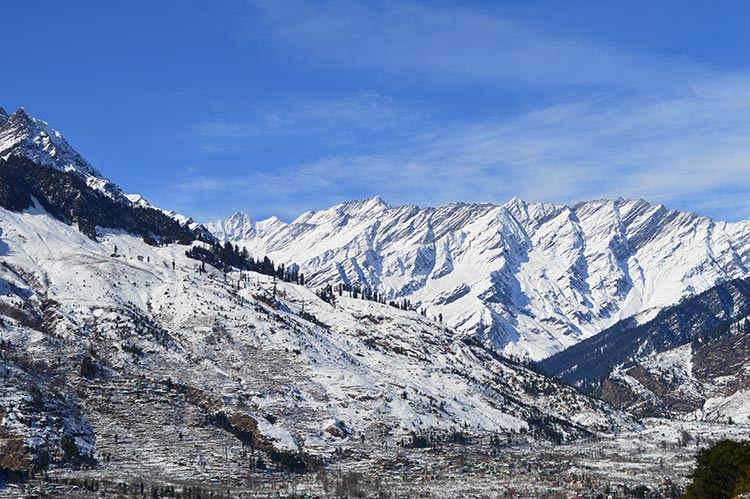
Manali typically receives its first snowfall in late November or early December. However, this early snow is often light and may not last long. The real snow season begins in mid-December and continues through February. These three months constitute peak winter, when the chances of experiencing snowfall are highest.
January is usually the snowiest month, with frequent snowfalls that can last for days. February also sees significant snowfall, though the frequency may decrease slightly compared to January. By March, snowfall becomes less frequent, and the existing snow begins to melt. April sees occasional late-season snowfall, but it's unpredictable and can't be relied upon for trip planning.
Snowfall Pattern
Snowfall in Manali doesn't happen every day, even in peak winter. The town might go a week or two without significant snowfall, then receive a heavy dump that covers everything in white. The key is timing – being in Manali when a weather system brings snow.
Western disturbances, weather patterns that originate in the Mediterranean Sea and travel eastward, are responsible for most snowfall in Himachal Pradesh. These disturbances are difficult to predict accurately more than 3-4 days in advance. This is why even the best-laid plans to see snow in Manali can sometimes miss the actual snowfall.
Altitude Factor
Understanding altitude is crucial when planning a snow trip to Manali. Manali town itself, at 2,050 meters, receives moderate snowfall. However, higher areas like Solang Valley (2,560 meters), Rohtang Pass (3,978 meters), and Marhi (3,400 meters) receive significantly more snow and retain it longer.
Even if Manali town hasn't received fresh snowfall in a few days, a short drive up to Solang Valley or Rohtang Pass will reveal landscapes covered in pristine white snow. This is why most tourists visiting Manali for snow plan day trips to these higher areas.
Snowfall by Month
Each winter month in Manali offers a different snow experience. Here's a month-by-month breakdown to help you decide when to visit.
December: The Beginning of Winter
December marks the transition from autumn to winter. Early December can be unpredictable – you might find green landscapes or fresh snow depending on the year's weather patterns. By mid-December, temperatures drop significantly, and the chances of snowfall increase.
Temperature: Daytime highs of 5°C to 10°C, nighttime lows of -2°C to -5°C.
Snowfall: Moderate, usually 2-3 significant snowfall events during the month.
Experience: December is popular for Christmas and New Year celebrations. The town is decorated, hotels host special events, and there's a festive atmosphere. However, it's also peak season, so expect crowds and higher prices.
Pros: Good snow conditions, festive atmosphere, plenty of other tourists.
Cons: Expensive, crowded, need to book well in advance.
January: Peak Snow Season
January is the snowiest month in Manali. The region typically receives 4-6 significant snowfall events, and the landscape remains white throughout the month. If your primary goal is to experience snowfall, January offers the highest probability.
Temperature: Daytime highs of 0°C to 5°C, nighttime lows of -8°C to -12°C.
Snowfall: Heavy and frequent. Snow accumulates several feet deep.
Experience: This is hardcore winter. The cold is intense, especially at night and in the early morning. Rohtang Pass is usually closed due to snow, but Solang Valley offers excellent snow activities. The views of snow-capped peaks are spectacular.
Pros: Maximum snow, excellent skiing conditions, fewer crowds than December.
Cons: Very cold, potential flight cancellations due to weather, some roads may be blocked.
February: Winter's Grand Finale
February continues the winter pattern, though snowfall frequency may decrease slightly compared to January. However, the accumulated snow from January ensures that the landscape remains beautiful and white.
Temperature: Daytime highs of 2°C to 7°C, nighttime lows of -5°C to -10°C.
Snowfall: Moderate. 2-4 significant snowfall events, plus existing snow on the ground.
Experience: February offers a good balance – plenty of snow for activities, slightly more bearable temperatures than January, and thinner crowds. This is an excellent time for skiing and other winter sports.
Pros: Good snow conditions, relatively fewer tourists, clear weather between snowfalls.
Cons: Still very cold, flight disruptions possible.
March: The Transition
March marks the transition from winter to spring. Snowfall becomes less frequent and less heavy. The existing snow begins to melt at lower altitudes, though higher areas like Rohtang Pass remain white.
Temperature: Daytime highs of 8°C to 13°C, nighttime lows of 0°C to -3°C.
Snowfall: Light and occasional. 1-2 minor snowfall events.
Experience: March is unpredictable. You might experience fresh snowfall or find melting snow and slush. The advantage is milder temperatures, making it more comfortable for those not used to extreme cold.
Pros: Warmer temperatures, fewer crowds, lower prices.
Cons: Unpredictable snow conditions, melting snow can be messy.
Best Places to See Snow in Manali
Manali town and its surroundings offer numerous locations to experience snow. Depending on your preferences and the current snow conditions, you can choose from easily accessible spots or venture further afield.
Rohtang Pass: The Snow Point
Located 51 kilometers from Manali at an altitude of 3,978 meters, Rohtang Pass is the quintessential snow point near Manali. The pass receives massive amounts of snow and remains white well into spring. On clear days, the views from Rohtang Pass are spectacular – glaciers, peaks, and endless white landscapes.
Access: The pass is open from June to October (when there's no snow) and only occasionally accessible in winter when the Border Roads Organization clears the snow temporarily. In winter, the pass is usually closed, and tourists typically only go as far as Marhi or Gulaba, which still have plenty of snow.
Activities: Playing in the snow, sledging, snow scooters, photography. Some years, skiing is possible when the pass is temporarily open.
Tip: Rohtang Pass requires a permit (limited to 1,000 vehicles per day). Book your permit online in advance. Start early by 6 AM to beat the crowds and ensure you get a permit.
Solang Valley: Adventure Hub
Just 14 kilometers from Manali, Solang Valley is the most accessible snow destination. In winter, the green meadows of summer transform into white slopes perfect for skiing, snowboarding, and sledging. The valley's gentle slopes make it ideal for beginners.
Access: Easily accessible by road throughout winter. Taxis and private vehicles can reach Solang Valley without difficulty, though chains might be required after heavy snowfall.
Activities: Skiing, snowboarding, sledging, zorbing in snow, ATV rides on snow, the Solang Ropeway for panoramic views. Equipment rental and instructors are available.
Tip: Spend a full day here. Try the ropeway for spectacular views, and if you're new to skiing, take a lesson – most beginners can manage simple runs by the end of the day.
Manali Town: Convenient Snow
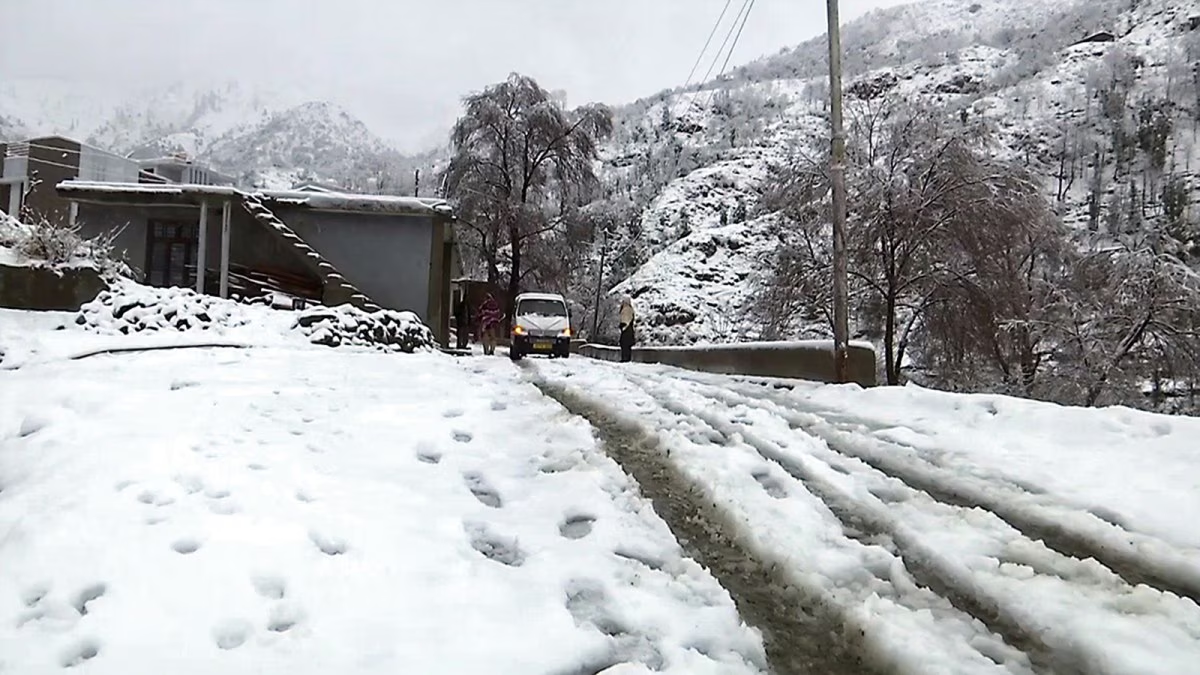
When Manali receives snowfall, the town itself becomes a winter wonderland. The Mall Road, old Manali, and the surrounding areas wear a white blanket that's incredibly photogenic. experiencing snowfall while walking through Manali's streets is special.
Access: You're already here! No travel required.
Activities: Walking in the snow, photography, sipping hot tea at cafes while watching snow fall, building snowmen in open areas, casual snowball fights.
Tip: Wake up early after a night of snowfall to see Manali at its pristine best before foot traffic mars the snow. The Hadimba Temple area looks magical covered in snow.
Old Manali: Snowy Charm
Old Manali, with its traditional wooden houses, cafes, and relaxed vibe, takes on a special charm when it snows. The narrow lanes, the Manu Temple, and the cafes with their wooden interiors and warm fires create a cozy winter atmosphere.
Access: 3 kilometers from Manali town. Walkable in 30-40 minutes, or take a short taxi ride.
Activities: Exploring snowy lanes, photography, enjoying hot beverages at cafes, visiting the Manu Temple.
Tip: The cafes in Old Manali are perfect for spending a snowy afternoon. Visit the famous cafes in Old Manali, order a hot coffee, sit by the window, and watch the snow fall.
Kullu: Valley Views
While Kullu town itself, at lower elevation, receives less snow than Manali, the drive between Kullu and Manali offers stunning views of snow-covered mountains and the Beas River. After snowfall, the drive is spectacular, with snow-laden trees and white peaks visible throughout.
Access: 40 kilometers from Manali on the way to/from Chandigarh.
Activities: Scenic drive, photography, shopping in Kullu for winter wear, visiting the Bijli Mahadev Temple if accessible.
Naggar Castle: Historic Snow
The Naggar Castle, about 25 kilometers from Manali, is a heritage structure built in the 16th century. The castle, now a hotel, offers stunning views of the Beas Valley. When it snows, the stone and wood architecture of the castle against the white backdrop creates picture-perfect scenes.
Access: 25 kilometers from Manali. Reachable by road, though check conditions after heavy snowfall.
Activities: Exploring the castle, photography, visiting the Roerich Art Gallery nearby, enjoying views of the snow-covered valley.
Tip: Have lunch at the castle's restaurant – the food is good, and the views are spectacular, especially when it's snowing.
Winter Activities in Manali
Snow in Manali opens up a range of activities that aren't possible the rest of the year. Whether you're seeking adventure or just want to enjoy the snow, there's plenty to do.
Skiing
Manali is the birthplace of skiing in India, and Solang Valley remains one of the best places to learn. The gentle slopes are forgiving for beginners, and instructors are available. Skiing typically costs ₹500-1,000 per day including equipment rental. A basic lesson costs extra but is highly recommended for first-timers.
Snowboarding
Similar to skiing but on a single board, snowboarding has gained popularity in recent years. Equipment is available for rent in Solang Valley, and the learning curve is about the same as skiing – expect a day or two to get the basics.
Sledging
The simplest snow activity, and perfect for families. Sledges are available for rent at most snow points. Just sit and slide down gentle slopes – it's fun, safe, and requires no skill. Costs around ₹100-200 per hour.
Snow Trekking
For those who enjoy walking, snow trekking around Manali offers beautiful winter landscapes. Short treks to nearby viewpoints are popular. Make sure you have proper footwear (snow boots or shoes with good grip) and warm clothing.
Bonfires and Barbecues
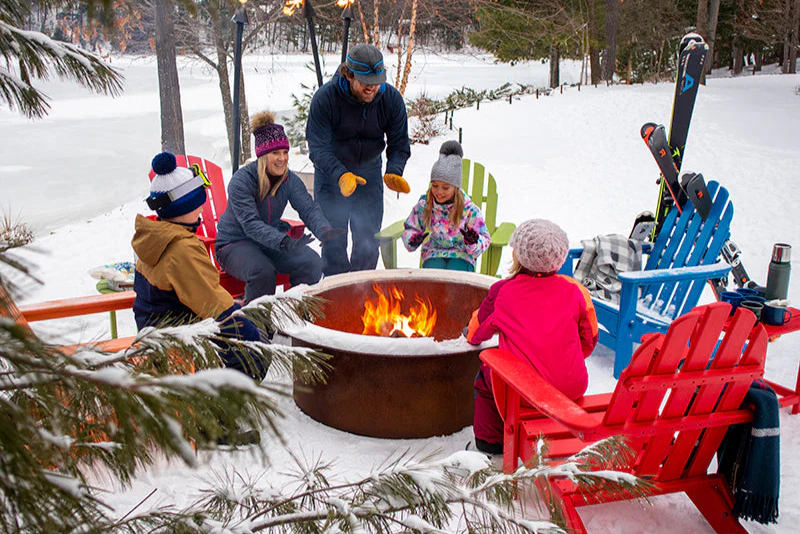
There's nothing quite like sitting around a bonfire in sub-freezing temperatures, roasting marshmallows or enjoying a barbecue. Many hotels and guesthouses arrange bonfire evenings in winter. The experience of sipping hot drinks while surrounded by snow is quintessential Manali winter.
Photography
Winter transforms Manali into a photographer's paradise. Snow-covered landscapes, frozen waterfalls, icicles hanging from eaves, and the play of light on white surfaces offer endless photographic opportunities. Golden hour (just after sunrise and just before sunset) provides the most dramatic lighting.
How to Reach Manali in Winter
Reaching Manali in winter requires careful planning. The road conditions and weather can impact your journey, so here's what you need to know.
By Air
The nearest airport is Bhuntar Airport (Kullu-Manali Airport), about 50 kilometers from Manali. However, flights to Bhuntar are weather-dependent and frequently cancelled in winter due to poor visibility and bad weather. The more reliable option is flying to Chandigarh Airport (310 kilometers) and traveling by road from there.
By Road from Delhi
Delhi to Manali is a 530-kilometer journey that takes 12-14 hours in normal conditions. In winter, allow extra time for potential delays. The route goes Delhi – Ambala – Chandigarh – Bilaspur – Mandi – Kullu – Manali.
Important: Check road conditions before starting your journey. After heavy snowfall, stretches between Mandi and Manali can be tricky. Vehicles may be stopped at certain points until roads are cleared.
Vehicles: Use a vehicle with good ground clearance. 4WD is preferable but not essential unless there's heavy snowfall. Carry snow chains if you have them – they might be required on steep sections.
By Bus
Himachal Pradesh Road Transport Corporation (HRTC) and private operators run buses from Delhi to Manali. Volvo buses are comfortable but can be delayed by winter weather. Ordinary buses are more likely to brave difficult road conditions but are less comfortable.
Tip: Book Volvo buses in advance, especially in December and January. Carry warm clothing for the journey – buses can be cold at night.
Road Conditions
After snowfall, the authorities close certain stretches until roads are cleared. The Mandi to Manali stretch is most prone to closures. Keep buffer days in your itinerary in case you're held up due to road conditions. The Border Roads Organization works continuously to keep roads open, but heavy snowfall can cause temporary closures of 6-24 hours.
What to Pack for Manali in Winter
Packing for Manali winter requires careful planning. The cold can be intense, and being unprepared can ruin your trip. Here's a comprehensive packing list.
Clothing
Base Layer: Thermal tops and bottoms (2 sets each). Thermals are your first line of defense against the cold.
Middle Layer: Fleece jackets or woolen sweaters (2-3). These provide insulation.
Outer Layer: A heavy winter jacket or parka that's windproof and waterproof. This protects against wind and snow.
Lower Body: Warm trousers (jeans are okay if layered with thermals). Track pants for lounging in your hotel room.
Feet: Two pairs of shoes – one waterproof pair for snow, one comfortable pair for indoors. Snow boots are ideal. Woolen socks (3-4 pairs).
Head and Hands: Woolen cap that covers ears, gloves or mittens, scarf to cover neck and face. These are essential – exposed skin can get frostbitten in extreme cold.
Accessories
Sunglasses: Snow reflects sunlight, and the glare can be intense. UV-protected sunglasses are necessary.
Sunscreen: Even in winter, UV rays at high altitude can cause sunburn. Use SPF 30+ sunscreen.
Lip Balm: Cold air dries lips quickly. Carry a moisturizing lip balm and apply frequently.
Moisturizer: Cold air is drying. Use a good moisturizer on your face and hands.
Essentials
First Aid Kit: Include basic medicines, band-aids, and cold/fever medication.
Power Bank: Cold drains phone batteries faster. Carry a fully charged power bank.
Hot Water Bottles: Some hotels provide these, but carrying your own ensures warm feet in bed.
Snowfall in Manali is an experience that stays with you. The beauty of snow-covered landscapes, the thrill of winter activities, the cozy warmth of hotel rooms after a day in the cold, and the magical feeling of watching snowflakes fall – these are memories that last a lifetime. Plan your trip for January or February if you want maximum snow, December for a festive atmosphere, or March for milder temperatures. Pack warmly, carry the right gear, and prepare yourself for one of India's most magical winter experiences.
Location
Frequently Asked Questions
Q1.When does it snow in Manali?
Q2.Which month has maximum snow in Manali?
Q3.Can we see snow in Manali in December?
Q4.Is Manali good for snow in January?
Q5.Does Rohtang Pass have snow in December?
Q6.Is Manali accessible in winter?
Q7.What can we do in Manali in snow?
Q8.What should I pack for Manali winter?
Recommended For You
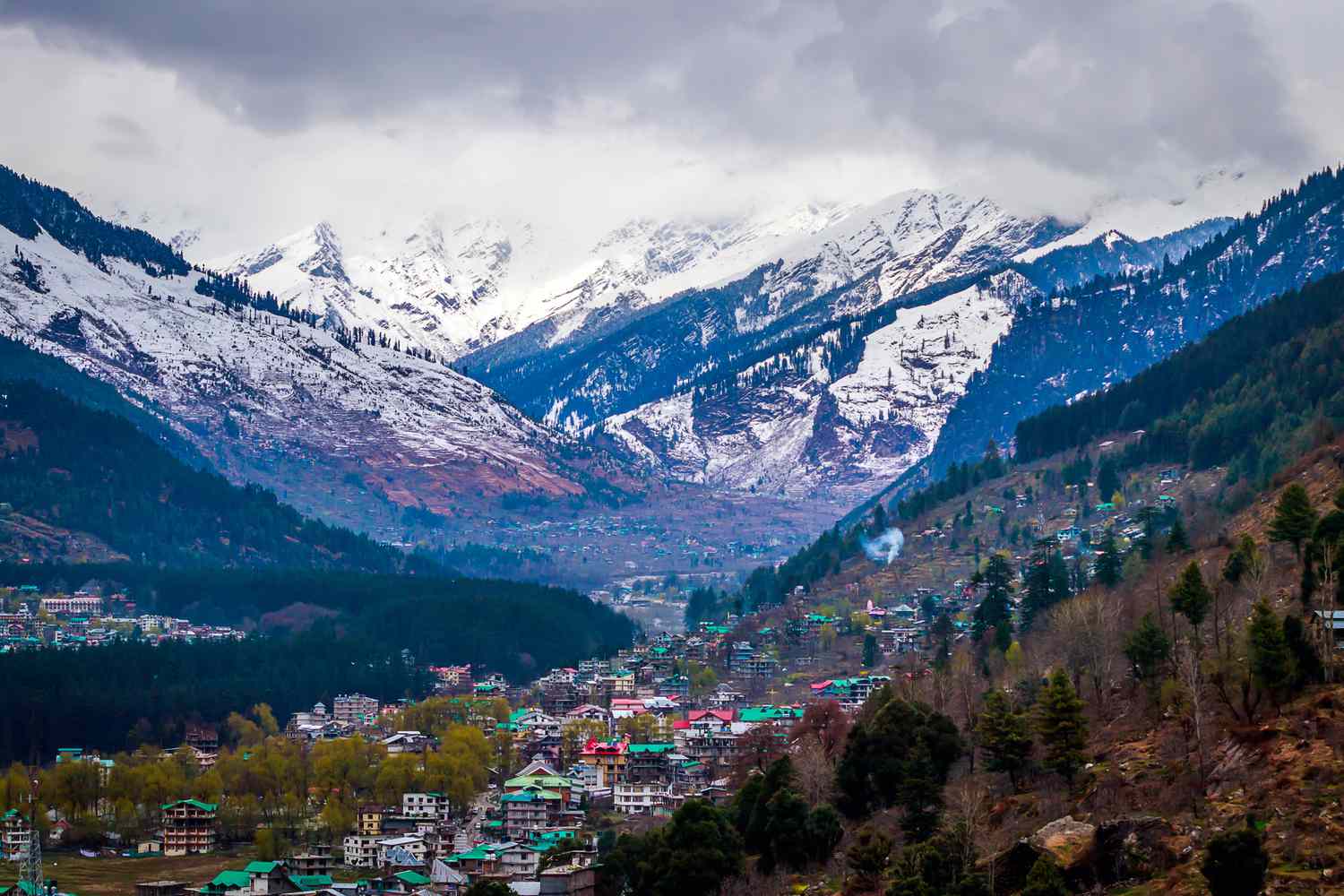
15 Best Places to Visit in Manali: Valleys, Temples & Adventure
Discover 15 best places to visit in Manali - from Rohtang Pass to Hadimba Temple. Complete Himachal travel guide with timings, best season, budget & local tips.
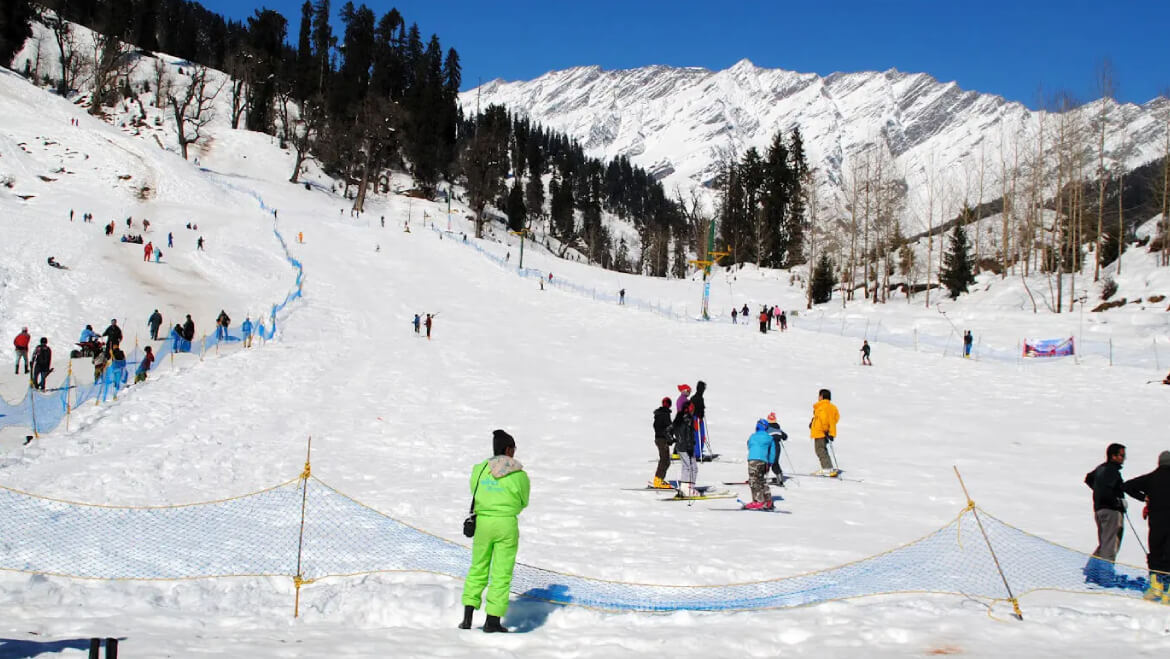
Kullu Manali Honeymoon: 3-4 Day Itinerary, Budget & Tips
Plan your Kullu Manali honeymoon with practical 3-4 day itineraries, romantic experiences, budget guidance, and season-smart travel tips.
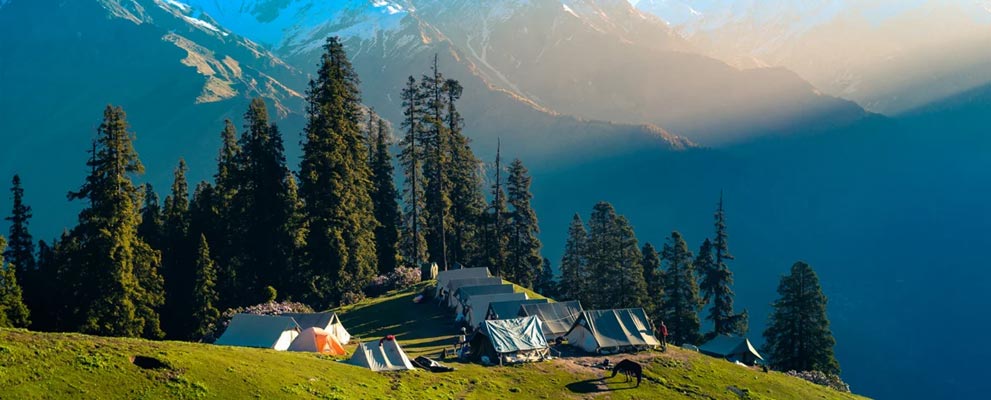
Best Time to Visit Himachal Pradesh: Season-Wise Guide by Region
Find the best time to visit Himachal Pradesh with season-wise guidance for families, snow trips, road journeys, and trekking routes.
Never Miss an Adventure
Get the latest trekking guides, travel tips, and exclusive offers delivered straight to your inbox.
