
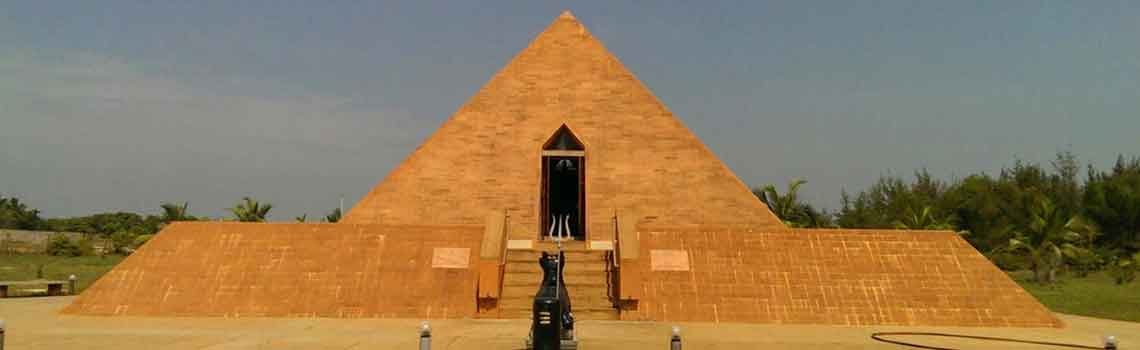
Karneshwar Nataraja Temple Pondicherry: Timings, History & Route
Rohit Verma
December 11, 2025
Visit Sri Karneshwar Nataraja Temple in Pondicherry. Guide with timings, history, how to reach, darshan & nearby Hindu temples.
Sri Karneshwar Nataraja Temple: Sacred Shiva Shrine
Sri Karneshwar Nataraja Temple in Pondicherry (Puducherry) stands as an important Hindu shrine dedicated to Lord Shiva in his dancing form as Nataraja. This sacred temple represents the divine cosmic dance that symbolizes creation, preservation, and destruction—the eternal cycles that govern existence according to Hindu philosophy.Located in Pondicherry's spiritual landscape, this temple draws devotees seeking Lord Shiva's blessings while visitors admire traditional Dravidian temple architecture, often explored along with Manakula Vinayagar Temple. The Nataraja form—Shiva as the cosmic dancer—holds special significance in South Indian Hindu tradition, particularly in Tamil Nadu where this iconic representation originated.
Temple History and Religious Significance
Sri Karneshwar Nataraja Temple represents ancient Shaivite tradition in Pondicherry's religious landscape. The temple's history traces back through centuries of continuous worship, with various renovations maintaining its sacred purpose.The Nataraja form of Shiva originated in Tamil Nadu during the Chola dynasty (9th-13th centuries CE). This iconic bronze depiction shows Shiva performing the Ananda Tandava (dance of bliss) within a circle of flames. The symbolism connects to temple's foundation—Nataraja represents Shiva as the lord of dance who controls cosmic rhythms.
| Aspect | Details |
|---|---|
| Deity | Lord Shiva as Nataraja (Cosmic Dancer) |
| Tradition | Shaivite Hindu tradition |
| Architecture | Dravidian style South Indian temple |
| Significance | Cosmic dance symbolism, Shaiva worship |
Lord Nataraja: Cosmic Dancer
Lord Nataraja represents one of Hinduism's most profound philosophical concepts—Shiva as the cosmic dancer whose performance creates, maintains, and destroys the universe. This iconography developed specifically in South India and spread throughout the Hindu world.The classic Nataraja image shows Shiva with four arms: upper hands holding damaru (drum) representing creation's sound, and fire symbolizing destruction; lower hands in abhaya mudra (gesture of fear not) and pointing to raised foot symbolizing liberation. The dwarf demon Apasmara represents ignorance crushed beneath Shiva's dancing feet.
Temple Architecture
The temple follows traditional Dravidian architectural style characteristic of South Indian temples. The gopuram (temple tower) rises above the entrance, adorned with sculpted deities and mythological figures. The mandapam (prayer hall) provides space for devotees to gather for worship and ceremonies.The sanctum sanctorum (garbhagriha) houses the principal Nataraja idol. Traditional temple layout places this innermost shrine at the temple's spiritual center, accessible through progressively sacred spaces that prepare devotees for divine encounter.
Rituals and Worship
Daily worship follows traditional Hindu temple protocols. Priests perform multiple puja ceremonies throughout the day, beginning with early morning rituals. Abhishekam—the ritual bathing of the Shiva lingam or deity idol with sacred substances—forms the core worship practice.Devotees participate by offering prayers, flowers, and prasad (blessed food). Archana (offering of names while reciting verses) allows personalized worship. Temple priests conduct these rituals on behalf of devotees who may not be present.
Festivals and Celebrations
Maha Shivaratri, the great night of Shiva, represents the temple's most important festival. Devotees observe fasting, night-long vigil, and special abhishekam ceremonies. The temple fills with worshippers seeking Lord Nataraja's blessings on this sacred night.Pradosham, occurring twice monthly on the 13th day of waxing and waning moons, sees special worship. Karthikai Deepam (November-December) involves lamp lighting ceremonies. Annual brahmotsavam (temple festival) features processions and extended celebrations.
Visitor Information
| Information | Details |
|---|---|
| Darshan Timings | Morning: 6:00 AM - 12:00 PM, Evening: 4:00 PM - 9:00 PM |
| Duration | 30-60 minutes typical |
| Dress Code | Modest clothing, remove footwear |
| Photography | Check with temple authorities |
How to Reach
The temple is located in Pondicherry city, easily accessible by auto-rickshaw, taxi, or rented scooter/bicycle. Most central Pondicherry locations are within 2-5 kilometers. GPS navigation works reliably for locating the temple.Nearby Temples and Attractions
Manakula Vinayagar Temple (dedicated to Lord Ganesha), Vedapureeswarar Temple (another Shiva shrine), and Pondicherry's Promenade Beach are nearby. The French colony with its colonial architecture offers cultural contrast to temple visits, and travelers also combine this stop with Arikamedu and Our Lady of Angels Church.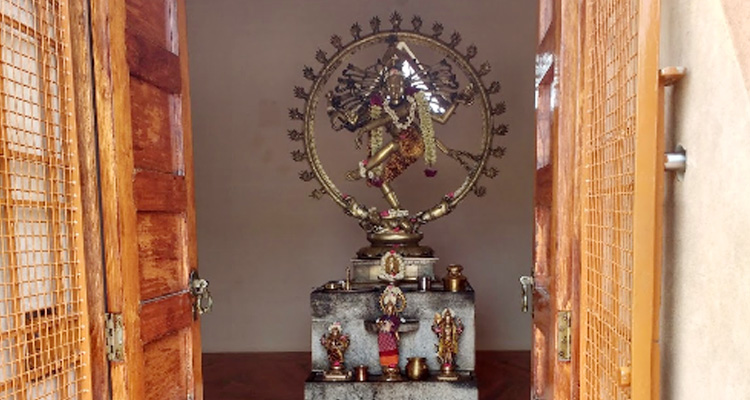
Best Time to Visit and Festival Planning
Pondicherry can be visited throughout the year, but timing your temple visit can significantly improve the overall experience. From November to February, the weather is relatively pleasant, making it comfortable to explore spiritual sites on foot and spend longer hours in prayer halls. During this season, mornings and late evenings are especially peaceful, and the temple atmosphere feels calm for meditation and slow darshan. Summer months from March to June can be hot and humid, so early morning visits are recommended. Many devotees prefer attending the first puja of the day when crowds are manageable and the temple priests perform abhishekam in a serene setting. Monsoon season brings occasional heavy showers, but the city looks refreshed and less crowded. If you do not mind intermittent rain, monsoon visits can still be rewarding for a quieter spiritual experience. For a festival-oriented visit, plan around Maha Shivaratri, Pradosham dates, and Karthikai Deepam. These observances transform the temple ambience with lamps, floral decor, extra chanting, and longer worship queues. If your itinerary includes multiple spiritual places, you can combine darshan here with nearby routes that cover Manakula Vinayagar Temple, selected heritage churches, and the seafront.Temple Etiquette and Devotional Tips
A meaningful temple visit is not only about seeing the deity but also about participating respectfully in local worship practices. Dress modestly, keep your phone on silent mode, and avoid loud conversations in the mandapam. Footwear should be removed before entering sacred areas, and it is best to carry a small cloth bag for offerings such as flowers, coconuts, or camphor if you plan to perform archana. When standing in the darshan queue, allow elders and families to move ahead where needed. In many South Indian temples, clockwise pradakshina (circumambulation) is part of the devotional routine, and visitors can follow this pattern unless temple staff advises otherwise. If photography is permitted in outer corridors, avoid taking pictures directly in front of worshippers during active prayer. Visitors interested in deeper understanding can speak politely with temple volunteers or priests after the main ritual period. They often explain the symbolism of Nataraja, including the ring of fire, the lifted foot of liberation, and the rhythmic balance between creation and dissolution. This context helps travelers connect beyond sightseeing and experience the temple as a living spiritual tradition in Pondicherry.Conclusion: Spiritual Experience
Sri Karneshwar Nataraja Temple provides authentic South Indian Hindu worship experience. The temple's sacred atmosphere, traditional architecture, and Nataraja symbolism offer spiritual insight into Hinduism's profound philosophical traditions. Whether seeking blessings or cultural understanding, this sacred space rewards thoughtful visitors with genuine connection to ancient Shaivite practice.Location
Frequently Asked Questions
Q1.Where is Karneshwar Nataraja Temple located?
Q2.What is special about Karneshwar Nataraja Temple?
Q3.What are the darshan timings at Karneshwar Temple?
Q4.How to reach Karneshwar Nataraja Temple?
Q5.What is the significance of Nataraja's dance pose?
Q6.Is Sri Karneshwar Nataraja Temple suitable for a short visit while touring Pondicherry?
Q7.Can non-Hindus visit the temple?
Recommended For You
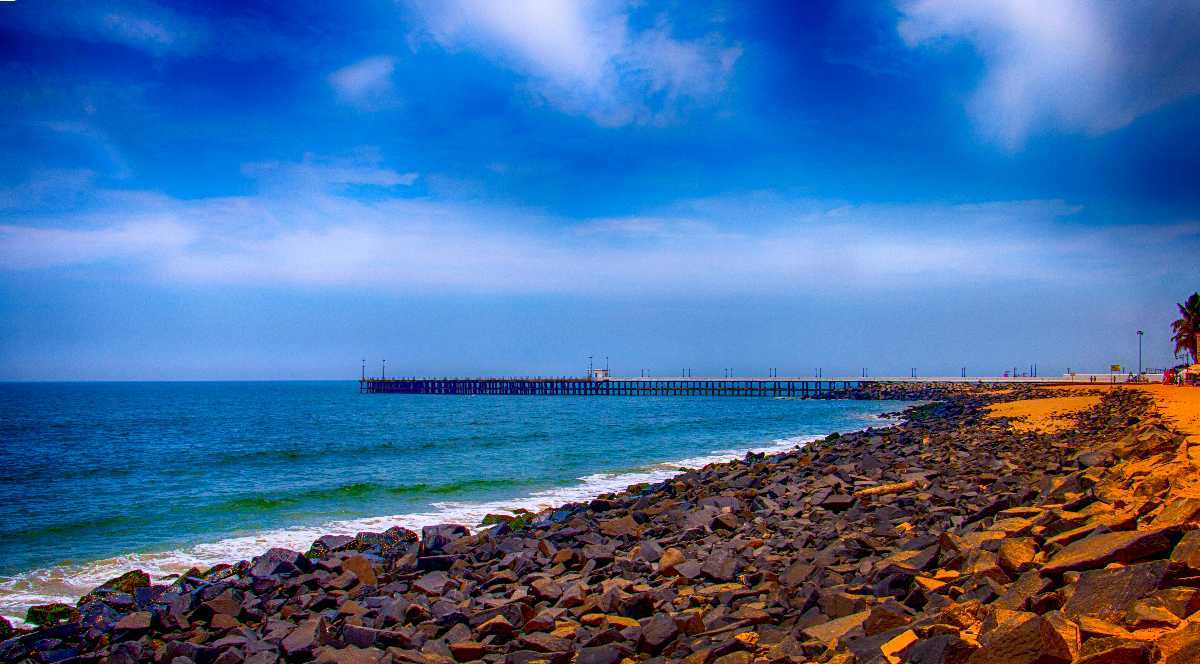
Mahe Beach Pondicherry: Things to Do, Food Spots & Best Time
Complete guide to Mahe Beach in Pondicherry (Kerala enclave). Location, features, best time, how to reach, and things to do at this unique coastal destination.

Yanam Beach Pondicherry: Riverfront Views, Food & Evening Walk
Plan a smart Yanam Beach trip with route clarity, best season, attractions, and practical tips for this unique Puducherry enclave in Andhra Pradesh.
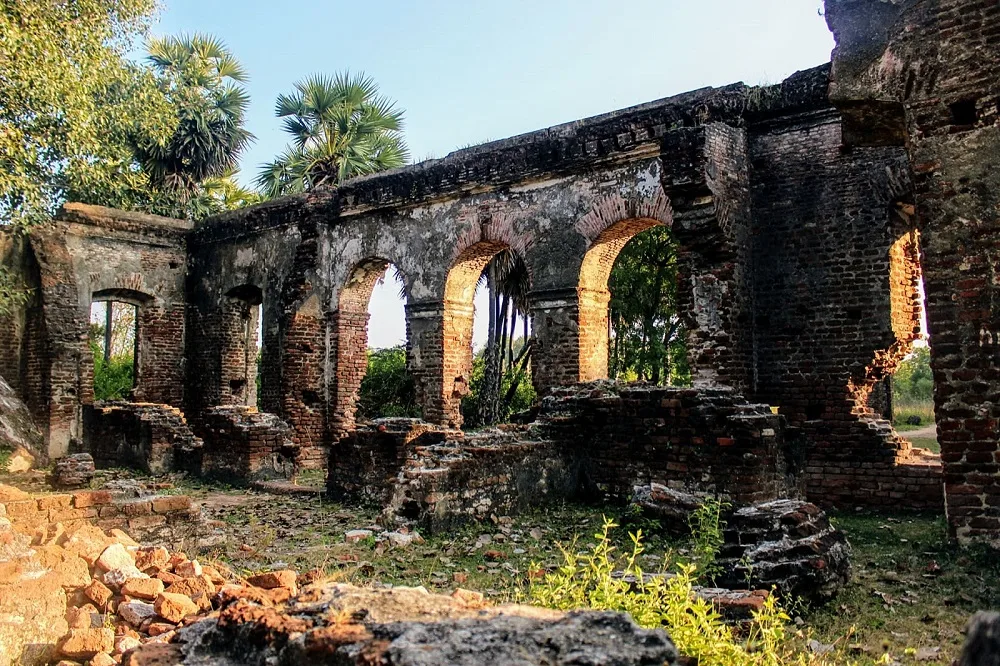
Arikamedu Pondicherry: Ancient Roman Port
Explore Arikamedu in Pondicherry with a clear guide to its Indo-Roman history, excavation findings, visitor tips, and practical travel planning.
Never Miss an Adventure
Get the latest trekking guides, travel tips, and exclusive offers delivered straight to your inbox.
