
St Thomas Cathedral Mumbai: Timings, Mass & History

Priya Mehta
February 18, 2026
A complete visitor guide to St Thomas Cathedral Mumbai covering history, architecture, mass timings, services, and nearby heritage attractions.
Introduction: Mumbai's Historic Anglican Landmark
St Thomas Cathedral Mumbai is not only a place of worship but also one of the city's most important colonial-era heritage landmarks. Located in South Mumbai near Horniman Circle, it reflects centuries of religious continuity, architecture, and urban history. Travelers who search for this church usually want three things: mass timings, historical significance, and practical visiting guidance.
The cathedral remains active as a living parish while also attracting heritage walkers, students of architecture, and visitors interested in old Bombay history. This dual role makes it unique: spiritually alive and historically valuable at the same time.
History of St Thomas Cathedral
The cathedral's foundations trace back to the early colonial period in Bombay, with consecration in the early 18th century. Over time, it witnessed major transitions in the city's social and political life, from mercantile growth to metropolitan expansion. It is widely recognized as the first Anglican church in Mumbai, giving it high heritage relevance.
Beyond dates, the building matters because it documents the evolution of public religious architecture in colonial Bombay. Its walls preserve memorial tablets, inscriptions, and ecclesiastical traditions that connect past and present communities.
Architecture and Design Details
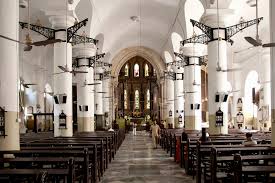
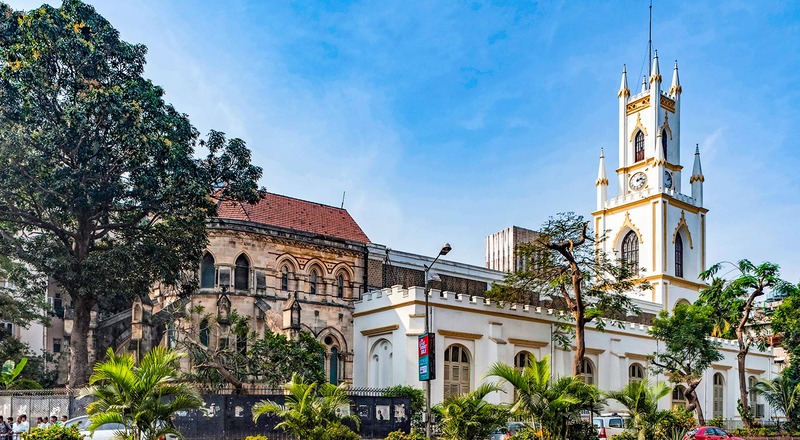
St Thomas Cathedral blends colonial design influences with ecclesiastical form. Visitors typically notice the restrained facade, arched structural rhythm, and the quiet symmetry of interior worship spaces. The space is less ornamental than later Gothic revival churches, but its composure is exactly what makes it architecturally significant.
| Feature | What to Observe | Why It Matters |
|---|---|---|
| Facade composition | Balanced proportions and heritage masonry | Reflects early colonial church design language |
| Interior volume | High ceilings and prayer-focused layout | Supports liturgical function and acoustic clarity |
| Memorial tablets | Historic inscriptions and plaques | Primary source material for city history |
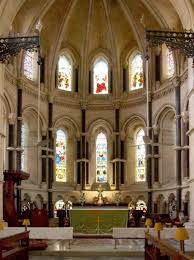
| Windows and light | Soft filtered daylight | Creates contemplative worship atmosphere |
Architecture students and heritage enthusiasts should spend extra time on the memorial and interior detailing instead of only photographing the exterior frontage.
Religious Significance and Parish Life
The cathedral functions as an active Christian worship space with regular prayer and service schedules. It is not a museum; visitors should treat it with the respect due to a living sacred place. Parish life includes liturgical gatherings, seasonal celebrations, and community support activities.
- Active worship services throughout the week
- Sunday congregation with local and visiting participants
- Festival period services with stronger attendance
- Quiet prayer atmosphere even outside major service windows
Mass Timings and Service Information
Service schedules can change by season, feast days, and parish calendar planning. The safest practice is to check current timing before visiting for mass participation. Sunday services usually see the highest attendance, while weekday windows are calmer for reflective visits.
| Visit Type | Typical Pattern | Visitor Tip |
|---|---|---|
| Sunday worship | Primary congregation day | Arrive early for seating and quiet prayer time |
| Weekday prayer | Lower crowd | Good for contemplative visits |
| Festival services | High attendance | Confirm exact schedule in advance |
Tourists can usually attend respectfully, but photography and movement should never disrupt worship flow.
Visiting Information and Etiquette
St Thomas Cathedral is best explored with quiet behavior and modest clothing. Keep phone volume off, avoid loud conversation, and follow staff instructions regarding photography and restricted zones.
- Dress respectfully for a religious setting
- Avoid flash during prayer periods
- Do not block aisles during active services
- Read heritage plaques without touching fragile surfaces
If your itinerary includes religious architecture, you can compare styles with other Mumbai landmarks such as Haji Ali Dargah.
How to Reach St Thomas Cathedral
The cathedral is in South Mumbai and is accessible via suburban rail, taxis, and app-based cabs. The nearest major rail access point is Churchgate area connectivity, after which short local transit gets you to the site. Traffic variation in South Mumbai can affect travel time, so keep buffer on weekdays.
- Use local rail + short cab for efficient access
- Plan morning visits for quieter surroundings
- Combine with nearby heritage walk circuit
Nearby Attractions to Combine
St Thomas Cathedral pairs naturally with South Mumbai heritage exploration. Nearby clusters support half-day cultural loops.
- Rajabai Clock Tower
- Banganga Tank (longer loop)
- Fort area architecture walks
You can also combine this with city history trails through Chhatrapati Shivaji Terminus.
Photography Tips
Use natural light, avoid intrusive framing during worship, and focus on architectural lines, memorial tablets, and facade geometry. Early hours usually provide cleaner light and lower crowd pressure.
Final Take
St Thomas Cathedral Mumbai offers a rare combination of living spirituality and historical depth. It is worth visiting for faith, architecture, and urban history alike. Plan respectfully, verify service timings, and combine it with South Mumbai heritage routes for a meaningful experience.
Heritage Context in South Mumbai
St Thomas Cathedral should be understood within the larger South Mumbai heritage belt, where civic, legal, educational, and religious architecture evolved together across centuries. Visiting the cathedral as part of a Fort-area walk gives stronger historical meaning than seeing it in isolation. You can trace how colonial-era institutions shaped urban form: street geometry, public squares, memorial language, and worship architecture all sit in conversation with each other.
Inside the cathedral, memorial tablets and inscriptions serve as micro-documents of historical memory. Instead of just reading names, observe dates, rank titles, and wording patterns. These details reveal social hierarchies, maritime history, and civic transitions in old Bombay. For history learners, this site functions almost like an open archive.
How to Experience a Service Respectfully
If you intend to attend a prayer service, arrive with enough lead time to settle quietly before liturgy begins. Sit where instructed, keep movements minimal during readings, and avoid using phones even on silent mode unless absolutely necessary. If you are unfamiliar with Anglican order of worship, simply observe and follow congregation cues respectfully.
- Arrive 15-20 minutes early.
- Dress modestly and avoid noisy accessories.
- Do not block aisle movement for photos.
- Wait until service ends for detailed interior shots.
This approach allows visitors of all backgrounds to participate in a way that honors the spiritual purpose of the space.
Memorials, Artifacts, and Interior Reading Guide
Several visitors miss the interpretive depth of cathedral interiors because they focus only on broad photographs. A better method is section-by-section observation: altar area, memorial walls, liturgical furniture, and light pathways through windows. This helps you appreciate both theology and design logic.
Take notes on motifs, materials, and inscription patterns. If you are a student, compare the cathedral's restraint with later ecclesiastical buildings in Mumbai that adopted more ornamental forms. This comparative lens makes St Thomas Cathedral even more significant as an early anchor in the city's church architecture history.
Practical Visitor Advice
South Mumbai traffic can be unpredictable, so weekday mornings are usually the easiest for first-time visitors. Keep extra time for security checks or service overlap. Combine the church with one nearby heritage landmark instead of overloading your schedule with too many stops in a single window.
If you are traveling with elders, use cab-first routing to reduce walking strain in hot hours. If you are doing a heritage walk, carry water and use shaded pauses between buildings. Respectful planning improves both comfort and experience quality.
Conservation and Why This Site Matters Today
Historic churches in Indian cities face the challenge of balancing active worship with heritage conservation. St Thomas Cathedral represents a successful example of continuity: it remains spiritually active while preserving historical identity. This is rare and valuable. Supporting such spaces through respectful visits, awareness, and responsible behavior helps protect urban heritage beyond museum frameworks.
St Thomas Cathedral in a South Mumbai Heritage Walk
If you are planning a heritage walk, place St Thomas Cathedral as either the first or second stop while your energy and attention are fresh. Begin with exterior observation, then spend focused time inside for memorials and interior reading. After that, continue toward nearby institutional landmarks. This sequence helps you understand historical layering and avoids rushing through one of the city's most important religious heritage spaces.
Students and researchers should carry a notebook and log inscription details, architectural observations, and date references. Even a short structured note-taking session inside the cathedral can produce richer insight than multiple quick photo stops across the district.
Another useful way to study St Thomas Cathedral is through soundscape and spatial behavior. Notice how silence, footsteps, and liturgical voice travel inside the structure. This acoustic quality is part of church design intent and contributes to contemplative experience. Visitors who slow down and observe these subtle layers usually leave with deeper appreciation than those who focus only on quick photo documentation.
Researchers, heritage walkers, and spiritual visitors all benefit from spending at least one uninterrupted hour in and around the cathedral precinct. This duration allows for quiet observation, reading of memorial details, architectural interpretation, and contemplative pause without the pressure of rushed movement. In heritage travel, attention is value, and St Thomas Cathedral rewards attentive time more than rapid checklist behavior.
Location
Frequently Asked Questions
Q1.What are the visiting hours of St Thomas Cathedral Mumbai?
Q2.What are the mass timings at St Thomas Cathedral?
Q3.Is there an entry fee for St Thomas Cathedral?
Q4.Can tourists attend services?
Q5.What language are services conducted in?
Q6.When was St Thomas Cathedral established?
Q7.Why is St Thomas Cathedral historically significant?
Q8.Is photography allowed inside the cathedral?
Recommended For You
Banganga Tank: Mumbai's Hidden Ancient Heritage
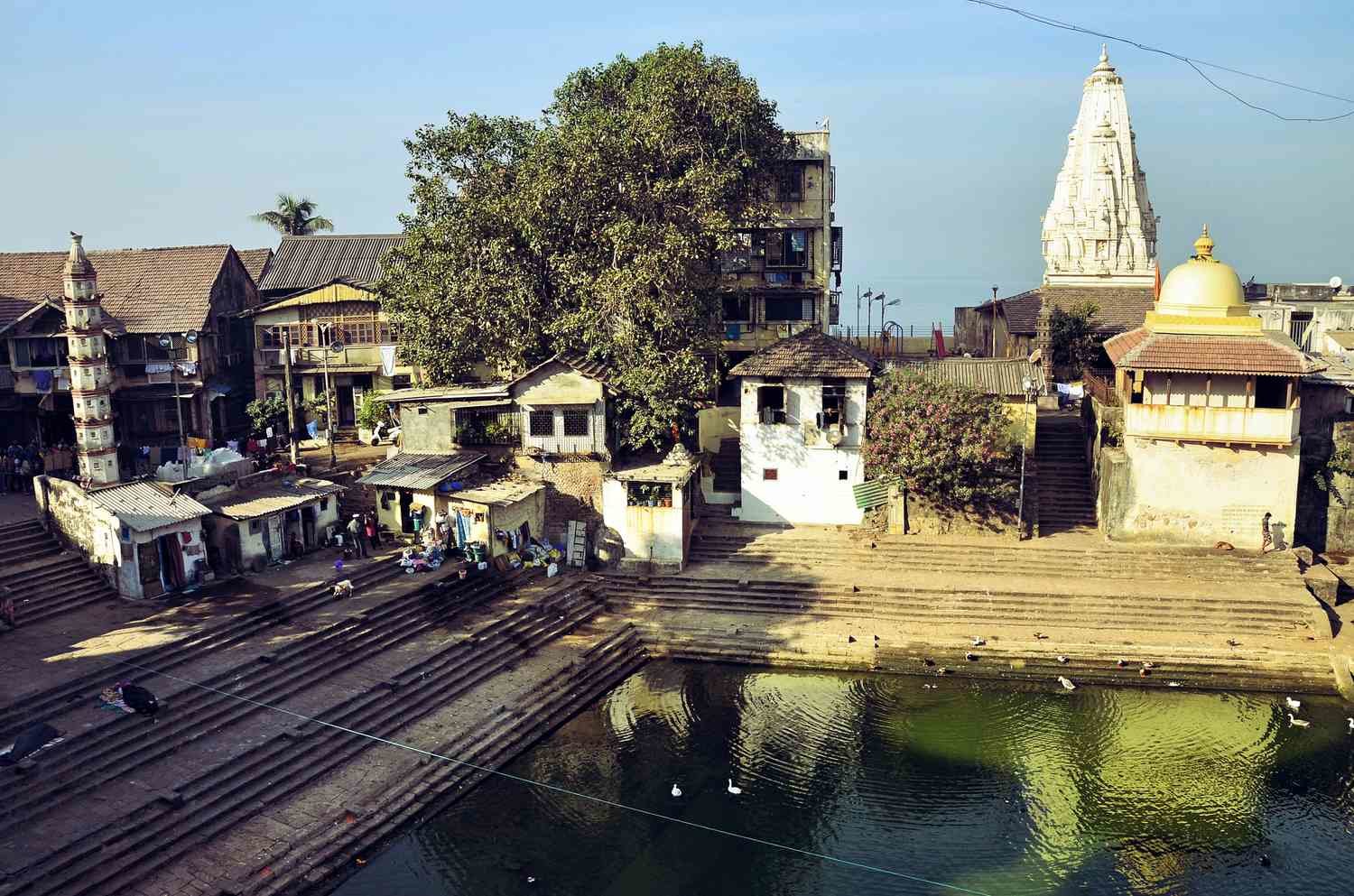
Discover Banganga Tank in Malabar Hill, Mumbai - an ancient water tank with mythological roots from the Ramayana. Guide to Walkeshwar Temple, history, rituals, and visiting this sacred heritage site.
Mani Bhavan Mumbai: Gandhi's Historical Home
A complete Mani Bhavan Mumbai guide with history, museum walkthrough, timings context, how to reach, and nearby South Mumbai heritage places.
Fatehpuri Masjid Delhi: History, Prayer Timings & Visitor Tips
Complete guide to Fatehpuri Masjid Delhi covering historical background, architecture, timings, entry details, and Old Delhi itinerary tips.
Never Miss an Adventure
Get the latest trekking guides, travel tips, and exclusive offers delivered straight to your inbox.
