
Chain Tree Wayanad: Local Legend, History & How to Visit

Neha Kapoor
February 2, 2026
Discover Chain Tree Wayanad with legend, history, location, timings, best season, nearby attractions, and practical travel tips for your Lakkidi route stop.
1. Introduction: The Mysterious Tree by the Ghat Road
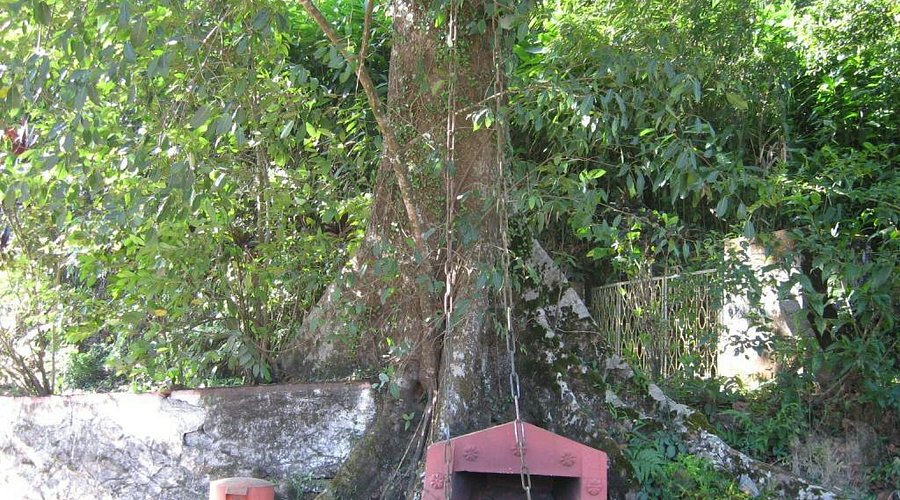
The Chain Tree of Wayanad is one of Kerala's most unusual roadside attractions, located near Lakkidi on the Thamarassery ghat route. At first glance, it looks like a large ficus tree with a heavy iron chain hanging from it. But the moment you ask locals about it, the place turns into a living legend. People speak of betrayal, an unfinished spirit, and a chain that was fixed to calm a troubled presence on the mountain road.
What makes Chain Tree special is not architecture or entry-ticket experiences. It is the mix of folklore, colonial-era memory, tribal history, and travel culture. Travelers often stop here for a short break while moving between Kozhikode and Wayanad, especially near Lakkidi View Point and Pookode Lake. Some come out of curiosity, some with devotion, and others for photographs in the misty Wayanad weather.
If you are planning to visit, this guide covers the legend, historical context, location details, how to reach, the best time to stop, nearby attractions, and practical visitor tips.
2. The Legend & Historical Context
The most repeated story around chain tree wayanad is linked to Karinthandan, a tribal guide who knew the difficult forest and mountain routes long before motor roads existed. According to local folklore, a British engineer used Karinthandan's route knowledge to map a practical road through the ghats toward Wayanad. After the route became known, the guide was allegedly killed so that full credit remained with the colonial side. The story is oral, and versions differ in details, but betrayal is the common theme in almost every telling.
In the legend, travelers then began reporting disturbances and unusual fear on the same route. Local spiritual practitioners were consulted, and a ritual was performed to bind the wandering spirit to a tree using an iron chain. Over time, that tree became known as the Chain Tree, and the area turned into a memory point for Karinthandan. Today many travelers still stop, fold hands, or stand silently for a moment before moving on.
Historically, the Thamarassery pass road itself has colonial-era significance because it connected the coast to Wayanad's interior hills. Even when we cannot verify every folkloric claim through archival records, the story reflects an important truth: tribal knowledge was essential in opening these mountain routes.
3. The Story Behind the Chain
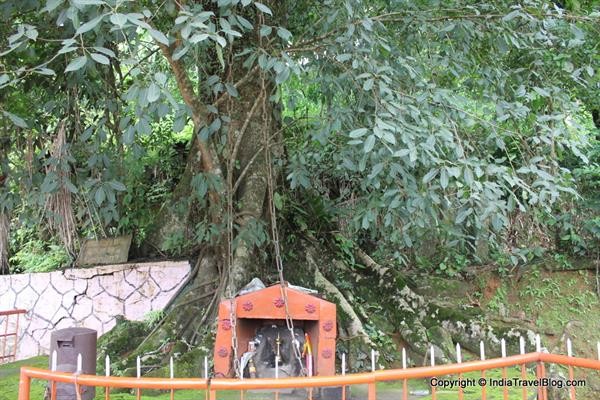
The chain is the visual anchor of the entire legend. Locals describe it as a symbolic restraint placed after ritual intervention, so accidents and fear on the pass could reduce. Another belief says the chain appears to "grow" with the tree because bark and branch structure change around the metal over decades. This is one reason why visitors spend time closely observing where iron meets bark.
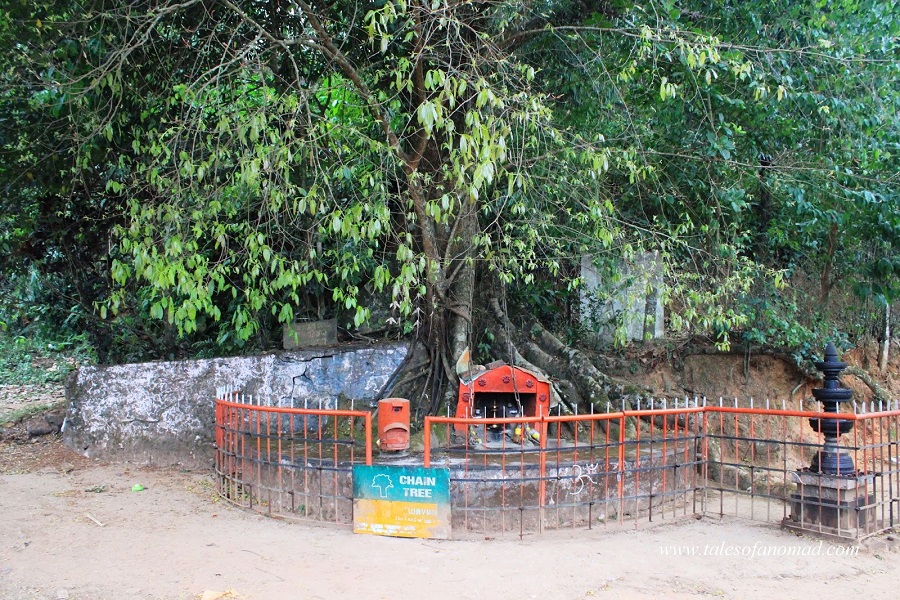
Many travelers also mention a small shrine-like structure near the tree, often associated with Karinthandan's memory. For some people, the place is a folk-historical marker. For others, it is a spiritual stop before crossing the steep curves of the ghat. Truck and taxi drivers on this route have long included short prayer halts near Lakkidi, especially during monsoon months when road conditions can become challenging.
Modern interpretation of the chain tree wayanad history usually falls into three views:
- Folklore View: The spirit-binding story is accepted as living local truth.
- Symbolic View: The chain represents justice denied to a tribal guide.
- Travel-Culture View: The site survives because stories, road memory, and ritual habits kept it relevant.
Whichever view you hold, Chain Tree is one of those places where myth and landscape are inseparable.
4. Location & How to Reach
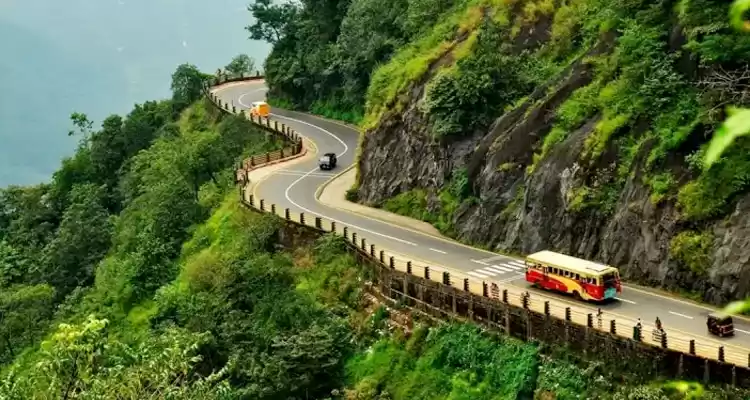
The chain tree is near Lakkidi on NH 766 (old NH 212) along the Kozhikode-Wayanad route. It is commonly visited as a short stop while ascending or descending the Thamarassery ghat section. Because it sits on a major road corridor, reaching it is straightforward if you are already traveling to Vythiri, Kalpetta, or nearby hill attractions.
| Route Start | Approx Distance | Typical Travel Time |
|---|---|---|
| Kozhikode | About 55-65 km | 2 to 2.5 hours (traffic/weather dependent) |
| Kalpetta | About 16-20 km | 35 to 50 minutes |
| Vythiri | About 5-7 km | 15 to 25 minutes |
By bus: State and private buses on the Kozhikode-Wayanad stretch can drop you near Lakkidi zone; from there, local auto/cab support may be needed depending on exact stop. By car or bike: This is the easiest option, especially if you are combining multiple attractions in one day. By taxi: Day-hire cabs from Kozhikode, Vythiri, or Kalpetta are common for circuit visits.
For broader planning, combine this stop with places to visit in Wayanad so your route is efficient.
5. Best Time to Visit Chain Tree
You can visit chain tree wayanad throughout the year, but each season changes the visual mood. Winter months (roughly October to February) usually offer cooler weather and clearer road travel. Monsoon months (June to September) make the area more dramatic with mist and deep green slopes, though rain and fog can reduce visibility on ghat curves. Summer can be drier, but mornings and evenings remain pleasant compared to plains.
For photography and calm viewing, early morning is ideal. Evening light can also be beautiful, but avoid staying too late if weather is unstable on the pass road. Because this is a roadside attraction, most visitors spend 10 to 25 minutes unless they are doing detailed photography or narrative documentation.
- Best weather comfort: October to February
- Best moody atmosphere: June to September (mist/monsoon)
- Best photo windows: 7:00-10:00 AM and 4:00-6:00 PM
6. Nearby Attractions You Can Combine
One reason Chain Tree is popular is location convenience. It sits near multiple Wayanad highlights, so you can build a half-day or full-day circuit without long detours.
Lakkidi View Point: A major stop for valley views and ghat panoramas, often visited with chain tree in the same stretch. Pookode Lake: A scenic freshwater lake near Lakkidi-Vythiri route, suitable for boating and family stops. Edakkal Caves: A high-interest heritage site known for prehistoric rock engravings, usually done as a separate longer stop. Soochipara Falls: A waterfall option if you want a nature-heavy day plan. Banasura Sagar Dam: Good for landscape views and extended circuit plans.
You can read dedicated guides for Pookode Lake Kerala and Edakkal Caves Wayanad before finalizing timings.
Suggested mini circuit from Kozhikode side: Lakkidi View Point -> Chain Tree -> Pookode Lake -> Vythiri lunch stop. Suggested heritage-leaning circuit from Kalpetta side: Pookode/Lakkidi early stop -> Chain Tree -> Edakkal Caves -> return by evening.
7. Visitor Information & Practical Tips
Chain Tree is generally treated as a public roadside stop rather than a gated monument complex. In most travel listings, there is no entry fee. You should still treat timings as daylight-friendly for safety, especially during monsoon and fog-heavy evenings on ghat roads.
| Visitor Detail | Current Practical Expectation |
|---|---|
| Entry Fee | Usually free |
| Time Needed | 15-20 minutes (quick stop) |
| Parking | Roadside or nearby lay-bys; limited in peak hours |
| Facilities | Basic; rely on nearby town stops for full amenities |
Safety and etiquette tips:
- Do not block moving traffic while taking photos.
- Respect local devotional practices near the tree and shrine area.
- Avoid touching or pulling on the chain.
- In monsoon, wear non-slip footwear and carry rain protection.
- If driving, keep extra caution on bends before and after Lakkidi.
The strength of this place is narrative atmosphere. Stay a few minutes, read the local context, and then continue your route with nearby highlights.
During high season weekends, short traffic build-up can happen around popular selfie points on this stretch. If you are traveling with seniors or children, park only where road shoulders are safe and avoid sudden U-turns near blind bends. Carry drinking water because this is not a full-facility tourist complex. It is a quick folklore stop, so plan meals, washrooms, and longer halts at Vythiri, Kalpetta, or established lake and viewpoint locations.
8. Photography Tips for Chain Tree
The site is small, so composition matters more than gear. Start with a wide frame showing the tree and surrounding road context. Then move into close-up shots of the chain contact points on bark. If mist is present, expose carefully so highlights on metal do not blow out while preserving tree texture.
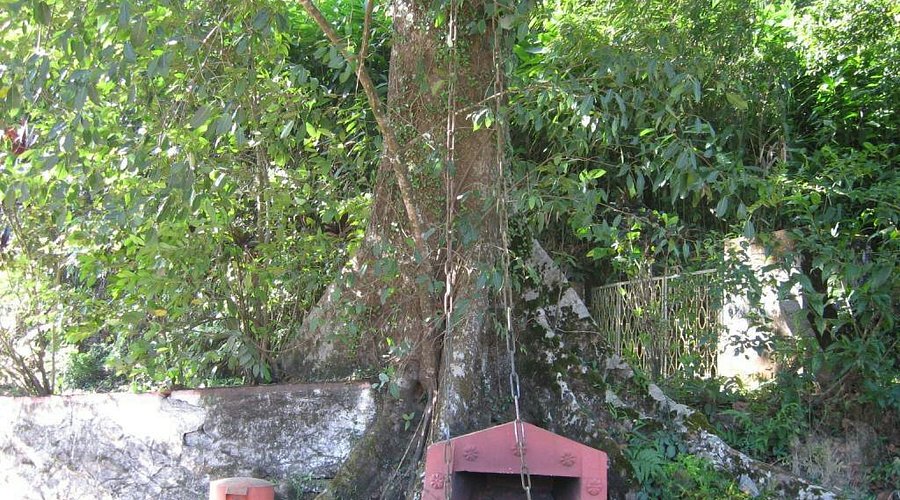
- Best storytelling frame: Tree + chain + ghat road perspective
- Best detail frame: Chain links near bark growth zones
- Best weather mood: Early mist after rain
- Best practical lens mix: Wide lens + short telephoto for details
If you are documenting for social media or blogs, include one frame with people at a safe distance to show scale. Also take one clean vertical shot for mobile-first platforms.
9. Why Chain Tree Still Matters
Many attractions are famous for architecture or ticketed activities. Chain Tree Wayanad is different. Its value lies in memory, local storytelling, and its location on a route that shaped travel into the hills. Whether you see it as legend, symbol, or road-culture artifact, the stop leaves a lasting impression because it blends mystery with lived landscape.
For travelers doing Wayanad for the first time, this is an easy and meaningful addition to your itinerary. It takes little time, costs almost nothing, and opens a deeper conversation about land, folklore, and history in the Western Ghats.
Location
Frequently Asked Questions
Q1.What is the Chain Tree in Wayanad?
Q2.What is the story behind chain tree wayanad?
Q3.Why is there a chain on the tree?
Q4.Where is Chain Tree located in Wayanad?
Q5.What are the timings and entry fee for Chain Tree?
Q6.How to reach chain tree wayanad from Kozhikode?
Q7.How much time should I spend at Chain Tree?
Q8.What is the best time to visit Chain Tree?
Recommended For You
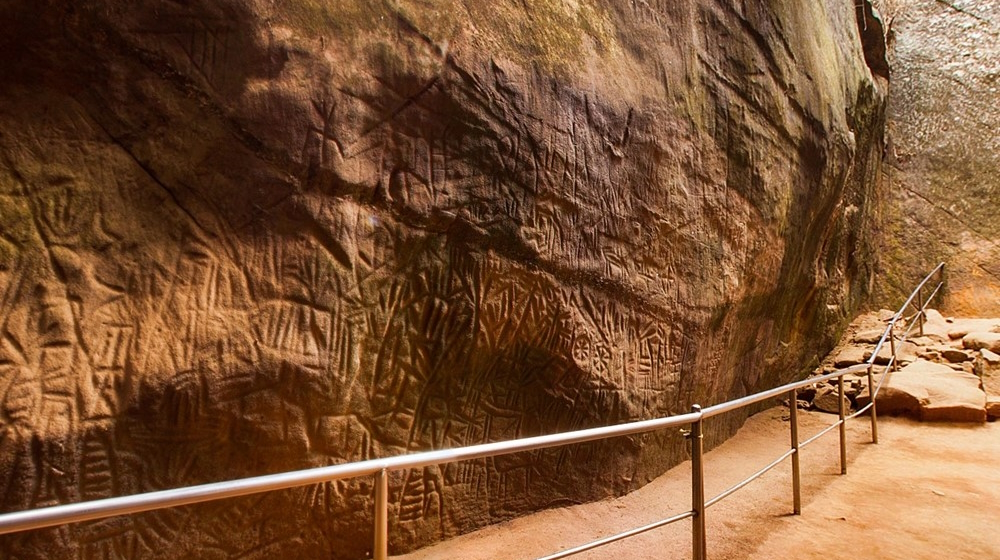
Edakkal Caves Wayanad: Complete Guide to 6000-Year-Old Petroglyphs
Discover Edakkal Caves in Wayanad, home to 6,000-year-old Neolithic petroglyphs. Our complete guide covers trekking, timings, entry fees, history, and practical tips for exploring these remarkable ancient rock shelters with South India's finest prehistoric carvings.
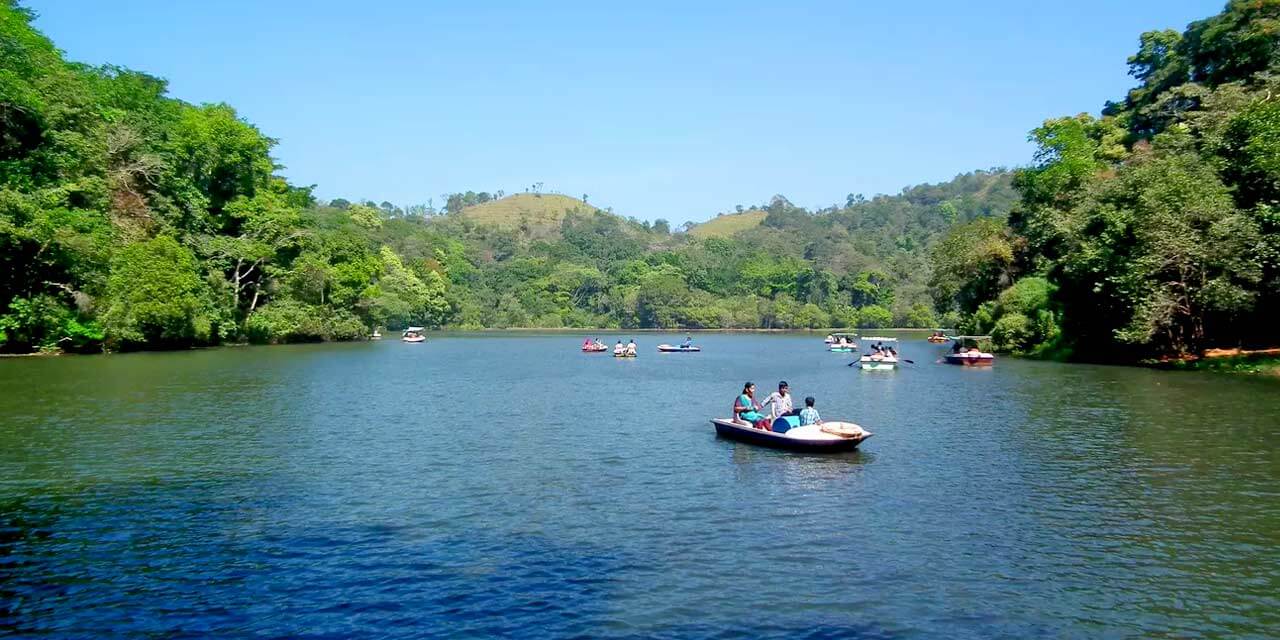
Pookode Lake Wayanad: Boating Fees, Timings & Nearby Attractions
Complete Pookode Lake guide with boating info, timings, ticket details, nearby attractions, and best season to visit this scenic Wayanad lake.
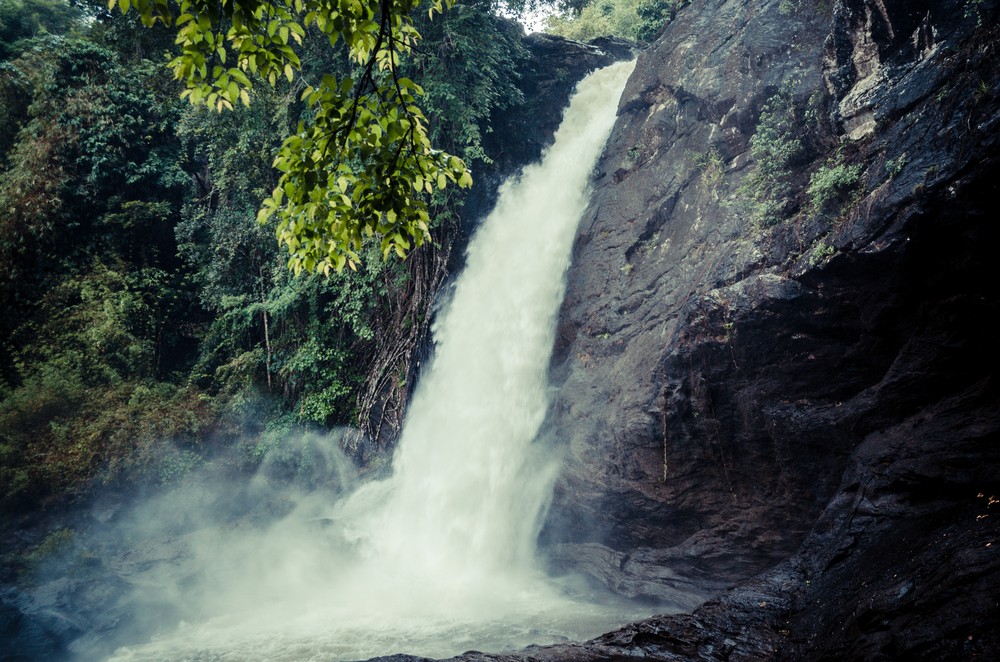
Soochipara Waterfalls Wayanad: Trek Access, Timings & Entry Fee
Visit Soochipara Waterfalls in Wayanad! Guide to trek, timings, entry fee, best time & how to reach Kerala's spectacular three-tiered falls.
Never Miss an Adventure
Get the latest trekking guides, travel tips, and exclusive offers delivered straight to your inbox.
