
Things to Do in Kaza Spiti: Monasteries, Villages & Day Excursions

Ananya Sharma
January 27, 2026
Discover things to do in Kaza, Spiti Valley. Visit Key Monastery, Chandratal, Kibber Village & more. Complete Kaza travel guide with itinerary.
Things to Do in Kaza: Complete Spiti Valley Activity Guide
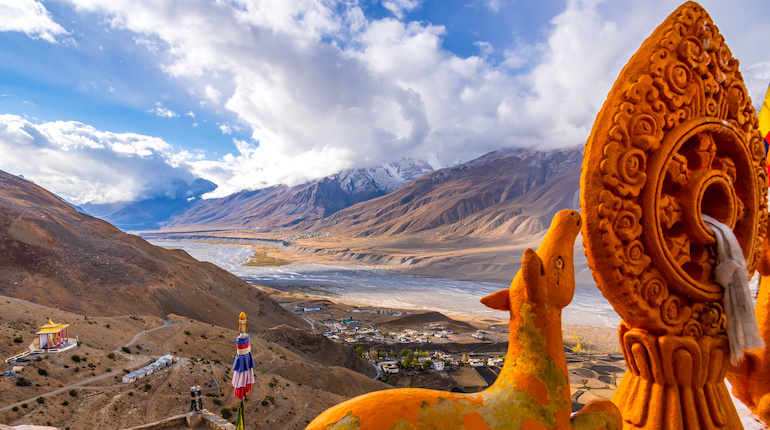
Kaza is the operational and cultural heart of Spiti Valley. If you are planning a Spiti trip, this is where most routes, stays, fuel decisions, and local excursions come together. But Kaza is more than a transit base. It is the gateway to monasteries, high-altitude villages, fossil fields, dramatic viewpoints, and slow mountain culture that makes Spiti unique.
This guide covers the best things to do in Kaza with realistic planning: what to see, how to sequence nearby villages, how many days to stay, what altitude precautions to follow, and how to avoid common mistakes. If you are finalizing seasonal timing first, read Spiti in October before locking your itinerary.
Why Kaza Should Be Your Base in Spiti
Kaza has the best concentration of traveler support in the region: stay options, cafes, local permits guidance, vehicle support, and route access to key attractions. Using Kaza as base reduces packing and check-in churn, making your mountain trip smoother.
For first-time travelers, a 2-3 night stay in Kaza often works better than hopping every day between villages. You save energy, improve acclimatization, and gain flexibility if weather shifts.
Top Things to Do in Kaza and Nearby
1. Visit Key Monastery
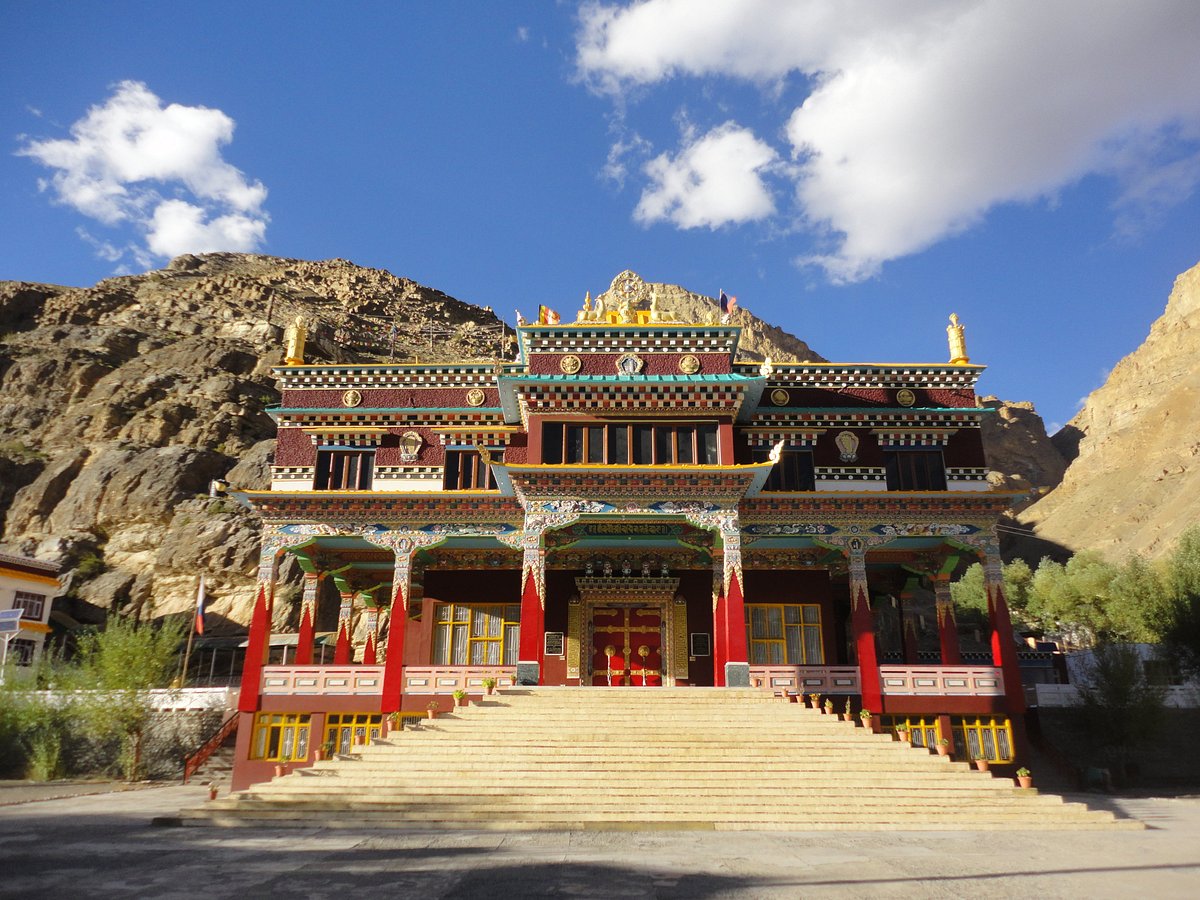
Key Monastery is one of Spiti’s most iconic landmarks and a must-do from Kaza. Perched on a hill with layered architecture, it offers both spiritual atmosphere and panoramic valley views. Visit in morning for quieter conditions and cleaner light.
2. Explore Kibber Village
Kibber is one of the high-altitude villages accessible from Kaza and is popular for landscape and village life. Route conditions vary seasonally, so check local updates before departure.
3. Do the Langza-Hikkim-Komic Circuit
This circuit is one of the best day experiences from Kaza. Langza offers giant Buddha viewpoint and fossil-zone identity. Hikkim is known for high-altitude postal fame. Komic provides dramatic terrain and village atmosphere. Keep this as one full-day circuit with early start.
More Experiences Worth Adding
4. Kaza Town Walk and Local Cafes
Kaza itself has a calm travel-town feel. Spending one easy evening here helps altitude adjustment and gives time for route planning, cafe stops, and local interaction.
5. Dhankar Side Excursion
Depending on your route and day count, Dhankar region can be included for dramatic views and historical monastery context. Keep road condition checks mandatory before moving.
6. Pin Valley Add-On
If you have extra time, Pin Valley gives a different landscape tone and calmer movement pace. Best attempted with one additional day rather than rushed half-day inclusion.
Best Itinerary for Kaza (2 and 3 Days)
Kaza 2-Day Plan:
Day 1: Key Monastery + Kibber belt
Day 2: Langza-Hikkim-Komic circuit + Kaza evening
Kaza 3-Day Plan:
Day 1: Acclimatization + local Kaza exploration
Day 2: Key + Kibber route
Day 3: Langza-Hikkim-Komic or Pin Valley add-on
Do not force all routes in one day. High-altitude driving speed is slower than plains assumptions.
Things to Do in Kaza in Different Seasons
Summer/early autumn: most circuits are easier to attempt with better route predictability.
Shoulder season: fewer crowds but more planning dependency on daily updates.
Winter: extreme conditions; requires experienced planning and higher caution.
Season defines not just weather but service availability, route confidence, and stay comfort.
Altitude and Health Tips for Kaza Travelers
Kaza is high altitude, and AMS awareness is non-negotiable. Keep first day light, hydrate consistently, avoid overexertion after arrival, and monitor symptoms seriously. Sleep quality and energy variation are common in the first day or two.
Never ignore persistent headache, nausea, or unusual fatigue. Descend if symptoms worsen. Safety decisions should always override attraction checklist pressure.
How to Reach Kaza
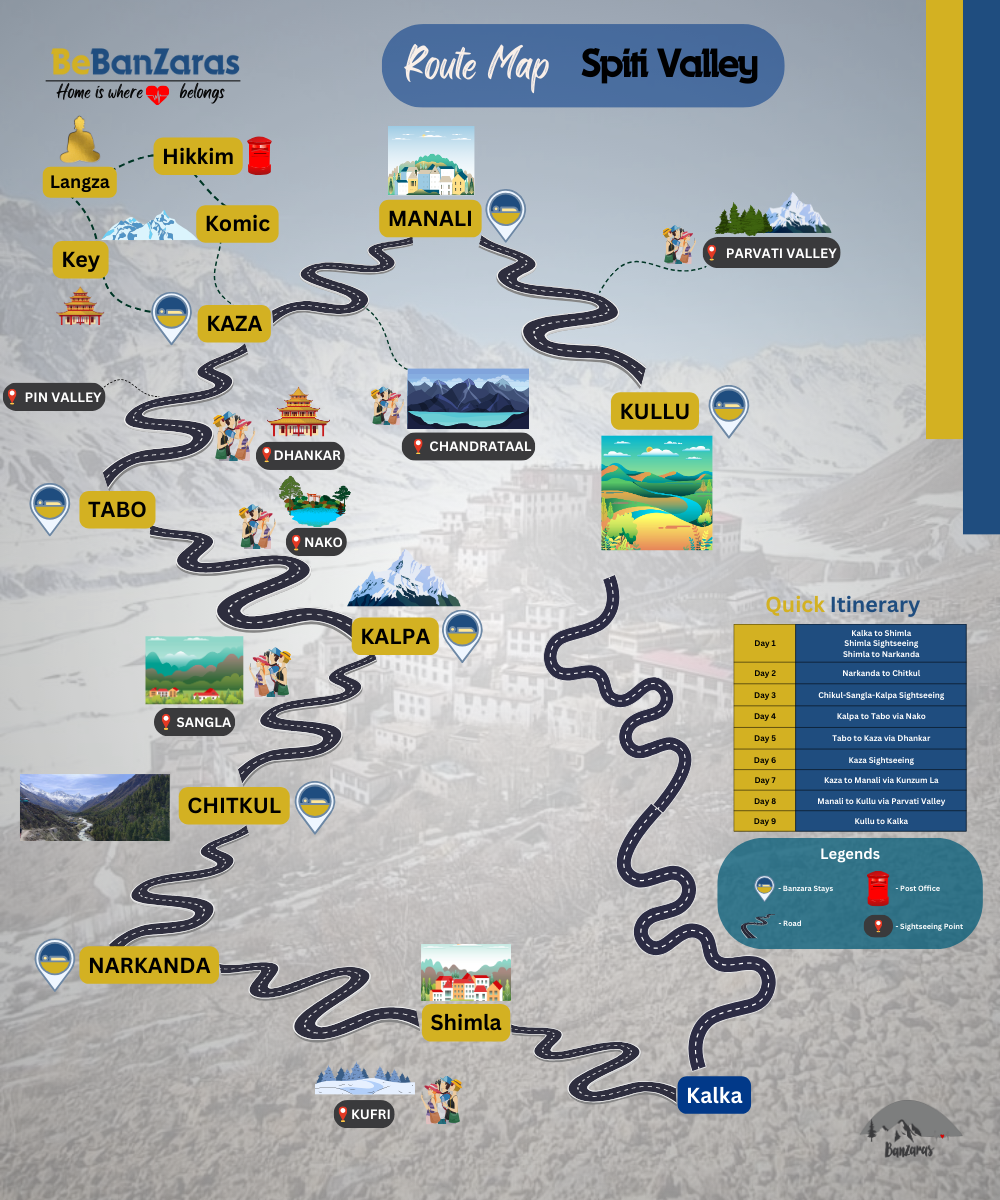
Kaza is typically reached via Shimla side or Manali side depending on season and road status. For many first-timers, gradual ascent routes are easier for acclimatization. Always verify current road conditions before departure and keep one route fallback in mind.
Inter-city movement in Spiti demands early starts and daylight-aware planning. Avoid rigid late-evening driving assumptions.
Where to Stay in Kaza
Kaza offers homestays, guesthouses, and hotels at multiple budget levels. Book in advance during popular windows. In shoulder seasons, call to confirm service readiness and heating support. Stay comfort strongly affects next-day drive performance in high altitude.
If your route includes village halts before Kaza, align with Nako stay planning and Tabo stay guide for smoother progression.
What to Pack for Kaza Exploration
Layered warm clothing, windproof outerwear, strong walking shoes, sunglasses, sunscreen, lip balm, and personal medicines are essential. Add power bank and offline maps. Keep hydration support easy to access during drives.
Minimal but functional packing works best. Avoid excessive luggage; it slows vehicle handling and daily transitions.
Food and Local Culture in Kaza
Kaza’s food scene has improved with traveler demand, but availability still depends on season and timing. Plan meals before long circuits and avoid skipping breakfast on high-altitude route days. Respect local culture, monasteries, and village behavior norms. Calm and respectful engagement makes the experience richer.
Common Mistakes Travelers Make in Kaza
1. Reaching and immediately doing full-day excursions.
2. Overloading one day with too many remote points.
3. Ignoring altitude symptoms.
4. Planning without buffer day.
5. Underestimating road-condition variability.
Fixing these five mistakes significantly improves comfort and safety.
Budget Planning for Kaza
Major cost buckets are transport, stay, meals, and day excursions. Group travel often reduces per-person spend. Keep emergency budget for weather delays or route changes. In high-altitude regions, contingency budget is not optional.
If you are comparing mountain-route budgets, use frameworks from Delhi to Spiti Valley and trip-style alternatives like weekend getaways near Bangalore.
Final Recommendation
Kaza offers some of the most memorable high-altitude experiences in India when approached with realistic pace and safety-first planning. Prioritize Key Monastery and the village circuits, keep one buffer day, and avoid rushed checklists.
The best things to do in Kaza are not just attractions. They are the combination of landscapes, culture, and controlled pacing that lets you actually absorb Spiti. Plan slower, travel earlier, and let the valley set the tempo.
Kaza Photography and Content Route
Kaza is one of India’s most rewarding photography bases because terrain, monasteries, villages, and sky textures shift rapidly through the day. Start with sunrise or early-morning monastery frames, then move to village circuits in midlight windows. Keep midday for transit and selective wide-angle shots. Golden hour is ideal for ridge and settlement views. Avoid overdriving for photos; repeated time in one scenic location often produces stronger results.
Carry spare batteries in cold weather, lens cleaning cloth for dust, and avoid changing lenses in high-wind exposed segments. For phone users, stabilize shots and prioritize natural tone over heavy filters.
Kaza for First-Time High-Altitude Travelers
If this is your first time at high altitude, keep your first Kaza day intentionally light. Do not plan Key-Kibber-Langza all on arrival day. Start with short local movement, hydrate well, eat light, and sleep early. On day two, attempt one major circuit. This pacing greatly reduces fatigue and improves trip consistency.
Travelers who ignore this often lose entire days to exhaustion. Slow entry is not wasted time in Spiti; it is performance planning for the rest of your route.
Kaza Route Planning with Buffer Logic
Use a three-layer route model: mandatory spots, weather-dependent spots, and optional spots. If weather turns uncertain, you still complete core highlights without stress. Always keep one half-day unassigned in case roads slow down. Early starts and daylight-first planning remain the best safety practice in mountain terrain.
If you are extending beyond Kaza, align your transitions with stay guides like Tabo stays and Nako stays to avoid fatigue-heavy sequencing.
Final Kaza Checklist
1. Confirm road updates every evening.
2. Keep offline maps and cash support.
3. Carry warm layers even on sunny days.
4. Plan one no-pressure window in itinerary.
5. Prioritize safety over attraction count.
Following this checklist makes Kaza exploration smoother, safer, and much more memorable.
Kaza Meal and Energy Management
At high altitude, consistent light meals and hydration matter more than heavy food experimentation. Start with warm breakfast, carry dry snacks for circuits, and eat early dinners to improve sleep and recovery for next-day routes.
Kaza Final Route Advice
If weather changes quickly, skip optional distant points and focus on safer core circuits near Kaza. Completing fewer places comfortably is always better than forcing long routes in uncertain conditions.
Location
Frequently Asked Questions
Q1.What are the main things to do in Kaza?
Q2.How many days are enough for Kaza?
Q3.What is the best time to visit Kaza?
Q4.Is Kaza safe for altitude sickness?
Q5.How far is Chandratal from Kaza?
Q6.What is Kaza famous for?
Recommended For You
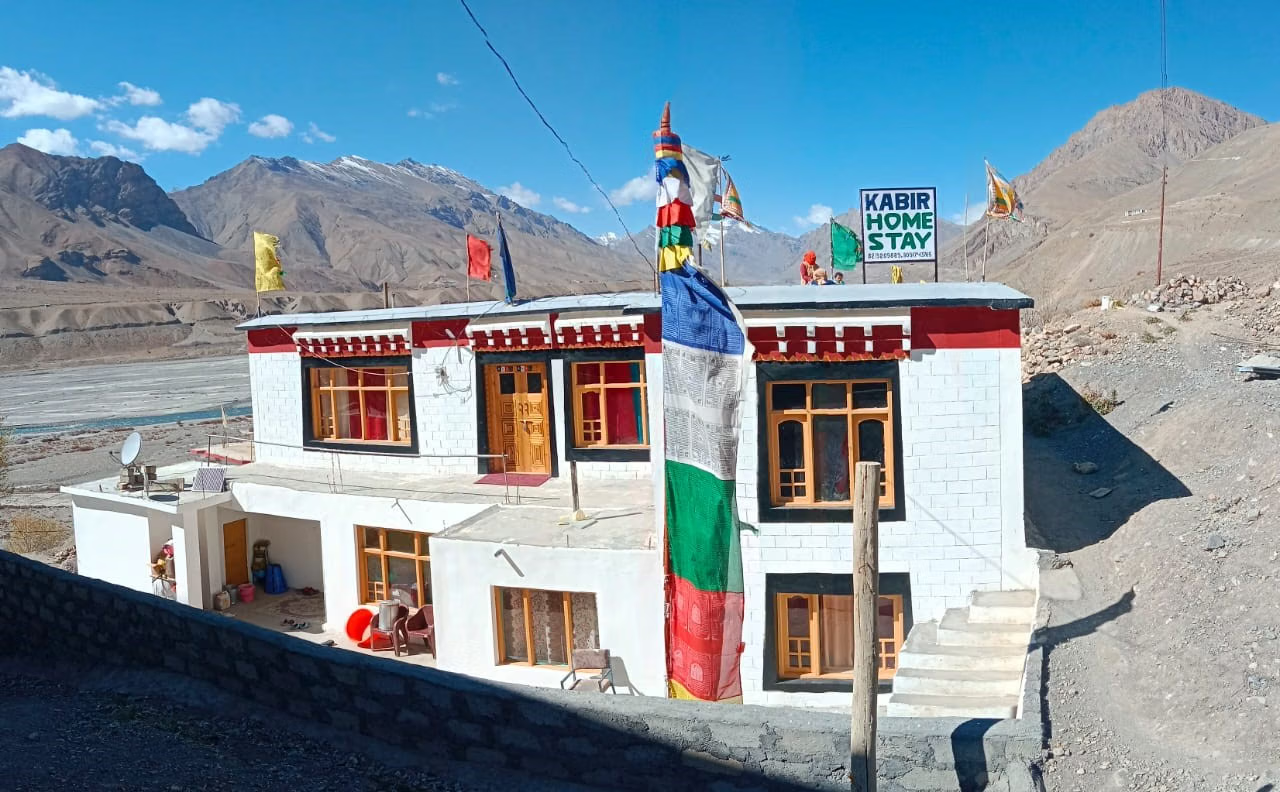
Best Homestays in Kaza: Location, Pricing & Host Highlights
Complete guide to homestays in Kaza with prices, facilities, booking tips, best areas to stay, and practical advice for a comfortable Spiti trip.
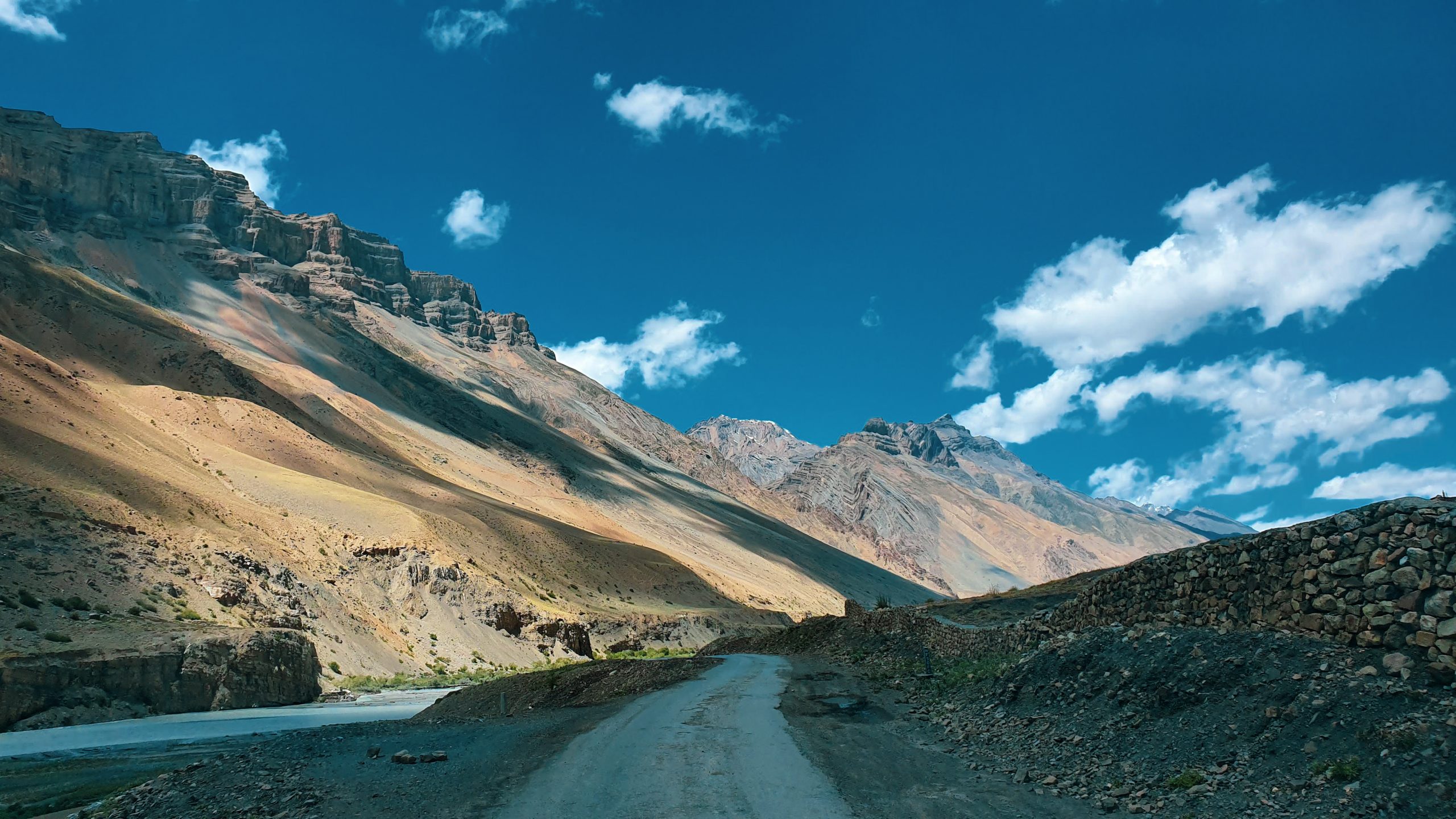
Manali to Kaza: Route Guide & Travel Tips
Complete travel guide from Manali to Kaza covering distance, road conditions, transport options, best time to travel, altitude tips, and essential journey advice.
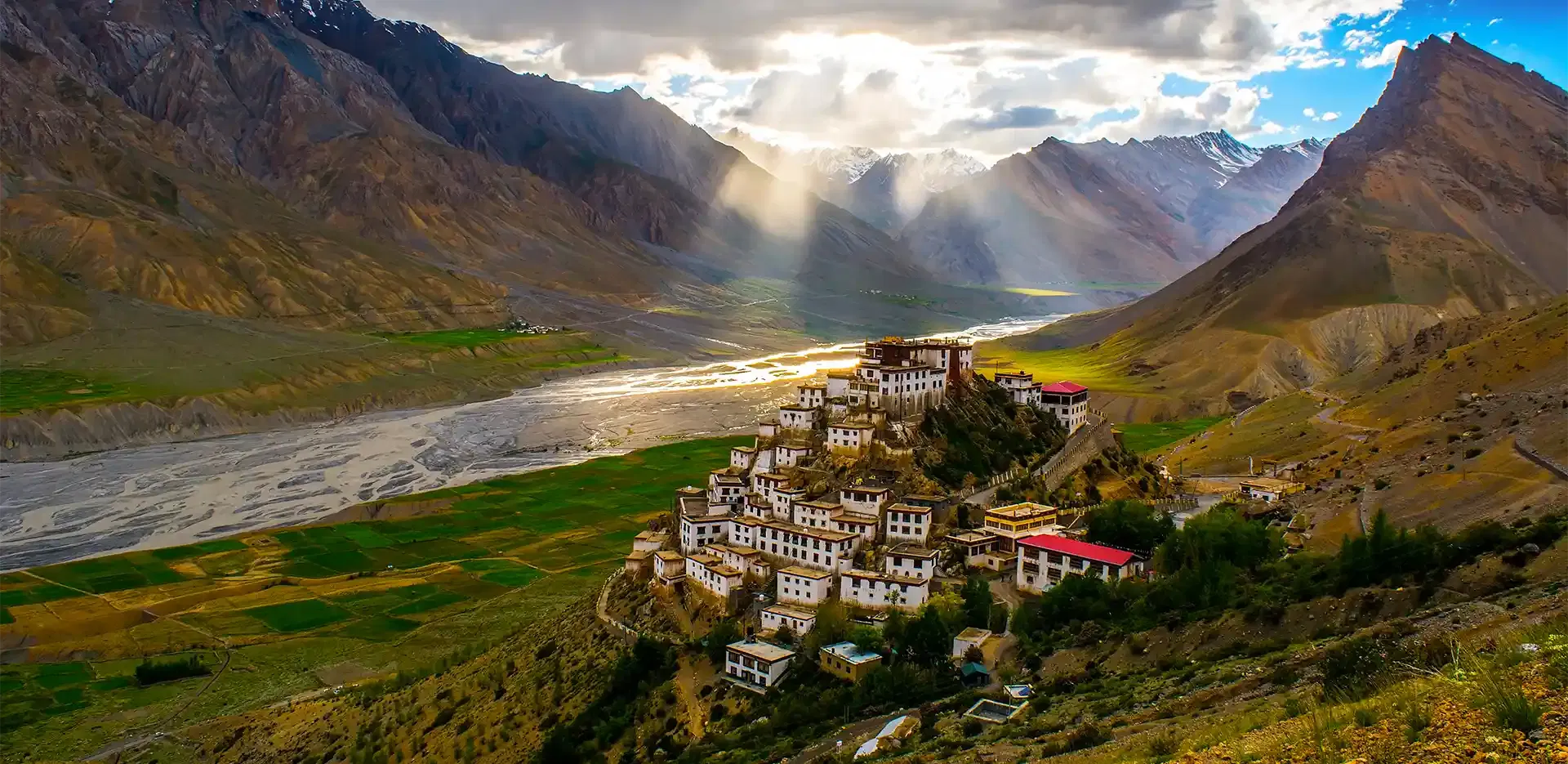
Spiti Valley Weather: Best Time To Visit And Conditions
Complete Spiti Valley weather guide with month-wise temperature, rainfall, and snowfall details. Best time to visit plus essential weather travel tips.
Never Miss an Adventure
Get the latest trekking guides, travel tips, and exclusive offers delivered straight to your inbox.
