
Treks in Jibhi: Hidden Valley Trails, Route & Stay Tips

Neha Kapoor
November 23, 2025
Best treks in Jibhi with Serolsar Lake, Jalori Pass, Shoja and Chehni Kothi trail guidance, plus season, safety, and route planning tips.
Introduction: Why Jibhi Is a Great Base for Easy to Moderate Himalayan Treks
Jibhi, in the Banjar-Tirthan region of Himachal Pradesh, is one of the most practical places for travelers who want short and scenic Himalayan treks without committing to very technical expedition routes. Compared with high-pressure tourist hubs, Jibhi offers slower village rhythm, forest trails, and excellent day-hike options around Jalori Pass, Serolsar Lake, Raghupur Fort, and nearby ridge routes.
What makes trekking in Jibhi special is variety. You can do beginner-friendly forest walks, moderate village-to-ridge hikes, and offbeat heritage routes in the same trip. The terrain is photogenic across seasons: dense oak and pine in warmer months, misty monsoon greens, and snowy trail character in winter windows where access remains open.
This guide gives you a route-first framework: best treks, distance and difficulty breakdowns, what to expect on each trail, best season, safety protocol, transport logic from Jibhi, and practical packing rules. If you are planning a 2 to 4 day trekking trip in Jibhi, this is the most efficient way to structure it.
Best Treks in Jibhi: Quick Overview
| Trek | Approx Difficulty | Typical Duration | Best For |
|---|---|---|---|
| Serolsar Lake (via Jalori Pass) | Easy to moderate | Half day | First-time trekkers and families |
| Raghupur Fort (via Jalori Pass) | Easy to moderate | Short half day | Viewpoint lovers |
| Jibhi to Shoja route sections | Moderate | Half to full day | Village-trail walkers |
| Chehni Kothi approach trail | Easy to moderate | Half day | Heritage + trekking mix |
| Local waterfall and ridge walks | Easy | Short | Leisure trail sessions |
You do not need to do all of them in one trip. The best results come from 2 to 3 well-paced trails with weather buffers.
Serolsar Lake Trek: Signature Day Trek from Jibhi Side
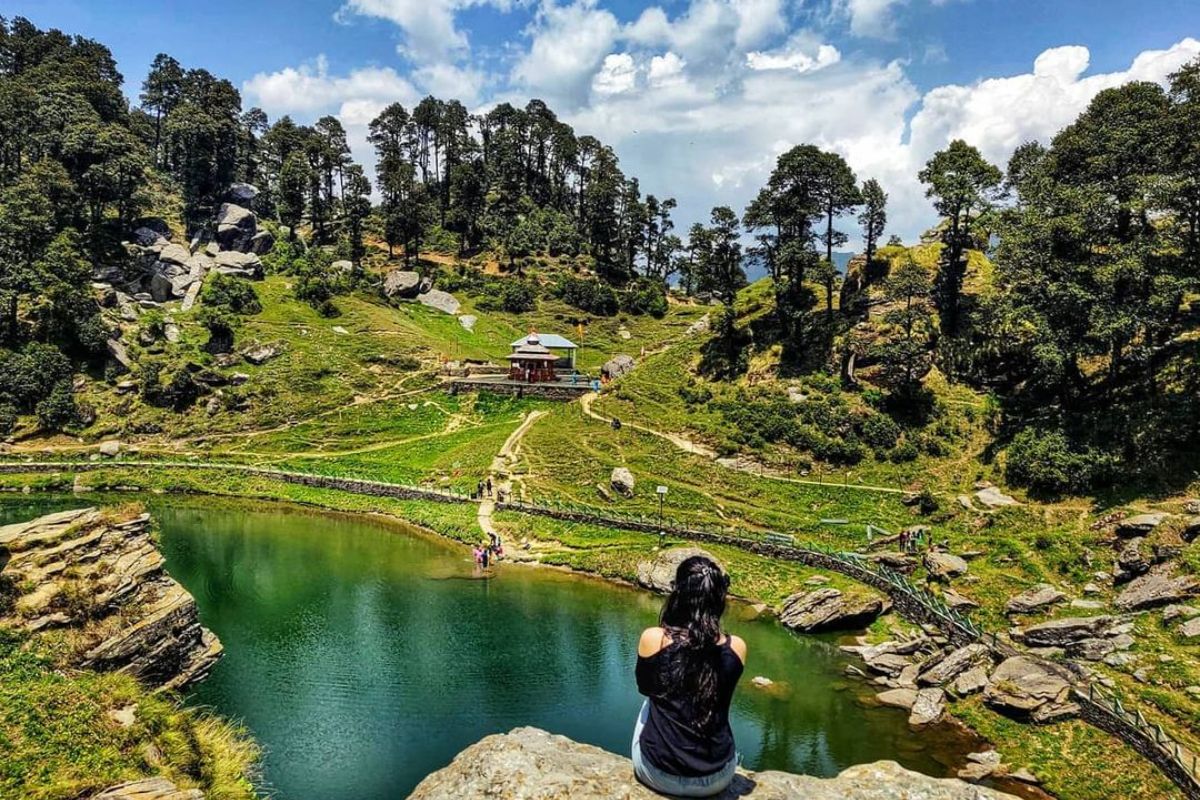
Serolsar Lake is the most popular trek linked to Jibhi and Jalori Pass. Most trekkers drive to Jalori Pass first, then start the trail. Current references across local route guides and trekking documentation commonly place the distance around 5 km one way (variation in measurement is normal).
Trail Character
- Well-defined forest path in most sections.
- Moderate gradients with some steeper patches.
- Dense oak and rhododendron zone visuals in season.
- Sacred lake endpoint with Budhi Nagin temple presence.
Who Should Do It
- Beginners with basic fitness and good shoes.
- Families with older children who can handle trail walking.
- Photographers who want forest plus lake framing.
Time Strategy
- Start early to avoid crowding and afternoon weather swings.
- Carry snacks and hydration; facility reliability varies by season.
- Return before dark unless you have an organized stay plan.
For travelers planning a wider route, combine with Jalori Jot Himachal Pradesh context for better road timing and weather calls.
Raghupur Fort Trek: Short Climb, Big Views
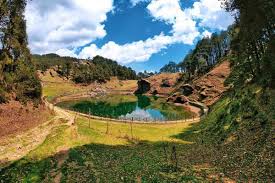
Raghupur Fort trek is a strong option when you want high visual reward in shorter duration. The route is usually approached from Jalori Pass with approximate trail distance commonly cited around 3 km one way. The top has old ruin remains and broad meadow-ridge views.
What to Expect
- Initial uphill effort that can feel steep for beginners.
- Forest-to-meadow transition with open panoramic frames.
- Windy ridge conditions on some days.
Why It Works in Jibhi Itineraries
- Can be combined with Jalori stop in one compact block.
- Good choice if Serolsar looks too long for your group.
- Excellent for sunset-style mountain ridge photography.
If weather is unstable, do this in morning and keep afternoon as buffer.
Jibhi to Shoja Trek Sections: Village-Trail Experience
The Jibhi-Shoja side movement is less about one single branded trail and more about route sections through roads, village paths, and forest connectors depending on where you start and finish. It is ideal for travelers who enjoy gradual elevation gain and settlement-to-settlement trekking style.
Trail Highlights
- Traditional Himachali village views and orchard belts.
- Forest edges with valley cutback perspectives.
- Good long-walk option without extreme technical sections.
Difficulty Profile
- Moderate overall due to distance and gradient accumulation.
- Better for trekkers comfortable with 4 to 6 hour movement days.
Use this as a paced trail day, not a rushed transfer replacement.
Chehni Kothi Trek: Heritage + Trek Combination
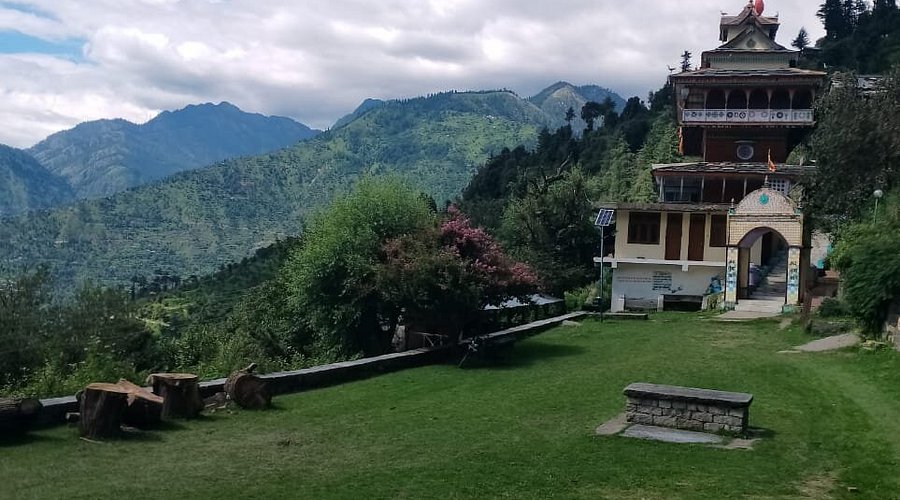
Chehni Kothi is one of the most interesting cultural-trek combinations near Jibhi. The old Kath-Kuni style tower settlement is reached via village-side approach routes with uphill sections. Distance and time vary by chosen roadhead, but it is usually a manageable half-day heritage trek for most visitors with moderate fitness.
Why It Is Worth Adding
- Unique architecture and cultural value, not only natural scenery.
- Excellent photography subject for wooden-stone Himalayan style.
- Can be combined with local temple and village exploration.
This is a good second-day option after a heavier forest trek day.
Best Time to Visit Jibhi for Trekking
Spring to Early Summer (March to June)
One of the best windows for clear trails, comfortable temperatures, and high trekking reliability. Good for first-time visitors.
Monsoon (July to September)
Very green and dramatic, but trail slipperiness and leech presence can increase in some sections. Use caution and proper footwear.
Autumn (September to November)
Excellent visibility and crisp weather in many weeks. Strong season for landscape photography and stable trekking rhythm.
Winter (December to February)
Snow can transform routes beautifully, but access and safety vary by active weather. Choose winter trekking only with local condition checks.
For larger Himachal planning, see Himachal vs Uttarakhand and best time to visit Himachal Pradesh.
How to Reach Jibhi for Trekking Trips
Most travelers arrive by road through Aut-Banjar-Jibhi corridors. The final approach is scenic but winding, so keep motion-sickness support if needed.
- By road: Most practical option from Chandigarh/Delhi/Kullu side.
- Nearest broader transport hubs: Kullu-Bhuntar side for flight link, rail users often combine rail + road transfer.
- Local movement: Taxi and local cabs to Jalori and trailheads are common in season.
Execution Tip
Reach Jibhi by afternoon or evening, rest well, and start first trek next morning. Same-day long transfer plus trek usually reduces trail quality and increases fatigue risk.
Packing Checklist for Treks in Jibhi
- Trekking shoes with good grip (non-negotiable).
- Layered clothing for temperature swings.
- Rain shell in monsoon and shoulder months.
- 2 liters water capacity and electrolytes.
- Energy snacks and basic first-aid kit.
- Trekking pole for descent comfort.
- Offline map backup and power bank.
Pack light but functional. Overloading reduces balance on steep trail sections.
Do You Need a Guide for Jibhi Treks?
For popular routes like Serolsar from Jalori, many trekkers go without a guide in stable weather because trails are often clear. But local guide support is recommended in these cases:
- Winter snow conditions.
- First-time mountain trekkers with no navigation confidence.
- Less-marked routes and combined village-trail circuits.
- Group safety where timing discipline is weak.
When in doubt, use local guidance. It improves safety and often enriches cultural understanding.
Sample 3-Day Trek Plan for Jibhi
Day 1
- Arrival in Jibhi and acclimatization walk.
- Short local waterfall or village trail.
Day 2
- Early drive to Jalori Pass.
- Serolsar Lake trek and return.
Day 3
- Raghupur Fort or Chehni Kothi trail based on weather and group energy.
- Departure with buffer for road delays.
This format balances trail quality, fatigue, and weather uncertainty.
Common Mistakes to Avoid
- Starting late and losing daylight safety margin.
- Underestimating trail time from Jalori side.
- Trekking in poor footwear.
- No rain/warm layer in changing mountain weather.
- Trying multiple long treks in one day.
- Ignoring local weather and road updates.
Simple discipline gives better outcomes than aggressive itinerary coverage.
Nearby Extensions After Jibhi Treks
If you have extra time, extend your route with nearby nature and village experiences instead of shifting to distant destinations too quickly.
These extensions keep your trip coherent and reduce unnecessary transfer fatigue.
Trek Preparation, Budget, and Safety Framework
Jibhi treks are beginner-friendly only when approached with basic mountain discipline. Most avoidable issues come from late starts, poor footwear, and no weather backup. Keep one rule for every day: start early, finish before dark, and keep at least one fallback trail if conditions change.
Daily Preparation Rules
- Check local weather and road status the previous evening.
- Carry enough water and light-calorie snacks for the full route.
- Do not overestimate speed if trekking with mixed-age groups.
- Keep emergency contact and homestay details offline.
- Avoid risky shortcuts on unknown forest trails.
Budget Logic
Overall cost depends on stay type, local cab usage to trailheads, and whether you hire local guides. Budget-focused travelers can reduce cost by clustering nearby trails and avoiding repeated long taxi transfers. Comfort-focused travelers should allocate more for private transport, weather flexibility, and better-quality stays.
A well-planned Jibhi trek day is not expensive, but poor route planning can increase cost quickly through last-minute transport changes and inefficient movement. Simple route discipline usually gives better value than trying to cover too many points in one day.
Final Takeaway
Treks in Jibhi are ideal for travelers who want forest trails, meadow viewpoints, and offbeat Himalayan pace without ultra-technical mountaineering demands. The key trails around Jalori, Serolsar, Shoja, and Chehni Kothi give enough variety for both beginners and moderate-level trekkers.
Plan around early starts, seasonal conditions, and realistic day distances. With route discipline and basic preparation, Jibhi can deliver one of the most rewarding short trekking getaways in Himachal Pradesh.
Keep one buffer block each day for weather and pace management.
Travel responsibly and leave no trace.
If this is your first mountain trekking trip, keep one rest window between major trails and avoid chasing every route in one visit. Jibhi rewards slow travel. A calmer pace improves your photography, reduces fatigue, and gives you enough flexibility to respond safely to mountain weather changes.
Always prioritize trail safety over speed.
Location
Frequently Asked Questions
Q1.Is Jibhi good for trekking?
Q2.What is the best trek in Jibhi?
Q3.How difficult is Serolsar Lake trek?
Q4.Can beginners trek in Jibhi?
Q5.What is the best time to visit Jibhi for trekking?
Q6.Do we need a guide for Jibhi treks?
Q7.What should I pack for Jibhi trekking?
Q8.How to reach Jibhi for trekking?
Recommended For You
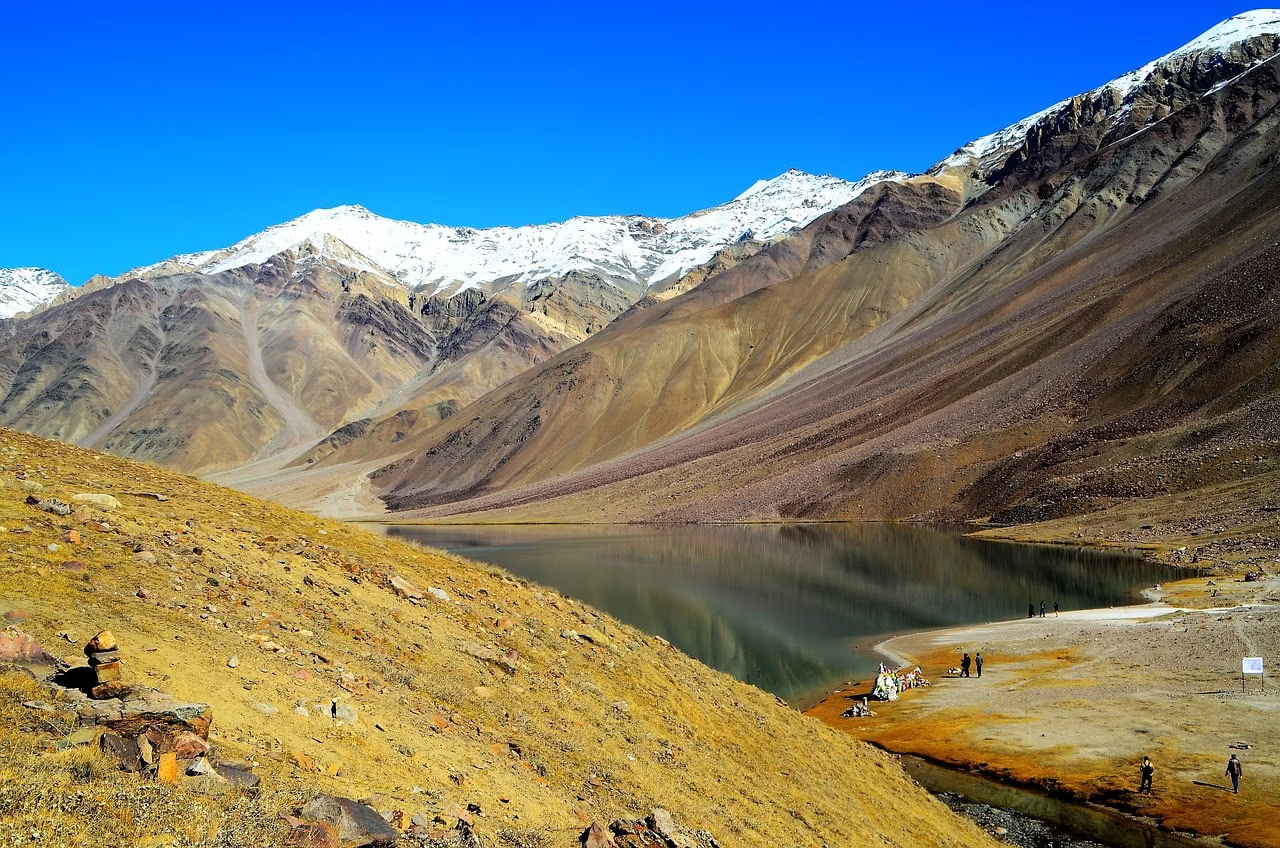
Jalori Pass: Complete Travel Guide Himachal
Explore Jalori Pass at 10,280 ft. Trek guide, best time to visit, how to reach from Shimla/Kullu, weather & nearby attractions. Plan trip.
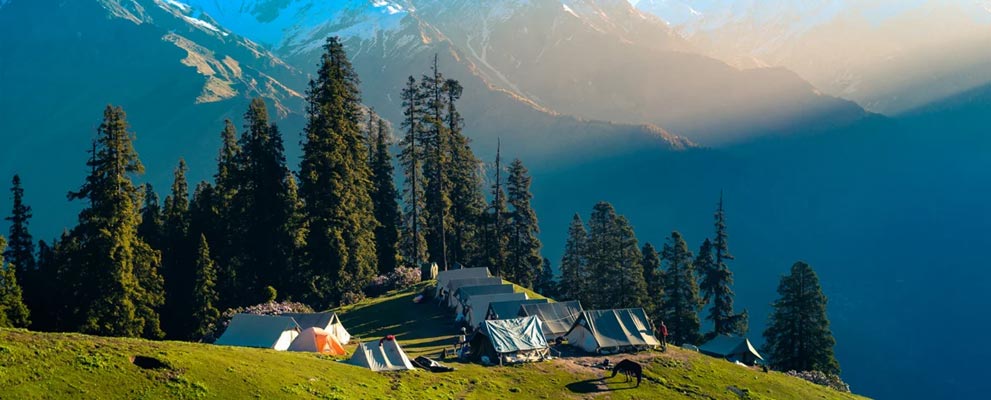
Best Time to Visit Himachal Pradesh: Season-Wise Guide by Region
Find the best time to visit Himachal Pradesh with season-wise guidance for families, snow trips, road journeys, and trekking routes.
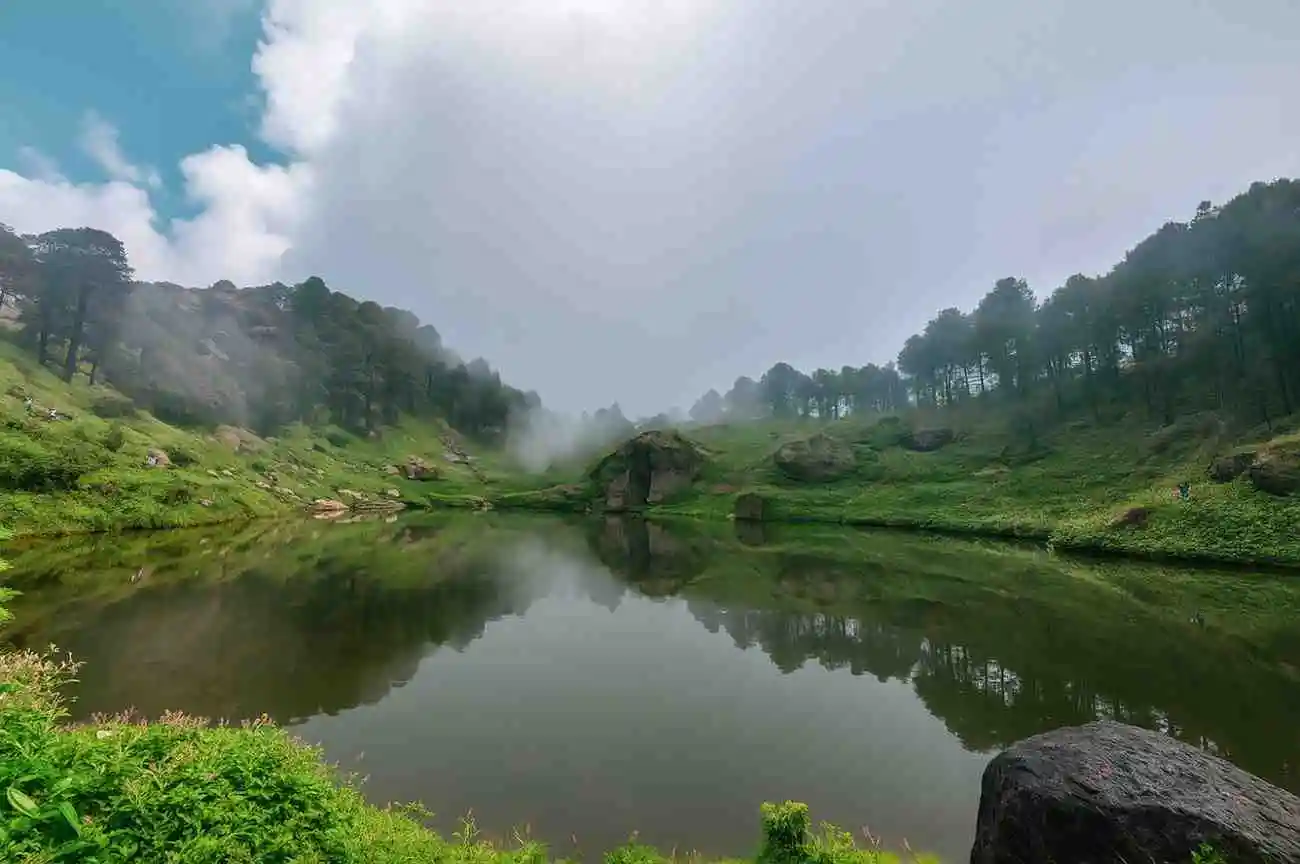
Tirthan Valley: How To Reach Best Time And Attractions
Use these Tirthan Valley travel tips for season planning, route selection, stays, trekking, fishing, and practical essentials for a smooth Himachal trip.
Never Miss an Adventure
Get the latest trekking guides, travel tips, and exclusive offers delivered straight to your inbox.
