
Waterfalls in Sikkim: Top 10 Falls, Routes & Best Time

Priya Mehta
December 27, 2025
Discover the best waterfalls in Sikkim with Bakthang, Ban Jhakri, Seven Sisters, season-wise travel tips, and practical Gangtok route planning.
Introduction: Why Waterfalls in Sikkim Feel Different
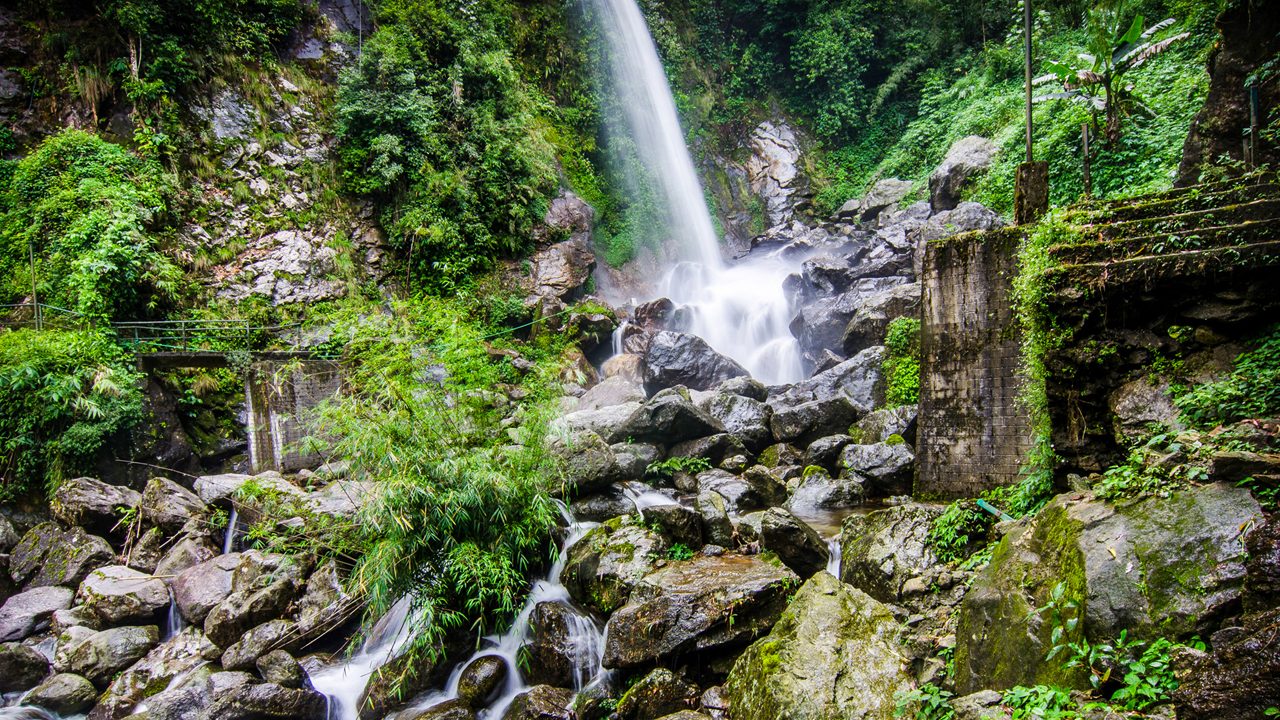
Waterfalls in Sikkim are not just scenic pit stops. They are part of the mountain travel experience itself. On many routes, you do not make a detour to a waterfall; you pass one on the way to monasteries, high-altitude lakes, or North Sikkim valleys. This is why waterfall travel in Sikkim feels organic and rewarding even on short trips.
From roadside cascades near Gangtok to stronger multi-stream falls on the Gangtok-Lachung highway, Sikkim offers excellent variety for first-time visitors, photographers, families, and slow-travel nature lovers. The region receives generous rainfall, and snowmelt-fed mountain streams keep many falls active across seasons, though flow intensity changes through the year.
This guide covers the best waterfalls in Sikkim with route logic, what to expect at each site, practical timing tips, and a realistic travel plan that avoids rushed checklists. If you are planning a Gangtok-based itinerary, this will help you choose the right waterfalls for your time, comfort level, and season.
Bakthang Waterfall: The Easiest Classic Stop Near Gangtok
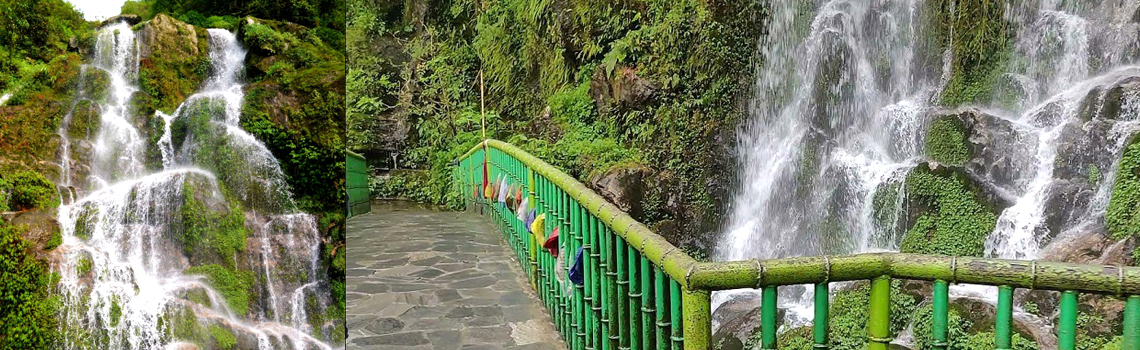
Bakthang Waterfall is one of the most accessible waterfalls in Sikkim and an easy inclusion in a Gangtok day plan. It lies on the route toward North Sikkim side drives and is commonly treated as a quick but memorable photo stop. Because access is straightforward, Bakthang suits families, senior travelers, and visitors who want scenic value without trekking effort.
Why Bakthang is popular:
- Very convenient road access from Gangtok.
- Good for short stops between city and mountain routes.
- Pleasant monsoon and post-monsoon flow.
- Useful add-on to half-day local sightseeing circuits.
Travel tip: reach in morning or early afternoon when you can still combine 1-2 nearby points like viewpoints or local markets in Gangtok. During peak tourist weekends, short crowd bursts happen because many vehicles stop at once.
Time needed at Bakthang is usually 20 to 40 minutes unless your group spends extra time on photos and snacks. It is ideal for travelers who want a scenic waterfall without dedicating half a day.
Ban Jhakri Falls: Nature Plus Park Experience
Ban Jhakri Falls (often covered with Energy Park) offers a different experience from raw roadside falls. Here, the waterfall is integrated into a landscaped park setting with walking areas, themed installations, and family-friendly spaces. If your group includes children or mixed-age travelers, Ban Jhakri can feel more comfortable than an isolated stop.
The location is near the Gangtok side tourism belt and is usually visited as part of a local sightseeing loop. Compared with pure nature falls, this one blends a recreational environment with waterfall viewing, which many first-time Sikkim travelers appreciate.
What visitors usually like:
- Organized layout and easier movement paths.
- Suitable for relaxed group travel.
- Stronger appeal for family photos and shorter walks.
- Convenient to combine with other Gangtok attractions.
Depending on current local policy, timings and entry fees can vary, so verify same-day details before you start. On holidays and school vacation periods, queue and parking time can increase, so keep a small time buffer.
Seven Sisters Waterfall: North Sikkim Route Highlight
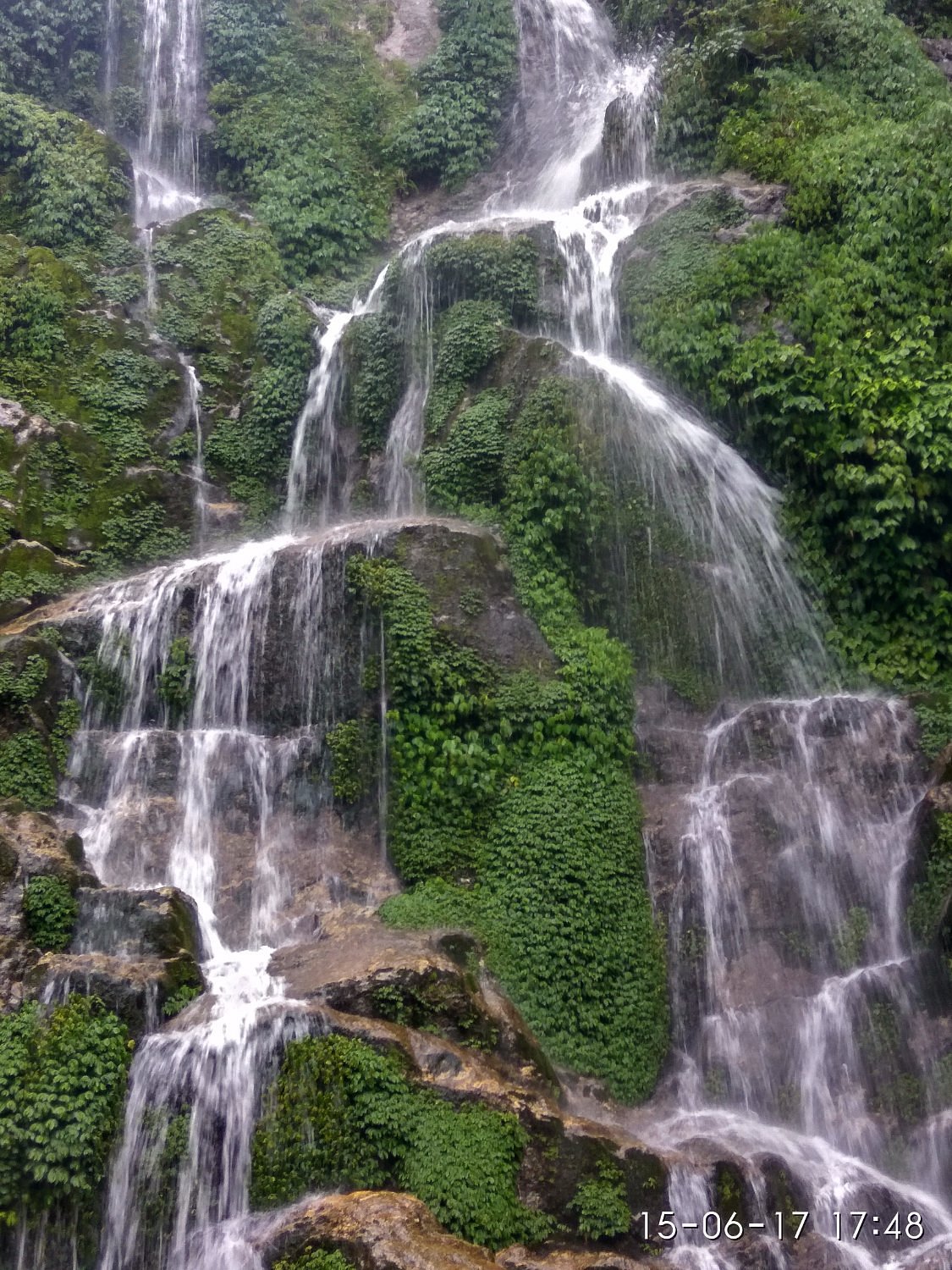
Seven Sisters Waterfall is one of the best-known waterfalls in Sikkim for road travelers going toward the North Sikkim corridor. Official district references place it around 32 km from Gangtok on the highway side route, and the viewing setup makes it a practical stop for travelers who do not want difficult trail sections.
The visual character depends on season. In wetter months and active flow periods, multiple streams become clearly visible, creating the layered look that gives the waterfall its name. In drier windows, the volume reduces but the location still offers strong landscape views.
Why this stop works well:
- Convenient route positioning on North Sikkim travel plans.
- Dedicated viewing area helps quick, safe sightseeing.
- High photo value in monsoon and post-monsoon windows.
- Great pairing with longer day drives where short scenic pauses matter.
If you are planning Nathula and high-route travel on other days, keep Seven Sisters on your North Sikkim-facing day to avoid crossing route logic.
Other Notable Waterfalls in Sikkim You Can Add
If you have more than two full days in the state, include a broader waterfall list based on your base location.
1. Rimbi Waterfall (West Sikkim side)
Usually paired with Pelling routes, this waterfall works well for travelers covering monasteries and viewpoint circuits in West Sikkim. It is often treated as a calm, easy stop rather than an adventure trail point.
2. Kanchenjunga Falls (Pelling region)
A major attraction in many west-side itineraries, this waterfall has stronger visual impact and is widely included in local sightseeing circuits from Pelling.
3. Bhewma Falls and route-based seasonal cascades
Across mountain drives in Sikkim, many seasonal waterfalls appear during heavy rain windows. These are not always named or formally ticketed, but they add dramatic texture to road journeys.
4. Rural route waterfalls near villages
On longer circuits, especially if you travel with local drivers, you may discover lesser-known falls not heavily marketed online. These are often beautiful but require caution because safety barriers and facilities can be limited.
For broader route mapping, use Sikkim travel guide and then cluster waterfalls according to your base city.
Best Time to Visit Waterfalls in Sikkim
The short answer: monsoon and post-monsoon give the most dramatic flow, but each season has trade-offs.
| Season | Waterfall Condition | Travel Reality |
|---|---|---|
| June to September | Peak volume, lush surroundings, strongest visual drama | Rain interruptions, slippery surfaces, occasional road delays |
| October to November | Excellent balance of flow and visibility | Often best mix for photography and road comfort |
| December to February | Lower but steady flow at many falls | Cleaner skies in many windows, colder mornings |
| March to May | Moderate flow, greener transitions before heavy rain | Good for mixed sightseeing itineraries |
If waterfalls are your priority, avoid over-fixing dates without weather flexibility. In mountain states, a one-day shift can significantly improve road and viewing conditions.
Waterfalls Near Gangtok: Fast Planning for Short Trips
For travelers staying in Gangtok for 2-3 nights, this shortlist gives the highest planning efficiency:
- Bakthang Waterfall: best quick-access stop.
- Ban Jhakri Falls: best family-friendly waterfall park format.
- Seven Sisters Waterfall: best highway waterfall stop on North side route.
Suggested half-day flow from Gangtok:
- Start with Ban Jhakri in the morning (comfortable park visit).
- Move toward Bakthang as part of onward route.
- Keep Seven Sisters for a separate longer day where highway movement is already planned.
You can combine this with city-friendly stops from places to visit in Gangtok so the day does not feel repetitive.
How Many Waterfalls Are There in Sikkim?
There is no single fixed public count because Sikkim has many seasonal and route-based cascades beyond named tourist falls. Practically, travelers can easily cover 6-10 well-known waterfalls depending on itinerary length and region split (Gangtok-side, North Sikkim corridor, West Sikkim corridor). During monsoon, the visible count rises sharply as temporary streams become active.
For trip planning, focus on quality selection instead of count targets. Two well-timed waterfall stops with good visibility and comfortable movement usually deliver a better experience than rushing across many points in one day.
Travel Tips: What Makes a Sikkim Waterfall Day Smooth
- Start early: mountain roads and weather are more predictable in early hours.
- Wear grip footwear: even easy falls can have slippery edges.
- Keep rain protection: weather shifts quickly in hills.
- Carry small cash: useful for parking, snacks, local stalls.
- Avoid risky edge photos: wet rock plus slope is a common accident trigger.
- Build route clusters: combine waterfalls with one market, monastery, or viewpoint instead of random zig-zag movement.
If your itinerary also includes shopping and food stops, plan them in Gangtok town windows using shopping in Gangtok and food of Sikkim references after your waterfall movement is done.
Sample 2-Day Waterfall-Focused Itinerary (Gangtok Base)
Day 1: Easy Local + Comfort
- Morning: Ban Jhakri Falls and park walk.
- Late morning: Bakthang Waterfall photo stop.
- Afternoon: Gangtok town lunch and relaxed city exploration.
- Evening: MG Marg style local walk.
Day 2: Highway Scenic Day
- Early start toward North route side.
- Main stop: Seven Sisters Waterfall.
- Scenic pauses at safe viewpoints depending on weather.
- Return before late-evening mountain fog windows.
This plan keeps movement realistic and avoids fatigue from overpacked checklists.
Common Mistakes to Avoid
- Treating every waterfall as an all-day stop and wasting transfer time.
- Ignoring rain forecasts and then facing slippery conditions unprepared.
- Stacking too many distant attractions in one mountain day.
- Not confirming same-day timing and access advisories.
- Choosing poor footwear for wet stone surfaces.
Fix these five issues and your Sikkim waterfall experience improves immediately.
Final Takeaway
Waterfalls in Sikkim are best enjoyed through smart route planning, not random hopping. Start with the three practical anchors: Bakthang for convenience, Ban Jhakri for family-friendly experience, and Seven Sisters for North-route scenic impact. Then expand to west-side or rural falls if your trip has extra days.
Use season logic, keep a buffer for weather, and pair waterfall stops with nearby attractions for maximum value. With this approach, even a short Sikkim trip can deliver memorable waterfall experiences without stress.
Location
Frequently Asked Questions
Q1.How many waterfalls are there in Sikkim?
Q2.Which is the biggest or most famous waterfall in Sikkim?
Q3.What is the best time to visit waterfalls in Sikkim?
Q4.Where is Bakthang Waterfall located?
Q5.What is special about Ban Jhakri Falls?
Q6.How to reach Seven Sisters Waterfall in Sikkim?
Q7.Are there waterfalls near Gangtok?
Q8.Is it safe to swim in Sikkim waterfalls?
Recommended For You
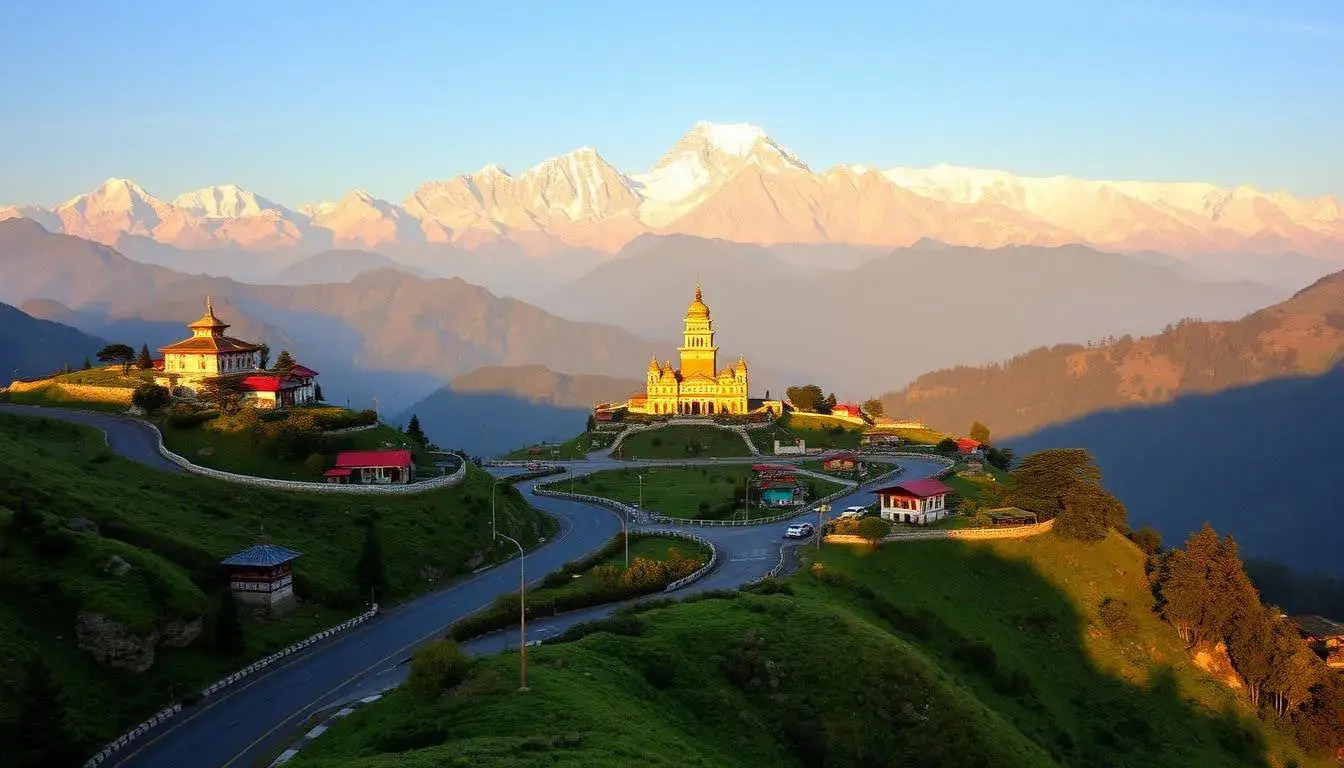
Gangtok: Complete Travel Plan Places And Weather
Complete Gangtok travel guide with top attractions, best time to visit, 3-5 day itineraries, budget breakdown, transport options, and practical travel tips for exploring Sikkim's capital.
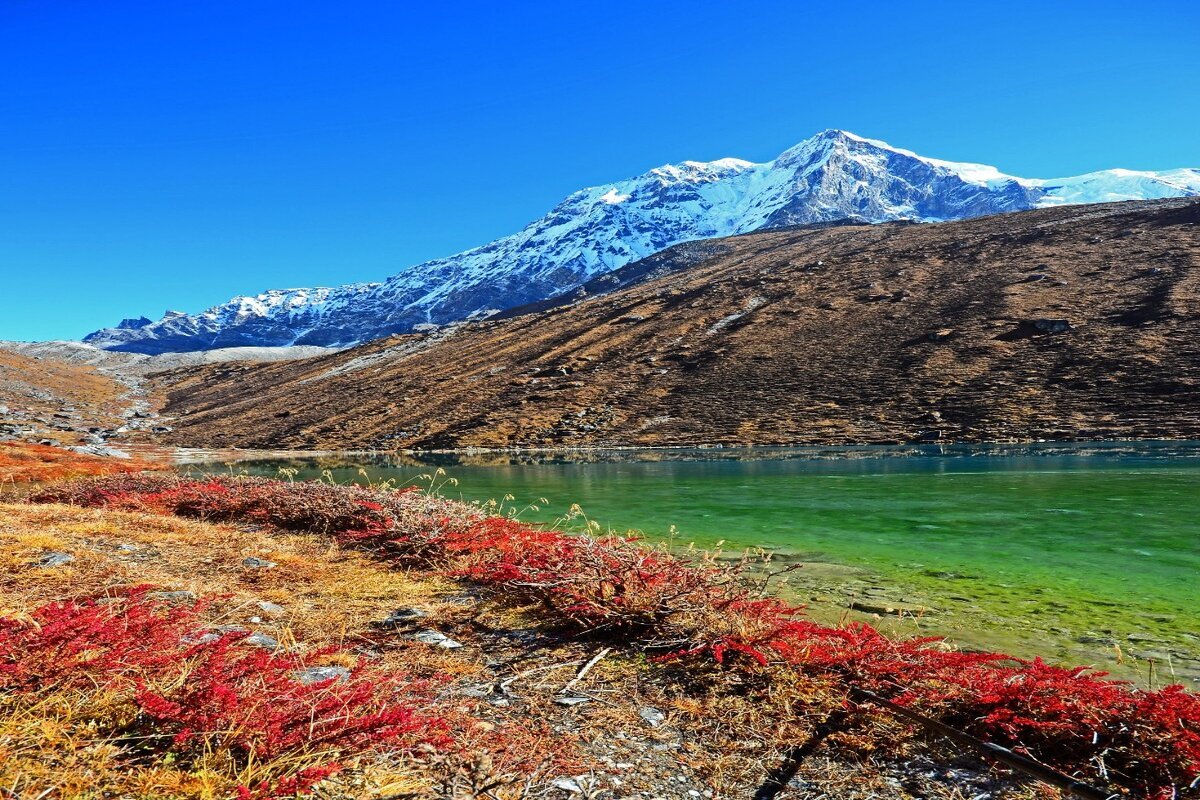
10 Beautiful Lakes in Sikkim: Tsomgo to Gurudongmar
Comprehensive guide to lakes in Sikkim covering Tsomgo, Gurudongmar, sacred lakes, permits, best season, and practical itinerary planning.
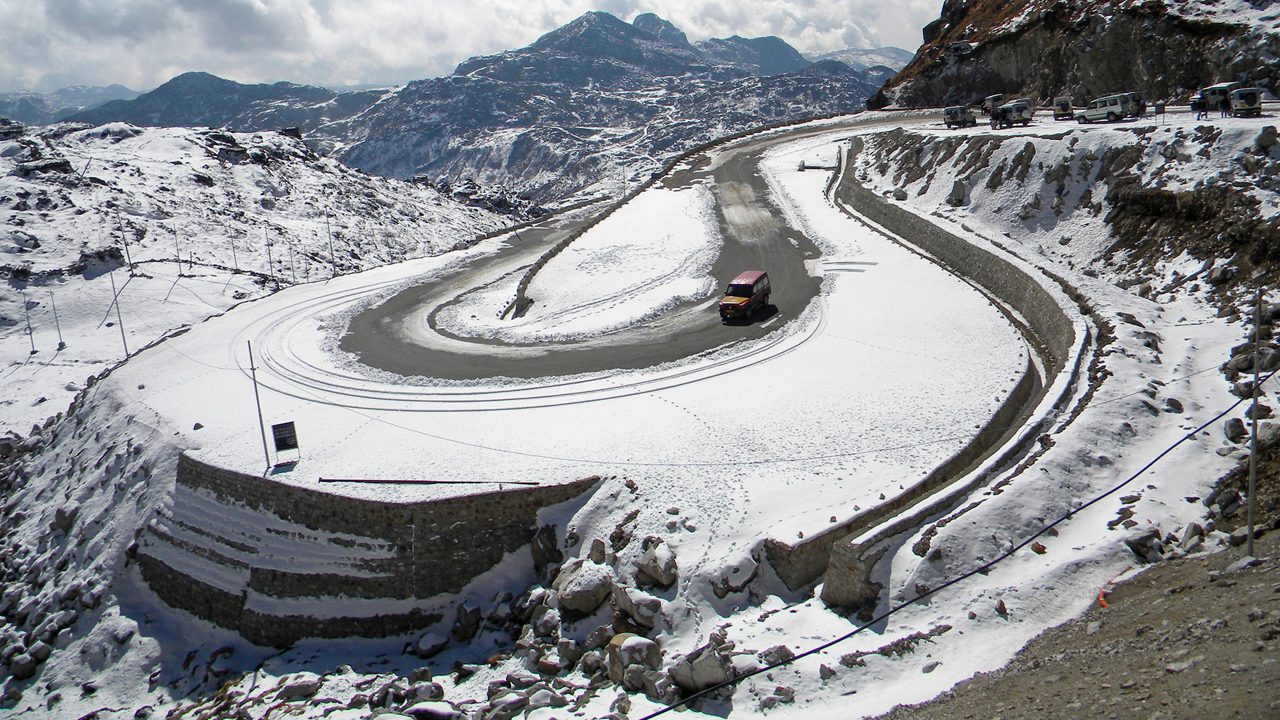
Nathula Pass Gangtok: Permit Process, Route & Altitude Tips
Plan your Nathula Pass Gangtok trip with permit steps, route timing, weather prep, and practical high-altitude safety guidance.
Never Miss an Adventure
Get the latest trekking guides, travel tips, and exclusive offers delivered straight to your inbox.
