
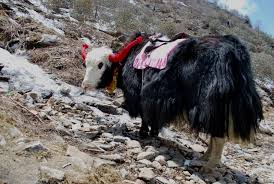
Yak Safari in Sikkim: Ride Points, Charges & Local Experience

Neha Kapoor
November 18, 2025
Experience the magic of yak safari in Sikkim at Tsomgo Lake. Complete guide to this unique Himalayan adventure with pricing, best time to visit, and travel tips.
Introduction: A Himalayan Adventure Like No Other
Imagine sitting atop a magnificent, shaggy yak, slowly making your way around a crystal-clear glacial lake surrounded by snow-capped Himalayan peaks. This is the unforgettable experience of a yak safari in Sikkim – one of India's most unique adventure activities that combines culture, nature, and gentle exploration. Located high in the Eastern Himalayas, Sikkim offers visitors the rare opportunity to ride these gentle giants, creating memories that last a lifetime.
Yak safaris in Sikkim are more than just a tourist attraction – they're a window into the traditional Himalayan way of life. For centuries, yaks have been integral to mountain communities, serving as transport, food, and companionship in some of the world's most challenging terrains. Today, these same yaks offer visitors a peaceful, authentic way to experience Sikkim's breathtaking landscapes at a leisurely pace. The slow, rhythmic gait of a yak provides plenty of time to soak in the pristine mountain scenery, making it perfect for photography enthusiasts and nature lovers alike. This unique experience pairs perfectly with other adventure sports in India that showcase the country's diverse outdoor offerings.
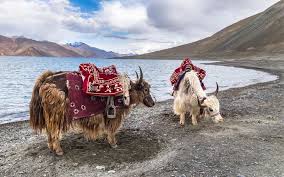
The most popular location for yak safaris is Tsomgo Lake (also known as Changu Lake), a sacred glacial lake located about 40 kilometers from Gangtok, Sikkim's capital. Here, against the backdrop of the shimmering lake and towering mountains, visitors can mount these magnificent creatures for a truly Himalayan experience. The yaks are traditionally decorated with colorful ribbons, bells, and saddles, adding to the photogenic appeal of this adventure. Whether you're traveling with family, as a couple, or solo, a yak safari in Sikkim offers an accessible adventure that doesn't require any prior experience or high fitness levels – just a sense of wonder and appreciation for mountain life.
Best Places for Yak Safari in Sikkim
Sikkim offers several locations where you can experience yak safaris, each with its own unique charm and setting. Understanding these different locations helps you choose the perfect spot based on your preferences, travel time, and the kind of experience you're seeking.
Tsomgo Lake (Changu Lake)
Location: Tsomgo Lake, also known as Changu Lake, is the premier destination for yak safaris in Sikkim. Located approximately 40 kilometers from Gangtok, this glacial lake sits at an altitude of 3,753 meters (12,310 feet). The journey from Gangtok takes about 2 hours by road, winding through stunning mountain terrain with each bend revealing more spectacular views.
Why It's Special: Tsomgo Lake is undoubtedly the most popular and well-developed location for yak safaris. The setting is nothing short of magical – the lake, considered sacred by locals, changes color with the seasons, ranging from deep azure in summer to partially frozen in winter. The surrounding alpine meadows create a perfect backdrop for yak rides. Here, you'll find plenty of yaks available for rides, all decorated traditionally with colorful saddles, bells, and ribbons. The lake's reflection of the surrounding mountains creates spectacular photo opportunities, especially when combined with the yak in the foreground.
Infrastructure: Being the most visited site, Tsomgo Lake has good infrastructure for tourists. There are small eateries serving local food and hot beverages, which is welcome in the cold mountain air. The yak owners here are experienced in handling tourists and ensure safe, enjoyable rides. Parking is available, though it can get crowded on weekends and peak season. The area is well-maintained by the Sikkim tourism department, and the permit process is streamlined here.
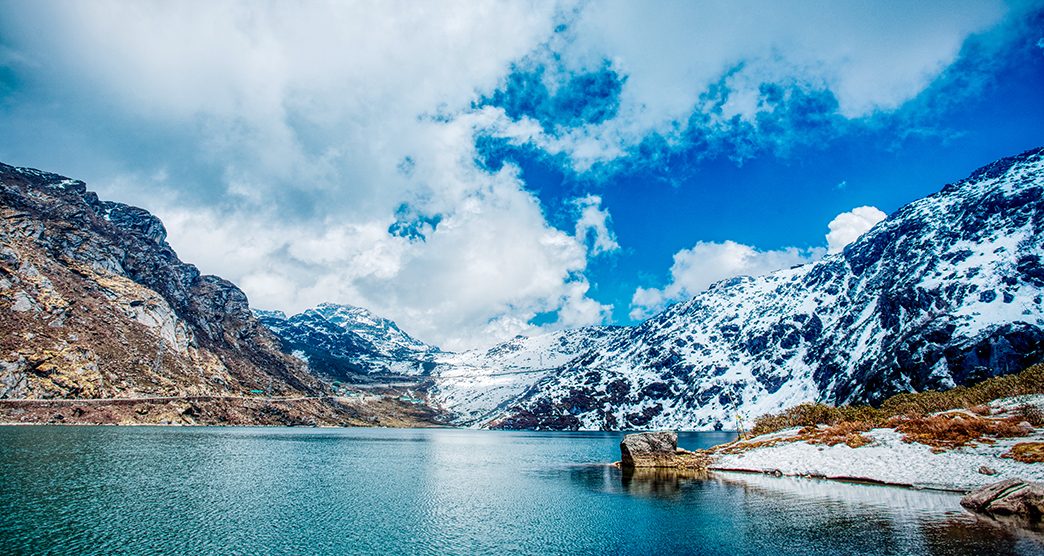
Accessibility: Tsomgo Lake is accessible by road from Gangtok, and the journey is part of the experience. The road passes through rugged mountain terrain, with waterfalls and military camps along the way. Indian nationals need a permit to visit, which can be obtained in Gangtok or arranged through tour operators. The road is generally well-maintained, though it can be temporarily closed during heavy snowfall or landslides.
Nathula Pass Area
Location: Nathula Pass, located on the Indo-China border at 4,310 meters (14,140 feet), is approximately 56 kilometers from Gangtok. While the pass itself is a major tourist attraction for its historical and geopolitical significance, yak safaris are sometimes available in the surrounding areas, particularly during summer months when the weather permits.
Why It's Special: The Nathula area offers a more rugged and adventurous yak safari experience compared to Tsomgo. The higher altitude means even more spectacular mountain vistas, and the feeling of being literally on top of the world is unparalleled. The landscape here is more dramatic – steep valleys, snow-capped peaks visible year-round, and the famous Indo-China border road. Yaks in this region are even more integral to daily life, used for transport in areas where vehicles cannot go.
Considerations: Yak safaris at Nathula are less organized and less guaranteed than at Tsomgo. The weather at this altitude is unpredictable – even on clear days in Gangtok, Nathula might be covered in clouds or experiencing snowfall. The yak availability depends on weather conditions and the presence of yak herders in the area. The safari experience here is more basic and authentic – less commercialized, but also less reliable in terms of guaranteed availability.
Nearby Tsomgo Lake Areas
Location: In the areas surrounding Tsomgo Lake, particularly along the road from Gangtok to the lake, yak safaris are sometimes available at various points. These spots are typically at lower altitudes than the lake itself and may offer different perspectives of the landscape.
Why It's Special: These intermediate locations can be excellent alternatives when Tsomgo Lake itself is crowded or when you want a longer, more varied yak safari experience. The terrain in these areas includes alpine meadows, small streams, and different mountain views. Some of these spots are less commercialized, offering a quieter, more peaceful experience. The lower altitude means slightly milder weather conditions, which can be preferable for those sensitive to cold.
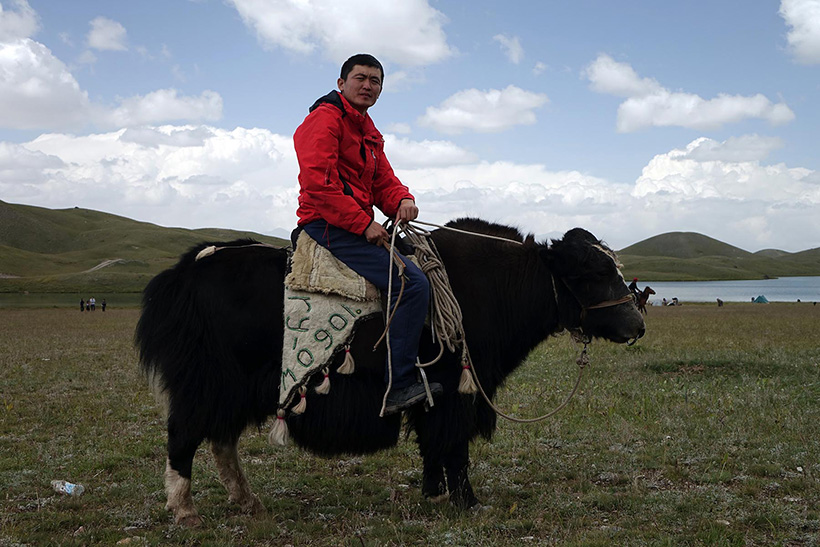
Availability: Yak safaris in these areas are more informal and depend on the presence of yak herders. The best way to find these spots is to ask locals or your driver about yak availability along the route. Some tour operators know these lesser-known locations and can arrange stops if yaks are available. The experience tends to be more spontaneous and authentic, often with fewer tourists around.
The Tsomgo Lake Yak Safari Experience
A yak safari at Tsomgo Lake is a carefully managed experience designed to be safe, enjoyable, and memorable. Understanding what to expect helps you prepare better and fully enjoy this unique adventure.
Mounting and Preparation
Meeting the Yak: When you arrive at the safari area, you'll first meet the yak that will be your companion for the ride. These animals are gentle giants, surprisingly calm despite their imposing size. The yak herders (owners) are experienced professionals who handle their animals with care and respect. Take a moment to appreciate these magnificent creatures – their thick shaggy coats, impressive horns, and the colorful decorations that adorn them for tourist rides.
Getting On: Mounting a yak requires some assistance, and the yak owner will guide you through the process. Yaks are tall animals, so there's a platform or step provided to help you get on. The yak owner will hold the animal steady while you climb. Don't worry – these yaks are well-trained and accustomed to being mounted. The key is to move smoothly and confidently, following the herder's instructions. Once you're seated, you'll find the saddle surprisingly comfortable, often padded for rider comfort.
Safety Brief: Before you set off, the yak owner will provide basic instructions. This typically includes how to sit (upright, balanced), how to hold on (there's usually a handle or strap), and what to expect during the ride. The instructions are simple and easy to follow – no special riding skills are required. The owner will ask if you have any questions, so don't hesitate to ask if anything is unclear.
The Ride
Pace and Duration: Yak safaris are leisurely affairs – there's no rushing here. A typical ride lasts between 15 to 30 minutes, covering a distance of perhaps 500 meters to 1 kilometer. The yak's natural pace is a slow, gentle walk, perfect for taking photographs and enjoying the scenery. The ride typically follows a path around the lake perimeter or through nearby meadows, offering constantly changing views of the lake and mountains.
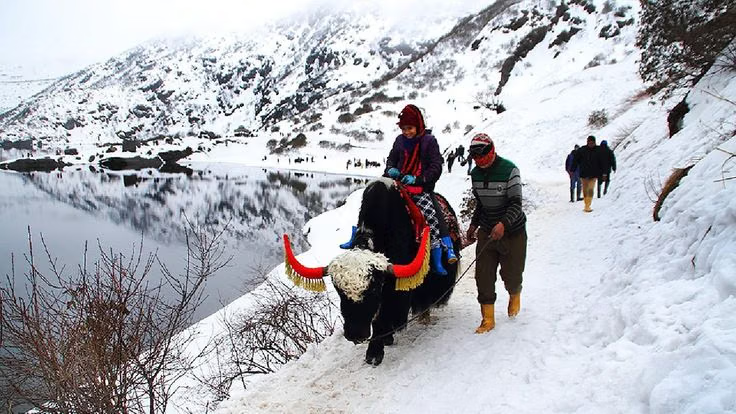
The Experience: As your yak begins to move, you'll notice the gentle, rhythmic swaying motion – quite different from a horse. Yaks have a unique gait that can feel slightly unusual at first but is actually very comfortable once you get used to it. The height advantage gives you a different perspective of the landscape, and you'll find yourself at eye level with some of the surrounding vegetation. The yak owner walks alongside, guiding the animal with gentle commands and occasional reins.
Photo Opportunities: The entire yak safari is a photographer's dream. The contrast between the yak's dark, shaggy coat and the colorful decorations, the blue lake, and the snow-capped mountains creates frame-worthy shots at every turn. The yak owner will often pause at particularly scenic spots, allowing you to take photos from the yak's back. Don't hesitate to ask for stops if you want to capture a specific view – the herders are accommodating and understand that photography is a big part of the experience.
About the Yaks
Appearance: The yaks used for safaris are typically male yaks, chosen for their size and temperament. They have massive, muscular frames covered in thick, long hair that protects them from the harsh mountain climate. Their horns are impressive curved structures that can span over a meter. For tourist rides, the yaks are decorated with colorful ribbons on their horns, bright saddles, and sometimes bells around their necks. The decorations add to the festive atmosphere and make for excellent photographs.
Behavior: Despite their somewhat intimidating appearance, yaks are gentle and calm animals. Those used for tourist safaris are specifically selected and trained for their docile nature. They're accustomed to people, cameras, and the routine of giving rides. You'll notice they're not easily spooked – they move steadily, responding to their owner's voice commands. The bond between yak and owner is evident – these animals are treated with care and respect, forming partnerships that often last for years.
Cultural Significance: Yaks are integral to Himalayan culture and economy. In traditional mountain communities, yaks are used for transport (carrying goods across difficult terrain), for their milk (which is made into butter, cheese, and other dairy products), for their meat, and even their hair is used to make ropes and textiles. The yak safari experience is a window into this traditional way of life – many of the yak herders come from families that have worked with yaks for generations. Their knowledge of these animals and the mountains is encyclopedic.
Yak Safari Pricing & Booking
Understanding the costs and booking process for yak safaris helps you plan your budget and avoid any surprises. The pricing is straightforward, but there are some nuances to be aware of.
Cost Structure
| Ride Type | Duration | Cost (INR) | What's Included |
|---|---|---|---|
| Standard Ride | 15-20 minutes | ₹300-₹400 | Yak ride, basic route, owner guidance |
| Extended Ride | 25-30 minutes | ₹500-₹700 | Longer route, scenic stops, photo opportunities |
| Photography Package | 20 minutes | ₹500-₹600 | Ride + dedicated photo stops, sometimes costume props |
| Group Ride | 15 minutes | ₹200-₹300 per person | Multiple yaks together, good for families |
Standard Ride: The most common option is the standard yak ride, costing between ₹300 to ₹400 per person. This typically lasts 15-20 minutes and covers a standard route around the lake area. The ride includes the yak, basic guidance from the owner, and the usual photo opportunities. This is the best option if you're experiencing yak safari for the first time and want to try it without committing to a longer, more expensive ride.
Extended Ride: For those who want more time with the yak and want to cover more ground, extended rides are available for ₹500-₹700. These rides last 25-30 minutes and may include scenic viewpoints or slightly different routes. The yak owner will take more time, pause for photographs at particularly beautiful spots, and might even take you through less crowded areas. This is ideal for photography enthusiasts or those who want a more immersive experience.
Photography Package: Some yak owners offer specialized photography packages for ₹500-₹600. These include dedicated stops at the most photogenic spots, and sometimes the provision of traditional costumes or props (like traditional Tibetan hats or scarves) for photos. If you're particularly interested in getting great shots, ask about this option when you arrive. The yak owners know all the best angles and backgrounds for photographs.
Group Rides: If you're traveling with family or a group, ask about group rates. Multiple yak owners often coordinate to offer rides to groups simultaneously. Group rates are typically slightly lower per person (₹200-₹300). This is great for families – everyone can ride together, and you can get fun group photos with multiple yaks.
Additional Costs to Consider
Photography Fees: Some yak owners charge separately for photography, especially if you want extensive photo stops or if you're using professional equipment. This is typically ₹50-₹100 extra. Always clarify whether photography is included in the base price before you start the ride. Casual photography with phones or basic cameras is usually included without extra charge.
Tips: While not mandatory, tipping the yak owner is appreciated if you've had a good experience. A tip of ₹20-₹50 is standard. These yak herders work in challenging conditions and depend on tourist income. If the owner has been particularly helpful – perhaps taking great photos for you, explaining things about the area, or being especially patient – a tip is a nice gesture.
Permit Costs: Remember that visiting Tsomgo Lake requires a permit for Indian nationals (and different documentation for foreign tourists). The permit itself typically costs ₹50-₹100 per person. This is separate from the yak safari cost and must be arranged before your visit. Most tour operators in Gangtok can arrange permits, or you can obtain them from the tourist information center in Gangtok.
Booking Process
On-the-Spot Booking: The vast majority of yak safaris are booked on the spot – you simply arrive at Tsomgo Lake, approach a yak owner, and arrange your ride. This system works well because availability is rarely an issue (there are plenty of yaks), and it gives you the flexibility to see the options, choose your yak, and negotiate the details directly. The yak owners are located in a designated area near the lake, making it easy to find them.
Through Tour Operators: If you're visiting Sikkim as part of an organized tour or through a travel agency, yak safaris can be pre-arranged as part of your itinerary. This has the advantage of being pre-paid and organized – you don't need to worry about arranging anything on the spot. However, pre-booked safaris are typically at fixed prices, with less room for negotiation compared to on-the-spot bookings.
Hotel Arrangements: Some hotels in Gangtok can arrange yak safaris as part of a day trip to Tsomgo Lake (often combined with Nathula Pass and Baba Mandir). This is convenient as the hotel handles all the logistics – permits, transportation, and the safari itself. The cost will be bundled into your overall tour package, making it easier but potentially slightly more expensive than organizing it independently.
Payment Methods: Cash is the primary and often only accepted payment method for yak safaris. There are no card payment facilities or digital payment options at the safari site. It's crucial to carry sufficient cash in small denominations. The yak owners may not have change for large notes, so carry smaller bills (₹100, ₹200, ₹500 notes). ATMs are available in Gangtok, but there are none at Tsomgo Lake, so plan accordingly.
Best Time for Yak Safari in Sikkim
Timing is crucial for the best yak safari experience in Sikkim. The weather in the Himalayas can be extreme and unpredictable, significantly affecting both comfort and safety during your visit.
Peak Season (March to June)
Weather Conditions: The spring and early summer months from March to June constitute the primary tourist season in Sikkim. During these months, the weather is generally pleasant and stable. Daytime temperatures at Tsomgo Lake range from 10°C to 15°C, while nights can drop to 0°C to 5°C. The lake is usually completely frozen in March and begins to thaw in April, creating beautiful scenery as the ice breaks up. While visiting Sikkim, you might also want to explore other exciting things to do in Sikkim beyond yak safaris.
Why It's Good: These months offer the most reliable conditions for yak safaris. The roads to Tsomgo Lake are open and accessible. The weather is generally clear, offering excellent visibility of the surrounding mountains. The landscape is beautiful – in spring, you might see rhododendrons and other alpine flowers blooming. As the season progresses, the lake transitions from frozen to its famous deep blue state.
Crowd Factor: This is peak tourist season, so expect crowds, especially on weekends and holidays. The yak safari area can get busy, particularly during April and May. If you prefer a quieter experience, visit on weekdays if possible. Despite the crowds, there are usually enough yaks to accommodate all visitors without long waiting times.
Post-Monsoon Season (September to November)
Weather Conditions: After the monsoon rains subside, Sikkim enters another excellent tourist season from September to November. The weather during these months is particularly stable and clear. Daytime temperatures are similar to spring (10°C to 15°C), and the skies are often remarkably clear. This period offers some of the best visibility of the year – the mountains look particularly spectacular against the blue skies.
Why It's Excellent: Many experienced travelers consider September to November the absolute best time for yak safaris. The monsoon rains have washed the landscape clean, making everything look fresh and vibrant. The lake is at its most beautiful – full, deep blue, and perfectly reflective. The air is crisp and clear, making for excellent photographs. This is also a great time for combining your yak safari with visits to other Sikkim attractions.
Festivals: If you time your visit for October or November, you might coincide with local festivals, adding cultural depth to your visit. The atmosphere in Sikkim during festival time is special, and you might see additional decorations or celebrations around Tsomgo Lake.
Winter (December to February)
Weather Conditions: Winter in Sikkim is harsh, especially at high altitudes. Daytime temperatures at Tsomgo Lake range from -5°C to 5°C, and nights can drop to -15°C or lower. The lake is partially or completely frozen depending on the month. Snowfall is common, and the area is often covered in a blanket of white.
Experience: Winter yak safaris offer a completely different and uniquely beautiful experience. The frozen lake, snow-covered landscape, and crisp mountain air create a magical winter wonderland setting. The contrast between the dark yaks and white snow is stunning. However, it's extremely cold, and you need to be very well prepared with appropriate winter gear.
Accessibility Issues: Winter brings significant challenges. Heavy snowfall can close roads temporarily, making it impossible to reach Tsomgo Lake for days at a time. The passes become dangerous, and even when roads are open, travel is slow and requires experienced drivers. Always check current road conditions before attempting a winter visit. Some years, the yak safari operations may be limited or suspended during the coldest months.
Monsoon (July to September) - AVOID
Weather Conditions: The monsoon months from July to September should be avoided for yak safaris. Sikkim receives extremely heavy rainfall during this period – Tsomgo Lake area is one of the wettest places in the region. Rain is frequent, heavy, and prolonged. Temperatures are cooler but the dampness makes it feel colder.
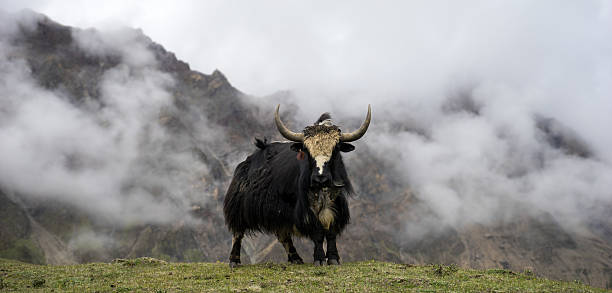
Why to Avoid: Multiple reasons make monsoon a bad time. First, the risk of landslides is very high – roads to Tsomgo Lake frequently get blocked, sometimes for days. Second, the area is covered in mist and fog for much of the time – you won't see the scenic mountain views that make the yak safari special. Third, the experience itself is miserable – constant rain makes everything wet, cold, and uncomfortable. Most importantly, safety is a concern during landslides and road blockages.
Shoulder Seasons: The very beginning of July (before peak monsoon) or late September (as monsoon recedes) might offer brief windows of opportunity, but this is unpredictable. Weather patterns vary year to year, and you'd need to check short-term forecasts carefully. Even during these shoulder periods, be prepared for rain and have flexible plans.
Best Time of Day
Regardless of the season, the time of day you choose for your yak safari significantly affects the experience.
Morning (9 AM to 11 AM): Early morning is generally the best time for yak safaris. The air is crisp and clear, the light is soft and beautiful for photography, and the lake is often calm with excellent reflections. You're also likely to encounter fewer crowds in the morning, especially if you arrive on the earlier side. The yaks are fresh and energetic in the morning. If you're visiting during peak season, definitely aim for an early morning safari.
Midday (12 PM to 2 PM): Midday brings the brightest light and warmest temperatures. This can be pleasant during cooler months, but the harsh sunlight isn't ideal for photography. The lake might be less reflective due to wind picking up. Crowds tend to be heaviest during midday as most day tours from Gangtok arrive around this time.
Afternoon (3 PM to 4 PM): Late afternoon offers softer, warmer light that's excellent for photography. The crowds often thin out as day trippers head back to Gangtok. However, keep in mind that the yak safari operations typically wind down by 4 PM or so, and you want to allow buffer time for your return journey to Gangtok before it gets dark.
How to Reach Yak Safari Locations
From Gangtok to Tsomgo Lake
Distance and Time: Tsomgo Lake is located approximately 40 kilometers from Gangtok, and the journey typically takes about 2 hours each way. The travel time can vary based on road conditions, weather, and traffic. During peak tourist season, there can be traffic congestion, especially at the permit check post and near the lake.
The Route: The road from Gangtok to Tsomgo Lake is part of the historic Gangtok-Nathula highway. The route is scenic and interesting in itself. As you leave Gangtok, you'll pass through the town's outskirts, then begin climbing into the mountains. The road is well-paved but winding, with numerous hairpin bends as it ascends. Along the way, you'll pass military camps (this is a strategically important area near the border), waterfalls, and stunning viewpoints.
Transport Options:
- Private Taxi: The most convenient option is hiring a private taxi for the day. This gives you flexibility with timing and can include stops at viewpoints along the way. Taxis can be arranged through hotels or taxi stands in Gangtok. A round trip to Tsomgo Lake typically costs ₹2,500-₹3,500 for a small car, depending on the season and your negotiating skills.
- Shared Taxi: For budget travelers, shared taxis are available from the Taxi Stand in Gangtok (near MG Marg). These leave when full (usually 4 passengers) and cost significantly less – approximately ₹300-₹500 per person for a round trip. The trade-off is less flexibility – you'll need to work with the shared taxi's schedule and make the journey with strangers.
- Organized Tour: Most hotels and tour operators in Gangtok offer organized day trips to Tsomgo Lake, often combined with Nathula Pass and Baba Mandir. These are convenient as they handle permits, transportation, and sometimes include meals. Costs range from ₹1,000-₹1,500 per person for a full day tour, including the yak safari.
Permit Requirements
Indian Nationals: Indian citizens require a permit to visit Tsomgo Lake and Nathula Pass. The permit is relatively easy to obtain and can be arranged through tour operators, hotels, or at the tourist information center in Gangtok. You'll need to provide: - Valid ID proof (Aadhar card, voter ID, or passport) - Passport-sized photographs - Details of your travel dates and vehicle information
Permits are typically issued within a day and cost ₹50-₹100 per person. The permit is usually valid for a specific date, so plan accordingly.
Foreign Nationals: Foreign tourists require a different permit called the Protected Area Permit (PAP) or Inner Line Permit. This is more complex to obtain and requires: - Valid passport with valid Indian visa - Passport-sized photographs - Usually arranged through registered tour operators - Additional processing time
Foreign tourists should arrange permits well in advance through their tour operator or the Foreigners' Registration Office in Gangtok.
Alternative Routes and Combined Trips
Most visitors to Tsomgo Lake combine their yak safari with other nearby attractions to make the most of the journey.
Nathula Pass: Located approximately 18 kilometers beyond Tsomgo Lake, Nathula Pass is a major attraction. It's one of the three open trading border posts between India and China and sits at 4,310 meters. Many day tours include Tsomgo Lake and Nathula Pass in the same itinerary. If you're planning to visit both, do Nathula first (arrive early morning), then Tsomgo Lake for your yak safari – this helps avoid the worst crowds at both places.
Baba Mandir: Located between Tsomgo Lake and Nathula Pass, Baba Harbhajan Singh Mandir is a shrine dedicated to an Indian army soldier. It's an important pilgrimage site and offers insight into the region's military history. The temple is set in a beautiful location and makes for an interesting stop alongside your yak safari.
Travel Tips for Yak Safari
These practical tips will help you have a safe, comfortable, and enjoyable yak safari experience in Sikkim.
Altitude Preparation
Acclimatization: Tsomgo Lake is at a high altitude (3,753 meters), and altitude sickness is a real concern. If you're coming from sea level or lower altitudes, it's crucial to spend at least 1-2 days in Gangtok (altitude 1,650 meters) to acclimatize before attempting the trip to Tsomgo. Don't rush directly to high altitude – give your body time to adjust. This preparation is similar to what's recommended for high-altitude destinations in Ladakh, where acclimatization is equally important.
Symptoms to Watch: Be aware of altitude sickness symptoms: headache, nausea, dizziness, shortness of breath, and fatigue. If you experience these symptoms at Tsomgo, descend to Gangtok immediately – don't attempt the yak safari. The yak ride itself is gentle, but the altitude is what causes issues. carrying medication for altitude sickness (consult your doctor before travel) is recommended.
Hydration: Drink plenty of water in the days leading up to your visit and during your trip to Tsomgo. Altitude causes dehydration, which worsens altitude sickness symptoms. Avoid alcohol and excessive caffeine – these can contribute to dehydration.
Clothing and Gear
Layering is Key: Weather at Tsomgo Lake can be unpredictable and varies significantly by season. The key to comfort is layering: - Base layer: Thermal or moisture-wicking material - Middle layer: Fleece or wool sweater for insulation - Outer layer: Windproof and waterproof jacket Even in summer, temperatures can be cool, especially with wind chill. In winter, you'll need heavy woolen clothing and possibly multiple layers.
Essential Items: - Warm hat and gloves (crucial in winter, useful even in summer) - Sunglasses with UV protection (the sun is stronger at altitude) - Sunscreen (you can burn even when it feels cold) - Lip balm with sun protection - Comfortable, closed shoes with good grip (terrain can be uneven) - Rain jacket or poncho (weather can change quickly)
What NOT to Wear: - Avoid cotton clothing – it gets cold when wet and doesn't insulate well - Don't wear heavy boots that are difficult to put on/take off (you may need to remove shoes for mounting) - Avoid expensive or delicate clothing – it can get dirty during the safari
Health and Safety
Motion Sickness: The road from Gangtok to Tsomgo Lake has many hairpin bends. If you're prone to motion sickness, take medication before the journey. Sit in the front seat if possible, keep your eyes on the horizon, and avoid reading or looking at your phone during the drive.
Sun Protection: At high altitude, UV radiation is significantly stronger. Even on cloudy days, you can get sunburned. Apply sunscreen generously to all exposed skin, wear sunglasses, and consider wearing a hat or scarf for additional protection.
Weather Preparation: Mountain weather can change rapidly – a clear morning can turn cloudy and windy by afternoon. Always carry extra layers, even if the weather looks good when you start. A waterproof layer is particularly important as sudden showers are possible.
Footwear: Wear sturdy, comfortable shoes with good grip. The ground around Tsomgo Lake can be uneven, rocky, or muddy depending on the season. You don't want to slip while mounting or dismounting the yak. Avoid flip-flops or sandals – closed shoes are much safer.
Responsible Tourism
Animal Welfare: Yaks are living creatures deserving of respect and kindness. Always follow the yak owner's instructions when interacting with the animal. Don't pull the yak's hair, tail, or decorations. Avoid making loud noises that might startle the animal. If you notice any signs of distress or poor treatment, politely decline and choose a different yak owner. Responsible tourism supports operators who treat their animals well.
Environmental Responsibility: Tsomgo Lake is a fragile alpine ecosystem. Don't litter – carry all your trash back with you. Avoid plucking flowers or disturbing plants. Stay on designated paths rather than trampling fragile alpine vegetation. The lake is considered sacred by locals – treat it with respect.
Supporting Locals: The yak safari trade provides important income for local communities. When you pay for a safari, you're supporting traditional livelihoods. Consider also purchasing small handicrafts or snacks from local vendors. If you've had a great experience, a tip to the yak owner is appropriate and appreciated.
Photography Tips
Camera Protection: If you're carrying a camera, protect it from the cold. Batteries drain faster in cold weather – keep spare batteries warm in an inside pocket. Consider using a weather-resistant camera or camera bag, as weather can change quickly.
Best Angles: Don't just take photos from the yak's back – dismount and get different perspectives. Shots of the yak against the lake, close-ups of the decorated yak, and wide-angle landscape photos all add variety to your album. The yak owner can often suggest the best photo spots.
Lighting: Early morning and late afternoon light is most flattering. Midday sun can be harsh and create strong shadows. If you're serious about photography, time your safari for golden hour (just after sunrise or before sunset).
Making the Most of Your Visit
Combine Attractions: As mentioned earlier, combine your yak safari with Nathula Pass and Baba Mandir for a full day experience. This makes the long drive worthwhile and gives you a comprehensive tour of the region. For those planning to explore more of Northeast India, consider reading about adventure sports in Shillong, which offers another exciting perspective on the region's outdoor activities.
Local Food: Try local momos (dumplings) and thukpa (noodle soup) at small eateries near the lake. These hot, nourishing dishes are perfect for the cold mountain weather and give you a taste of local cuisine.
Interact with Locals: The yak herders and other locals are often friendly and willing to share stories about their lives, the mountains, and their yaks. Showing genuine interest in their culture and work enriches your experience and builds connections.
Flexibility: Mountain travel requires flexibility. Weather, road conditions, or permits might not cooperate with your plans. Have buffer days in your itinerary and be willing to adjust plans if needed. Sometimes the most memorable experiences come from unexpected changes in plans.
A yak safari in Sikkim is more than just a tourist activity – it's an immersion into Himalayan culture, a connection with magnificent animals, and an encounter with some of India's most spectacular mountain scenery. Whether you're capturing frame-worthy photographs, enjoying the gentle rhythm of the yak's gait, or simply breathing in the crisp mountain air, this is an experience that stays with you long after you've returned home. The combination of natural beauty, cultural authenticity, and gentle adventure makes yak safaris in Sikkim a must-do experience for any visitor to this beautiful Himalayan state.
Location
Frequently Asked Questions
Q1.Where can we do Yak Safari in Sikkim?
Q2.What is the cost of Yak Safari in Sikkim?
Q3.What is the best time for Yak Safari in Sikkim?
Q4.How to reach Yak Safari locations from Gangtok?
Q5.Is Yak Safari safe in Sikkim?
Q6.How long does a Yak Safari take?
Q7.Can children do Yak Safari?
Q8.What should we wear for Yak Safari in Sikkim?
Recommended For You
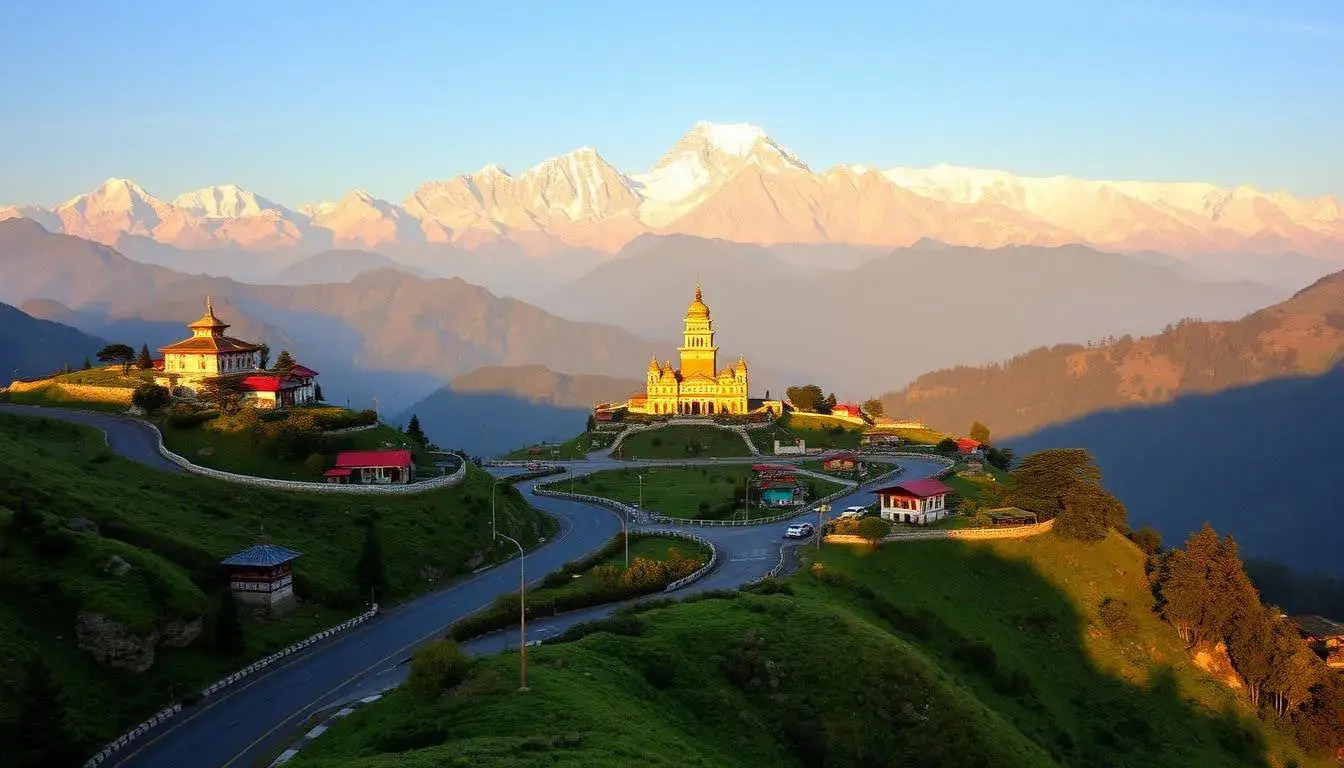
Gangtok: Complete Travel Plan Places And Weather
Complete Gangtok travel guide with top attractions, best time to visit, 3-5 day itineraries, budget breakdown, transport options, and practical travel tips for exploring Sikkim's capital.
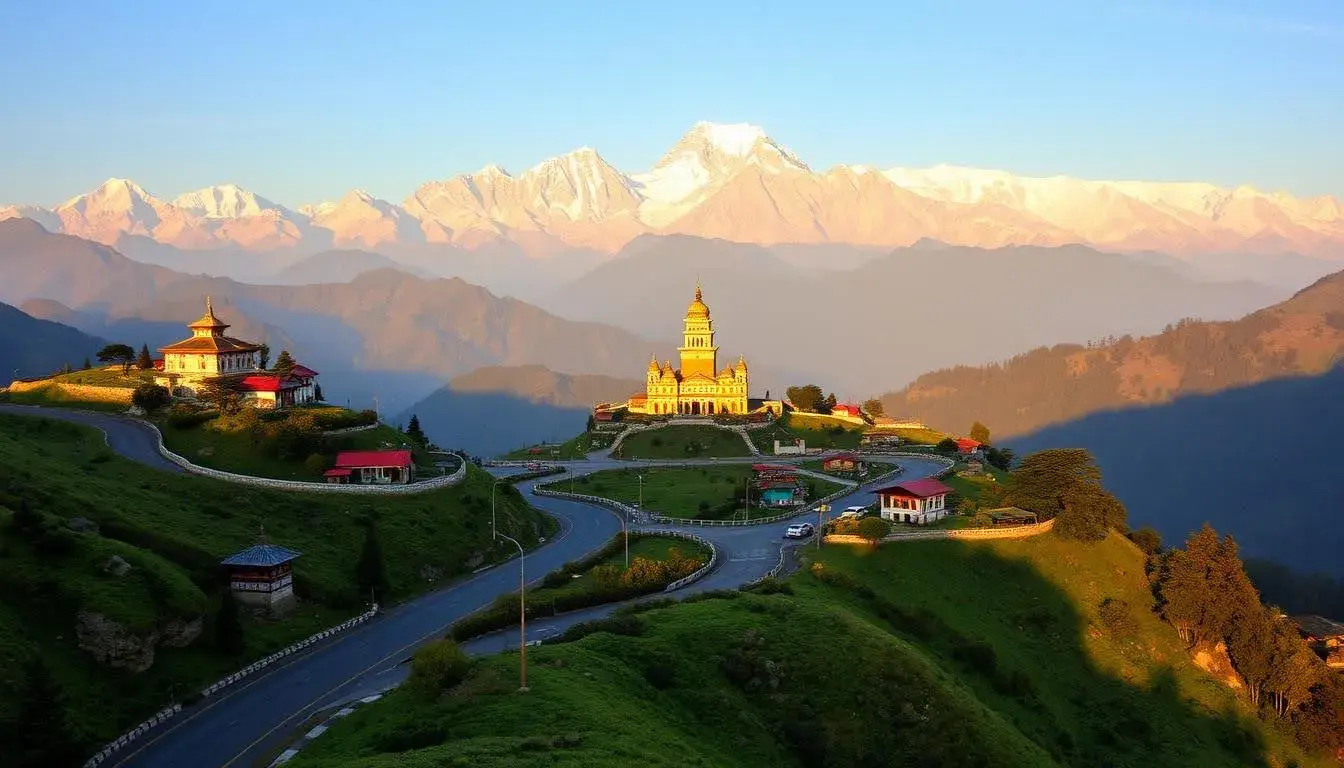
15 Best Places to Visit in Gangtok: Monasteries, Lakes & Ropeways
Explore the best places to visit in Gangtok including Tsomgo Lake, Nathula Pass, Rumtek Monastery, MG Marg, and practical permit-aware travel tips.
Punakha Bhutan: Dzong, Suspension Bridge & Valley Highlights
Plan Punakha Bhutan with Dzong, suspension bridge, temple stops, best season tips, and practical route planning for a smooth valley trip.
Never Miss an Adventure
Get the latest trekking guides, travel tips, and exclusive offers delivered straight to your inbox.
