
Things to Do in Thailand: Best Experiences, Itinerary Logic, and Practical Travel Planning

Neha Kapoor
February 26, 2026
Discover top things to do in Thailand with practical itinerary logic, budget planning, and balanced city-island-cultural route strategy.
Why Thailand Works for Every Travel Style
Thailand remains one of the most versatile destinations in Asia because it combines city culture, island leisure, food diversity, nightlife, and adventure in one accessible circuit. Whether you are planning a family holiday, solo backpacking route, or a premium resort itinerary, Thailand offers enough variety to build a high-value trip without excessive complexity.
To structure your route properly, align this guide with places to visit in Thailand with family, culinary planning from food in Thailand, evening activity context in nightlife in Thailand, and market strategy from shopping in Thailand. These references cover the four main pillars most travelers use to plan.
Top Thailand Experiences You Should Not Miss
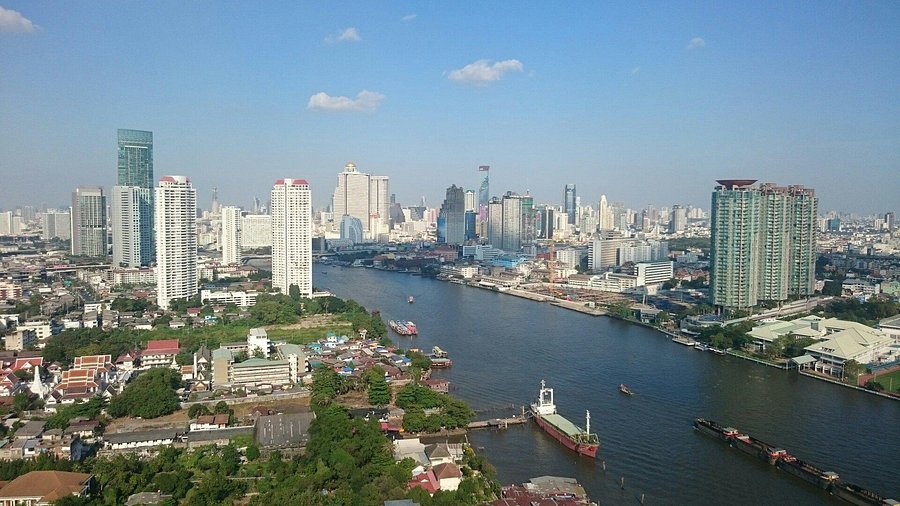
Start in Bangkok for temples, riverfront areas, markets, and modern city districts. Then choose your island or beach zone based on trip goals: relaxed beach stay, water activities, or social nightlife. Add one cultural or nature-heavy destination in the north or interior to balance the itinerary.
The best Thailand trips combine at least three experience types: urban exploration, coastal relaxation, and local culture. This mix reduces travel fatigue and keeps the journey dynamic.
How to Build a Practical 7-10 Day Thailand Plan
A practical 7-day route can include Bangkok plus one island base. A 10-day route can add a second regional contrast such as northern heritage towns or an additional coastal destination. Keep transfer days realistic, especially when combining flights, ferries, and road travel.
Avoid overpacking islands in a short plan. Two strong bases usually deliver a better experience than four rushed stops with constant check-ins and check-outs.
Best Activity Categories in Thailand
Culture and Temples: Historic temple complexes, neighborhood shrines, and traditional city districts offer context beyond beach tourism.
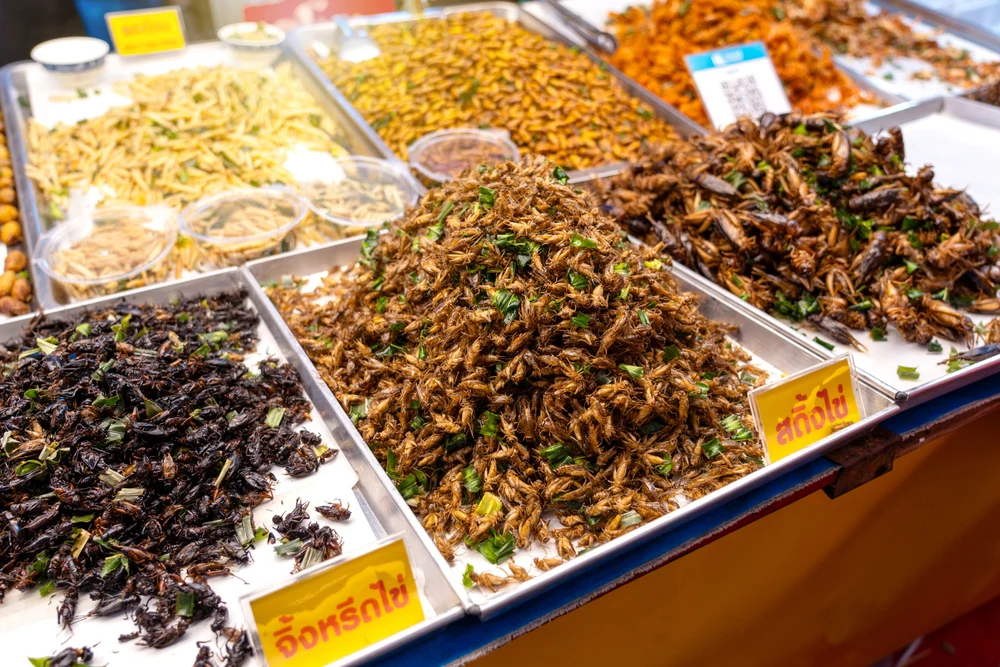
Food and Street Markets: Thailand’s food scene is a major reason travelers return. Night markets and local dining zones provide both value and authenticity.
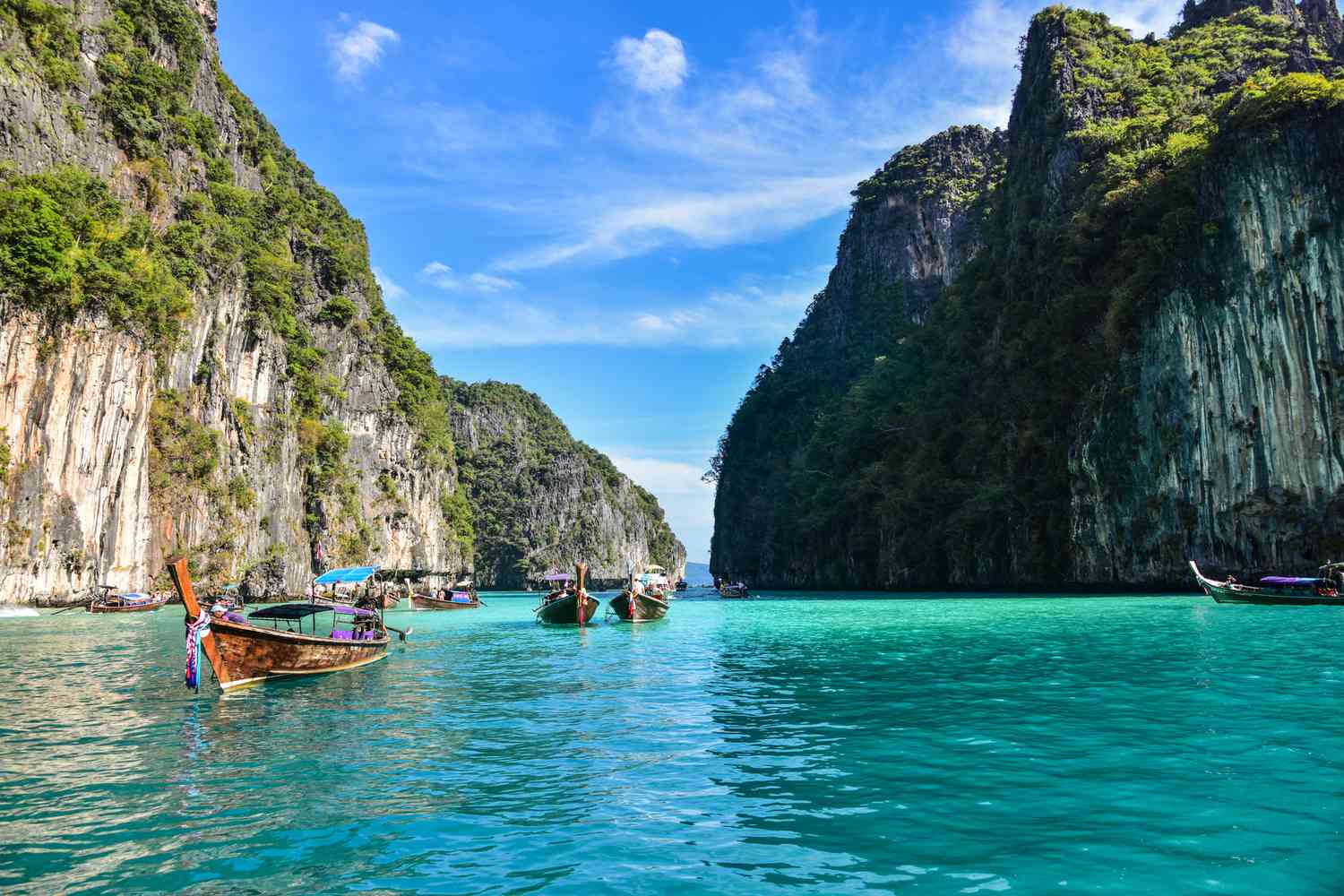
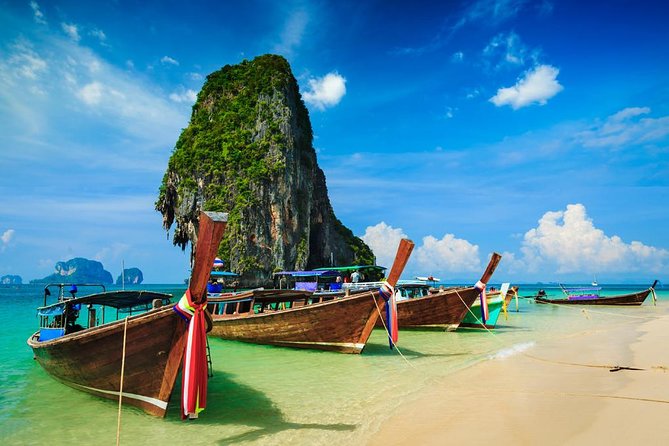
Beaches and Island Tours: Island routes work best when aligned to your pace, budget, and tolerance for crowds.
Adventure and Water Sports: Snorkeling, diving, island hopping, and selected cliff or jungle activities are popular with younger and repeat travelers.
When to Visit Thailand for the Best Experience
Weather patterns vary by region, but cooler and drier months are generally preferred for first-time travelers. Shoulder months can offer better value with manageable weather in many areas. Monsoon windows may still work for budget travelers, but route flexibility is important.
If your focus is beaches and island movement, always verify local sea conditions and ferry reliability before locking activity-heavy days.
Budget Planning: Where Travelers Overspend
Most overspending happens in transport fragmentation, last-minute island bookings, and unplanned premium activities. You can control costs by booking core transfers early and leaving only flexible day tours open. Dining at local high-turnover places often delivers better quality-to-price outcomes than tourist-heavy zones.
Use one clear daily budget range for stay, meals, transport, and activities. This keeps spending visible and prevents impulsive booking stress during the trip.
Safety and On-Ground Discipline
Thailand is traveler-friendly, but practical safety still matters. Choose licensed activity operators, verify pickup details, and avoid unverified transport offers late at night. Keep digital and physical copies of key documents, especially when moving between cities and islands.
Hydration, sun protection, and realistic pacing are essential in tropical conditions. Many itinerary failures come from heat exhaustion and back-to-back high-intensity days.
How to Choose Between Bangkok, Islands, and North Thailand
If this is your first trip, start with Bangkok plus one island destination. If you are a repeat traveler, add north Thailand for cultural depth and slower pace. Families often benefit from fewer transfers and longer stays in each base, while younger groups may prioritize nightlife and adventure clusters.
Your route should reflect energy profile, not social media trends. A simpler plan with better execution almost always performs better than an overloaded itinerary.
Sample Experience Stack for First-Time Travelers
Day 1-2: Bangkok temples, markets, and riverfront exploration.
Day 3-5: Beach or island base with one day tour and one slow day.
Day 6-7: Food, shopping, and curated cultural activities before departure.
This model provides variety while remaining logistically manageable for most travelers.

How to Personalize Thailand Activities by Travel Goal
If your goal is culture-first travel, prioritize temple districts, heritage neighborhoods, and local craft markets in city bases. If your goal is recovery and leisure, choose one island stay with fewer transfers and build slow mornings into your plan. If your goal is social travel, focus on nightlife zones and activity clusters where evening movement is easy and safe. Thailand works best when activities match your actual travel energy instead of generic list pressure.
This personalization prevents itinerary fatigue and helps each day feel intentional rather than reactive.
Smart Booking Order for Thailand Trips
Book long-distance transport and primary stays first, then lock high-priority activities with limited capacity. Leave one flexible slot every two to three days for weather changes, local recommendations, or recovery. Travelers who prebook every hour often lose value when conditions shift, while those with zero prebooking can face price spikes in high-demand periods.
A balanced booking order protects both budget and flexibility. It also makes on-ground decision-making faster when schedules change unexpectedly.
Food Strategy Beyond Tourist Hotspots
Thailand’s strongest food experiences are often outside heavily promoted strips. Use high-turnover local dining spots near markets and transit zones for better quality consistency. Keep one curated dining experience for special nights, but build most meals around practical local options. This not only controls budget but also improves authenticity.
For sensitive stomachs, start with moderate spice levels and hydrate aggressively in hot weather. Good food pacing helps maintain travel stamina across active days.
Island-Day Planning That Avoids Burnout
Island routes fail when every day becomes a tour day. Keep at least one no-tour day after a high-intensity excursion. A practical pattern is one exploration day, one lighter beach or town day, then one optional activity day. This rhythm improves enjoyment and reduces exhaustion-related overspending.
Also check sea conditions daily before boat-based activity. Flexibility is essential for both comfort and safety on coastal routes.
How to Leave Thailand With a Better Experience Record
At the end of each day, record what worked and what did not: transport reliability, crowd levels, activity quality, and local tips. This simple log improves real-time decisions for the remaining days and becomes useful for future trips. Thailand is highly repeatable, so learning from each visit increases value over time.
When your plan is balanced and documented, Thailand delivers not just a good holiday but a reliable long-term destination template for future travel seasons.
Keep your final day light with one high-value activity and enough airport transfer buffer. Ending with low-stress planning helps protect the overall quality of the trip.
A calm final day also improves departure reliability during high-traffic travel windows.
It also gives time to shop or eat without rushing.
That extra margin keeps checkout, transfers, and final activities smoother.
Conclusion
The best things to do in Thailand depend on how well your itinerary balances city, coast, culture, and recovery time. Build a route around two or three strong bases, keep transport realistic, and choose experiences that match your travel style. With this structure, Thailand delivers one of the most rewarding and repeat-worthy travel experiences in Asia.
Location
Frequently Asked Questions
Q1.How many days are enough for a first Thailand trip?
Q2.Is Thailand good for family and solo travel both?
Q3.What is the biggest itinerary mistake in Thailand?
Q4.Can I do Thailand on a controlled budget?
Q5.Which activities should first-time travelers prioritize?
Recommended For You
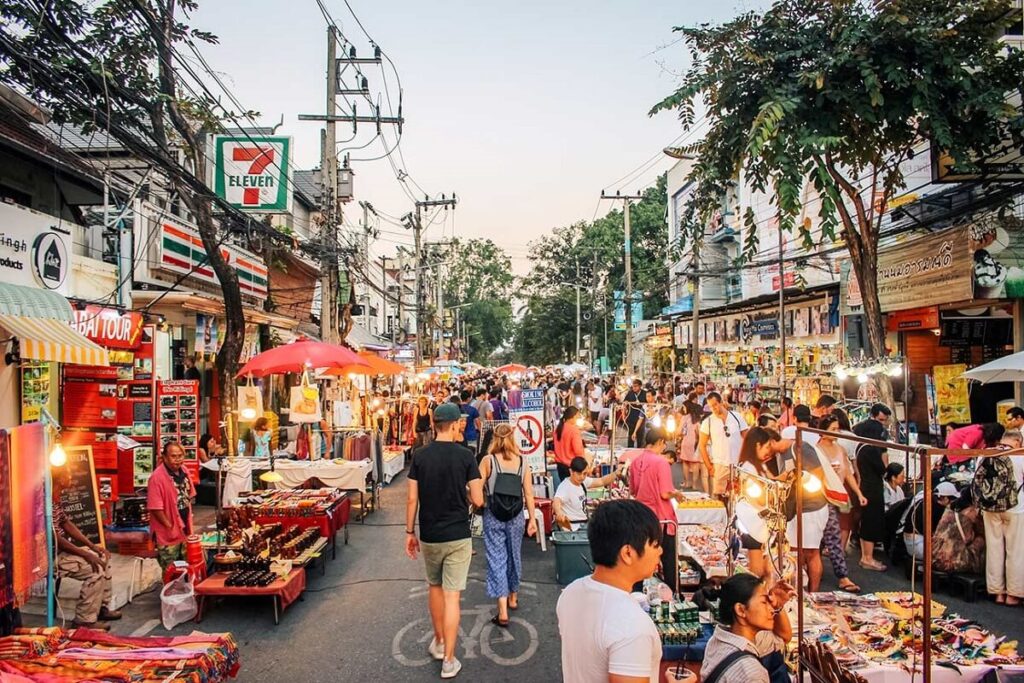
Shopping in Thailand: Bangkok Markets, Night Bazaars & Mall Deals
Discover best shopping in Thailand. From Bangkok malls to floating markets, explore Thai silk, handicrafts & bargaining tips.

Thailand Cities to Visit: Top 10 Places & Itinerary
Discover the best Thailand cities to visit with practical itinerary combinations, city highlights, trip duration advice, and budget planning tips for first-timers.
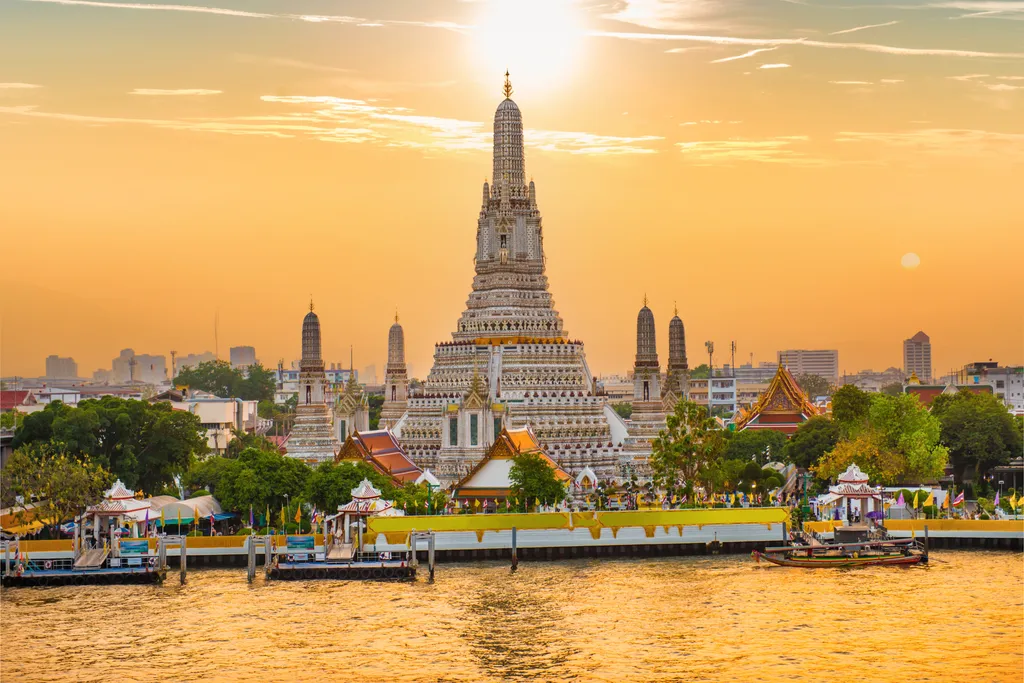
Why Thailand is Famous: Top Reasons
Discover why Thailand is famous for tourism. Beaches, food, culture, temples, nightlife, shopping & complete guide to what makes Thailand incredible.
Never Miss an Adventure
Get the latest trekking guides, travel tips, and exclusive offers delivered straight to your inbox.
