
15 Best Things to Do in Warangal: Forts, Temples & Local Experiences

Ananya Sharma
November 22, 2025
Explore top things to do in Warangal from Warangal Fort to Thousand Pillar Temple. Complete travel guide covering heritage, nature & spiritual sites.
Things to Do in Warangal: Heritage, Temples, Lakes, and Local Culture
Warangal is one of Telangana’s most important heritage cities, known for Kakatiya-era architecture, temple traditions, and historic landmarks that still define its identity. If you are searching for things to do in Warangal, this destination works best for travelers who enjoy history, spiritual stops, and short cultural road trips from Hyderabad and nearby regions.
This guide helps you plan Warangal in a practical way: top attractions, route sequencing, day-trip possibilities, best time to visit, and how many days are enough. If your itinerary includes coastal city contrast, pair this with things to do in Visakhapatnam.
Warangal Fort: Start Here
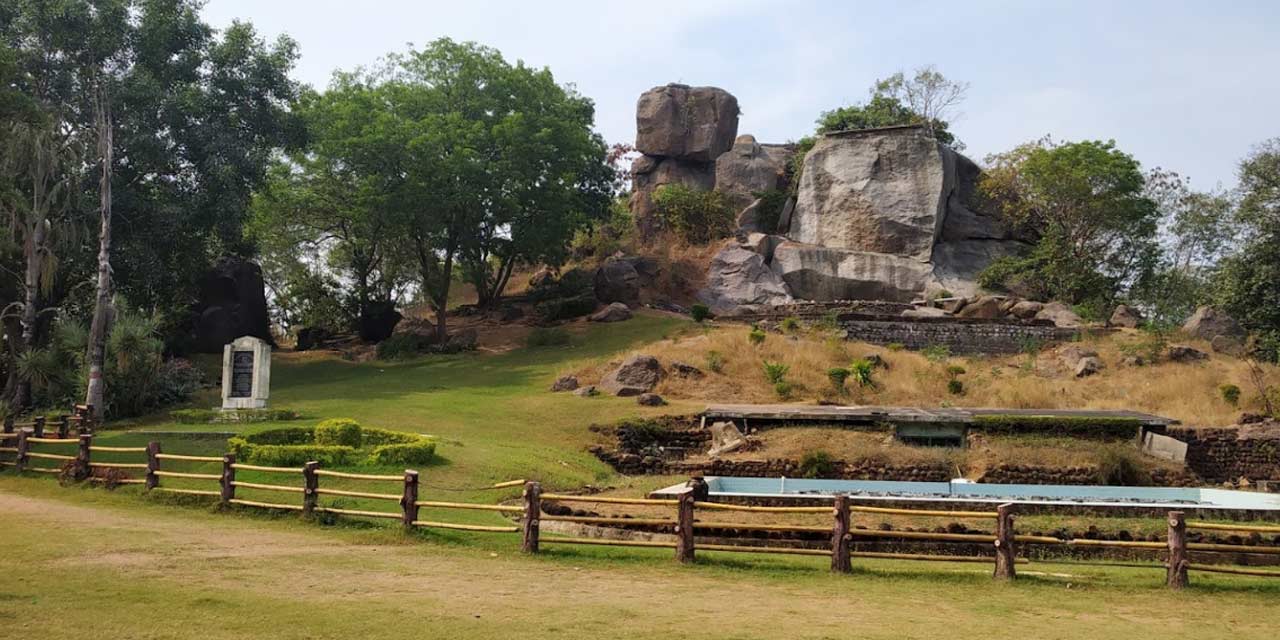
Warangal Fort is the city’s signature historical site and should be your first stop. The site offers strong insight into Kakatiya design language and regional history. Allocate enough time for walking and observation rather than a quick photo pass. Morning visits are better for weather and lower crowds.
History lovers should keep a guide or pre-read context to appreciate details that casual visitors may miss.
Thousand Pillar Temple
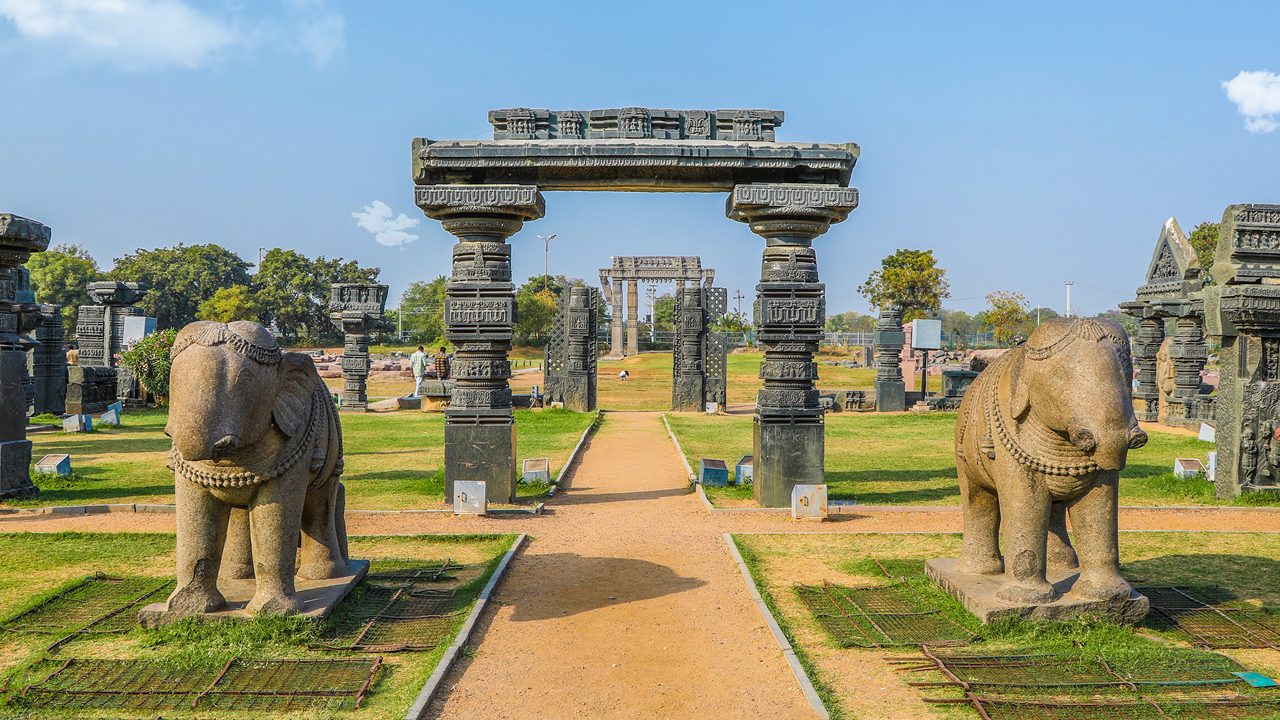
This iconic temple is one of the most important places to visit in Warangal. It combines devotional significance with architectural artistry. Visit respectfully, check local timings, and avoid rushed entry-exit movement if you want to absorb the site properly.
Temple routes in Warangal are often best done in morning slots, with heritage or lake stops planned for later in the day.
Bhadrakali Temple and Spiritual Circuit
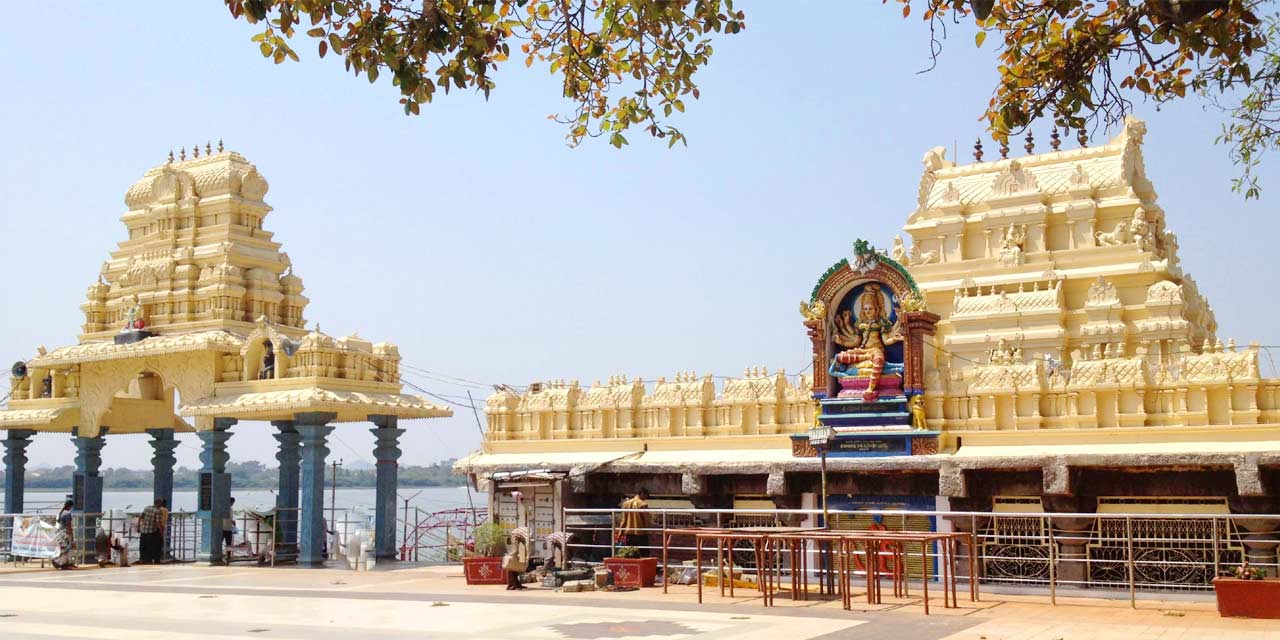
Bhadrakali Temple is a major spiritual landmark and a high-value inclusion for pilgrims and culture travelers. The temple setting and local devotion patterns provide both spiritual and social context for understanding Warangal beyond monuments.
If you are planning temple-heavy routes, keep transport and crowd windows in mind, especially during festival periods.
Ramappa Temple Excursion (Highly Recommended)
Ramappa Temple, associated with Kakatiya heritage, is one of the strongest add-ons from Warangal region and often a highlight for architecture enthusiasts. If included, treat it as a planned half-day or full-day extension, not a rushed side stop.
Start early and combine with one nearby nature stop for a balanced day.
Lakes and Nature Around Warangal
Warangal is not only monuments and temples. Lake zones and natural pockets provide useful pace breaks between heritage sessions. These are especially valuable for families and photographers who want varied visual experiences in one trip.
Late afternoon lake visits often provide better atmosphere and softer light.
Museums and Cultural Context
Include at least one museum or interpretive cultural stop if you want deeper understanding of Kakatiya-era history. This improves the meaning of site visits and helps connect architectural details with historical narrative.
For travelers who enjoy state-history circuits, Warangal pairs well with inland cultural routes rather than only leisure destinations.
Local Food and Market Experiences
Warangal offers local Telangana flavors that are best explored through trusted regional eateries and evening market belts. Keep food exploration practical: align it with your route rather than forcing long detours. A short evening food walk can be a great trip closer after monument-heavy day schedules.
If you enjoy slow cultural immersion, include one unstructured local market hour in your plan.
How Many Days Are Enough for Warangal?
One day: Fort + major temple circuit + evening local stop.
Two days: Add Ramappa side and calmer heritage pace.
Three days: Deep heritage + cultural + nearby regional exploration.
For most travelers, 1-2 days are sufficient unless you are on a dedicated history-focused itinerary.
Suggested 2-Day Itinerary
Day 1: Warangal Fort, Thousand Pillar Temple, Bhadrakali Temple, evening market.
Day 2: Ramappa excursion, lake-side stop, return.
This structure balances history, spirituality, and travel comfort.
Best Time to Visit Warangal
Cooler months are generally most comfortable for fort and temple walks. Summer visits require early starts and midday rest windows. Monsoon can add visual freshness but may affect movement pace in some sections.
Regardless of season, plan outdoor heritage visits in early morning whenever possible.
How to Reach Warangal
Warangal is well connected from Hyderabad and other Telangana hubs by road and rail. For short trips, early departure and same-day return are possible, but overnight stays provide better pacing and less fatigue if you include multiple sites.
Families and senior travelers often benefit from one-night stay instead of rushed full-day loops.
Travel Tips for Better Warangal Experience
1. Start early for heritage-heavy days.
2. Keep hydration and sun protection ready.
3. Use modest attire for temple circuits.
4. Keep one flexible slot for local recommendations.
5. Avoid overpacking too many distant stops.
Simple pacing choices make the trip much more enjoyable.
Budget and Planning Notes
Warangal is generally budget-friendly compared to larger metros. Your main costs are transport, accommodation (if staying), and food. Heritage site access is usually manageable, so route efficiency is the bigger cost saver.
Group trips can reduce transport cost significantly. Solo travelers should prioritize centrally connected stays for easier movement.
Who Should Visit Warangal?
Warangal is ideal for history enthusiasts, temple travelers, architecture lovers, and weekend cultural explorers. It may feel less suitable for those seeking nightlife-heavy urban experiences. If that is your style, combine Warangal with a larger city leg for contrast.
Final Recommendation
The best things to do in Warangal revolve around Kakatiya heritage depth, temple routes, and culturally rich pacing. Keep your itinerary focused, avoid rushed movement, and include at least one historical deep-dive stop beyond headline attractions.
For a wider itinerary across spiritual and heritage destinations, combine this with Triveni Sangam Prayagraj and city-break options from places near Bangalore to build a balanced travel calendar.
Warangal as a Weekend Trip from Hyderabad
Warangal is one of the most practical heritage weekend trips from Hyderabad. The route is manageable, and major attractions can be covered in one or two days with proper sequencing. For a one-day run, focus on fort + temple core. For two days, add Ramappa side and local cultural time. This approach gives depth without rush.
Start early, keep lunch aligned with transition windows, and return before late-night fatigue if doing same-day travel.
Warangal for History-Focused Travelers
History enthusiasts should allocate more time at fewer sites instead of fast-moving through many points. Warangal Fort and Thousand Pillar Temple both reward slow observation. Bring contextual reading or local guide support for better understanding of Kakatiya craftsmanship and political history.
Short, informed site sessions are more valuable than high-count, low-context visits.
Warangal for Families and Cultural Learners
Families can combine monuments with lakes and market experiences to keep the trip balanced. Children often engage better when historical visits are followed by open-space breaks. Keep hydration support and weather-friendly clothing ready, especially in warmer months. A structured but calm day plan works best.
Warangal is also suitable for educational travel groups because of its architecture and civilizational context.
Best Time Blocks for Sightseeing
Morning: major fort/temple exploration.
Midday: meal and low-walk segment.
Late afternoon: lake or secondary site.
Evening: market and local food walk.
This block approach protects you from heat and improves site attention quality.
Final Practical Checklist
1. Keep footwear suitable for monument walking.
2. Carry sun protection and water.
3. Confirm temple timings before departure.
4. Keep one buffer stop, not five optional stops.
5. Respect heritage structures and local rituals.
With these basics, Warangal becomes a deeply rewarding cultural trip.
Warangal and Local Storytelling Value
Warangal becomes far more engaging when you connect monuments with local narratives about the Kakatiya period. Even short guided context can transform plain ruins into meaningful historical spaces.
Keep 20-30 minutes at each major site for observation instead of quick in-and-out stops. Depth is Warangal’s true value.
Warangal One-Day Fast Route (If Time Is Limited)
Early morning fort visit, mid-morning temple circuit, lunch break, late-afternoon secondary site, and evening local market is the most reliable one-day template. This avoids midday fatigue and still covers top heritage anchors.
Heritage Traveler Tip
Carry brief historical notes on Kakatiya architecture before your visit. This context makes every site in Warangal more meaningful and memorable.
If you are extending your Telangana trip, pairing Warangal's Kakatiya heritage with the older monument traditions covered in historical places in India gives useful comparative context.
Location
Frequently Asked Questions
Q1.Is Warangal worth visiting?
Q2.How many days are needed for Warangal?
Q3.What is Warangal famous for?
Q4.Who built Warangal Fort?
Q5.What is special about Thousand Pillar Temple?
Q6.What is the distance from Hyderabad to Warangal?
Q7.What is the best time to visit Warangal?
Q8.How to reach Warangal?
Recommended For You
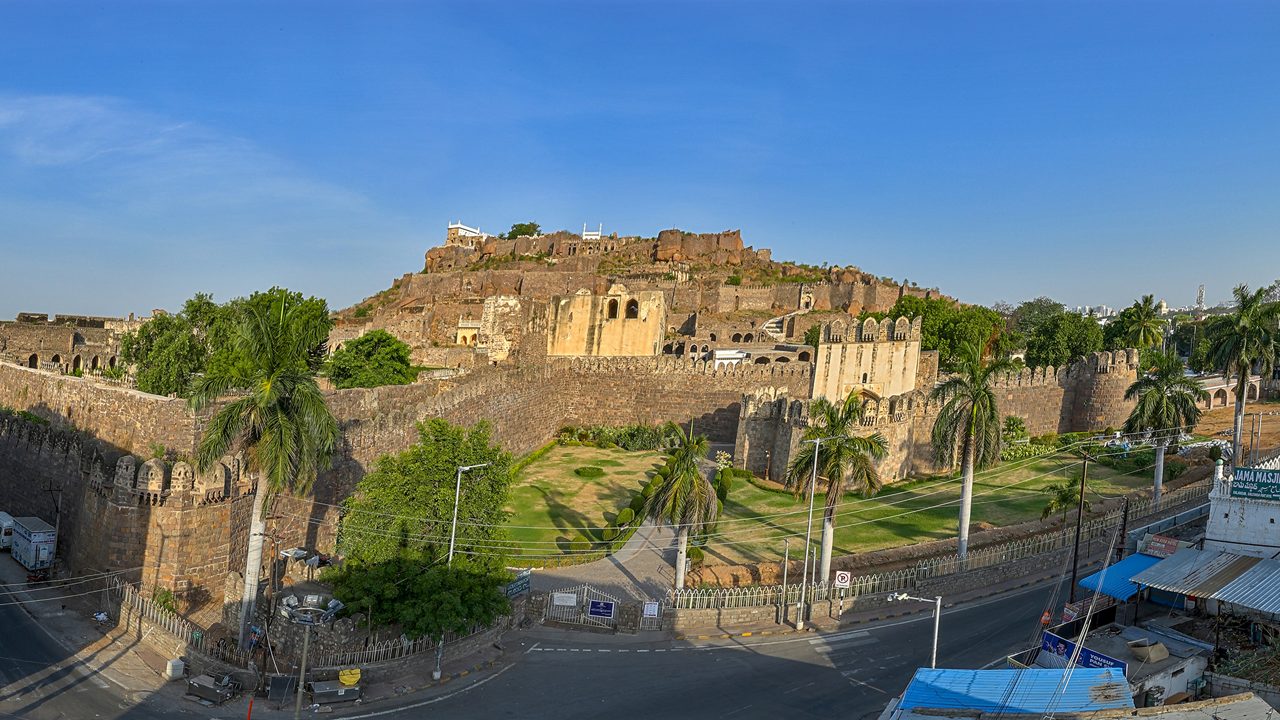
Golconda Fort Hyderabad Guide: Timings, History & Entry Fee
Explore Golconda Fort Hyderabad: Qutb Shahi masterpiece with famous acoustics, diamond trade history & stunning architecture. Complete guide with timings, fees & tips.
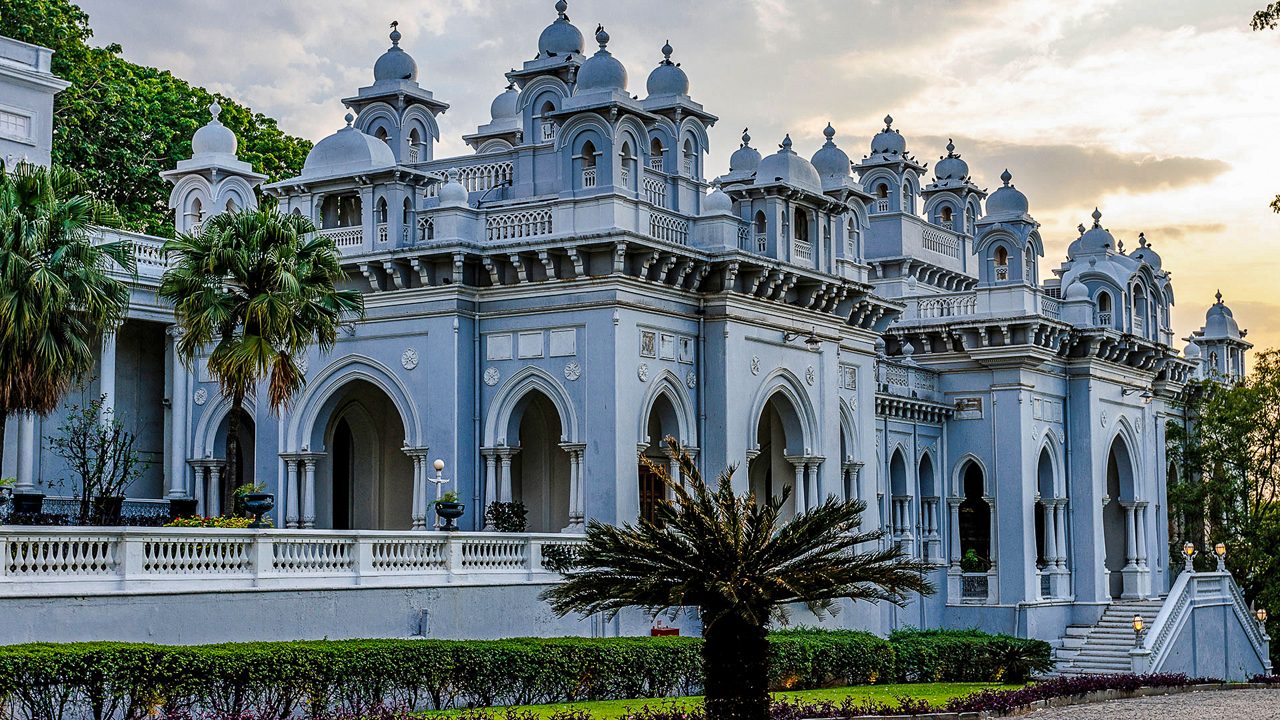
Historical Places in Hyderabad: Top 20 Heritage Sites
Discover best historical places in Hyderabad! Find Charminar, Golconda Fort, Qutub Shahi tombs, and complete heritage guide.
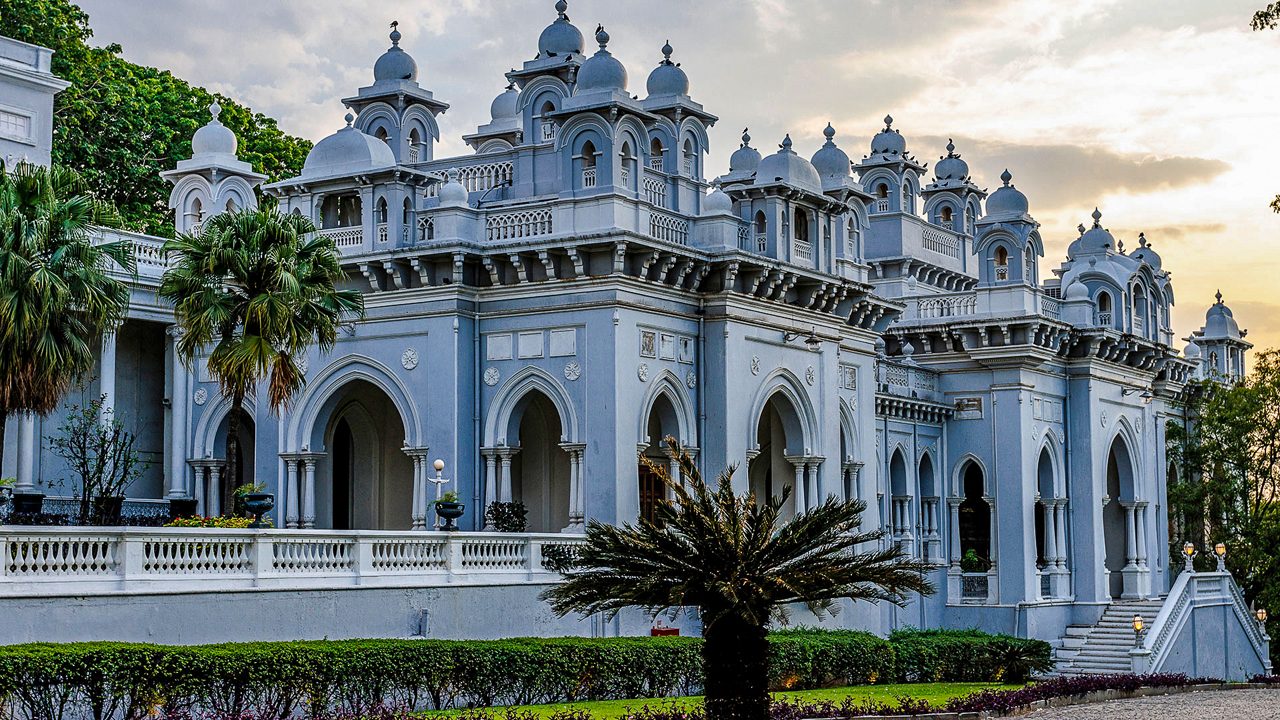
Best Places to Visit in Hyderabad: Heritage Sites, Food & City Icons
Discover the best places to visit in Hyderabad including Charminar, Golconda Fort, Ramoji Film City, Salar Jung Museum, and practical itinerary tips.
Never Miss an Adventure
Get the latest trekking guides, travel tips, and exclusive offers delivered straight to your inbox.
