

Triveni Sangam Prayagraj: Best Time, Boat Rides & Ritual Info

Ananya Sharma
February 1, 2026
Plan a Triveni Sangam Prayagraj visit with sacred bath timing, boat ride details, rituals, and practical travel guidance.
Triveni Sangam Prayagraj: Complete Visit and Spiritual Planning Guide
Triveni Sangam in Prayagraj is one of India’s most sacred confluences, where the Ganga and Yamuna are visibly believed to meet along with the spiritually revered Saraswati. For pilgrims, this is a deeply devotional destination. For cultural travelers, it is a powerful place to witness India’s living spiritual traditions in daily practice. If you are planning a visit, route timing, ritual awareness, and local logistics can greatly improve your experience.
This guide covers religious significance, best visit time, boat experience, practical planning, and nearby attractions in one easy flow. If you are building a broader heritage route, you can pair this with things to do in Warangal for a temple-and-history circuit contrast.
What Makes Triveni Sangam So Important?
Triveni Sangam is revered as a spiritually potent confluence where pilgrims come for snan (holy dip), ancestral rituals, and prayer offerings. Its significance goes far beyond geography. The site is associated with purification, devotion, and major spiritual gatherings, including the globally known Kumbh cycle.
Even outside major mela periods, the Sangam remains active with everyday worship, boat activity, and ritual services.
Ganga, Yamuna, and the Saraswati Belief
The Sangam’s spiritual identity is built on the meeting of Ganga and Yamuna with the unseen Saraswati in traditional belief. This theological dimension is central to the devotional meaning of the site. Visitors should approach the place with respect, patience, and cultural sensitivity, especially during active ritual hours.
Whether you come as pilgrim or traveler, understanding this context helps you experience the site more meaningfully.
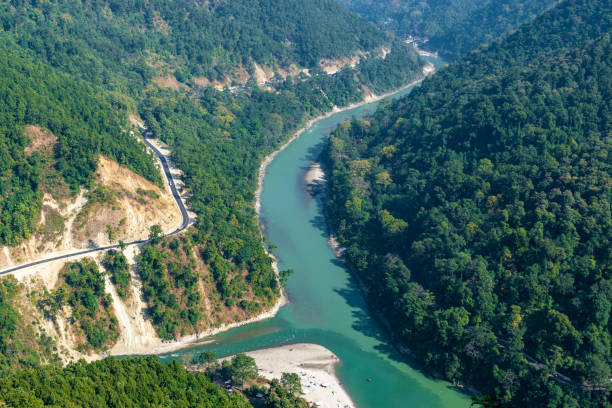
Best Time to Visit Triveni Sangam
Early morning is generally the best time for calmer atmosphere, better ritual visibility, and softer weather conditions. Sunrise windows often provide the most spiritually immersive and photogenic experience.
Large festival and mela periods bring unmatched devotional energy, but also high crowds and logistical complexity. If you prefer quieter visits, choose non-peak periods and weekday mornings.
How to Reach Triveni Sangam
Prayagraj is well connected by rail, road, and air links from major Indian cities. From the city, local transport and boat access are commonly used for Sangam visits. Keep local movement time buffer, especially in festive periods when crowd and traffic management can change quickly.
If you are visiting with seniors or children, pre-plan your local transfer and avoid last-minute uncertainty.
Boat Ride Experience at Sangam
Boat rides are one of the most common ways to approach the confluence point and observe rituals closely. Morning boat rides usually offer better atmosphere and manageable crowd levels. Confirm rates clearly before boarding and agree on duration and route.
Safety first: use authorized operators, follow local instructions, and avoid overloading vessels. During high-crowd periods, patience and orderly movement are essential.
Rituals and Ceremonies You May Witness
At Triveni Sangam, you may witness snan, prayer offerings, and ancestral rites performed by families and priests. If you are participating, follow guidance from trusted sources and avoid rushed or unclear arrangements. If you are observing, maintain respectful distance and avoid interruptive photography during active rituals.
Cultural sensitivity improves your experience and supports local devotional environment.

What to Carry for a Comfortable Visit
Carry essentials: water, light snacks, modest clothing, footwear suitable for wet surfaces, and sun protection. Keep valuables minimal and use waterproof pouches for documents and phone where needed. In cooler months, early mornings may require an additional layer.
If participating in ritual bath, keep dry-change clothing ready and pre-arranged to avoid discomfort.
Sangam Visit Itinerary (Half Day and Full Day)
Half-day plan: Early arrival, boat ride, ritual observation/participation, short ghat-side cultural experience, return.
Full-day plan: Morning Sangam visit, temple and heritage stops in city, evening local food and cultural walk.
Full-day format works better for first-time visitors who want both spiritual and historical context.
Nearby Places to Add in Prayagraj
You can combine Triveni Sangam with select nearby city landmarks and devotional stops depending on available time, and a focused list of places to visit in Prayagraj in one day can help you shortlist realistically. Keep your route compact. Overloading too many distant points in one day can reduce the quality of your primary Sangam experience.
A focused city extension is better than a rushed checklist.
Visit During Kumbh or Major Crowd Windows: Extra Tips
Major mela periods offer extraordinary energy but require detailed preparation. Book stay and transport early, follow official advisories, and keep flexible movement windows. Families should pre-decide meeting points and avoid dense crowd zones during peak flux hours.
In these windows, simple planning discipline can prevent major stress.
Respectful Behavior Guidelines
1. Dress modestly.
2. Avoid loud behavior near active rituals.
3. Ask before photographing people in prayer.
4. Use designated access paths and follow local instructions.
5. Keep waterbody cleanliness and public-space respect in mind.
These basics preserve both personal experience and community sanctity.
Budget Planning for Sangam Visit
A Sangam visit can be budget-friendly if planned with clear transport and boat coordination. Main costs include local transport, boat ride, optional ritual services, and meals. Keep small cash denominations for local transactions.
Avoid unclear on-spot commitments without confirming service scope and pricing.
Who Should Visit Triveni Sangam?
Triveni Sangam is suitable for pilgrims, cultural travelers, heritage enthusiasts, and family groups seeking meaningful spiritual context in Indian travel. It is particularly valuable for travelers who want to experience living traditions, not just static monuments. Many pilgrims combine this trip with a wider Ganga circuit, extending onward to a full Varanasi travel guide for a deeper spiritual itinerary.
For balanced trip planning, combine spiritual stops with lighter local exploration to maintain comfort across the day.
Final Recommendation
Triveni Sangam Prayagraj is best experienced with early timing, cultural respect, and clear local logistics. Whether you come for prayer, spiritual curiosity, or heritage learning, the site offers a profound sense of continuity between faith and everyday life.
Keep your plan simple: morning Sangam focus, verified boat arrangement, and one compact city extension. That structure gives depth without fatigue. For broader route ideas across India, explore things to do in Uttarakhand and things to do in Warangal for spiritual and heritage contrasts.

Triveni Sangam for First-Time Pilgrims
First-time pilgrims should keep their Sangam visit simple: arrive early, complete boat ride with verified operator, perform rituals with trusted guidance, and return calmly without overloading extra commitments. Trying to fit too many city stops before completing Sangam activities often creates avoidable stress.
If you are traveling with elders, prioritize comfort access points and avoid dense crowd movement windows. One well-managed spiritual visit is better than a rushed full-day checklist.
How to Plan During Major Mela and Festival Periods
During large gatherings, planning must shift from tourist style to crowd-aware movement style. Book stay in advance, track official advisories, and keep printed and offline copies of transport details. Keep meeting points fixed for groups and avoid last-minute route improvisation in high-density zones. Hydration and calm pacing are essential.
In these periods, patience is part of pilgrimage experience. Build extra time into every transfer and avoid strict clock-based assumptions.
Cultural Etiquette and Ritual Sensitivity
Triveni Sangam is a living sacred space, not just a sightseeing point. Dress modestly, avoid disruptive behavior, and respect private prayer moments. If you are unsure about a ritual process, ask politely through trusted local guidance. Cultural sensitivity turns a basic visit into a meaningful one.
Photography should always remain secondary to devotional context. Avoid intrusive close-up shots of active ceremonies without consent.
Prayagraj Add-On Plan (If You Have Extra Time)
With one extra day in Prayagraj, include selected heritage and devotional sites while keeping Sangam at the center of your trip. Use a relaxed route with fewer stops and longer on-site time. This approach gives historical context and avoids fatigue-heavy city hopping.
If your travel calendar includes multiple sacred sites, use similar planning logic across destinations for smoother continuity.
Final Sacred-Site Travel Checklist
1. Early arrival at Sangam.
2. Verified boat and clear pricing.
3. Respectful attire and behavior.
4. Waterproof essentials for ritual activity.
5. Flexible schedule and calm mindset.
Following this checklist helps preserve the spiritual quality of your Triveni Sangam visit.
Boating and Ritual Timing Tip
If possible, align boat ride with early morning ritual windows for the most serene experience. You get calmer water movement, softer weather, and better devotional atmosphere compared to late crowded slots.
Simple timing decisions like this greatly improve the overall Sangam visit quality.
Group Visit Coordination Tip
If traveling in a group, designate one coordinator for transport and one for ritual timing. Clear roles reduce confusion and make the Sangam visit smoother.
Location
Frequently Asked Questions
Q1.Where is Triveni Sangam located in Prayagraj?
Q2.Why is Triveni Sangam important?
Q3.What is the best time to visit Triveni Sangam?
Q4.How much does a boat ride cost at Sangam?
Q5.What are the bathing timings at Sangam?
Q6.Which three rivers meet at Triveni Sangam?
Q7.How do I reach Sangam Ghat from Prayagraj station?
Q8.Is photography allowed at Triveni Sangam?
Q9.Is it safe to bathe at Sangam?
Q10.Can we visit Sangam during Kumbh Mela?
Recommended For You
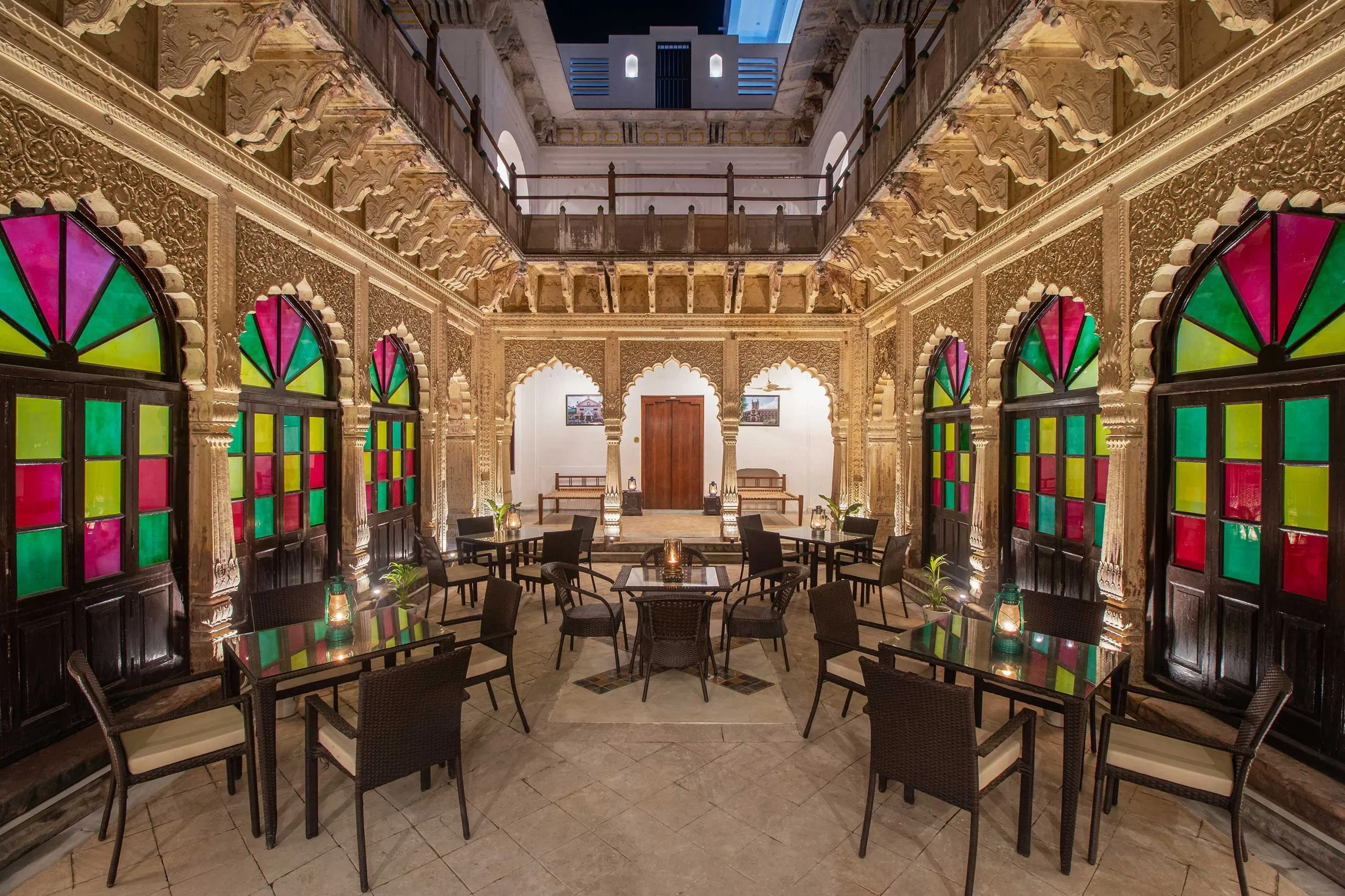
Best Airbnbs in Prayagraj: Top Neighborhoods, Rates & Amenities
Complete guide to Airbnbs in Prayagraj (Allahabad) - best areas, accommodation types, price ranges, Kumbh Mela considerations, and tips for pilgrims visiting the holy Sangam.
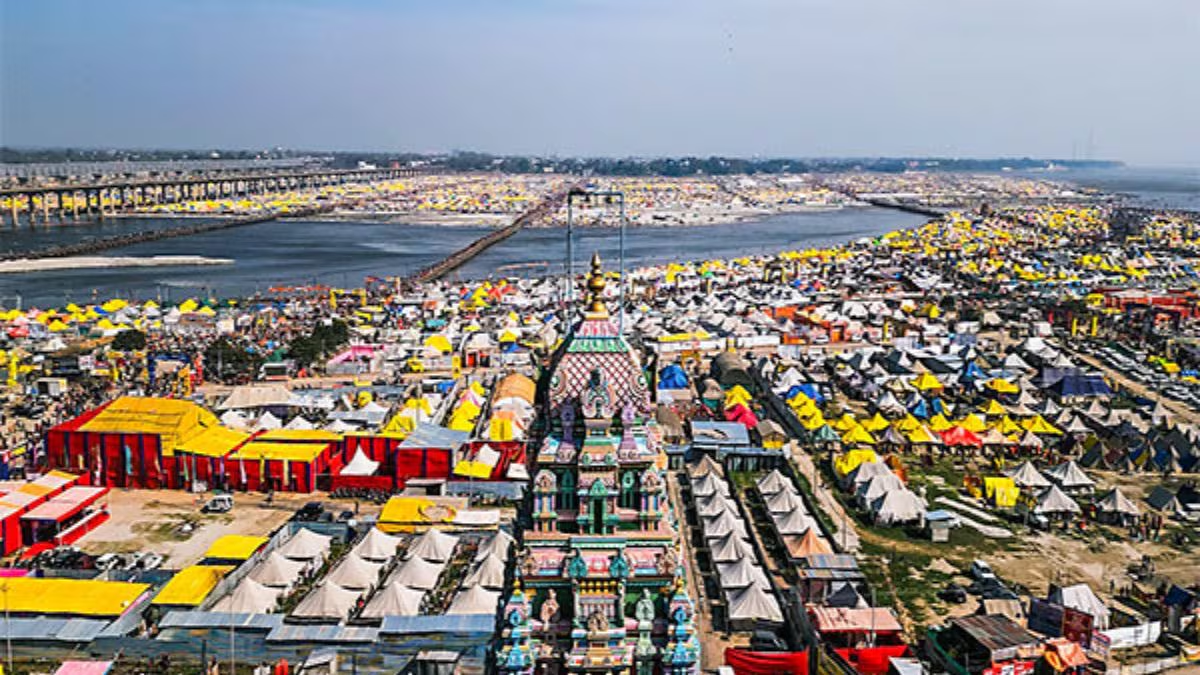
Maha Kumbh Traffic Advisory: Route & Parking 2025
Complete Maha Kumbh 2025 traffic advisory with route maps, parking facilities, public transport options, and real-time updates to help millions of pilgrims navigate Prayagraj during this once-in-144-year event.
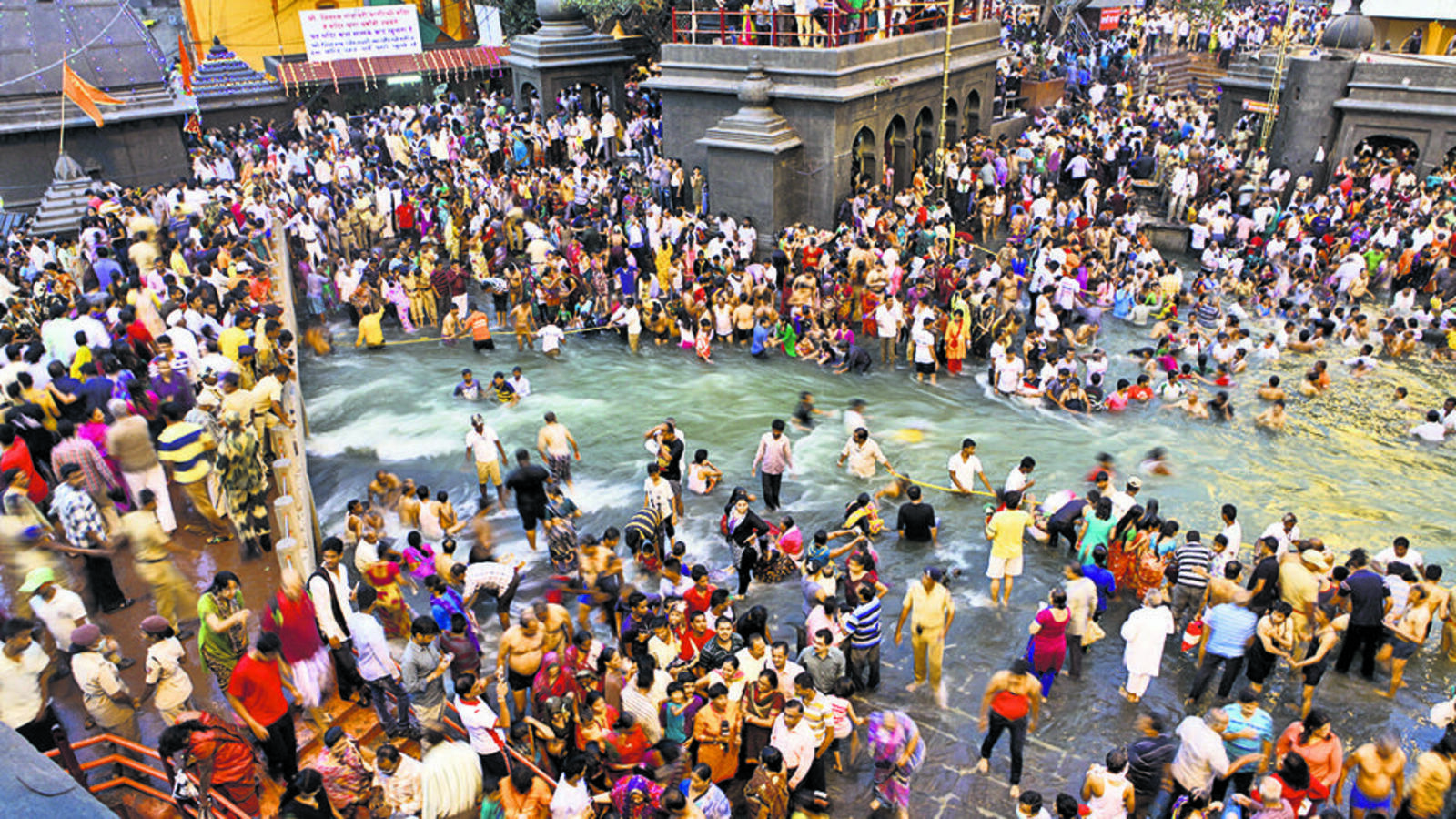
Simhastha Kumbh Mela Ujjain: Dates, Route Map & Stay Plan
Plan your Simhastha Kumbh Mela visit with practical crowd strategy, stay and transport planning, safety checklist, and day-wise templates.
Never Miss an Adventure
Get the latest trekking guides, travel tips, and exclusive offers delivered straight to your inbox.
