
Tipu Sultan Summer Palace: A Glimpse into Mysore's Royal Legacy

Rahul Garg
February 19, 2026
Discover Tipu Sultan Summer Palace in Srirangapatna, featuring Indo-Islamic architecture, historic paintings, and the legacy of the Tiger of Mysore.
Introduction to Tipu Sultan Summer Palace
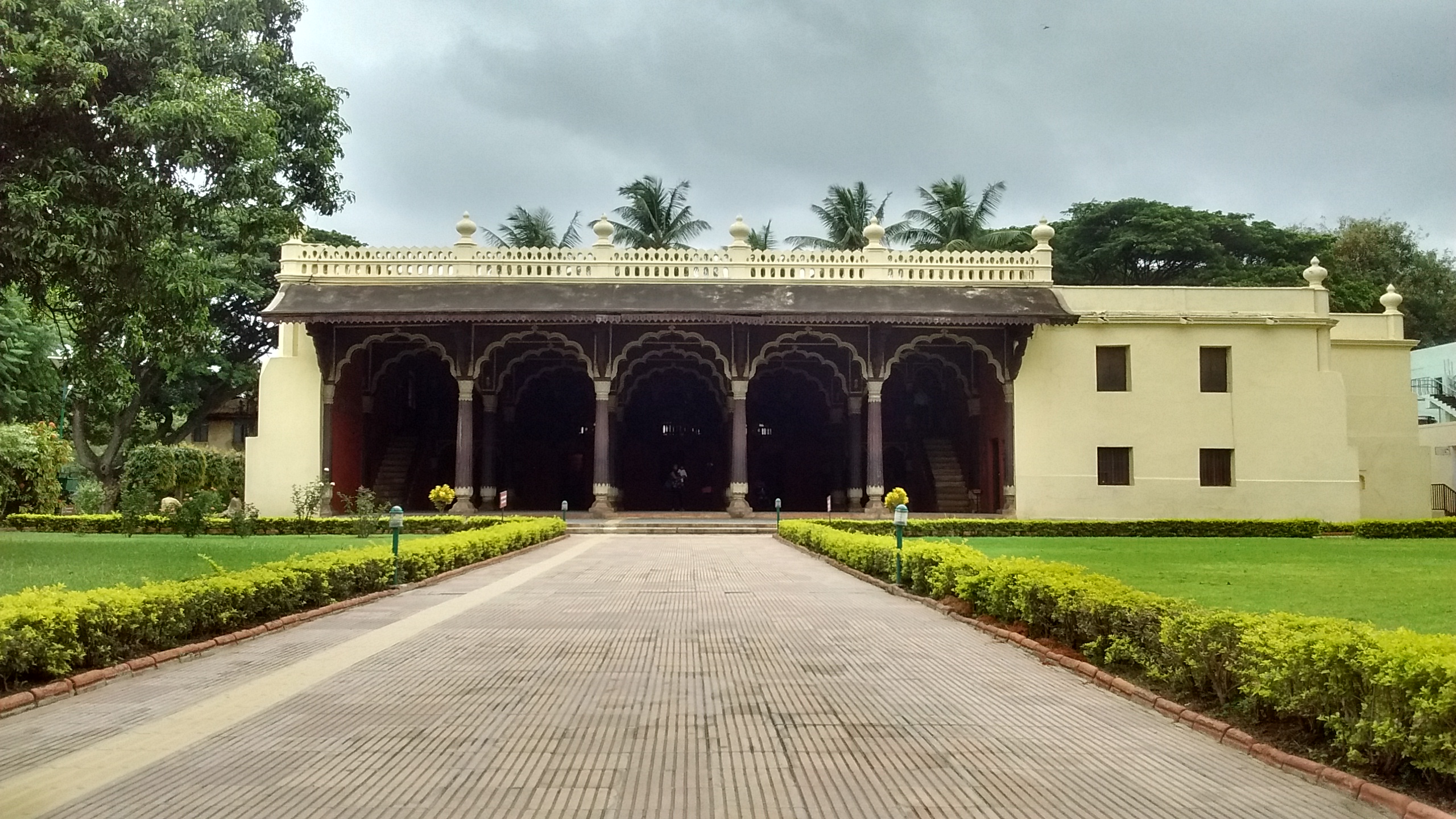
Tipu Sultan Summer Palace, also known as Daria Daulat Bagh (Garden of Wealth), stands as a magnificent example of Indo-Islamic architecture in Srirangapatna, Karnataka. Built between 1778 and 1784, this elegant structure served as Tipu Sultan's favorite summer retreat and administrative headquarters. The palace reflects the refined taste and architectural vision of the Tiger of Mysore, one of India's most formidable rulers who resisted British colonial expansion.
The palace is set amidst beautifully maintained gardens, creating a serene atmosphere that transports visitors back to the 18th century. Located within easy reach of Mysore and Brindavan Gardens, it forms an essential part of any Karnataka heritage circuit.
Historical Significance
Tipu Sultan, the ruler of the Kingdom of Mysore, commissioned this palace as his summer residence and alternate capital. Srirangapatna, an island formed by the Kaveri River, served as a strategic fortification and the de facto capital of Mysore under Tipu's reign. The palace witnessed crucial decisions that shaped the course of South Indian history.
After Tipu's death in the Fourth Anglo-Mysore War in 1799, the palace came under British control. The British initially used it as their residence before establishing cantonments elsewhere. The palace stands as a testament to Tipu's legacy as a warrior, administrator, and patron of arts and architecture.
Architectural Brilliance
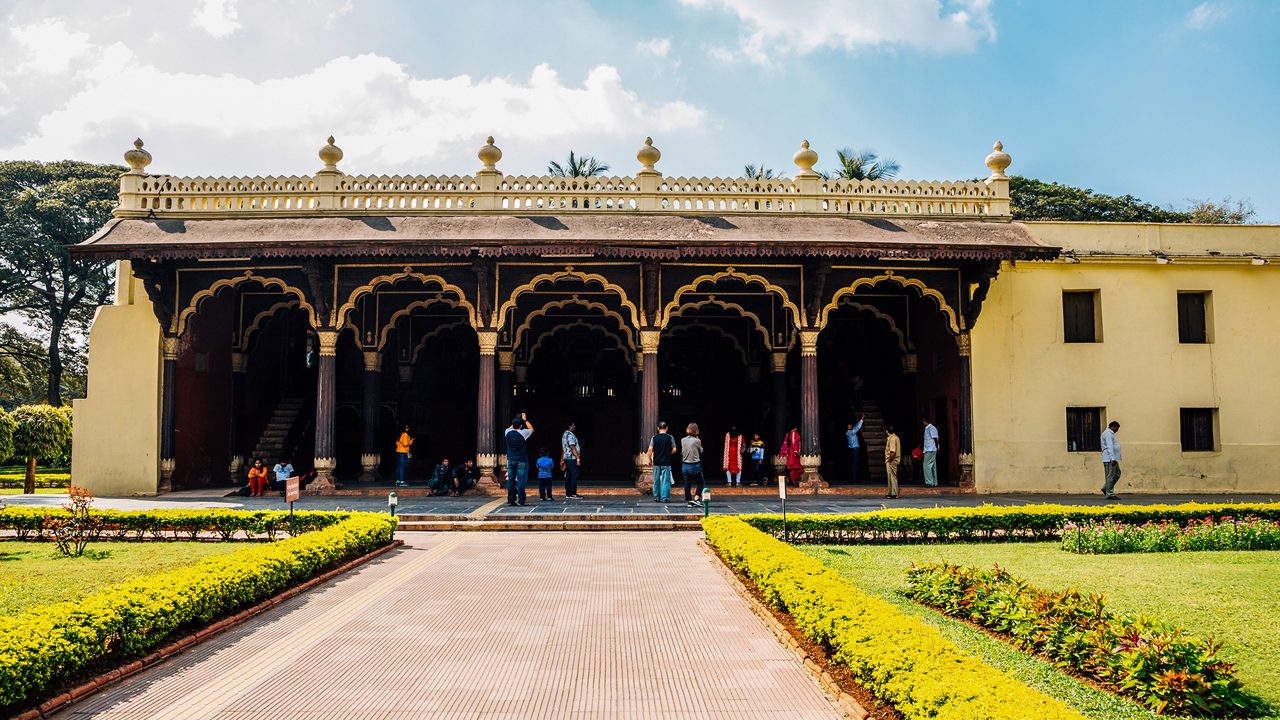
The palace showcases the elegant Indo-Islamic style, featuring a rectangular structure built entirely of teak wood. The design incorporates elements of Persian, Rajput, and European architecture, creating a unique aesthetic. The palace stands on a raised platform with ornate wooden pillars supporting the structure, reminiscent of traditional Mysorean architecture.
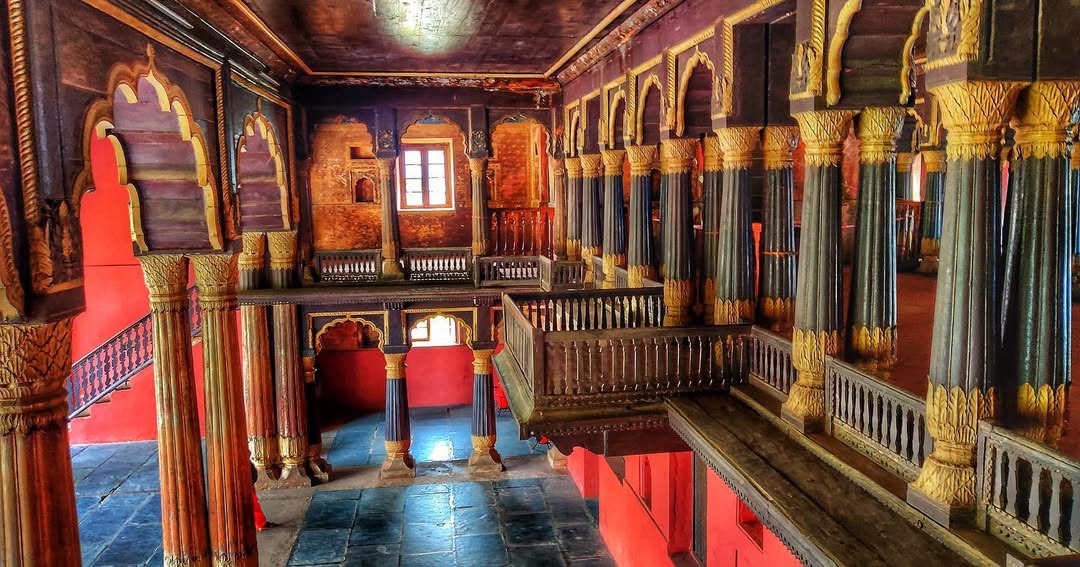
The most striking feature is the frescoes and paintings that adorn the walls and ceilings. These artworks depict scenes from Tipu's military campaigns, court life, and religious themes. The eastern and western walls feature battle scenes, while the interior walls showcase floral patterns and geometric designs typical of Islamic art.
Key Features and Sections
The central hall features an impressive collection of paintings depicting Tipu's battles against the British East India Company. These paintings provide valuable historical documentation of military strategies, costumes, and warfare of the late 18th century. The famous painting of Tipu Sultan leading his troops is among the most significant exhibits.
The palace houses the Tipu Sultan Museum, which displays personal belongings, weapons, coins, and administrative records. The collection includes Tipu's famous tiger-headed swords, firearms, and the mechanical toy tiger that symbolized his association with the animal. The museum also houses letters and treaties signed by Tipu Sultan and British officials.
Garden and Surroundings
Daria Daulat Bagh, meaning "wealth of the garden," surrounds the palace with lush greenery and carefully landscaped grounds. The garden originally featured fountains, water channels, and pavilions, though only some elements remain today. The garden layout reflects Persian influences with symmetrical patterns and water features.
The grounds offer perfect spots for quiet contemplation and photography. The ancient banyan trees within the complex have stood witness to centuries of history. The garden's proximity to the Kaveri River adds to its natural beauty and provides a cooling effect during summer months.
The Gumbaz: Tipu's Final Resting Place
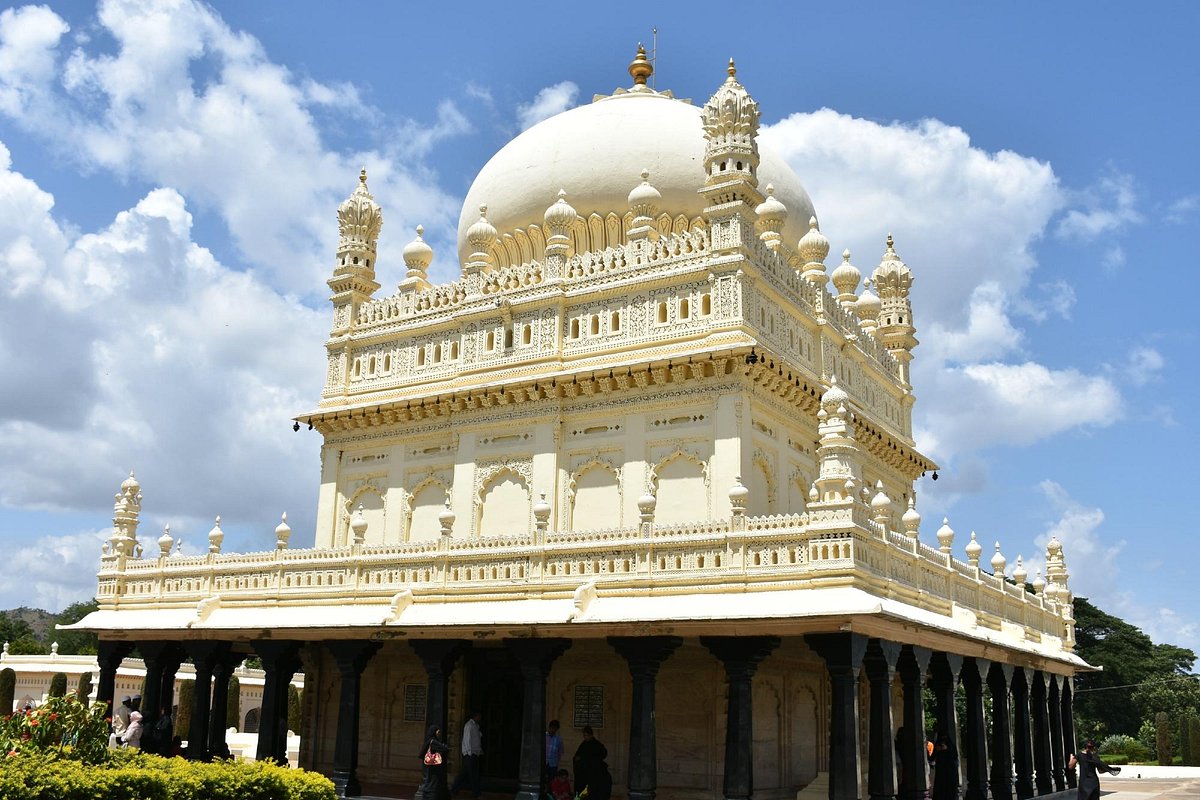
A short distance from the summer palace lies the Gumbaz, the mausoleum of Tipu Sultan, his father Hyder Ali, and his mother Fathima Begum. This elegant structure features an ivory-white dome and minarets, reflecting Persian architectural influence. The interior features intricate carvings and the tiger stripe motif associated with Tipu Sultan.
The Gumbaz is surrounded by a beautiful garden and houses the graves of Tipu's family members. The calm atmosphere and architectural beauty make it a worthy extension to any visit to the summer palace. The location provides panoramic views of the surrounding countryside.
Visitor Information
The summer palace is open daily from 9:00 AM to 5:00 PM, with best lighting conditions in the morning hours. The site is managed by the Archaeological Survey of India and features interpretation boards explaining the significance of various sections. Guides are available for detailed historical context.
The entry fee is nominal, with separate charges for camera usage. Photography is permitted inside the museum section without flash. The complex includes basic facilities like drinking water and restrooms. A small shop sells books and reproductions related to Tipu Sultan and Mysore history.
Best Time to Visit
October to March offers pleasant weather for exploring the palace and gardens. Early morning visits provide the best lighting for photography and fewer crowds. The monsoon season enhances the garden's beauty but may make walking challenging due to wet pathways.
Summer months can be quite hot, though the palace interiors remain relatively cool. Combine your visit with other attractions in Srirangapatna for a comprehensive historical tour. The Dussehra festival period sees increased visitors to the region.
Getting There
Srirangapatna is approximately 15 kilometers from Mysore and 125 kilometers from Bangalore. The town is well-connected by road, with regular buses and taxis from both cities. The nearest railway station is Srirangapatna, with trains connecting to Mysore and Bangalore.
The Bangalore-Mysore highway passes through Srirangapatna, making it easily accessible by private vehicle. Many visitors choose to stop at Srirangapatna en route to or from Mysore. The summer palace is located in the eastern part of the island town, well-signposted and easily reachable by auto-rickshaw from the bus stand.
Nearby Attractions
Srirangapatna offers several historical sites that complement a visit to Tipu's summer palace. The Sri Ranganathaswamy Temple, dedicated to Lord Vishnu, is one of the most important Vaishnavite shrines in South India. The Ranganathittu Bird Sanctuary, just a few kilometers away, is perfect for nature enthusiasts.
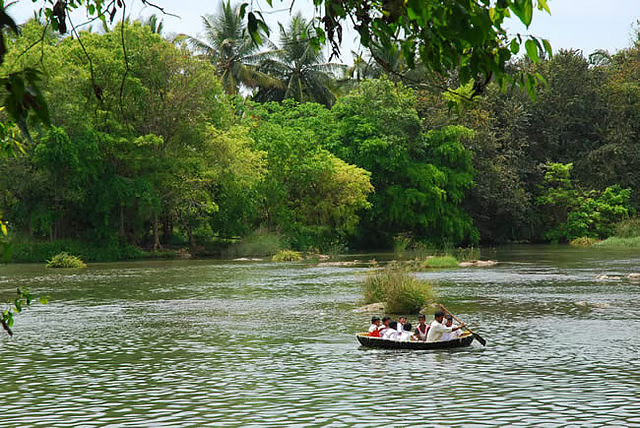
The Srirangapatna Fort features massive fortifications, dungeons, and the historic spot where Tipu Sultan fell. The Jama Masjid built by Tipu Sultan showcases Islamic architecture. The Walter Spies Museum nearby houses artifacts from the colonial period. The surrounding countryside offers scenic drives along the Kaveri River.
Practical Tips
Wear comfortable footwear with non-slip soles, especially during monsoon. Carry sun protection during summer months. Hire a guide to fully appreciate the historical significance and stories behind the paintings. Allocate 2-3 hours for exploring the summer palace, museum, and Gumbaz mausoleum.
Respect the historical nature of the site by not touching the paintings or artifacts. Photography inside the museum section requires prior permission. Combine your visit with other Srirangapatna attractions for a complete historical experience.
Conclusion
Tipu Sultan Summer Palace stands as a remarkable testament to the architectural and cultural achievements of one of India's most iconic rulers. Its elegant design, historical significance, and artistic treasures make it an essential destination for anyone interested in South Indian heritage. The palace offers a window into the life and times of Tipu Sultan, the Tiger of Mysore. If you plan to extend your Karnataka trip, the cascading Jog Falls offers a striking natural counterpoint to Srirangapatna's royal history, while Bangalore Palace lets you compare Tudor-style royal architecture with Tipu's Indo-Islamic design.
Location
Frequently Asked Questions
Q1.What are Tipu Sultan Summer Palace timings?
Q2.What is the entry fee for Tipu Sultan Summer Palace?
Q3.Where is Tipu Sultan Summer Palace located?
Q4.How much time is needed to visit?
Q5.Who built Tipu Sultan Summer Palace?
Q6.Is photography allowed inside the palace?
Q7.What can we see inside Tipu Sultan Summer Palace?
Q8.Is Tipu Sultan buried at the summer palace?
Recommended For You
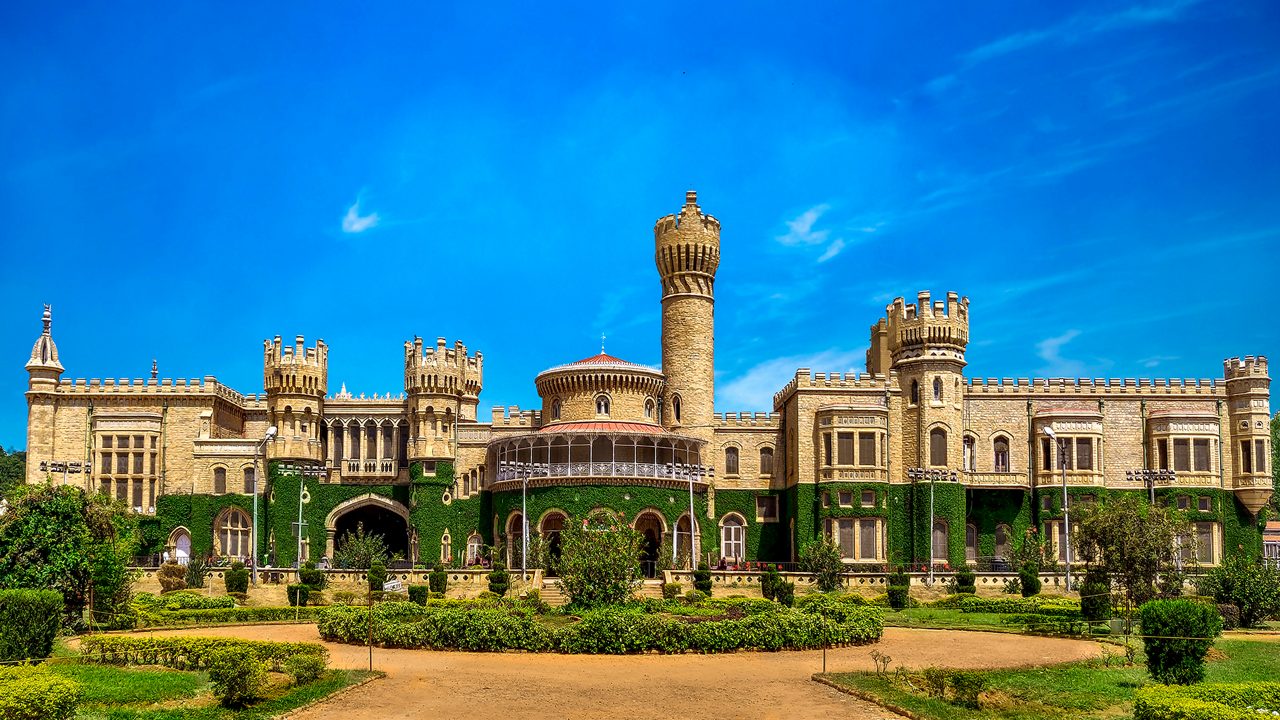
Bangalore Palace: Tudor Architecture in the Heart of Garden City
Explore Bangalore Palace, a Tudor-style architectural masterpiece in Karnataka's capital, featuring royal heritage, stunning interiors, and cultural events.
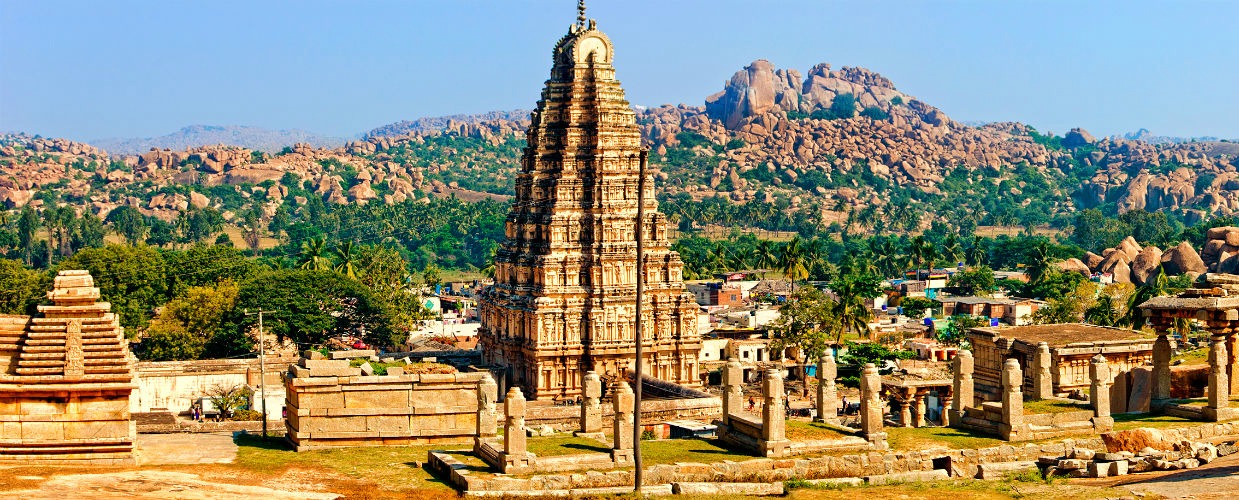
Hampi: Complete Travel Plan Temples And History
Complete Hampi travel guide featuring Vijayanagara ruins, Virupaksha Temple, Vittala Temple, Royal Enclosure, best time to visit & practical tips.
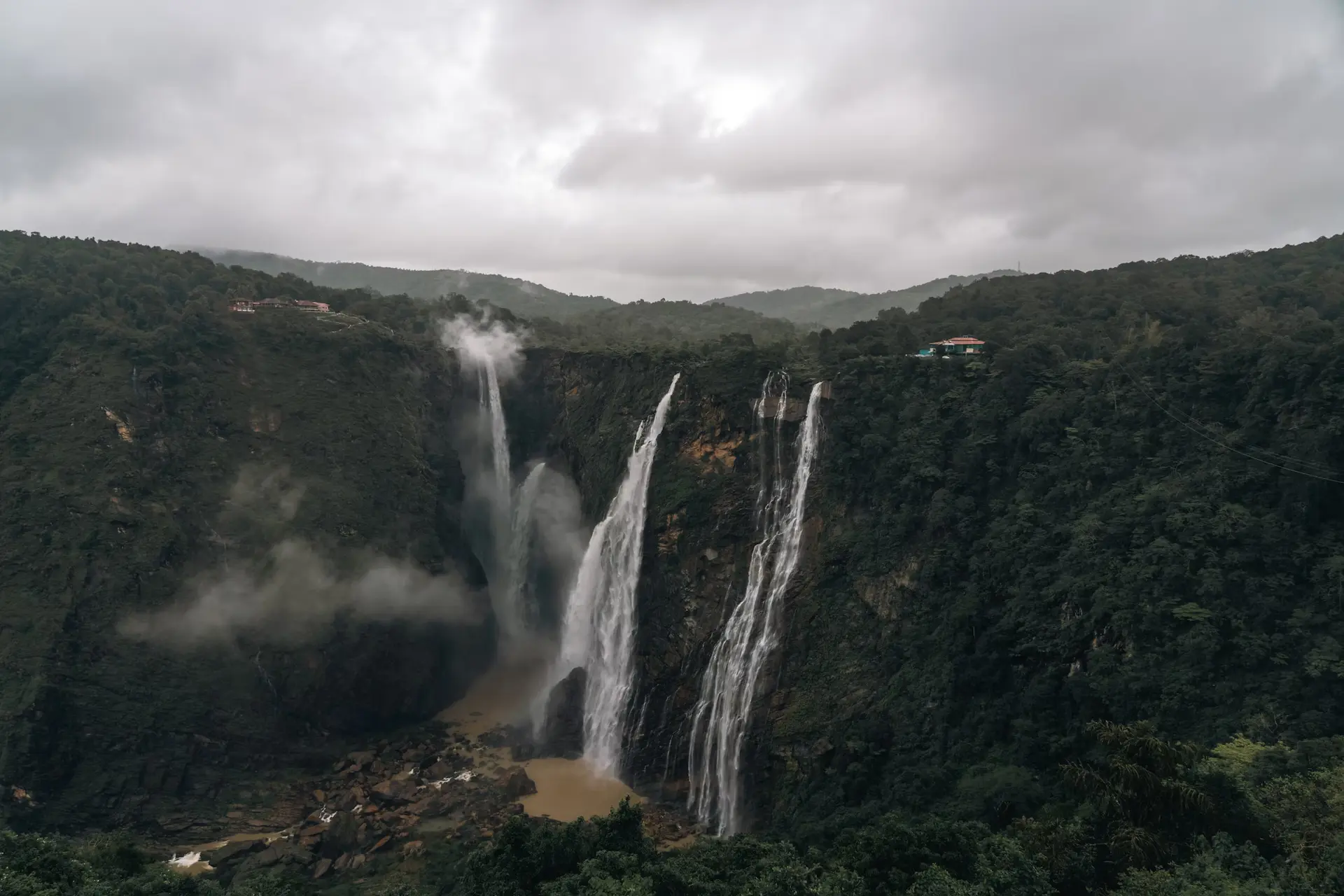
Jog Falls Karnataka: Best Viewpoints, Timings & Monsoon Season
Complete Jog Falls Karnataka guide with four cascades, viewpoints, trekking, best time to visit, timings, and travel tips for India's second-highest plunge waterfall.
Never Miss an Adventure
Get the latest trekking guides, travel tips, and exclusive offers delivered straight to your inbox.
