
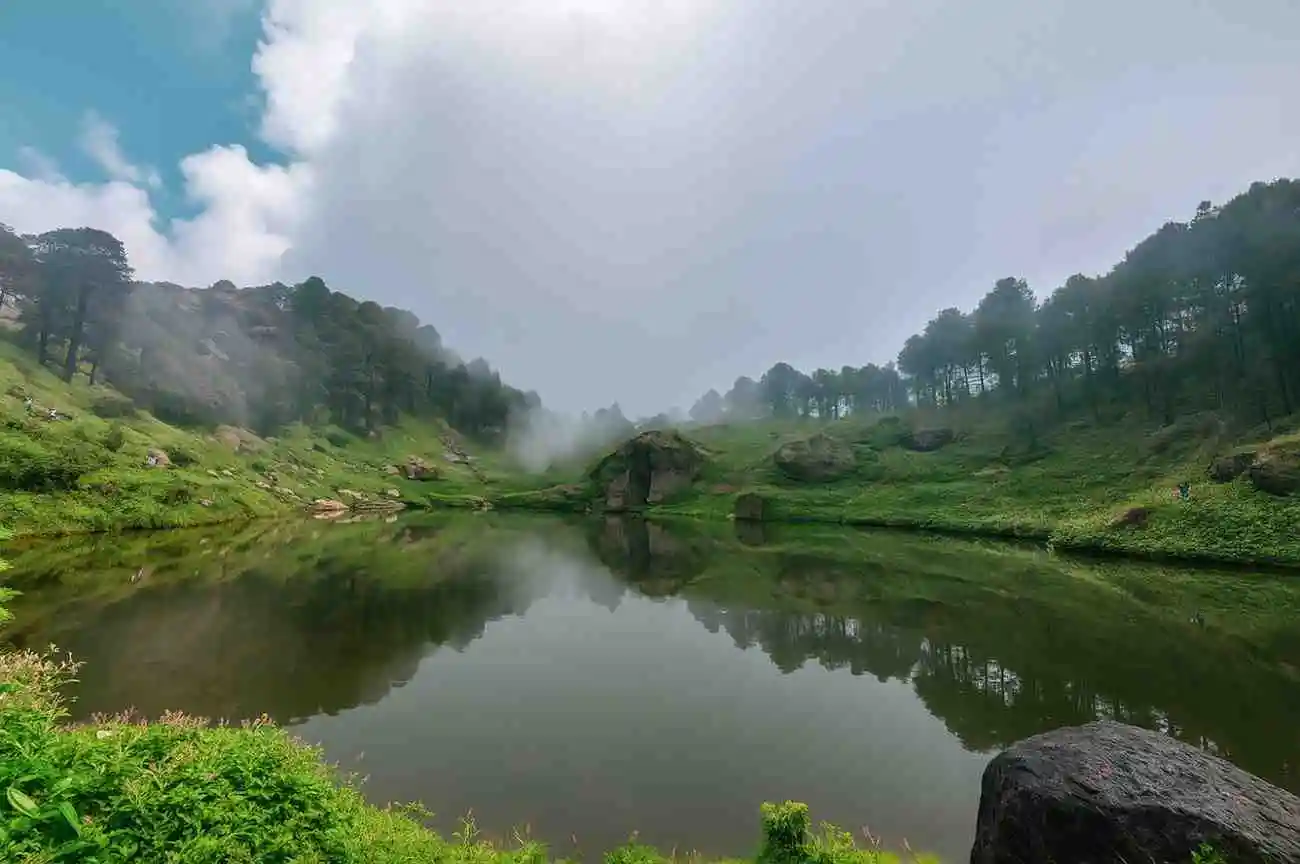
Tirthan Valley: How To Reach Best Time And Attractions

Rohan Malhotra
February 20, 2026
Use these Tirthan Valley travel tips for season planning, route selection, stays, trekking, fishing, and practical essentials for a smooth Himachal trip.
1. Introduction: Why Tirthan Valley Feels Different
Tirthan Valley in Himachal Pradesh is one of those places where your trip slows down in a good way. Instead of crowded mall roads and packed viewpoints, you get forested slopes, clear river sound, village trails, and a calmer rhythm that suits nature travelers. The valley is named after the Tirthan River and is known as a base for eco-tourism, trout angling, and treks toward the Great Himalayan National Park landscape.
Most first-time visitors make one mistake: they treat Tirthan like a quick stop between bigger destinations. In reality, this valley works best when you allow unhurried time for short hikes, local stays, and weather-based plans. This guide is built for practical planning: best season, how to reach, where to stay, what to do, budget expectations, permit basics, and safe itinerary options for 2, 3, and 5 days.
+
+
+2. About Tirthan Valley
+Tirthan Valley is in Kullu district and is usually explored through villages like Gushaini, Nagini, and nearby high points such as Jalori side routes. The valley is closely linked with the eco-zone around Great Himalayan National Park, making it popular among birders, trekkers, and travelers who prefer offbeat Himachal landscapes.
+Altitude and terrain here create a pleasant climate in warmer months and a sharp chill in winter. The core valley zone is road-accessible, but many meaningful experiences begin after the road ends: village walks, trail climbs, meadow segments, and forest-edge viewpoints. This is why light trekking readiness is useful even for non-adventure travelers.
+| Valley Snapshot | What to Expect | Planning Impact |
|---|---|---|
| Region | Kullu district, Himachal Pradesh | Road-based access with hill driving sections |
| Nature profile | River, pine/deodar zones, village slopes | Good for short active days and slow travel |
| Trip style | Offbeat, low-noise, eco-oriented | Best for 3+ day relaxed itineraries |
| Adventure options | Trekking, trout fishing, local trails | Carry proper footwear and permit awareness |
3. Best Time to Visit Tirthan Valley
+The best season depends on your goal. If you want pleasant weather, village walks, and easy exploration, spring to early summer and post-monsoon autumn are usually strongest. Monsoon brings deep green visuals but also landslide risk, wet trails, and unpredictable road delays. Winter offers clear skies and a quiet atmosphere, but temperatures drop and some routes become harder for casual travelers.
+For most visitors, April-May and October-November give the best balance between comfort, visibility, and activity options. During these windows, you can combine day walks, river time, and short drives without major weather pressure.
+-
+
- Spring (March-April): mild weather, blooming slopes, good for nature walks. +
- Summer (May-June): pleasant escape from city heat, popular but still calmer than mainstream hill towns. +
- Monsoon (July-September): lush scenery, higher road-risk and trail caution needed. +
- Autumn (October-November): clear skies and crisp views, excellent for treks. +
- Winter (December-February): cold and peaceful, limited mobility in higher sections. +
4. How to Reach Tirthan Valley from Delhi and Other Cities
+Tirthan is commonly reached by road via the Aut side in Himachal, followed by internal valley movement toward Gushaini/Nagini belts. From Delhi NCR, most travelers choose overnight drive, overnight bus plus taxi, or a mixed mode with flight/rail plus road transfer. Road remains the most practical option because last-mile flexibility matters a lot in this region.
+By Road from Delhi
+A direct road trip can take around 10 to 12+ hours depending on departure time, traffic, and hill-road pacing. Start early or travel overnight with a trusted driver to avoid fatigued hill driving after dark.
+By Bus + Taxi
+Many travelers take a Volvo/night bus to the nearest practical drop corridor and complete final transfer by cab. This reduces driving stress and works well for couples or small groups.
+By Air/Train + Road
+Air and train options reduce long-distance fatigue but still require a road leg into the valley. Use this option if you are short on energy but flexible on budget.
+ +
+Road Condition Reality
+Main highway sections are generally easier, but valley approach roads can narrow and slow down. In monsoon or post-rain windows, keep extra time buffer and avoid overpacked day plans.
+ +5. Places to Visit in and Around Tirthan Valley
+Tirthan works best with clustered exploration rather than long daily crisscross travel. Build your route around nearby zones so you can enjoy the valley instead of spending most time in vehicles.
+Gushaini and Riverside Belts
+Gushaini is a common base with easy access to river walks, homestays, and local food spots. It suits travelers who want soft activity days.
+Jalori Side Drives
+Jalori route segments add dramatic views and cool-weather atmosphere. For route context and side exploration ideas, check Jalori Jot Himachal Pradesh.
+Shoja and Quiet Scenic Stops
+Shoja is another peaceful add-on with panoramic landscapes and lower crowd pressure. You can use this Shoja Himachal guide if you want to split your stay between valley and ridge viewpoints.
+GHNP Gateways and Nature Edges
+Tirthan’s strongest value is proximity to nature-rich zones linked with GHNP ecosystem. Even short guided forest walks can feel rewarding without doing heavy treks.
+ +6. Things to Do: Trekking, Fishing, and Slow Travel
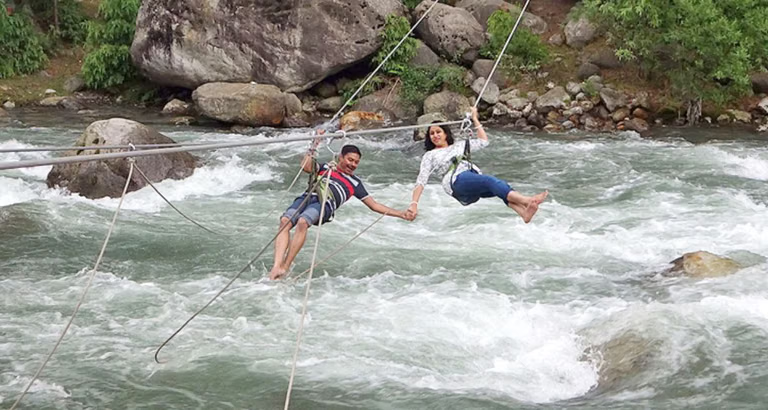
+The valley is ideal for travelers who enjoy active but non-rushed days. You do not need extreme adventure fitness to enjoy Tirthan, but basic walking stamina and proper shoes improve the experience a lot.
+Trekking and Guided Nature Walks
+There are multiple trail options from easy village connectors to moderate forest climbs. If you want a trekking-focused plan, use treks in Tirthan Valley to match route difficulty with your group’s fitness.
+Trout Fishing Experience
+Tirthan is known for trout angling. In many sections, permits and local rules apply, and some formats follow controlled catch methods. Confirm legal process through local operators before planning a fishing day.
+Birding and Photography
+Early mornings are excellent for bird sounds and soft light photography. Keep lenses protected from river humidity and sudden weather shifts.
+Village Walks and Local Interaction
+Short walks through local settlements often become the best memory of the trip. Move respectfully, avoid loud behavior, and ask before photographing people or private property.
+ +
+
+
+7. Where to Stay in Tirthan Valley
+Stays range from budget homestays to riverside camps and boutique-style retreats. Don’t expect big-city luxury consistency everywhere; Tirthan is about location quality, warm hosting, and natural setting more than polished hotel formats.
+Homestays
+Best for local food, flexible conversation, and practical guidance on trails/road conditions. Great choice for first-time visitors.
+Guesthouses and Resorts
+Suitable for travelers who need more private structure and predictable room amenities. Browse comparison options in hotels and resorts in Tirthan Valley.
+Camps
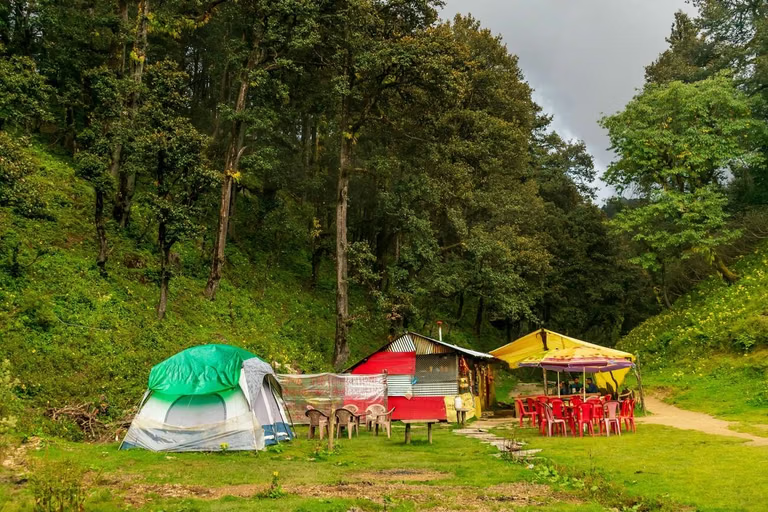
+Riverside camps are atmospheric but weather-dependent. Check washroom quality, backup power, and access road before booking.
+Best Bases
+-
+
- Gushaini: best all-round base for first-timers. +
- Nagini-side stays: good for quieter riverside rhythm. +
- Shoja-side split stay: good for view-focused extension. +
8. Travel Tips and Essentials (Must-Read)
+Good planning prevents 90% of Tirthan trip issues. Carry essentials, keep buffer time, and avoid forcing city-speed travel habits in mountain terrain.
+What to Pack
+-
+
- Layered clothing (mornings and evenings can be cold even in warmer months). +
- Waterproof jacket and quick-dry basics in monsoon/shoulder season. +
- Grip shoes for trails and wet surfaces. +
- Basic medicines, personal prescriptions, and ORS. +
- Torch/headlamp for power-cut or late return scenarios. +
Connectivity and Cash
+Mobile network can be patchy in some pockets. Keep offline maps and carry cash because digital payment reliability varies by location and weather.
+Permits and Local Rules
+Fishing and some protected nature areas may require permissions. Confirm latest local rules through your host or authorized operators instead of relying on old social posts.
+Food and Health
+Expect simple but satisfying meals. If you have strict dietary needs, inform stays before arrival. For emergencies, nearest bigger medical support may require road transfer, so keep insurance and emergency contacts ready.
+ +
+
+
+9. Sample Itineraries
+2 Days (Quick Reset Trip)
+-
+
- Day 1: Arrive, riverside walk, local village exploration, early dinner. +
- Day 2: Short trek or angling activity, lunch, departure. +
3 Days (Best for First-Timers)
+-
+
- Day 1: Arrival and light local exploration. +
- Day 2: Trek or GHNP-side nature day. +
- Day 3: Jalori/Shoja-side scenic drive, return. +
5 Days (Slow and Complete)
+-
+
- Day 1: Settle in, valley orientation walk. +
- Day 2: Guided nature trail. +
- Day 3: Fishing + village immersion. +
- Day 4: Jalori and high-viewpoint day. +
- Day 5: Leisure morning and return. +
10. Final Takeaway
+Tirthan Valley is not a checklist destination; it is a rhythm destination. If you arrive with realistic expectations, weather buffer, and interest in nature-led travel, it delivers one of the most rewarding offbeat Himachal experiences. Keep your itinerary simple, your stay local, and your movement respectful toward the river and village ecosystem.
+Plan for 3 days minimum, choose the right season for your goals, and use guided local input for activities like trekking or fishing. Done right, Tirthan feels less like a tourist stop and more like a genuine mountain pause.
Location
Frequently Asked Questions
Q1.Where is Tirthan Valley located?
Q2.How far is Tirthan Valley from Delhi?
Q3.How many days are enough for Tirthan Valley?
Q4.What is the best time to visit Tirthan Valley?
Q5.How can I reach Tirthan Valley from Delhi without self-driving?
Q6.Is Tirthan Valley open in winter?
Q7.Is trout fishing allowed in Tirthan River?
Q8.Is Tirthan Valley safe for families?
Recommended For You
Jalori Pass: Complete Travel Guide Himachal
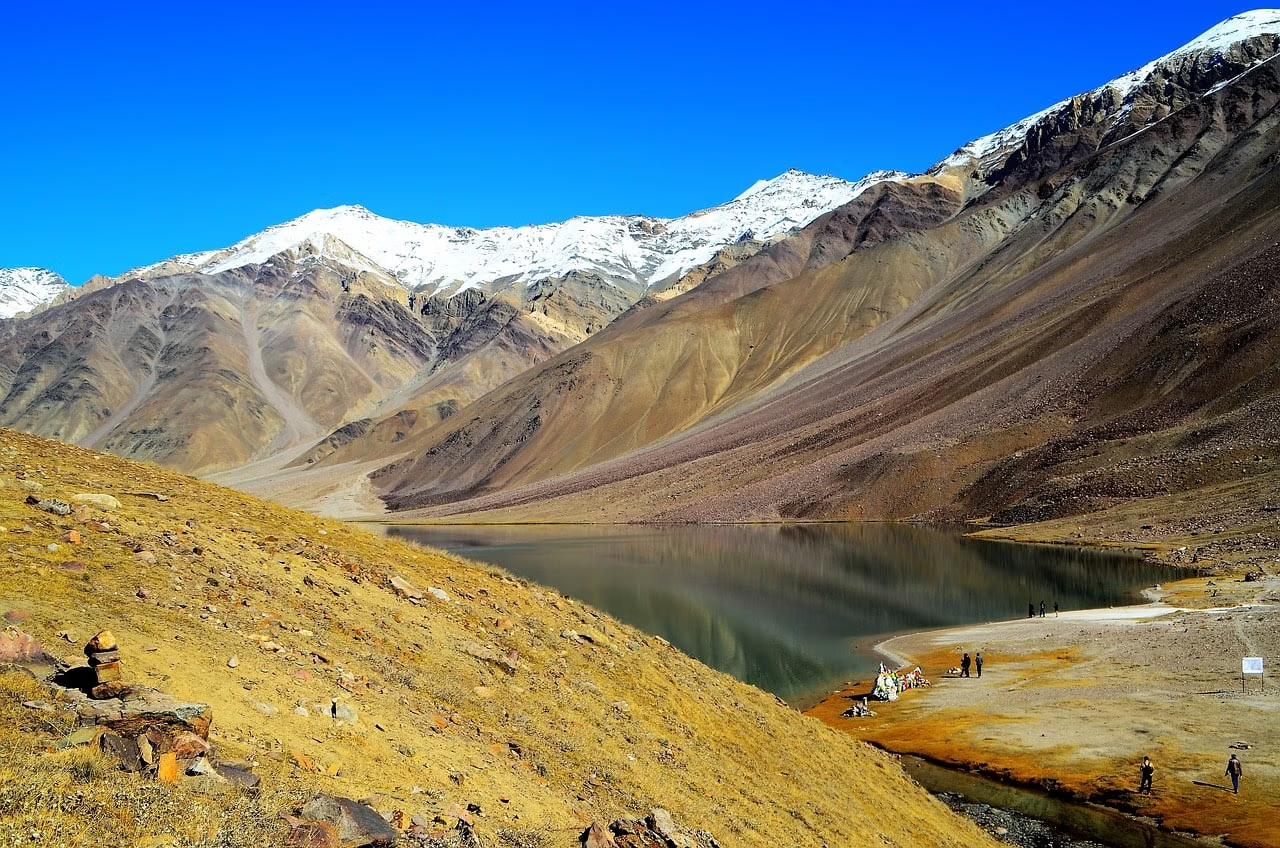
Explore Jalori Pass at 10,280 ft. Trek guide, best time to visit, how to reach from Shimla/Kullu, weather & nearby attractions. Plan trip.
Shoja Himachal: Offbeat Stays, Waterfalls & Scenic Trails
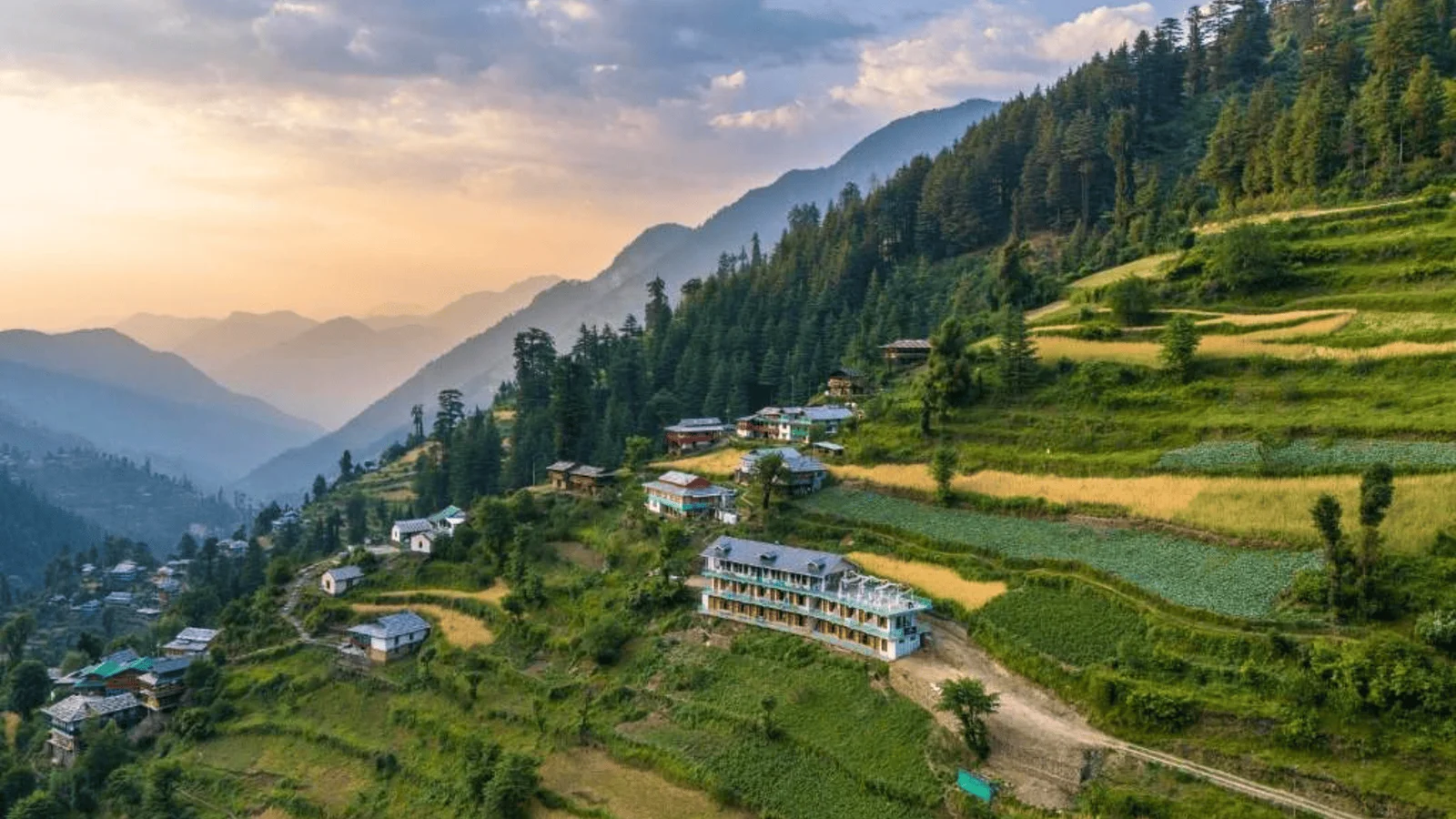
Explore Shoja Himachal with offbeat-stay planning, season-aware route tips, and practical mountain pacing guidance.
Best Time to Visit Himachal Pradesh: Season-Wise Guide by Region
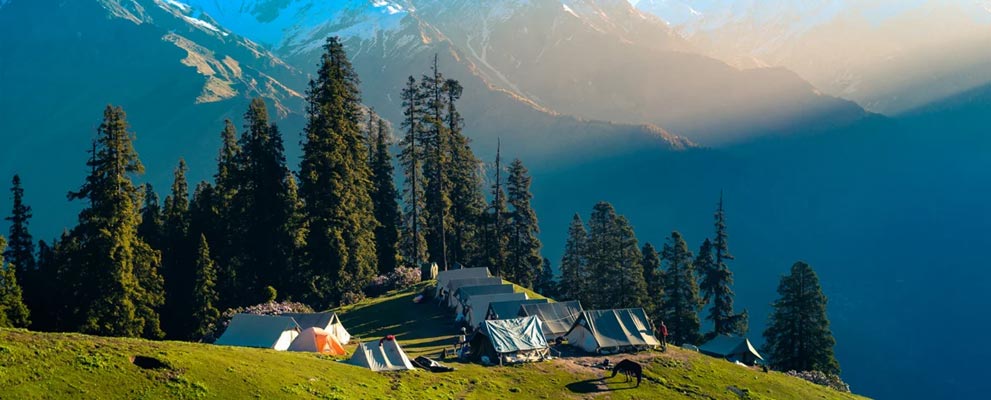
Find the best time to visit Himachal Pradesh with season-wise guidance for families, snow trips, road journeys, and trekking routes.
Never Miss an Adventure
Get the latest trekking guides, travel tips, and exclusive offers delivered straight to your inbox.
