
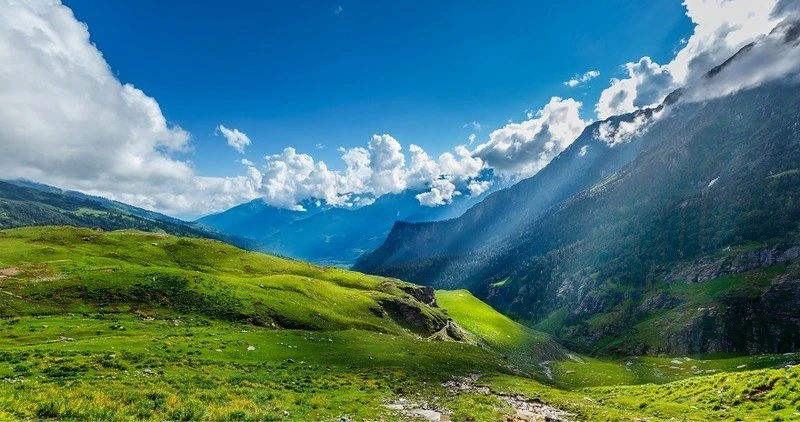
Treks in Tirthan Valley: Trail Options, Duration & Local Tips

Rohan Malhotra
November 16, 2025
Explore best treks in Tirthan Valley. GHNP treks, difficulty levels, routes, best season & complete trekking guide for Himachal adventure.
Introduction: Tirthan Valley - A Trekker's Paradise
Nestled in the Kullu district of Himachal Pradesh, Tirthan Valley is one of Himachal's best-kept secrets and a paradise for trekkers seeking unspoiled Himalayan beauty. Part of the Great Himalayan National Park (UNESCO World Heritage Site), this pristine valley offers treks ranging from easy walks to challenging expeditions, all surrounded by magnificent Himalayan scenery, dense forests, and traditional villages that seem untouched by time.
What makes Tirthan Valley special is its relative obscurity - while Manali and Kasol attract thousands of tourists, Tirthan remains peaceful, with trails that see only a handful of trekkers. The valley is named after the Tirthan River, a tributary of the Beas, which originates from the glaciers of the Great Himalayan National Park. Crystal clear waters, alpine meadows, rhododendron forests, and snow-capped peaks create a landscape that feels like the Himalayas as they were decades ago.
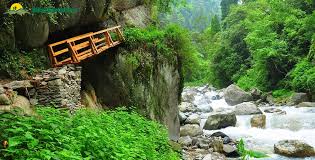
Popular Treks in Tirthan Valley
Tirthan Valley Trek
The classic Tirthan Valley trek is a moderate 4-5 day expedition that takes you through the heart of the valley's most beautiful landscapes. Starting from Gushaini, the trek follows the Tirthan River upstream, passing through forests of pine, deodar, and oak, crossing traditional villages, and eventually reaching high-altitude meadows with panoramic Himalayan views.
Trek Highlights:
- Duration: 4-5 days
- Difficulty: Moderate
- Max Altitude: 3,500 meters (11,500 feet)
- Best Season: May-June and September-October
- Route: Gushaini - Rolla - Shilt Hut - Bugyal Village - Gushaini
Detailed Itinerary:
Day 1: Gushaini to Rolla
The trek begins at Gushaini (1,500 meters), a small village that serves as the gateway to Tirthan Valley. From here, follow the Tirthan River upstream through dense forests. The trail is well-marked and initially easy, passing through beautiful pine forests with the river accompanying you on the left. After 4-5 hours of gradual ascent, you reach Rolla (2,100 meters), where there's a forest rest house. Camp overnight at Rolla or stay in the rest house if booked in advance.
Day 2: Rolla to Shilt Hut
This is the most challenging day with a steep ascent through rhododendron and bamboo forests. The trail gains approximately 900 meters over 5-6 hours. As you climb, the forest changes composition - look out for Himalayan birds including the monal and koklass pheasant. Shilt Hut (3,000 meters) is a historic forest rest house in an incredible location surrounded by meadows and peaks. The views from here are spectacular - you can see several Himalayan peaks including the majestic Rangchan peak. Stay overnight at Shilt Hut or camp nearby.
Day 3: Shilt Hut to Bugyal Village via Chakwani
A beautiful day traversing high-altitude meadows (bugyals) with stunning 360-degree Himalayan views. The trail passes through Chakwani meadows, where shepherds bring their flocks in summer. Wildflowers carpet the meadows in spring and early autumn. Today is mostly gradual walking with some short climbs. Reach Bugyal Village (3,500 meters), a traditional pastoral settlement with stone houses and incredible views. This is your highest point on the trek. The altitude here might cause mild AMS symptoms - drink plenty of water and walk slowly. Camp overnight.
Day 4-5: Return to Gushaini
Retrace your steps back to Gushaini over two days. The descent is easier on the lungs but harder on the knees. Most trekkers break the return journey with an overnight stay at Rolla or continue directly to Gushaini if fitness levels are high. Celebrate the completion of your trek in Gushaini with a hot meal and rest!
Chhoie Waterfall Trek
A shorter, easier trek perfect for beginners or those wanting a gentle Himalayan walking experience. This trek leads to a beautiful 50-foot waterfall hidden in dense forest.
- Duration: 1 day (4-5 hours return)
- Difficulty: Easy
- Starting Point: Nagini village
- Best For: Families, beginners, nature lovers
The trail from Nagini village winds through mixed forests following a stream. The walk is pleasant with gentle ascents. The waterfall appears suddenly through the trees - a beautiful cascade plunging into a crystal clear pool. The pool is deep enough for a refreshing dip in summer. Carry a picnic lunch and spend a few hours relaxing by the falls before returning to Nagini.
Seri Valley Trek
A scenic valley trek that offers views of both Tirthan and Sainj valleys. This lesser-known route takes you through traditional villages and beautiful forests.
- Duration: 2-3 days
- Difficulty: Easy to Moderate
- Max Altitude: 2,800 meters
- Starting Point: Sainj Valley
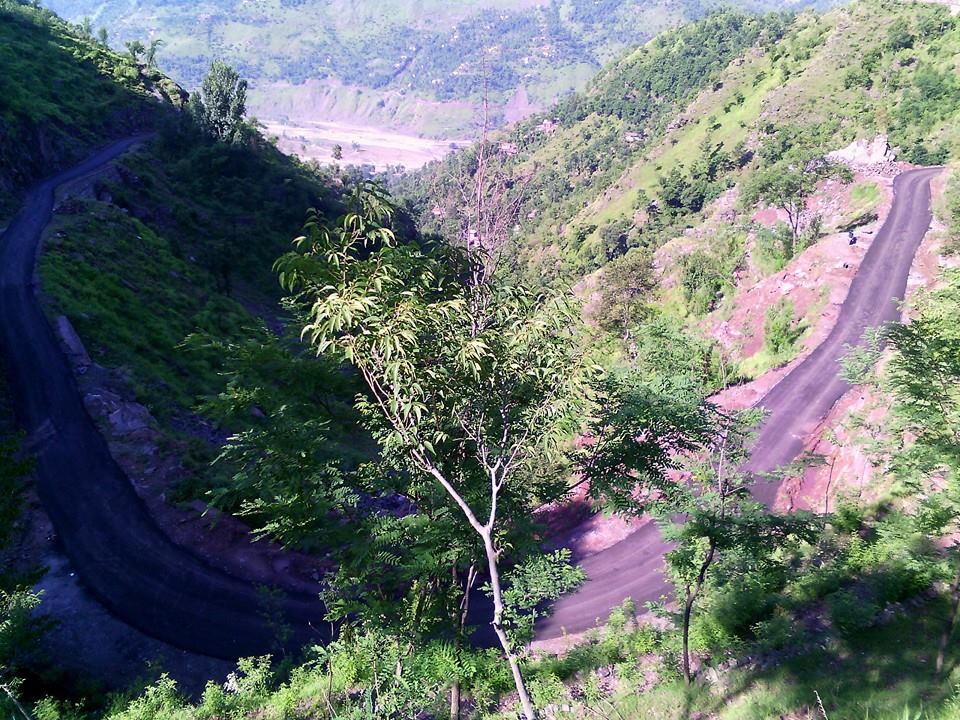
Great Himalayan National Park Treks
The Great Himalayan National Park (GHNP), a UNESCO World Heritage Site, encompasses much of Tirthan Valley and offers incredible trekking opportunities. Permits are required for entry, and only licensed guides can accompany treks within the national park.
Rakti Sar Trek
A challenging trek reaching one of GHNP's high-altitude glacial lakes. This trek is recommended only for experienced trekkers with good fitness levels.
- Duration: 6-7 days
- Difficulty: Challenging
- Max Altitude: 4,500 meters
- Permits Required: GHNP entry permit
The trek passes through remote areas of the national park where few trekkers venture. The glacial lake at Rakti Sar is incredibly beautiful - turquoise waters surrounded by snow-capped peaks. This is genuine wilderness trekking with no facilities beyond what you carry.
Tirath Trek
A culturally significant trek to a sacred lake where pilgrims bathe during Janmashtami. The lake sits at 4,100 meters and is considered holy by local villagers.
- Duration: 5-6 days
- Difficulty: Moderate to Challenging
- Max Altitude: 4,100 meters
- Best Time: May-June and September-October
Difficulty Levels & Routes
| Trek | Difficulty | Duration | Max Altitude | Best For |
|---|---|---|---|---|
| Tirthan Valley | Moderate | 4-5 days | 3,500m | Experienced beginners, intermediate trekkers |
| Chhoie Waterfall | Easy | 1 day | 1,800m | Beginners, families |
| Seri Valley | Easy-Moderate | 2-3 days | 2,800m | Nature lovers, photography enthusiasts |
| Rakti Sar | Challenging | 6-7 days | 4,500m | Experienced trekkers |
| Tirath | Moderate-Challenging | 5-6 days | 4,100m | Adventure seekers |
Best Time for Trekking
May-June (Pre-Monsoon): Excellent weather with clear skies and pleasant daytime temperatures (15-20°C). The rhododendrons are in bloom during May, painting the forests pink and red. Trails are dry and visibility is excellent. This is the best season for high-altitude treks.
July-August (Monsoon): Not recommended for trekking. Heavy rainfall makes trails slippery and dangerous. Leeches are abundant in the forests. Risk of landslides increases. Most national park areas remain closed.
September-October (Post-Monsoon): Another excellent season. Skies clear after monsoon, and the landscape is lush and green. Temperatures are pleasant. October sees autumn colors in the forests. Good for all trekking routes.
November-April (Winter): Very cold with snow at higher altitudes. Only experienced winter trekkers should attempt high-altitude routes. Lower valley walks are possible but cold. Most facilities shut down.
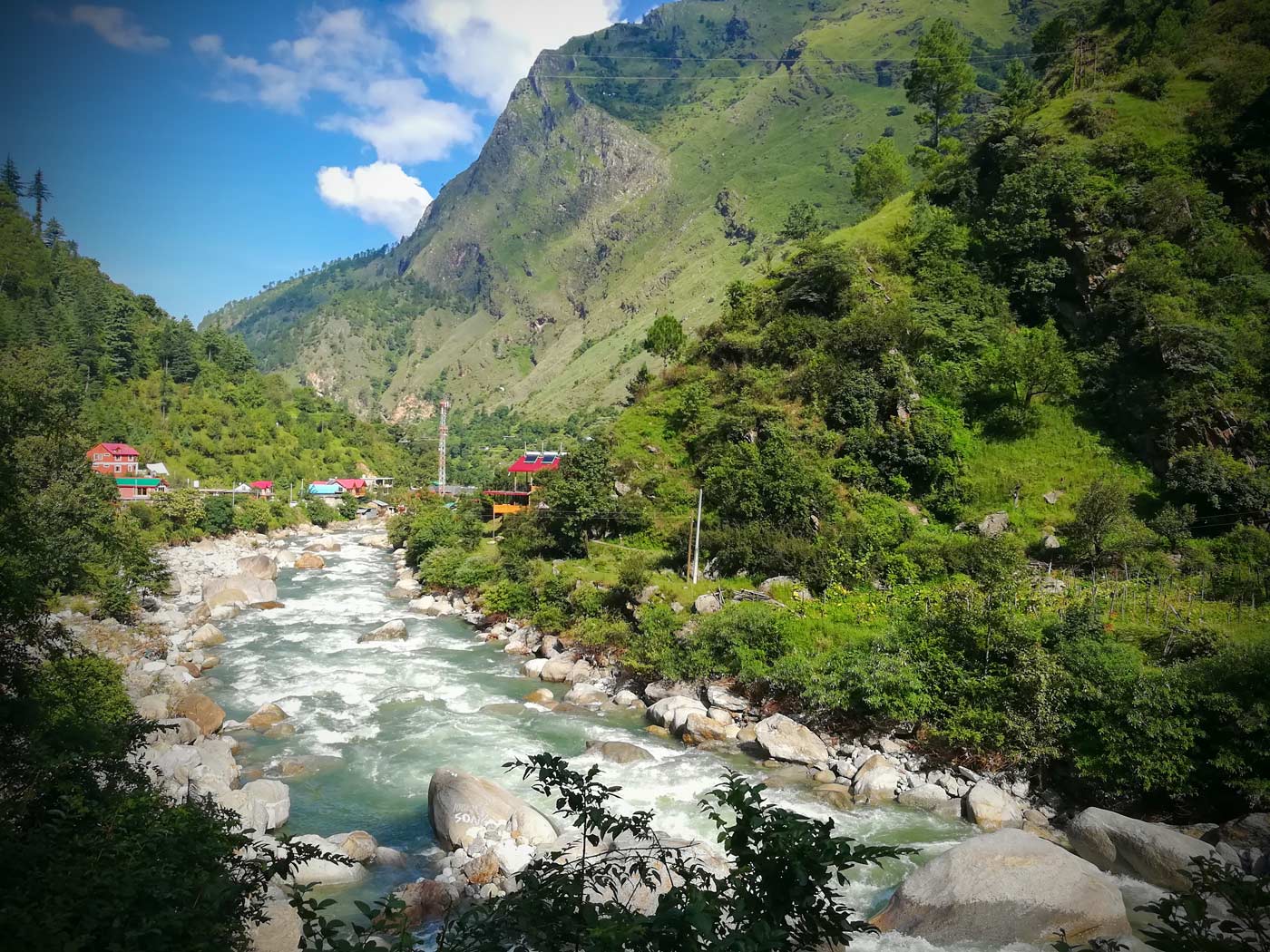
How to Reach Tirthan Valley
By Air
The nearest airport is Bhuntar (Kullu-Manali Airport), approximately 50 km from Gushaini. Alliance Air operates flights from Delhi to Bhuntar, but these are weather-dependent and frequently cancelled. From Bhuntar, take a taxi or bus to Aut (35 km), then another vehicle to Gushaini (15 km).
By Road
From Delhi: 500 km, 12-14 hours. Drive to Aut via Chandigarh-Mandi-Kullu. From Aut, take the road toward Banjar (the road to GHNP). Gushaini is 10 km before Banjar.
From Manali: 60 km, 2-3 hours. Drive to Aut via Kullu, then follow signs to Banjar/GHNP.
From Shimla: 160 km, 6-7 hours. Take the Shimla-Rampur road to Jalori Pass, then descend to Gushaini via Jibhi. This is a scenic but longer route.
By Bus
Himachal Road Transport Corporation (HRTC) buses run from Delhi to Aut. From Aut, catch a local bus toward Banjar and get off at Gushaini. Buses are infrequent - check schedules in advance. Private buses from Delhi to Kullu/Manali are more frequent - you can disembark at Aut and find onward transport.
Trek Preparation & Essentials
Fitness Requirements
For moderate treks like the Tirthan Valley trek, you need good cardiovascular fitness. Prepare by:
- Walking 5-10 km daily for 4-6 weeks before your trek
- Cardio exercises (running, cycling, swimming) 3-4 times per week
- Strength training focusing on legs and core
- Practice walking on stairs or hills with a weighted backpack
Packing List
Clothing:
- Trekking pants (2 pairs, quick-dry)
- T-shirts (3-4, moisture-wicking)
- Fleece jacket or warm sweater
- Down jacket for cold evenings
- Rain jacket/pants (essential)
- Thermal inner wear (for cold weather)
- Comfortable trekking shoes (broken in before trek)
- Camp shoes/sandals (for relaxing)
- Sun hat and woolen cap
- 2-3 pairs of socks (wool recommended)
Equipment:
- Backpack (40-50 liters)
- Sleeping bag (rated for -5°C to 0°C)
- Tent (if camping independently)
- Sleeping mat
- Trekking poles (recommended for steep ascents/descents)
- Headlamp or flashlight with spare batteries
- Water bottles (2 liters capacity)
- Water purification tablets or filter
- First aid kit with personal medications
- Sunscreen and sunglasses
- Basic toiletries (biodegradable soap, toothbrush, toothpaste)
- Wet wipes and hand sanitizer
- Lighter/matches
- Power bank for charging electronics
Permits and Guides
For treks within the Great Himalayan National Park, you need:
- GHNP Entry Permit: Obtain from the GHNP office in Sai Ropa (near Gushaini) or Kullu. Carry your ID proof and passport-size photos.
- Licensed Guide: Mandatory for GHNP treks. Hire only licensed GHNP guides - they're trained, knowledgeable, and carry emergency equipment. Book through the GHNP office.
For treks outside the national park boundary (like the Chhoie Waterfall trek), no permits are required, but hiring a local guide is still recommended for navigation assistance and cultural insights.
Nearby Attractions & Stay Options
Jibhi
A nearby village (15 km from Gushaini) that's become popular with travelers. Jibhi offers:
- Beautiful cafes and homestays
- Jibhi Waterfall (short walk)
- Chaini Fort (historic ruins)
- Relaxed backpacker atmosphere
Shoja
A scenic village at 8,500 feet offering:
- Jalori Pass nearby (10,800 feet)
- Serolsar Lake trek
- Great Himalayan views
- Basic guesthouses and homestays
Accommodation in Tirthan Valley
- Forest Rest Houses: Book in advance through HP Forest Department. Located at Rolla and Shilt Hut. Basic but scenic.
- Homestays: Available in Gushaini, Nagini, and other villages. Authentic experience, home-cooked food, warm hospitality.
- Campsites: Designated camping areas exist. If camping independently, practice Leave No Trace principles.
- Guesthouses: Basic facilities in Gushaini and surrounding villages.
Responsible Trekking
Tirthan Valley is pristine - help keep it that way:
- Carry out all trash - don't leave anything behind
- Don't pluck flowers or disturb wildlife
- Respect local customs and dress modestly in villages
- Use biodegradable products when possible
- Support local businesses - hire local guides and porters, buy local products
- Don't use soap directly in streams or lakes
Tirthan Valley offers some of the most rewarding trekking in the Indian Himalayas. The combination of pristine nature, cultural authenticity, and challenging yet accessible trails makes it perfect for trekkers seeking Himalayan experiences away from the crowds. Whether you're a beginner doing the Chhoie Waterfall trek or an experienced trekker attempting Rakti Sar, Tirthan Valley delivers unforgettable Himalayan adventures.
To plan a stronger Himalaya circuit, pair this with Great Himalayan National Park and best treks in Kasol.
Location
Frequently Asked Questions
Q1.What are the best treks in Tirthan Valley?
Q2.What is the difficulty level of Tirthan Valley trek?
Q3.When is the best time to visit Tirthan Valley for trekking?
Q4.Do we need permits for trekking in Tirthan Valley?
Q5.How do I reach Tirthan Valley?
Q6.Where to stay during Tirthan Valley trek?
Q7.Is Tirthan Valley suitable for beginner trekkers?
Q8.What should I pack for Tirthan Valley trek?
Recommended For You
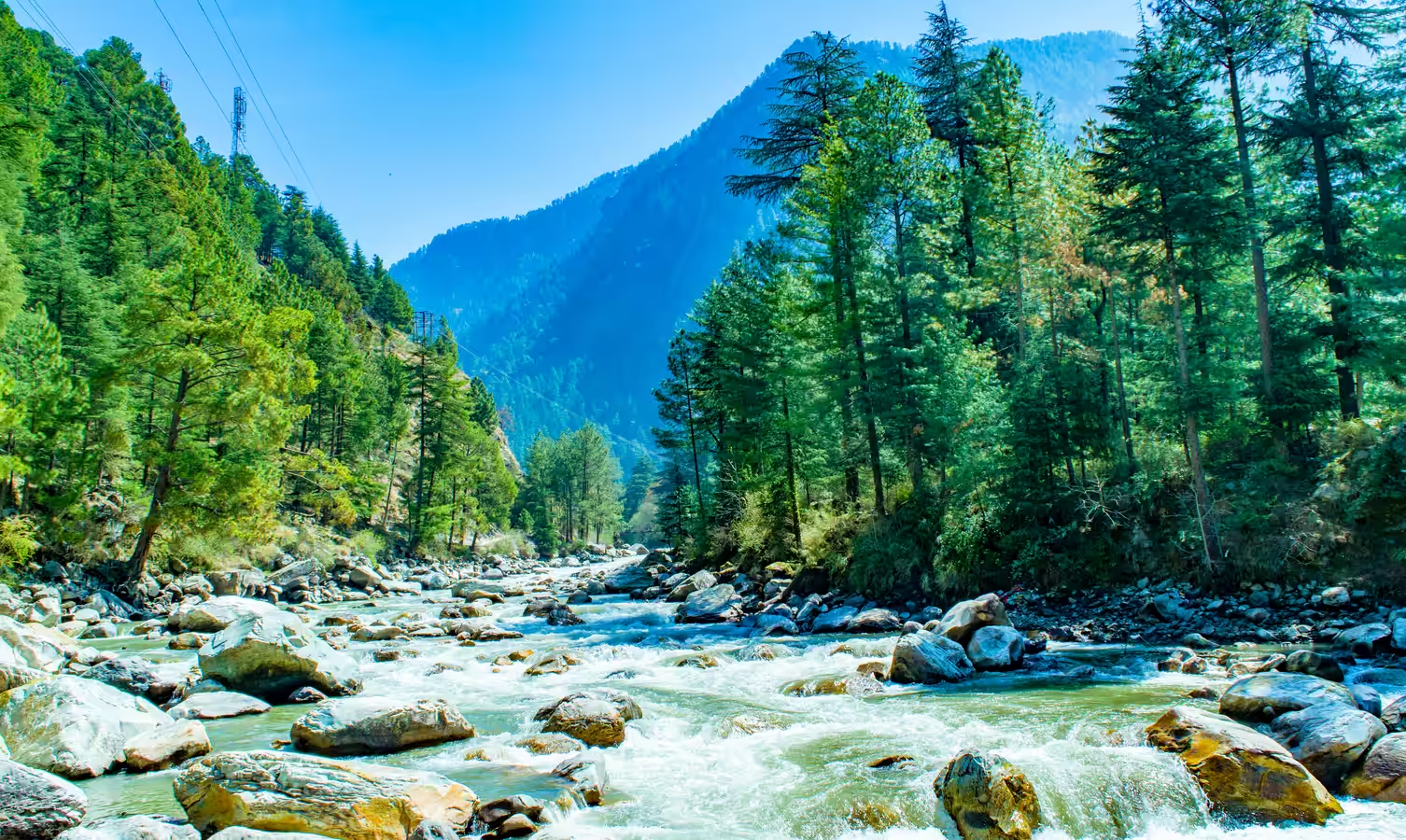
Best Treks in Kasol Himachal: Difficulty, Duration & Route Highlights
Discover the best treks in Kasol Himachal with route details, difficulty levels, season guidance, and practical planning tips from beginner trails to advanced expeditions.
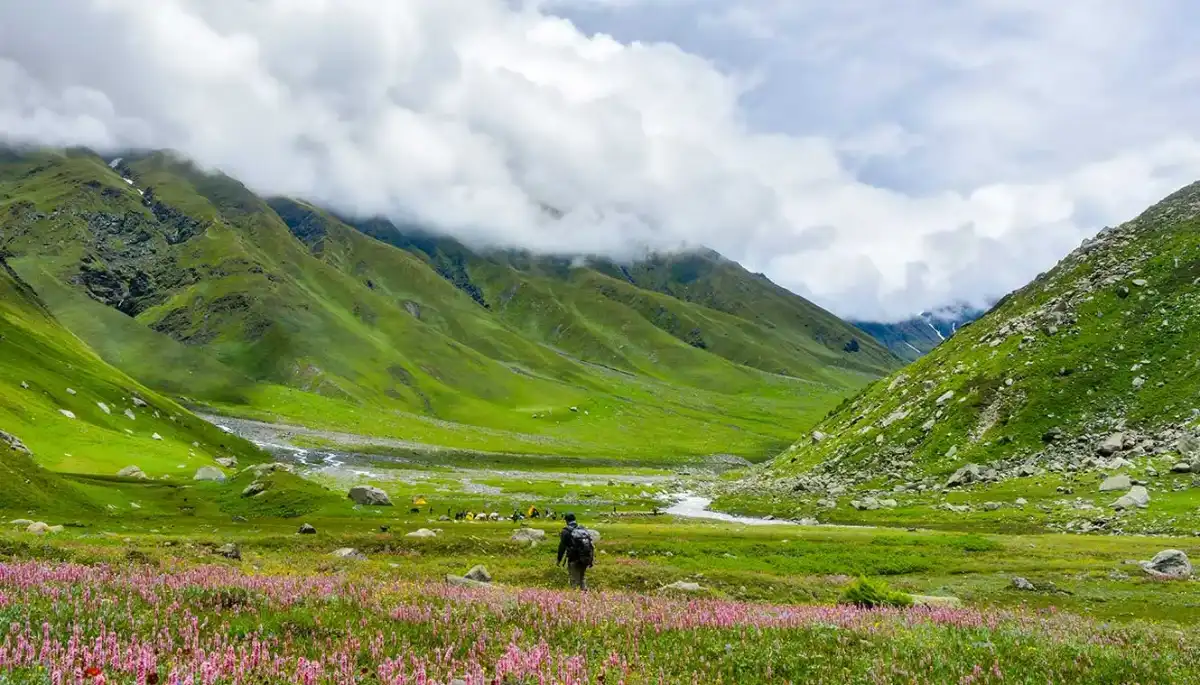
Pin Bhaba Pass Trek: Difficulty, Route & Best Season
Plan Pin Bhaba Pass Trek with difficulty breakdown, route strategy, acclimatization tips, and practical packing guidance.
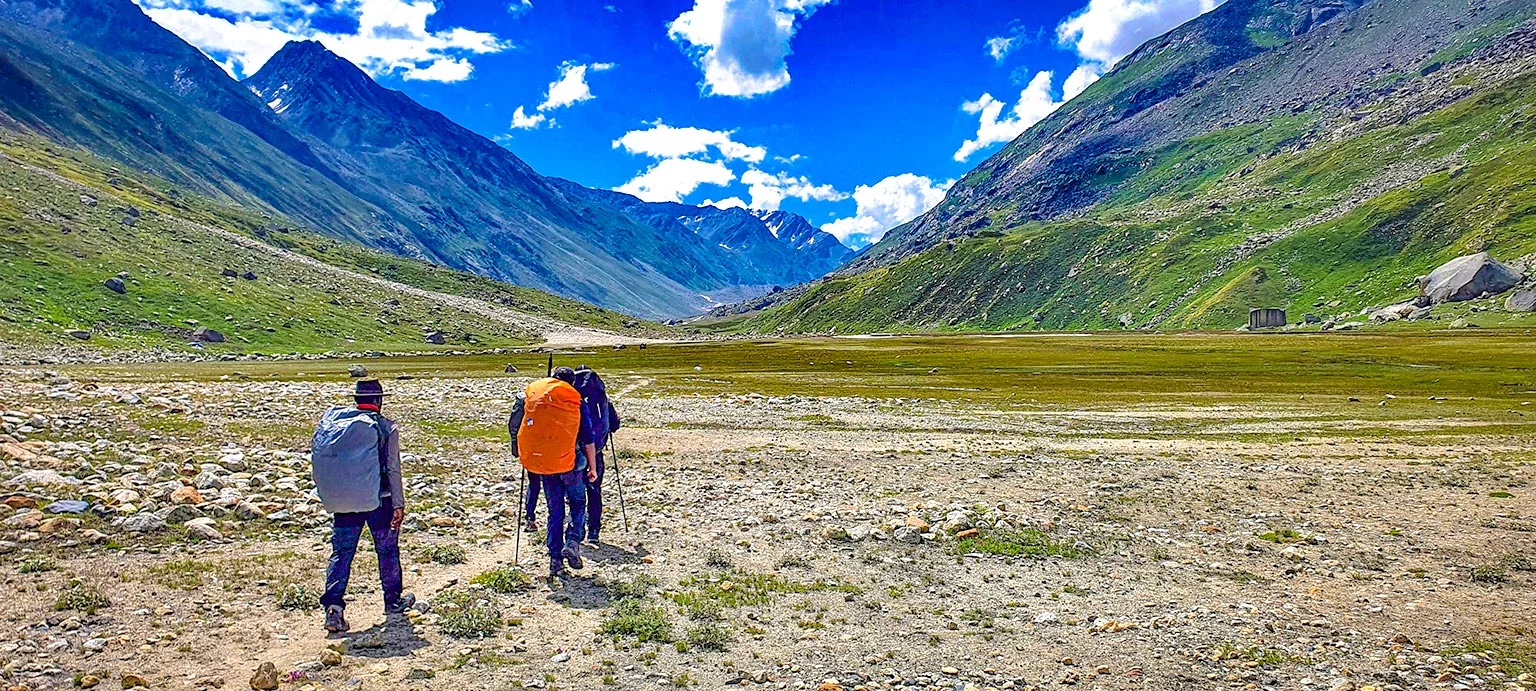
Pin Parvati Pass Trek: Itinerary, Cost, and Safety Plan
Plan Pin Parvati Pass Trek with realistic itinerary design, cost components, and safety-first high-altitude preparation.
Never Miss an Adventure
Get the latest trekking guides, travel tips, and exclusive offers delivered straight to your inbox.
