
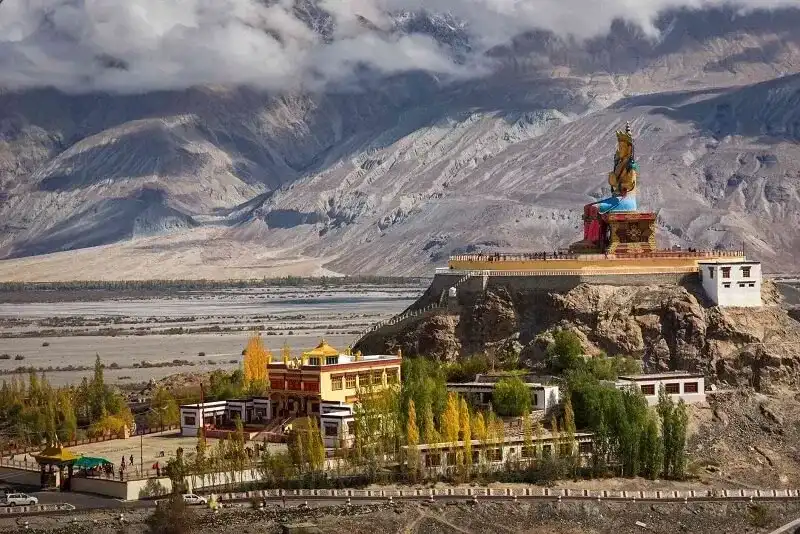
Spiritual
Spituk Gompa: History Timings And Visit Information

Rohan Malhotra
November 21, 2025
20 min read2,213 views
Complete practical guide to visiting Spituk Gompa in Leh. Essential tips on timings, photography, etiquette, what to see, and how to make the most of your monastery visit.
Introduction: Preparing for Your Visit to Spituk Gompa
Perched dramatically on a hilltop overlooking the Indus Valley, Spituk Gompa stands as one of Ladakh's most accessible yet spiritually profound monasteries. Whether you're a first-time visitor to Buddhist monasteries or a seasoned spiritual traveler, this complete guide will help you prepare for a meaningful and respectful experience at Spituk Gompa. Located just 8 kilometers from Leh city, this 15th-century Gelugpa monastery offers everything from ancient Buddhist artifacts to panoramic mountain views. However, making the most of your visit requires more than just showing up at the entrance. Understanding monastery etiquette, knowing what to expect, and planning ahead can transform your visit from a quick sightseeing stop into a genuinely enriching cultural encounter. This practical guide covers everything you need to know before visiting Spituk Gompa— from appropriate dress code and photography guidelines to the best time to visit and how to behave respectfully in this sacred space. By preparing properly, you'll not only show respect for the monastic community but also create space for a deeper, more meaningful experience of Ladakh's living Buddhist tradition.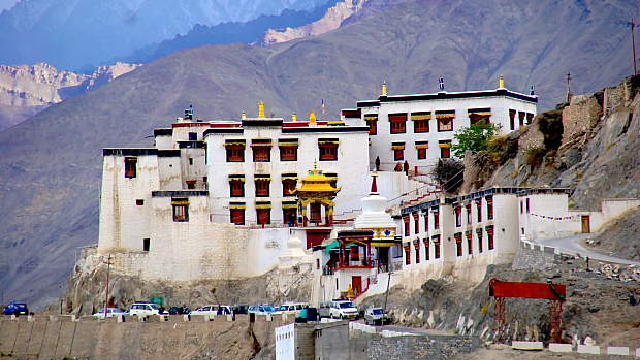
Before You Go: Essential Preparation
Proper preparation is key to having a rewarding experience at Spituk Gompa. Taking some time to learn about the monastery and plan your visit will help you feel more comfortable and get more out of your time there.Learn About Gelugpa Buddhism
Spituk Gompa belongs to the Gelugpa sect, the newest but now most dominant school of Tibetan Buddhism. Understanding even basic Buddhist concepts like compassion, mindfulness, and the significance of prayer wheels and flags will deepen your appreciation for what you'll see. The Gelugpa tradition, founded by the great reformer Tsongkhapa in the 14th century, emphasizes discipline, scholarship, and monastic discipline.Acclimatize Properly
At over 3,500 meters (11,500 feet), Spituk Gompa sits at high altitude. If you've just arrived in Leh by air, give yourself at least 24-48 hours to acclimatize before making the visit. The uphill climb to the monastery can be strenuous if you're not adjusted to the thin air. Take it slow, stay hydrated, and don't push yourself if you feel dizzy or short of breath.Assess Your Fitness Level
While Spituk Gompa isn't the most demanding monastery to reach, it does involve climbing stairs and walking on uneven paths. The monastery complex is spread across multiple levels connected by steep stairs. If you have mobility concerns or knee problems, consider taking a taxi directly to the entrance and plan extra time for navigating the complex slowly.Plan Your Timing
Allocate at least 2-3 hours for your visit to Spituk Gompa. Rushing through in an hour will leave you feeling unsatisfied and potentially disrespectful of the sacred space. A relaxed pace allows you to absorb the atmosphere, observe details, and perhaps even sit quietly in meditation.Check the Weather
Leh's weather can change quickly, even in summer. The monastery's hilltop location means it's often windier and cooler than in Leh town. Bring layers, even on warm days, and check the forecast before heading out. Clear mornings offer the best views and photography conditions.Consider Hiring a Guide
While you can explore Spituk independently, hiring a local guide (₹500-1000 for half-day) can significantly enrich your experience. Guides can explain the symbolism of statues and thangkas, share stories about the monastery's history, and help navigate any cultural protocols. Many visitors find that having a guide transforms their visit from sightseeing to learning.Bring Cash
Carry small denominations of cash for the entry fee, photography charges, donations, and any purchases from the monastery shop. There are no ATMs at the monastery, and card payments are not accepted.What to Expect at Spituk Gompa
Understanding what awaits you at Spituk Gompa will help you mentally prepare and make the most of your visit. Here's a realistic overview of the experience.Peaceful and Spiritual Atmosphere
Despite its popularity with tourists, Spituk Gompa maintains a profound sense of peace and spirituality. The sound of monks chanting, the scent of juniper incense, and the sight of prayer wheels spinning clockwise create an atmosphere that feels removed from the modern world. Take time to simply sit and absorb this energy rather than rushing from sight to sight.Multi-Level Layout
The monastery is built on a hillside with structures at multiple levels connected by stairs and pathways. You'll be climbing stairs, walking on uneven surfaces, and navigating narrow corridors. Wear comfortable, sturdy shoes with good grip. The layout rewards exploration—don't miss the upper terraces for the best views.Monks in Daily Life
Spituk is home to over 100 monks, and you're likely to see them going about their daily routines—praying, studying, debating, or performing maintenance work. Remember that this is their home and workplace, not a museum exhibit. Observe respectfully and don't interrupt their activities for photographs unless you've received permission.Cool Interior Temperatures
The temple interiors are significantly cooler than outside, especially in the mornings and evenings. The thick mud-brick walls and stone floors retain coolness, which feels refreshing in summer but can be chilly, particularly if you're wearing light clothing. A light jacket or shawl is recommended even on warm days.Moderate Crowds
Spituk Gompa sees a steady stream of visitors throughout the summer tourist season. You're unlikely to have the place to yourself, but unlike some major tourist sites, it rarely feels overwhelming. Early morning visits (8-10 AM) typically see fewer tourists and more monks engaged in morning prayers.Spectacular Valley Views
One of Spituk's greatest assets is its viewpoint overlooking the Indus Valley. The panoramic vista takes in the river winding through the valley, the airport, Leh city in the distance, and snow-capped peaks on the horizon. This view alone makes the visit worthwhile and provides excellent photography opportunities.Basic Facilities
Don't expect modern amenities at Spituk Gompa. Facilities are basic—a simple ticket counter, perhaps a small shop selling religious items, and basic toilets. There's no café, no audio guides, and no information center. Come prepared with water, snacks if needed, and your own guidebook or downloaded information.Language Considerations
While many younger monks speak some English, older monks may have limited English proficiency. Communication is often possible through gestures and basic phrases. Learning a few words of Ladakhi greeting such as "Julley" (hello/thank you) goes a long way in building rapport.A Cultural and Spiritual Experience
Above all, expect Spituk Gompa to be both a cultural attraction and a living spiritual center. Balancing respect for its religious function with your role as a visitor is key. This means being quiet during prayers, not blocking access to shrines, and treating the space and its inhabitants with reverence.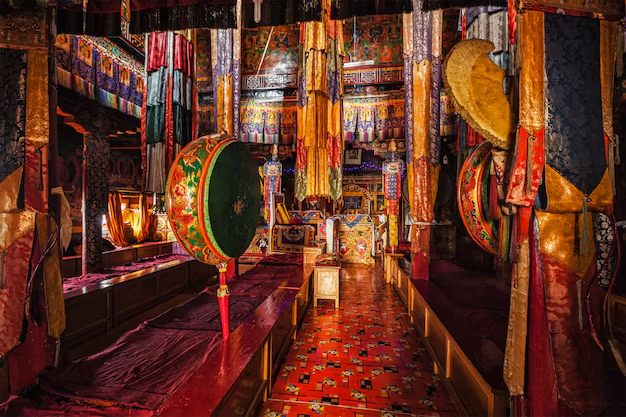
Exploring the Monastery: A Step-by-Step Guide
Making your way through Spituk Gompa systematically ensures you don't miss the highlights while maintaining respect for the sacred space. Here's how to explore the monastery thoughtfully.The Main Dukhang (Prayer Hall)
Start your visit in the Dukhang, the central prayer hall and heart of the monastic community. This is where monks gather for their daily prayers and rituals. Remove your shoes before entering—there will be a designated area at the entrance. Inside, you'll see rows of prayer cushions where monks sit during ceremonies, the central altar with statues and thangkas, and rows of butter lamps. If monks are praying, sit quietly at the back and observe. Don't walk in front of monks during ceremonies or interrupt their practice. Take time to appreciate the thangka paintings on the walls—these are sacred art depicting deities and Buddhist symbolism. The Dukhang is also where you'll find prayer wheels lining the entrance. Spin them clockwise with respect and mindfulness, each spin believed to spread blessings.Visiting the Chapels
Spituk Gompa contains several smaller chapels dedicated to different deities and aspects of Buddhist practice. Each chapel has its own atmosphere and focal point. Visit them respectfully, moving clockwise around sacred objects. Notice the different deities represented—Chenrezig (the Bodhisattva of Compassion), Guru Rinpoche (who brought Buddhism to Tibet), and various protector deities. Each has symbolic significance in Buddhist practice. Information boards may help you understand what you're seeing, though these are limited. Take time in each chapel rather than rushing through. Sit quietly, observe the details, and absorb the atmosphere. Ask permission before entering restricted areas or taking close-up photographs of sacred objects.The Viewpoint
Climb to the highest terrace of the monastery complex for the best views of the Indus Valley. This viewpoint offers one of the most spectacular panoramas in the Leh region and is a highlight for many visitors. From here, you can see the Indus River winding through the valley, the Leh airport, and distant snow-capped peaks. It's an excellent spot for photography, especially in the soft light of early morning or late afternoon. The viewpoint also provides a quiet space for meditation and reflection.The Library
Spituk's library houses ancient Buddhist scriptures and texts. However, this area may not be accessible to visitors as it's primarily for the monastic community's study and practice. If you do have access, observe quietly and don't handle the texts without permission.Special Festival Access
If you're visiting during the Gustor Festival in January, you'll have special access to see the sacred Vajra Bhairava image unveiled and witness cham dance performances. The monastery comes alive during these festivals, offering a rare glimpse into important Buddhist ceremonies. For a comparison of festival calendars across Ladakh's monasteries, the Hemis Monastery hosts an even larger masked-dance festival each summer, while Thiksey Monastery, styled after the Potala Palace, is worth adding to the same day trip.Photography Guide at Spituk Gompa
Photography can be a wonderful way to remember your visit to Spituk Gompa, but it requires sensitivity and respect. Here are the guidelines to follow.General Photography Rules
Photography is generally permitted at Spituk Gompa, but you must pay a camera fee (typically ₹50-100 for still cameras, more for video). Pay this at the entrance and carry your receipt. Flash photography is prohibited inside temples to protect ancient thangkas and statues from light damage.Outside Photography
Exterior photography is generally allowed and encouraged. The monastery's whitewashed buildings against the mountains, prayer flags fluttering in the wind, and the panoramic valley views all make for stunning photographs. The best exterior shots include the monastery architecture, the surrounding landscape, and the prayer flags at the entrance.Inside Temple Photography
Photography inside the temples and chapels requires more caution. Always ask permission first, especially if monks are present or ceremonies are ongoing. Some areas may be completely off-limits to photography—respect these restrictions without argument. When permitted, avoid using flash. Use a fast lens or higher ISO settings to capture dimly lit interiors. Be mindful of blocking pathways or disrupting worshippers while setting up shots.Photographing People
Always ask permission before photographing monks, especially close-ups or during ceremonies. Some monks may decline or request a small donation. Approach the request respectfully with a smile and gesture to your camera. If they decline, accept it graciously. Don't photograph people praying or engaging in religious practices without explicit permission. These are intimate spiritual moments that deserve privacy and respect.Best Photography Spots
- **The Viewpoint**: Panoramic valley views, best in morning or late afternoon light - **Courtyard**: Monastery architecture with mountains in background - **Exterior Walls**: Prayer flags, whitewashed walls, traditional windows - **Main Entrance**: Gateway with prayer flags and mountains - **Festival Performances**: If visiting during Gustor FestivalEquipment Recommendations
- Wide-angle lens for interiors and architecture - Telephoto zoom for distant valley views and discreet people shots - Fast lens (f/2.8 or wider) for dim interiors - Polarizing filter for sky and landscape shots - Extra batteries (cold drains batteries quickly) Avoid bringing tripods if possible—they're often not allowed and can be cumbersome in crowded spaces. If you must use one, be extremely careful not to block pathways or disrupt others.Photography Etiquette
Be discreet and respectful when photographing. Don't block pathways or staircases while setting up shots. Avoid disturbing worshippers or interrupting ceremonies for photographs. If a monk or caretaker asks you to stop photographing in a certain area, comply immediately and respectfully.Monastic Etiquette: How to Behave Respectfully
Showing respect for the religious nature of Spituk Gompa is not only polite but essential for preserving the sanctity of the space. Follow these guidelines for appropriate behavior.Dress Code
Modest dress is required when visiting Spituk Gompa. Both men and women should cover shoulders and knees. Avoid shorts, short skirts, sleeveless tops, or revealing clothing. If you're wearing lightweight clothing for the heat, carry a scarf or shawl to cover up before entering temples. Remove hats, caps, and sunglasses before entering temples. Remove shoes before entering any temple or prayer hall—there will be a designated area. During winter, warm clothing is essential, including a jacket, gloves, and hat for the exposed hilltop location.Behavior Inside the Monastery
Speak softly and maintain a quiet, respectful demeanor throughout your visit. The monastery is a place of worship and contemplation, not a tourist playground. Avoid loud conversations, especially on phones, and silence your phone before entering. Walk clockwise around stupas, chortens, and sacred objects—this is the traditional direction in Tibetan Buddhism. Never point your feet toward Buddha statues, the altar, or monks while sitting. This is considered highly disrespectful in Buddhist culture. Don't touch religious objects, statues, or thangkas without permission. These are sacred items, not museum exhibits. If you want to examine something more closely, ask a monk or caretainer first.Interacting with Monks
Treat monks with respect and deference. They're not tourist attractions but religious practitioners who have dedicated their lives to spiritual practice. Don't interrupt monks at prayer, study, or meals. If you wish to speak with a monk, approach respectfully and wait for an appropriate moment. Many monks appreciate friendly interaction if done respectfully. Learn basic greetings like "Julley" (hello/thank you) to show respect for the local culture. If a monk offers you tea or food, accepting is polite even if you only take a sip or small bite. This is a gesture of hospitality and blessing. Offer a small donation in return if appropriate.What to Avoid
- No smoking anywhere in the monastery complex - No alcohol or drugs before or during your visit - No loud conversations or disruptive behavior - No disrespectful behavior toward religious objects or practices - No littering—carry out all trash - No public displays of affection - No entering restricted areas without permission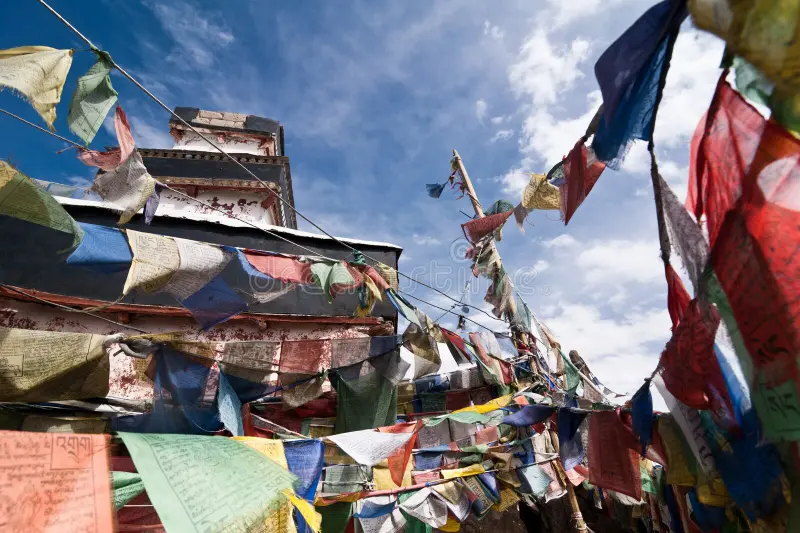
Best Time to Visit Spituk Gompa
Choosing the right time for your visit can significantly impact your experience at Spituk Gompa. Consider both the season and time of day when planning your trip.Seasonal Considerations
**May to September (Summer Season)**: This is the most popular time to visit Spituk Gompa. The weather is pleasant with daytime temperatures between 20-30°C, roads are accessible, and all tourist facilities are operational. June through August sees the most visitors, while September offers thinner crowds while maintaining good weather. **October to November (Autumn)**: The crowds thin out significantly during these months, and the weather remains pleasant. Days are clear and sunny, though nights become colder. This is an excellent time for photography with clear air and dramatic light. **December to March (Winter)**: Most tourists avoid Ladakh during winter due to extreme cold (temperatures often below -20°C) and facility closures. However, if you're prepared for the conditions, winter offers a very different experience with fewer tourists and snow-covered landscapes. The monastery may have limited hours or be closed during deep winter—check ahead. **April (Spring)**: Spring sees the beginning of the tourist season as temperatures warm up. The landscape is still brown after winter, but you'll avoid the summer crowds. Roads are accessible, and facilities are beginning to open fully.Time of Day
**Early Morning (8-10 AM)**: This is arguably the best time to visit Spituk Gompa. The light is soft and warm, perfect for photography. Fewer tourists are present, and you may witness the monks' morning prayers—a beautiful and atmospheric experience. The monastery feels most peaceful and spiritual during these hours. **Midday (11 AM - 2 PM)**: This is the busiest time with tour groups and day-trippers from Leh. The light is harsh for photography, and the monastery can feel crowded. If you must visit at this time, be patient with crowds and expect a less contemplative experience. **Late Afternoon (3-6 PM)**: Afternoon visits offer thinner crowds as day-trippers return to Leh. The light becomes warm again as the sun lowers, creating beautiful photography conditions. The monastery feels more peaceful in the late afternoon, and sunset from the viewpoint can be spectacular.Special Events
**Gustor Festival (January)**: If you can brave the extreme winter cold, visiting during the Gustor Festival offers a once-in-a-lifetime experience. The monastery comes alive with sacred cham dances, the unveiling of the Vajra Bhairava image, and ceremonies celebrating the victory of good over evil. This is the most spiritually significant time to visit. **Buddha Purnima (May)**: This important Buddhist festival celebrating the Buddha's birth, enlightenment, and death may see special ceremonies at the monastery. It's a meaningful time to visit if you want to experience Buddhist practice. **Losar (Tibetan New Year, usually February/March)**: The Tibetan New Year is celebrated with special prayers and ceremonies at the monastery. If you're visiting in winter, this can be a culturally rich time to experience Spituk Gompa.Weather Considerations
Clear mornings typically offer the best views of the valley and mountains. Afternoon can become hazy, especially in summer when dust and heat create atmospheric haze. Winter mornings can be crystal clear but extremely cold—dress warmly if attempting a sunrise visit.Planning Your Visit: Practical Information
Good planning ensures a smooth and rewarding visit to Spituk Gompa. Here's everything you need to know for logistics.Recommended Duration
Plan for 2-3 hours at Spituk Gompa for a thorough and unhurried visit. This allows time to explore all the main areas, spend some quiet time in the prayer hall, enjoy the views, and perhaps have tea if available. Rushing in less than an hour will leave you feeling unsatisfied and potentially disrespectful of the sacred space.Combining With Other Attractions
Spituk Gompa's proximity to Leh makes it easy to combine with other attractions in a full day of sightseeing: - Shanti Stupa: Visit in the evening for sunset and illuminated views - Leh Palace: Explore the former royal residence and museum - Hall of Fame: Learn about Ladakh's military history - Sankar Gompa: A quieter monastery experience - Leh Main Market: Shop for souvenirs and try local foodTransportation Options
**By Taxi**: The most convenient option. Taxis from Leh cost ₹500-700 for a round trip including waiting time. The journey takes 20-30 minutes each way. Taxis can drop you directly at the monastery entrance, minimizing walking. **By Shared Taxi**: A budget option at ₹100-150 per person. However, shared taxis drop you at Spituk village, requiring a 15-20 minute uphill walk to the monastery. You may need to wait for the vehicle to fill up before departure. **By Rented Bike/Scooter**: A popular option for independent travelers. Rentals in Leh cost ₹800-1500 per day. The ride offers scenic views and the freedom to stop for photography. However, ensure you're comfortable riding on mountain roads. **On Foot**: Possible but challenging at 8 kilometers each way with significant elevation gain. The walk takes 2-3 hours each way and requires good fitness and acclimatization. Recommended only for fit, acclimatized travelers with plenty of time.Timing Your Visit
Start early in the morning to avoid crowds and enjoy the best light. The monastery opens at 8 AM—arriving soon after opening ensures a peaceful experience. Avoid the lunch break closure (1-2 PM) by timing your visit either in the morning or afternoon session. Allow flexibility in your schedule for weather. Mountain weather can change quickly, and you may want to adjust your timing based on conditions. Having a buffer day in your itinerary helps accommodate unexpected weather or closures.What to Carry
Essential Items
- **Water Bottle**: High altitude requires extra hydration - **Cash**: For entry fee (₹20-100), photography fees, and donations - **Camera**: With extra batteries and memory cards - **Sunglasses and Sunscreen**: The high-altitude sun is intense - **Light Jacket**: Temple interiors are cool, and the hilltop can be windyRecommended Items
- **Comfortable Walking Shoes**: With good grip for stairs and uneven surfaces - **Modest Clothing**: Or a scarf/shawl to cover up - **Power Bank**: For charging your phone/camera - **Wet Wipes/Hand Sanitizer**: Facilities are basic - **Small Offering**: Money or incense for making offerings - **Snacks**: Limited food options at the monasteryOptional Items
- **Notebook/Journal**: For recording your reflections - **Meditation Cushion**: If you plan to sit for extended meditation - **Guidebook or Downloaded Info**: Limited information at the site - **Binoculars**: For viewing distant mountains and valleys - **Hat and Gloves**: In winter or cold weatherMaking the Most of Your Visit
Beyond the practical logistics, approaching your visit with the right mindset can transform your experience at Spituk Gompa from sightseeing to something more meaningful.Practice Mindfulness
Be fully present during your visit rather than rushing through checking off sites. Slow down, breathe deeply, and absorb the atmosphere. The monastery's peaceful energy is best experienced with a calm, mindful approach rather than a tourist mindset.Learn Before You Go
Reading about Buddhism, Tibetan culture, and Spituk's history before visiting provides context that enriches your experience. Understanding the significance of what you're seeing transforms the visit from visual appreciation to cultural learning.Interact Respectfully
If appropriate and welcome, interact with monks and local people respectfully. Many monks appreciate genuine interest in their practice and culture. Ask thoughtful questions about the monastery, Buddhism, or life in Ladakh. These interactions are often the most memorable parts of a visit.Find Quiet Moments
Amidst exploring and photographing, find moments to simply sit quietly. Whether in the prayer hall listening to chanting or on a viewpoint absorbing the landscape, these moments of stillness are often the most rewarding part of visiting a monastery.Ask Questions
If you have a guide, ask questions. If you don't, observe respectfully and perhaps write down questions to research later. Understanding the symbolism, rituals, and practices deepens your appreciation and makes the visit more meaningful.Practice Patience
Allow yourself to move at the monastery's pace, not your own. Don't rush through chapels or try to see everything quickly. Spend time where you feel drawn rather than following a rigid checklist. The monastery rewards those who take their time.Embrace Silence
Spituk Gompa offers a rare opportunity to experience profound silence in our noisy world. Embrace this—turn off your phone, stop talking, and simply listen to the wind, the chanting, and your own thoughts. Silence is one of the monastery's greatest gifts.Express Gratitude
Show appreciation for the experience—the monks who maintain the monastery, the local people who preserve their culture, and the opportunity to witness this sacred space. Gratitude transforms the visit from entitlement to appreciation.Support the Monastery
If you value your visit, support the monastery. Make a donation at the office, purchase items from the monastery shop, or leave offerings in the temples. Your support helps preserve this sacred space for future generations.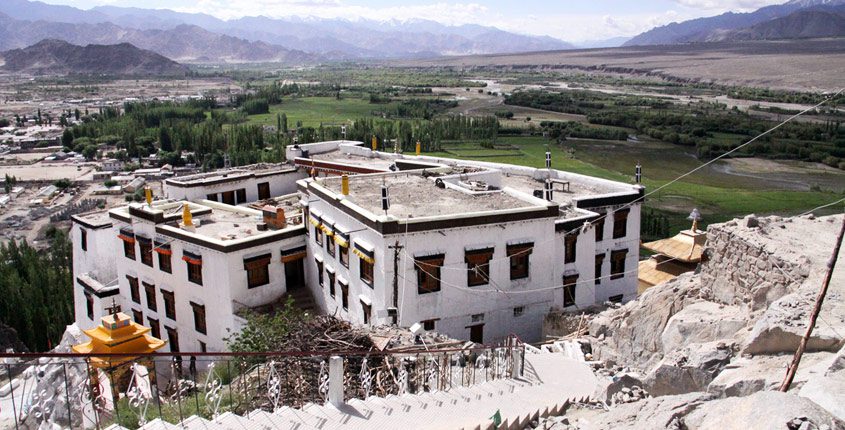
Location
Frequently Asked Questions
Q1.How long does a Spituk Gompa visit take?
A thorough visit to Spituk Gompa typically takes 2-3 hours. This allows time to explore the main prayer hall, visit various chapels, climb to the viewpoint, and spend some quiet time absorbing the atmosphere. Rushing through in under an hour will leave you feeling unsatisfied. If you're combining Spituk with other Leh attractions, plan for a full day of sightseeing.
Q2.What should I wear to the monastery?
Dress modestly with shoulders and knees covered. Avoid shorts, short skirts, and sleeveless tops. Lightweight long sleeves and long pants or skirts are ideal. In winter, wear warm layers including a heavy jacket, gloves, and hat—the hilltop location can be very windy and cold. Remove shoes before entering temples, so wear shoes that are easy to take on and off.
Q3.Do I need a guide for Spituk Gompa?
While you can explore Spituk independently, hiring a guide (₹500-1000) significantly enhances the experience. Guides explain the symbolism of statues and thangkas, share historical stories, and provide cultural context. For first-time visitors to Buddhist monasteries, a guide is especially valuable for understanding what you're seeing and how to behave respectfully.
Q4.What can I expect at Spituk Monastery?
Expect a peaceful spiritual site with stunning valley views. You'll see monks going about their daily routines, beautiful Buddhist art including thangkas and statues, prayer wheels to spin, and panoramic views from the viewpoint. The atmosphere is contemplative and respectful. Facilities are basic—come prepared with water and cash. Allow 2-3 hours to explore without rushing.
Q5.Can I take photos inside the monastery?
Photography is generally permitted but requires paying a camera fee (₹50-100 for cameras, more for video). Flash photography is prohibited inside temples. Always ask permission before photographing monks or religious ceremonies. Some areas may restrict photography entirely—respect these rules. Be discreet and respectful when photographing, never blocking pathways or disrupting worshippers.
Q6.Is there a dress code?
Yes, modest dress is required. Cover shoulders and knees—no shorts, short skirts, or sleeveless tops. Remove hats and sunglasses before entering temples. Remove shoes before entering prayer halls and chapels. If you're wearing lightweight clothing, carry a scarf or shawl to cover up. The dress code reflects respect for the religious nature of the site.
Q7.What is the proper etiquette for visiting?
Key etiquette includes: dress modestly, speak softly, remove shoes before entering temples, walk clockwise around sacred objects, don't point feet at Buddha statues or monks, ask permission before photographing people, don't touch religious objects, and don't smoke or consume alcohol on the premises. Remember you're visiting an active religious site, not a museum—be respectful, quiet, and mindful of worshippers.
Q8.What's the best time of day to visit?
The best time to visit Spituk Gompa is early morning (8-10 AM) when the light is soft and good for photography, crowds are thinner, and you may witness morning prayers. Late afternoon (3-6 PM) is also excellent with fewer crowds and warm sunset light. Avoid midday when tour buses arrive and the light is harsh. The monastery is open 8 AM-1 PM and 2-6 PM daily.
Recommended For You
Spiritual
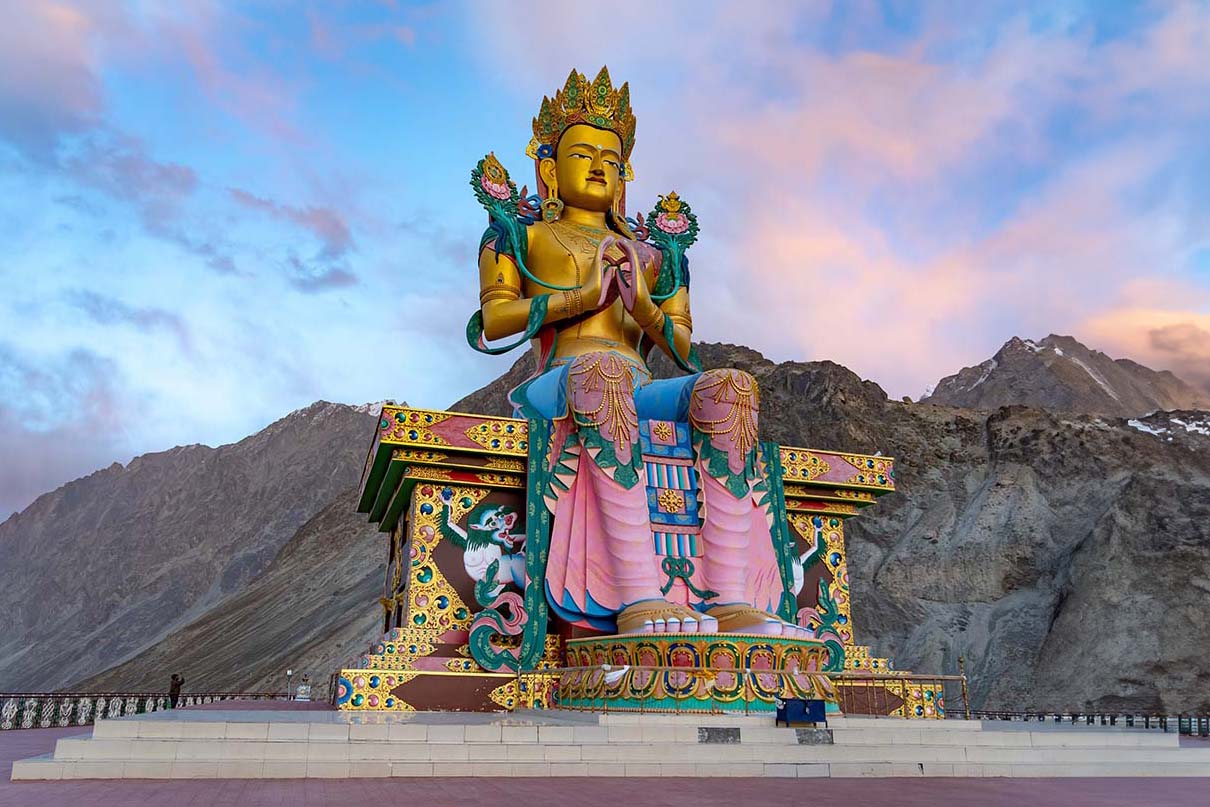
Diskit Monastery Ladakh: Timings, History & Nubra Valley Visit
Plan Diskit Monastery Ladakh with history, Maitreya statue context, route from Leh, timing guidance, festival notes, and practical Nubra travel tips.
Feb 20Read More
Spiritual
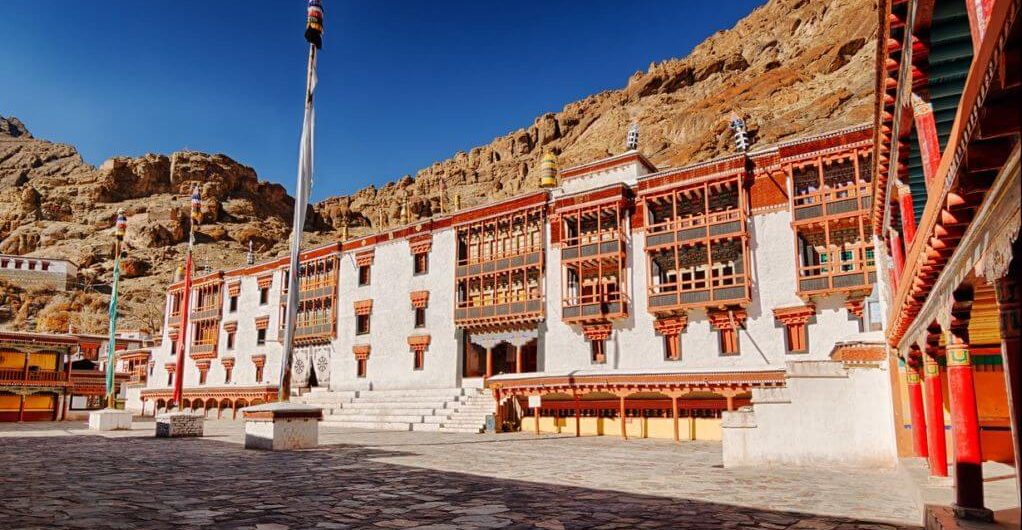
Hemis Monastery Ladakh: Festival, Timings & How To Reach
Visit Hemis Monastery in Ladakh! Get Hemis Festival dates, timings, history, how to reach from Leh, and complete travel guide to this largest monastery.
Nov 30Read More
Spiritual
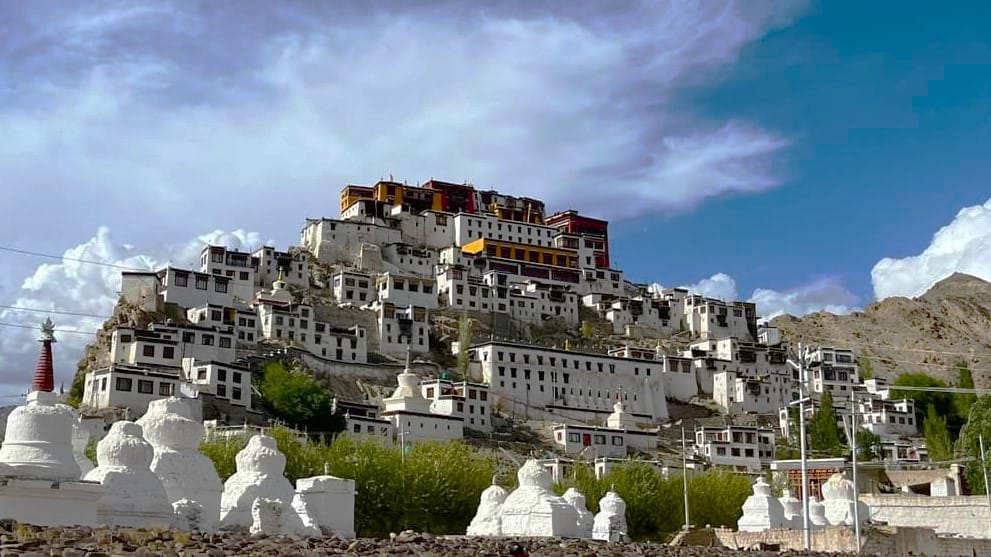
Monasteries in Ladakh: Routes, Etiquette and Top Gompas
Explore monasteries in Ladakh with practical route planning, key gompa highlights, and respectful visitor etiquette.
Feb 18Read More
Never Miss an Adventure
Get the latest trekking guides, travel tips, and exclusive offers delivered straight to your inbox.
