
Nature
Tulail Valley Kashmir: The Hidden Paradise
Rahul Garg
February 18, 2026
26 min read4,625 views
Explore Tulail Valley in Kashmir - a hidden paradise near Line of Control. Complete guide to permits, best time, how to reach, trekking & authentic Dard culture.
Introduction: Kashmir's Last Frontier
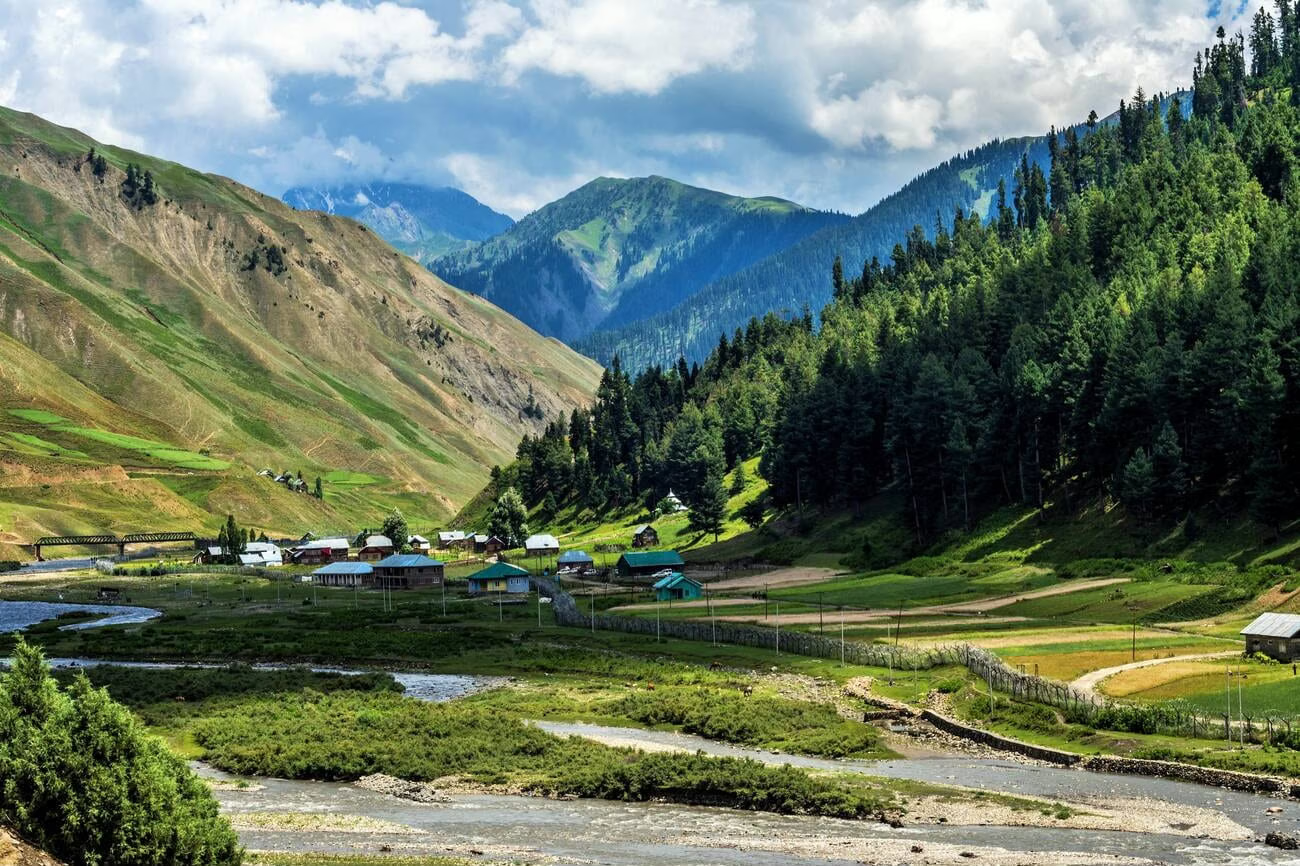
Deep in the northernmost reaches of Kashmir, where the mountains touch the sky and the Kishanganga River carves its way through pristine landscapes, lies Tulail Valley – one of the most remote and unexplored regions of India. Located merely kilometers from the Line of Control, this hidden paradise has remained untouched by mass tourism, preserving its raw natural beauty and ancient Dard-Shina tribal culture in ways that few places in the Himalayas have. Tulail Valley represents everything that Kashmir was before the advent of modern tourism – untouched meadows, crystal-clear rivers, snow-capped peaks, traditional villages, and a way of life that has remained unchanged for centuries. Unlike crowded destinations like Gulmarg or popular spots around Srinagar, Tulail offers an authentic experience of Kashmir as it once was, where nature reigns supreme and human presence is merely a footnote in a much grander story. What makes Tulail truly special is its inaccessibility. The valley can only be reached via a challenging road journey through Gurez Valley, and even then, only during the summer months when the snows have melted and the high passes are open. This geographical isolation has acted as a protective barrier, preserving both the environment and the unique cultural heritage of the Dard tribe who call this valley home. For adventure seekers, nature lovers, and those willing to venture off the beaten path, Tulail Valley offers an unparalleled opportunity to experience the raw, untamed beauty of the Himalayas. This guide will help you plan your journey to this extraordinary corner of Kashmir, providing all the essential information you need to explore one of India's last remaining frontiers.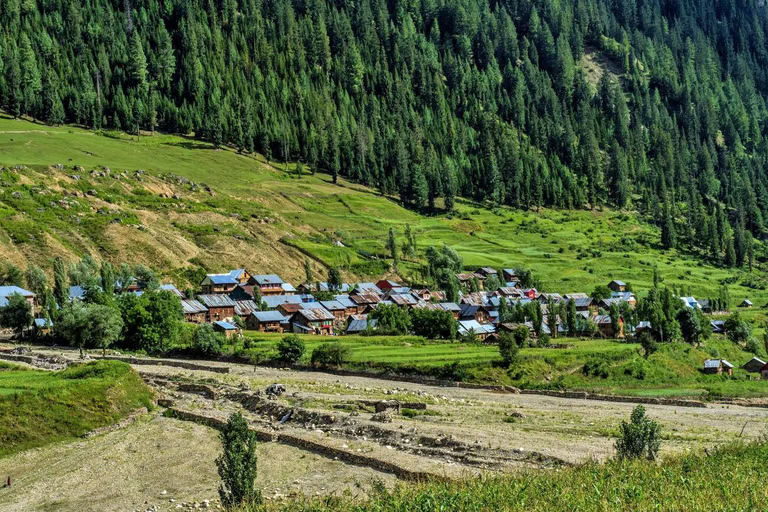
Location & Geography
Tulail Valley is located in the Bandipora district of Jammu & Kashmir, in the northernmost part of the Kashmir Valley. Geographically, it sits in a region of immense strategic importance, bordering Pakistan-administered Kashmir along the Line of Control. This proximity to the border has contributed significantly to the valley's isolation and preserved status.Geographical Coordinates
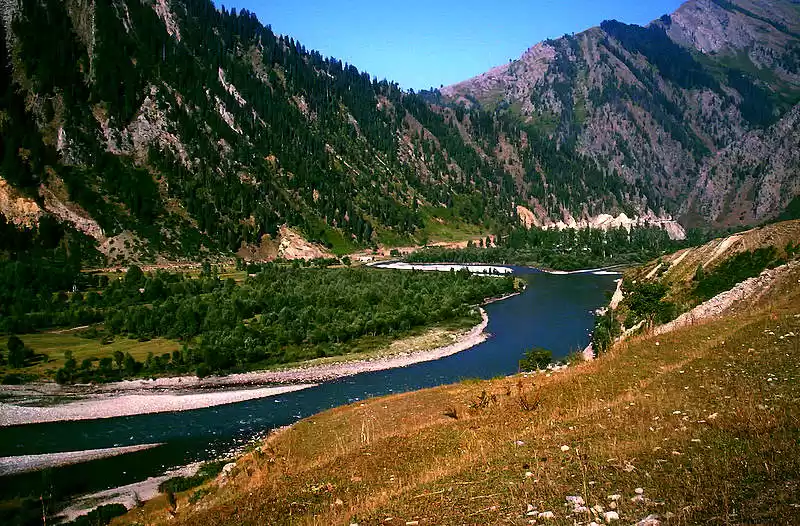
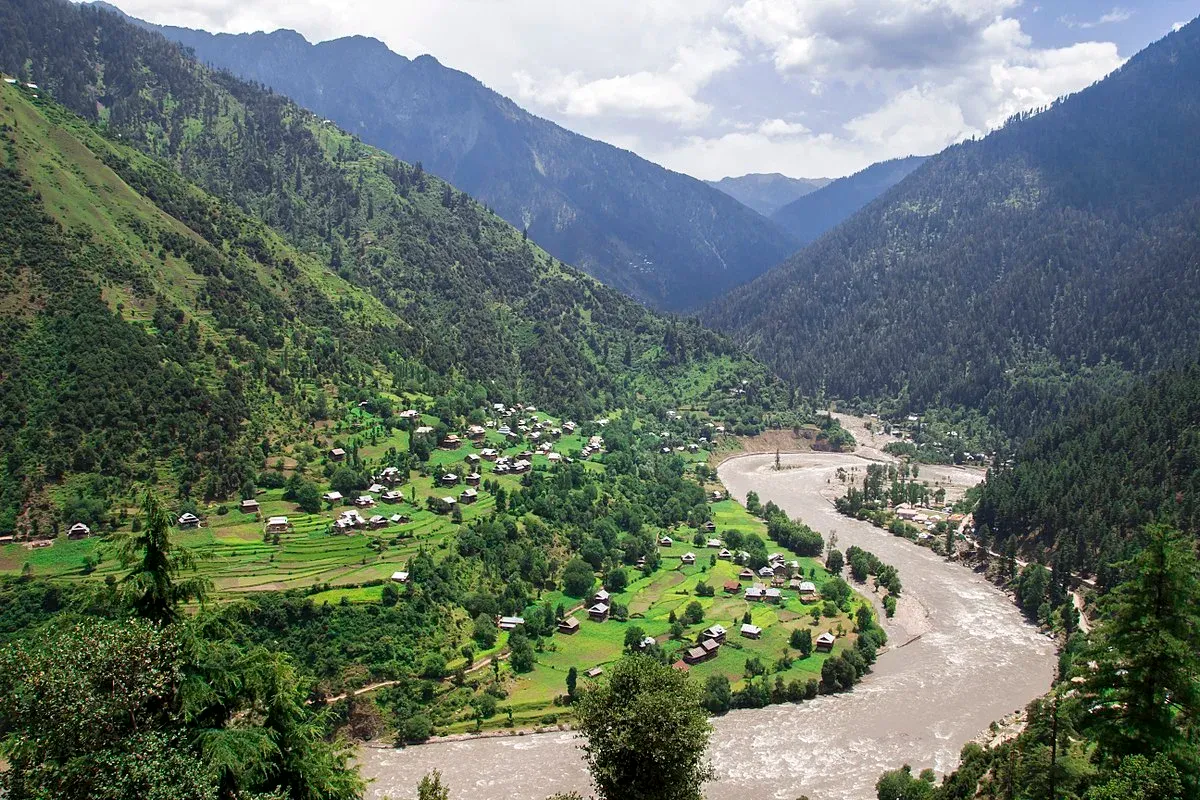
The valley is situated at an altitude ranging from 8,000 to 10,000 feet above sea level, placing it firmly in the alpine zone of the Himalayas. The Kishanganga River (known as the Neelum River in Pakistan-administered Kashmir) flows through the valley, creating a fertile green corridor that contrasts dramatically with the surrounding rugged mountain peaks. The valley stretches approximately 40 kilometers from east to west, with several smaller valleys branching off the main corridor. The surrounding peaks rise dramatically to heights exceeding 15,000 feet, including the prominent Hazratbal Peak, which dominates the skyline and serves as an important landmark in the region.Distance from Major Cities
- From Srinagar: Approximately 180 kilometers
- From Bandipora: Approximately 85 kilometers
- From Gurez: Approximately 40 kilometers
Accessibility
Unlike more accessible Kashmir destinations, Tulail Valley has no direct road connection from the rest of India. The only way to reach the valley is via the Gurez road, which itself is only open during summer months (June to October). During winter, heavy snowfall completely cuts off the valley, making it inaccessible for nearly six months of the year. The road conditions are challenging, with steep gradients, narrow stretches, and minimal safety barriers. However, the journey offers spectacular views of the surrounding mountains, valleys, and rivers, making it as much a part of the experience as the destination itself.Why Visit Tulail Valley
Tulail Valley offers experiences that are increasingly rare in today's world – true wilderness, authentic culture, and a sense of discovery that comes from visiting places that few outsiders have ever seen. Here are compelling reasons why Tulail should be on every serious traveler's bucket list.Untouched Natural Beauty
The primary draw of Tulail Valley is its pristine, unspoiled natural environment. Unlike tourist hotspots that have been developed with hotels, restaurants, and commercial infrastructure, Tulail remains essentially wild. The meadows are natural, not manicured gardens. The forests are old-growth, not plantations. The river flows freely, undammed and unpolluted. This lack of development means you can experience landscapes that look much as they did hundreds of years ago. The valley floor is carpeted with wildflowers during summer, surrounded by dense forests of deodar and pine. Higher up, alpine meadows offer grazing grounds for sheep and goats, while the peaks above remain permanently snow-capped. For photographers, this is paradise. Every direction offers stunning compositions – rivers reflecting the sky, mountains catching the golden light of sunrise or sunset, traditional villages nestled in green valleys, and endless vistas of unspoiled wilderness.Unique Dard-Shina Culture
The human inhabitants of Tulail Valley belong to the Dard-Shina tribe, an ethnic group with distinct cultural traditions, language, and customs that have been preserved in isolation for centuries. The Dard people are believed to be descendants of ancient Indo-Aryan populations and have maintained their unique identity despite the various political and cultural changes that have swept through the region. Visiting Tulail offers a rare opportunity to interact with this community and learn about their way of life. The traditional architecture, with its distinctive wooden houses and stone roofs, reflects both the available materials and the need to withstand harsh winters. The local cuisine, social customs, and daily practices offer insights into a culture that has adapted perfectly to its challenging environment.True Off-the-Beaten-Path Adventure
In an era where "offbeat" destinations have become mainstream, Tulail Valley remains genuinely remote. You won't find tour buses, souvenir shops, or crowds here. In fact, you might go days without seeing another tourist. This isolation creates a sense of adventure and discovery that's increasingly hard to find in today's interconnected world. The journey itself is an adventure – navigating mountain roads, crossing high passes, and descending into valleys that feel like they belong to another time. For many travelers, this sense of exploration and discovery is the primary attraction.Peace & Tranquility
Beyond the physical beauty and cultural interest, Tulail Valley offers something increasingly rare in our busy world – genuine peace and quiet. Without traffic noise, commercial development, or crowds, the valley is a place of profound tranquility. The soundscape is dominated by natural sounds – the rushing river, wind in the trees, bird calls, and the distant bleating of sheep. This makes Tulail an ideal destination for those seeking to escape the stress of modern life and reconnect with nature in a meaningful way. Whether you're meditating by the river, hiking through meadows, or simply sitting outside your homestay watching the sunset, the valley offers space and silence for reflection.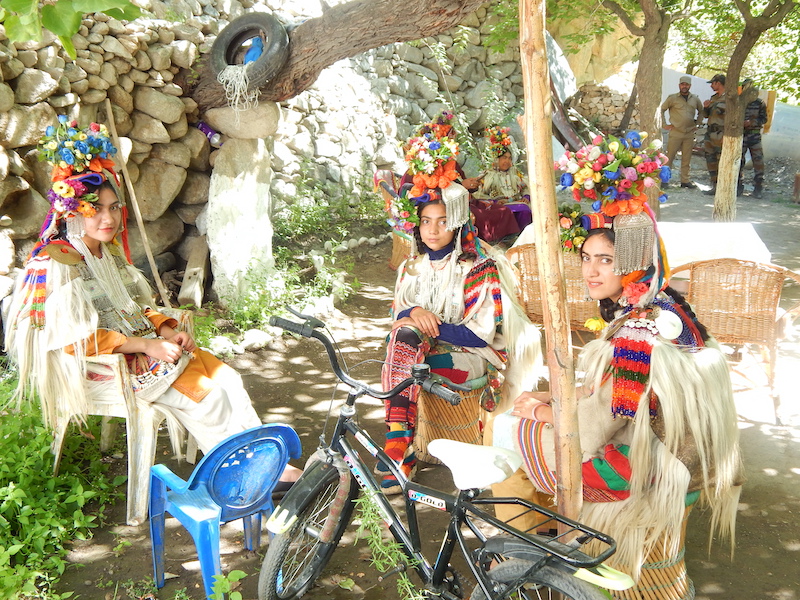
Hazratbal Peak & Kishanganga River
Two natural landmarks define Tulail Valley's geography. Hazratbal Peak, at over 16,000 feet, dominates the skyline and is considered sacred by locals. The peak offers challenging trekking opportunities for experienced mountaineers and serves as a stunning backdrop to the valley. The Kishanganga River, which flows through the entire length of the valley, is the lifeblood of the region. Its crystal-clear waters support both agriculture and trout fishing (with permits). The river's many tributaries create waterfalls and natural pools that are perfect for cooling off during summer hikes.Best Time to Visit
Choosing the right time to visit Tulail Valley is crucial, as the window of accessibility is narrow and conditions vary dramatically throughout the year. Understanding the seasonal patterns will help you plan your trip for optimal experience.Summer (June - September): Only Accessible Period
Summer is the only time when Tulail Valley is accessible, as the snow blocks all mountain passes during other seasons. The accessibility window typically runs from mid-June to early October, though this can vary depending on snowfall patterns.June - July: Valley in Full Bloom
Early summer (June to mid-July) is arguably the most beautiful time to visit Tulail Valley. The winter snows have melted, filling the streams and waterfalls to their fullest. The meadows are lush and green, covered in wildflowers that create a colorful carpet across the valley floor. During this period, temperatures are pleasant during the day, typically ranging from 15-20°C (59-68°F). The warm days and cool nights make for comfortable trekking conditions. This is also when many villagers are busy with agricultural activities, giving visitors a chance to see traditional farming practices in action. The river is at its most spectacular during early summer, fed by melting snow from the higher peaks. The water is crystal clear and incredibly cold – perfect for a quick dip if you're brave enough to handle the temperature.August - September: Pleasant Weather & Clear Skies
Late summer and early autumn (August to September) offer stable weather conditions with clear skies and minimal rainfall. This is an excellent time for trekking and photography, as the visibility is typically excellent and the light is beautiful. As autumn approaches in September, the vegetation begins to change color, with the meadows turning golden and the leaves of deciduous trees preparing for their fall display. This creates a different but equally beautiful landscape compared to the lush green of early summer. Temperatures remain pleasant during the day (15-18°C / 59-64°F), though nights start getting colder as the season progresses. By late September, you can expect frost at higher elevations, and the high passes may start seeing fresh snowfall.October: Limited Accessibility
Early October can still be accessible, but this is unpredictable. Some years, the passes remain open through mid-October. Other years, early snowfall closes the routes by late September. If you're planning to visit in October, have a flexible schedule and be prepared for sudden weather changes.Winter (November - May): Completely Cut Off
From November through May, Tulail Valley is completely cut off from the rest of the world by heavy snowfall. The road becomes impassable, and the valley is accessible only by helicopter (which is primarily used for military and emergency purposes). The few residents who remain in the valley during winter (many people move to lower elevations) stockpile food and supplies before the passes close. Life becomes extremely challenging, with temperatures dropping well below freezing and heavy snowfall blanketing the entire region.Recommended Duration
Plan to spend at least 3-5 days in Tulail Valley to make the challenging journey worthwhile. This allows time to explore different villages, undertake some trekking, interact with locals, and simply soak in the atmosphere of this remarkable place. Anything less than 3 days will feel rushed given the travel time required to reach the valley.How to Reach Tulail Valley
Reaching Tulail Valley is an adventure in itself, requiring careful planning and preparation. The journey is long, challenging, but ultimately rewarding, taking you through some of Kashmir's most spectacular scenery.From Srinagar: 180 km, 8-10 Hours
The journey begins in Srinagar, from where you'll need to arrange a taxi or shared vehicle. The route follows this path:- Srinagar to Bandipora: Approximately 60 km, 2 hours. The road is in good condition, passing through the outskirts of Srinagar and following the Jhelum River valley.
- Bandipora to Razdan Pass: Approximately 25 km, 1-1.5 hours. The road begins climbing into the mountains, with increasing elevation and scenic views.
- Razdan Pass (11,672 feet): The high point of the journey, offering spectacular views in all directions. Weather can change quickly here, so be prepared for cold temperatures and possible fog.
- Razdan Pass to Gurez: Approximately 30 km, 2 hours. A dramatic descent into the Gurez Valley, with hairpin bends and stunning mountain scenery.
- Gurez to Tulail Valley: Approximately 40 km, 2-3 hours. The road continues up a side valley, following the Kishanganga River upstream to the main Tulail settlements.
Transport Options
- Private Taxi: The most convenient option. Taxis can be hired in Srinagar, though you'll need to negotiate carefully, as this is a long, challenging journey that puts extra wear on vehicles. Expect to pay ₹8,000-12,000 for a round trip, depending on the duration of your stay and whether the driver stays in the valley.
- Shared Sumo: A more budget-friendly option, though less reliable and comfortable. Shared vehicles (typically Toyota Qualis or similar) depart from Srinagar when full. The cost is significantly less (₹1,500-2,000 per person), but you'll be cramped and have no control over departure timing.
- Government Bus: JKSRTC operates buses to Gurez during summer, though they don't typically continue to Tulail. You'd need to take the bus to Gurez and then arrange local transport for the final leg to Tulail.
Road Conditions
Be prepared for challenging road conditions, especially beyond Gurez. The road to Tulail is narrow, with steep drop-offs, minimal safety barriers, and numerous rough patches. During rainy weather, sections can become muddy and slippery. The journey requires an experienced driver who knows the route.Permit Checkpoints
There are multiple checkpoints along the route where your Inner Line Permit will be verified. Carry multiple copies of your permit and keep your identification documents easily accessible. The army and police presence is heavy due to the proximity to the Line of Control, but the security forces are generally helpful to tourists who have the proper permits.Travel Tips
- Start early from Srinagar (by 6 AM) to allow plenty of time for the journey and potential delays.
- Carry motion sickness medication, as the winding mountain roads can cause nausea.
- Bring food and water for the journey – there are limited options beyond Bandipora.
- Keep warm clothing accessible, as temperatures drop significantly at higher elevations.
- Be prepared for the journey to take longer than expected due to road conditions or checkpoint delays.
Inner Line Permit Requirements
Due to its proximity to the Line of Control, Tulail Valley is a protected area that requires special permits for all tourists. The Inner Line Permit (ILP) system is in place to regulate access to sensitive border regions, and obtaining the proper documentation is a crucial part of planning your visit.Permit Requirement
Required: Yes, mandatory for all tourists (both Indian and foreign nationals) Unlike some border areas where foreigners require additional permits, Tulail Valley requires the ILP for everyone. This permit is different from a regular tourist visa and must be obtained specifically for visiting border areas.Issuing Authority
The Inner Line Permit for Tulail Valley is issued by the Deputy Commissioner's Office in Bandipora. You cannot obtain the permit at the border checkpoints – it must be secured in advance from the designated authority.Application Process
To apply for the ILP, you'll need to submit the following documents:- Completed Application Form: Available at the DC office in Bandipora or can be downloaded from official government websites.
- Identification Proof: Aadhaar card, Voter ID, or Passport (for Indian citizens). Original and photocopies required.
- Photographs: Recent passport-size photographs (typically 4-6 copies).
- Detailed Itinerary: Including dates of visit, places you plan to visit, and duration of stay.
- Reason for Visit: Tourism is an acceptable reason, but you'll need to state this clearly.
Processing Time
The processing time typically takes 2-3 working days, though it can sometimes be expedited if you apply through a registered travel agency. The permit is generally issued for specific dates, so make sure your travel dates align with the permit validity period.Cost
The permit fee is minimal (typically ₹100-200 per person), but there may be additional charges for expedited processing or if you're using an agent to handle the application. Some registered tour operators include permit processing in their package costs.Validity Period
The ILP is typically valid for the specific dates mentioned in your application. If your plans change, you'll need to apply for a revised permit. The permit specifies which areas you're allowed to visit – venturing outside these zones is prohibited and can result in serious consequences.Checkpoints
Your permit will be verified at multiple checkpoints along the route:- Bandipora Checkpoint: Initial verification as you leave Bandipora town towards Razdan Pass.
- Razdan Pass Checkpoint: Verification at the top of the pass.
- Gurez Checkpoint: Verification before proceeding towards Tulail.
- Tulail Checkpoints: Additional verification points within the valley.
Restrictions & Prohibited Areas
Be aware that some areas near the Line of Control are strictly off-limits to civilians. Your permit will specify which areas are accessible. Do not attempt to enter restricted zones – this is taken very seriously given the sensitive nature of the border region.Photography Restrictions
Photography may be restricted or prohibited near military installations, checkpoints, and certain border areas. Always ask before taking photos, especially when security forces or military infrastructure are in the frame. Violating these restrictions can lead to confiscation of equipment and serious legal consequences.Recommendation
Given the complexity of the permit process and the remote nature of the destination, it's highly recommended to arrange your visit through a registered tour operator who has experience organizing trips to Tulail Valley. They can handle the permit application, provide experienced guides, and ensure that all legal requirements are properly met.Things to Do & See
Despite its remote location and lack of tourist infrastructure, Tulail Valley offers plenty of activities for the adventurous traveler. The key is to approach your visit with an open mind and a willingness to embrace experiences that are different from typical tourist attractions.Village Exploration
The primary activity in Tulail Valley is exploring the traditional Dard villages that are scattered throughout the valley. Each village has its own character, and wandering through these settlements offers fascinating insights into local life and architecture.Traditional Architecture
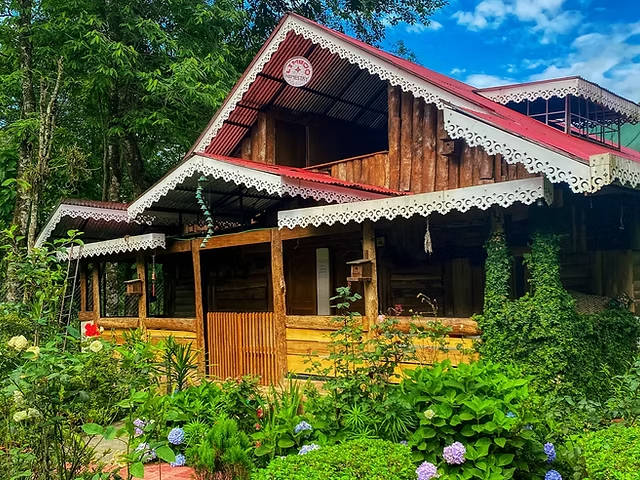
The Dard villages are characterized by distinctive wooden houses with steep roofs designed to shed heavy winter snow. The architecture is perfectly adapted to the climate and available materials – thick wooden walls provide insulation, while the raised ground floor protects against dampness and flooding. Many houses feature intricate wood carvings and decorative elements that reflect both artistic traditions and social status. The layout of villages, with houses clustered together and narrow streets between them, reflects both the need for community in a harsh environment and the efficient use of limited flat land.Daily Life
Spend time observing and participating in daily activities. Many families maintain traditional agricultural practices, growing crops like potatoes, maize, and pulses. Livestock (sheep, goats, and cows) are essential to the local economy, providing milk, meat, and wool. If you're visiting during summer harvest season, you might see villagers cutting grass for winter fodder, threshing grain, or tending to livestock. These activities offer great opportunities for cultural exchange and learning.Hazratbal Peak Trek
For experienced trekkers, a trek to the base of Hazratbal Peak is a challenging but rewarding experience. The peak dominates the skyline and holds religious significance for locals, who believe it has mystical properties.Trek Details
The trek begins from one of the upper villages and climbs steadily through alpine meadows and rocky terrain. The full trek to the summit is technical and requires mountaineering skills, but reaching the base camp offers spectacular views without requiring specialized equipment.Difficulty Level
Moderate to challenging. The climb involves significant elevation gain (from approximately 9,000 feet to over 12,000 feet at base camp). The terrain is rough and unmaintained, requiring good fitness and proper trekking gear.Duration
Plan for a full day (8-10 hours) for the round trip to base camp. If you're attempting the summit, this becomes a multi-day expedition requiring camping gear and ideally a local guide.Guide Requirement
Highly recommended. The route is not marked, and weather conditions can change rapidly at high altitude. A local guide not only ensures safety but also provides insights into the religious and cultural significance of the peak.Kishanganga River Experience
The Kishanganga River is the lifeblood of Tulail Valley, and spending time by its crystal-clear waters is a highlight of any visit.Riverside Walking
There are numerous walking paths along the river, some following traditional routes used by locals for centuries. The paths vary from easy walks near the villages to more challenging routes that require scrambling over rocks and crossing streams on makeshift bridges.Trout Fishing (with Permit)
The Kishanganga is home to brown trout, introduced during the colonial period. Fishing is permitted but requires a separate fishing permit that can be arranged through the fisheries department. Catch-and-release is encouraged to preserve the fish population.Natural Pools & Waterfalls
The river's tributaries create numerous waterfalls and natural pools, some of which are deep enough for swimming. The water is freezing cold even in summer, but a quick dip can be refreshing after a long hike.Photography Expeditions
Tulail Valley is a photographer's paradise, offering diverse subjects and spectacular natural light. Whether you're a professional photographer or an enthusiastic amateur, you'll find endless opportunities for stunning images.Landscape Photography
The combination of mountains, valleys, rivers, and meadows creates classic landscape compositions. The best light is typically during the "golden hours" – shortly after sunrise and before sunset – when the light is soft and warm.Cultural Photography
Photographing traditional village life, local people, and cultural activities offers insights into a way of life that has remained unchanged for generations. Always ask for permission before photographing people, and be respectful of local customs regarding photography.Night Sky Photography
With minimal light pollution, Tulail Valley offers spectacular night sky viewing. On clear nights, the Milky Way is visible to the naked eye, and the stars appear incredibly bright. Long-exposure photography can capture stunning images of the night sky over the mountains.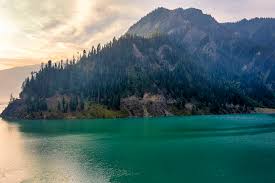
Alpine Meadow Exploration
Above the main valley floor, numerous alpine meadows offer perfect spots for picnicking, camping, and enjoying panoramic views. These meadows, known locally as "margs," are carpeted with wildflowers during summer and grazing grounds for livestock.Birdwatching
The varied ecosystems of Tulail Valley support diverse birdlife, including Himalayan monals, koklass pheasants, lammergeiers (bearded vultures), and numerous smaller species. Birdwatchers will find plenty to keep them occupied, especially during the early morning hours when birds are most active.Cultural Interaction
One of the most rewarding aspects of visiting Tulail is the opportunity to interact with the Dard people and learn about their unique culture and traditions. Many locals are hospitable and welcoming to visitors who show genuine interest and respect for their way of life.Traditional Cuisine
Try local dishes like Haakh (leafy greens), Tabak Maaz (fried ribs), Yakhni (meat in yogurt gravy), and various breads like Kulcha and Tsot. Food in Tulail is simple but hearty, designed to provide energy in the cold mountain climate.Folk Traditions
If you're lucky, you might witness or hear about traditional folk songs, dances, and storytelling that have been passed down through generations. These traditions are an important part of Dard cultural identity and offer insights into their history and worldview.Trekking Routes
For trekking enthusiasts, Tulail Valley offers numerous routes ranging from easy day walks to challenging multi-day expeditions. The region's varied terrain and stunning scenery make it an ideal destination for those seeking wilderness trekking experiences away from crowded trails.Gurez to Tulail Valley Trek
The most common approach to Tulail involves trekking from Gurez Valley. While there is a road, trekking allows you to experience the landscape at a slower pace and access areas that vehicles cannot reach.Route Details
The trek follows the Kishanganga River upstream, passing through several villages and crossing side valleys. The terrain is varied – sometimes following riverbanks, sometimes climbing over ridges to bypass cliffs or waterfalls.Duration
2-3 days for the full trek from Gurez to the main Tulail settlements. Most trekkers camp overnight in meadows or stay in village homestays along the way.Difficulty
Moderate. While there's significant elevation gain, it's gradual rather than steep. The main challenges are the rough terrain, river crossings, and potential weather issues.Best Season
July to September when the weather is stable and trails are dry.High Altitude Meadow Treks
Several routes ascend from the main valley floor to high-altitude meadows above the tree line. These meadows offer spectacular views and a different ecosystem to explore.Tulail Meadow Trek
A challenging day trek or moderate overnight trek to high meadows near the base of Hazratbal Peak. The route climbs through forests before emerging into open meadows with stunning mountain views.Duration
1-2 days depending on how far you go and whether you camp overnight.Wildlife Viewing
These high meadows are excellent places to spot Himalayan wildlife including marmots, blue sheep (bharal), and various bird species. You might also see shepherds with their flocks, grazing these areas during summer.Hazratbal Base Camp Trek
For experienced trekkers, reaching the base camp below Hazratbal Peak is a rewarding challenge. This is not a technical climb but requires good fitness and preparation.Route Description
The trek starts from an upper village and climbs steadily through changing vegetation zones – from village fields, through conifer forests, past the tree line into alpine meadows, and finally to the rocky base camp area.Altitude Considerations
The base camp sits above 12,000 feet, so altitude sickness is a concern. Take time to acclimatize, stay hydrated, and be prepared to descend if symptoms develop.Duration
Plan for a long day (10-12 hours) if you're doing this as a day trek. For a more relaxed experience, plan to camp at the base camp and return the next day.River Crossing Challenges
Many treks in Tulail involve crossing tributaries of the Kishanganga River. While main crossings have bridges, smaller streams often require wading or using makeshift bridges.Safety Considerations
The water is extremely cold even in summer, and the current can be strong. Use trekking poles for stability, wear appropriate footwear, and never attempt unsafe crossings. A local guide knows the safest crossing points and techniques.Equipment Requirements
For day treks, you'll need:- Sturdy hiking boots with good grip
- Weather-resistant clothing
- Warm layers (even in summer)
- Water bottle and water purification method
- Sun protection (hat, sunglasses, sunscreen)
- Trekking poles (recommended)
- Basic first aid kit
- Tent and sleeping bag (for camping)
- Camping stove and fuel
- Food for the duration
- Emergency shelter
- Map and compass/GPS device
Guide Recommendation
Given the remoteness of the region and the lack of marked trails, hiring a local guide is strongly recommended for all but the simplest day walks. Guides provide:- Route-finding expertise
- Knowledge of safe river crossings
- Cultural insights and interpretation
- Emergency assistance if needed
- Connection to homestays and camping spots
Accommodation Options
Accommodation in Tulail Valley is basic and limited. This is not a destination with hotels, resorts, or commercial guesthouses. Instead, accommodation options are rooted in traditional hospitality and offer authentic, if rustic, experiences.Homestays: Authentic Village Experience
The most common and recommended accommodation option in Tulail Valley is staying in village homestays. Local families open their homes to visitors, offering a genuine glimpse into Dard life and culture.What to Expect
Homestays are typically in traditional wooden houses, with simple but clean rooms. Facilities are basic – shared bathrooms, bucket baths (sometimes with hot water prepared on request), and simple bedding. What they lack in modern amenities, they make up for in warmth, authenticity, and cultural exchange.Meals
Meals are typically included in the homestay arrangement and feature local cuisine prepared by the family. This is an excellent opportunity to try traditional Dard dishes. Food is simple, hearty, and often vegetarian, though meat dishes may be available on request.Cost
Very affordable by most standards – typically ₹500-1,000 per night including meals. The exact cost varies by family and the level of comfort provided. Some families charge less, expecting only that you contribute what you can afford.Booking
Most homestays don't have online presence or advance booking systems. You'll need to arrange accommodation through a local guide or by inquiring in villages upon arrival. During peak season (July-August), it's wise to have your guide arrange accommodation in advance.Guest Houses: Basic Facilities
There are a few government-run guest houses in the larger villages, offering slightly more formal accommodation than homestays.Facilities
Guest houses typically have private rooms with attached or semi-attached bathrooms. Electricity may be available (though supply can be erratic), and some may offer running water (though not guaranteed hot water).Booking
Government guest houses can be booked through the tourism department or sometimes arranged through local officials. Having a local contact or guide is extremely helpful for securing these accommodations.Cost
Slightly more expensive than homestays – typically ₹800-1,500 per night, with meals available at additional cost.Camping: Ultimate Wilderness Experience
For outdoor enthusiasts, camping in Tulail Valley offers the most immersive experience of the natural environment.Camping Spots
There are numerous ideal camping spots – riverside meadows, high alpine pastures, and areas near villages (if you want a base camp for exploration). Many of these spots have been used by shepherds for generations and offer flat ground, water access, and stunning views.Permits
Camping may require special permission, especially if you're setting up away from villages. Check with local authorities and your guide about regulations. Always camp in designated spots or areas where locals give permission.Equipment
You'll need to bring all your own camping equipment – tent, sleeping bag rated for cold temperatures, sleeping pad, stove, fuel, and food. There are no equipment rental facilities in the valley.Safety Considerations
- Weather can change rapidly – be prepared for rain, cold, and strong winds.
- Animals (both wild and domestic) may investigate camps – secure food properly.
- Rivers can flood with rain or snowmelt – camp well above the high-water mark.
- Inform locals or your guide where you plan to camp.
Cost
Free (if you have your own equipment) aside from any permit fees. Some villages may charge a small camping fee if you're using their land.Facilities & Services
It's important to adjust your expectations regarding facilities in Tulail Valley:- Electricity: Erratic or unavailable. Many villages rely on solar power or small hydroelectric setups that provide limited power. Charge your devices whenever power is available.
- Mobile Network: BSNL has limited coverage in some villages. Other networks may not work at all. Don't count on reliable connectivity.
- Internet: Virtually non-existent. Even if you have mobile signal, data connectivity is extremely slow or unavailable.
- ATMs: None. Bring sufficient cash for your entire trip.
- Medical Facilities: Very limited. There may be small health centers in larger villages, but serious medical emergencies require evacuation to Srinagar.
- Shopping: Very basic supplies may be available in village shops, but don't count on finding specific items. Bring everything you need.
Booking Tips
- Arrange accommodation through a registered tour operator or local guide who has contacts in the valley.
- Be flexible – your first choice may not be available.
- Have a backup plan in case weather prevents you from reaching your intended destination.
- Confirm exactly what's included (meals, hot water, bedding, etc.) when booking.
- Remember that you're a guest in a remote community – be respectful and adjust your expectations to local standards.
Practical Tips for Visiting
Visiting a remote region like Tulail Valley requires careful preparation and the right mindset. These practical tips will help you have a safe, enjoyable, and respectful visit.Permits & Documentation
- Arrange permits in advance: Don't expect to obtain permits at the border. Start the application process at least 2-3 weeks before your planned visit.
- Carry multiple copies: Have photocopies of your permit, ID, and other documents. You'll need to present them at multiple checkpoints.
- Check validity: Ensure your permit covers all the dates and areas you plan to visit.
- Keep originals accessible: You'll need to show original documents frequently – keep them in a secure but easily accessible place.
Physical Preparation
- Build fitness: Good cardiovascular fitness will help you handle the altitude and enjoy trekking more. Start a fitness routine at least a month before your trip.
- Acclimatize properly: Don't rush to higher elevations. Give your body time to adjust to the altitude to avoid acute mountain sickness.
- Test your gear: Break in hiking boots well before the trip. Test any new equipment to ensure it works properly.
Packing Essentials
- Warm clothing: Even in summer, nights are cold at 10,000 feet. Bring a warm jacket, thermal layers, hat, and gloves.
- Rain gear: Weather can change quickly. A good rain jacket and waterproof pants are essential.
- Sun protection: At high altitude, UV radiation is strong. Bring sunscreen, sunglasses, and a hat.
- Good footwear: Sturdy, comfortable hiking boots with good ankle support are non-negotiable.
- Headlamp/flashlight: Power outages are common, and many areas don't have street lighting.
Health & Safety
- Medical kit: Bring a comprehensive first aid kit including any personal medications, altitude sickness medication, and basic supplies for cuts, blisters, and stomach issues.
- Water purification: Don't drink untreated water. Bring purification tablets or a filter.
- Travel insurance: Ensure your insurance covers remote areas and adventure activities. Consider emergency evacuation coverage.
- Emergency contacts: Have contact information for local authorities, your guide, and emergency services.
Communication
- Manage expectations: You may be completely out of contact for days. Inform family and friends before you leave.
- Satellite phone: For extended trips or serious trekking, consider renting a satellite phone for emergency communication.
- Emergency plan: Have a plan for what to do in case of serious emergency, including evacuation routes.
Cultural Respect
- Dress modestly: Kashmir is a conservative region. Both men and women should dress modestly, especially in villages.
- Ask before photographing: Always request permission before photographing people, especially women.
- Respect customs: Learn about local customs regarding food, behavior, and religious practices.
- Support local economy: Buy local products and use local services when possible.
- Be patient: Things move at a different pace in remote areas. Practice patience and flexibility.
Photography Restrictions
- Avoid military installations: Never photograph military infrastructure, checkpoints, or personnel without explicit permission.
- Border areas: Be especially cautious about photography near the Line of Control.
- Ask first: When in doubt about whether photography is allowed, ask a local or security personnel.
Environmental Responsibility
- Carry out all trash: There are no waste management facilities. Pack out everything you bring in.
- Respect wildlife: Observe animals from a distance. Don't feed wildlife or disrupt their natural behavior.
- Stay on trails: Protect fragile alpine vegetation by sticking to established routes.
- Conserve water: Water is a precious resource in these valleys. Use it sparingly.
Flexibility & Planning
- Weather backup plans: Have contingency plans for bad weather that prevents trekking or travel.
- Extra time: Build buffer time into your schedule for delays or extended stays due to weather.
- Stay adaptable: Things may not go according to plan. Embrace the unexpected as part of the adventure.
Flexible Mindset
Perhaps the most important thing to bring to Tulail Valley is the right attitude. This is not a destination where everything goes according to plan or where comfort and convenience are guaranteed. It's a place that rewards flexibility, patience, and a willingness to embrace experiences as they come, rather than trying to force them to fit a preconceived itinerary. The challenges of visiting Tulail – the difficult journey, basic facilities, and unpredictable weather – are what protect it from mass tourism and preserve its authentic character. Accept these challenges as part of the experience rather than frustrations to be overcome, and you'll be richly rewarded with one of the most genuine travel experiences remaining in the Himalayas.Conclusion: The Last Frontier
Tulail Valley represents something increasingly rare in our interconnected, thoroughly explored world – a genuine frontier where the landscape remains largely wild, where traditional culture thrives unchanged, and where the journey itself is as significant as the destination. For those willing to make the effort to reach this remote corner of Kashmir, Tulail offers an experience that goes beyond typical tourism – it's an opportunity to witness a way of life that has persisted for centuries in one of the most challenging and beautiful environments on Earth. What makes Tulail truly special is not just its stunning natural beauty – though the combination of snow-capped peaks, crystal-clear rivers, and pristine meadows would be reason enough to visit – but the complete authenticity of the experience. There are no staged cultural performances for tourists, no souvenir shops selling mass-produced trinkets, no cafes serving lattes with Wi-Fi. Instead, there's the genuine warmth of Dard hospitality, the rhythm of agricultural life that follows seasons rather than clocks, and the profound silence of a valley where nature still dominates. Visiting Tulail Valley is not for everyone. It requires patience to navigate challenging roads, flexibility to handle unpredictable weather, and an open mind to embrace basic facilities and cultural differences. But for travelers seeking authentic experiences rather than comfortable vacations, Tulail offers rewards that more developed destinations cannot match – the thrill of exploration, the peace of genuine wilderness, and the privilege of witnessing a culture that has maintained its identity in isolation. As development slowly reaches even the most remote corners of our planet, places like Tulail Valley become increasingly precious – not just as destinations for adventure tourism, but as repositories of cultural and biological diversity, as living examples of human resilience and adaptation, and as reminders of the beauty and value of wild places. Visiting Tulail is not just about what you'll see and photograph – it's about what you'll learn, feel, and remember long after you've returned to the convenience and speed of modern life. Whether you're trekking to the base of Hazratbal Peak, sharing a meal with a Dard family in a traditional homestay, or simply sitting by the Kishanganga River watching the sunset paint the mountains in shades of gold and pink, Tulail Valley offers experiences that will stay with you forever. In a world where it's increasingly difficult to find places that feel truly remote and authentic, Tulail remains a testament to the enduring power of wilderness and the resilience of traditional cultures – a hidden paradise that rewards those who make the effort to find it. As you plan your journey to this remarkable valley, remember that the most important things to bring are not in your backpack – they're an open mind, a respectful attitude, and a willingness to embrace experiences as they come rather than trying to force them into preconceived expectations. Do this, and Tulail Valley will give you memories and insights that will enrich your understanding of the world long after you've returned home.Location
Frequently Asked Questions
Q1.Is Tulail Valley safe to visit?
Yes, Tulail Valley is generally safe for tourists who have the proper permits. The region is heavily militarized due to its proximity to the Line of Control, but this security presence actually makes it very secure for visitors. However, you must always carry your Inner Line Permit and valid identification, follow all security instructions, avoid restricted areas near the border, and respect photography restrictions around military installations. It's highly recommended to travel with a registered guide who knows the area and current conditions. Weather and road conditions can be challenging, so proper preparation is essential.
Q2.Do we need permits for Tulail Valley?
Yes, an Inner Line Permit (ILP) is mandatory for all tourists visiting Tulail Valley, both Indian and foreign nationals. The permit must be obtained in advance from the Deputy Commissioner's Office in Bandipora by submitting identification proof, photographs, and a detailed itinerary. Processing takes 2-3 days. The permit specifies valid dates and accessible areas. You'll need to present it at multiple security checkpoints along the route. It's recommended to apply through a registered tour operator who can handle the permit process efficiently. Carry multiple copies of your permit and ID documents.
Q3.What is the best time to visit Tulail Valley?
The best time to visit Tulail Valley is from June to September when the valley is accessible. June to mid-July offers lush green meadows, wildflowers in full bloom, and spectacular waterfalls from melting snow. August to September provides stable weather with clear skies ideal for trekking and photography. October may still be accessible depending on early snowfall. The valley is completely cut off from November through May due to heavy snow. Plan at least 3-5 days for your visit to make the challenging journey worthwhile and allow time to explore the valley properly.
Q4.How many days are needed for Tulail Valley?
Plan for a minimum of 3-5 days to make the journey to Tulail Valley worthwhile. The journey from Srinagar takes 8-10 hours each way, so anything less than 3 days feels rushed. In 3-5 days, you can explore different villages, undertake day treks, interact with the local Dard community, and experience the valley's natural beauty. If you're interested in longer treks or want to explore high-altitude meadows and Hazratbal Peak base camp, plan for 5-7 days. Factor in extra time for weather delays as conditions can change rapidly in the mountains.
Q5.How to reach Tulail Valley?
Tulail Valley can only be reached by road via Gurez Valley. The route is Srinagar to Bandipora (60 km), Bandipora to Razdan Pass (25 km), Razdan Pass to Gurez (30 km), and Gurez to Tulail (40 km) - totaling 180 km over 8-10 hours. The only transport options are private taxis (₹8,000-12,000 for round trip) or shared sumos from Srinagar. The road is challenging - narrow, steep, with limited safety barriers - and only open from June to October. You'll pass multiple permit checkpoints. Start early from Srinagar (by 6 AM) and be prepared for a long, tiring but spectacular journey through dramatic mountain scenery.
Q6.Are there hotels in Tulail Valley?
No, there are no commercial hotels or resorts in Tulail Valley due to its remote location and lack of tourism development. Accommodation options are basic - village homestays where you stay with local families in traditional wooden houses (₹500-1,000 per night including meals), a few government guest houses in larger villages with slightly better facilities (₹800-1,500 per night), or camping for wilderness enthusiasts. Facilities are very basic - limited electricity, no reliable mobile network, no ATMs, and minimal medical facilities. Hot water may be available on request. Arrange accommodation in advance through a registered tour operator or local guide, especially during peak season (July-August).
Q7.What permits are required for Tulail Valley?
The Inner Line Permit (ILP) is required for all tourists. Apply at the Deputy Commissioner's Office in Bandipora by submitting your ID proof (Aadhaar/Voter ID/Passport), recent photographs, and a detailed itinerary with dates and places to visit. Processing takes 2-3 days and costs ₹100-200. The permit is valid for specific dates and specifies which areas you can visit. If trekking near the Kishanganga River, you may need a separate fishing permit from the fisheries department. Photography is restricted near military installations and border areas - always ask before photographing security infrastructure. Carry multiple copies of your permit and ID as they'll be checked at multiple security checkpoints.
Q8.Is the road to Tulail Valley safe?
The road to Tulail Valley via Gurez is challenging but generally safe for travel during summer months (June-October). The road is narrow with steep drop-offs, minimal safety barriers, and numerous rough patches and hairpin bends. While not inherently dangerous, it requires an experienced driver who knows the route. Weather conditions can create hazards - rain makes sections muddy and slippery, and fog can reduce visibility dramatically at high elevations like Razdan Pass (11,672 feet). The journey is long (8-10 hours) and can cause motion sickness. Military presence along the route actually enhances security. Start early, carry motion sickness medication, ensure your vehicle is in good condition, and don't attempt the journey in poor weather.
Recommended For You
Travel
Gulmarg in January: Snowfall, Skiing & Winter Trip Tips
Experience Gulmarg in January - peak winter season with heavy snowfall. Discover skiing, weather, gondola, travel tips & honeymoon guide.
Jan 7Read More
Travel
Keran Valley Kashmir Guide: Offbeat Travel Planner
Use this Keran Valley Kashmir guide for route planning, best season windows, stay choices, and practical offbeat travel tips.
Feb 18Read More
Waterfalls
Drung Waterfall Kashmir: Route, Winter Snow Views & Travel Tips
Plan your Drung Waterfall Kashmir trip with season guidance, route options from Srinagar, practical travel tips, nearby attractions, and safety-first advice.
Feb 20Read More
Never Miss an Adventure
Get the latest trekking guides, travel tips, and exclusive offers delivered straight to your inbox.
