
Gulmarg in January: Snowfall, Skiing & Winter Trip Tips
Rahul Garg
January 7, 2026
Experience Gulmarg in January - peak winter season with heavy snowfall. Discover skiing, weather, gondola, travel tips & honeymoon guide.
Introduction: Peak Winter in Gulmarg
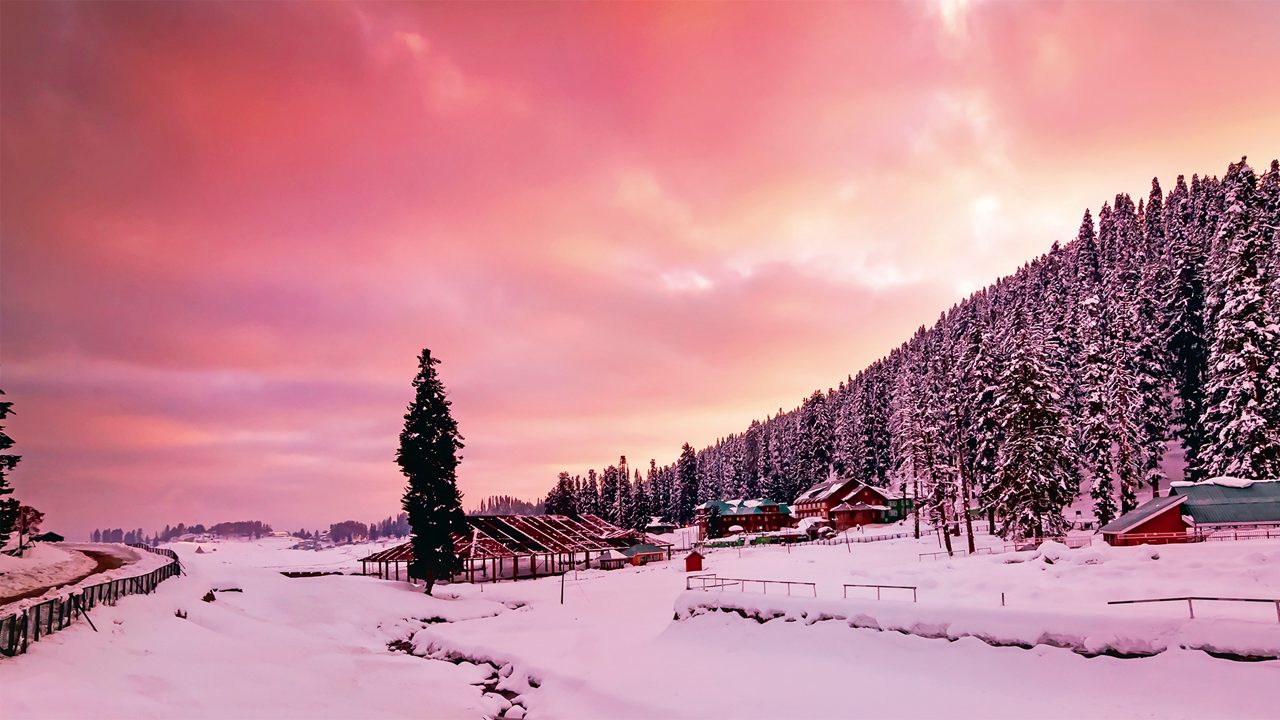
January transforms Gulmarg into a mesmerizing winter wonderland, earning it the title of India's premier skiing destination. As peak winter season engulfs this Kashmiri paradise, the meadow of flowers lives up to its name in an entirely different way - blanketed in pristine white snow that attracts adventure enthusiasts, honeymooners, and nature lovers from across the globe. The month represents winter at its most authentic and intense, offering experiences that few other destinations in India can match.
For ski enthusiasts, January in Gulmarg is nothing short of paradise. The slopes are at their powdery best, the gondola is in full operation, and the entire town buzzes with the energy of the winter season. If you're exploring other winter destinations in India, you might also want to check out the best snow destinations in India or consider visiting other hill stations like Manali and Shimla.
But beyond the adrenaline sports, there's something deeply peaceful about Gulmarg in January - the silence of falling snow, the warmth of cozy cafes, and the breathtaking beauty of pine forests draped in white create an atmosphere that feels almost magical.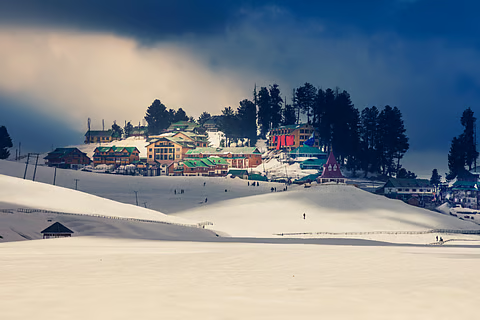
Weather in January
January brings the most extreme winter conditions to Gulmarg, creating the perfect environment for winter sports and snow activities. The weather is consistently cold with frequent snowfall, ensuring that the landscape remains beautifully coated in white throughout the month.
Temperature Range
During January, daytime temperatures typically range from -2°C to -8°C (28°F to 18°F). While this might sound severe, the daytime temperature is often manageable, especially when the sun makes occasional appearances and you're dressed appropriately. The real challenge comes after sunset when temperatures plummet dramatically, often reaching between -10°C to -15°C (14°F to 5°F), and occasionally dipping even lower on particularly cold nights.
The key to enjoying these temperatures is proper layering. The dry cold of the Himalayas is different from the damp cold of many other regions - with the right gear, you can comfortably spend hours outdoors engaging in winter activities. However, exposed skin can freeze quickly, so covering every part of your body is essential.
Snowfall and Snow Depth
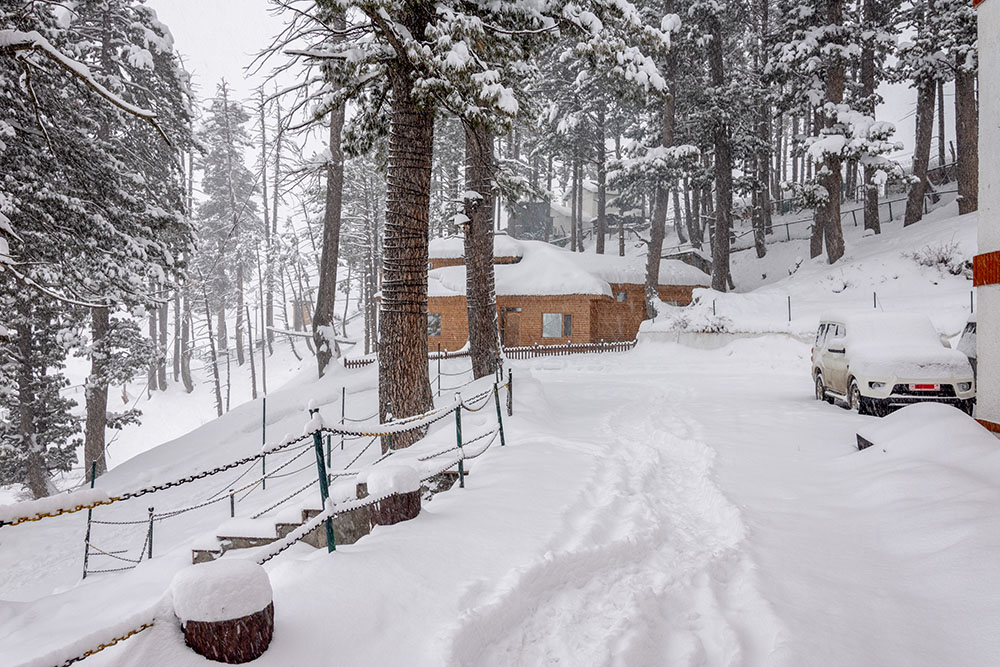
January is one of the snowiest months in Gulmarg, with snowfall occurring almost daily. While not every day brings heavy snow, light flurries and moderate snowfall are common, keeping the snow fresh and the conditions ideal for winter sports. The snow depth in January averages between 4 to 6 feet in the main town area, increasing significantly at higher elevations where the skiing slopes are located.
The quality of snow in January is exceptional - light, powdery, and perfect for skiing and snowboarding. Unlike later winter months when the snow might become packed or icy, January's snow remains soft and inviting, creating excellent conditions for both beginners and experienced winter sports enthusiasts. The frequent fresh snowfall also means that the slopes are regularly refreshed, maintaining optimal conditions throughout the month.
Sunshine and Daylight Hours
January sees limited sunny days in Gulmarg. While clear blue skies do occur, creating stunning contrast against the white landscape, overcast days are more common. Cloud cover often brings snowfall, and sometimes days pass in a dreamy haze of falling snowflakes. The daylight hours are relatively short, with sunrise around 7:30 AM and sunset by 5:30 PM, giving you approximately 10 hours of daylight - though effective outdoor time is less considering the late start due to cold mornings.
When the sun does shine, it creates spectacular scenery - the snow glistens like diamonds, and the visibility extends to the surrounding mountain peaks. These clear days are perfect for photography and offer the most stunning views of the Himalayan ranges that surround Gulmarg.
Wind Chill Factor
Wind chill is a significant factor in January's weather. Even on days when the thermometer reads -5°C, the wind can make it feel much colder - sometimes like -15°C or lower. The gondola ride and higher elevations experience stronger winds, making the apparent temperature considerably colder than the actual temperature. When planning your activities, especially the gondola ride or skiing at Apharwat Peak, factor in the wind chill and dress accordingly.
Snowfall & Snow Activities
The abundant snowfall in January transforms Gulmarg into a playground for winter activities. Whether you're an adventure junkie seeking thrills or someone who simply wants to experience the magic of snow, there's something for everyone.
Daily Snowfall
One of the most enchanting aspects of January in Gulmarg is the frequency of snowfall. You might go to sleep under a starry sky and wake up to find the world transformed under a fresh blanket of white. This frequent snowfall keeps the landscape pristine and the winter activities enjoyable throughout the month. The mornings after fresh snowfall are particularly special - the world feels clean and silent, and every branch and roof is outlined in white.
The snow in January has a magical quality - dry and powdery, perfect for winter sports. Unlike the wet, heavy snow that falls in some regions, Himalayan snow in January is light and fluffy, creating ideal conditions for skiing, snowboarding, and even simple activities like making snowmen or having snowball fights.
Snow Activities for Everyone
Beyond the major attraction of skiing, January offers numerous snow activities that cater to different interests and skill levels:
Snowboarding: Alongside skiing, snowboarding is extremely popular in Gulmarg during January. The powdery snow makes it an excellent time for snowboarders, whether you're trying it for the first time or you're an experienced rider looking for challenging terrain. The soft snow is more forgiving for beginners, making falls less intimidating, while the variety of slopes keeps experts engaged.
Snow Sledging: For families with children or those not interested in skiing, sledging is a delightful alternative. Local operators offer sledges on hire, and there are designated gentle slopes perfect for this activity. The thrill of sliding down snow-covered slopes with the wind in your face is simple, timeless fun that appeals to all ages.
Snow Tubing: A relatively newer activity in Gulmarg, snow tubing involves sitting in an inflatable tube and sliding down designated runs. It's easier than skiing or snowboarding, requires no special skills, and offers pure enjoyment. The tubes can be linked together for groups wanting to slide down together.
Snow Mobility: Snowmobiling has gained popularity in recent years. Guided snowmobile tours take you through winter landscapes that might be difficult to access on foot. The power of the machine combined with the pristine winter scenery creates an exhilarating experience.
Winter Photography
For photographers, January in Gulmarg offers endless opportunities. The contrast of dark green pine trees against white snow, the play of light on snow-covered surfaces, and the dramatic winter skies create compelling compositions. The golden hours - shortly after sunrise and before sunset - are particularly magical, with the low-angle sun creating long shadows and painting the snow in warm hues.
Portrait photography is especially rewarding in January. The diffuse light on overcast days is flattering for portraits, and snowy backdrops create stunning photographs. Whether you're capturing your own travel memories or taking professional portraits, Gulmarg in January provides an unmatched winter setting.
Skiing in January
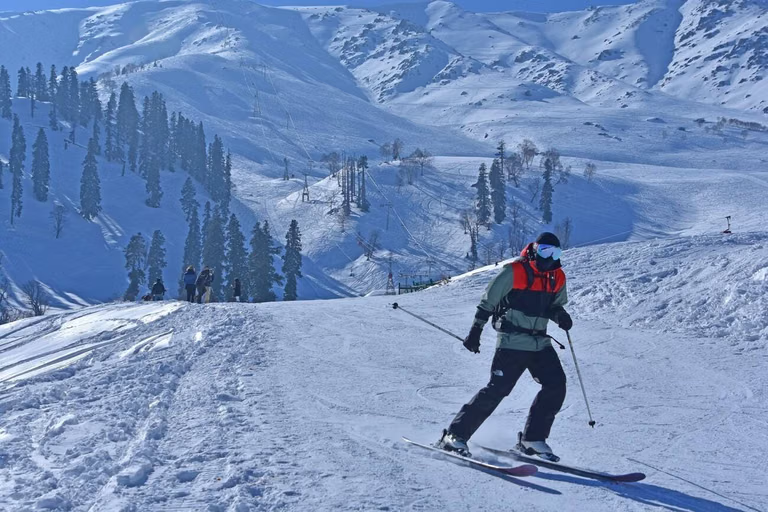
Skiing is undoubtedly the main draw that brings visitors to Gulmarg in January, and for good reason - the conditions are among the best you'll find anywhere in Asia.
Peak Skiing Season
January represents the peak of Gulmarg's skiing season. The slopes are fully operational, the snow depth is optimal, and the entire infrastructure is geared towards supporting skiing activities. Unlike the early winter months when snow coverage might be patchy, January offers consistent snow coverage across all slopes, from beginner areas to expert runs.
What makes January special for skiing is the combination of quantity and quality of snow. There's enough snow to ensure full coverage of terrain, while the snow itself remains light and powdery - the kind that skiers dream about. Fresh powder days are common, and there's nothing quite like the feeling of skiing through untouched snow on a January morning.
Slopes for All Skill Levels
Gulmarg's skiing terrain caters to everyone from first-timers to experts:
Beginner Slopes: Near the town and around the gondola's first phase, there are gentle slopes perfect for beginners. These areas have manageable gradients and are well-maintained, making them ideal for those learning to ski. Ski schools operate in these areas, with instructors providing lessons for all ages.
Intermediate Slopes: For those who have mastered the basics but aren't ready for expert terrain, there are numerous intermediate runs. These offer a mix of groomed slopes and off-piste areas, allowing skiers to progress their skills while enjoying varied terrain.
Expert Terrain: Apharwat Peak and surrounding areas offer some of the most challenging skiing in India. Steep descents, deep powder, and backcountry opportunities attract expert skiers from around the world. The vastness of the terrain means that even on busy days, it's possible to find untracked snow.
Ski Equipment and Instruction
For those who don't own ski equipment (which would be most visitors), rental options are plentiful. Ski shops in Gulmarg offer equipment on hire, including skis, boots, poles, and helmets. The rental gear is generally well-maintained and regularly updated. Staff at rental shops can help you find equipment that fits correctly and suits your ability level.
Ski instruction is widely available. Numerous ski schools operate in January, with certified instructors offering private and group lessons. Whether you're a complete beginner or an experienced skier looking to improve your technique, lessons can significantly enhance your experience. Multi-day ski packages are also available, combining equipment rental, instruction, and lift passes.
Gulmarg Gondola
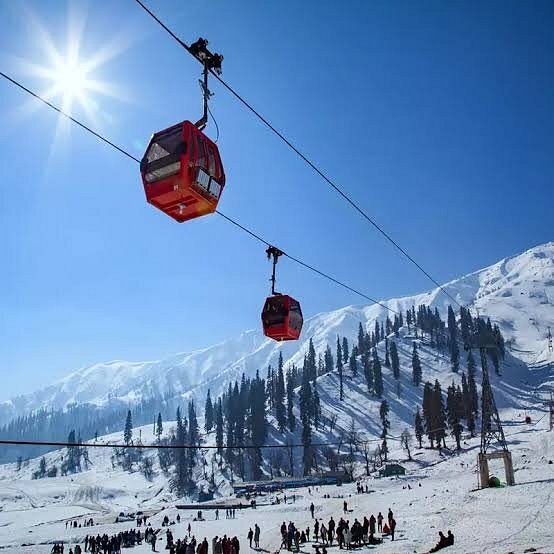
The Gulmarg Gondola, one of the highest cable car systems in the world, is fully operational in January and is central to the skiing experience. The gondola has two phases:
Phase 1: Runs from Gulmarg to Kongdoori, reaching an elevation of 3,100 meters. This phase is suitable for beginners and intermediate skiers, with several runs accessible from the top. The ride itself offers stunning views of the surrounding valley.
Phase 2: Continues from Kongdoori to Apharwat Peak at 3,950 meters. This phase is primarily for experienced skiers, accessing the expert terrain that has made Gulmarg famous. The views from Apharwat Peak are spectacular, encompassing some of the highest peaks in the Kashmir region.
The gondola operates daily in January, weather permitting. Queues can be long, especially on weekends and during the peak of January, so starting early is advisable. The gondola experience itself is memorable - floating above snow-covered slopes, watching skiers below, and gaining altitude with each passing minute.
Things to Do in January
While skiing dominates the January scene, there's plenty more to experience in Gulmarg during this magical month.
Gondola Ride (Non-Skiers)
You don't have to be a skier to enjoy the gondola. The ride itself is an attraction, offering breathtaking views of the Himalayas. Many visitors take the gondola up for the scenery and photography opportunities. At the top, even non-skiers can enjoy the snow, play in it, or simply soak in the panoramic mountain views. It's an unforgettable experience to stand at nearly 4,000 meters surrounded by snow-capped peaks.
Golf Course in Winter
Gulmarg is home to one of the highest golf courses in the world, and in January, this green expanse transforms into a vast white meadow. While golf is certainly not possible in January, the golf course becomes a beautiful space for winter photography, snow activities, and peaceful walks. The contrast of the snow-covered course against the dark pine forests is particularly photogenic.
Maharani Temple
Perched on a hill, the Maharani Temple (also known as the Rani Temple) offers stunning views of Gulmarg and the surrounding valley. In January, the temple is surrounded by snow, creating a beautiful sight. The climb to the temple is moderately challenging in snow, but the views from the top are worth the effort. The temple itself, with its distinctive architecture, makes for excellent photography, especially with the snow-draped landscape as backdrop.
Alpather Lake Trek
For the more adventurous, a trek to Alpather Lake is possible in January, though it requires proper preparation and possibly a guide. The lake, situated at the foot of the twin Apharwat peaks, freezes solid in winter, creating a stunning natural ice skating rink. The trek through snow to reach the lake is challenging but rewarding, with beautiful scenery throughout. Always check local conditions and consider hiring a guide, as winter weather can be unpredictable.
Cozy Cafe Experiences
Part of the joy of Gulmarg in January is balancing outdoor activities with warm indoor experiences. The town has several cafes and restaurants where you can retreat from the cold. These establishments serve warm Kashmiri cuisine, hot beverages, and offer stunning views through frost-framed windows. There's something deeply comforting about sitting in a warm cafe with a cup of kahwa (traditional Kashmiri tea) while watching snow fall outside.
Shopping
Gulmarg's market area offers shopping opportunities unique to the region. Kashmiri handicrafts, pashmina shawls, woolen garments, and souvenirs are available. January is a great time to purchase winter wear - many items are available, and you can find authentic Kashmiri products. The market also has shops selling local dry fruits like walnuts and almonds, which make excellent gifts or snacks for your trip.
How to Reach Gulmarg in January
Reaching Gulmarg in January requires planning, as winter conditions can affect travel. The journey is part of the adventure and, with the right preparation, is entirely manageable.
From Srinagar
The most common route to Gulmarg is via Srinagar, approximately 52 kilometers away. The journey typically takes 2-3 hours by road, though this can vary depending on road conditions. Srinagar itself is a beautiful destination with attractions like historic restaurants and numerous sightseeing spots. In January, the road is snow-covered but generally accessible, as it's a major tourist route that's regularly maintained. The drive itself is scenic, passing through beautiful countryside and small villages, all transformed by winter snow.
Taxis are readily available from Srinagar to Gulmarg. Most visitors arrange for their hotel in Gulmarg to coordinate the pickup, as hotels often have tie-ups with reliable taxi services. The taxi fare is higher in winter due to challenging driving conditions, but it's the safest and most convenient option for reaching Gulmarg.
Road Conditions
In January, the road from Srinagar to Gulmarg remains open most of the time, though temporary closures can occur during heavy snowfall for clearing operations. The road is regularly maintained by the Border Roads Organization, and snow clearance is typically prompt. However, it's advisable to check current conditions before starting your journey and to build in some buffer time in your schedule.
Four-wheel drive vehicles are recommended, and indeed, most taxis operating this route in winter are 4x4. The roads can be slippery, and vehicles sometimes need to attach chains for traction. Driving yourself is not recommended for visitors unfamiliar with winter driving conditions - the combination of snow, ice, and mountain roads requires experience and specialized vehicles.
Reaching Srinagar
Srinagar is well-connected by air to major Indian cities including Delhi, Mumbai, and Bangalore. Srinagar Airport operates year-round, though winter weather can occasionally cause delays. During peak tourist season, several flights operate daily. From the airport, it's a short drive to Srinagar city, from where you can continue to Gulmarg.
Srinagar is also connected by road to Jammu, approximately 260 kilometers away. The Jammu-Srinagar highway can also experience winter disruptions, so if you're traveling by road from other parts of India, allow extra time for your journey. For those planning to explore more of Kashmir, don't miss the optimal times to visit Kashmir throughout the year.
Packing Tips for January
Packing correctly for Gulmarg in January is crucial for enjoying your trip. The extreme cold requires specific gear, and being under-prepared can make the difference between a memorable experience and an uncomfortable one.
Clothing Essentials
The key to staying warm in January's extreme cold is layering. Travelers heading to high-altitude destinations should also be aware of altitude sickness precautions that apply to similar regions like Ladakh.
Base Layer: Thermal underwear (both top and bottom) is non-negotiable. Choose quality wool or synthetic thermals that fit snugly against your skin without being constricting. Avoid cotton as a base layer - it retains moisture and will make you colder.
Mid Layer: Fleece jackets or wool sweaters provide insulation. Multiple light layers are often more effective than one heavy layer, as they trap air between them and allow you to adjust your clothing as your activity level changes.
Outer Layer: A high-quality insulated and waterproof jacket is essential. Down jackets are popular for their excellent warmth-to-weight ratio. Your outer layer should protect against both cold and wind, and ideally be waterproof or at least water-resistant.
Pants: Insulated and waterproof pants or salopettes are necessary, especially if you plan to participate in snow activities. Regular jeans or trousers will become cold and wet quickly in snow.
Extremities: Heat loss through your head, hands, and feet is significant. A good woolen cap that covers your ears is essential. Gloves should be insulated and waterproof - consider liner gloves underneath for extra warmth. Thick woolen socks (consider multiple pairs) are crucial, and waterproof snow boots are invaluable for keeping your feet dry and warm.
Accessories
Certain accessories are often overlooked but are important for January in Gulmarg:
Sunglasses: The snow reflects UV radiation, increasing your exposure. Quality sunglasses with UV protection are necessary to prevent snow blindness. Even on overcast days, UV exposure can be significant.
Sunscreen: Similar to sunglasses, sunscreen is essential despite the cold temperatures. Apply it to all exposed skin - face, neck, and hands. The reflection from snow can cause sunburn surprisingly quickly.
Lip Balm: Cold air is incredibly drying, and chapped lips are almost guaranteed without protection. A good lip balm applied frequently will keep your lips comfortable.
Moisturizer: The combination of cold air and wind can dry your skin. A good moisturizer applied regularly will prevent your skin from becoming dry and uncomfortable.
Equipment Rentals
If you plan to ski or snowboard, you don't need to buy expensive equipment. Quality gear is available for rent in Gulmarg. Similarly, if you need additional warm clothing like heavy jackets or snow boots, these can often be rented or purchased in Gulmarg if you find you didn't pack enough. However, it's always better to bring your own essentials, as availability and sizes can be limited during peak season.
January in Gulmarg offers an authentic Himalayan winter experience that's increasingly rare in our warming world. Whether you're carving through fresh powder on Apharwat Peak, sipping kahwa while watching snow fall, or simply marveling at the winter beauty that surrounds you, Gulmarg in January creates memories that last a lifetime. The combination of pristine snow, majestic mountains, and warm Kashmiri hospitality makes it a destination that truly deserves its reputation as a winter paradise.
Location
Frequently Asked Questions
Q1.How is the weather in Gulmarg in January?
Q2.Does it snow in Gulmarg in January?
Q3.Is January good for skiing in Gulmarg?
Q4.Is Gulmarg Gondola open in January?
Q5.How cold is Gulmarg in January?
Q6.Can we visit Gulmarg in January for honeymoon?
Q7.Are roads to Gulmarg open in January?
Q8.How to reach Gulmarg from Srinagar in January?
Recommended For You
Best Places to Visit in Mumbai: Top Tourist Attractions
Discover the best places to visit in Mumbai from iconic Gateway of India and Marine Drive to Elephanta Caves and Juhu Beach. Explore Mumbai's top tourist attractions, heritage sites, beaches, and practical travel tips.
Places to Visit in Odisha: Temples, Beaches & Nature
Explore the best places to visit in Odisha. From the sacred Jagannath Temple in Puri to the Konark Sun Temple, Chilika Lake's dolphins, Bhitarkanika's crocodiles, and pristine beaches. Discover India's best-kept secret.
Places to Visit in Gujarat: Rann, Gir & Temples
Explore the best places to visit in Gujarat - from the Statue of Unity (world's tallest) to the white Rann of Kutch, Asiatic lions of Gir, sacred temples of Dwarka & Somnath. Complete travel guide.
Never Miss an Adventure
Get the latest trekking guides, travel tips, and exclusive offers delivered straight to your inbox.
