
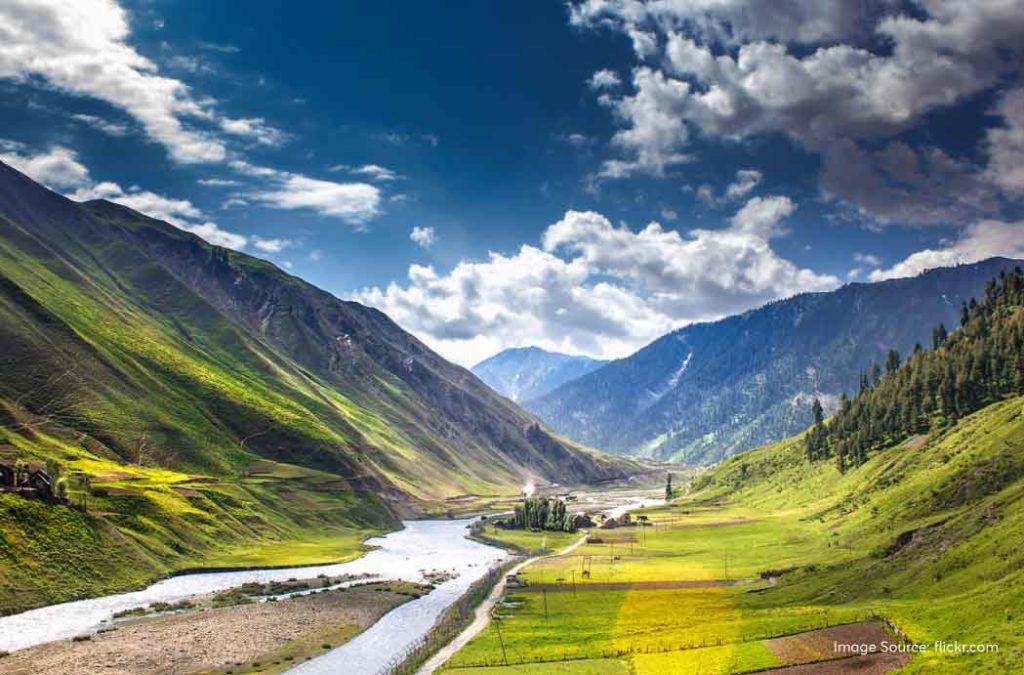
15 Most Beautiful Valleys in India to Visit in

Ananya Sharma
February 20, 2026
Explore India's most stunning valleys. From Kashmir to Kerala, discover scenic valleys perfect for trekking, photography & nature lovers.
Valleys in India: How to Plan a Realistic Valley Journey Across Different Regions
India’s valleys are not one travel category. A valley trip in Kashmir feels completely different from a valley route in Meghalaya, Himachal, or Kerala. Altitude, road conditions, weather risk, crowd behavior, and local infrastructure change from region to region. That is why valley travel needs planning by terrain type, not by social-media popularity alone. Many travelers make the mistake of trying to “collect” famous valley names in one rushed circuit and end up spending more time in transit than in the landscape itself.
A better approach is choosing one geography cluster and exploring it deeply. For example, alpine route travelers can start with Kashmir travel guide, monsoon-green route travelers can use Meghalaya valleys, tea-and-hill landscape lovers can pair with Munnar routes, and high-pass planners can add seasonal logic from best time to visit Kashmir.
What Makes Valley Travel Unique
Valleys are dynamic systems, not static viewpoints. Light, cloud movement, river flow, and human activity patterns change the visual character every hour. A valley can look flat and ordinary at noon but dramatic at sunrise or dusk. If you plan only by distance, you miss this transformation. Plan by light windows and pacing instead.
Another difference: valleys demand transition time. Road curves, weather stops, local markets, and short trail sections can increase travel time far beyond map estimates. Keep this in mind before locking ambitious multi-stop days.
How to Choose the Right Valley Type for Your Trip
- High-altitude valleys: Better for adventure and wide mountain drama, but require acclimatization and stronger route discipline.
- Forest and river valleys: Better for slower nature travel and family pace, but weather can be more variable.
- Cultural valleys: Better for village life, food, and heritage combinations with lower physical demand.
Season Strategy for Valley Routes
| Valley Region Type | Preferred Travel Pattern | Planning Priority |
|---|---|---|
| Alpine / High Pass | Clear-weather windows | Road status and altitude readiness |
| Monsoon Green Belts | Post-rain shoulder periods | Trail safety and rain buffers |
| Mid-altitude Cultural Valleys | Flexible year-round blocks | Crowd and accommodation planning |
The strongest valley trips are weather-led, not calendar-led. Keep one fallback day in every multi-day plan.
A Practical 3-Day Valley Planning Template
Day 1: Approach day with short scenic stops and early rest. Day 2: Primary valley day with sunrise/sunset focus and low transfer load. Day 3: Secondary route day with cultural or local experience and controlled return movement.
This template prevents over-fatigue and gives better visual results than moving every night to a new base.
Photography Workflow for Valleys
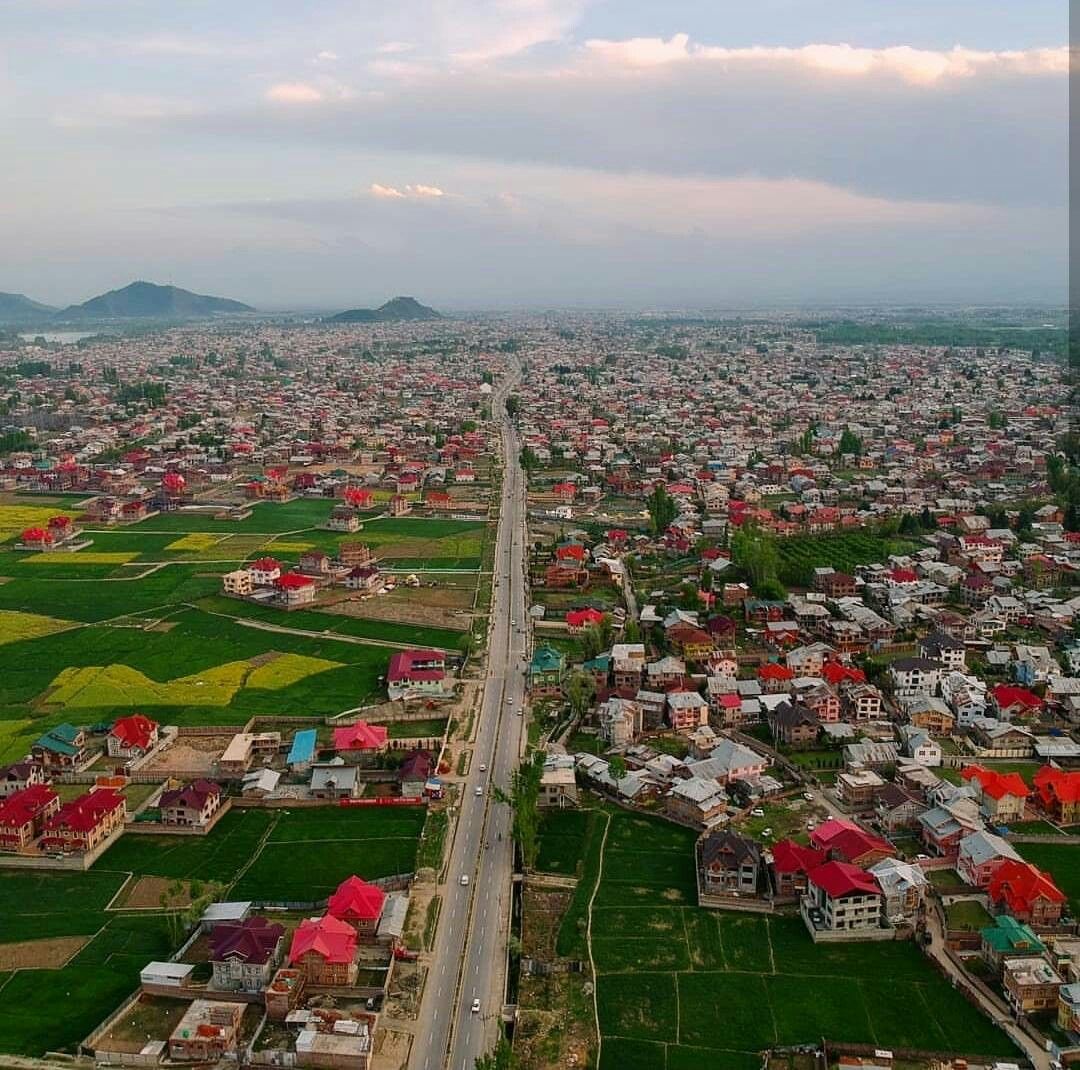
Valley photography improves when you use layered framing: foreground texture, mid-ground route line, and background ridge or sky depth. Include one human element for scale. Avoid over-editing greens and blues; natural contrast usually tells a stronger story. If weather shifts quickly, hold one stable viewpoint and let cloud layers evolve rather than moving constantly.
Common Mistakes Valley Travelers Make
- Packing too many valleys in one short trip.
- Ignoring transfer fatigue and daylight limits.
- Planning by maps without local road condition checks.
- Skipping weather buffer days.
- Using one fixed plan even when conditions change.
Budget and Comfort Controls
Keep separate budgets for transport, stay, weather contingency, and local activity. Valley routes often create hidden costs through rerouting and last-minute night stays. Carry essentials: rain layer, power backup, hydration support, and footwear suitable for both road and light trail movement.
Regional Valley Circuits You Can Actually Complete
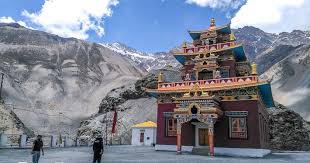
Instead of chasing a national mega-list, plan one circuit at a time. A Kashmir-focused circuit can combine valley scenery, gardens, and light cultural stops over 4-6 days. A Meghalaya circuit can center around waterfall valleys, cloud forests, and short village detours. A southern circuit around Munnar and nearby hill corridors can balance tea landscapes with easier drives. Practical circuit design gives deeper experiences because you spend less time in transit and more time inside the landscape.
If your trip has only three days, choose a single base and one secondary excursion. If you have seven or more days, use two bases with one buffer day in between. This base-switch rule keeps your route manageable while still adding variety. Travelers who move hotels daily usually lose both energy and photography windows.
How to Read Valley Weather Before You Move
Valley weather is highly local. Conditions can shift within the same district because of elevation and cloud movement. Use morning local checks before departure and keep one alternate route ready. Do not assume forecast apps alone are enough. Ask your host or driver about same-day visibility, rain intensity, and road condition updates. Ground intelligence is often more useful than generic weather percentages.
When weather turns unstable, shorten your route and prioritize safer viewpoints near settlements. Fog and rain can still produce beautiful visuals, but only if you remove pressure from your timeline. Valley travel rewards adaptation, not stubbornness.
Valley Travel for Families and Senior Travelers
Families and seniors can enjoy valleys deeply with the right pace. Focus on lower transfer days, gradual altitude gain, and properties close to main viewpoints. Carry warm layers even in mild seasons because temperature shifts are common in valley evenings. Plan two activity blocks per day instead of four: one scenic block and one local culture or food block. This keeps energy stable and reduces travel fatigue.
For mixed-age groups, designate one slow route and one optional short trail each day. People who want more movement can do the trail while others relax at a viewpoint or café. This flexible structure keeps the group together without forcing identical energy output.
Responsible Valley Tourism Checklist
- Do not leave plastic or snack wrappers at viewpoints.
- Respect farm boundaries and private village land.
- Keep noise low in ecologically sensitive sections.
- Buy local produce or services to support host communities.
- Avoid risky cliff-edge content just for social media.
Valleys look timeless, but they are fragile. One season of careless behavior can damage trails, riverbanks, and village ecosystems. Traveling responsibly is essential if you want these routes to remain accessible and beautiful.
Packing Baseline for Valley Trips
A dependable valley packing list includes layered clothing, waterproof protection, walking shoes with grip, compact first aid, power backup, and offline maps. Add route-specific items based on altitude and rainfall. Avoid overpacking fashion pieces that reduce mobility. Your bag should support long transfer days and quick weather response, not just photos. Practical packing directly improves safety and comfort on valley routes.
Also keep one empty time block in your itinerary for weather-driven adjustments. Valley travel gets better when your schedule can breathe.
Keep your valley plan human-paced: fewer transfers, better sleep, and early starts for light windows. That single discipline consistently improves both safety and memory quality across mountain and mid-altitude routes.
Plan slower, observe longer, and your valley journey will feel deeper and safer.
Stay weather-flexible and valley travel becomes consistently rewarding.
Travel deeper, not faster.
Final Takeaway
The best valley journey in India is not the one with the longest destination list. It is the one with realistic movement, weather flexibility, and enough stillness to actually experience the landscape. Choose one region cluster, commit to deeper pacing, and let your route adapt to real-time conditions. That is how valley travel becomes memorable instead of exhausting.
Location
Frequently Asked Questions
Q1.Which is the most beautiful valley in India?
Q2.What is the best time to visit valleys in India?
Q3.How to reach Spiti Valley?
Q4.Is Spiti Valley safe for solo travelers?
Q5.What activities can you do in Kashmir Valley?
Q6.Are Indian valleys accessible for foreigners?
Q7.What is special about Coorg Valley?
Q8.Which valley in Himachal is best for beginners?
Q9.How high is Spiti Valley?
Recommended For You
Munnar: Complete Travel Plan Places And Weather
Complete Munnar travel guide. Best time to visit, top attractions, tea garden tours, adventure activities, accommodation, costs, and practical tips for Kerala's famous hill station.
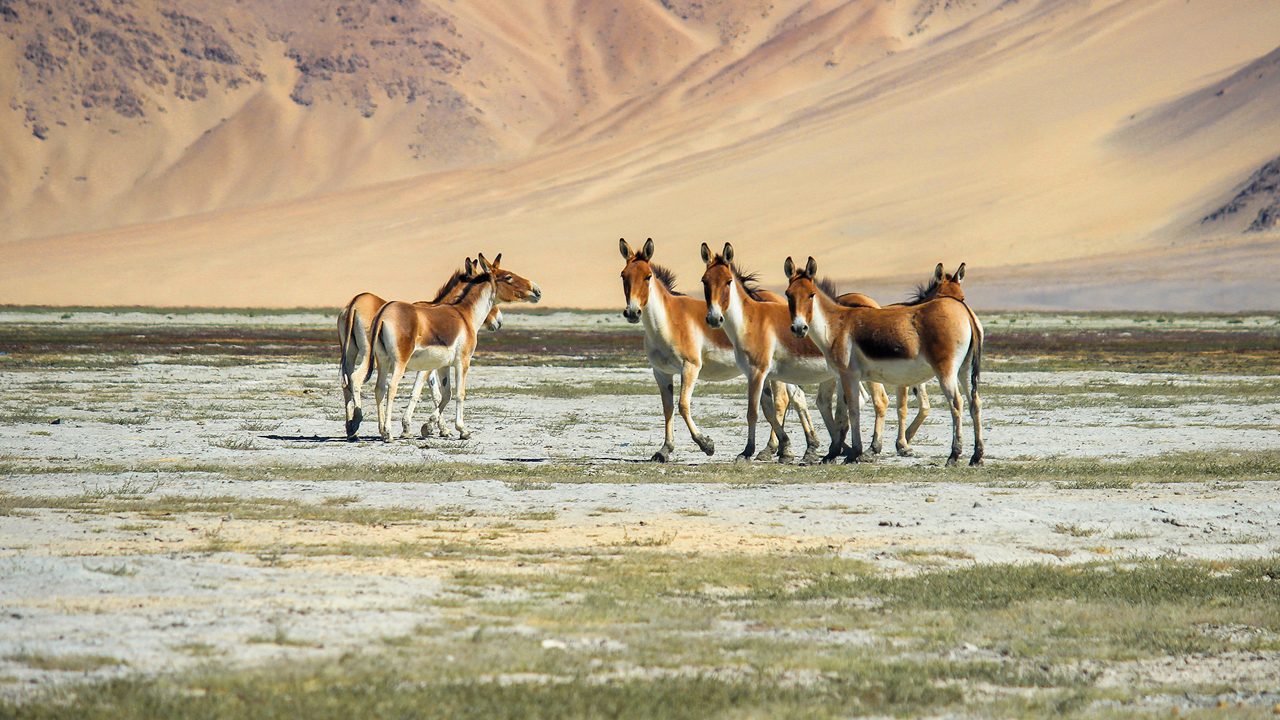
Hemis National Park Ladakh: Snow Leopard Tracking & Travel Info
Explore Hemis National Park Ladakh, home to the world's highest density of snow leopards. Discover wildlife, trekking & tracking in this Himalayan paradise.
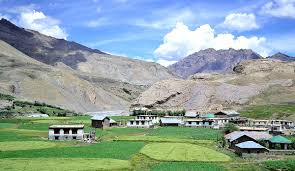
Pin Valley National Park Spiti: Wildlife, Trek Routes & Travel Tips
Pin Valley National Park complete guide covering wildlife, snow leopard habitat, treks, best season, route planning from Kaza, permits, and practical stay tips in Spiti.
Never Miss an Adventure
Get the latest trekking guides, travel tips, and exclusive offers delivered straight to your inbox.
