
Pin Valley National Park Spiti: Wildlife, Trek Routes & Travel Tips

Priya Mehta
February 20, 2026
Pin Valley National Park complete guide covering wildlife, snow leopard habitat, treks, best season, route planning from Kaza, permits, and practical stay tips in Spiti.
Introduction: India's Cold Desert National Park in Spiti
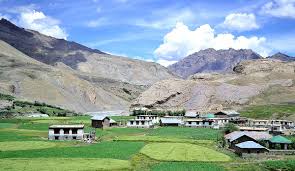
Pin Valley National Park is one of the most important protected landscapes in the Trans-Himalayan region of Himachal Pradesh. Located in the Spiti sub-division of Lahaul and Spiti district, the park is known for stark mountain terrain, rare cold-desert wildlife, and a strong conservation identity built around snow leopard habitat protection. For travelers, it offers a very different experience from green Himalayan forest parks: this is high-altitude, dry, rugged, and ecologically fragile.
The park is also linked to remote villages such as Mudh and trekking corridors connecting Kullu, Kinnaur, and Spiti through high passes. That mix of biodiversity and expedition-style movement is exactly why Pin Valley attracts wildlife photographers, trekkers, and conservation-focused travelers.
This guide covers geography, wildlife, snow leopard conservation context, trekking routes, best time to visit, permits, and stay options with practical ground-level planning tips.
Location and Geography
Pin Valley National Park lies in the Spiti landscape and is approached through the Atargoo bridge turn-off from the Kaza side route. Official Spiti Wildlife Division material places the park in the Spiti sub-division and describes approaches via Shimla-Kinnaur-Tabo and Manali-Kunzum-Kaza corridors. Elevation ranges widely from around 3,500 meters to above 6,000 meters depending on the sector and ridgeline, which explains the sharp weather variation and physical demands on visitors.
The terrain is classic cold desert: open slopes, glacially shaped valleys, sparse vegetation, and strong wind exposure. Day-night temperature differences are high, UV radiation is intense, and weather windows can shift fast even during travel season. Pin River-linked villages and side valleys support human habitation, but core movement remains highly terrain-dependent.
| Geographic Factor | What It Means for Visitors |
|---|---|
| High altitude (roughly 3,500m+) | Acclimatization is non-negotiable |
| Cold desert climate | Low humidity, strong sun, cold nights |
| Remote valley approach | Plan fuel, food, and timing in advance |
| Mountain roads and passes | Access windows are seasonal |
Wildlife and Biodiversity in Pin Valley
Pin Valley is a flagship wildlife region for the Indian cold desert ecosystem. Spiti Wildlife Division references the park as a stronghold for Asiatic ibex and highlights its role as top-predator landscape for the endangered snow leopard. The area also supports species like red fox, Himalayan brown bear (in broader high-altitude habitats), and several mountain birds associated with arid alpine systems.
Unlike safari parks where sightings are frequent and structured, here wildlife observation depends on terrain reading, patience, and timing. You may spend hours scanning ridgelines, scree slopes, and valley edges before seeing any large fauna. That is normal. Pin Valley rewards process over certainty.
Key Mammals and Predators
- Snow leopard: apex predator and conservation flagship in the landscape.
- Asiatic ibex: key prey base in rugged cliff zones.
- Bharal (blue sheep): important ungulate of the wider Trans-Himalayan ecosystem.
- Red fox and other small carnivores: adapted to open cold-desert habitat.
Birdlife and Alpine Ecology
High-altitude birds such as chukar, snowcock, and raptors are often discussed in Pin Valley wildlife profiles. Habitat quality depends on fragile alpine vegetation systems including grasses, sedges, and dry shrub communities that recover slowly under disturbance. For visitors, this has a direct implication: stay on established tracks and avoid trampling vulnerable slopes for photography shortcuts.
Snow Leopard Conservation Context
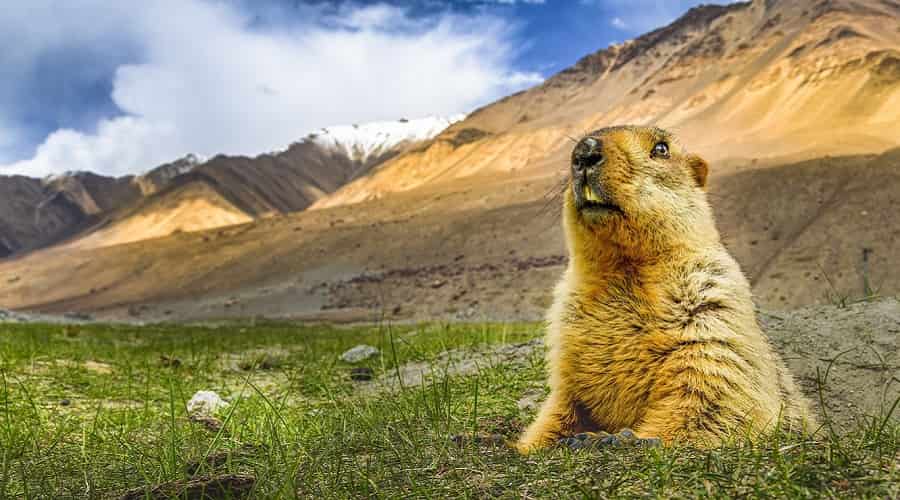
Pin Valley is frequently described as a core snow leopard landscape in Himachal Pradesh. Official materials from Spiti Wildlife Division connect conservation planning here with broader Indian Himalayan snow leopard frameworks. The conservation challenge is complex: predator-prey balance, livestock depredation conflict, climate pressure, and increasing travel footprint all interact in one fragile geography.
Responsible tourism in this context means more than carrying back trash. It means keeping distance from wildlife, avoiding noisy group behavior near known habitat zones, not sharing exact denning-sensitive locations in public content, and using trained local naturalists where possible. Conservation-compatible travel protects both species and long-term visitor access.
How Travelers Can Reduce Ecological Pressure
- Keep group size small and movement quiet in wildlife sectors.
- Never bait, chase, or crowd animals for images.
- Use refillable bottles and strict pack-in-pack-out waste practice.
- Avoid off-route driving on fragile valley edges.
- Follow local forest and community instructions without argument.
Trekking and Exploration Routes
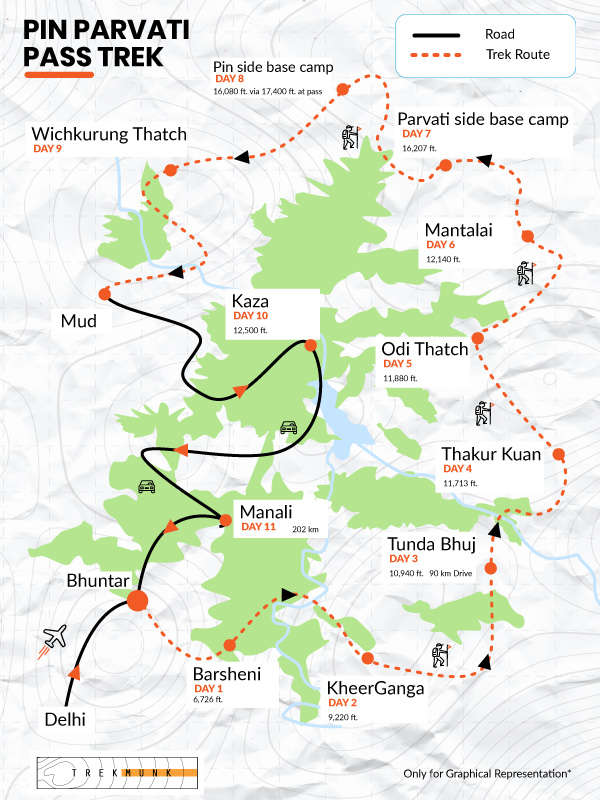
Pin Valley is important not only for wildlife watching but also for classic high-altitude trekking linkages. Official route references mention foot-entry connections via Pin-Bhaba Pass, Pin-Parvati Pass, and other high passes connecting neighboring valleys. For trekkers, Mudh village is usually the practical base for entering trail logic, acclimatization pacing, and guide coordination.
Popular Movement Patterns
- Kaza to Mudh side exploration: suitable for short-format valley experience and acclimatized wildlife scanning.
- Pin-Bhaba Pass route: high-altitude crossover option for trained trekkers.
- Pin-Parvati pass linkage: long, demanding expedition-style route requiring strong preparation.
If your trip combines trekking and regional tourism, connect this with Spiti Valley in July, Spiti Valley in March, and Pin Bhaba Pass Trek for seasonal and route context.
Best Time to Visit Pin Valley National Park
The usable travel window is largely tied to high-pass and road conditions in the Spiti circuit. For most travelers, late spring to early autumn offers the most practical access and safer movement windows. Winter visits are possible only for very specific plans with proper support and cold-weather readiness; many routes and services remain limited.
| Season | Typical Conditions | Best For |
|---|---|---|
| May to June | Road reopening phase, cold nights, clear skies | Low-crowd valley travel and photography |
| July to September | Relatively stable Spiti travel period | Trekking, village stays, broad exploration |
| October | Sharper cold, fewer travelers | Quiet landscape sessions |
| November to March | Severe winter conditions in many sectors | Specialized expeditions only |
For most first-time visitors, summer and early autumn remain the safest and most predictable choice for Pin Valley logistics.
How to Reach and Permit Reality
Most trips begin from Kaza after acclimatization days. From there, travelers usually move toward Atargoo and into Pin Valley routes toward villages such as Sagnam and Mudh. The approach road can be narrow and rough in stretches, so time estimates should include buffers for weather and traffic bottlenecks.
Approach Logic
- Shimla side approach: via Kinnaur-Tabo sector into Spiti routes.
- Manali side approach: via high-pass corridor when open in season.
- Kaza to Pin Valley segment: common operational base transfer for most itineraries.
On permits, rules can vary by activity type and current administration updates. Spiti Wildlife Division provides permit channels for trekking and media-related applications. Always verify current documentation requirements before movement day rather than relying on older blog snapshots.
Permit and Compliance Checklist
- Carry valid government ID and multiple copies.
- Confirm permit requirements for trekking, camping, and videography.
- Keep printed and offline digital copies due to weak network zones.
- Follow checkpoint instructions on movement and filming.
Accommodation and Facilities
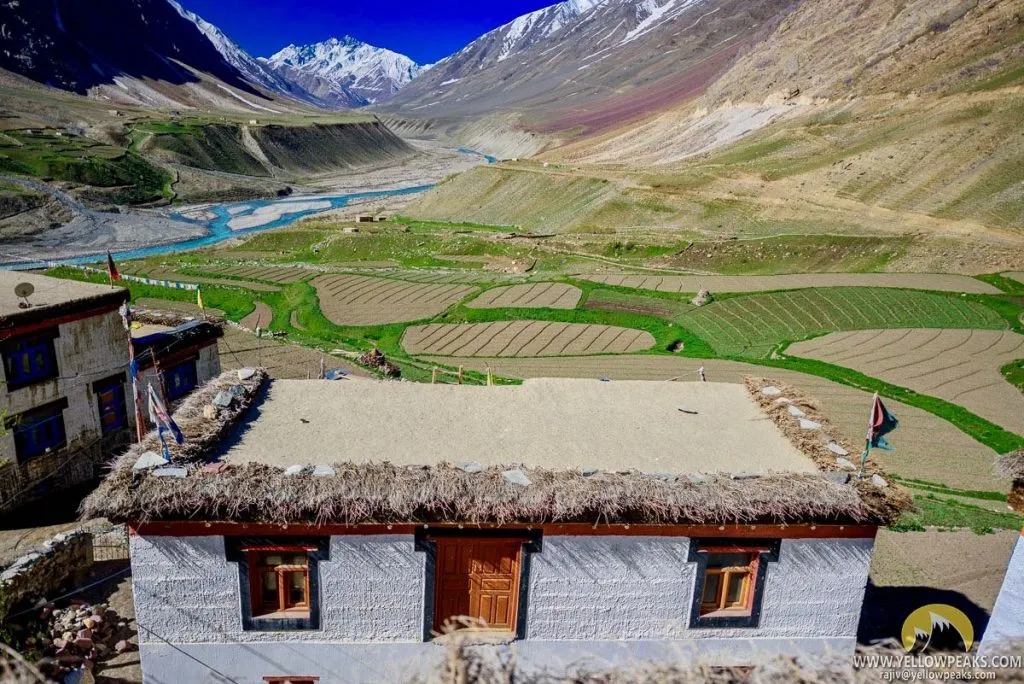
Pin Valley stay infrastructure is basic compared to mainstream hill stations. Travelers usually use Kaza as a support hub and then move into village-level homestays for deeper experience. Mudh is a common stay point for trekkers and wildlife observers because it reduces same-day travel pressure and enables early-morning field sessions.
Expect simple rooms, limited heating in many properties, variable network quality, and early dinner schedules. This is normal for high-altitude remote travel. You should carry essential medicines, power backup, and layered clothing rather than depending on local availability.
What to Pack for Practical Comfort
- Layered thermal clothing and windproof outer shell.
- High SPF sunscreen, sunglasses, and lip protection.
- Reusable bottle, dry snacks, and personal medication.
- Cash backup, as digital payment can fail in patchy networks.
Sample 3-Day Pin Valley Plan from Kaza
Day 1
Acclimatized start from Kaza, drive toward Pin Valley side, check in at village stay, short evening walk for orientation and light photography.
Day 2
Early wildlife scanning with local guidance, slow trail-based exploration, and optional cultural stop near valley monasteries and settlement clusters.
Day 3
Morning landscape session, controlled return to Kaza with weather buffer. Keep departure flexible in case of road disruption.
This low-rush structure works better than same-day in-out plans and aligns with both safety and conservation-minded travel behavior.
Field Safety and High-Altitude Readiness
A major reason travelers struggle in Pin Valley is underestimating altitude, dryness, and road fatigue. Build your plan around slow adaptation rather than maximum distance. Spend enough time acclimatizing in Kaza-side altitude before entering deeper valley sectors, avoid heavy exertion on day one, and keep hydration constant even when you do not feel thirsty in cold weather.
Morning starts are usually better for both weather stability and wildlife scanning. Keep your return window conservative because road closures, temporary traffic holds, and weather shifts can delay movement without warning. If you are traveling with family or mixed-age groups, prioritize shorter exploration loops and one extra buffer night over aggressive routing.
Finally, remember that remote mountain travel is a systems game: vehicle condition, driver experience, medical preparedness, and communication backups matter as much as destination enthusiasm. A well-paced, risk-aware itinerary will always outperform rushed plans in Pin Valley.
Final Takeaway
Pin Valley National Park is not a checklist destination. It is a high-altitude conservation landscape where wildlife sensitivity, weather discipline, and respectful local engagement define the quality of your journey. If you plan with acclimatization, realistic timing, and low-impact behavior, Pin Valley offers one of the strongest cold-desert wilderness experiences in India.
For deeper Spiti planning, combine this guide with things to do in Spiti Valley and how to reach Spiti Valley guide before locking your route.
Location
Frequently Asked Questions
Q1.Where is Pin Valley National Park located?
Q2.How do I reach Pin Valley from Kaza?
Q3.What is the best time to visit Pin Valley National Park?
Q4.Can I see snow leopards in Pin Valley?
Q5.What animals are found in Pin Valley National Park?
Q6.Is Pin Valley accessible in winter?
Q7.Do I need permits for Pin Valley National Park?
Q8.Where can I stay in Pin Valley?
Recommended For You
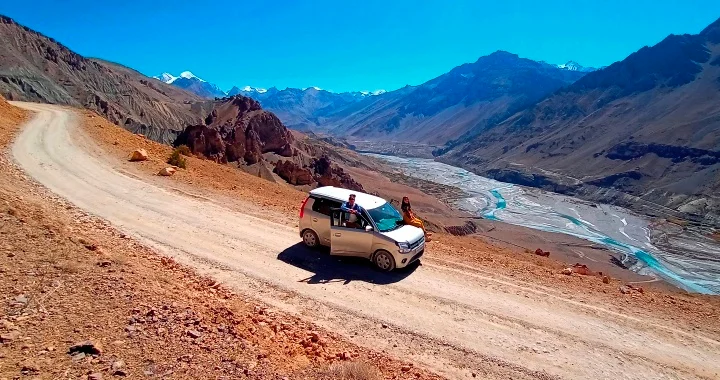
How To Reach Spiti Valley: Routes And Travel Options
Planning a trip to Spiti Valley? Learn how to reach Spiti from Manali & Shimla by road, flight & train. Get routes, timings, permits & essential travel tips.
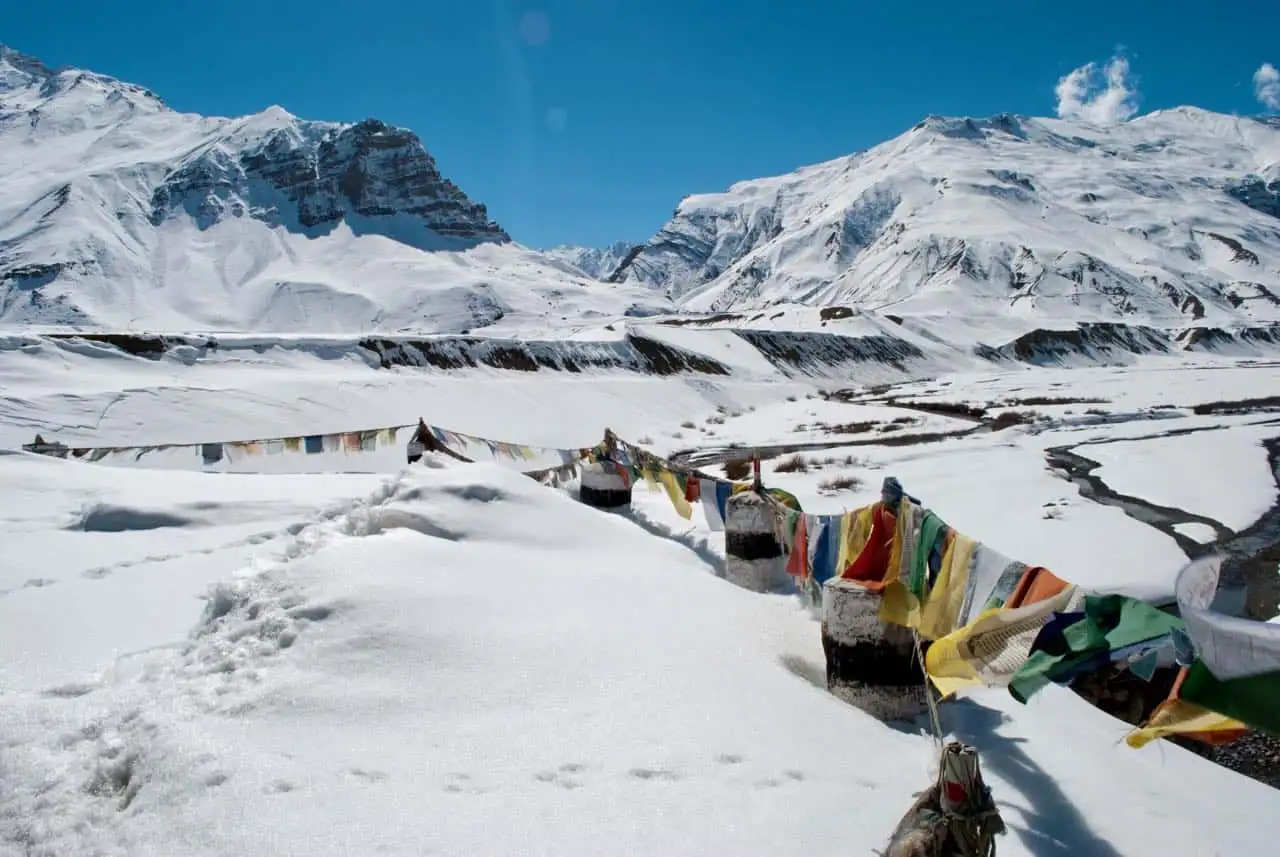
Spiti Valley in March: Snow Conditions, Accessibility & Itinerary Ideas
Visit Spiti Valley in March! Guide to weather, snow, road conditions, temperature, Manali route & spring travel tips.
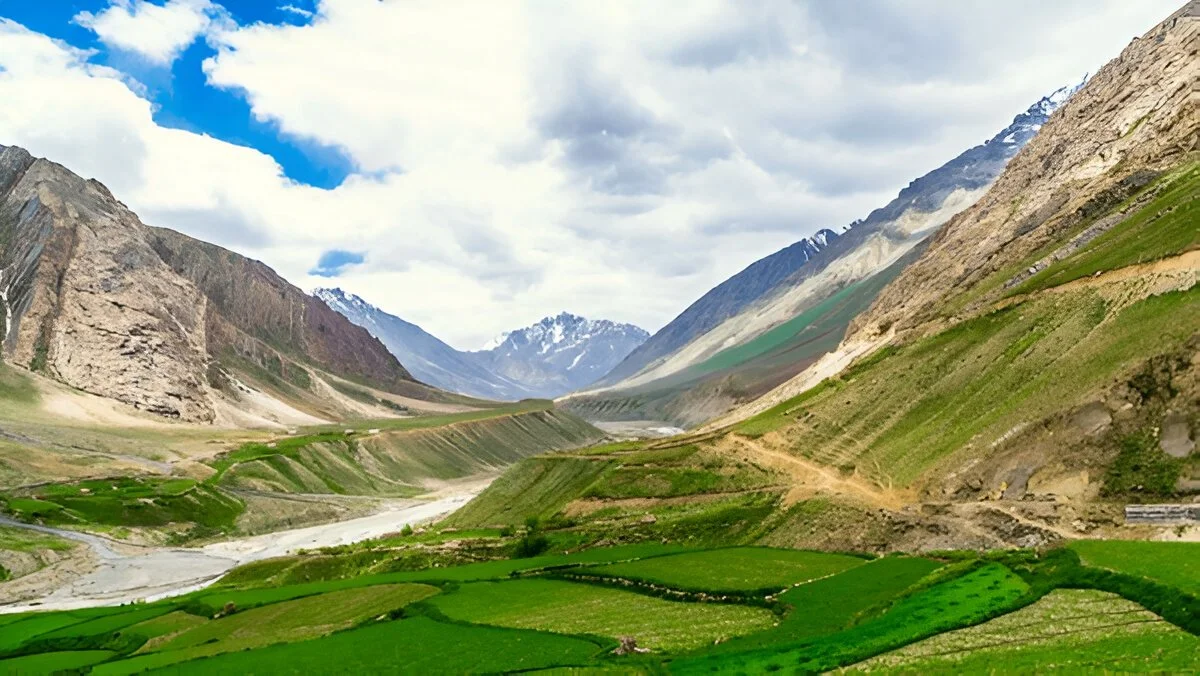
Best Time to Visit Pin Valley: Weather, Road Access & Trek Season
Find the best time to visit Pin Valley with season-by-season guidance for trekking, wildlife, weather, and accessibility planning.
Never Miss an Adventure
Get the latest trekking guides, travel tips, and exclusive offers delivered straight to your inbox.
