
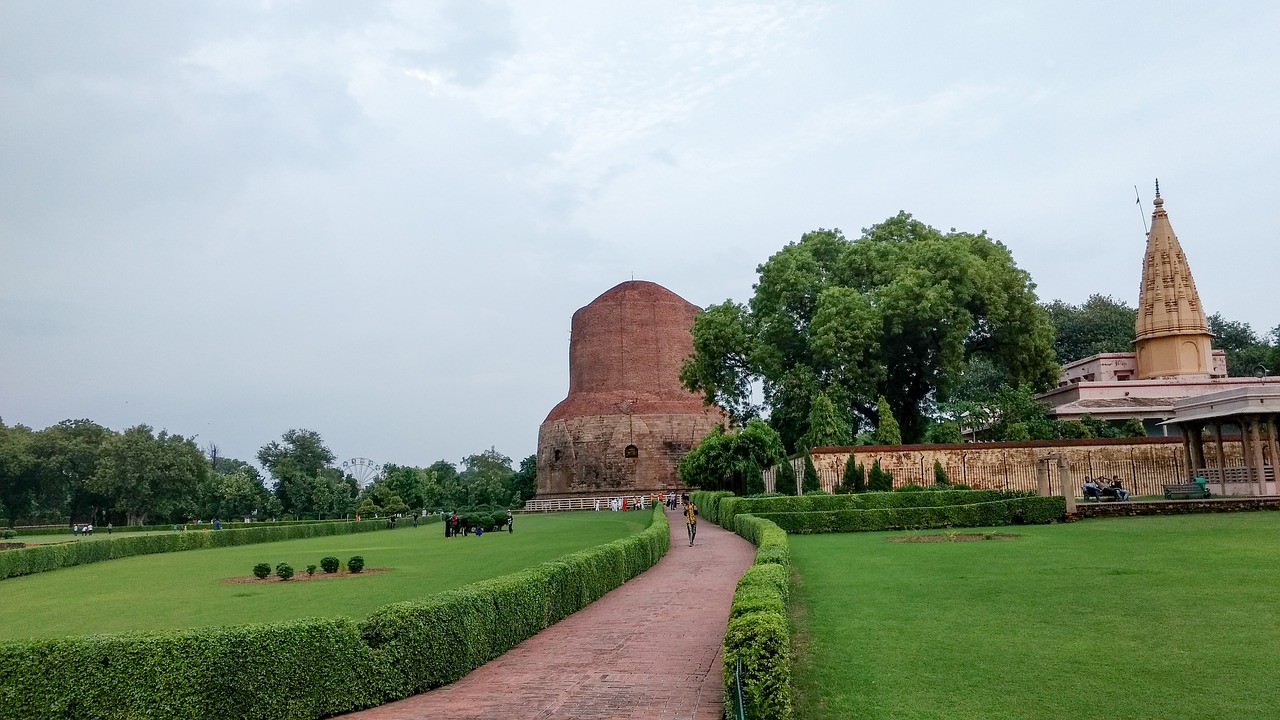
Sarnath Temple Varanasi: Timings, Route & Buddhist Site Circuit
Rohit Verma
February 20, 2026
Plan your Sarnath Temple Varanasi visit with practical timing, route planning, and a smooth one-day Varanasi-Sarnath itinerary.
Sarnath overview
Sarnath, located approximately 10 kilometers northeast of Varanasi in Uttar Pradesh, stands as one of Buddhism's most sacred sites. This is where Gautama Buddha delivered his first sermon, known as the Dhammacakkappavattana Sutta (Setting in Motion the Wheel of Dharma), to his five former companions after attaining enlightenment. This event, known as "the turning of the wheel of Dharma," marks the founding of the Buddhist Sangha (community of monks) and the beginning of Buddha's teaching ministry that would span 45 years. The historical significance of Sarnath cannot be overstated. After Buddha attained enlightenment at Bodh Gaya, he sought his five companions who had abandoned him earlier during his ascetic practices. Finding them at Isipatana (the ancient name for Sarnath), he taught them the Middle Way - the path between sensual indulgence and extreme asceticism, and the Four Noble Truths. This teaching transformed the five ascetics into Buddha's first disciples, establishing the foundation of Buddhist monastic tradition. For modern travelers, Sarnath represents one of the most important Buddhist heritage sites near Varanasi and a practical day-trip destination for those interested in spiritual history, archaeology, and calm cultural spaces away from core old-city density. It remains a major pilgrimage destination for Buddhist visitors from India and abroad, particularly from countries with strong Buddhist traditions like Sri Lanka, Thailand, Myanmar, Japan, Tibet, and other Southeast Asian nations. Most pages focus on historical significance but skip practical route design from Varanasi. A strong plan should combine low-crowd timing, realistic transport windows, and optional city-side add-ons so the day remains balanced and not rushed.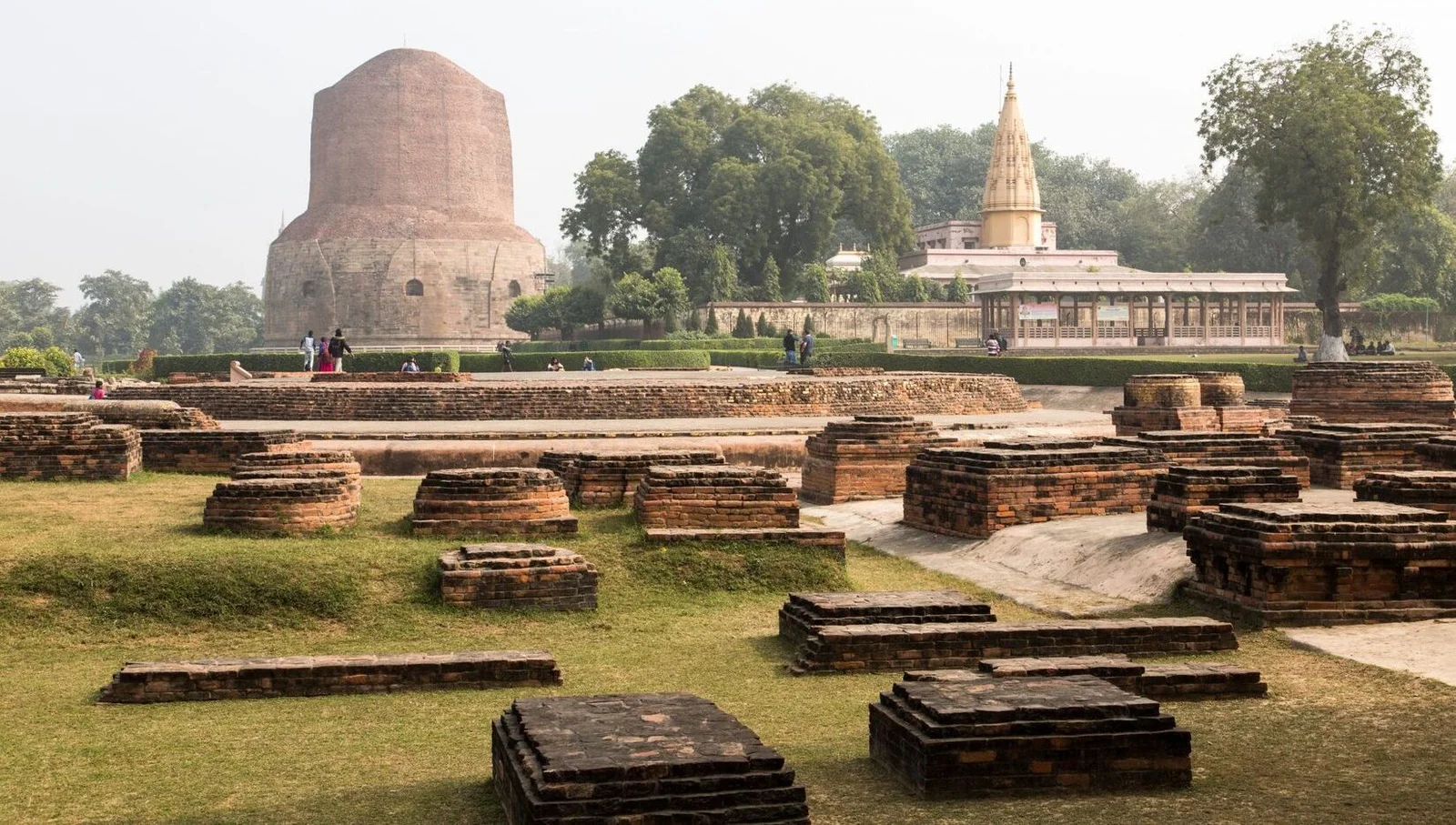
Temple and heritage significance
Sarnath is not a single-attraction stop; it is a cluster of religious and heritage points including temple spaces, archaeological remains, and museum-led context.Major Attractions at Sarnath
Dhamek Stupa: The most impressive structure at Sarnath, this massive cylindrical stupa stands 43.6 meters high and 28 meters in diameter. Built in 500 CE, it marks the exact location where Buddha delivered his first sermon. The stupa features beautiful architectural details including floral and geometric carvings, and its stone facing still displays some of the original Gupta period ornamentation. This is the centerpiece of any Sarnath visit and represents one of the oldest continuously worshipped Buddhist structures in the world.
Dharmarajika Stupa: Located north of Dhamek Stupa, this smaller stupa was built by Emperor Ashoka in the 3rd century BCE. Though partially damaged, it represents one of the earliest Buddhist monuments and demonstrates Ashoka's role in spreading Buddhism. Archaeological excavations here have revealed relics and inscriptions that provide valuable historical context.
Mulagandha Kuti Vihar: This modern temple built by the Maha Bodhi Society in 1931 features beautiful frescoes depicting Buddha's life, including his birth, enlightenment, first sermon at Sarnath, and death. It stands close to the Golden Temple Sarnath, another key stop for pilgrims tracing Buddha's early teaching sites. The temple contains relics of Buddha discovered during excavations and serves as an active worship space. The serene atmosphere and detailed artwork make this temple particularly meaningful for contemporary Buddhist practice.
Ashoka Pillar: The famous Lion Capital of Ashoka, which now serves as India's national emblem, was originally erected at Sarnath. While the original four-lion capital is now displayed in the Sarnath Museum, a replica stands at the original site. This pillar, with its exquisite Mauryan period sculpture, represents some of the finest ancient Indian artistry and symbolizes the spread of Buddha's teachings.
Sarnath Archaeological Museum: Housing an exceptional collection of Buddhist art and artifacts, this museum is essential for understanding Sarnath's historical context. The museum's prize possession is the original Lion Capital of Ashoka. Other highlights include Buddha images from various periods, ancient inscriptions, and artifacts from different excavations. The museum provides the chronological framework necessary to appreciate the site's 2,500-year history.
Excavated Ruins: The archaeological remains scattered throughout Sarnath include monastery foundations, ancient shrines, and votive stupas. These ruins, spread across the site, demonstrate Sarnath's importance as a major monastic center that housed thousands of monks at its peak during the Gupta period. Walking among these ruins provides tangible connection to the centuries of continuous Buddhist practice that occurred here.
| Experience Layer | What to Explore | Best Visit Window | Planning Note |
|---|---|---|---|
| Spiritual core | Temple prayer spaces and Buddhist devotional areas | Morning | Better for calm-paced visit quality |
| Archaeological context | Ruins, stupa zone, and heritage remains | Morning to midday | Keep adequate walking-time buffer |
| Museum and interpretation | Historical artifact context and chronology | Midday/afternoon | Useful as heat-buffer segment |
Best timing and visit duration
Sarnath works best with an early-start schedule from Varanasi and a defined return window.| Timing Block | Recommendation | Why It Helps |
|---|---|---|
| Departure from Varanasi | Early morning start | Lower traffic friction and calmer site entry |
| Site exploration | 2.5 to 4 hours | Enough for temple + heritage + museum rhythm |
| Return planning | Post-lunch or late afternoon | Leaves room for evening Varanasi add-ons |
How to reach and route planning
Sarnath is a short road transfer from Varanasi, but the best route depends on your start-point and city traffic windows.Transportation Options
By Taxi/Cab: The most convenient option for families and first-time visitors. Taxis can be hired from any part of Varanasi, with the journey taking approximately 30-45 minutes depending on traffic and starting location. Round-trip taxi hire typically costs between ₹800-1500 depending on vehicle type and negotiation. The advantage is door-to-door service, air conditioning, and the ability to leave luggage in the vehicle while exploring.
By Auto-Rickshaw: Auto-rickshaws provide a budget-friendly option with flexibility in timing. The journey costs approximately ₹300-500 one way from Varanasi city center, with round-trip arrangements possible. Autos can navigate narrow streets and are readily available. However, they offer less protection from weather and noise compared to taxis.
By Bus: Uttar Pradesh State Road Transport Corporation (UPSRTC) operates regular buses from Varanasi city to Sarnath. This is the most economical option (approximately ₹30-50 per person) but requires additional planning around bus schedules and may involve walking from bus stops to the heritage sites. Best suited for budget travelers comfortable with public transport.
Private Tour: Many tour operators in Varanasi offer guided half-day tours to Sarnath that include transportation, guide services, and sometimes additional stops. These packages typically cost ₹1500-3000 per person and provide historical context throughout the visit. This option eliminates planning stress and ensures all major sites are covered efficiently.
Route logic for first-time visitors
1. Keep one direct transfer in and one direct transfer out. 2. Avoid too many intermediate stops before reaching Sarnath. 3. Reserve evening for city spiritual highlights after return. This route style helps avoid schedule compression and keeps the heritage block meaningful.Distance and Time
From Varanasi Cantonment Railway Station: Approximately 12 kilometers, 35-45 minutes by road.
From Varanasi City Center: Approximately 10 kilometers, 30-40 minutes by road.
From Lal Bahadur Shastri International Airport, Babatpur: Approximately 30 kilometers, 60-75 minutes by road.
Travel times vary significantly depending on traffic conditions, especially during rush hours (8-10 AM and 5-7 PM) and festival seasons. Early morning departures (before 7 AM) typically offer the fastest travel times.
Varanasi-Sarnath one-day itinerary
A practical one-day circuit should separate the calm Sarnath segment from crowded Varanasi evening zones.| Day Segment | Suggested Plan | Best For |
|---|---|---|
| Morning | Sarnath temple + heritage core | Spiritual and history-focused travelers |
| Afternoon | Return and rest/meal window | Balanced pacing |
| Evening | Kashi Vishwanath Temple Varanasi or Ganga Aarti Varanasi | Classic Varanasi closeout |
Budget and family travel tips
Sarnath trips are usually moderate-budget, but local transfer choices and add-ons determine the final cost.| Budget Bucket | Includes | Control Tip |
|---|---|---|
| Transport | Varanasi-Sarnath round transfer | Fix return terms before departure |
| Entries and local spends | Site/museum-related expenses | Carry small cash plus digital option |
| Food and essentials | Meals, hydration, comfort items | Plan one fixed meal break |
| Contingency | Queue/traffic/weather delays | Keep flexible time reserve |
Common mistakes to avoid
1. Treating Sarnath as a quick photo stop instead of a heritage cluster. 2. Starting late and losing calm morning windows. 3. Overloading the day with too many Varanasi add-ons. 4. No return buffer before evening darshan plans. 5. Ignoring heat/hydration planning in warm months. 6. Not confirming local timings before departure.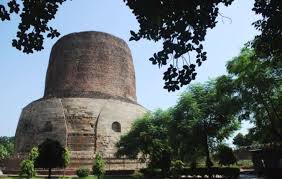
Buddhist Philosophy and Spiritual Significance
Understanding Buddha's first sermon at Sarnath enhances the visit's spiritual dimension. The Dhammacakkappavattana Sutta introduced core Buddhist concepts that remain relevant to practitioners today. Buddha taught the Four Noble Truths: the truth of suffering (dukkha), the truth of the cause of suffering (samudaya), the truth of the cessation of suffering (nirodha), and the truth of the path leading to the cessation of suffering (magga). This fourth truth is the Noble Eightfold Path - right view, right intention, right speech, right action, right livelihood, right effort, right mindfulness, and right concentration.
The Middle Way, another key teaching from Sarnath, advocates balance between extremes. Buddha had experienced both royal luxury and severe asceticism before finding that enlightenment comes through moderation, not self-denial or indulgence. This teaching remains Buddhism's foundational approach to life and practice.
For Buddhist practitioners, visiting Sarnath represents more than historical interest - it's a pilgrimage to the site where the wisdom tradition began. The energy of countless practitioners over 2,500 years, the physical location where Buddha taught, and the continued tradition of practice at this site create a palpable spiritual atmosphere that many visitors find moving and inspiring.
Architecture and Archaeological Insights
Sarnath's architectural remains demonstrate the evolution of Buddhist art and architecture over different periods:
Mauryan Period (3rd century BCE): Characterized by simple stupa structures and Ashoka's pillar with its polished Mauryan stone finish. The Lion Capital represents the sophistication of Mauryan court art and the spread of imperial patronage to Buddhist sites.
Sunga-Kushana Period (1st century BCE - 2nd century CE): Introduction of more elaborate stupa architecture and the beginning of Buddha image production. This period saw increased decoration and the incorporation of indigenous artistic elements.
Gupta Period (4th-6th century CE): Considered the golden age of Buddhist art at Sarnath. The Dhamek Stupa dates from this period, as do many of the most refined Buddha images discovered at the site. Gupta period Buddha images from Sarnath are characterized by their flowing robes, peaceful expressions, and detailed carving - considered among the finest examples of Buddhist sculpture anywhere.
The excavation history of Sarnath, beginning systematically in the 19th century, revealed how extensive the monastic complex was. At its peak, Sarnath housed multiple monasteries, temples, stupas, and supporting infrastructure for thousands of monks. The ruins visible today represent only a fraction of what once existed, as much of the site was destroyed during invasions and subsequently built over or quarried for building materials.
Photography and Practical Tips
Photography: Photography is generally permitted throughout the Sarnath archaeological site and most temples, though flash photography may be prohibited in certain museum areas to protect artifacts. The Dhamek Stupa is particularly photogenic during morning and late afternoon light. The museum has specific photography rules - inquire at the entrance about current policies and any additional fees for camera use.
Dress Code: While there's no strict dress code enforced, modest dress is appreciated at this religious site. Shoulders and knees should be covered, and shoes must be removed before entering temple sanctums. carrying a scarf or shawl is useful for covering up when needed.
Guides: Authorized guides are available at the site entrance for approximately ₹500-1000 depending on tour duration and group size. While not strictly necessary, a knowledgeable guide can significantly enhance understanding of the site's history, architecture, and religious significance. Many guides are trained by the Archaeological Survey of India and provide accurate historical information.
Facilities: Basic facilities including restrooms, drinking water, and small shops selling snacks and souvenirs are available near the site entrance. The archaeological museum has limited facilities but does offer shaded rest areas. There are no restaurants within the archaeological complex, so plan meals accordingly.
Accessibility: The site has some wheelchair accessibility, though uneven terrain and steps at certain monuments may pose challenges. The museum ground floor is accessible, but upper levels may require stairs. Visitors with mobility concerns should assess their capabilities and consider assistance.
Conclusion
Sarnath Temple Varanasi visits are best when planned as a timing-led heritage-spiritual route from Varanasi, not as an unstructured add-on. With a focused morning block, clear transfer plan, and balanced evening city closeout, first-time travelers can cover both Sarnath and Varanasi comfortably in one day. The site's historical significance as the place where Buddha began his teaching mission, combined with well-preserved archaeological remains and living Buddhist practice, creates an experience that is both educational and spiritually meaningful. Whether approached as a pilgrimage destination, historical site, or cultural experience, Sarnath offers insights into one of the world's great religious traditions and the enduring legacy of Buddha's teachings.Location
Frequently Asked Questions
Q1.What is the best time to visit Sarnath from Varanasi?
Q2.How much time is needed for a Sarnath trip?
Q3.Can Sarnath and Varanasi highlights be covered in one day?
Q4.Is Sarnath suitable for family travelers?
Q5.What is a practical budget for a Sarnath day trip?
Q6.What transport option is easiest for first-time visitors?
Q7.What should visitors carry for this heritage visit?
Q8.What common planning mistakes should travelers avoid?
Recommended For You
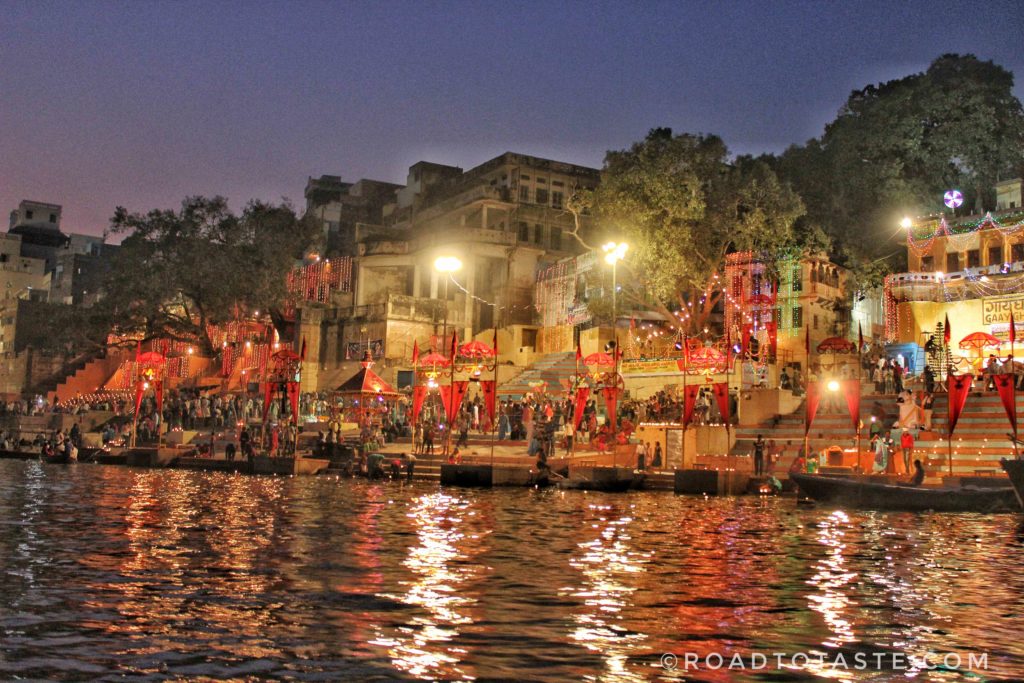
Dev Diwali Varanasi: Best Ghats, Timing & Viewing Spots
Plan your Dev Diwali Varanasi trip with practical ghat viewing strategy, crowd-safe movement tips, and festival-day itinerary planning.
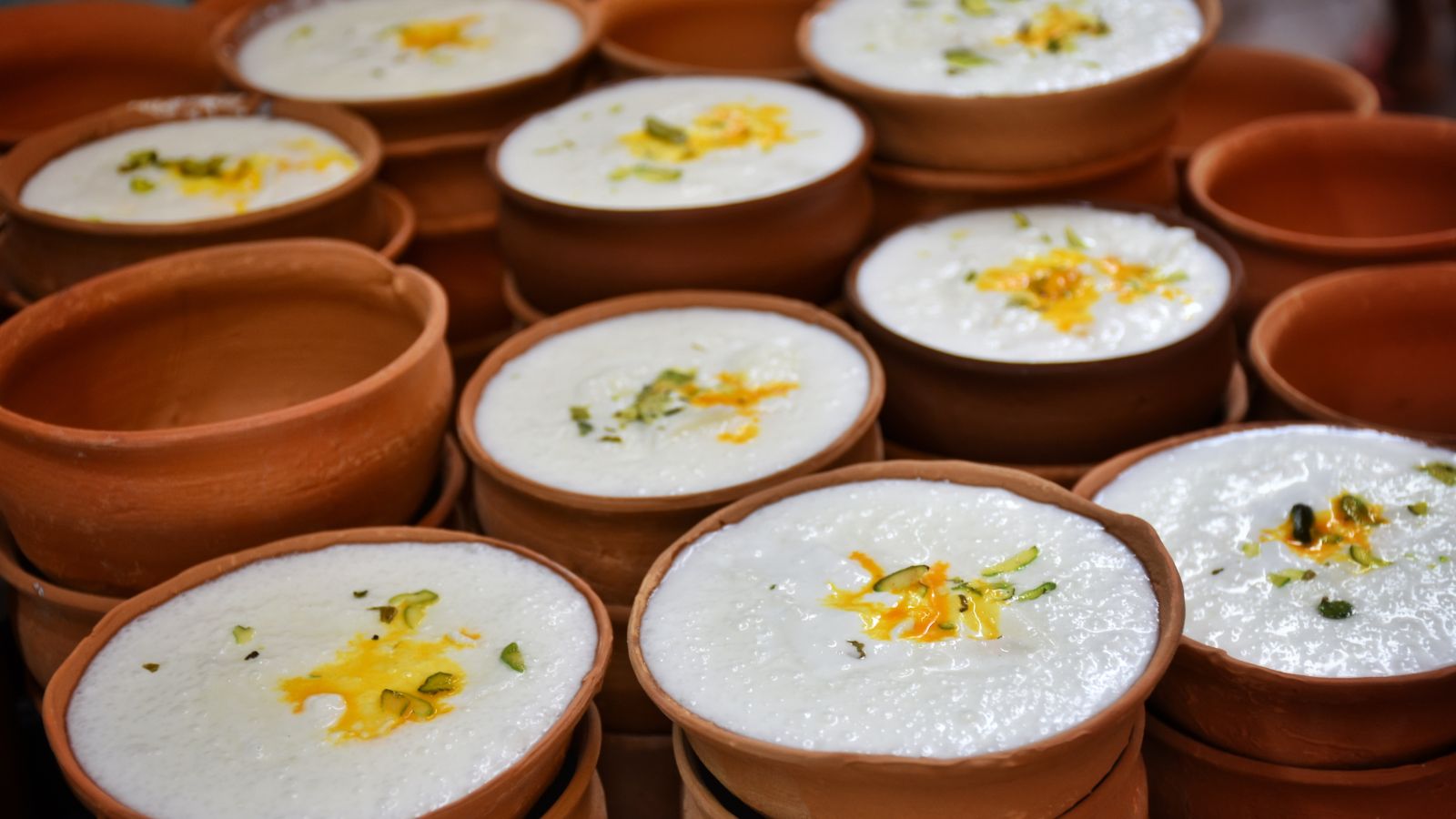
Best Local Food in Varanasi: Must-Try Guide and Tips
Best local food in Varanasi guide with breakfast-first sequencing, street food strategy, sweet-stop planning, and practical one-day routes.
Varanasi: Complete Travel Plan Places And Weather
Complete Varanasi travel guide featuring Kashi Vishwanath Temple, Ganga Aarti, ghats, Sarnath, spiritual experiences, food & practical tips.
Never Miss an Adventure
Get the latest trekking guides, travel tips, and exclusive offers delivered straight to your inbox.
