
Waterfall Rishikesh: Complete Guide to Nature's Hidden Gems
Rahul Garg
November 29, 2025
Discover the stunning waterfalls of Rishikesh - from Neer Garh to Patna. Complete guide with trek details, best time to visit, photography tips & safety guidelines.
Where the Ganges Meets the Mountains
Nestled in the foothills of the Himalayas, where the sacred Ganges descends from the mountains, Rishikesh is known as the Yoga Capital of the World and a gateway to spiritual enlightenment. But beyond the ashrams, meditation centers, and thrilling adventure sports, lies another treasure that often goes unnoticed – the spectacular waterfalls of Rishikesh.
These natural cascades, hidden in the lush forests surrounding this holy city, offer a perfect blend of serenity and adventure. From the popular Neer Garh Waterfall to the secluded Patna Waterfall, each cascade has its own unique charm and character. Whether you're a nature lover seeking tranquility, a photographer chasing the perfect shot, or an adventurer looking to explore offbeat paths, Rishikesh's waterfalls promise experiences that will stay with you long after you've returned home.
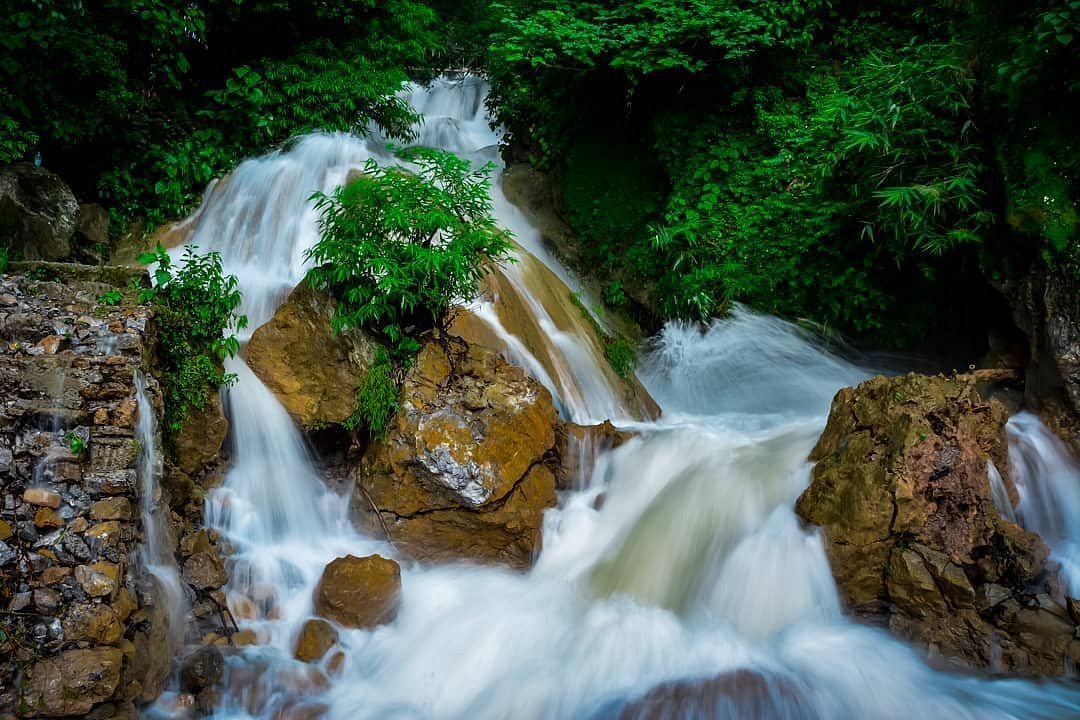
What makes these waterfalls special is their accessibility combined with pristine natural beauty. Unlike many waterfall destinations that require arduous treks, most of Rishikesh's waterfalls can be reached through short, scenic walks through dense forests. Yet, once you're there, the modern world feels miles away, replaced by the soothing sound of cascading water and the fresh scent of pine and damp earth.
This comprehensive guide will take you through everything you need to know about visiting the waterfalls of Rishikesh – from the best time to visit and how to reach them, to photography tips and safety guidelines. So pack your trekking shoes, grab your camera, and let's explore the hidden cascades that make Rishikesh a nature lover's paradise.
The Waterfalls of Rishikesh: An Overview
Rishikesh and its surrounding areas are blessed with several beautiful waterfalls, each offering a different experience. While some have become popular tourist spots, others remain relatively untouched and perfect for those seeking solitude.
Neer Garh Waterfall – The Crown Jewel
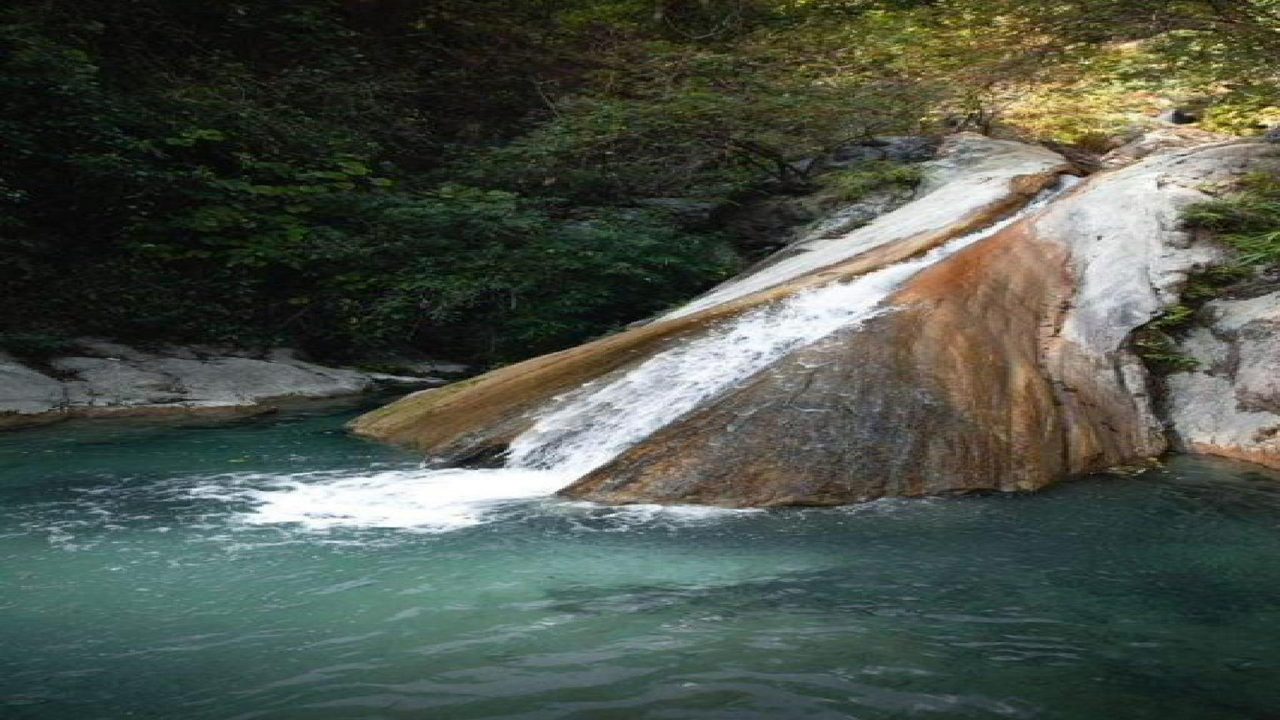
Neer Garh Waterfall is undoubtedly the most famous and accessible waterfall near Rishikesh. Located just 6 km from the main city, this three-tier cascade is a favorite among tourists and locals alike. What makes Neer Garh special is that it has two distinct waterfalls – one that's easily accessible and perfect for families, and another that requires a short trek and is ideal for adventure enthusiasts.
The main waterfall has a beautiful pool where you can take a refreshing dip (with caution, of course), while the upper falls offer spectacular views and a more secluded experience. The surrounding area has been developed with basic facilities including a small café and changing rooms, making it convenient for visitors.
Patna Waterfall – The Hidden Paradise
For those willing to venture further, Patna Waterfall offers a more authentic and less commercialized experience. Located about 12 km from Rishikesh on the route to Badrinath, this waterfall requires a short trek through dense forest, but the effort is well rewarded.
The falls cascade down in multiple tiers, creating several natural pools that are perfect for swimming. What sets Patna Waterfall apart is its pristine setting – surrounded by untouched forest and far from the crowds, it's the kind of place where you can truly connect with nature. The trek to the falls is an adventure in itself, passing through beautiful landscapes and offering glimpses of the region's rich biodiversity.
Garud Chatti Waterfall – The Spiritual Cascade
Named after the mythical bird Garuda, Garud Chatti Waterfall is smaller but equally charming. Located near the famous Garud Chatti temple, this waterfall holds religious significance for locals and is often visited as part of a spiritual journey.
The waterfall is easily accessible and offers a peaceful setting for meditation and relaxation. Many visitors combine a trip to Garud Chatti Waterfall with a visit to the temple, making for a spiritually enriching experience that combines nature and devotion.
Phool Chatti Waterfall – The Floral Cascade
Another hidden gem, Phool Chatti Waterfall (literally "Flower Landing") gets its name from the abundance of wildflowers that surround it, especially during spring and monsoon. This waterfall is less developed and more rugged, making it perfect for adventure seekers who don't mind getting their feet wet and crossing a few streams.
The trek to Phool Chatti is more challenging than the others but offers rewarding views of the valley and the opportunity to spot birds and butterflies. If you're looking for an offbeat adventure away from the usual tourist circuit, this is it.
Best Time to Visit Rishikesh Waterfalls
The timing of your visit significantly affects your experience of Rishikesh's waterfalls. Each season brings a different character to these cascades, and choosing the right time depends on what you're looking for.
Summer (March to June) – Peak Season
Summer is the most popular time to visit Rishikesh and its waterfalls, and for good reason. The weather is warm but not unbearable, with temperatures ranging from 20°C to 35°C. The water flow is moderate, making it safe for swimming and photography.
- March & April: Pleasant weather, wildflowers in bloom, moderate water flow
- May & June: Warmer temperatures – perfect for cooling off in the waterfall pools
This is also the best time for combining waterfall visits with other activities like rafting in Rishikesh, bungee jumping, and camping. However, be prepared for crowds, especially on weekends and holidays.
Monsoon (July to September) – Spectacular but Risky
The monsoon season transforms Rishikesh into a lush green paradise, and the waterfalls reach their full glory. The volume of water increases dramatically, creating spectacular cascades that are a photographer's dream.
- Pros: Maximum water flow, stunning scenery, fewer crowds, lush greenery
- Cons: Risky for swimming, slippery trails, possibility of landslides, leeches
If you visit during monsoon, prioritize safety over adventure. Avoid entering the water as currents can be strong and unpredictable. The trekking trails can be extremely slippery, so wear good grip shoes and carry a walking stick. Always check local weather conditions and warnings before venturing out.
Post-Monsoon (October to November) – The Sweet Spot
Many experienced travelers consider October to November the best time to visit Rishikesh's waterfalls. The monsoon has just ended, so the waterfalls are still in full flow, but the weather has cleared up, making trekking conditions ideal.
The surroundings are incredibly green and fresh, and the temperatures are comfortable (15°C to 25°C). This is also a great time for photography as the skies are clear and the lighting is perfect. Best of all, the tourist crowds have thinned out, giving you more intimate experiences with nature.
Winter (December to February) – Cool and Crisp
Winter in Rishikesh is mild compared to the rest of North India, with temperatures ranging from 8°C to 20°C. While the water flow is reduced compared to other seasons, the waterfalls are still beautiful, especially when surrounded by morning mist.
- Water Temperature: Cold – only for the brave
- Trekking: Pleasant – cool weather makes hiking comfortable
- Scenery: Lush but less vibrant than post-monsoon
Winter is perfect for trekking and photography. If you don't mind the cold water and are mainly interested in sightseeing and hiking, this can be a great time to visit with minimal crowds.
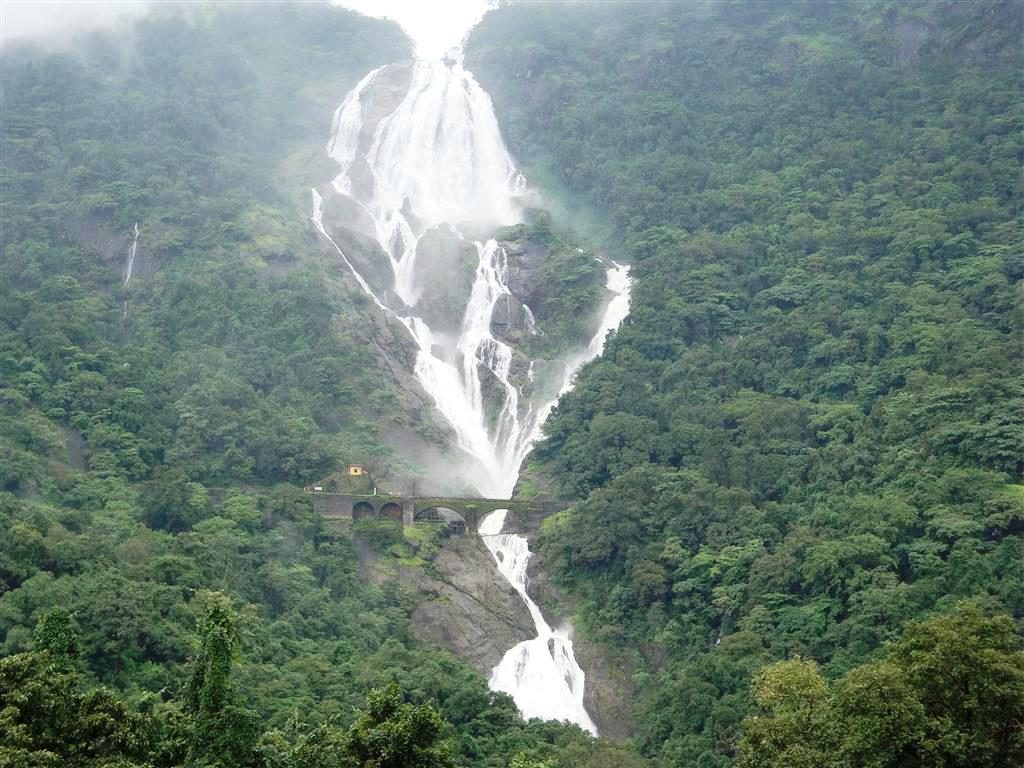
How to Reach Rishikesh
Before you can explore the waterfalls, you need to reach Rishikesh itself. This spiritual city is well-connected to major Indian cities and easily accessible by road, rail, and air.
| Mode of Transport | Details |
|---|---|
| By Air | Jolly Grant Airport, Dehradun (20 km) – Daily flights from Delhi |
| By Rail | Haridwar Railway Station (25 km) – Major trains from all over India |
| By Road | Well-connected by bus and taxi from Delhi (250 km, 6-7 hours) |
| From Dehradun | 45 km, approximately 1.5 hours by road |
Getting to the Waterfalls
Once in Rishikesh, here's how to reach the main waterfalls:
Neer Garh Waterfall
- Distance from Rishikesh: 6 km
- By Taxi/Auto: ₹150-300 for auto-rickshaw, ₹500-700 for taxi
- Trek Time: 15-20 minutes from parking
- Route: Rishikesh → Badrinath Road → Neer Garh
Patna Waterfall
- Distance from Rishikesh: 12 km
- By Taxi: ₹600-800
- Trek Time: 30-45 minutes from road
- Route: Rishikesh → Badrinath Road → Patna Village
Garud Chatti Waterfall
- Distance from Rishikesh: 5 km
- By Auto: ₹100-200
- Trek Time: 10-15 minutes from road
- Route: Rishikesh → Lakshman Jhula → Garud Chatti
Phool Chatti Waterfall
- Distance from Rishikesh: 10 km
- By Taxi: ₹500-700
- Trek Time: 45-60 minutes from road
- Route: Rishikesh → Badrinath Road → Phool Chatti
Transport Tips
For exploring multiple waterfalls, hire a taxi for the day (₹2,000-3,000) rather than paying for individual trips. Most drivers are familiar with the locations and can wait while you explore. If you're on a budget, shared autos are available but may require walking longer distances.
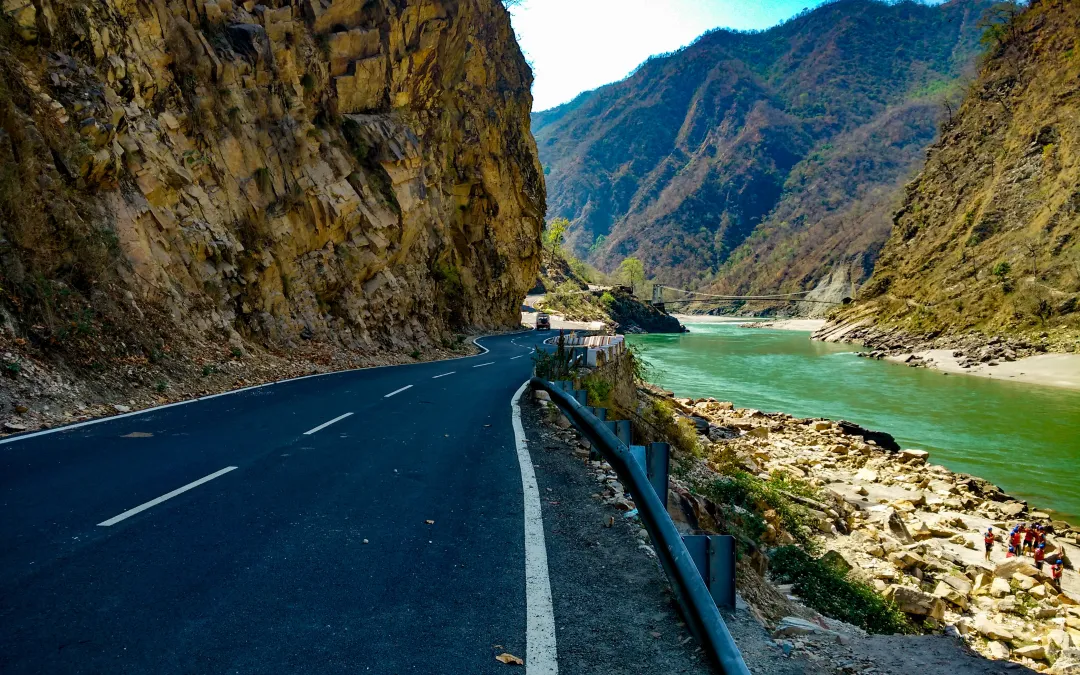
Neer Garh Waterfall: Detailed Guide
As the most popular waterfall near Rishikesh, Neer Garh deserves special attention. Here's everything you need to know about visiting this beautiful cascade.
What Makes Neer Garh Special
Neer Garh Waterfall is actually a series of cascades that flow down the mountainside in three distinct tiers. The main waterfall, easily accessible from the parking area, drops about 25 feet into a crystal-clear pool perfect for swimming. The upper waterfall, about 500 meters further up, requires a short but steep climb and offers a more secluded experience.
The area around Neer Garh has been thoughtfully developed with visitors in mind. Stone steps lead down to the main falls, there are changing rooms available, and a small café serves snacks and beverages. Despite these facilities, the waterfall retains its natural charm and isn't overly commercialized.
The Trek Experience
The trek to the main Neer Garh Waterfall is easy and suitable for all fitness levels. From the parking area on the Badrinath highway, a paved path leads down through the forest. The walk takes about 15-20 minutes and is mostly downhill.
Along the way, you'll pass small shops selling snacks, water, and souvenirs. The path is well-maintained with railings in steep sections, making it safe even for children and elderly visitors (though they should take it slow).
For the upper falls, continue past the main waterfall for another 500 meters. This section is steeper and more rugged, requiring proper footwear and moderate fitness. The path isn't paved, and you'll need to cross a small stream – be prepared to get your feet wet! The upper falls are less crowded and offer excellent picnic spots.
Swimming Safety
The pool at the base of Neer Garh Waterfall is inviting, especially in summer, but caution is essential:
- Never swim alone – always go with a companion
- Check water depth before jumping – it varies seasonally
- Avoid swimming during monsoon – currents are strong and unpredictable
- Wear water shoes – rocks can be sharp and slippery
- Stay in designated areas – don't venture too close to the cascade
Photography Tips for Neer Garh
Best Time: Early morning (8-10 AM) or late afternoon (3-5 PM) for soft light and fewer crowds.
Best Angles: Shoot from the rocks across the pool for the classic waterfall shot. For something different, climb up and shoot downward to capture the pool's emerald color.
Settings: Use slow shutter speed (1/15 to 1 second) with a tripod for the silky water effect. Without a tripod, use faster shutter speed (1/125 or higher) to freeze the water's motion.
Facilities Available
- Parking: Available along the highway (free but limited)
- Food: Small café at the top serving snacks and beverages
- Changing Rooms: Basic facilities available
- Restrooms: Available but basic – carry your own toilet paper
- First Aid: Not available – carry a basic kit
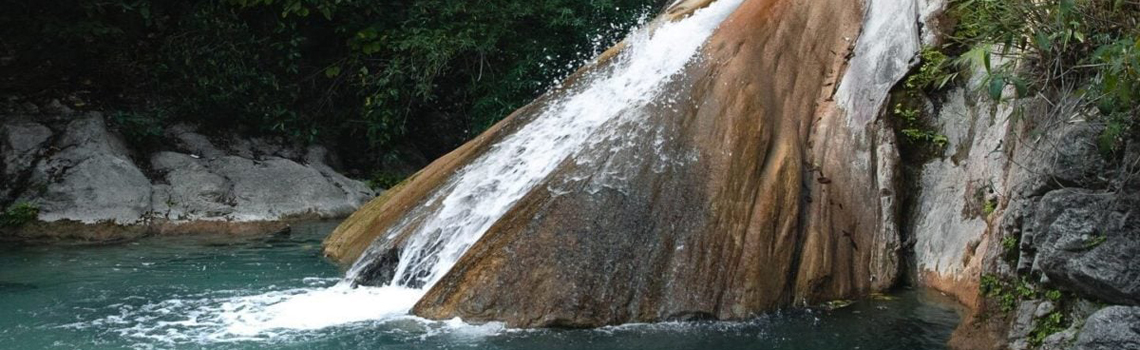
Exploring Other Waterfalls
While Neer Garh gets the most attention, the other waterfalls around Rishikesh offer unique experiences that are equally rewarding.
Patna Waterfall: The Adventure Option
Patna Waterfall is for those who don't mind a bit of effort for a big reward. The trek begins from Patna village, located on the Badrinath highway about 12 km from Rishikesh.
The 30-45 minute trek takes you through dense forest, across small streams, and up rocky terrain. It's moderately challenging but manageable for anyone with reasonable fitness. Along the way, you'll likely spot birds, butterflies, and if you're lucky, some of the region's wildlife.
The waterfall itself is stunning – a multi-tier cascade that creates several pools at different levels. The uppermost pool is the largest and deepest, perfect for a refreshing swim (when water levels are safe). What makes Patna special is its pristine setting – surrounded by untouched forest with minimal development, it feels like a true wilderness experience.
Garud Chatti: The Spiritual Experience
Garud Chatti Waterfall is smaller than the others but holds a special place in local culture. Named after Garuda, the mythical bird and vehicle of Lord Vishnu, this waterfall is considered sacred by many locals.
The trek is easy and takes just 10-15 minutes from the road. The waterfall is located near the Garud Chatti temple, and many visitors combine both in a single trip. The pool here is small and shallow, more suitable for wading than swimming.
What Garud Chatti lacks in grandeur, it makes up for in atmosphere. The sound of the waterfall combined with temple bells and chanting creates a uniquely peaceful environment perfect for meditation and reflection.
Phool Chatti: For the True Adventurer
Phool Chatti Waterfall is the most challenging to reach but offers the most offbeat experience. The trek requires crossing streams, navigating rocky terrain, and sometimes getting your feet wet.
The 45-60 minute trek is an adventure in itself. You'll pass through beautiful forests, meadows of wildflowers (especially in spring), and get panoramic views of the valley. The path isn't well-marked, so asking locals for directions is recommended.
The waterfall is beautiful but less dramatic than the others. What makes Phool Chatti special is the journey – the trek offers an authentic Himalayan forest experience far from the tourist trail. Bring water, snacks, and be prepared for a real adventure.
What to Carry: Essential Checklist
Proper preparation can make or break your waterfall experience. Here's a comprehensive checklist of what to bring:
Clothing and Footwear
- Trekking Shoes: Essential – with good grip for slippery rocks (avoid sandals or flip-flops for the trek)
- Extra Pair of Clothes: If you plan to swim, bring dry clothes for the journey back
- Light Jacket/Raincoat: Weather can change quickly, especially during monsoon
- Quick-Dry Towel: For drying off after a swim
- Swimwear: If you plan to enter the water (check safety conditions first)
Safety and Essentials
- Water: At least 1-2 liters per person (no reliable drinking water at waterfalls)
- Snacks: Energy bars, fruits, or light snacks for the trek
- First Aid Kit: Band-aids, antiseptic, pain relievers, personal medications
- Insect Repellent: Especially important during and after monsoon
- Sunscreen: Even in forests, UV exposure can be significant
- Power Bank: For your phone (camera use drains battery quickly)
Photography Gear
- Camera: DSLR, mirrorless, or a good smartphone camera
- Tripod: For long-exposure waterfall shots (lightweight travel tripod recommended)
- Water Protection: Rain cover or plastic bag for your camera (waterfall spray can damage electronics)
- Extra Batteries: Cold and humidity drain batteries faster
- Lens Cleaning Cloth: For wiping water spray from your lens
What to Avoid
- Heavy Backpacks: Travel light – you don't need much for a day trip
- Valuables: Expensive jewelry or unnecessary electronics
- Plastic: Avoid carrying plastic items – if you must, carry them back with you
- Alcohol: Not appropriate near sacred natural sites

Photography Guide: Capturing Perfect Waterfall Shots
Waterfalls are among the most rewarding subjects for nature photography. Here's how to capture stunning images of Rishikesh's waterfalls.
Understanding Light
Golden Hours (Early Morning & Late Afternoon): These times provide soft, warm light that makes waterfall photos magical. Morning light (8-10 AM) generally works best as the waterfall is front-lit. Late afternoon (3-5 PM) can create beautiful backlighting effects.
Overcast Days: Surprisingly excellent for waterfall photography! Clouds act as a natural diffuser, creating even lighting without harsh shadows or bright highlights. This is perfect for silky water shots.
Avoid Midday: Harsh sunlight (11 AM – 2 PM) creates high contrast that's difficult to manage. Water reflects a lot of light, often resulting in overexposed highlights and dark shadows.
Camera Settings for Silky Water Effect
The classic silky water effect that makes waterfalls look ethereal requires specific settings:
- Shutter Speed: 1/4 to 2 seconds (experiment to find your preferred look)
- Aperture: f/8 to f/16 for sharpness throughout the frame
- ISO: Lowest possible (100-200) to maintain image quality
- Focus: Manual focus is often more accurate in low light conditions
Important: These slow shutter speeds require a tripod or stable surface. If you're shooting handheld, use faster shutter speeds (1/125 or higher) to freeze the water's motion.
Composition Tips
Include Context: Don't just photograph the waterfall – include surrounding rocks, trees, and foliage to give a sense of place.
Find Foreground Elements: Look for interesting rocks, leaves, or pools in the foreground to create depth in your images.
Use Leading Lines: Streams, paths, or rock formations can guide the viewer's eye toward the waterfall.
Change Perspectives: Don't just shoot from eye level. Get low, climb up, try different angles – unique perspectives make memorable photos.
Include People: A person in your shot provides scale and helps viewers understand the waterfall's size. Plus, it adds a human element to the scene.
Smartphone Photography Tips
Don't have a DSLR? Modern smartphones can capture excellent waterfall photos:
- Use Live Mode (iPhone): This allows you to choose between a long-exposure version or standard shot after taking the photo
- Pro Mode: If your phone has it, use manual mode to control shutter speed
- Stabilize: Prop your phone against a rock or use a small tripod for long exposures
- HDR: Use HDR mode to balance bright water and dark surroundings
- Clean Your Lens: Water spray can create blurry spots – clean your lens frequently
Protecting Your Gear
Waterfall environments are humid and wet – protect your equipment:
- Use a Rain Cover: Even light spray can damage electronics over time
- Carry a Microfiber Cloth: Wipe your lens frequently – water spots ruin photos
- Change Lenses Away from the Water: Minimize time your camera is open to moisture
- Store in Dry Bag: When not shooting, keep your camera in a waterproof bag
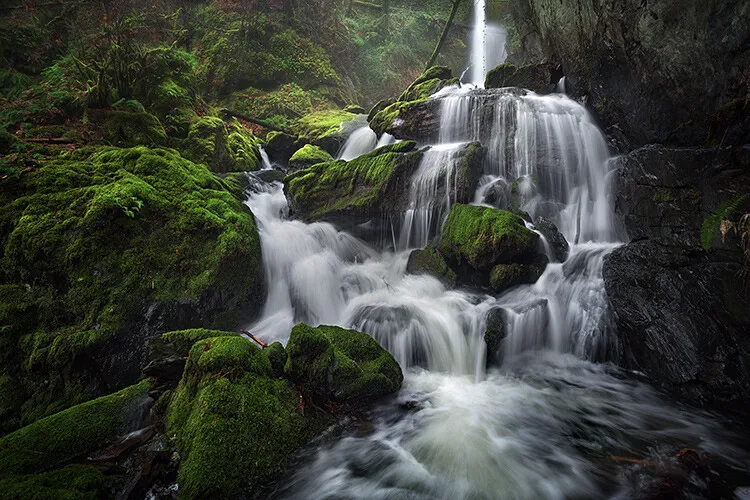
Safety Guidelines: Trekking and Swimming Tips
While Rishikesh's waterfalls are beautiful, they demand respect. Follow these safety guidelines to ensure a safe and enjoyable experience.
Trekking Safety
Before You Go
- Check Weather: Avoid trekking during heavy rain – risk of landslides and flash floods
- Inform Someone: Let your hotel or companion know which waterfall you're visiting
- Start Early: Begin your trek in the morning – you'll have better lighting and more time to explore
- Know Your Limits: Choose waterfalls that match your fitness level
During the Trek
- Stay on Marked Paths: Venturing off-trail increases risk of getting lost or injured
- Watch Your Step: Wet rocks and moss are extremely slippery
- Use Walking Stick: Helpful for balance on steep or slippery sections
- Take Breaks: Don't push yourself – rest when tired
- Stay Hydrated: Drink water regularly – forest treks can be deceptively tiring
Water Safety
When NOT to Enter the Water
- During Monsoon: Strong currents and rising water levels make swimming extremely dangerous
- After Heavy Rain: Water levels can rise suddenly and unexpectedly
- If You Can't Swim Well: Don't rely on others – know your abilities
- Alone: Never swim by yourself – always have a companion
If You Do Swim
- Test the Depth: Don't jump or dive without checking water depth first
- Enter Gradually: Slippery rocks can cause falls – ease into the water
- Avoid the Cascade: Never swim directly under a waterfall – the force can be overwhelming
- Watch for Currents: Even calm-looking pools can have strong undercurrents
- Set Time Limits: Cold water can lead to hypothermia – don't stay in too long
Wildlife and Environmental Safety
- Leeches: Common during monsoon – wear leech socks or tuck pants into socks
- Insects: Use repellent – mosquitoes and other insects can be prevalent
- Snakes: Rare but present – watch where you step, don't put hands in rock crevices
- Monkeys: Don't feed them or carry food openly – they can be aggressive
Emergency Preparedness
- Save Emergency Numbers: Local police, ambulance, and your hotel's number
- Carry First Aid: Basic kit for cuts, scrapes, and sprains
- Know the Route: Have a map or clear directions before starting
- Charge Your Phone: Full battery for emergencies and navigation
Nearby Attractions: Combining Your Trip
Rishikesh offers much more than just waterfalls. Here's how to combine your waterfall visits with other attractions for a complete experience.
Adventure Activities
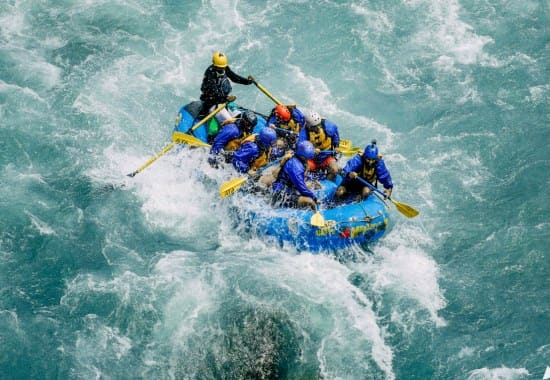
White Water Rafting: Rishikesh is India's rafting capital. The Ganges offers rapids ranging from Grade I to V, suitable for beginners to experts. Combine a morning waterfall visit with afternoon rafting for the perfect adventure day. The main rafting stretch (Marine Drive to Laxman Jhula) is easily accessible from the waterfalls.
Bungee Jumping: India's highest bungee jump (83 meters) is just 15 km from Rishikesh at Mohan Chatti. The adrenaline rush of jumping complements the peace of waterfall visits perfectly.
Giant Swing & Flying Fox: Also at Mohan Chatti, these adventures offer different ways to experience the Himalayan landscape.
Camping: Several campsites along the Ganges offer overnight stays. Many are near waterfalls – imagine waking up to the sound of cascading water!
Spiritual Experiences
Ganga Aarti at Triveni Ghat: Witness the evening prayer ceremony on the banks of the Ganges. The sight of hundreds of lamps floating on the river is spiritually uplifting.
Beatles Ashram: The Maharishi Mahesh Yogi Ashram, where the Beatles meditated in 1968, is now a fascinating attraction with graffiti-covered buildings and a peaceful atmosphere.
Yoga Classes: Join a yoga class at one of Rishikesh's many ashrams. The combination of yoga practice and waterfall visits makes for a deeply rejuvenating experience.
Meditation Retreats: Several centers offer meditation courses ranging from a few days to several weeks. Many incorporate nature walks to local waterfalls.
Nature and Sightseeing
Rajaji National Park: Located just 20 km from Rishikesh, this national park is home to elephants, tigers, leopards, and hundreds of bird species. A jungle safari adds wildlife viewing to your nature experience.
Lakshman Jhula & Ram Jhula: These iconic suspension bridges are must-visit attractions. Walking across them offers stunning views of the Ganges and surrounding hills.
Neelkanth Mahadev Temple: Situated at 1,675 meters, this temple dedicated to Lord Shiva offers spectacular views and spiritual significance. It's located about 30 km from Rishikesh.
Suggested Itineraries
One Day: Waterfall Focus
- Morning: Neer Garh Waterfall (easiest to access)
- Afternoon: Patna Waterfall (for adventure)
- Evening: Ganga Aarti at Triveni Ghat
Two Days: Adventure & Nature
Day 1: Morning waterfalls, afternoon rafting, evening camping
Day 2: Bungee jumping, Beatles Ashram visit, evening yoga class
Three Days: Complete Experience
Day 1: Arrive, relax, evening Ganga Aarti
Day 2: Morning waterfall visits, afternoon adventure activities
Day 3: Rajaji National Park safari, Beatles Ashram, departure
Where to Stay: Accommodation Guide
Rishikesh offers accommodation for every budget, from luxury resorts to budget hostels. Here's what you need to know.
Luxury Options (₹5,000+ per night)
Aloha on the Ganges: Premium resort with Ganges views, swimming pool, and spa. Perfect if you want luxury after a day of trekking.
Raga on the Ganges: Boutique hotel with excellent views, gardens, and personalized service.
Ganga Kinare: Riverside hotel with private Ganges access and excellent restaurant.
Mid-Range Options (₹2,000-5,000 per night)
Zostel Rishikesh: Popular hostel with both dorms and private rooms, great for meeting fellow travelers.
Devraj Sage Centre: Comfortable rooms with yoga classes and meditation sessions.
Ganga View Guest House: As the name suggests, great Ganges views at reasonable prices.
Budget Options (Under ₹2,000 per night)
Local Guest Houses: Numerous options in Lakshman Jhula and Ram Jhula areas. Basic but clean.
Ashrams: Some ashrams offer accommodation to visitors. Basic but includes meals and sometimes yoga classes.
Camping: Several companies offer riverside camping. Prices typically include meals and activities.
Camping Near Waterfalls
For a unique experience, consider camping near the waterfalls. Several operators offer:
- Tented Accommodation: Comfortable tents with beds and basic amenities
- Meals Included: Most camps provide breakfast and dinner
- Bonfire Evenings: Perfect for stargazing and sharing stories
- Nature Walks: Guided walks to nearby waterfalls and forests
Popular camping areas include Marine Drive, Shivpuri, and Byasi – all offering access to waterfalls and adventure activities.
Food Guide: What to Eat
Rishikesh is a vegetarian city (no alcohol or non-vegetarian food within city limits), but that doesn't mean it lacks culinary variety.
Local Specialties
Kumaoni Food: Try local Garhwali and Kumaoni dishes like Kafuli (spinach dish), Bhatt ki Churdkani (black soybean curry), and Aloo ke Gutke (spiced potato).
Chai: Visit local tea stalls for authentic masala chai – perfect after a morning waterfall trek.
Sattvic Meals: Many ashrams serve pure vegetarian sattvic food – light, nutritious, and perfect for yoga practitioners.
Popular Cafes
The Beatles Café: Beatles-themed café with good food and great music.
Little Buddha: Popular among backpackers, serves Indian, Israeli, and continental food.
Chotiwala: Iconic restaurant known for its delicious thalis and the chotiwala (person with small pigtail) mascot.
What to Carry
For waterfall visits, carry:
- Water: Essential – you won't find drinking water near the waterfalls
- Energy Snacks: Fruits, nuts, or energy bars for the trek
- Picnic Lunch: If you plan to spend the day, pack a light lunch
Budget Breakdown: Trip Cost
Here's a rough budget for a waterfall-focused trip to Rishikesh (per person):
| Category | Budget Traveler | Mid-Range | Comfort |
|---|---|---|---|
| Accommodation (per night) | ₹500-1,000 | ₹2,000-3,500 | ₹5,000+ |
| Meals (per day) | ₹300-500 | ₹800-1,200 | ₹1,500+ |
| Transport (local) | ₹200-400 | ₹500-800 | ₹1,000+ |
| Waterfall Visits | ₹100-200 | ₹300-500 | ₹800+ |
| Adventure Activities | ₹1,500-2,500 | ₹3,000-5,000 | ₹7,000+ |
| 2-Day Total | ₹2,500-4,000 | ₹6,000-10,000 | ₹15,000+ |
Conclusion: The Magic of Rishikesh's Waterfalls
The waterfalls of Rishikesh are more than just tourist attractions – they're experiences that nourish the soul. In a world that's increasingly noisy and fast-paced, these cascading waters offer a rare opportunity to slow down, breathe fresh air, and remember the simple joys of nature.
What makes Rishikesh's waterfalls special is their accessibility combined with authenticity. Unlike many natural attractions that have been commercialized beyond recognition, these waterfalls retain their wild character. The treks may be short, but they take you into real forests with real birds, real butterflies, and real peace. Standing before a waterfall, feeling the cool spray on your face, hearing nothing but the sound of cascading water and rustling leaves – this is the kind of experience that stays with you long after you've returned to the city.
Whether you're a solo traveler seeking solitude, a family creating memories, a couple on a romantic getaway, or a group of friends chasing adventure, Rishikesh's waterfalls have something to offer. The easy accessibility of Neer Garh makes it perfect for families and casual visitors. The more challenging treks to Patna and Phool Chatti reward adventurers with pristine natural settings. And the spiritual atmosphere of Garud Chatti adds a dimension that's uniquely Rishikesh.
Combine your waterfall visits with Rishikesh's other offerings – the spiritual practices, adventure sports, and vibrant café culture – and you have all the ingredients for a perfect getaway. Practice yoga in the morning, trek to a waterfall in the afternoon, meditate by the Ganges at evening, and sleep to the sound of the river. This is the Rishikesh experience, and waterfalls are an essential part of it.
So the next time you're planning a trip to the Himalayas, look beyond the usual destinations. Come to Rishikesh, not just for the ashrams and adventure sports, but for the waterfalls that cascade through these sacred hills. Come to disconnect from the digital world and reconnect with something ancient and real. Come to experience the simple magic of falling water – nature's most soothing symphony.
The waterfalls are waiting, the forests are calling, and Rishikesh is ready to welcome you. All you need to do is pack your bags, lace up your trekking shoes, and take that first step onto the trail. The cascading waters of Rishikesh promise an experience that will refresh your body, calm your mind, and rejuvenate your spirit.
Ready to explore? Check out our guide on rafting in Rishikesh to plan a complete adventure itinerary, or learn more about the best time to visit Rishikesh for perfect weather and conditions.
Location
Frequently Asked Questions
Q1.Where is the main waterfall in Rishikesh located?
Q2.Which is the best waterfall in Rishikesh?
Q3.Is Neer Garh Waterfall worth visiting?
Q4.How much time do you need at Neer Garh Waterfall?
Q5.Can we swim in Rishikesh waterfalls?
Q6.What is the best time to visit Rishikesh waterfalls?
Q7.How do I reach Rishikesh from Delhi?
Q8.Are there any charges for visiting waterfalls in Rishikesh?
Q9.What should I wear for waterfall trekking in Rishikesh?
Q10.Is it safe to visit waterfalls during monsoon?
Q11.What is the difficulty level of waterfall treks in Rishikesh?
Q12.Can we combine rafting with waterfall visits in Rishikesh?
Q13.Are there food and water facilities near waterfalls?
Recommended For You
Adventure Sports in India: Complete Guide to Thrilling Activities
Discover top adventure sports in India with destinations, best seasons, cost estimates, and safety tips for every thrill level.
Places to Visit in Rishikesh: Yoga Ashrams, Ghats & Adventure Points
Discover the best places to visit in Rishikesh including Laxman Jhula, Triveni Ghat, adventure activities, ashrams and Neelkanth Mahadev Temple.
Things to Do in Uttarakhand: 30 Best Experiences & Attractions
Discover the 30 best things to do in Uttarakhand - from spiritual Char Dham pilgrimage and yoga in Rishikesh to adventure sports, wildlife safaris, and offbeat Himalayan villages. Complete guide with costs and tips.
Never Miss an Adventure
Get the latest trekking guides, travel tips, and exclusive offers delivered straight to your inbox.
