
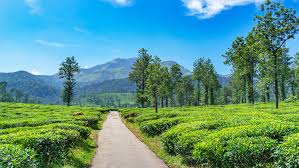
Wayanad: Complete Travel Plan Places And Weather

Priya Mehta
February 26, 2026
Practical guide to wayanad travel guide with timing strategy, route planning, and responsible travel tips.
Why Wayanad Travel Guide Needs Better Planning Than Most Travelers Expect
Wayanad Travel Guide is often treated as a quick checklist destination, but real on-ground experience depends on timing, route discipline, weather awareness, and decision quality during the day. Travelers who plan only around social media highlights usually miss the highest-value parts of the journey. The difference between a rushed trip and a high-quality trip is rarely budget alone; it is structure. A practical structure gives you smoother movement, lower stress, and enough margin to respond to changing conditions without losing the core goal of your visit.
With mixed terrain and nature-heavy experiences, travelers benefit most from balanced pacing and weather-aware scheduling. If you define a clear objective before arrival and align all decisions to it, you can avoid the most common travel mistakes: overpacking the day, underestimating transfers, and forcing fixed plans in variable conditions. Strong outcomes come from realistic pacing and focused priorities, not from maximum stop count.
How to Select the Best Season for This Trip
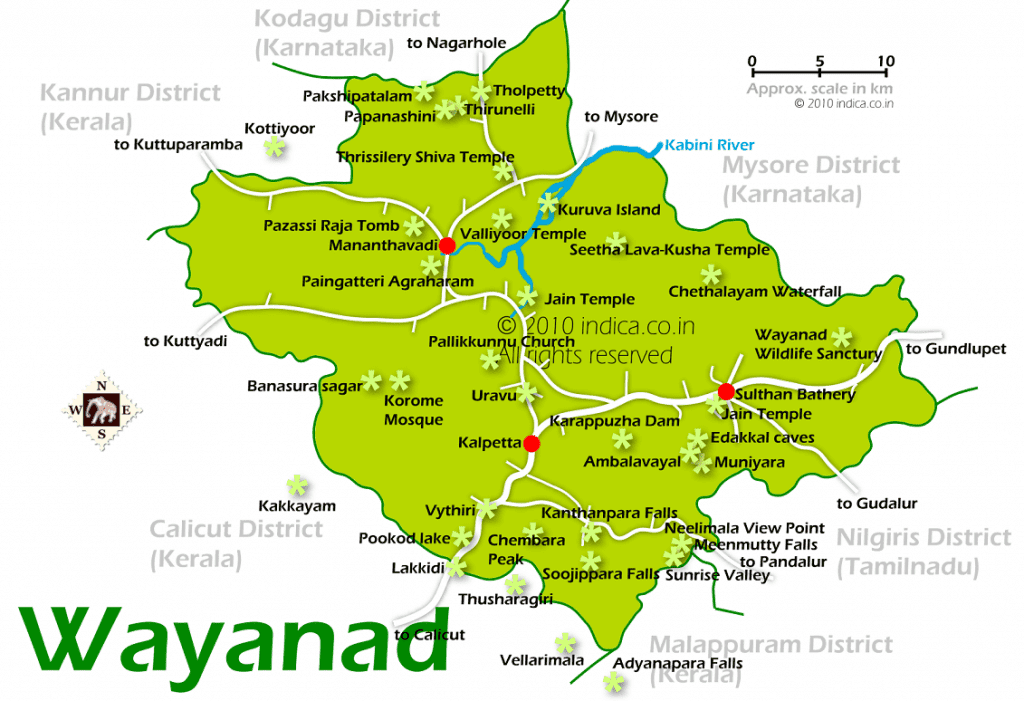
Season planning should be based on experience goal, not only crowd trends. Peak season usually offers stable operations and easier service availability, but comes with higher prices and denser visitor flow. Shoulder months can improve value and comfort if you keep weather flexibility. Before final booking, compare expected visibility, travel time reliability, and local activity windows. For broader context, review places to visit wayanad to align your season choice with route behavior.
Use a two-layer schedule: fixed essentials and flexible secondary blocks. This protects your trip from disruptions and keeps the day productive even when local conditions change. Weather-aware planning is not overplanning; it is the foundation of consistent travel quality.
Route Logic: One Anchor, One Support Block
A reliable day plan usually includes one anchor activity and one support activity. The anchor is your non-negotiable focus; the support block is chosen by real-time conditions and energy levels. This model prevents itinerary collapse when delays happen. Travelers who stack too many primary stops in one day often spend most of their time in transit and queues, then finish with poor execution and fatigue.
Start early, keep transitions short, and reserve margin for return travel. Always treat return legs as part of the primary plan, not an afterthought. If delay exceeds your planned threshold, drop one optional element and protect the core objective.

Contextual Planning with Nearby Experiences
Smart travel decisions improve when you connect this destination with related experiences rather than isolating it as a standalone stop. For route balancing, use insights from thirunelli temple wayanad to decide whether to prioritize access convenience, time depth, or thematic continuity. This helps you build a coherent itinerary where each stop reinforces the next.
If your trip has family, mixed fitness, or limited days, contextual linking matters even more. You can reduce decision fatigue by predefining what makes a stop “successful” and what tradeoffs are acceptable if conditions change. This prevents low-quality last-minute decisions and protects trip momentum.
On-Ground Conduct That Improves Experience Quality
Responsible conduct is practical, not symbolic. Keep movement orderly, respect local guidance, and avoid behaviors that increase pressure on shared spaces. In high-sensitivity areas, low-noise and low-impact behavior improves safety and experience for everyone. Carry only essential gear, stay hydrated, and maintain predictable pause intervals. These basics are simple, but they determine whether your execution stays stable through the day.
Group travel needs coordination. Set one lead for timing, one for logistics, and one for health checks. Role clarity prevents confusion at critical transition points and reduces avoidable delays.
Budget Control Without Losing Value
Most overspending comes from fragmented transport, rushed upgrades, and unplanned high-cost slots. A better method is to lock core transfers and stay, then keep selected activity windows flexible. Compare inclusions before paying premium rates. In many cases, standard options provide equal value when chosen at the right time of day. For broader destination alternatives, evaluate trekking wayanad and decide where a premium spend actually improves your outcome.
Track your daily spend in four buckets: transport, activity, food, and contingency. This gives instant visibility and helps avoid end-of-trip drift where costs rise while experience quality drops.

Operational Safety and Decision Triggers
Set decision triggers before the day starts. Example: if weather shifts after a defined hour, switch to fallback plan immediately. If queue time exceeds threshold, move the support block and protect your anchor goal. If return window narrows, reduce optional stops. These pre-set rules improve calm execution and reduce emotionally driven decisions under pressure.
Safety improves when expectations are explicit. Confirm pickup points, verify local advisories, and keep emergency contacts offline. Avoid overreliance on unstable network conditions when route clarity is essential.
How to Build a Repeatable Planning System
End each day with a short review: what worked, what delayed, what should change tomorrow. Over multiple days, this creates a personal operating system that improves outcomes quickly. Use this review to refine wake-up timing, transfer assumptions, hydration rhythm, and stop sequencing. Strong travelers are not those who never face disruptions, but those who adapt with structure.
For future route planning, reference wayanad waterfalls and compare how different itinerary structures affect your energy and result quality. Continuous improvement makes each next trip easier and more rewarding.
Execution Framework for Better Outcomes
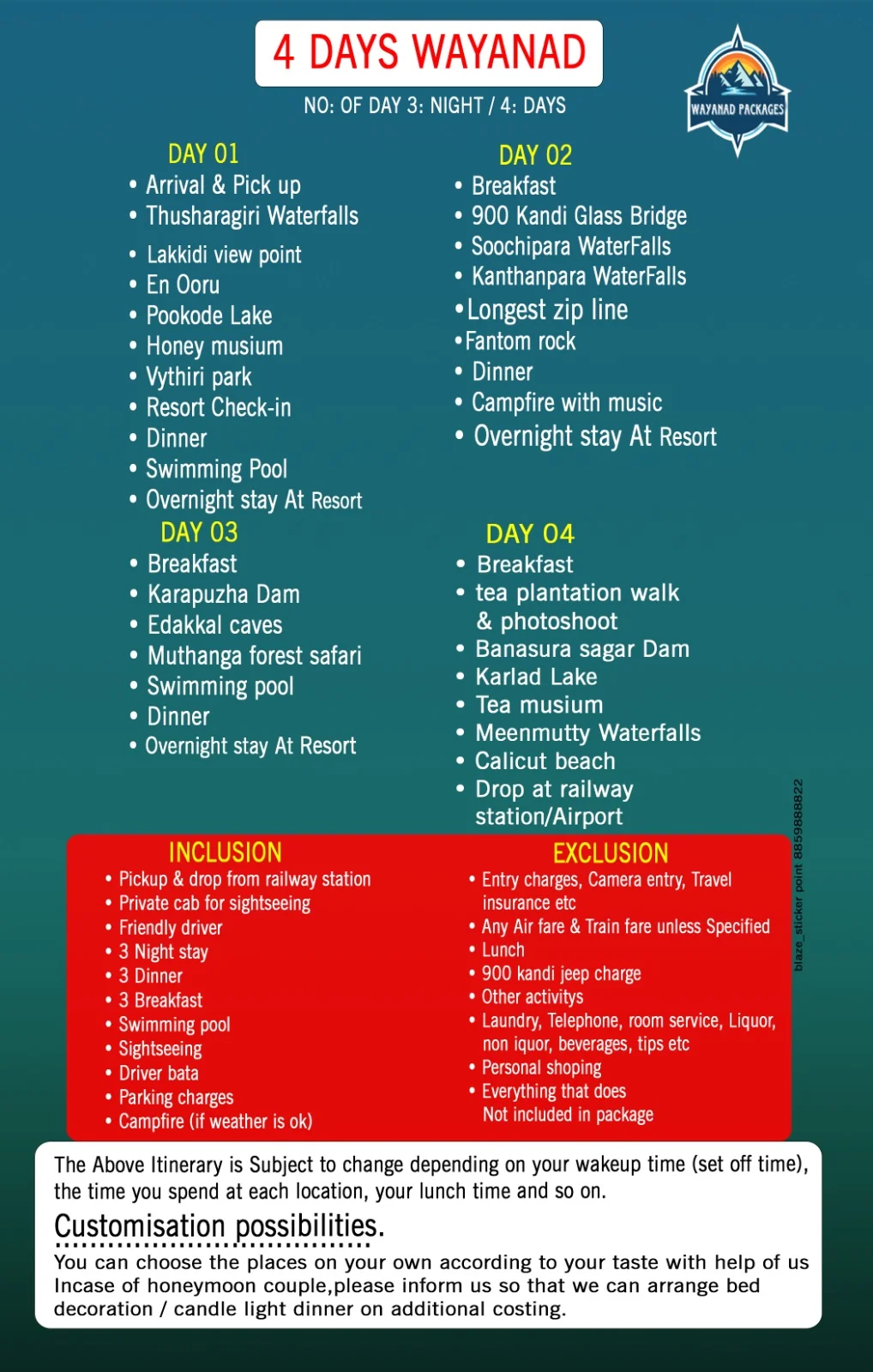
A practical execution framework starts with clarity on your non-negotiables. Define one primary objective for the day, one secondary objective, and one fallback option. This three-layer structure prevents itinerary collapse when transit, weather, or crowd flow shifts unexpectedly. Many travel failures happen because visitors treat every stop as equally important and then cannot adapt in real time. Prioritization solves that.
Time blocking is equally important. Divide the day into movement windows, activity windows, and recovery windows. Keep transitions conservative and avoid stacking high-effort segments without breaks. If the first half of your day runs late, do not compress the second half aggressively; reduce scope while protecting quality. Consistent execution outperforms rushed completion every time.
Another useful method is threshold-based decision making. Set clear triggers in advance, such as maximum acceptable wait time, latest safe return start, or weather conditions that require route changes. Predefined thresholds reduce stress because decisions are made by rule, not emotion. This is especially valuable in unfamiliar environments where real-time judgment can be distorted by pressure.
Finally, document what worked at the end of each day. Note timing assumptions, transport reliability, physical energy trend, and what should be improved next time. This feedback loop turns every trip into a better-planned next trip. Travelers who use small iterative improvements consistently get higher-quality outcomes without increasing budget or complexity.
Operational Checklist Before You Start
Before leaving for the day, confirm local status updates, keep IDs and essential documents accessible, and verify primary and backup transport options. Pack light but functional: hydration, weather protection, and one compact medical kit. Keep digital copies offline in case of poor network. For group travel, assign simple roles for navigation, timing, and wellbeing checks. Role clarity avoids confusion at critical points.
Use this checklist as a repeatable routine. Small process consistency is what makes travel feel smooth and controlled even when conditions are variable.
Conclusion
Wayanad Travel Guide delivers the best results when handled with clear priorities, realistic timing, and disciplined execution. Keep links between planning, movement, and safety strong. Pace by conditions, not pressure. With that approach, your trip becomes smoother, more meaningful, and consistently higher in value than rushed checklist travel.
Location
Frequently Asked Questions
Q1.What is the best time to visit?
Q2.How many days are enough?
Q3.What should I prioritize first?
Q4.How do I avoid common mistakes?
Q5.Is this suitable for first-time travelers?
Recommended For You
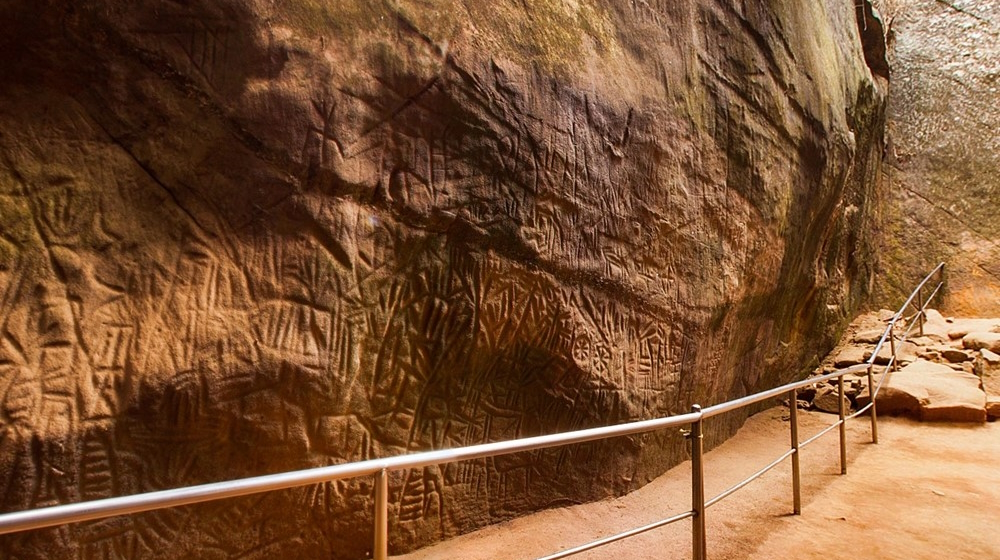
Edakkal Caves Wayanad: Complete Guide to 6000-Year-Old Petroglyphs
Discover Edakkal Caves in Wayanad, home to 6,000-year-old Neolithic petroglyphs. Our complete guide covers trekking, timings, entry fees, history, and practical tips for exploring these remarkable ancient rock shelters with South India's finest prehistoric carvings.

Wayanad Waterfalls: Best Falls, Trek Access & Monsoon Tips
Complete guide to Wayanad waterfalls including Meenmutty, Soochipara, Banthra Sunku, Chethalayam with trekking details, best time, and travel tips.

Wayanad Wildlife Sanctuary: Safari Timings, Zones & Travel Tips
Complete travel guide to Wayanad Wildlife Sanctuary Kerala - safari booking, timings, best time to visit, wildlife, and accommodation.
Never Miss an Adventure
Get the latest trekking guides, travel tips, and exclusive offers delivered straight to your inbox.
