
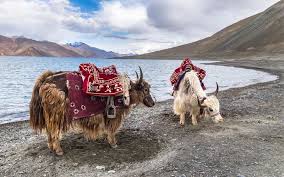
Yak Safari in Ladakh: Routes, Cost & High-Altitude Experience
Rahul Garg
January 26, 2026
Experience the ultimate Himalayan adventure with yak safaris in Ladakh. Complete guide to locations, pricing, best time, and practical tips for this unforgettable journey.
Introduction: Experience Ladakh on Yak Back
Riding a yak across the high-altitude desert landscapes of Ladakh is one of India's most unique adventure experiences. Imagine perched atop a magnificent, shaggy creature, slowly traversing through ancient valleys, past shimmering streams, with snow-capped peaks towering above you. This is the magic of a yak safari in Ladakh – an experience that combines adventure, culture, and the raw beauty of the Himalayas in a way no vehicle or trek can match.
Yaks have been the lifeline of Ladakhi civilization for centuries. These incredible animals are perfectly adapted to survive and thrive in conditions where most other creatures cannot. For local communities, yaks have traditionally provided transportation (carrying goods across high mountain passes), milk (made into butter, cheese, and chura), meat, warm wool for clothing, and even dried dung for fuel. Today, these same animals offer visitors a glimpse into traditional Ladakhi life while providing an unforgettable way to experience the region's stunning landscapes.
Unlike horse riding or jeep safaris, yak safaris are inherently slow and meditative. The yak's gentle, rhythmic gait gives you ample time to absorb your surroundings, take photographs, and truly feel connected to the land. There's no engine noise, no rush – just the sound of wind, the creak of the saddle, the Yak's soft breathing, and the distant calls of Himalayan birds. Whether you're exploring the Nubra Valley's dramatic sand dunes, crossing high passes near Leh, or visiting remote monasteries on yak back, this is an adventure that stays with you forever.
Best Locations for Yak Safari in Ladakh
Ladakh offers several distinct locations for yak safaris, each with its own unique landscape, cultural significance, and experience. Understanding these locations helps you choose the perfect spot based on your interests, fitness level, and the kind of adventure you're seeking.
Nubra Valley - Hunder Diskit
Why It's Special: The Nubra Valley, particularly around Hunder and Diskit, is undoubtedly the most popular and developed location for yak safaris in Ladakh. What makes this area extraordinary is its surreal landscape – high-altitude cold desert with sand dunes, stark mountains, the turquoise Shyok River flowing through, and ancient monasteries perched on hills. The valley is accessible via the famous Khardung La Pass, one of the world's highest motorable roads. The contrast between the desert terrain and snow-capped peaks creates a dramatic backdrop unlike anywhere else.
The Experience: In Hunder, you can take yaks through the famous sand dunes – yes, real sand dunes at 10,000 feet altitude! The experience of riding a camel-like yak through golden sand with mountains in the background is surreal and photogenic. Around Diskit, the routes go through traditional villages, past barley fields, and offer stunning views of the Diskit Monastery with its towering Maitreya Buddha statue. The yaks here are well-accustomed to tourists and the rides are well-organized.
Infrastructure: Nubra Valley has good tourism infrastructure. There are numerous hotels, guesthouses, and camps in Hunder and Diskit. Yak safari operators are readily available, and most can arrange rides on short notice. The valley is accessible via the Khardung La pass (one of the world's highest motorable roads) from Leh, making it a popular addition to Ladakh itineraries.
Leh and Surrounding Areas
Why It's Special: Around Leh, the capital of Ladakh, yak safaris offer routes through traditional Ladakhi villages, past ancient monasteries like Thiksey and Hemis, and along the Indus River. These routes provide cultural immersion – you'll see traditional mud-brick houses, prayer flags fluttering in the wind, locals going about their daily lives, and monks in maroon robes. The landscape here is classic Ladakh – barren mountains in shades of brown, ochre, and purple, with the Indus River valley adding a splash of green.
The Experience: Yak safaris near Leh are often combined with monastery visits. You might ride to Thiksey Monastery, which resembles the Potala Palace in Lhasa, or take a longer route that includes a picnic by the Indus River. The terrain varies from flat riverbanks to gentle slopes, offering different perspectives of the landscape. These safaris are particularly good for those interested in Ladakhi culture and Buddhism, as you'll interact with locals and perhaps even receive blessings at monasteries.
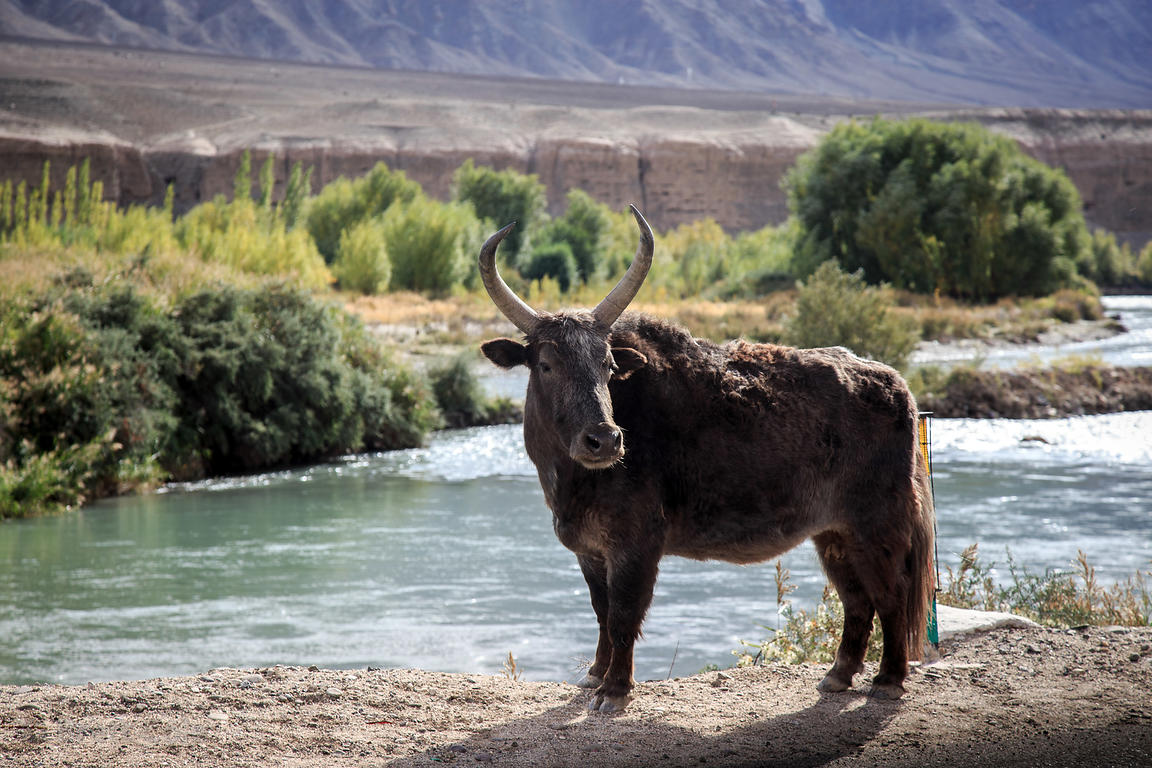
Accessibility: Being close to Leh (or accessible via short drives), these routes are the most accessible. You can combine a yak safari with other Leh-area sightseeing – Shanti Stupa, Leh Palace, and the local market. The infrastructure is excellent, with many operators offering pre-arranged safaris as part of larger tour packages.
Pangong Lake Region
Why It's Special: Pangong Tso, the famous endorheic lake that spans India and Tibet, offers yak safari experiences in one of the most stunning settings on Earth. The lake changes colors throughout the day – from deep blue to turquoise to green to grey, all reflecting the surrounding mountains. Riding a yak along the shores of Pangong, with the water stretching to the horizon and peaks rising dramatically on either side, is almost otherworldly.
The Experience: Yak safaris here are typically shorter rides along the lake's edge rather than long journeys. The experience is about being in this incredible landscape, taking photographs, and soaking in the beauty. Many campsites near Pangong offer yak rides for their guests, usually arranged at sunrise or sunset when the lake is most beautiful. The high altitude (4,350 meters) means the air is thin and crisp, adding to the ethereal atmosphere.
Considerations: Pangong requires Inner Line Permits for Indians and Protected Area Permits for foreigners. The lake is about 160 km from Leh (5-6 hour drive), so it's usually done as an overnight trip. Yak safaris here are more about the experience and location rather than the ride itself – expect shorter, more informal rides compared to Nubra Valley.
Tso Moriri Lake
Why It's Special: Less visited than Pangong but equally stunning, Tso Moriri is a high-altitude lake (4,522 meters) in the Rupshu Valley. The area is more remote and pristine, surrounded by snow-capped peaks and vast plains where you might spot wildlife like kiang (Tibetan wild ass), marmots, and various bird species. Yak safaris here are truly off the beaten path, offering solitude and wilderness experiences that are increasingly rare.
The Experience: Tso Moriri yak safaris often involve staying at the Korzok village (one of the world's highest permanently inhabited villages) and doing day rides from there. You might ride around the lake's perimeter, visit nomadic settlements, or explore the surrounding valleys. The experience is more authentic and less commercialized – you're interacting with nomadic herders for whom yaks are still an integral part of daily life.
Remote Adventure: Tso Moriri requires serious commitment – it's a long, rough drive from Leh, facilities are basic, and you need to be prepared for high altitude. But for adventure seekers looking for genuine experiences away from tourist crowds, it's worth the effort. Permits are required, and it's best done through organized tour operators who know the area.
The Yak Safari Experience
A yak safari in Ladakh is a carefully crafted experience that balances adventure with cultural immersion. Here's what you can expect during your ride.
Meet Your Yak
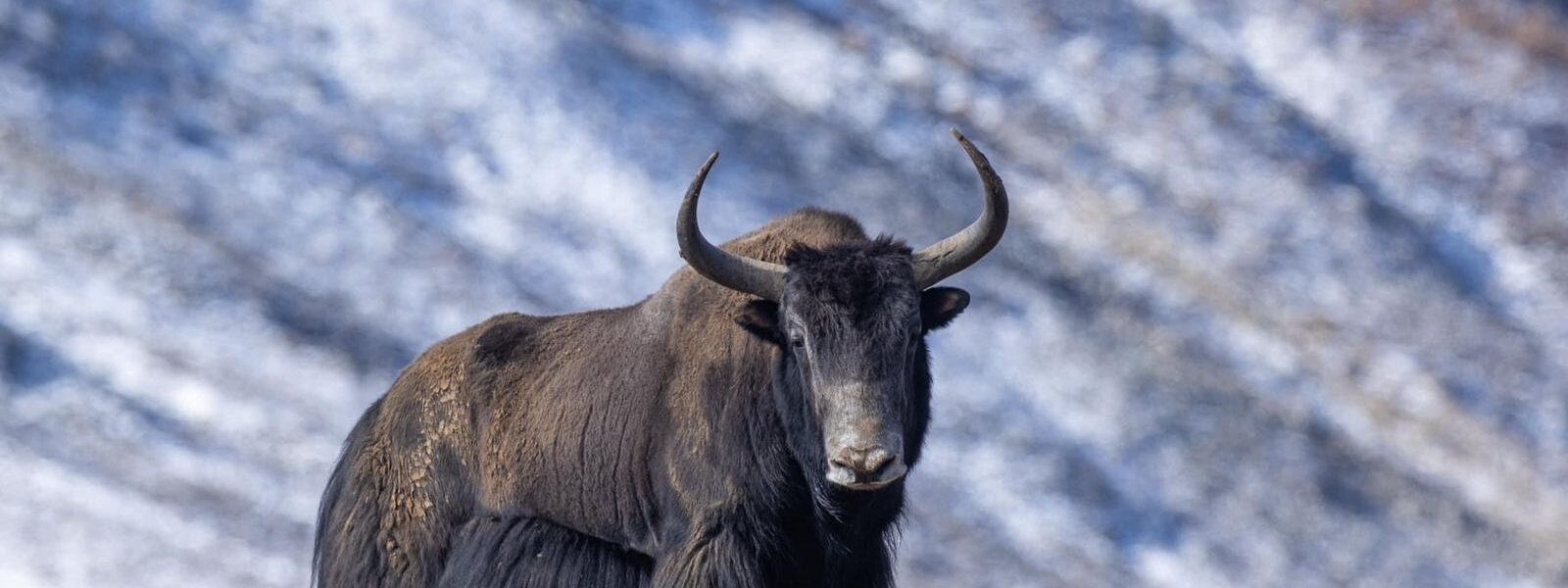
The Animals: The yaks used for safaris are typically males (called "yak" – females are "dri"), chosen for their size, strength, and temperament. These are magnificent creatures – huge, muscular, covered in thick, shaggy hair that hangs nearly to the ground. Their curved horns can span over a meter. Despite their imposing appearance, safari yaks are gentle and calm, selected specifically for their docile nature.
Decoration: For tourist rides, yaks are traditionally decorated. Their horns might be painted with colorful designs, they wear colorful saddles, and some have bells or ribbons attached. The decorations add to the photogenic appeal and are rooted in tradition – yaks have been decorated for festivals and special occasions for centuries.
The Handlers: Yak owners are typically from local families who have worked with these animals for generations. Their knowledge of yaks is encyclopedic – they understand each animal's personality, needs, and moods. Most speak Hindi and some English. They're proud of their animals and happy to share stories about yak culture in Ladakh. Many are also knowledgeable about the local landscape, flora, fauna, and Buddhist traditions.
Mounting and Preparation
Getting On: Mounting a yak requires assistance and the handler will guide you. There's typically a mounting platform or the handler will provide a leg up. Yaks are tall – you'll be sitting quite high off the ground. The handler will hold the yak steady while you climb. Don't worry – these yaks are accustomed to being mounted and stand patiently. The saddle is usually a wooden frame with padding and sometimes back support. It's more comfortable than you might expect!
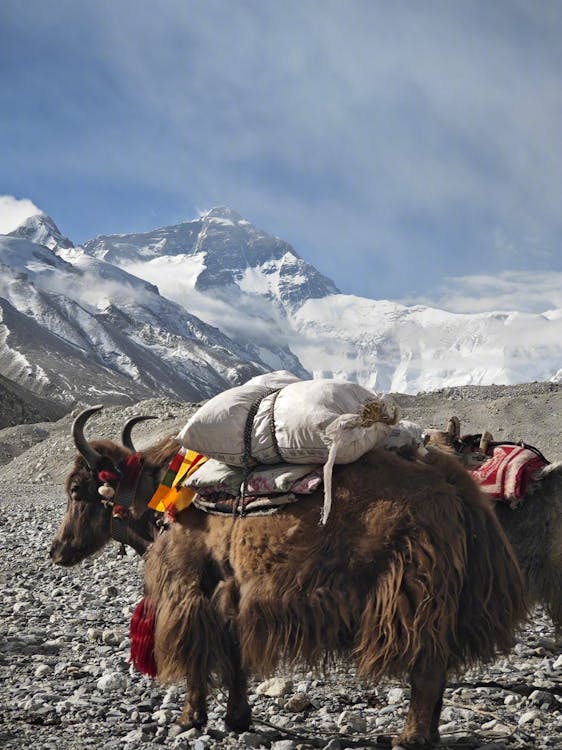
Safety Brief: Before setting off, the handler will explain how to sit (upright, balanced), where to hold on (there's usually a handle or strap), and what to expect. The instructions are straightforward – no special riding skills needed. The key is to relax and move with the yak's rhythm. Ask questions if anything is unclear – the handlers want you to feel comfortable and safe.
The Riding Position: Unlike horses where you grip with your legs, on yaks you sit more upright and rely more on your balance and the handle/strap. Your legs hang more freely. The saddle is designed for comfort over long periods. Take a moment to get settled, adjust your position, and get comfortable before you start moving.
The Ride
The Gait: Yaks have a unique gait that takes a few minutes to get used to. It's a slow, gentle walk with a distinctive side-to-side swaying motion. The pace is leisurely – perfect for sightseeing and photography. There's no bouncing or jarring like you might experience on a trotting horse. It's surprisingly smooth and relaxing once you find your rhythm.
Route and Duration: Most safaris last 1-3 hours depending on the package you choose. Routes typically follow established trails or paths through valleys, along rivers, or around lakes. The handler guides the yak using voice commands and occasionally reins. There are usually stops at scenic viewpoints for photography. In longer safaris, you might stop for tea breaks or picnic lunches.
Sensory Experience: Pay attention to all your senses. The sound of the yak's bells jingling, the creak of the saddle, the handler's soft commands. The smell of juniper (used in incense), the animals, the high-altitude air. The feeling of cold wind on your face, warm sun on your back. The vast, dramatic landscape stretching before you. This multi-sensory immersion is part of what makes yak safaris so memorable.
Interaction: Your handler is also your guide. Most are happy to answer questions about the area, explain local customs and traditions, point out wildlife or interesting features, and share stories about yak culture. Feel free to engage – it enriches the experience and shows respect for their knowledge and hospitality.
Multi-Day Yak Safari Expeditions
For the true adventurers, some operators offer multi-day yak safaris that combine riding with camping and trekking. These expeditions take you deep into remote Ladakhi landscapes that few tourists ever see.
What to Expect: Multi-day safaris typically cover 15-25 km per day on yak back. You'll camp in tents under Ladakh's incredibly starry skies, eat traditional Ladakhi food prepared by support staff, and experience the rhythm of nomadic life. Routes might include crossing high passes, visiting remote monasteries, exploring hidden valleys, or circumambulating sacred mountains.
Support Team: These expeditions include a full team – yak handlers, a guide, cook, and support staff. Additional yaks carry camping equipment, food, and supplies. All you typically carry is a day pack with water, camera, and personal items.
Physical Requirements: You don't need to be an athlete, but you should be reasonably fit. Spending several hours a day on a yak requires some endurance. The altitude (many routes are above 4,000 meters) is the bigger challenge – you need to be well-acclimatized. Choose routes that match your fitness and experience level.
Yak Safari Pricing in Ladakh
Understanding costs helps you plan your budget and avoid surprises. Yak safari prices in Ladakh vary based on location, duration, and type of experience.
Short Ride Costs
| Ride Type | Duration | Cost (INR) | Location |
|---|---|---|---|
| Standard Short Ride | 30-45 minutes | ₹400-₹600 | Nubra Valley, Leh area |
| Scenic Route Ride | 1-1.5 hours | ₹700-₹1,000 | Nubra Valley dunes, Diskit |
| Lakeside Ride | 45 minutes | ₹600-₹800 | Pangong Lake, Tso Moriri |
| Monastery Route | 2 hours | ₹1,000-₹1,500 | Thiksey, Hemis area |
What's Included: Short ride prices typically include the yak, handler/guide services, and basic riding equipment (saddle, blankets). The route follows established paths. Some operators include photo stops at scenic viewpoints. Prices don't include transportation to the starting point, meals, or tips.
Nubra Valley: Being the most developed location, Nubra has competitive pricing and lots of options. Hunder dunes rides are very popular and operators are plentiful. You can often negotiate better rates, especially during shoulder season or if booking multiple rides.
Leh Area: Around Leh, prices are slightly lower as competition is higher and logistics are easier. Many hotels and guesthouses can arrange rides, sometimes at discounted rates for guests. Leh area rides also offer more flexibility in customizing routes.
Multi-Day Expedition Costs
Full Service Packages: Multi-day yak safari expeditions typically cost ₹4,000-₹8,000 per person per day. This includes: - Yak with handler - All camping equipment (tents, sleeping bags, mattresses) - All meals during the expedition - Guide services - Support staff (cook, helpers) - Additional pack yaks for equipment - Permits and fees
What's Not Included: Expedition prices generally don't include: - Transportation to/from the starting point - Personal gear (clothing, boots, etc.) - Travel insurance - Alcohol or personal snacks - Tips for the team
Group Size: Costs per person decrease with larger groups. A solo traveler will pay more per person than someone in a group of 4-6. Small customized expeditions cost more than scheduled departures with fixed dates.
Custom Routes: Some operators offer completely customized expeditions based on your interests, fitness level, and timeline. These cost more (₹8,000-₹12,000 per day) but offer unique experiences that standard routes don't.
Additional Costs to Consider
Permits: Many areas in Ladakh require permits: - Inner Line Permit for Indians (₹200-₹400 per person) - Protected Area Permit for foreigners (varies by area, ₹500-₹2,000) - Wildlife sanctuary fees (where applicable)
Most tour operators include permit costs in package prices. If organizing independently, factor these into your budget.
Transportation: Getting to yak safari starting points often involves hiring vehicles: - Leh to Nubra Valley: ₹6,000-₹10,000 for a return trip in a SUV - Leh to Pangong Lake: ₹12,000-₹18,000 for a return trip - Leh to Tso Moriri: ₹15,000-₹20,000 for a return trip
These costs can be shared among 4-6 passengers, making them more reasonable per person.
Photography: Some yak handlers charge extra for extensive photography or commercial shoots. If you're a professional photographer or planning a serious photo shoot, clarify this upfront and negotiate rates. Casual photography is usually included.
Tips: Tipping is customary in Ladakh. For short rides, tip ₹50-₹100 per person. For multi-day expeditions, tip ₹500-₹1,000 per person to be split among the team (handler, guide, cook, etc.). Tipping shows appreciation for good service and is an important part of the local economy.
Best Time for Yak Safari in Ladakh
Ladakh's extreme geography means the season is short and timing is crucial. The weather window is narrow, and conditions vary dramatically throughout the year.
Peak Summer Season (June to September)
Weather: June to September is the primary tourist season in Ladakh and the only time when yak safaris are widely available. During these months, daytime temperatures are pleasant (15°C to 25°C during the day, though nights drop to 0°C to 10°C). The skies are generally clear, roads are open, and high passes are accessible.
Why It's Best: This is the only time when yak safari operations are fully functional. The snow has melted from routes, pastures are accessible for yaks to graze, and weather is predictable enough for planning rides. Days are long (sunrise around 5 AM, sunset around 7:30 PM), giving plenty of time for activities.
Month by Month:
- June: Early season, landscapes are still brown from winter but snow is melting. Fewer crowds than peak season. Some high-altitude routes might still have snow.
- July: Mid-summer, warmer temperatures. Occasional rain showers (less common than other parts of India). Good overall conditions.
- August: Warmest month, occasional rain. Landscape starts greening up in valleys. Peak tourist season.
- September: Excellent weather – clear skies, stable conditions, comfortable temperatures. Many consider this the best month. Harvest season in villages adds cultural interest.
Late Season (October)
Weather: October is a transitional month. Early October can still have excellent conditions – clear days, cool but not cold temperatures, beautiful autumn colors as vegetation turns gold and brown. However, weather becomes increasingly unpredictable as the month progresses. Daytime temperatures drop to 10°C to 20°C, nights are below freezing.
Considerations: Tourist infrastructure starts winding down in October. Some hotels, guesthouses, and tour operators close for winter. Yak safaris might still be available but options decrease. Roads and passes can close temporarily due to early snowfall. If visiting in October, have flexible plans and be prepared for potential weather disruptions.
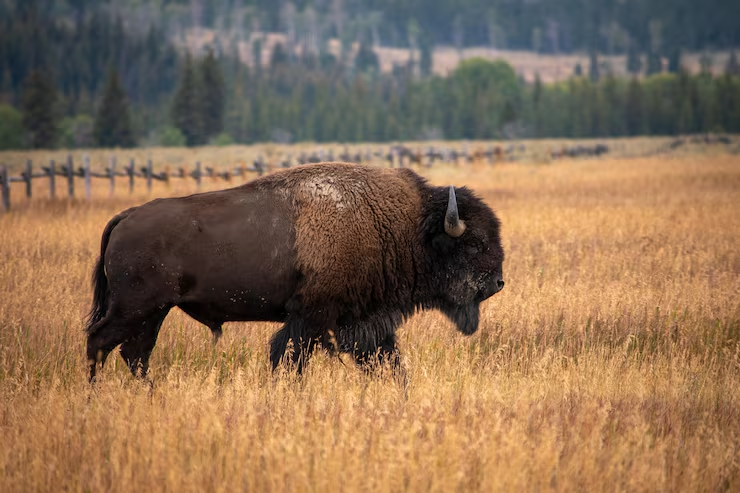
Winter (November to April) - NOT RECOMMENDED
Weather: Ladakh's winter is extreme. Daytime temperatures are -5°C to 10°C, nights drop to -20°C or lower. Heavy snowfall closes most mountain passes. The region becomes largely isolated as roads are blocked.
Why Not: Yak safaris are not available during winter. Tourism infrastructure is mostly closed. Yaks are moved to lower altitudes by their owners. Roads (including Khardung La to Nubra Valley) are snowbound and impassable. Only the most adventurous (and well-prepared) travelers visit Ladakh in winter, and activities are very limited.
How to Reach Yak Safari Locations
Getting to Ladakh
By Air: The most practical way to reach Ladakh is by flying to Kushok Bakula Rimpochee Airport in Leh. Flights operate from Delhi, Mumbai, Jammu, and Srinagar. The flight is spectacular – you'll fly over some of the world's highest mountains, and if you're lucky with your seat, you'll see incredible views. However, flights are expensive and prone to cancellation due to weather.
Altitude Note: Flying directly into Leh (altitude 3,500 meters) carries a risk of altitude sickness. Plan to rest in Leh for at least 24-48 hours before any strenuous activity or traveling to higher altitudes like Nubra Valley or Pangong Lake.
By Road: Two main road routes connect Ladakh to the rest of India: - Manali-Leh Highway: Opens from late June to mid-October. 490 km, 2 days journey. Spectacular scenery through high mountain passes. - Srinagar-Leh Highway: Opens from May to November. 434 km, 2 days journey. Beautiful Kashmir Valley scenery.
Road travel takes longer but is cheaper than flying and gives you better acclimatization as you ascend gradually. Both highways are among the most spectacular drives in India.
Getting to Safari Locations
Nubra Valley: From Leh, the drive to Nubra Valley takes about 4-5 hours via Khardung La Pass (5,359 meters, one of the world's highest motorable roads). The road is spectacular but rough in sections – SUVs are recommended. Most travelers visit Nubra as an overnight trip from Leh, staying in Hunder or Diskit. Shared jeeps are available from Leh to Nubra (approximately ₹800-₹1,200 per person). Private SUV hire costs ₹6,000-₹10,000 round trip.
Pangong Lake: The drive from Leh to Pangong Lake takes 5-6 hours each way. Most people visit as a 1-night, 2-day trip, staying at camps near the lake. Roads have improved significantly in recent years but are still rough. Shared jeeps cost approximately ₹1,500-₹2,000 per person round trip. Private SUV is ₹12,000-₹18,000 round trip.
Tso Moriri: Tso Moriri is more remote – 7-8 hours from Leh. This is usually done as a 2-night, 3-day expedition that can include visits to other lakes and monasteries. Fewer operators run this route, and it's more expensive (₹18,000-₹25,000 for a private SUV for the full circuit).
Leh Area: Yak safaris around Leh (Thiksey, Hemis, Indus River) are easily accessible. Taxis can be hired for the day (₹2,500-₹4,000 depending on distance). Many safari locations are 30-60 minutes from Leh town.
Permits and Documentation
Inner Line Permit (ILP): Indian citizens need ILP for Nubra Valley, Pangong Lake, Tso Moriri, and some other areas. Permits are easily obtained in Leh through registered travel agents or online. You'll need: - Valid ID proof (Aadhar card, voter ID, or passport) - Passport-sized photographs - Details of your itinerary and vehicle number Permits typically cost ₹200-₹400 per person and are valid for specific dates.
Protected Area Permit (PAP): Foreign nationals need PAP for the same areas. This is more complex: - Valid passport with Indian visa - Passport-sized photographs - Usually arranged through registered tour operators - Higher fees (₹500-₹2,000 depending on areas visited) Foreigners should arrange permits through tour operators well in advance.
Practical Travel Tips
These tips will help you have a safe, comfortable, and memorable yak safari experience in Ladakh.
Altitude Acclimatization
Crucial Importance: Ladakh is a high-altitude desert region, and most yak safari locations are above 3,500 meters. Altitude sickness is real and can be serious. Proper acclimatization is non-negotiable.
Acclimatization Protocol:
- Rest in Leh: If flying into Leh, spend at least 24-48 hours resting before any strenuous activity or traveling to higher altitudes.
- Ascend Gradually: When traveling to Nubra, Pangong, or Tso Moriri, you're going even higher. Don't rush – take it easy.
- Stay Hydrated: Drink 3-4 liters of water daily. Altitude causes dehydration.
- Avoid Alcohol: Alcohol worsens altitude sickness. Avoid for first few days.
- Medication: Consult your doctor about Diamox (acetazolamide) for altitude sickness prevention.
Symptoms: Watch for headache, nausea, dizziness, shortness of breath, fatigue, or loss of appetite. Mild symptoms are common at first – rest, hydrate, and don't ascend higher until symptoms resolve. Severe symptoms (vomiting, severe headache, confusion, difficulty breathing even at rest) require immediate descent to lower altitude and medical attention.
Packing Essentials
Clothing: Weather in Ladakh is unpredictable and can change rapidly. Layering is essential: - Thermal inner wear (tops and bottoms) - Wool sweaters or fleece jackets - Windproof and waterproof outer jacket - Warm pants (trekking pants or wool trousers) - Warm hat and gloves - Scarf or neck gaiter
Even in summer, temperatures can drop significantly at night or if it's windy. Always carry warm layers regardless of the season.
Footwear: Comfortable, closed shoes with good grip are essential: - Trekking shoes or boots (recommended for multi-day expeditions) - Sturdy walking shoes or sports shoes (fine for short rides) - Thick wool socks (carry extra pairs)
Sun Protection: At high altitude, UV radiation is intense: - Sunglasses with UV protection (essential – snow blindness is real) - High SPF sunscreen (apply generously) - Lip balm with sun protection - Wide-brimmed hat or cap
Other Essentials: - Water bottle (stay hydrated!) - Moisturizer and lip balm (air is very dry) - Basic first-aid kit - Personal medications - Power bank (electricity can be unreliable) - Wet wipes or hand sanitizer - Camera with spare batteries (cold drains batteries quickly)
Health and Safety
Travel Insurance: Get comprehensive travel insurance that covers high-altitude activities and medical evacuation. Medical facilities in Ladakh are basic, and serious cases require evacuation to Delhi.
Basic Fitness: While you don't need to be an athlete, a basic level of fitness helps. Yak safaris require sitting for extended periods and being at high altitude. If you have serious health conditions (heart problems, respiratory issues), consult your doctor before traveling to Ladakh.
Road Safety: Roads in Ladakh are spectacular but dangerous – narrow, rough, with steep drop-offs. Hire experienced drivers, don't rush, and don't travel in poor conditions. Carry motion sickness medication if needed – the roads are very winding.
Food and Water: Stick to bottled or purified water. Avoid raw foods and unpeeled fruits. Eat at reputable restaurants. Local food is generally safe and delicious – try momos, thukpa, and traditional Ladakhi dishes.
Responsible Tourism
Respect Local Culture: Ladakh is deeply Buddhist and culturally rich. Dress modestly, especially when visiting monasteries in Ladakh. Ask permission before photographing people or religious ceremonies. Walk around stupas and chortens clockwise. Don't touch religious artifacts.
Environmental Responsibility: Ladakh's ecosystem is fragile: - Don't litter – carry all trash back with you - Avoid using plastic (plastic bottles are a major problem) - Don't disturb wildlife - Stay on marked trails to protect fragile vegetation - Use biodegradable products when possible
Animal Welfare: Choose responsible yak safari operators who treat their animals well. Yaks should appear healthy, well-fed, and not overworked. Don't pull their hair, tails, or decorations. If an animal seems distressed or mistreated, don't support that operator.
Support Local Economy: Hire local guides and handlers, buy handicrafts directly from artisans, stay in locally-owned guesthouses. Tourism dollars should benefit local communities.
Photography Etiquette
Ask Permission: Always ask before photographing people, especially monks and local residents. Some monasteries charge photography fees or prohibit photography inside – respect these rules.
Respect Religious Sites: Don't photograph religious ceremonies without explicit permission. Don't photograph statues or paintings if photography is prohibited. Don't use flash in monasteries.
Care with Yaks: Ask handlers before touching yaks or posing for close-up photos. Respect the animals' space.
Making the Most of Your Experience
Slow Down: Ladakh operates on "Ladakhi time" – things move slowly. Don't rush. Enjoy the leisurely pace of yak safaris and life in the mountains.
Engage with Locals: Ladakhis are warm and hospitable. Talk to your handlers, guides, guesthouse owners. Learn about their culture, traditions, and way of life. These interactions are often the most memorable part of visiting Ladakh.
Disconnect: Mobile connectivity is limited in many areas. Embrace the digital detox – you'll appreciate your surroundings more without constant phone checking.
Be Flexible: Weather, road conditions, and other factors can disrupt plans. Have buffer days and be willing to adjust. Sometimes the best experiences come from unexpected changes.
Combine Experiences: Yak safaris pair beautifully with other Ladakhi experiences – monastery visits, homestays in traditional villages, treks, or simply sitting by a stream watching the clouds. Create a balanced itinerary that includes different types of activities.
A yak safari in Ladakh is more than just a tourist activity – it's a journey into one of the world's most remarkable landscapes, an encounter with an ancient way of life, and a reminder of the beauty of slow travel. Whether you're watching the sun rise over Pangong Lake from yak back, crossing sand dunes in Nubra Valley, or visiting remote monasteries the traditional way, this is an adventure that changes how you see the world. The yaks, with their gentle patience and strength, become companions rather than just transport. The landscapes, vast and dramatic, put human concerns in perspective. And the connections you make with Ladakhi people and their culture add depth and meaning to what might otherwise be just a pretty ride. In a world that's increasingly fast and disconnected, yak safaris offer something rare and precious – the chance to slow down, connect, and truly experience a place.
Location
Frequently Asked Questions
Q1.Where can I do Yak Safari in Ladakh?
Q2.What is the cost of Yak Safari in Ladakh?
Q3.What is the best time for Yak Safari in Ladakh?
Q4.How do I reach Yak Safari locations in Ladakh?
Q5.Is Yak Safari safe in Ladakh?
Q6.What should I wear for Yak Safari in Ladakh?
Q7.How long does a Yak Safari take?
Q8.Are Yak Safaris suitable for children and elderly people?
Recommended For You
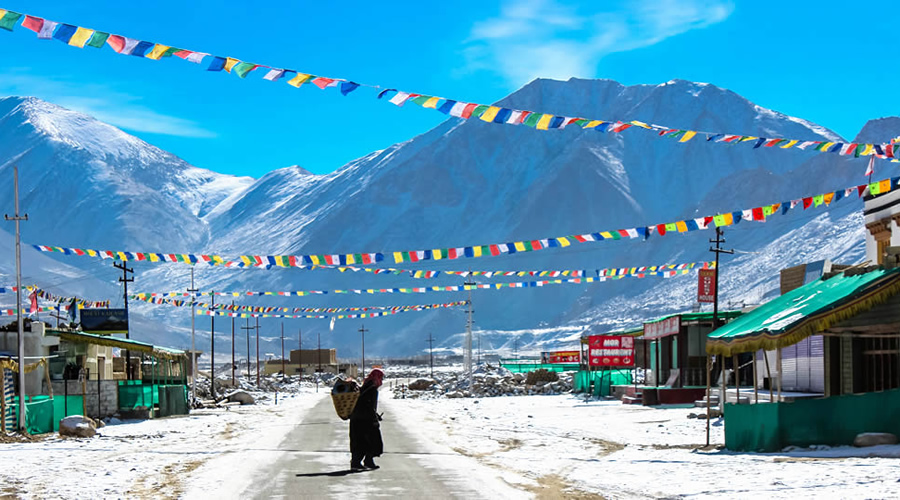
Ladakh in December: Weather, Road Status & Winter Experiences
Visit Ladakh in December. Weather, temperature, frozen lakes, snowfall, road conditions, accessible places & complete winter travel guide.
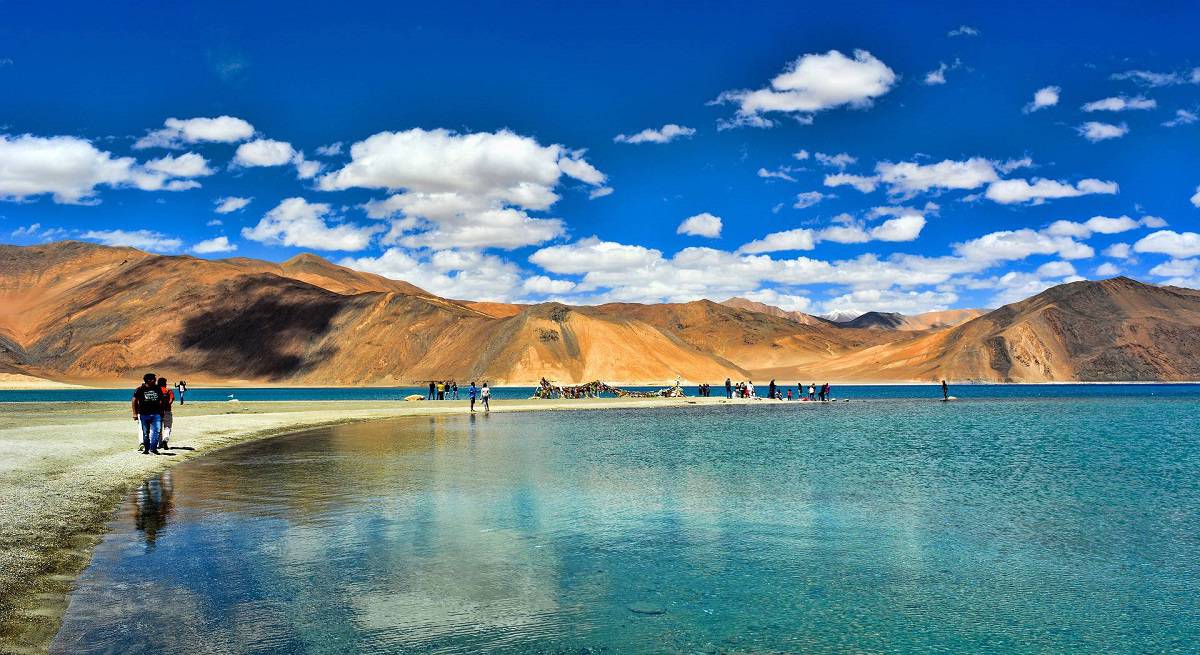
Pangong Lake Ladakh: Best Time, Permit Rules & Stay Options
Complete Pangong Lake guide: best time to visit, permits, how to reach from Leh, stay options & travel tips.
Panamik Hot Springs Ladakh: Route, Best Time & Visit Information
Discover Panamik Hot Springs in Nubra Valley, Ladakh. Natural sulphur springs, healing properties, how to reach, best time to visit & nearby attractions.
Never Miss an Adventure
Get the latest trekking guides, travel tips, and exclusive offers delivered straight to your inbox.
