
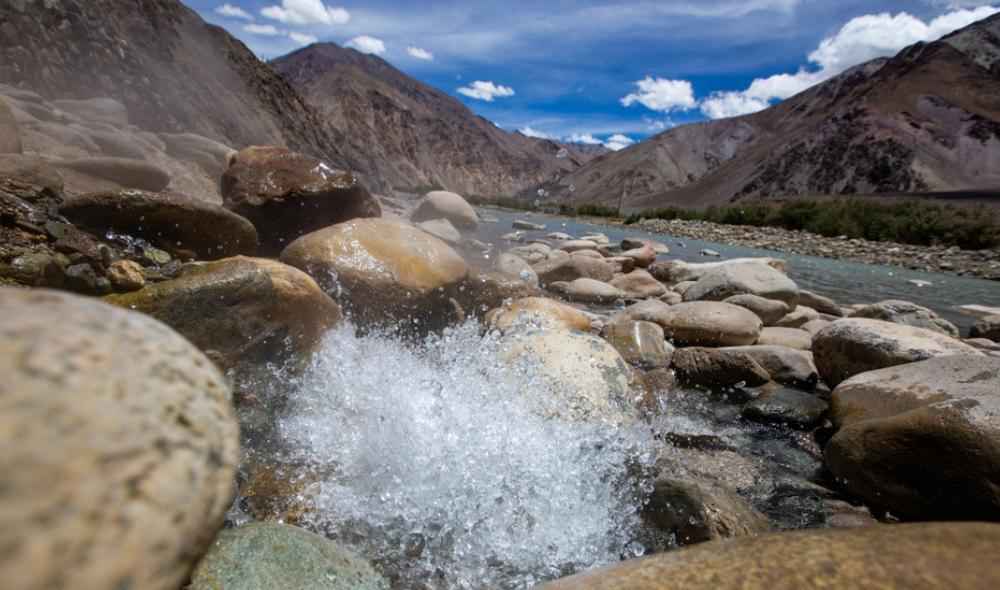
Panamik Hot Springs Ladakh: Route, Best Time & Visit Information
Rohit Verma
February 19, 2026
Discover Panamik Hot Springs in Nubra Valley, Ladakh. Natural sulphur springs, healing properties, how to reach, best time to visit & nearby attractions.
Introduction
Nestled in the heart of Nubra Valley, Panamik Hot Springs stands as one of Ladakh's most cherished natural wonders. As the last inhabited village before the majestic Siachen Glacier, Panamik offers travelers a unique blend of healing waters, dramatic landscapes, and authentic Ladakhi culture. The hot springs have been revered for centuries by locals and visitors alike for their therapeutic properties, making them a must-visit destination for wellness seekers and adventure travelers exploring the Himalayas.
The journey to Panamik itself is part of the experience, taking you through some of Ladakh's most breathtaking scenery along the famous Khardung La pass route. What makes these hot springs truly special is the remarkable contrast between the steaming, mineral-rich waters and the freezing mountain air that surrounds them. For travelers crossing high-altitude passes or trekking through remote valleys, Panamik offers a perfect sanctuary to rejuvenate both body and spirit.
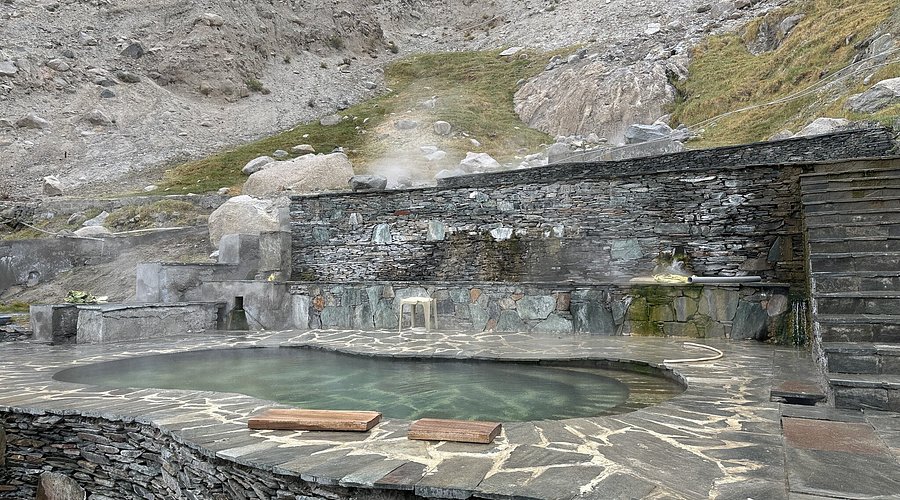
Unlike commercial hot spring destinations that have been heavily developed, Panamik maintains its rustic, authentic character. The springs are managed locally, following traditional practices that have been passed down through generations. This authenticity, combined with the stunning backdrop of the Karakoram Range and the Nubra River Valley, creates an experience that goes far beyond a simple hot bath – it becomes a profound connection with nature and local culture.
About Panamik Hot Springs
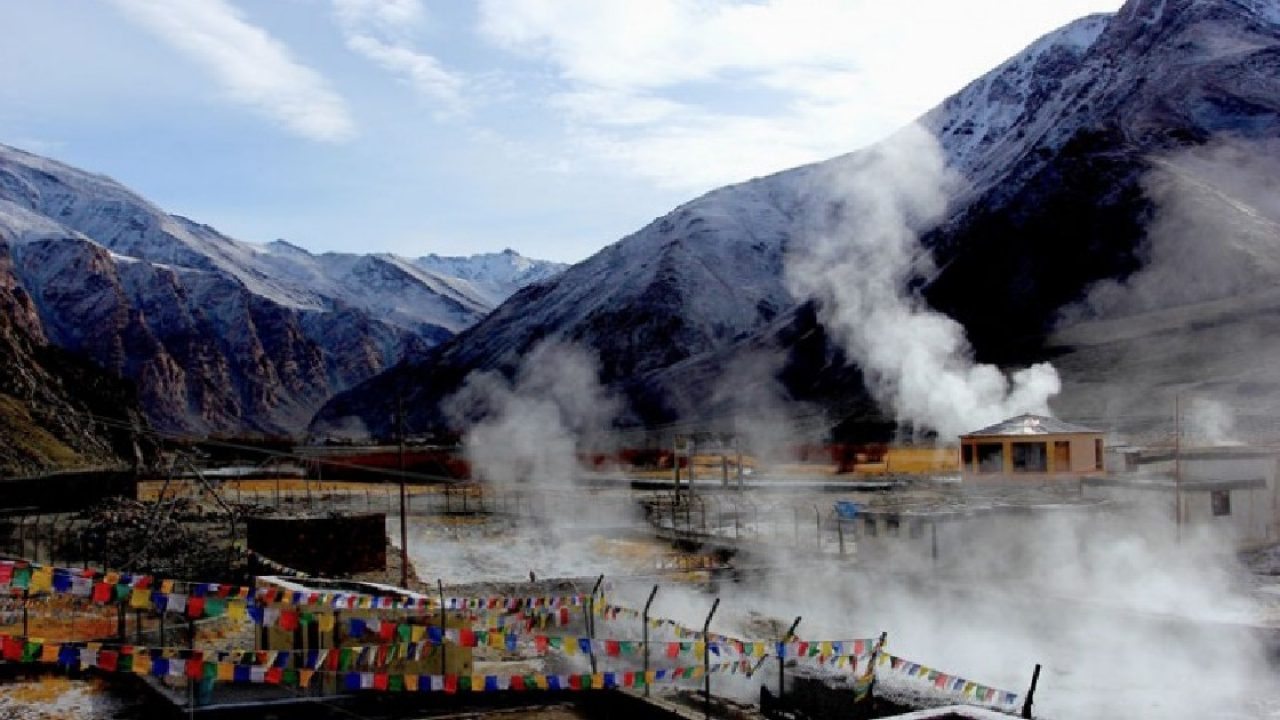
Panamik Hot Springs are natural geothermal springs located in the Nubra Valley of Ladakh, at an altitude of approximately 3,184 meters (10,445 feet) above sea level. The springs emerge naturally from the earth's crust, carrying water rich in sulfur and various minerals that have been valued for their healing properties for centuries. The village of Panamik itself sits at the confluence of the Nubra and Siachen Rivers, creating a unique ecosystem in this high-altitude desert.
The geological formation of these hot springs is a fascinating story of tectonic activity. As the Indian plate continues to push northward into the Eurasian plate, the immense pressure and friction deep within the earth's crust generate heat. This geothermal energy heats underground water reservoirs, which then rise to the surface through natural fissures and fractures in the rocks. The journey of this water from deep within the earth brings with it dissolved minerals from the rock formations it encounters along the way.
The temperature of Panamik's hot springs typically ranges between 45°C to 60°C, providing a comfortably warm bath even in the freezing winter months. The sulfur content gives the water a distinctive smell and accounts for many of its therapeutic benefits. Historically, these springs have served as an important stop for traders traveling along the ancient silk route to Central Asia, providing warmth and healing after long journeys through some of the world's highest passes.
Today, the hot springs continue to play a vital role in the local community. They are not just a tourist attraction but a part of daily life for villagers and a gathering place for people from surrounding areas who come to seek relief from various ailments or simply enjoy the therapeutic waters. The springs are believed by locals to have spiritual significance, adding another layer of importance to this natural wonder.
Healing Properties & Benefits
The therapeutic value of Panamik Hot Springs derives primarily from their mineral-rich sulfur content. For generations, people have traveled considerable distances to seek relief here, and modern understanding of balneotherapy (therapeutic bathing) supports many of these traditional beliefs about the healing powers of these waters.
Rheumatism and Joint Pain Relief
One of the most common reasons people visit Panamik Hot Springs is for relief from rheumatism and joint pain. The heat from the warm water increases blood flow to affected areas, reducing inflammation and stiffness that are common in cold climates. The sulfur content is believed to have anti-inflammatory properties that can provide lasting benefits beyond the immediate comfort of the bath.
Many elderly visitors report significant reduction in arthritis symptoms and improved mobility after soaking in the springs. The combination of warm water, minerals, and the relaxation of the hot spring environment creates a powerful therapeutic effect that can last for days or even weeks after the visit. This traditional remedy continues to be validated by the countless local residents who swear by its effectiveness.
Skin Condition Treatment
Sulfur has been used for centuries to treat various skin conditions, and Panamik's sulfur-rich waters continue this tradition. People with eczema, psoriasis, acne, and other dermatological issues often find relief through regular soaking in the mineral waters. The minerals in the water can help exfoliate dead skin cells, reduce inflammation, and promote healing of various skin conditions.
The warm water opens pores and improves circulation to the skin, potentially enhancing overall skin health and appearance. For those with sensitive skin or conditions that haven't responded well to conventional treatments, a visit to Panamik can provide a natural alternative that has been trusted by local communities for generations.
Muscle Relaxation and Recovery
For trekkers and adventure travelers exploring Ladakh, Panamik Hot Springs offer an ideal recovery destination. After days of trekking across high-altitude passes or cycling through challenging terrain, the warm waters help relax tired muscles and accelerate recovery. The heat penetrates deeply into muscle tissue, reducing lactic acid buildup and alleviating soreness.
This makes Panamik particularly valuable for those doing the Nubra Valley circuit or Nubra Valley trekking. A soak in the springs can help prevent the next day's stiffness and prepare your body for continued physical activity. Many adventure travelers plan their itineraries specifically to include Panamik as a recovery stop between challenging sections of their journey.
Stress Relief and Mental Wellness
Beyond physical ailments, Panamik Hot Springs offer profound mental and emotional benefits. The warm water induces deep relaxation, reducing stress hormones and promoting a sense of calm and well-being. The peaceful environment, surrounded by Ladakh's stunning mountain scenery and the gentle sound of flowing water, enhances this therapeutic effect significantly.
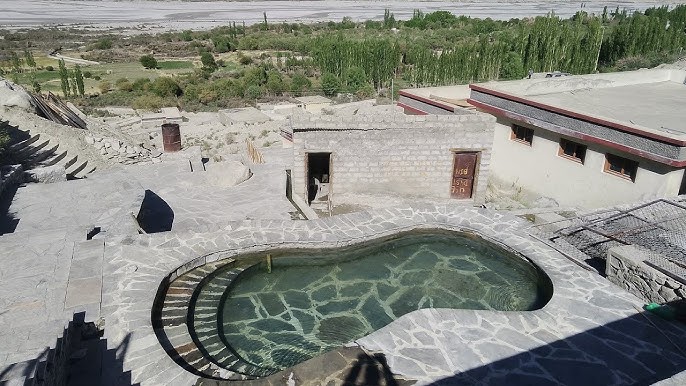
Many visitors report improved sleep quality, reduced anxiety, and an overall enhanced sense of well-being after their visit to Panamik. In traditional understanding, hot springs are believed to balance the body's energies and promote both physical and mental harmony. The experience of soaking in warm water while surrounded by snow-capped peaks creates a moment of pure presence and mindfulness that is increasingly rare in our modern, connected world.
Respiratory Benefits
The steam rising from Panamik Hot Springs, combined with the mineral content in the water vapor, can provide respiratory benefits. People with asthma, bronchitis, or other respiratory conditions sometimes find relief simply by breathing in the warm, mineral-rich air around the hot springs. The warm, moist air can help soothe irritated airways and loosen congestion, potentially making breathing easier for those with respiratory conditions.
For travelers dealing with the dry air and altitude of Ladakh, this respiratory benefit can be particularly valuable. The combination of warm, moist air and mineral content creates a natural respiratory therapy that complements the other health benefits of the springs.
Best Time to Visit
Choosing when to visit Panamik Hot Springs depends largely on what kind of experience you're seeking and your tolerance for challenging high-altitude travel conditions.
| Season | Duration | Temperature Range | Pros | Cons |
|---|---|---|---|---|
| Summer (June-September) |
Peak Season | 15°C to 25°C (Daytime) |
Best accessibility, pleasant weather, clear roads | Crowded, higher prices |
| Winter (December-February) |
Off-Season | -15°C to -25°C (Daytime) |
Magical atmosphere, fewer crowds | Roads blocked, extreme cold |
| Shoulder (May, Oct-Nov) |
Transition | 5°C to 18°C (Daytime) |
Moderate crowds, scenic beauty | Unpredictable weather |
Summer (June to September)
Summer is the most accessible and popular time to visit Panamik Hot Springs. During these months, roads from Leh are generally clear of snow, and temperatures are relatively mild compared to the harsh Ladakh winters. The daytime highs typically range from 15°C to 25°C, making outdoor activities and sightseeing comfortable around the hot springs area.
During summer, the hot springs feel particularly inviting after a day of travel or trekking through the Nubra Valley. The contrast between the warm air and the hot spring water is less extreme than in winter, making the bathing experience more comfortable for those not accustomed to temperature extremes. Summer also offers better visibility for photography, with clear skies showcasing the stunning mountain vistas that surround Panamik.
However, summer is also peak tourist season in Ladakh. While Panamik doesn't see the crowds that more famous destinations like Leh's attractions do, you're more likely to encounter other visitors during these months. Accommodation options in the area are more likely to be open, though they remain basic and limited compared to what you might find in larger towns.
Winter (November to March)
Winter visits to Panamik Hot Springs are challenging but potentially magical. The landscape transforms into a winter wonderland, with snow covering the Nubra Valley and the hot springs creating dramatic steam clouds against the freezing air. The experience of soaking in hot water while surrounded by snow and ice is unforgettable and creates stunning photographic opportunities.
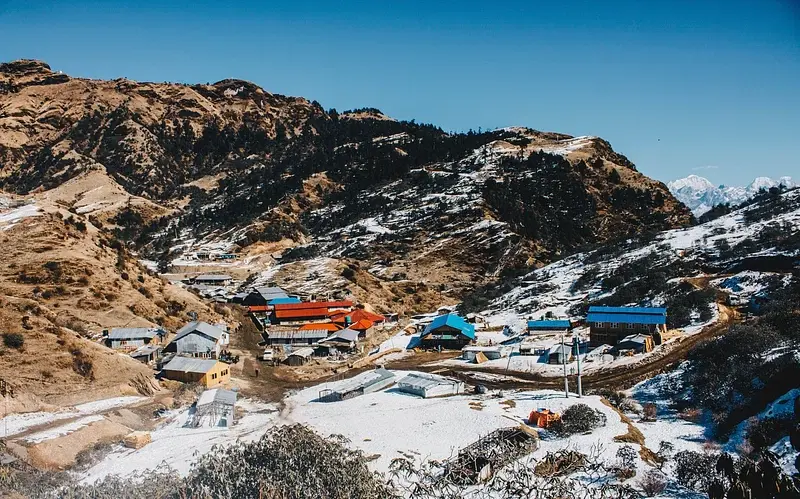
However, winter travel to Panamik is not for the unprepared. Temperatures regularly drop below -20°C, and road conditions can be treacherous with potential snowfall at Khardung La pass. Some routes may be blocked by snow, requiring careful planning and possibly alternative transportation. You need serious cold-weather gear, and the journey should only be attempted by those experienced with high-altitude winter travel.
During winter, the hot springs become even more important for local wildlife, which gathers around the unfrozen water sources. This can create opportunities for wildlife viewing, though visitors should maintain respectful distance and not disturb the animals. Most tourist facilities close during winter, and you may need to arrange special accommodations, possibly staying with local families.
Spring and Autumn
The shoulder seasons of April-May and October-November offer a compromise between summer accessibility and winter serenity. Weather can be unpredictable during these transition months, with possible snowfalls in spring and early winter storms in autumn. However, crowds are significantly thinner, and the landscape can be spectacular – spring brings blooming high-altitude flowers, while autumn offers golden colors on the willow and poplar trees along the Nubra River.
These shoulder seasons require careful attention to weather forecasts and road conditions, but they can reward visitors with a more solitary, intimate experience of Panamik's therapeutic waters. For photographers and those seeking a quieter connection with nature, these months can be ideal times to visit, provided you're prepared for variable conditions.
How to Reach from Leh
Reaching Panamik Hot Springs is an adventure in itself, taking you through some of Ladakh's most beautiful and dramatic landscapes via one of the world's highest motorable roads.
Distance and Route
Panamik is approximately 150 kilometers from Leh, connected by the famous Khardung La pass route. The journey typically takes 5-6 hours by car, depending on road conditions and stops along the way. The route from Leh to Panamik follows one of the most spectacular mountain roads in the world, offering breathtaking views at every turn.
From Leh, head north towards Khardung La, the world's highest motorable pass at 5,359 meters. The ascent to the top takes about 2-3 hours, with switchbacks offering ever-more spectacular views. From the pass, descend into the beautiful Nubra Valley, where the landscape transforms dramatically from barren mountain slopes to lush green valleys.
Continue through Khalsar, following the Nubra River upstream towards Panamik. The journey takes you through small villages where traditional Ladakhi life continues unchanged, past apricot orchards, and alongside the crystal-clear waters of the Nubra River. As you approach Panamik, the mountains seem to close in, creating a sense of entering a hidden sanctuary in the heart of the Himalayas.
By Taxi or Private Vehicle
Hiring a taxi or using a private vehicle is the most common and convenient way to reach Panamik from Leh. Taxis can be hired in Leh for day trips or for overnight stays in the Nubra Valley. This option gives you flexibility with timing and the ability to stop for photography or breaks as needed during the journey.
The cost for a private taxi from Leh to Panamik typically ranges from ₹8,000 to ₹12,000 for a round trip, depending on the vehicle type and negotiation. Shared cabs are also available at a lower cost, though they require coordination with other travelers' schedules and may involve waiting time.
A private vehicle allows you to carry supplies, cold-weather gear, and any equipment you might need for camping or extended stays in the area. Given the remote location, being self-sufficient with food and water is advisable, as options for purchasing supplies along the route are limited.
Inner Line Permit Requirements
Important: Panamik is located near the border areas, so an Inner Line Permit (ILP) is required for all tourists, including Indian nationals. The permit is easily obtained online through the official Ladakh administration website or can be arranged by registered tour operators in Leh.
The ILP is typically valid for 7-14 days and costs approximately ₹400-₹600. You'll need to submit your passport-sized photographs, ID proof, and details of your itinerary including Panamik. The permit must be carried with you at all times, as there are checkpoints where officials verify documentation.
Road Conditions and Driving Tips
Road conditions vary significantly by season and weather. Summer generally offers the best driving conditions, though monsoon rains in July and August can cause temporary issues like minor landslides or water crossings. Spring can bring snow and ice at higher elevations, particularly around Khardung La, while autumn may have early winter storms.
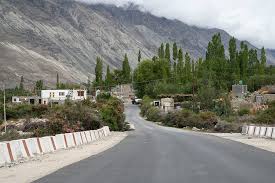
For those driving themselves, ensure your vehicle is in good condition and has adequate ground clearance. The road to Khardung La is generally well-maintained but can have rough sections. Carry spare tires, basic tools, and emergency supplies. Fuel up in Leh, as petrol stations are limited in the Nubra Valley.
For travelers acclimating to Ladakh's altitude, the journey to Panamik serves as a gradual ascent. Starting from Leh at 3,500 meters and reaching Panamik at 3,184 meters through the 5,359-meter Khardung La pass gives your body time to adjust. However, those flying directly to Leh should spend at least 24-48 hours acclimatizing before attempting this journey.
Things to Do in Panamik
While the hot springs are the primary attraction, Panamik village and its surroundings offer several unique experiences that enhance any visit to this remote part of Ladakh.
Hot Spring Bath Experience
The main activity at Panamik is, of course, soaking in the therapeutic hot springs. The experience is unlike any typical swimming pool or spa – these are natural pools carved into the landscape, fed by steaming hot water that emerges directly from the earth. The sulfur smell is noticeable but not overwhelming, and the water feels silky and warm.
Enter the water gradually to let your body adjust to the temperature, especially if the outside air is cold. Most people soak for 20-30 minutes at a time, getting out to cool down and rehydrating before returning for another session. The relaxation that comes from this natural spa experience is profound and unlike anything you might find in a commercial setting.
Visit to Ensa Monastery
Located on a hilltop overlooking Panamik village, Ensa Monastery (also known as Ensa Gompa) is a 400-year-old Buddhist monastery that offers spectacular views of the surrounding mountains and valleys. The monastery is less visited than more famous gompas in Ladakh, providing a peaceful, contemplative atmosphere perfect for meditation and reflection.
The monastery houses ancient thangkas (paintings), statues, and sacred Buddhist texts. A short hike from the village takes you to this spiritual center, where you can often meet the resident monks and learn about the monastery's history. The panoramic views from the monastery grounds encompass the Nubra Valley, the Karakoram Range, and the Siachen Glacier in the distance.
Village Walk and Local Interaction
Panamik village offers a wonderful opportunity to experience traditional Ladakhi village life away from the tourist crowds of Leh. Take a walk through the narrow lanes, observe traditional stone houses, and perhaps interact with friendly locals who are often curious about visitors to their remote home.
The village is known for its production of apricots and pashmina wool. You might see apricot orchards in the surrounding areas, particularly beautiful in spring when the trees bloom. Pashmina weaving is a traditional craft in this region, and you may have the opportunity to purchase high-quality pashmina products directly from the artisans.
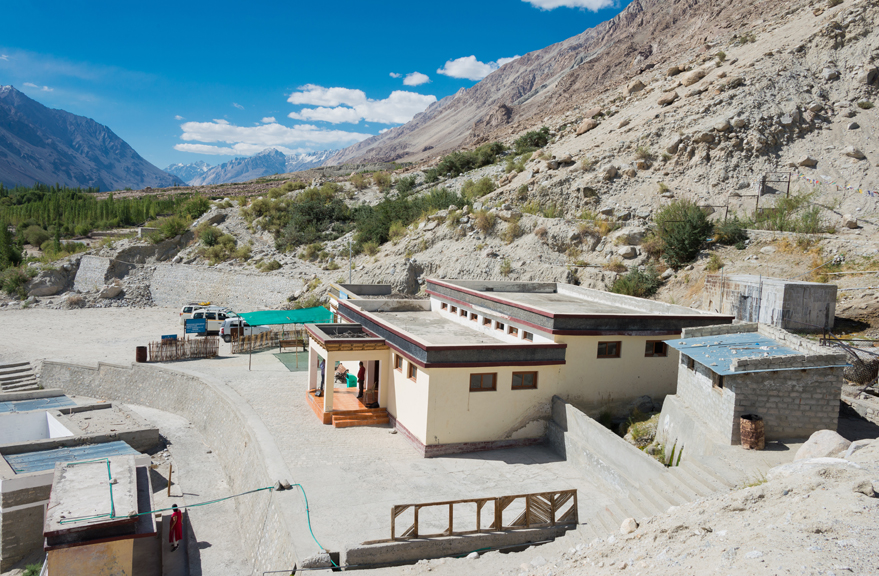
Yaka and Pashmina Shopping
Panamik is famous for its production of Yaka (a traditional Ladakhi beverage made from apricots) and high-quality pashmina wool products. Yaka is made from dried apricots that are ground and mixed with other ingredients to create a nutritious, warming drink perfect for the cold climate.
Pashmina from the Nubra Valley is among the finest in Ladakh, and Panamik village has several families who continue the traditional weaving methods passed down through generations. Purchasing directly from these artisans supports local communities and ensures you're getting authentic, high-quality products. Look for shawls, stoles, and blankets in natural colors and intricate patterns.
Photography Opportunities
For photography enthusiasts, Panamik offers stunning subjects. The hot springs themselves create dramatic scenes with steam rising against mountain backdrops. The golden hour light on the surrounding peaks can be breathtaking. Traditional village life, with its stone houses, apricot orchards, and grazing yaks, provides endless opportunities for authentic cultural photography.
The landscape around Panamik is dramatic and varied, from the confluence of rivers to snow-capped mountains. Night photography is exceptional here, with minimal light pollution allowing for spectacular starry skies. Wildlife photographers might capture marmots, blue sheep, and if lucky, the elusive snow leopard that inhabits these remote valleys.
Camping Nearby
For those who want to extend their stay and connect more deeply with nature, camping near Panamik is possible. Several camping spots along the Nubra River offer beautiful settings with mountain views. Ensure you have proper cold-weather camping equipment, as temperatures can drop significantly at night, even in summer.
Camping also gives you the opportunity to visit the hot springs early in the morning or late in the evening when day visitors have left, creating a more intimate experience. However, be respectful of local customs and the environment – camp in designated areas, leave no trace, and avoid disturbing the peace of this sacred place.
Nearby Attractions
Panamik's strategic location in the Nubra Valley makes it an excellent base or stopover for exploring other attractions in this beautiful region of Ladakh.
Hunder Village and Sand Dunes
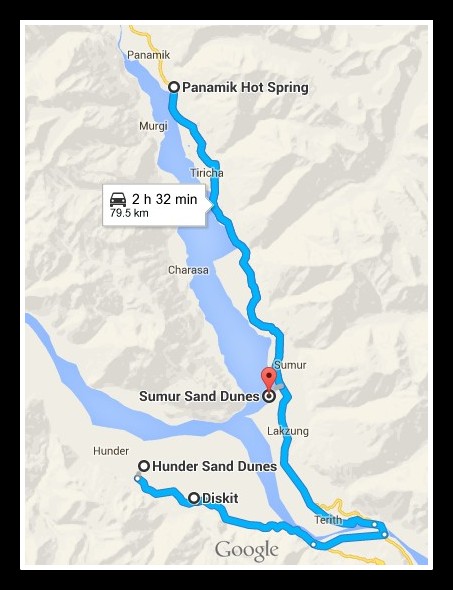
About 20 kilometers from Panamik, Hunder Village is famous for its stunning sand dunes that seem incongruous in the high-altitude desert. The white sand dunes stretch between the mountains and the Shyok River, creating a surreal landscape that looks like something from the Arabian Peninsula rather than the Himalayas.
Hunder is also home to the famous Bactrian camels, two-humped camels that were historically used for trade along the Silk Route. Today, these camels offer visitors the unique experience of camel rides through the sand dunes, with the snow-capped Karakoram Range providing a dramatic backdrop. Sunset at Hunder's sand dunes is a photographer's dream, with golden light painting the sand and the distant peaks.
Diskit Monastery
Diskit Monastery, the oldest and largest monastery in the Nubra Valley, is approximately 30 kilometers from Panamik. Founded in the 14th century, this impressive gompa is known for its 32-meter tall statue of Maitreya Buddha, which is visible from far across the valley.
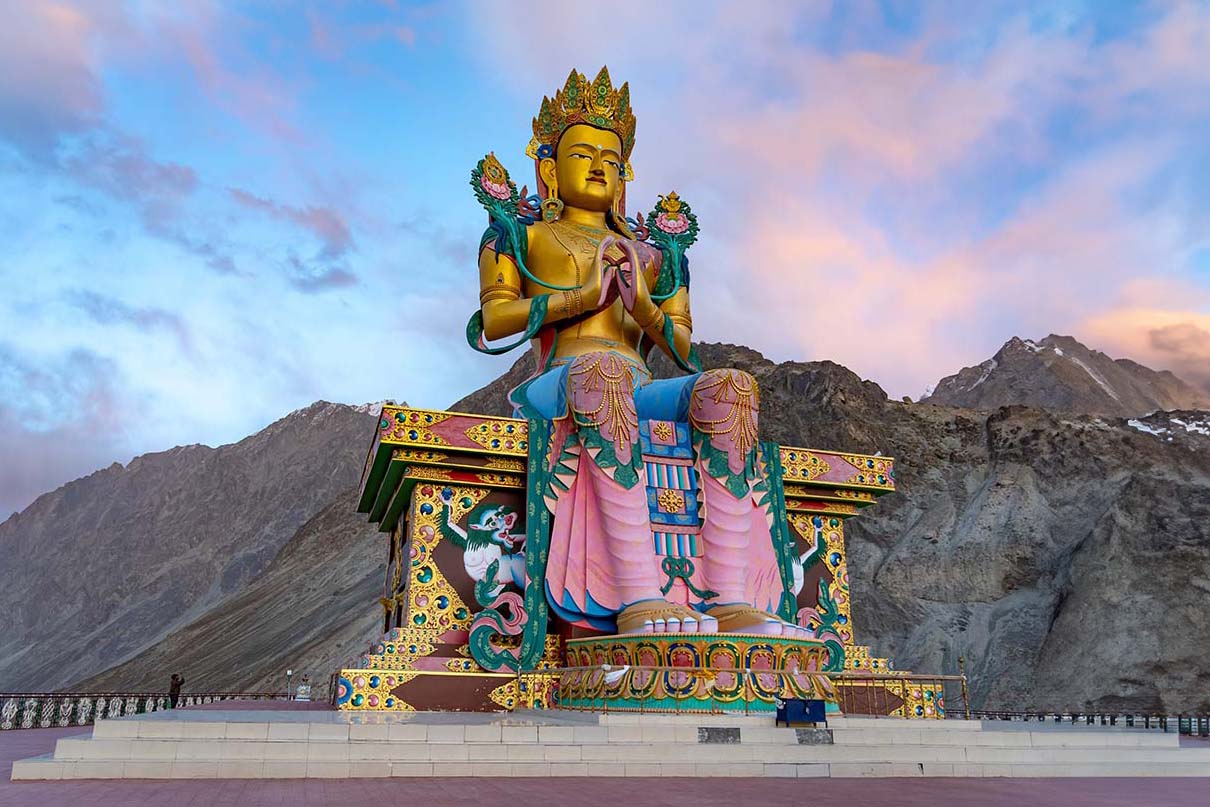
The monastery complex includes temples, stupas, and paintings that provide insight into Buddhist art and culture. The views from the monastery grounds are panoramic, encompassing the entire Nubra Valley and the surrounding mountains. Monks at Diskit are known for their hospitality and often welcome visitors to explain the history and significance of this sacred place.
Sumur Village
Sumur is a traditional Ladakhi village located between Hunder and Diskit, known for its apricot orchards and Buddhist temple. The village has managed to maintain its traditional character despite increasing tourism in the Nubra Valley. A visit to Sumur provides a more authentic village experience compared to the more developed tourist spots.
The village also has a small gompa and several traditional houses that showcase Ladakhi architecture. The apricot orchards are particularly beautiful in spring when the trees are covered in white blossoms, creating stunning photographic opportunities. Sumur is an excellent place to experience local hospitality, perhaps arranging a homestay for a more immersive cultural experience.
Turtuk Village
Turtuk, located approximately 70 kilometers from Panamik, is one of the most unique destinations in Ladakh. As the last village before the Line of Control (the actual border between India and Pakistan), Turtuk offers a fascinating blend of Balti culture, Turkish architectural influences, and warm hospitality.
The village provides a stark contrast to the Buddhist culture predominant in the rest of Ladakh, with its Muslim population, distinct language, and different traditions. The journey to Turtuk from Panamik takes you through some of the most remote and beautiful landscapes in Ladakh. Note that Turtuk requires special Inner Line Permit provisions, so ensure your documentation covers this destination.
Siachen Base Camp
For those with special permits and military connections, it's possible to visit the Siachen Base Camp near Panamik. This is one of the world's highest battlefield areas, located at an altitude where temperatures regularly drop below -40°C. The base camp offers a stark reminder of the harsh conditions faced by Indian Army soldiers who defend this strategic area.
Access to Siachen Base Camp is highly restricted and requires special permissions from military authorities. Most tourists cannot visit this area, but those with connections or on special military tours may have the opportunity. The base camp serves as a somber but important reminder of the strategic importance of this region and the extreme conditions that exist here.
Travel Tips & Practical Information
Proper planning and preparation will help ensure a safe and enjoyable visit to Panamik Hot Springs and the Nubra Valley.
Accommodation Options
Accommodation options near Panamik are limited but adequate for most travelers. There are a few basic guesthouses and homestays in Panamik village itself, offering simple rooms with basic amenities. Don't expect luxury – electricity may be limited to evening hours, hot water (aside from the springs) may not be available in rooms, and meals will be simple Ladakhi fare.
Homestays with local families can be a wonderful cultural experience and provide insight into traditional Ladakhi life. The hospitality of Ladakhi families is legendary, and staying with them allows you to experience local customs, food, and daily routines. Advance booking may be possible, particularly in summer, but flexibility is key in this remote area.
For more comfortable accommodation, consider staying in Diskit or Hunder, where there are more developed guesthouse options. This makes Panamik a day trip, though it involves additional driving. Alternatively, some travelers choose to camp, which requires proper equipment and experience with high-altitude conditions.
What to Carry
- Warm clothing: Even in summer, temperatures can drop significantly at night. Layered clothing is essential.
- Swimwear and towel: Modest swimwear is appropriate. Bring your own towel as none are provided.
- Water shoes or flip-flops: Protect your feet from the rough pool bottoms.
- Water bottle: Stay hydrated while soaking in the hot springs.
- Sun protection: High altitude means stronger UV. Carry sunscreen, sunglasses, and a hat.
- Medications: Bring any personal medications, as pharmacies are limited.
- Cash: Carry sufficient cash, as ATMs are not available in Panamik.
- First aid kit: Basic supplies for minor injuries and ailments.
Altitude Acclimatization
While Panamik at 3,184 meters is actually lower than Leh, the journey there involves crossing Khardung La at 5,359 meters. This significant altitude gain can trigger acute mountain sickness in those not properly acclimatized. Spend adequate time in Leh (at least 24-48 hours) before attempting the journey.
Drink plenty of water to stay hydrated, avoid alcohol and smoking which can worsen AMS symptoms, and eat light meals. If you experience symptoms of altitude sickness – headache, nausea, dizziness, or shortness of breath – descend to a lower altitude immediately. Carry Diamox as a preventive measure, though it's not a substitute for proper acclimatization.
Respect Local Customs
The Nubra Valley has distinct cultural practices that visitors should respect. Dress modestly, particularly at the hot springs where separate bathing areas reflect local norms. Ask permission before photographing people, especially during bathing or in private spaces. The hot springs are considered sacred by some locals – maintain a quiet, respectful demeanor and avoid loud behavior.
Support local businesses by purchasing apricot products, pashmina items, and handicrafts directly from villagers. This economic support helps preserve traditional crafts and maintains the cultural fabric of the community. Be mindful of religious practices – avoid disturbing prayer times and remove shoes before entering temple or monastery spaces.
Food and Water Availability
Food options in Panamik are very limited. There may be small local eateries serving basic Ladakhi dishes – thukpa (noodle soup), momos (dumplings), skyu (a traditional tea), and local bread. Otherwise, bring your own food or eat in Diskit or Hunder before arriving in Panamik.
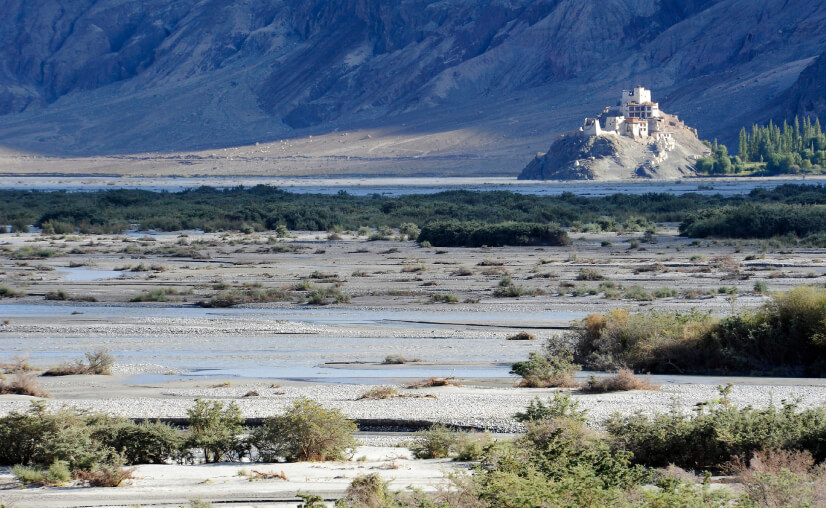
Bottled water may be available in small shops, but it's advisable to carry your own water purification tablets or filter. The tap water in Ladakh is generally safe but can upset stomachs unaccustomed to it. Staying hydrated is crucial, especially when soaking in hot springs which can cause dehydration more quickly than you might expect.
Communication and Connectivity
Mobile connectivity in Panamik is limited. BSNL has the best coverage in the region, with Airtel and Jio having more limited service. Don't depend entirely on mobile connectivity – carry satellite phones or have offline maps downloaded before your journey. Internet access is virtually non-existent except through satellite connections.
For safety, inform someone about your itinerary and expected return time, especially if you're traveling alone or venturing into remote areas. The journey from Leh involves high passes where weather can change rapidly, so having a contingency plan is essential. Most homestays and guesthouses have limited phone access, so emergency contact numbers should be written down.
Medical Precautions
Given the remote location and high altitude, take proper medical precautions. Carry a comprehensive first aid kit with supplies for altitude sickness, minor injuries, and basic illnesses. Anyone with pre-existing medical conditions should consult with their healthcare provider before visiting Panamik, particularly given the altitude and temperature extremes.
Pregnant women, those with heart conditions, or serious medical concerns should avoid prolonged soaking in hot springs, which can stress the cardiovascular system. The combination of heat and high altitude requires careful consideration. If you have any doubts about whether the hot springs are suitable for you, err on the side of caution.
Photography Etiquette
Photography of the landscape and hot springs is generally fine and encouraged. However, be extremely careful about photographing people, particularly at bathing areas. Never photograph people in the bathing pools without explicit permission. This is both disrespectful and culturally inappropriate.
When visiting monasteries or religious sites, check photography policies and ask before taking pictures, especially inside prayer halls or during ceremonies. Many monasteries have designated photography areas or allow photography only for a fee. Respecting these guidelines ensures continued access for future visitors and maintains the sacred nature of these spaces.
Environmental Responsibility
Panamik is a pristine environment that deserves protection. Follow Leave No Trace principles – take all your waste with you, dispose of trash properly, and leave natural spaces as you found them. The ecosystem here is fragile, so stick to designated paths and avoid damaging vegetation or disturbing wildlife.
Use biodegradable products when possible, especially soaps and shampoos for bathing. Avoid using the hot springs for washing clothes, as detergents can harm the natural environment. The mineral balance of these waters has existed for centuries, and preserving it for future generations is everyone's responsibility.
Conclusion
Panamik Hot Springs offer a unique combination of natural therapy, cultural immersion, and spectacular mountain scenery that is simply unavailable elsewhere in India. From the therapeutic benefits of sulfur-rich waters to the authentic village life of one of Ladakh's most remote communities, Panamik provides experiences that transform visitors and create lasting memories.
Whether you're seeking relief from physical ailments, a peaceful retreat after trekking, or simply a unique connection with nature in one of the world's most dramatic landscapes, Panamik Hot Springs deliver on every level. The journey through Khardung La, the healing waters, the surrounding monasteries, and the warm Ladakhi hospitality combine to create an experience that feels both ancient and profoundly relevant to the modern traveler seeking wellness and authenticity.
As the last village before the Siachen Glacier, Panamik represents a gateway to some of the most remote and beautiful corners of Ladakh. Proper planning, respect for local culture and environment, and an open heart to the unique experiences that await will ensure that your visit to Panamik is everything you hoped for and more – a journey of healing, discovery, and connection with the timeless landscapes of the Himalayas.
Location
Frequently Asked Questions
Q1.Where are Panamik Hot Springs located?
Q2.What is special about Panamik Hot Springs?
Q3.What is the best time to visit Panamik?
Q4.Can you bathe in Panamik Hot Springs?
Q5.How far is Panamik from Leh?
Q6.Are there accommodations in Panamik village?
Q7.What is the temperature of Panamik Hot Springs?
Q8.Is an Inner Line Permit required for Panamik?
Recommended For You
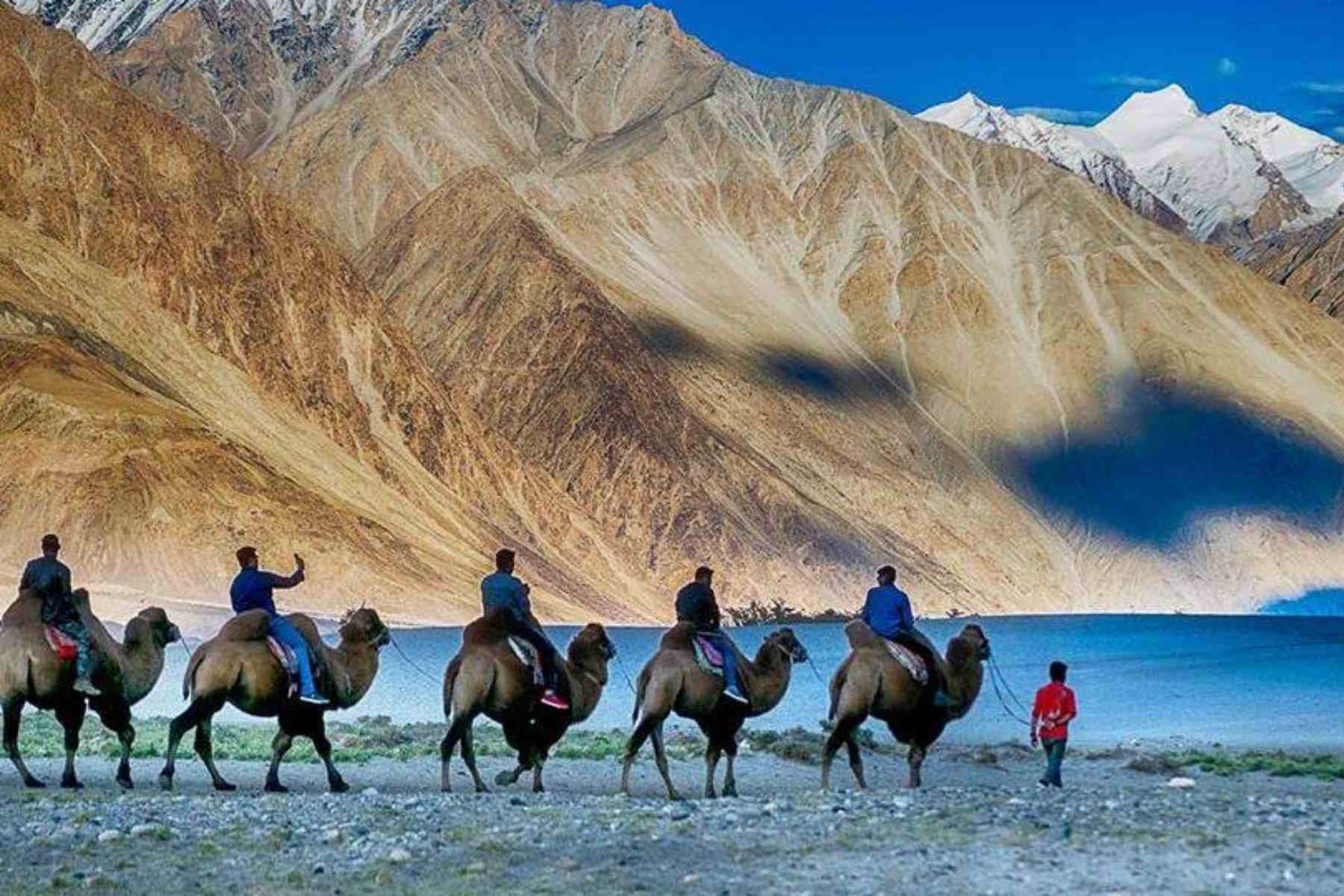
Adventure Sports in Ladakh: High Altitude Thrills in Himalayan Paradise
Plan Ladakh adventure sports with expert tips on Khardung La biking, Zanskar rafting, Chadar trek, and high-altitude safety.
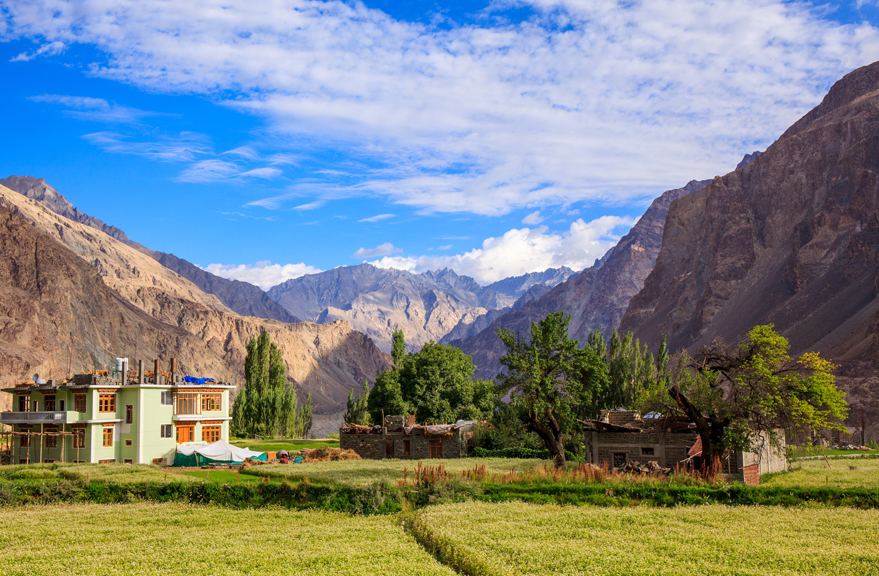
Turtuk Village Ladakh: Balti Culture, Stay Options & Border Views
Explore Turtuk Village in Nubra Valley, Ladakh. Complete guide to Balti culture, how to reach, places to visit, homestays & best time.
Chumathang Hot Spring Ladakh: Route, Stay & Best Time to Visit
Discover Chumathang Hot Spring in Ladakh with medicinal sulfur water, health benefits, how to reach from Leh, best time to visit, accommodation options, and travel tips.
Never Miss an Adventure
Get the latest trekking guides, travel tips, and exclusive offers delivered straight to your inbox.
