
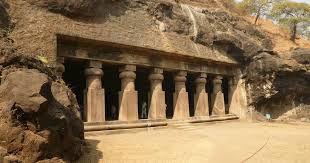
Elephanta Caves Guide: Ferry Planning, Cave Circuit Strategy, and Practical Mumbai Day Integration

Rahul Garg
February 26, 2026
Plan Elephanta Caves with smart ferry timing, cave sequence strategy, and practical Mumbai integration for a better heritage experience.
Introduction
Elephanta Caves are one of Mumbai's most important heritage experiences, but many visitors still treat the trip as a hurried add-on without understanding ferry timing, on-island movement, or cave sequence logic. That usually leads to crowd-heavy sessions, poor pacing, and missed interpretation value. A stronger Elephanta visit requires three things: transport discipline, heritage-first attention, and day-level integration with Mumbai plans. This guide explains each step so you can experience the site with context and calm. Whether you are a first-time visitor, student, photographer, or history-focused traveler, this framework helps you turn Elephanta from a quick checklist stop into a meaningful and efficient heritage day.
Why Elephanta Matters in Indian Heritage Context
Elephanta is not just a tourist island outing; it is a major rock-cut heritage site with deep artistic and religious significance. The sculptural composition, cave architecture, and spatial design reflect advanced craftsmanship and cultural narratives that demand attentive viewing. If you move too fast, you see only stone surfaces. If you pace properly, you begin to understand symbolic structure, stylistic choices, and ritual context. Heritage destinations reward interpretive time more than speed. The goal is not to finish every corner quickly but to observe key panels and architectural rhythm with concentration.
Getting There: Ferry and Start-Time Discipline
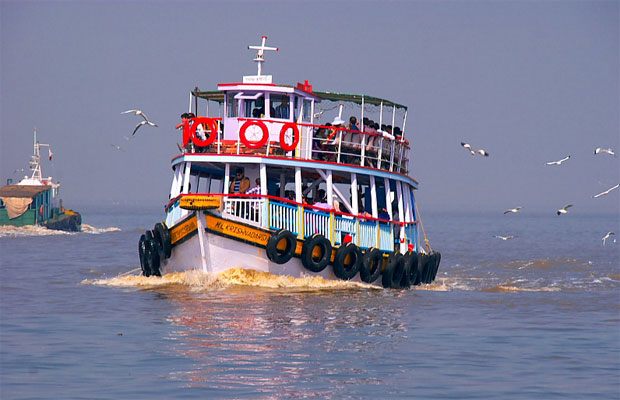
Your entire day quality depends on your departure decision. Early ferry windows are usually better for manageable temperatures, lower initial crowd pressure, and smoother on-island sequencing. Late starts compress everything: queueing, cave exploration, photos, meal breaks, and return transfer. Keep a hard rule to arrive before your planned ferry slot and maintain one fallback slot in case of minor delays. If Elephanta is part of a bigger city visit, align it with broader movement from Mumbai travel guide planning and avoid stacking far-apart points in the same afternoon.
How to Navigate the Cave Circuit Efficiently
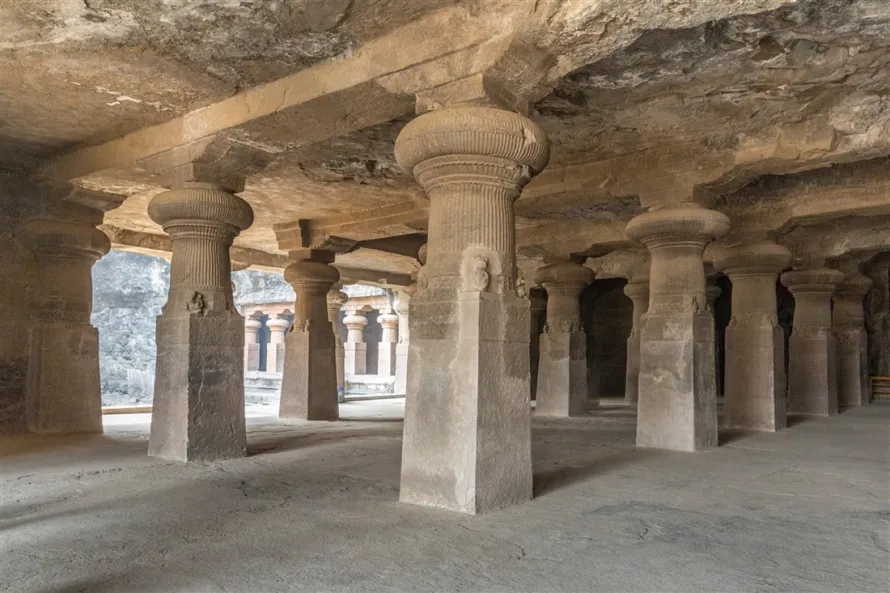
Once on the island, avoid random wandering. Start with primary cave zones, then proceed to secondary sections with enough pause for interpretation. Carry water, maintain moderate pace, and keep footwear appropriate for mixed surfaces. Spend extra time at major sculptural panels rather than distributing equal time everywhere. Quality of interpretation matters more than raw coverage. If you are with a group, set regroup intervals so no one feels rushed. Structured movement reduces confusion and leaves enough energy for return transit.
Interpreting the Main Sculptures with Context
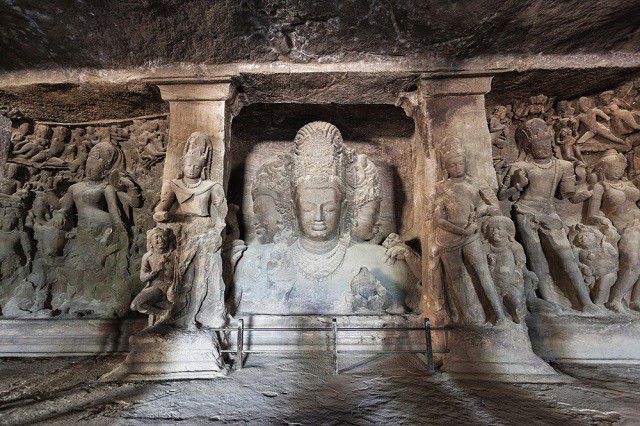
The iconic panels are frequently photographed but less often understood in sequence. Use one guiding question per section: what narrative, symbolic, or devotional intent is represented here? This approach keeps your observation active and prevents passive photo-only behavior. Students and culture travelers should keep short notes; interpretation depth increases significantly when you document thoughts during the visit. Heritage understanding is cumulative. Small focused observations in each section build a clearer picture of the overall cultural and architectural significance of the site.
Photography Strategy Without Disrupting Heritage Flow
Photography is valuable, but crowd-aware etiquette is essential. Do not block narrow zones for extended framing. Capture one wide context shot, one medium architectural shot, and one detail shot per major section, then move. This method preserves your memory and respects shared visitor flow. Low-light areas may challenge handheld quality, so stabilize posture and avoid intrusive behavior. Good heritage photography is about patience and respect, not constant interruption.
Combining Elephanta with Other Mumbai Heritage Stops
Elephanta works best as a half-day or dominant day anchor. If you want another heritage layer, choose a low-friction city stop rather than multiple distant additions. You can compare rock-cut visual language with Kanheri Caves Mumbai on a different day, and historical city fabric with Chhatrapati Shivaji Terminus Mumbai later in the itinerary. For broader cave heritage context beyond Mumbai, explore Ajanta and Ellora Caves. Spacing these visits improves understanding and prevents heritage fatigue.
Food, Hydration, and Comfort Management
Heritage walking plus ferry travel can be more tiring than expected. Keep hydration active and avoid very heavy meals before cave movement. A balanced approach is light breakfast, focused cave session, then proper meal after core exploration. If traveling with children or seniors, include short seated breaks and keep return timing conservative. Comfort management directly affects interpretation quality; exhausted travelers absorb less and rush more.
Common Mistakes to Avoid
The most common errors are late start, no return planning, overcommitting city add-ons, and spending too much time in queues due to unstructured movement. Another issue is visiting without any context, which reduces the site to photo points only. Correct this by carrying a minimal plan: ferry slot, cave sequence, hydration break, and return margin. Heritage execution is simple when structured.
Sample High-Quality Elephanta Day Plan
Start early from Mumbai, complete primary cave sections before crowd peak, add one focused interpretation pause at major panels, take a recovery break, and return before evening rush. Keep one optional city stop only if energy and timing remain. This model provides depth without stress and is ideal for most travelers.
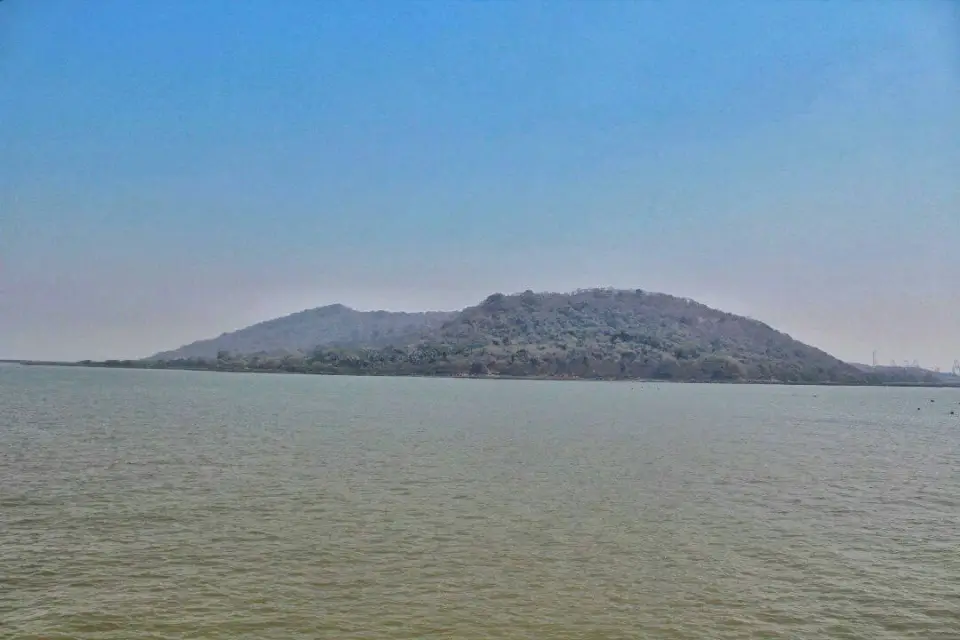
Reading Elephanta as a Narrative Space
A practical way to improve your visit is to treat each major cave section as part of a narrative sequence rather than isolated visual stops. Move slowly, pause at transitions, and ask how one sculptural zone leads conceptually into the next. This method helps even non-specialists understand why the site is respected beyond tourism. Heritage spaces become easier to interpret when seen as connected stories rather than disconnected photo opportunities.
Weather, Crowd, and Return-Risk Control
Elephanta day planning should include explicit return-risk control. Keep one fixed turnaround point and do not keep extending on-island time when queues build. Delayed return can affect evening city plans and create unnecessary stress. A controlled return strategy protects your full Mumbai itinerary and avoids energy crash at the end of the day. Simple cut-off discipline is a high-value habit for all ferry-based heritage trips.
Who Should Keep Extra Buffer Time
Travelers with children, seniors, or tightly booked evening schedules should keep larger margins than solo visitors. Extra buffer is not wasted time; it is stability insurance against queue shifts and transport variability. Heritage experiences feel better when your next transfer is not forcing constant clock pressure.
Visitor Note for Deeper Learning
If possible, spend one final ten-minute pause at the end of your cave circuit to revisit your most meaningful section. This second look often reveals details missed in first pass and creates a stronger memory of the site. Heritage depth comes from deliberate re-observation, not only first impressions.
Best Use of a Guided Visit
If you have limited heritage background, a short guided segment can improve interpretation quality dramatically. Use a guide for foundational context in the main cave zone, then continue independently with slower observation. This hybrid method gives both structure and personal pace. It is especially useful for first-time visitors who want to understand symbolism without feeling rushed through every section.
Timing Reminder
Start early and preserve return buffer to avoid rushed endings.
Conclusion
Elephanta Caves deserve careful timing, respectful movement, and interpretation-focused attention. Plan your ferry well, structure your cave circuit, and avoid overloading the same day with distant add-ons. With this method, Elephanta becomes one of the most rewarding heritage experiences in Mumbai, offering both visual power and historical depth in a manageable day format.
Location
Frequently Asked Questions
Q1.How much time should I keep for Elephanta Caves?
Q2.Is Elephanta suitable for first-time Mumbai travelers?
Q3.What improves Elephanta visit quality the most?
Q4.How do I reach Elephanta Caves from Mumbai?
Q5.Is Elephanta Caves accessible for elderly visitors?
Q6.What should I carry for an Elephanta Caves day trip?
Recommended For You
Best Places to Visit in Mumbai: Top Tourist Attractions
Discover the best places to visit in Mumbai from iconic Gateway of India and Marine Drive to Elephanta Caves and Juhu Beach. Explore Mumbai's top tourist attractions, heritage sites, beaches, and practical travel tips.
Ajanta and Ellora Caves: Tickets, Timings & Route Planning
Complete guide to Ajanta and Ellora Caves in Aurangabad. Explore UNESCO rock-cut wonders, Buddhist paintings, Kailasa Temple, timings, entry fee & travel tips.
Things to Do in Mumbai in Summer: Cool Indoor & Evening Experiences
Beat the heat with top things to do in Mumbai in summer using indoor attractions, evening beach plans, family activities, and practical city routing tips.
Never Miss an Adventure
Get the latest trekking guides, travel tips, and exclusive offers delivered straight to your inbox.
