
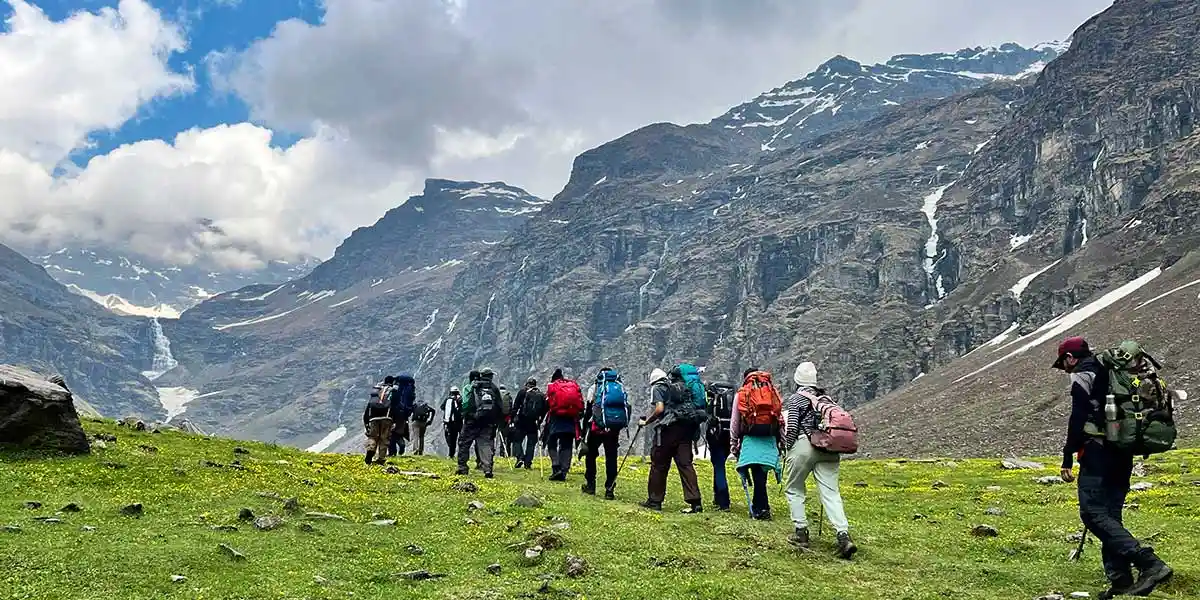
Trekking in Himachal Pradesh: Best Routes, Safety Strategy, and Seasonal Planning

Rahul Garg
February 26, 2026
Practical guide to trekking in himachal pradesh with timing strategy, route planning, and responsible travel tips.
Trekking in Himachal Pradesh: A Practical Guide for Better Trails and Safer Decisions
Trekking in Himachal Pradesh can be life-changing, but only when you plan for mountain reality, not social media expectations. The state has short forest walks, meadow day hikes, and serious high-altitude routes where weather, terrain, and fitness quickly separate prepared trekkers from unprepared ones. Most trekking failures are not because of a lack of courage; they happen because of poor sequencing. People start with route selection when they should start with health readiness, season fit, and local logistics. If you want consistently successful treks, build a clear structure before you step on the trail.
Start by defining your trek objective in one sentence. Do you want altitude exposure, scenic forest lines, campsite experience, or summit-style effort? This one decision filters route options, packing, and budget. Then match that objective to the season and your current capacity. If your main aim is a smooth first experience, reduce ambition and increase planning quality. That combination gives better long-term outcomes than chasing a difficult itinerary too early.
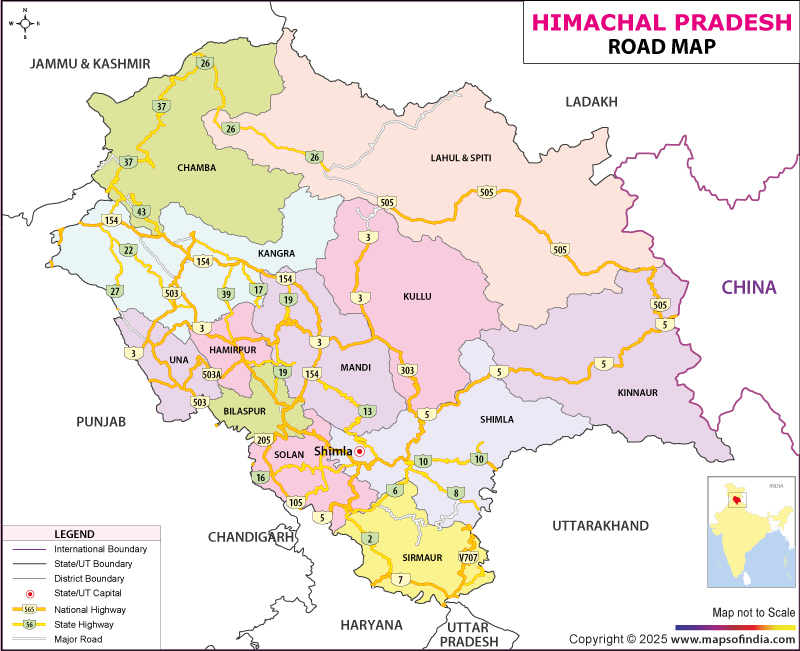
How to Choose the Right Trek in Himachal
Route selection should follow four filters: difficulty, altitude profile, trail condition, and access time from your base city. A trail that looks moderate on paper may become demanding if it starts late, has long ascent stretches, or includes unstable weather windows. Treat route choice as risk management. If your group has mixed experience, pick a trek where the least experienced member can still maintain pace safely. A trek is only successful when the whole team finishes without avoidable distress.
Many travelers combine trekking with sightseeing in the same trip. That works only when road travel and recovery windows are planned correctly. If you are building a broader itinerary around trails, map your non-trek days in advance so you do not overload high-effort days with long transfers.
Season Strategy: Timing Decides Trek Quality
In Himachal, season choice is not cosmetic, it is operational. The same route can feel joyful in one month and punishing in another. Visibility, rainfall behavior, water crossings, and ground grip all shift with timing. That is why experienced trekkers lock season first and route second. If your dates are fixed, choose the trail that suits those dates instead of forcing a famous trek in a weak weather window.
Before final bookings, compare your planned week with historical mountain patterns and current forecasts. For month-by-month travel logic, use best time to visit himachal pradesh as your seasonal baseline. Keep one extra day as a weather buffer. That one day saves more trips than any expensive gear upgrade.
Fitness and Acclimatization: The Two Non-Negotiables
You do not need elite fitness for every trek, but you do need honest fitness. Build your prep around stair climbs, loaded walks, and low-intensity endurance sessions at least three to four weeks before the trip. Focus on breath control and steady effort, not speed. Trekking performance is about consistency over hours, not short bursts.
At altitude, acclimatization should be a deliberate part of your itinerary. Gain height gradually, hydrate early, and keep your first high day conservative. Never treat headache, nausea, or unusual fatigue as normal trekking discomfort. These signals require attention. Smart trekkers descend early when needed and return stronger later.
Packing for Movement, Not Weight
Your backpack should support mobility and safety. Carry layered clothing, rain shell, traction-ready shoes, sun protection, hydration, electrolytes, compact first-aid, torch, and high-energy snacks. The best packing rule is ruthless relevance: every item must either keep you safe, keep you dry, or keep you moving. Remove the rest.
Footwear deserves priority spend. Poor grip or poor ankle support creates preventable slips and fatigue. Also pack dry socks and a weatherproof cover for essentials. In mountain terrain, wet gear quickly turns a manageable trek into a risk-heavy day.
Pacing and Group Control on Trail Day
Most teams start too fast and suffer later. A disciplined pace at the beginning gives better energy in the final stretch and makes descents safer. Keep a repeatable rhythm: move steadily, pause briefly, hydrate in small intervals, and regroup frequently. Avoid long breaks that cool muscles and break momentum.
Assign simple roles in your group. One person manages pace, one stays with the slowest trekker, and one tracks weather/time cutoffs. This structure sounds basic, but it prevents panic decisions when conditions change. If you are comparing trail styles in the Kangra side, review local route types with treks dharamshala before deciding difficulty and start time.
Weather and Turnaround Rules That Prevent Incidents
Every trek should begin with pre-committed turnaround rules. Set a hard return time, visibility threshold, and rainfall response before you start. Once you are on the mountain, summit excitement can distort judgment. Predefined limits protect you from emotional decisions.
Track cloud movement, wind shifts, and trail wetness early, not after conditions deteriorate. If signs are worsening, descend while the route is still manageable. A postponed summit is a strategic decision, not a loss. Trekkers who respect turnaround discipline build long-term mountain confidence and avoid rescue scenarios.
Budget Planning Without Compromising Safety
You can manage trek costs without cutting essentials. Save money through shared transport, simpler stays, and tighter itinerary design. Do not save by skipping proper shoes, rain layers, or hydration tools. The most expensive trekking mistakes come from avoidable incidents that start with small compromises.
If your route options include Kullu-Manali circuits, compare travel effort and trail goals against treks manali. This helps you avoid inefficient road days and improves budget utilization without reducing safety standards.
Field Errors First-Time Trekkers Repeat
Common mistakes include late starts, poor hydration discipline, no electrolyte plan, carrying unnecessary weight, and underestimating descent time. Another frequent error is ignoring recovery between consecutive trek days. Muscular fatigue, sleep deficit, and delayed food intake often show up as performance drops on day two.
To avoid this, create a simple evening protocol: change into dry layers, hydrate, eat a carb-protein meal, stretch lightly, and sleep on time. Recovery is not a luxury. It is part of your next-day safety margin.
Building a Strong Multi-Day Trek Plan in Himachal
A practical multi-day structure looks like this: arrival and rest, moderate trail day, high-value main trek day, and one buffer or recovery day. This sequence increases completion probability and reduces injury risk. Keep transfers realistic and avoid stacking long drives immediately after intense climbs.
If your itinerary includes the Dhauladhar belt, terrain and weather behavior differ by section. Route research with dhauladhar range himachal pradesh helps you set realistic effort expectations and safer daily cutoffs.
Pre-Trek Checklist You Should Use Every Time
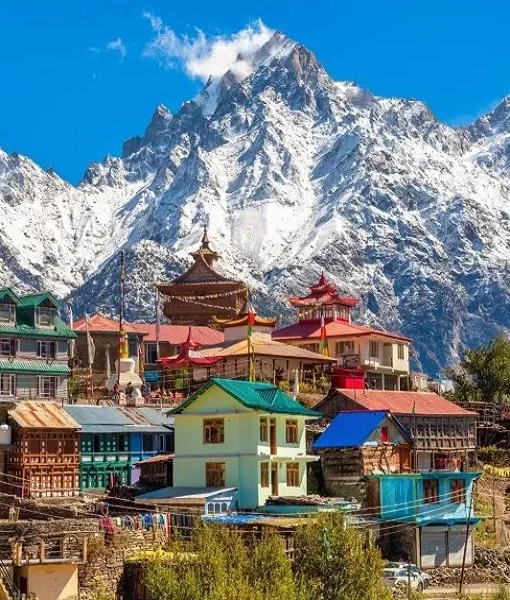
Check forecast from at least two reliable sources. Confirm start time, transport return, and nearest medical points. Download offline maps. Pack emergency contacts in your phone and on paper. Reconfirm that all group members carry water, energy snacks, protective layers, and headlamps. Decide regroup points before the first ascent section. Finalize turnaround rules in writing in your group chat so everyone aligns.
After each trek, run a short debrief: what worked, what failed, where pacing broke, and where planning held. Improvement in trekking comes from deliberate review, not from random repetition.
Conclusion
Trekking in Himachal Pradesh rewards disciplined travelers. Choose routes by fitness and season, pace with consistency, respect weather signals, and protect turnaround rules without compromise. With the right planning framework, you will complete better treks, reduce avoidable risk, and enjoy the mountains with confidence year after year.
Location
Frequently Asked Questions
Q1.What is the best time to visit?
Q2.How many days are enough?
Q3.What should I prioritize first?
Q4.How do I avoid common mistakes?
Q5.Is this suitable for first-time travelers?
Recommended For You
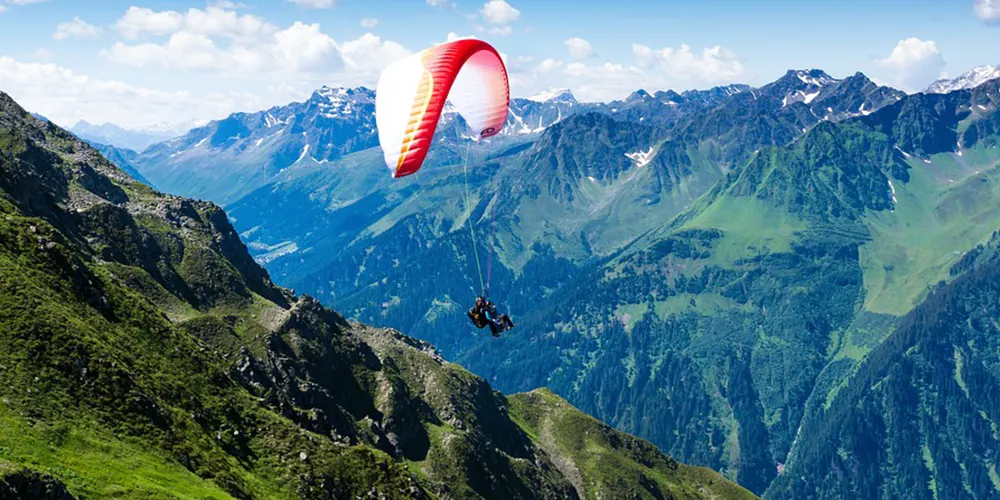
Adventure Sports in Himachal Pradesh: Activities, Seasons & Safety
Plan adventure sports in Himachal with the right activity mix, season mapping, operator checks, and safety-first itinerary design.
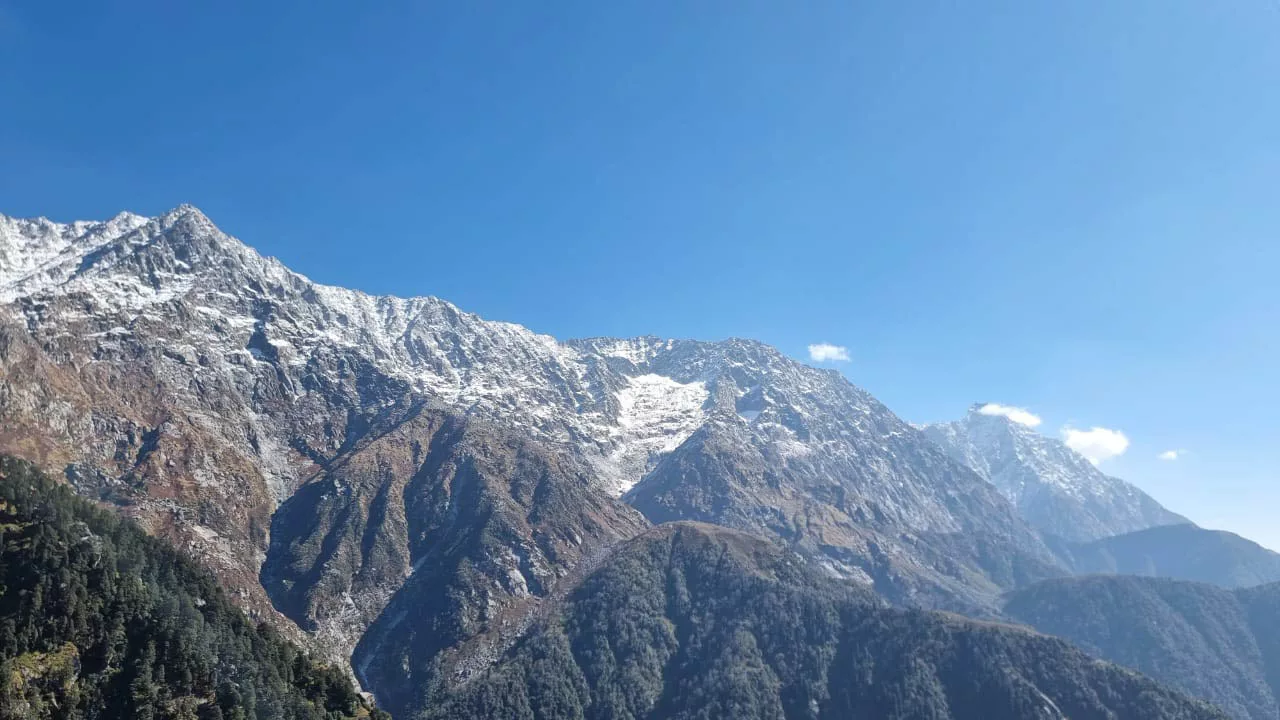
Dhauladhar Range Himachal: Trek Routes, Peaks & Best Season
Plan the Dhauladhar Range trip with the right season, trail strategy, safety rules, and practical Dharamshala-McLeodganj logistics.
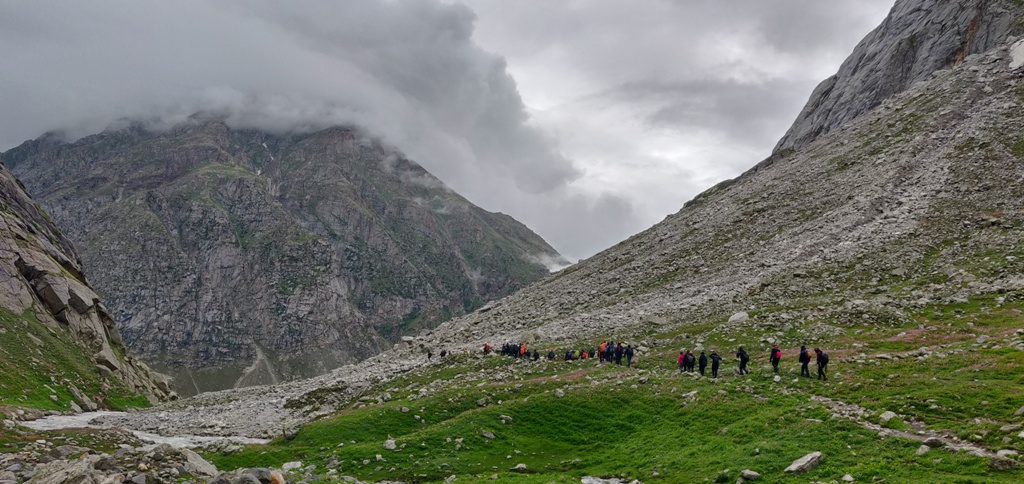
Treks in Manali: Best Routes, Camps & Difficulty Levels
Explore the best treks in Manali with difficulty-wise options, season planning, fitness prep, and practical trekking tips.
Never Miss an Adventure
Get the latest trekking guides, travel tips, and exclusive offers delivered straight to your inbox.
