
Adventure Sports in Ladakh: High Altitude Thrills in Himalayan Paradise

Neha Kapoor
February 19, 2026
Plan Ladakh adventure sports with expert tips on Khardung La biking, Zanskar rafting, Chadar trek, and high-altitude safety.
Ladakh: The Ultimate Adventure Playground
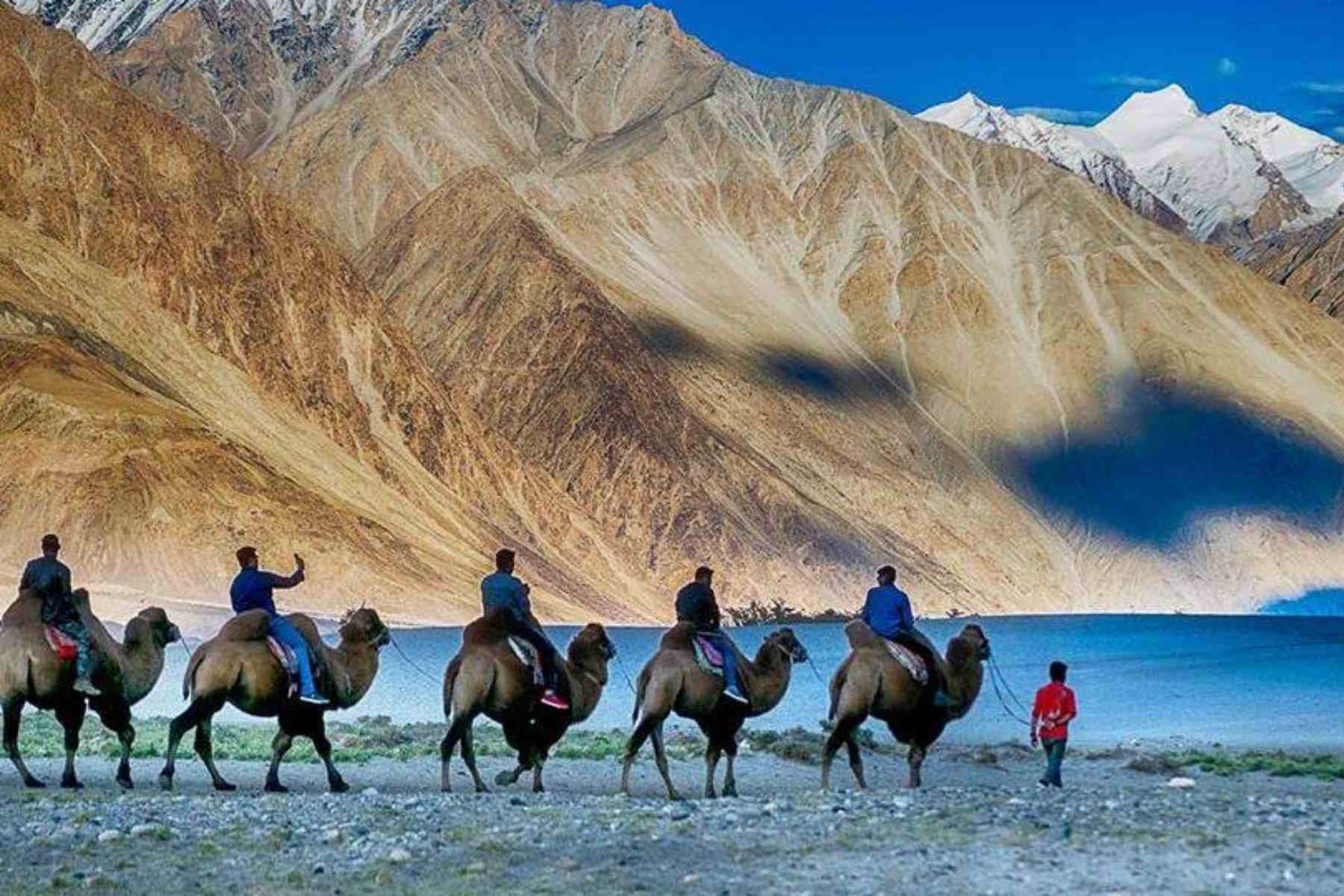
Ladakh, often called the Land of High Passes, offers adventure experiences that are simply unavailable anywhere else in India. Situated at an average altitude of 3,500 meters in the Trans-Himalayan region, this high-altitude desert landscape creates dramatic settings for adventure sports. The region's unique geography of rugged mountains, deep valleys, pristine lakes, and ancient trade routes provides opportunities for adventures that test both physical and mental limits.
What makes Ladakh truly special for adventure enthusiasts is the combination of challenging terrain with stunning natural beauty. Every adventure activity here comes with spectacular views of snow-capped peaks, turquoise lakes, or vast expanses of high-altitude desert. The region's rich Buddhist culture adds another dimension to adventure travel, where you can combine thrilling activities with visits to ancient monasteries and interaction with traditional communities that have maintained their way of life for centuries.
Top Adventure Activities in Ladakh
Mountain Biking on Khardung La
Cycling up Khardung La, the world's highest motorable road at 5,359 meters, is an experience that every adventure cyclist should have on their bucket list. The 40-kilometer ascent from Leh to Khardung La top presents a physical challenge that requires excellent fitness and proper acclimatization. The journey typically takes 5-7 hours, with riders navigating through switchbacks that offer ever-more spectacular views with each turn.
The descent is equally thrilling, with gravity assisting you as you fly past stunning landscapes. The sense of accomplishment upon reaching the top is unparalleled, as you stand on what feels like the roof of the world. Several adventure companies in Leh organize group mountain biking expeditions that include support vehicles, spare parts, and emergency oxygen. The best time for this activity is from June to September when the road is free of snow.
River Rafting in Zanskar
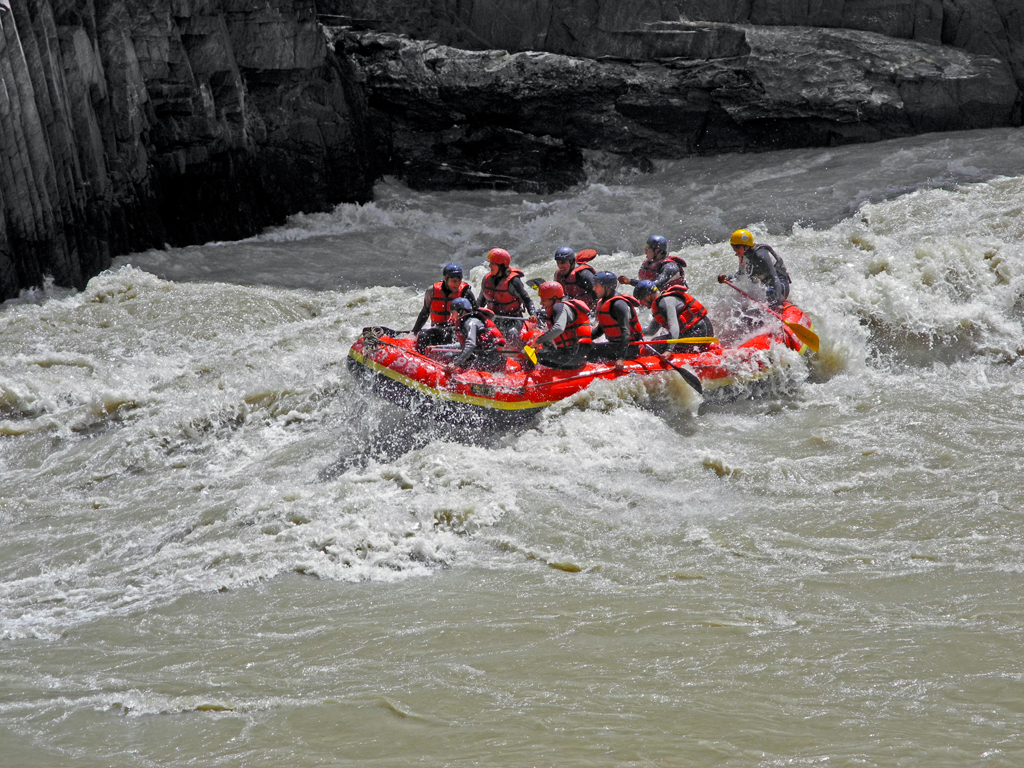
The Zanskar River offers perhaps the most challenging white water rafting in India. With Grade V rapids, freezing water temperatures, and remote locations, Zanskar rafting expeditions are serious undertakings that require previous rafting experience and excellent physical condition. The multi-day expeditions cover 100+ kilometers through spectacular gorges that can only be accessed by boat.
The rafting season is short, typically from July to August when glacial melt ensures sufficient water volume. This narrow window makes Zanskar expeditions highly sought after by serious rafting enthusiasts. The expedition includes camping on river banks under the stars, navigating through rapids with names like Pin Moraine and Zongza, and hiking around impossibly beautiful canyons when water levels make rafting impossible.
The Chadar Trek - Frozen River Trek
The Chadar Trek is one of Ladakh's most unique winter adventures, taking place on the frozen Zanskar River. During January and February, when temperatures plummet to -30°C, the river freezes solid, creating a walking trail through a magnificent gorge of ice and rock. The trek covers approximately 105 kilometers over 8-10 days, following the traditional trade route used by locals when trails were snowed in.
Walking on frozen river ice, passing through frozen waterfalls and camping in caves along the riverbank, creates an adventure unlike any other. The surreal blue ice formations, towering rock faces that seem to touch the sky, and the stark beauty of the Zanskar valley in winter make this trek deeply transformative. Chadar requires preparation for extreme cold, proper layering, and mental stamina for long walking days in challenging conditions.
Trekking in Markha Valley
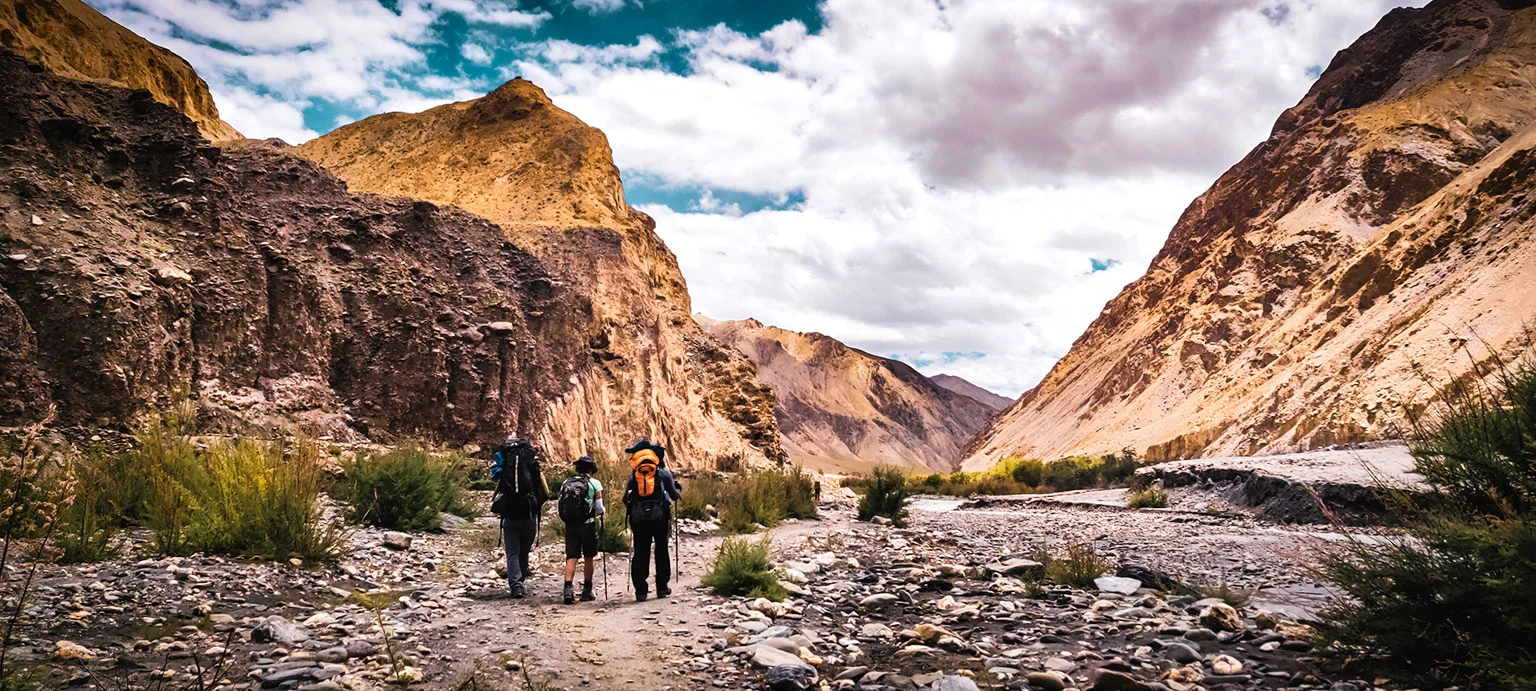
The Markha Valley trek is Ladakh's most popular trekking route, offering a perfect introduction to high-altitude Himalayan trekking. For those seeking even more challenging treks, consider Stok Kangri or expeditions in the Hemis National Park region. The route offers diverse landscapes, from rocky gorges to green valleys, from traditional villages to remote camping spots.
What makes Markha Valley special is its accessibility to trekkers of varying experience levels. The trails are well-marked, villages along the way provide homestay accommodation, and the gradual ascent helps with acclimatization. Highlights include camping near Kang Yatse Peak, crossing rivers on makeshift bridges, and experiencing Ladakhi culture in traditional villages where life has remained unchanged for centuries.
Rock Climbing & Bouldering
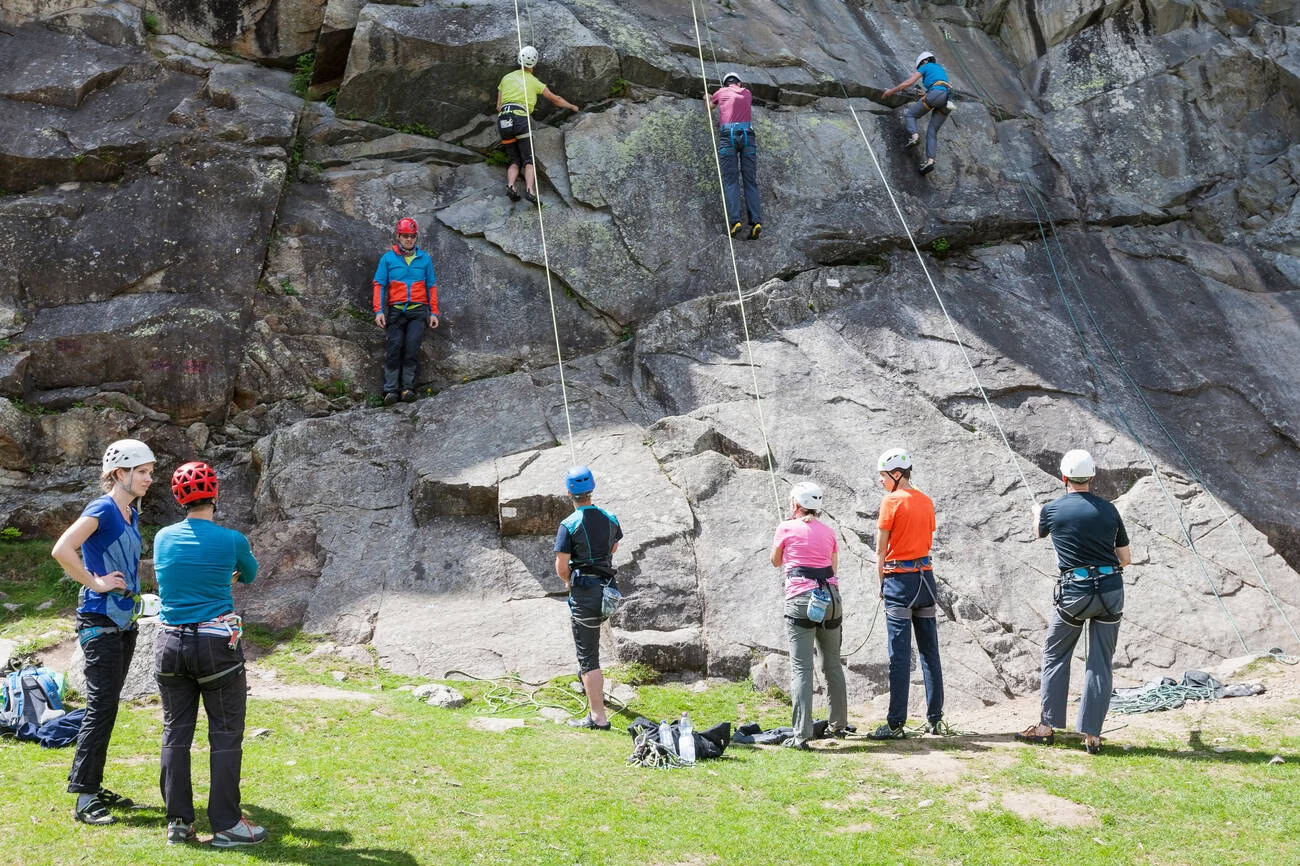
Ladakh's granite cliffs and boulders offer excellent rock climbing opportunities. The area around Leh has several developed crags with sport climbing routes ranging from 5b to 8a difficulty levels. Artificial climbing walls in Leh provide training facilities for beginners and warm-up areas for experienced climbers.
Bouldering enthusiasts will find numerous problems in the boulder fields scattered across Ladakh's landscape. The unique aspect of bouldering in Ladakh is the setting – imagine solving problems with Buddhist monasteries or snow peaks in the background. Local adventure companies like Northern Escape organize climbing expeditions and provide all necessary equipment.
Adventure Infrastructure in Ladakh
Leh, the capital of Ladakh, serves as the adventure hub with numerous adventure sports companies, equipment rental shops, and training facilities. The town has seen significant development in adventure infrastructure over the past decade, with certified guides, international-standard equipment, and professional safety protocols becoming the norm.
The Ladakh Mountain Rescue Team, established in 2011, provides emergency response services for adventure activities. Their presence has dramatically improved safety standards across the region. Most adventure operators now maintain communication systems, carry emergency oxygen, and have evacuation plans for emergencies.
Best Time for Adventure Sports in Ladakh
The adventure season in Ladakh is short but intense. June to September is the only window for most adventure activities, with July and August being peak season. During these months, roads are accessible, rivers are raftable, and temperatures are moderate (by Ladakhi standards) during the day.
Winter presents unique opportunities like the Chadar Trek but requires extreme cold preparation. Spring (March-April) offers good conditions for cultural trekking and mountain biking, though high passes may still have snow. Autumn (October-November) provides clear skies and stable weather for trekking and climbing.
Altitude Sickness & Acclimatization
Acclimatization is the single most important consideration for adventure sports in Ladakh. The altitude requires respect and careful planning. Anyone flying directly to Leh (3,500m) should rest for at least 24 hours before engaging in any physical activity. Gradual ascent through stops at Kargil or Alchi can help acclimatization for road travelers.
AMS symptoms include headache, nausea, fatigue, and breathlessness. The only cure is descent, and symptoms usually improve within 24-48 hours of moving to lower altitude. Adventure operators monitor participants for AMS signs and carry emergency evacuation plans. Diamox is commonly used both for prevention and treatment, but it's not a substitute for proper acclimatization.
Adventure Tour Operators in Ladakh
Several reputable companies organize adventure activities in Ladakh. Northern Escape, Ladakh Riders, and Ladakh Expeditions are well-known for their professional operations and experienced guides. These companies provide equipment, trained instructors, support staff, and emergency response capabilities.
When choosing an operator, verify their experience level, safety record, and group sizes. Smaller groups generally provide better experiences and more personalized attention. Check that they employ local guides who know the terrain, culture, and emergency procedures. Good operators will also emphasize environmental responsibility and respect for local culture.
Permits & Documentation
Indian citizens don't require Inner Line Permits for most parts of Ladakh. However, certain areas near the borders require special permits. Foreign nationals need Inner Line Permits for Ladakh, which are easily obtainable online or through registered tour operators. The permit process is straightforward and usually takes 1-2 days.
For specific activities like climbing expeditions or cross-border treks, additional permissions from the Indian Mountaineering Foundation or local authorities may be required. Your adventure operator will usually handle these formalities as part of their package.
Equipment and Gear
High-altitude adventure requires specialized equipment. Good quality hiking boots with ankle support are essential for trekking. Layered clothing that includes moisture-wicking base layers, insulation layers, and windproof outer layers helps manage Ladakh's variable weather. Sun protection (SPF 50+ sunglasses, wide-brim hats, sunscreen) is critical due to thin air and strong UV radiation.
For technical activities like climbing and rafting, operators provide specialized equipment. For treks like Chadar, you'll need four-season tents rated for -30°C, sleeping bags rated for -20°C, and waterproof trekking boots. Renting gear in Leh is possible and practical for most travelers.
Staying Connected
While remote areas have limited connectivity, BSNL and Airtel provide 4G services in most parts of Ladakh including Leh and many trekking routes. Jio has expanded its network significantly. Many villages enroute popular treks have basic connectivity. However, don't depend entirely on mobile coverage – carry satellite phones or satellite messengers for expeditions.
Adventure operators typically use satellite communication devices for safety in remote areas. These devices allow them to weather updates, request evacuations, and coordinate logistics. The ability to communicate is crucial for emergency response and logistical coordination.
Cultural Respect
Ladakh is home to vibrant Buddhist culture, and adventure travelers should respect local customs and traditions. Dress modestly when visiting monasteries and villages. Ask permission before photographing people or religious sites. Avoid trekking through monasteries during prayer times.
Support local communities by hiring local guides and porters, staying in homestays, and purchasing local products. Environmental responsibility is crucial – follow Leave No Trace principles, dispose of waste properly, and respect wildlife. Many adventure operators now emphasize eco-friendly practices.
Combining Adventure with Culture
One of Ladakh's greatest attractions is the ability to combine adventure activities with cultural experiences. A typical adventure itinerary might include trekking through remote villages, visiting ancient monasteries like Thiksey and Hemis, attending local festivals, and experiencing traditional Ladakhi hospitality in homestays.
Many adventure operators now offer cultural-immersion adventure packages that include activities like learning traditional cooking, participating in festivals, and visiting local schools. This holistic approach provides deeper insights into Ladakhi life and creates more meaningful travel experiences.
Transportation to Ladakh
Kushok Bakola Rimpochee Airport in Leh has daily flights from Delhi, Mumbai, and Srinagar. The flight itself is an adventure, offering spectacular views of the Himalayas. Road travel via Srinagar (Zoji La Pass) or Manali (Rohtang Pass) is an adventure in itself, with stunning scenery and challenging road conditions.
The road from Manali is particularly popular among adventure travelers, as it offers a gradual acclimatization experience. The journey takes 2-3 days with overnight stops in Keylong and Jispa. Many travelers also combine this with the Atal Tunnel experience. Many travelers choose to fly to Leh for their adventure and then drive back via Manali, making a complete circular journey.
Cost of Adventure Activities in Ladakh
Adventure activities in Ladakh are reasonably priced compared to international destinations. A Markha Valley trek costs ₹12,000-18,000 for 7-8 days, including all meals, camping, guide, and porters. Zanskar rafting expeditions cost ₹35,000-50,000 for 7-10 days. Mountain biking on Khardung La costs ₹8,000-12,000 including bike rental, support vehicle, and permits.
The Chadar trek costs ₹15,000-20,000 for the full expedition. These prices typically include equipment rental, food, accommodation, guides, and support staff. Budget options exist for independent travelers, though hiring local guides and porters is recommended for safety and to support local communities.
Safety and Emergency Response
Ladakh's remote location makes safety paramount. Always travel with reputable operators who have emergency protocols and communication systems. Carry comprehensive first-aid kits and know basic emergency procedures. For serious activities, consider travel insurance that covers emergency evacuation.
The Ladakh Mountain Rescue Team can be contacted for emergencies, though response times vary based on location. All major adventure incidents should be reported to the local authorities. The Army and border forces also provide assistance in emergencies, particularly in remote areas.
Conclusion
Ladakh offers adventure experiences that are unmatched in their scale, beauty, and challenge. The combination of high-altitude terrain, stunning landscapes, and rich cultural heritage creates adventures that transform participants in ways that last a lifetime. Whether you're cycling on the world's highest motorable road, rafting through spectacular gorges, trekking on frozen rivers, or climbing granite cliffs with ancient monasteries in the background, Ladakh delivers adventures that are truly extraordinary.
The region's short adventure season makes every opportunity precious. Planning, preparation, and respect for the mountains are essential for safe and enjoyable adventures. For those willing to make the journey, Ladakh rewards with experiences that are simply not available anywhere else on Earth – a true adventure paradise that continues to inspire and challenge thrill seekers from around the world.
Location
Frequently Asked Questions
Q1.What adventure sports can I do in Ladakh?
Q2.What is the best time for adventure sports in Ladakh?
Q3.Is cycling on Khardung La safe?
Q4.How much does adventure sports cost in Ladakh?
Q5.Do I need Inner Line Permit for Ladakh?
Q6.How do I prepare for Ladakh's high altitude?
Q7.Is rafting in Zanskar suitable for beginners?
Q8.What permits are required for Chadar trek?
Recommended For You
Rock Climbing in Ladakh: Climbing Areas, Grades & Season
Complete guide to rock climbing in Ladakh: best spots (Shey, Nimmu, Phyang), difficulty levels, equipment needed, costs, training centers, and essential safety tips for high-altitude climbing.
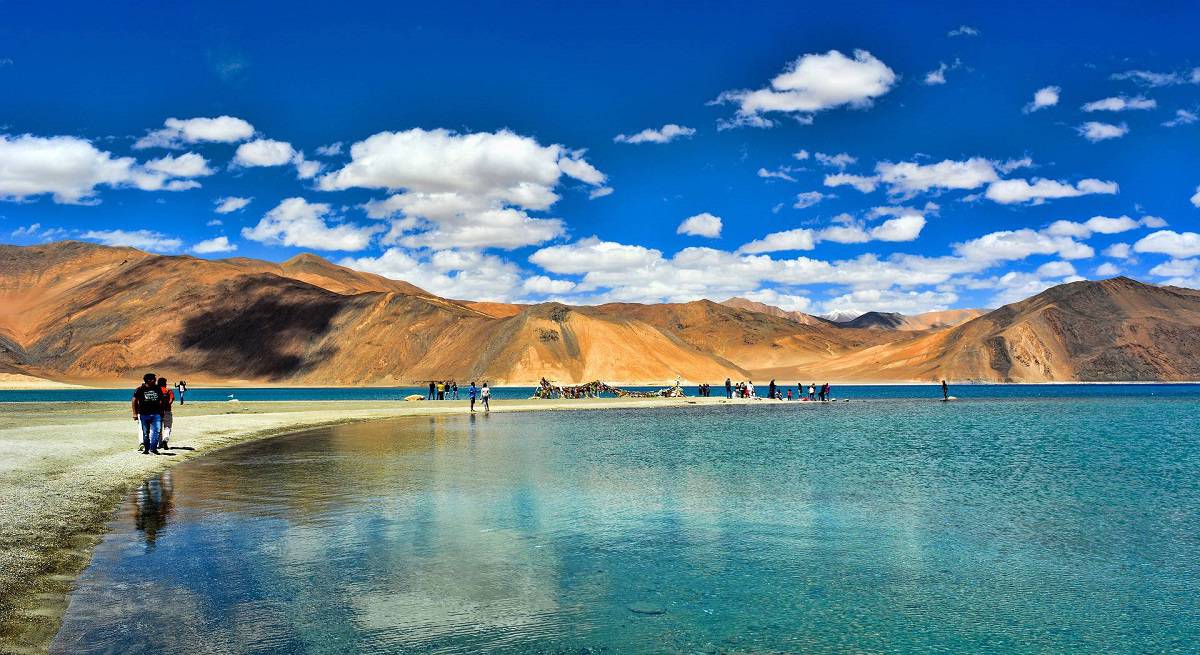
Pangong Lake Ladakh: Best Time, Permit Rules & Stay Options
Complete Pangong Lake guide: best time to visit, permits, how to reach from Leh, stay options & travel tips.
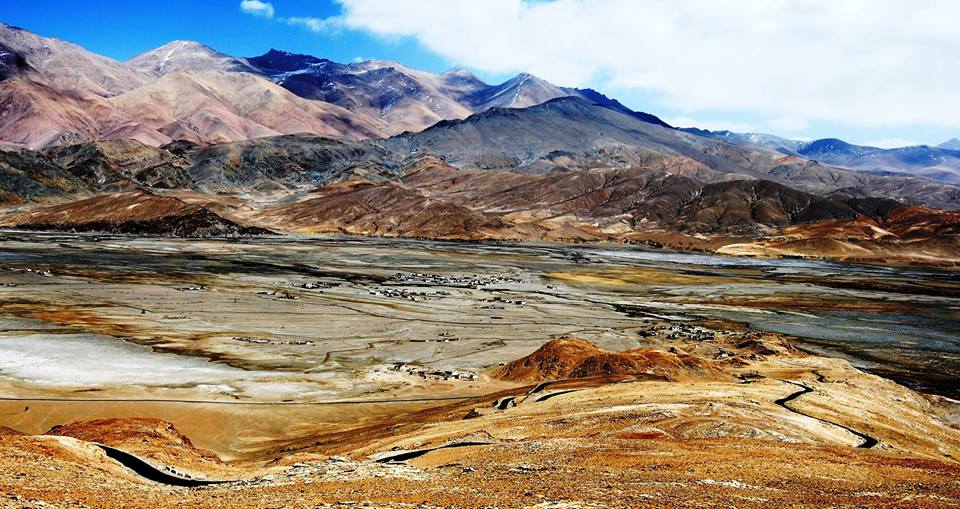
Hanle Village Ladakh: Stay Options, Route & Travel Essentials
Explore Hanle Village Ladakh with practical guidance on stargazing, permits, routes, monastery visits, weather, and remote-stay planning.
Never Miss an Adventure
Get the latest trekking guides, travel tips, and exclusive offers delivered straight to your inbox.
