
Rock Climbing in Ladakh: Climbing Areas, Grades & Season

Ananya Sharma
February 13, 2026
Complete guide to rock climbing in Ladakh: best spots (Shey, Nimmu, Phyang), difficulty levels, equipment needed, costs, training centers, and essential safety tips for high-altitude climbing.
Vertical Adventures in the Himalayas
Ladakh, often called the "Land of High Passes," has emerged as one of India's most exciting rock climbing destinations. Nestled between the Great Himalayas and the Karakoram range, this high-altitude desert offers adventure enthusiasts a unique climbing experience that combines challenging routes with breathtaking scenery. The region's dramatic granite walls, limestone formations, and boulder fields provide diverse terrain suitable for climbers of all skill levels. For those seeking more adventure activities in Ladakh, rock climbing is just one of many exciting options available.
What sets rock climbing in Ladakh apart from other Indian climbing destinations is the sheer variety of terrain and the spiritual dimension of climbing in these sacred mountains. From the bolted sport routes near Leh to traditional bouldering in remote villages, Ladakh offers climbing experiences that range from beginner-friendly introductory sessions to challenging multi-pitch ascents that test even the most experienced climbers.
The growing popularity of rock climbing in Ladakh can be attributed to several factors: improved infrastructure, professional training facilities, certified guides, and the region's increasing accessibility. However, the high altitude (Leh sits at 3,500 meters) and rugged terrain demand proper preparation, respect for acclimatization requirements, and a conservative approach to safety. This comprehensive guide covers everything you need to know about rock climbing in Ladakh, from the best climbing spots and difficulty levels to equipment requirements, costs, and essential safety tips.
Best Rock Climbing Spots in Ladakh
Leh Area: Shey Smatse and Spituk
The area surrounding Leh, the capital of Ladakh, offers several excellent climbing sites that are easily accessible and suitable for day trips. Shey Smatse, located about 15 kilometers from Leh, is one of the most popular climbing areas. The granite walls here offer both sport and traditional routes, with difficulties ranging from 5b to 7b on the French grading system. The climbing is characterized by solid rock, excellent friction, and stunning views of the Indus Valley.
Spituk, another popular climbing area near Leh, features a mix of sport routes and boulder problems. The Spituk monastery area has several bolted routes that are perfect for beginners, while the more advanced crags nearby offer challenging climbs for experienced climbers. The proximity to Leh makes these spots ideal for climbers who want to combine climbing with cultural exploration of the monasteries and local villages.
Nimmu Village: Popular Climbing Site
Nimmu Village, located about 40 kilometers from Leh on the Leh-Srinagar highway, has gained recognition as one of Ladakh's most important climbing destinations. The area features quality granite walls with well-bolted sport routes. The climbing at Nimmu is diverse, with both vertical faces and overhanging sections that test strength and technique.
What makes Nimmu special is the variety of routes available within a small area. Climbers can find everything from easy warm-up routes (4-5 grade) to challenging climbs that require advanced skills (7b+). The village setting adds to the charm, and climbers often combine their climbing trips with homestay experiences in traditional Ladakhi homes. The area is particularly popular during the summer months when weather conditions are stable.
Phyang Valley: Boulder Fields
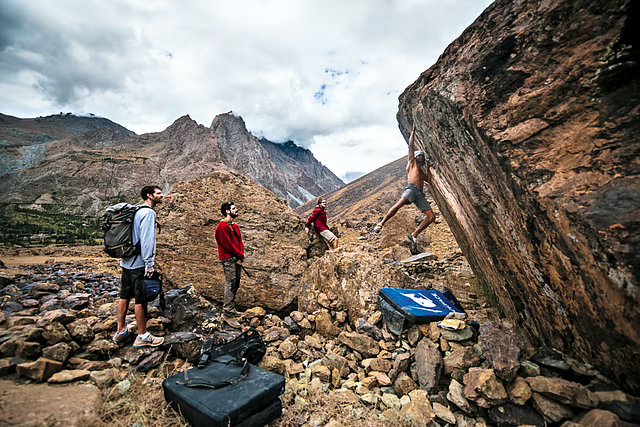
Phyang Valley, located about 20 kilometers west of Leh, is a bouldering paradise. The area is scattered with large granite boulders of various sizes and shapes, offering problems that require power, technique, and creativity. Bouldering in Phyang has gained popularity in recent years, with climbers establishing new problems regularly.
The valley's high-altitude setting adds an extra challenge to bouldering. The thin air means you'll tire faster, but the reward is climbing in one of the most beautiful settings imaginable. The Phyang Monastery overlooks the bouldering area, and climbers often take breaks to explore this historic 16th-century monastery. The best time for bouldering in Phyang is early morning or late afternoon when the rock is cool and offers better friction.
Likir: Traditional Climbing Rocks
Likir, home to the famous Likir Monastery, offers excellent opportunities for traditional climbing. The rock formations around the village feature natural cracks and features that are perfect for placing protection. Traditional climbers appreciate the quality of the granite here, which is solid and offers excellent climbing despite the high altitude.
The climbing around Likir is less developed than other areas, meaning fewer bolted routes and more adventure. This area is ideal for experienced climbers who are comfortable placing their own gear and exploring new terrain. The combination of quality climbing, cultural richness, and relative solitude makes Likir a favorite among serious climbers visiting Ladakh.
Alchi Area: Scenic Climbing Routes
The Alchi area, famous for its 11th-century Alchi Monastery, offers scenic climbing routes that combine adventure with cultural exploration. The rock quality here varies, with some areas featuring excellent granite while others have more brittle limestone. Climbing in Alchi is about the complete experience - challenging routes during the day and exploring ancient monasteries and traditional villages in the evenings.
Artificial Walls in Leh
For those who want to practice or learn in a controlled environment, Leh now has artificial climbing walls. These facilities are perfect for beginners who want to learn basic techniques before attempting outdoor climbs. The artificial walls also serve as excellent training grounds during bad weather when outdoor climbing isn't possible.
Difficulty Levels and Routes
Beginner Routes
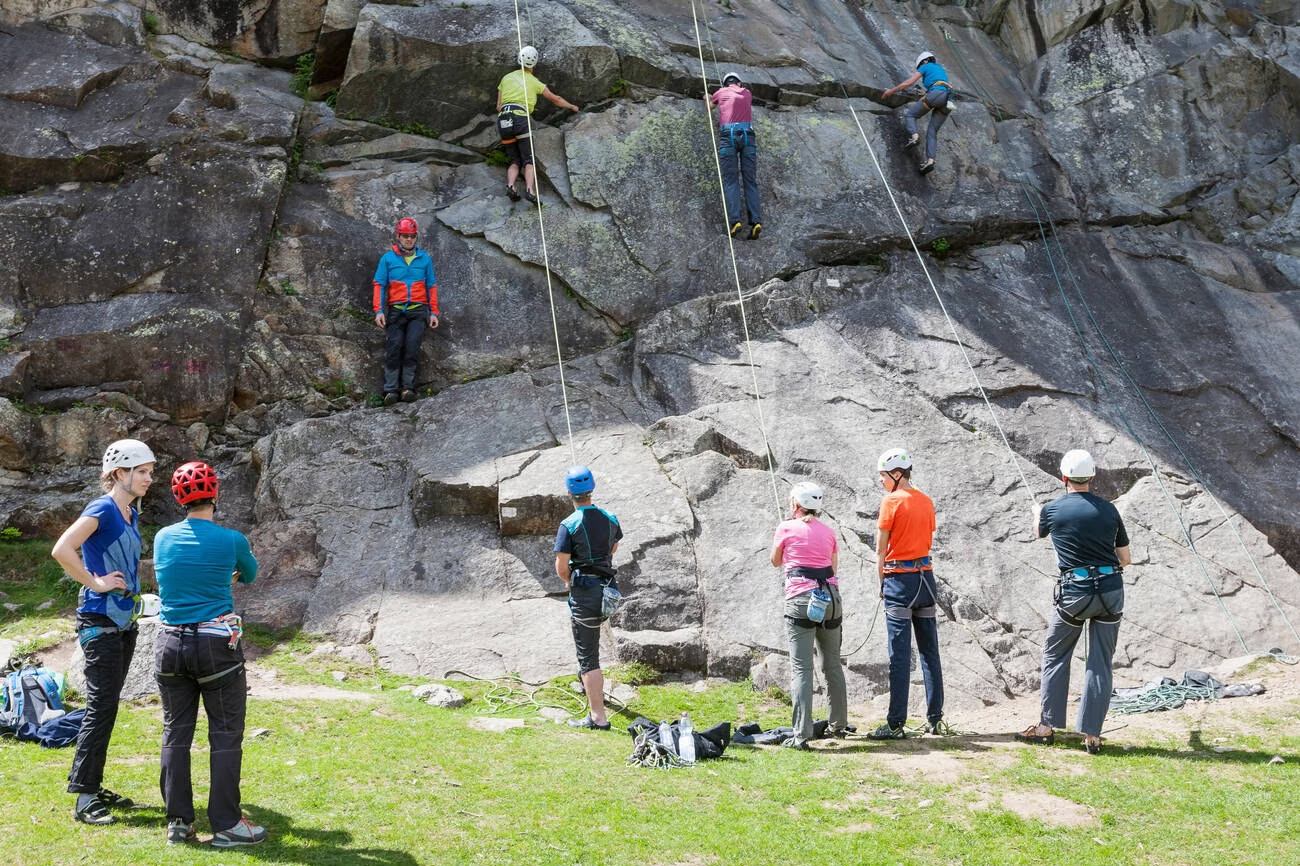
Ladakh offers several excellent options for beginners. The artificial walls in Leh provide the perfect starting point, with routes specifically designed for first-time climbers. For outdoor climbing, the easier routes at Shey Smatse and Spituk are ideal, with grades ranging from 4 to 5b on the French scale. These routes are typically well-bolted, have good holds, and offer manageable heights for those new to the sport.
Beginners should start with single-pitch routes that don't require complex anchor building or advanced techniques. The focus should be on learning basic movement skills, proper belaying technique, and getting comfortable with exposure at height. Most climbing operators in Leh offer introductory courses that cover these fundamentals in a safe, controlled environment.
Intermediate Routes
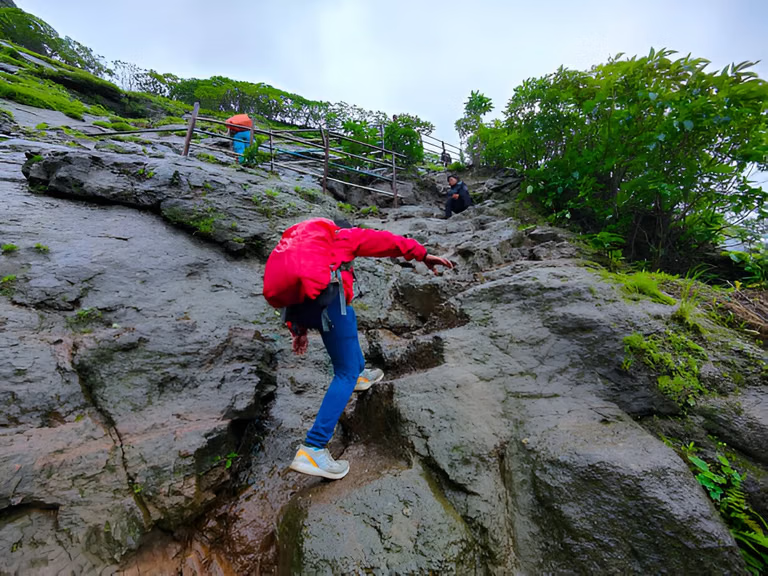
Intermediate climbers will find plenty of challenges in Ladakh. Routes graded 5c to 6b+ offer technical climbing that requires good technique, strength, and mental focus. The Nimmu Village area has several excellent intermediate routes, including some classic climbs that have become local test pieces.
These routes often feature sustained climbing with fewer rests, requiring climbers to be efficient with movement and energy conservation. The high altitude adds an extra challenge, so routes that might feel easy at sea level can feel significantly harder in Ladakh. Intermediate climbers should be prepared for this difference and choose routes that are a grade easier than their usual limit.
Advanced Routes
For experienced climbers, Ladakh offers challenging routes that push physical and mental limits. Advanced routes graded 6c and above feature small holds, steep angles, and sequences that require precise movement and significant strength. The area around Shey Smatse has several hard sport routes that have attracted strong climbers from across India and abroad.
Multi-pitch routes are also available for those seeking longer adventures. These routes require not only climbing ability but also knowledge of anchor building, rope management, and efficient route-finding. The commitment level is higher, and climbers need to be self-sufficient in case of emergencies.
Route Grading System
Ladakh primarily uses the French grading system for sport routes. This system uses numbers and letters, starting from 4 (very easy) up to 9a (extremely difficult). Most climbing areas in Ladakh feature routes in the 5 to 7b range, suitable for intermediate to advanced climbers. Beginners typically start on 4 to 5a routes before progressing to harder grades.
Equipment and Gear Required
Climbing Shoes
Climbing shoes are arguably the most important piece of equipment. They should fit snugly, with toes curled slightly for maximum precision on small holds. The rubber soles provide the friction needed for smearing on smooth rock surfaces. For Ladakh's granite, shoes with sticky rubber and moderate stiffness work well. Beginners can rent shoes in Leh, but serious climbers should invest in their own pair.
Harness
A comfortable, well-fitting harness is essential for safety. Modern harnesses are lightweight and have adjustable leg loops that accommodate different clothing layers - important in Ladakh where temperatures can vary significantly. Look for a harness with adequate gear loops if you plan to lead climb and carry quickdraws.
Helmet
A helmet is non-negotiable when climbing in Ladakh. The risk of rockfall is real, especially on less-traveled routes and areas with loose rock. A good climbing helmet protects against falling rocks and also provides head protection in case of a fall. Modern helmets are lightweight and well-ventilated, making them comfortable for all-day use.
Ropes and Carabiners
For sport climbing, a single dynamic rope (60-70 meters) with a diameter of 9.5-10.5mm is ideal. The rope should be UIAA certified for safety. Carabiners should be locking type for belaying and anchor building. Quickdraws (two carabiners connected by a sling) are needed for clipping bolts on sport routes. Most climbing operators in Leh provide this equipment if you're taking a guided course.
Chalk Bag
Chalk improves grip by absorbing sweat from your hands. A chalk bag worn around your waist keeps chalk accessible during climbs. In Ladakh's dry climate, you might need less chalk than in humid environments, but it's still an essential piece of equipment, especially for difficult routes.
Rental Options in Leh
For travelers who don't want to carry heavy gear, Leh has several equipment rental shops. Daily rental rates typically range from ₹500-1,000 for a complete kit including shoes, harness, helmet, and hardware. This is an excellent option for climbers who want to try the sport without investing in equipment upfront.
Best Time for Rock Climbing in Ladakh
Summer (June-September): Ideal Conditions
The summer months from June to September offer the best climbing conditions in Ladakh. During this period, temperatures are moderate (15-25°C during the day), the weather is generally stable, and most roads and passes are open. This is also when most climbing operators are active and offer courses and guided trips.
July and August are the peak months, but this is also when Ladakh receives most of its rainfall. While rain is less common than in other parts of India, afternoon showers can make rock surfaces slippery. Early morning climbing sessions are recommended during these months to take advantage of dry conditions and cooler temperatures.
Shoulder Months: May and October
May and October are the shoulder months that offer good climbing conditions with fewer crowds. The weather can be variable - May might still have some snow at higher elevations, while October sees increasing cold temperatures and the possibility of early snowfall. However, these months often have excellent rock conditions and clearer skies than the peak monsoon period.
Winter: Too Cold for Climbing
Winter (November to March) is not suitable for outdoor climbing in Ladakh. Temperatures drop well below freezing, and most climbing areas are inaccessible due to snow. This is when climbers focus on indoor training walls or head to lower-altitude climbing destinations in India.
Daily Timing
The best time to climb during the day is early morning (6:00-10:00 AM) and late afternoon (4:00-6:00 PM). Midday sun can make rock surfaces uncomfortably hot and reduce friction. The morning sessions are particularly pleasant, with cool rock, calm winds, and beautiful morning light illuminating the valleys.
Cost and Training Options
Day Climbing Costs
A guided day of climbing typically costs between ₹1,500-3,000, depending on the location, number of routes, and level of instruction included. This price usually covers the guide fee, basic equipment rental, and sometimes transportation to the climbing site. Group rates are available and can significantly reduce the per-person cost.
Equipment Rental
Equipment rental costs are reasonable, with complete kits available for ₹500-1,000 per day. Individual items can be rented separately - shoes (₹200-300), harness (₹150-200), helmet (₹100-150), and rope hardware (₹300-500). Renting is cost-effective for climbers who only plan a few days of climbing during their Ladakh trip.
Courses and Training
For those wanting to learn properly, structured courses are the best option. A 3-day basic course typically costs around ₹5,000 and covers fundamental techniques, safety procedures, belaying, and basic anchor building. These courses are excellent investments for beginners who plan to continue climbing after their Ladakh trip.
Advanced courses, including lead climbing, multi-pitch techniques, and rescue skills, are also available and cost ₹8,000-12,000 depending on duration and content. These courses are taught by certified instructors with years of experience in the Himalayas.
Training Centers in Leh
Leh has several climbing centers and adventure sports companies that offer courses and guided trips. These centers employ certified instructors, provide quality equipment, and follow international safety standards. Some popular centers have artificial walls where beginners can learn before attempting outdoor climbs.
Certified Guides Availability
Certified climbing guides are available in Leh throughout the climbing season. It's highly recommended to hire a guide, especially for your first time climbing in Ladakh. Guides know the best routes, understand local weather patterns, can provide valuable instruction, and most importantly, ensure safety. Their local knowledge is invaluable for finding routes that match your ability and for accessing climbing areas.
Group Tour Packages
Several tour operators offer group climbing packages that combine multiple activities including trekking, rafting, and climbing. These packages often work out more economical than arranging everything separately and provide a complete Ladakh adventure experience. Group sizes are typically kept small (4-8 participants) to ensure personalized attention from guides.
Safety Tips and Preparation
Acclimatize Properly Before Climbing
The most important safety consideration for climbing in Ladakh is proper acclimatization. The high altitude affects physical performance significantly, and attempting strenuous activity before acclimatizing can lead to acute mountain sickness (AMS). Plan to spend at least 2-3 days in Leh before attempting any serious climbing. Use this time for light activity, hydration, and letting your body adjust to the altitude.
Always Climb with a Partner
Never climb alone, especially in a remote area like Ladakh. A climbing partner is essential for belaying, but also for safety in case of accidents or emergencies. If you're traveling solo, join a climbing group or hire a guide. The climbing community in Leh is welcoming, and it's usually possible to find partners through guesthouses, climbing centers, or online forums.
Check Weather Conditions
Weather in the mountains can change rapidly. Start each climbing day by checking the weather forecast and observing sky conditions. Be prepared to abort plans if weather deteriorates. Afternoon thunderstorms are common in summer, so plan climbs for the morning when possible. Carry appropriate clothing for sudden weather changes - a light jacket and rain shell should always be in your pack.
Stay Hydrated and Fueled
The dry mountain air and physical exertion of climbing lead to rapid dehydration. Drink water consistently throughout the day, not just when you feel thirsty. Carry at least 2-3 liters of water for a full day of climbing. Energy snacks like nuts, dried fruit, and chocolate provide quick fuel between climbs. The high altitude can suppress appetite, so make a conscious effort to eat enough to maintain energy levels.
Use Certified Equipment
Always use UIAA/CE certified climbing equipment. Counterfeit or uncertified gear might look similar but can fail under load. If renting equipment, verify that the rental shop maintains their gear properly and replaces it according to manufacturer recommendations. Check personal equipment regularly for wear - ropes for fraying, harnesses for damaged stitching, and carabiners for gate smoothness.
Learn Basic Climbing Techniques
Proper technique not only makes climbing more efficient but also safer. Learn to use your legs for upward movement rather than pulling with your arms. Keep your hips close to the wall for better balance. Plan moves ahead to avoid getting into difficult positions. A good course will teach these fundamentals and help you develop safe climbing habits from the start.
Emergency Contacts and Preparation
Always carry a basic first aid kit and know how to use it. Have emergency contact numbers saved in your phone - local rescue services, your guide's contact, and the contact for your guesthouse or hotel. For remote climbing areas, consider carrying a satellite phone or emergency beacon, as cell phone coverage is unreliable in Ladakh's mountains. Leave your climbing plan with someone - where you're going, what route, and when you expect to return.
Final Thoughts
Rock climbing in Ladakh offers an adventure that goes beyond physical challenge. It's an opportunity to experience the Himalayas intimately, to push your limits in one of the world's most spectacular settings, and to connect with a landscape that has inspired adventurers for centuries. Whether you're a beginner clipping bolts for the first time or an experienced climber seeking new challenges, Ladakh's cliffs and boulders have something to offer.
The key to a successful climbing trip in Ladakh is proper preparation, respect for the altitude, and a conservative approach to safety. Take time to acclimatize, hire local guides for their expertise, use quality equipment, and don't let ego push you beyond your abilities. The mountains will always be there, and returning home with great memories and stories is far more important than sending a particular route.
For those inspired to explore more of Ladakh's adventures, the region offers incredible trekking opportunities, other adventure sports, and optimal travel times to plan your visit. Whether you're planning a dedicated climbing trip or combining climbing with other Ladakh experiences, proper planning will ensure a safe and memorable adventure in this Himalayan paradise.
Location
Frequently Asked Questions
Q1.Is rock climbing safe in Ladakh?
Q2.What is the best time for rock climbing in Ladakh?
Q3.Do I need prior experience for rock climbing in Ladakh?
Q4.What equipment is needed for rock climbing in Ladakh?
Q5.How much does rock climbing cost in Ladakh?
Q6.Are there rock climbing training centers in Leh?
Q7.Where are the best rock climbing spots in Ladakh?
Q8.Can beginners try rock climbing in Ladakh?
Recommended For You
Leh Ladakh Family Trip: Itinerary, Acclimatization & Kid-Friendly Stops
Plan a safe family trip to Leh Ladakh with kids. Best time, itinerary, acclimatization tips & child-friendly activities included.
Acute Mountain Sickness in Ladakh: Prevention
Complete guide to Acute Mountain Sickness in Ladakh. Learn symptoms, prevention, medicines, acclimatization tips & safety measures for high-altitude travel.
Uleytokpo Village Ladakh: River Stays, Route & Travel Tips
Plan Uleytokpo Village Ladakh with route logic, stay strategy, and practical timing tips for low-rush travel.
Never Miss an Adventure
Get the latest trekking guides, travel tips, and exclusive offers delivered straight to your inbox.
