
Stok Kangri Trek Ladakh: Route Best Time And Permits

Priya Mehta
November 20, 2025
Complete guide to Stok Kangri Trek Ladakh 2026: Difficulty, best time, itinerary, preparation, gear, permits, costs for climbing 6,153m peak.
Introduction: Conquering Ladakh's Highest Trekable Peak
Standing tall at 6,153 meters (20,187 feet), Stok Kangri is one of the highest trekable peaks in India and a coveted destination for adventure enthusiasts from around the world. Located in the majestic Ladakh region of Jammu and Kashmir, this magnificent peak offers trekkers a challenging yet rewarding experience that combines high-altitude mountaineering with breathtaking Himalayan vistas. The trek to Stok Kangri is not merely a journey to a summit; it's a test of endurance, willpower, and acclimatization that rewards successful climbers with unparalleled views of the Zanskar Range, Indus Valley, and surrounding peaks including K2 from the summit.
What makes Stok Kangri particularly appealing is that it doesn't require technical mountaineering expertise, making it accessible to fit trekkers with proper preparation. However, the extreme altitude demands respect, thorough preparation, and adequate acclimatization. This comprehensive guide covers everything you need to know about attempting the Stok Kangri trek in 2026, from difficulty assessment and best time to visit to detailed itineraries, preparation tips, and essential gear recommendations.
About Stok Kangri
Location and Geography
Stok Kangri is located in the Stok Range of the Himalayas in the Ladakh region of northern India. The peak rises dramatically above the town of Stok, approximately 15 kilometers south of Leh, the capital of Ladakh. Its prominent position makes it visible from various points around Leh, serving as a constant reminder of the challenge that awaits adventurous trekkers.
The mountain's north face is glaciated and presents a more technical challenge, while the standard route from the south, though still demanding, is considered non-technical and feasible for fit trekkers. The surrounding landscape is typical high-altitude desert terrain – barren, rocky slopes with patches of hardy vegetation and stunning geological formations that tell stories of the region's turbulent geological past.
Why Stok Kangri?
For many adventure enthusiasts, Stok Kangri represents the perfect stepping stone between trekking and technical mountaineering. At over 6,000 meters, it enters the realm of high-altitude peaks where the air contains only about half the oxygen available at sea level. Yet, unlike other 6,000m+ peaks that require extensive technical skills and specialized equipment, Stok Kangri's standard route can be attempted by experienced trekkers with good fitness levels.
The climb also offers incredible value in terms of experience versus time commitment. Most expeditions complete the trek in 7-9 days, making it feasible for those with limited vacation time. Additionally, the trek's proximity to Leh means logistical support, emergency evacuation options, and comfortable accommodation before and after the climb are readily available.
Difficulty Assessment
Technical Difficulty: Moderate
The standard route to Stok Kangri's summit is considered non-technical, meaning it doesn't require roped climbing, ice axe use, or specialized mountaineering skills in normal conditions. The path follows a well-defined route for most of the way, and experienced trekking agencies have established this trail over decades of expeditions.
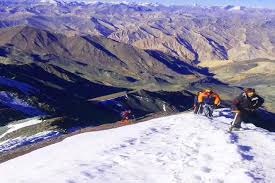
However, "non-technical" doesn't mean "easy." The final summit push involves a steep scree slope, some rock scrambling sections, and potentially snow fields where micro-spikes or crampons might be necessary depending on conditions. The route demands excellent balance, steady footing, and comfort with exposure.
Physical Difficulty: Challenging to Very Challenging
The physical challenge of Stok Kangri cannot be overstated. At 6,153 meters, the summit is in the "death zone" where the human body cannot acclimatize indefinitely. Trekkers will face:
- Reduced Oxygen: At summit altitude, oxygen levels are approximately 50% of sea level, making even simple movements exhausting.
- Steep Ascents: The summit day involves 1,000+ meters of vertical gain over difficult terrain.
- Long Days: Summit day typically starts at midnight and can last 12-16 hours.
- Cold Conditions: Temperatures can drop to -20°C or lower, especially on summit night.
- Fatigue: Multiple days of trekking at altitude accumulate physical and mental fatigue.
Who Should Attempt This Trek?
Stok Kangri is suitable for:
- Trekkers with previous high-altitude experience (5,000m+)
- Those with excellent cardiovascular fitness
- People comfortable with long days of physical exertion
- Adventurous souls seeking to push their limits
This trek is NOT recommended for:
- First-time high-altitude trekkers
- Anyone with respiratory or cardiovascular conditions
- People seeking a leisurely hiking experience
- Those uncomfortable with exposure and heights
Best Time to Visit
Peak Season: July to September
The best time to attempt Stok Kangri is during the Ladakhi summer months when the weather is most stable and the mountain routes are free of excessive snow:
July: Considered the optimal month for Stok Kangri. The weather is generally stable, temperatures are relatively mild, and the mountain is in prime condition. Days are long, giving you ample daylight hours. This is also the busiest period, so expect to share the mountain with other expeditions.
August: Similar to July but with slightly increased chances of afternoon thunderstorms. The mountain remains in excellent condition, and routes are well-established. Later in August, temperatures begin to drop slightly as autumn approaches.
September: Early September is excellent, with stable weather and fewer crowds than July-August. As the month progresses, temperatures drop significantly, and snow becomes more likely on the upper slopes. Late September attempts carry increased risk due to changing weather patterns.
Shoulder Seasons
June: The trekking season usually opens in mid-to-late June. Earlier attempts may encounter deep snow on the approach and summit routes. However, June offers crystal-clear skies before the monsoon clouds arrive. Only experienced mountaineers should consider June attempts.
October: Weather becomes increasingly unpredictable in October. While some groups successfully summit in early October, the risk of snowstorms and extreme cold increases significantly. Not recommended except for highly experienced groups with flexible schedules.
Winter (November to May): Closed
Stok Kangri is not attempted during winter months. Extreme cold (-30°C to -40°C), deep snow, avalanche risk, and limited daylight make winter attempts extremely dangerous. The region receives heavy snowfall, and the mountain routes become impassable.
Detailed Itineraries
9-Day Standard Itinerary
This itinerary allows for proper acclimatization and includes buffer days for weather or rest:
Day 1: Arrival in Leh (3,524m)
Arrive at Leh Kushok Bakula Rimpochee Airport. The flight itself is an experience, offering stunning views of the Himalayas. Transfer to your hotel and rest. Drink plenty of water and avoid any strenuous activity. Your body needs time to adjust to the altitude.
Day 2: Leh Acclimatization
Spend a second day in Leh acclimatizing. Take short walks around the town, visit monasteries like Shanti Stupa, or explore Leh Palace. Stay hydrated, eat light meals, and monitor how your body responds to the altitude. This rest day is crucial for your success on the mountain.
Day 3: Leh to Stok Village and Trek to Mankarmo (4,380m)
Drive from Leh to Stok Village (1 hour, 12km). Visit Stok Palace and museum if time permits. Begin trekking from Stok Village through a narrow gorge. The trail follows the Stok Chu (river) with several stream crossings. Reach Mankarmo, a beautiful meadow with basic campsites. Trekking time: 4-5 hours.
Day 4: Mankarmo to Base Camp (5,000m)
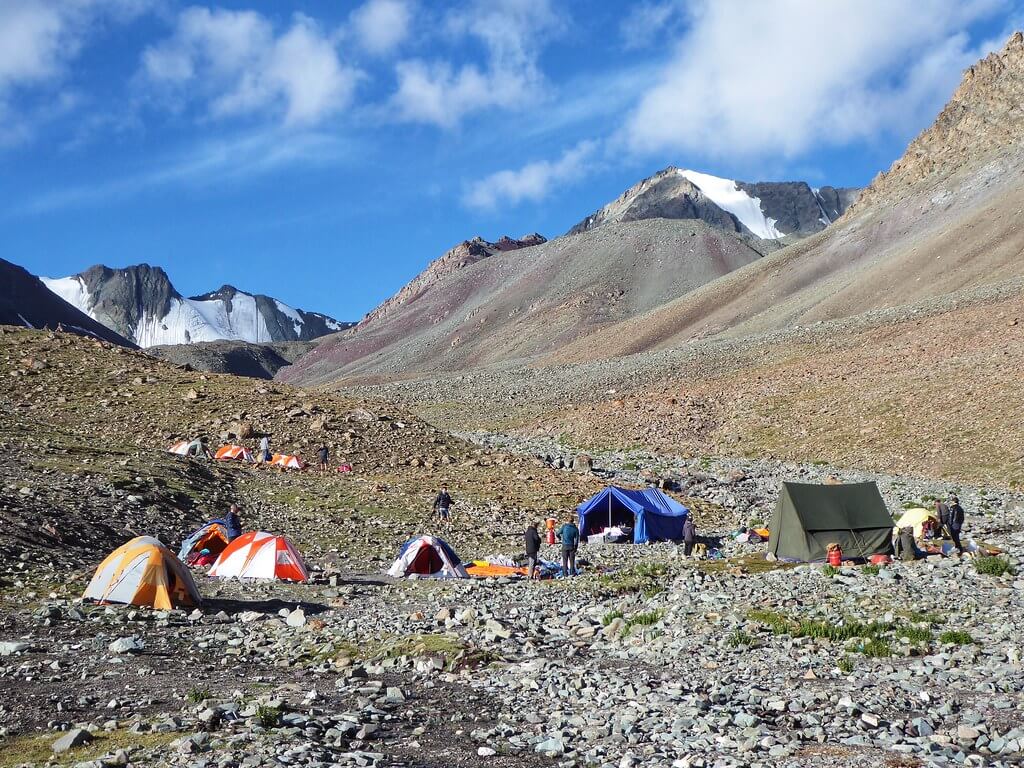
Continue ascending from Mankarmo to Stok Kangri Base Camp. The trail becomes steeper as you gain altitude. Base Camp is located on a rocky plateau with stunning views of the surrounding peaks. Spend the afternoon resting and preparing for the summit attempt. Trekking time: 3-4 hours.
Day 5: Base Camp Acclimatization
A full day at Base Camp for acclimatization. You may take a short acclimatization hike to a nearby ridge (5,200m) to help your body adjust. Test your gear, ensure your equipment is organized, and mentally prepare for the summit push. Hydrate well and eat high-energy foods.
Day 6: Summit Day – Base Camp to Stok Kangri Summit (6,153m) and back to Base Camp
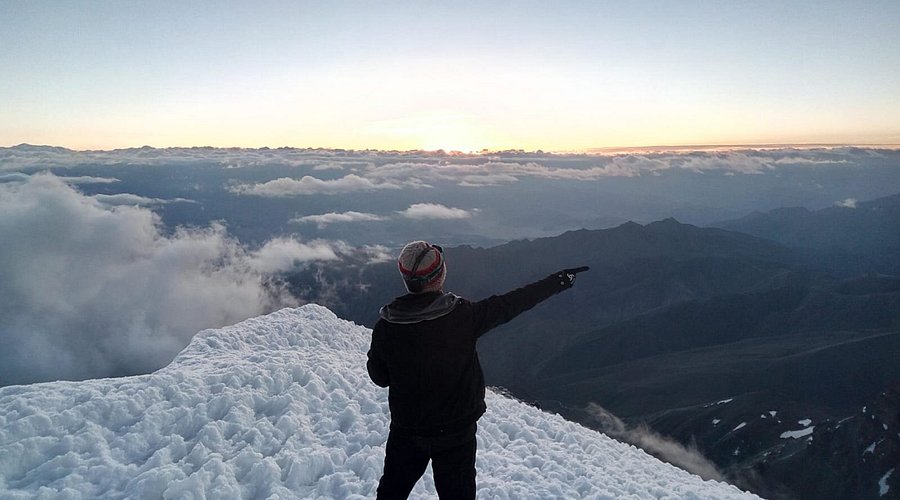
Start around midnight to reach the summit by sunrise. The climb is demanding, involving steep scree slopes, rock sections, and possibly snow fields. Reach the summit around dawn for breathtaking views in the golden light of sunrise. Celebrate your achievement, then begin the descent. Return to Base Camp by afternoon. Total time: 12-16 hours.
Day 7: Base Camp to Stok Village, drive to Leh
Wake up late after the exhausting summit day. Trek back down to Stok Village (3-4 hours). The descent is much faster but still tiring for tired legs. From Stok Village, drive back to Leh. Check into your hotel and enjoy a hot shower and comfortable bed. Trekking time: 3-4 hours.
Day 8: Leh Buffer Day
An extra day in Leh in case weather prevented the summit attempt on Day 6. If the summit was successful, use this day to rest, explore Leh, or take short excursions to nearby monasteries like Thiksey or Hemis.
Day 9: Departure from Leh
Check out from your hotel and transfer to the airport for your flight back home, carrying memories of an incredible achievement.
7-Day Itinerary (For Experienced Trekkers)
This accelerated itinerary is suitable only for those with recent high-altitude experience:
- Day 1: Arrive in Leh, rest
- Day 2: Leh acclimatization
- Day 3: Leh to Stok Village to Mankarmo
- Day 4: Mankarmo to Base Camp
- Day 5: Base Camp acclimatization hike
- Day 6: Summit attempt and return to Base Camp
- Day 7: Base Camp to Stok to Leh departure
Preparation and Training
Physical Training (3-6 Months Before Trek)
Proper preparation is crucial for success and safety on Stok Kangri:
Cardiovascular Endurance:
- Run 5-10km, 3-4 times per week
- Cycling for long distances (40-60km)
- Swimming for full-body conditioning
- Stair climbing with a weighted backpack (10-15kg)
Strength Training:
- Squats and lunges for leg strength
- Core exercises (planks, crunches) for stability
- Upper body workouts for carrying backpacks
- Yoga for flexibility and balance
Practice Treks:
- Complete at least 2-3 high-altitude treks (4,000m+) before attempting Stok Kangri
- Practice hiking with your full trekking backpack
- Test your gear on practice treks
Mental Preparation
- Prepare for long, difficult days
- Visualize success and challenges
- Practice patience with altitude-related delays
- Develop a positive mindset for overcoming obstacles
Essential Gear and Equipment
Clothing Layering System
Base Layer: Moisture-wicking synthetic or merino wool top and bottom (2 sets)
Mid Layer: Fleece jacket or down sweater for insulation
Outer Layer: Waterproof and windproof jacket and pants (Gore-Tex or equivalent)
Extremities:
- Warm woolen socks (4-5 pairs)
- Gloves: 1 pair liner gloves + 1 pair insulated waterproof gloves
- Warm hat/beanie
- Neck gaiter or buff
- Sunglasses with UV protection (Category 3-4)
Trekking Gear
- Sturdy trekking boots (broken in before the trek)
- Trekking poles (highly recommended)
- Comfortable backpack (40-50L) with rain cover
- Headlamp with extra batteries
- Sleeping bag rated for -20°C
- Sleeping pad (insulated)
Climbing Equipment
- Micro-spikes or crampons (depending on conditions)
- Climbing helmet (optional but recommended)
- Gaiters to keep snow out of boots
Health and Safety
- First aid kit with blister treatment
- Personal medications
- Sunscreen (SPF 50+)
- Lip balm with sun protection
- Water purification tablets or filter
- Water bottles or hydration bladder (2-3 liters capacity)
Permits and Regulations
Required Permits
Inner Line Permit (ILP): Required for all foreign nationals visiting Ladakh. Indian nationals do not need ILP for Leh and surrounding areas, but check current regulations as they can change.
Ladakh Autonomous Hill Development Council (LAHDC) Fee: All trekkers must pay an environmental fee to LAHDC. This fee goes toward maintaining trekking trails and conservation efforts.
Stok Kangri Permit: Specific permit required for attempting Stok Kangri summit. Your trekking agency will arrange this, or you can obtain it from the LAHDC office in Leh.
Booking Through Agencies
While independent trekking is possible, booking through a registered trekking agency is highly recommended for:
- Arranging all necessary permits
- Providing experienced guides and support staff
- Setting up camps and meals
- Emergency support and evacuation if needed
- Local knowledge and weather assessment
Altitude Sickness and Prevention
Understanding AMS
Acute Mountain Sickness (AMS) is a serious concern on Stok Kangri. Symptoms include:
- Headache
- Nausea and loss of appetite
- Dizziness
- Fatigue
- Shortness of breath
Prevention Strategies
- Ascend Gradually: Follow the recommended acclimatization schedule
- Stay Hydrated: Drink 3-4 liters of water per day
- Eat Well: Consume high-carbohydrate foods for energy
- Avoid Alcohol and Tobacco: These worsen altitude symptoms
- Medication: Consult your doctor about Diamox (acetazolamide)
- Descend if Symptoms Worsen: AMS can progress to HAPE or HACE, which are life-threatening
Cost Breakdown
Estimated Costs for 2026
Trekking Package (through agency): ₹18,000 - ₹35,000 per person
Includes: Guides, porters, camping equipment, meals, permits
Leh Accommodation: ₹1,500 - ₹4,000 per night
Budget hotels to comfortable guesthouses
Flights to Leh: ₹8,000 - ₹15,000 round trip from Delhi
Prices vary by season and booking timing
Equipment Rental: ₹2,000 - ₹5,000
If you don't have your own gear
Total Estimated Budget: ₹30,000 - ₹60,000 per person
Conclusion
The Stok Kangri trek is a challenging but incredibly rewarding adventure that pushes your limits and rewards you with some of the most spectacular views in the Himalayas. Standing on the summit at 6,153 meters, watching the sun rise over the snow-capped peaks of the Zanskar and Karakoram ranges, is an experience that will stay with you forever.
Success on Stok Kangri requires thorough preparation, respect for the altitude, and careful planning. Follow this guide, train well, acclimatize properly, and choose the right season. With the right preparation and mindset, you'll join the select group of adventurers who have conquered Ladakh's highest trekable peak.
Remember: the mountain will always be there, but your safety must come first. If weather or health conditions aren't favorable, there's no shame in turning around. The mountains demand respect, and sometimes the wisest decision is to try again another day. Safe travels and good luck on your Stok Kangri adventure!
Location
Frequently Asked Questions
Q1.How difficult is the Stok Kangri trek?
Q2.What is the best time to do Stok Kangri trek?
Q3.Do I need technical climbing skills for Stok Kangri?
Q4.How long does the Stok Kangri trek take?
Q5.How do I prepare for Stok Kangri trek?
Q6.What permits are required for Stok Kangri?
Q7.How much does Stok Kangri trek cost?
Q8.Is altitude sickness a concern on Stok Kangri?
Recommended For You
Ladakh in December: Weather, Road Status & Winter Experiences
Visit Ladakh in December. Weather, temperature, frozen lakes, snowfall, road conditions, accessible places & complete winter travel guide.
Acute Mountain Sickness in Ladakh: Prevention
Complete guide to Acute Mountain Sickness in Ladakh. Learn symptoms, prevention, medicines, acclimatization tips & safety measures for high-altitude travel.
Spiti Valley Trekking Guide: Best Routes, Itinerary & Tips 2026
Complete Spiti Valley trekking guide featuring Pin Parvati Pass, Chandratal Lake routes, itineraries, fitness preparation, gear checklist, and essential tips for 2026.
Never Miss an Adventure
Get the latest trekking guides, travel tips, and exclusive offers delivered straight to your inbox.
