
Ajanta and Ellora Caves: Tickets, Timings & Route Planning

Neha Kapoor
November 26, 2025
Complete guide to Ajanta and Ellora Caves in Aurangabad. Explore UNESCO rock-cut wonders, Buddhist paintings, Kailasa Temple, timings, entry fee & travel tips.
UNESCO Rock-Cut Wonders of India
Carved into the rocky terrain of Maharashtra, Ajanta and Ellora Caves stand as two of India's most magnificent UNESCO World Heritage Sites. These ancient rock-cut cave complexes represent the pinnacle of Indian craftsmanship, featuring stunning sculptures, paintings, and architectural innovations that were created between the 2nd century BCE and 11th century CE.
What makes these caves truly extraordinary is that they were excavated from solid rock – sculptors started from the top and worked their way down, removing tons of rock to create these elaborate structures. The Ajanta Caves, with their exquisite Buddhist paintings, and the Ellora Caves, home to the magnificent Kailasa Temple, offer visitors an unparalleled journey through India's religious and artistic history.
Located near Aurangabad in Maharashtra, these caves attract history enthusiasts, art lovers, and spiritual seekers from around the world. Whether you're fascinated by ancient Buddhist art, Hindu temple architecture, or simply want to witness human ingenuity at its finest, Ajanta and Ellora are destinations that will leave you awe-inspired.
About Ajanta Caves: The Painted Masterpieces
The Ajanta Caves are a group of 30 rock-cut Buddhist cave monuments dating from the 2nd century BCE to about 480 CE. What sets Ajanta apart is its magnificent collection of paintings and sculptures that are considered masterpieces of Buddhist religious art.
Discovery and Rediscovery
Intriguingly, these caves were lost to the world for over a millennium. They were abandoned around 480 CE and lay hidden in the dense forests of the Sahyadri hills until 1819, when they were accidentally discovered by a British hunting party led by John Smith, a British officer. The local tribes had known about them but kept their existence secret.
The discovery sent shockwaves through the archaeological community. Here were paintings that predated European Renaissance art by centuries, displaying sophisticated techniques and profound spiritual themes. The paintings at Ajanta would influence modern Indian art movements and continue to inspire artists today.
The 30 Caves: A Spiritual Journey
The Ajanta complex comprises 30 caves, though not all are complete or equally significant. The caves are numbered roughly chronologically, so earlier caves are on one side and later caves on the other. They can be broadly divided into two categories:
- Viharas (Monasteries): Residential caves where Buddhist monks lived and meditated. These typically contain cells around a central hall.
- Chaityas (Prayer Halls): Worship halls with stupas (Buddhist shrines) where the community would gather for ceremonies.
Key Caves to Explore
Cave 1: One of the most famous caves, this vihara features some of Ajanta's finest paintings. The walls depict scenes from the life of Buddha, Jataka tales (stories of Buddha's previous lives), and various celestial beings. The artwork here represents the peak of Gupta period artistry.
Cave 2: Another masterpiece known for its beautiful paintings of celestial maidens and detailed ceiling decorations. The paintings are remarkably well-preserved and offer insights into the clothing, jewelry, and daily life of ancient India.
Cave 10: This is the oldest cave at Ajanta, dating to the 2nd century BCE. It's a chaitya (prayer hall) with a beautiful stupa and exquisite carvings. The simplicity of this early cave contrasts beautifully with the more elaborate later caves.
Caves 16 and 17: These contain some of the most famous paintings, including the dying princess, the preaching Buddha, and various scenes from the Jataka tales. Cave 17's ceiling paintings are particularly noteworthy for their intricate geometric patterns.
Caves 19 and 26: These are chaitya halls with impressive facades and intricate carvings. Cave 19, with its elaborate entrance and detailed sculpted figures, is considered one of the finest examples of rock-cut architecture.
The Art of Ajanta
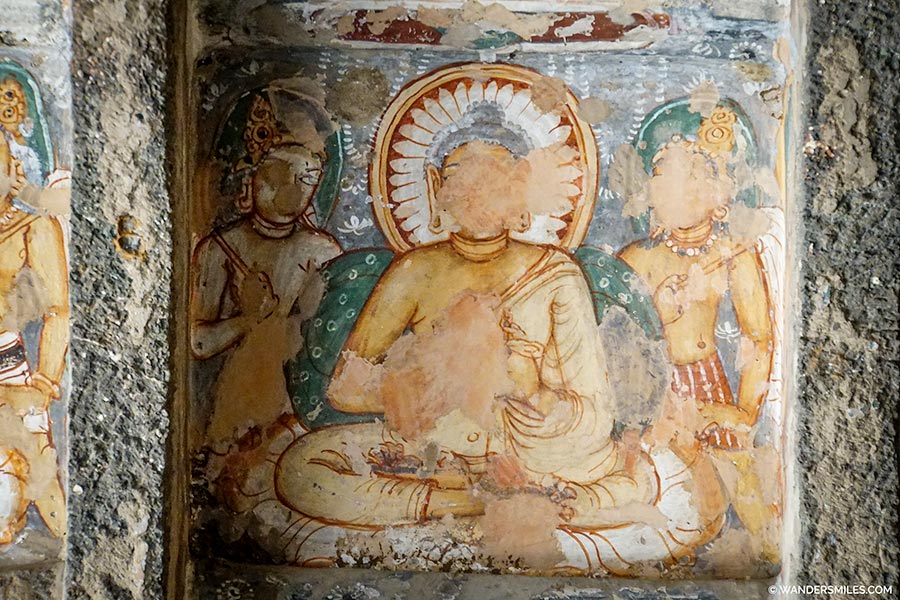
The paintings of Ajanta are renowned for their expressive quality, graceful lines, and rich colors. Made using natural pigments on plaster, these artworks have survived for over 1,500 years in the cave's protected environment. The subjects range from divine figures to ordinary people, giving us a rare glimpse into the society, culture, and artistic traditions of ancient India.
The artists used perspective techniques that wouldn't be seen in European art for centuries. They created depth through overlapping figures and careful sizing of characters. The facial expressions are incredibly nuanced – whether showing compassion, joy, or sorrow, each painting tells a story that transcends time.
About Ellora Caves: The Temple of Caves
The Ellora Caves represent a different but equally impressive achievement. This complex of 34 caves was constructed between the 6th and 11th centuries CE and is unique for housing monuments from three different religions: Buddhism, Hinduism, and Jainism. This coexistence of three faiths in one location is a powerful testament to India's tradition of religious harmony.
Three Religious Traditions
Buddhist Caves (Caves 1-12): The earliest caves at Ellora are Buddhist, dating from the 6th to 8th centuries. These include large viharas (monasteries) and chaityas (prayer halls). Cave 10, known as the Vishvakarma Cave, is particularly famous for its beautiful architecture and acoustic properties.
Hindu Caves (Caves 13-29): These represent the peak of Ellora's architectural achievement. Constructed between the 7th and 9th centuries under the patronage of the Kalachuri and Chalukya dynasties, these caves are more elaborate and monumental than the Buddhist ones.
Jain Caves (Caves 30-34): The newest caves at Ellora, dating from the 9th to 11th centuries, are Jain temples known for their intricate carvings and detailed artwork. These caves reflect the Jain tradition's emphasis on non-violence and spiritual purity.
The Magnificent Kailasa Temple (Cave 16)
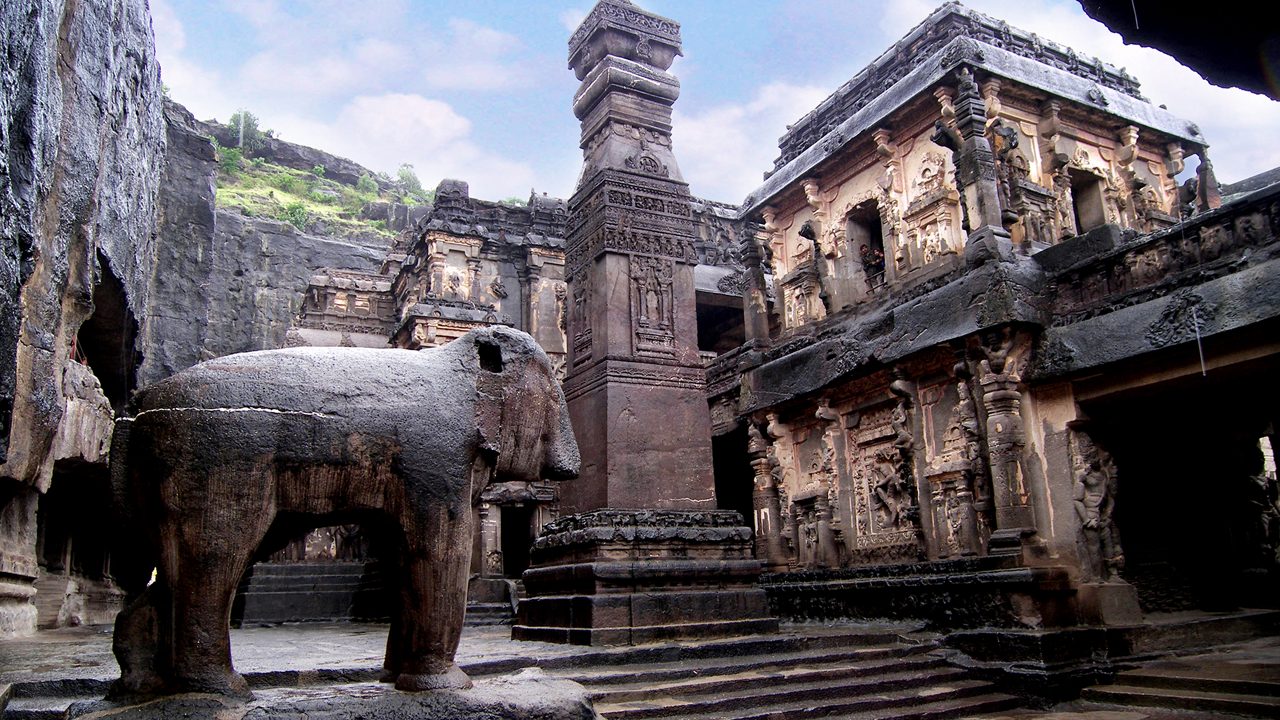
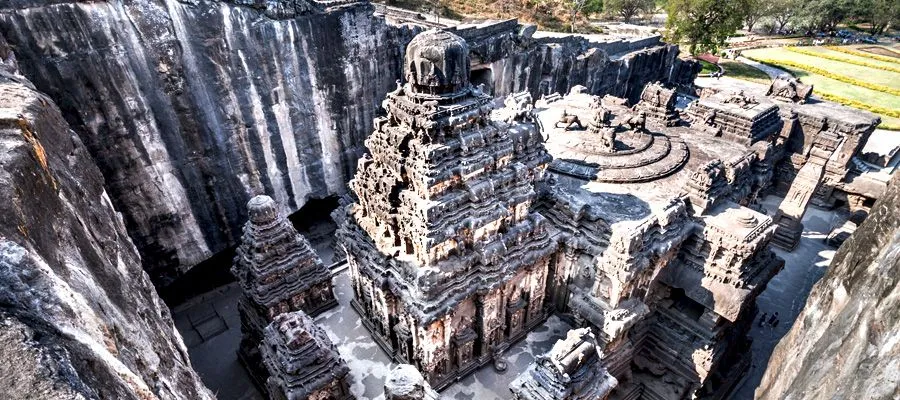
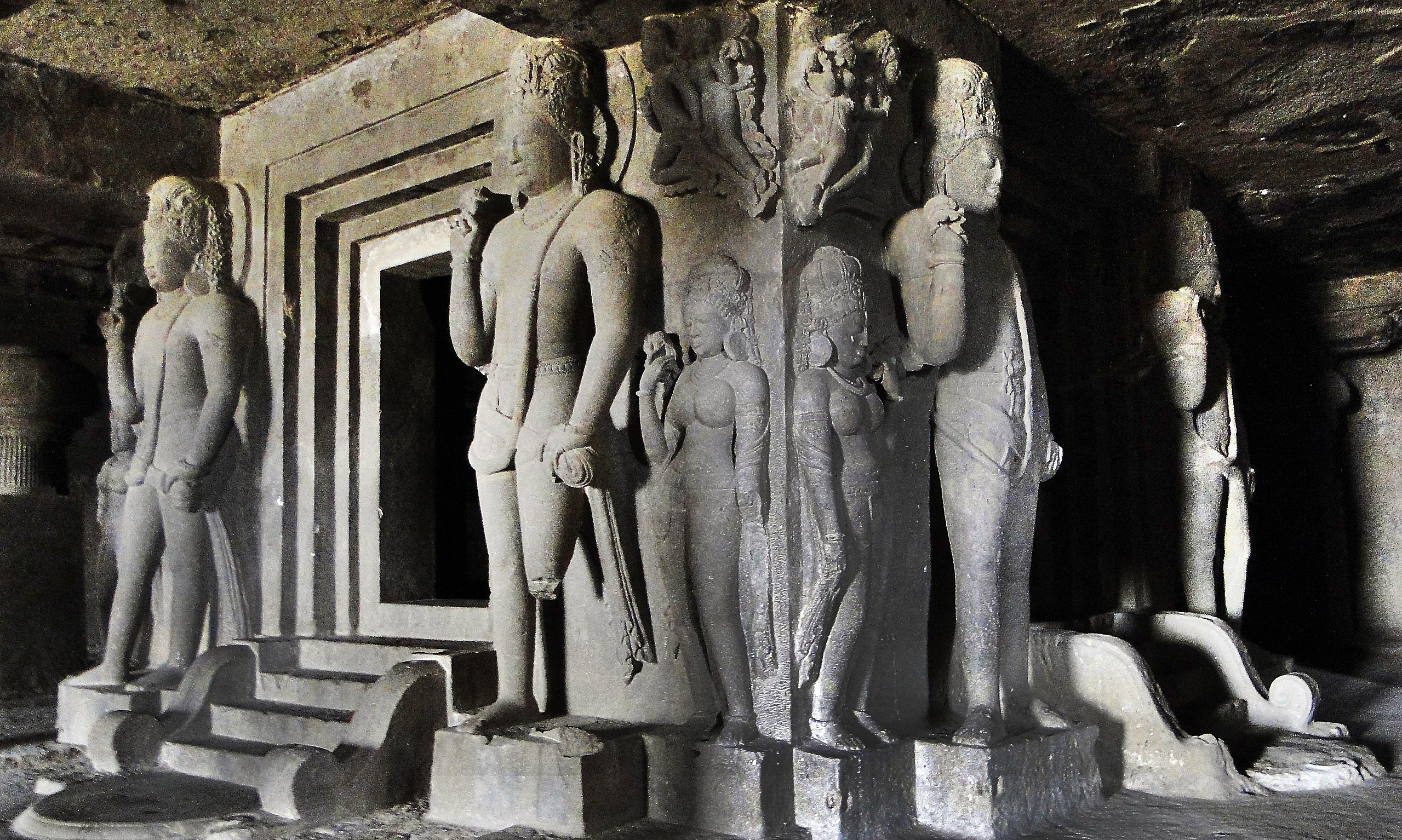
The Kailasa Temple at Ellora is nothing short of miraculous. This massive Hindu temple, dedicated to Lord Shiva, is the world's largest monolithic structure – carved from a single rock from top to bottom. The temple covers an area twice the size of the Parthenon in Greece!
What makes the Kailasa Temple truly mind-boggling is the engineering feat involved. The sculptors didn't build the temple upward – they excavated it downward. They started at the top of the rock and carved their way down, removing an estimated 200,000 tons of rock to free the temple from the surrounding mountain. This project took over 100 years to complete.
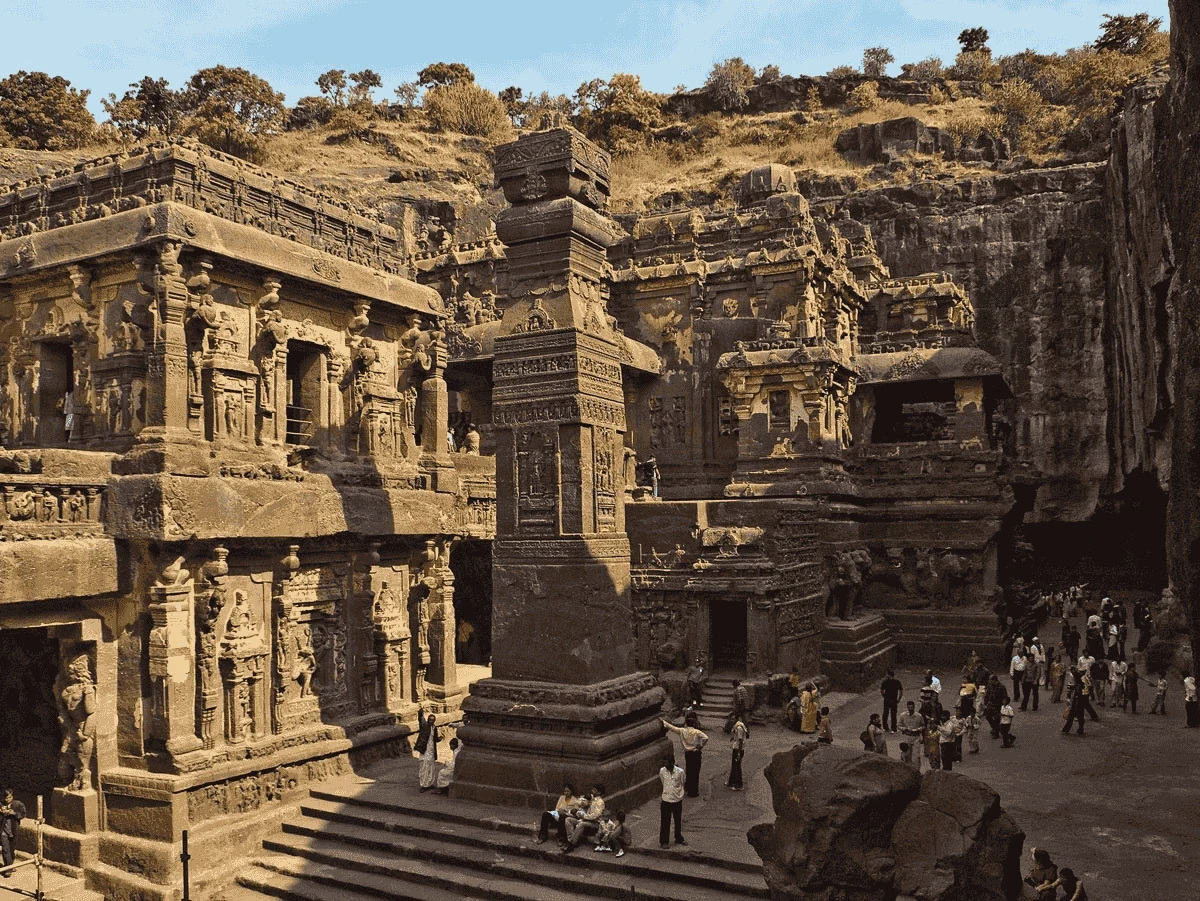
The temple complex includes a main shrine, Nandi pavilion, gateway, and subsidiary shrines, all carved from the same rock. The walls are adorned with intricate sculptures depicting scenes from the Ramayana and Mahabharata, various deities, and mythical creatures. Every inch of this massive structure is covered in detailed carving that would have taken generations of artisans to complete.
Other Notable Ellora Caves
Cave 10 (Vishvakarma Cave): This Buddhist chaitya is known for its beautiful architecture and remarkable acoustics. The cathedral-like hall features a multi-storied entrance and a beautifully carved facade. The name Vishvakarma refers to the divine architect of Hindu mythology.
Cave 15 (Das Avatara): A Hindu temple depicting the ten incarnations of Lord Vishnu. The sculptures here are particularly fine, showing the transition between Buddhist and Hindu styles.
Cave 21 (Rameshvara): One of the most elaborate of the Hindu caves, featuring beautiful sculptures of various deities, scenes from mythology, and intricate decorative elements.
Cave 32 (Indra Sabha): The most famous of the Jain caves, this two-story temple features beautiful carvings of Tirthankaras (Jain spiritual teachers), lotus flowers, and other Jain symbols. The name means "Assembly Hall of Indra" (king of gods in Hindu mythology).
History & Architecture: A Legacy of Human Ingenuity
The construction of Ajanta and Ellora caves spanned several centuries and involved multiple dynasties, religious traditions, and artistic movements. Understanding the historical context helps appreciate these monuments as living records of India's rich cultural heritage.
Ajanta: Two Construction Phases
Phase 1 (Satavahana Period, 2nd century BCE – 1st century CE): During this Hinayana Buddhist period, simple chaityas (prayer halls) and viharas (monasteries) were carved. These early caves are relatively plain with minimal ornamentation, reflecting the Hinayana emphasis on monastic discipline over elaborate ritual.
Phase 2 (Vakataka Period, 5th century CE): After a gap of several centuries, construction resumed under the patronage of the Vakataka dynasty, particularly Emperor Harishena. This period saw the creation of the elaborate caves with magnificent paintings that we see today. The art style reflects the Gupta period's classical aesthetic – graceful, refined, and spiritually profound.
Ellora: A Millennium of Creation
Ellora's caves were constructed over a period of about 500 years, from the 6th to 11th centuries CE, primarily under the Rashtrakuta dynasty. Unlike Ajanta, which is exclusively Buddhist, Ellora's caves reflect the religious diversity of the region.
The Rashtrakuta dynasty, particularly King Krishna I, were patrons of Ellora's Hindu caves. They invited craftsmen from various parts of India to create these magnificent monuments, which explains the diverse architectural influences visible at Ellora.
The Technique: Top-Down Excavation
The most remarkable aspect of both Ajanta and Ellora is the excavation technique. Unlike most monuments that are built up from the ground, these caves were carved down from solid rock. The process began at the top and worked downward – a technique that required incredible planning and precision.
Artisans used simple tools – chisels, hammers, and pickaxes – yet achieved results that modern engineers with advanced equipment still find astounding. They had to plan every aspect of the structure before beginning excavation, as mistakes couldn't be corrected – once rock was removed, it couldn't be put back.
The planning involved creating structural support pillars at strategic locations, ensuring proper drainage and ventilation, and accounting for the natural grain and weaknesses in the rock. The fact that these structures have stood for over a millennium is a testament to the builders' genius.
UNESCO Recognition
Both Ajanta and Ellora were inscribed as UNESCO World Heritage Sites in 1983. UNESCO recognized them for their outstanding universal value as masterpieces of Buddhist religious art and for their significance in understanding the evolution of Indian art and architecture.
The UNESCO designation notes that these caves "represent the peak of Indian rock-cut architecture" and that their paintings "are unrivaled in India and perhaps in the world." This recognition has helped preserve and protect these monuments for future generations.
Ajanta vs Ellora: Understanding the Differences
While both Ajanta and Ellora are rock-cut cave complexes, they offer distinctly different experiences. Understanding these differences can help you appreciate each site for its unique contributions.
| Aspect | Ajanta Caves | Ellora Caves |
|---|---|---|
| Period | 2nd century BCE – 480 CE (~700 years) | 6th – 11th century CE (~500 years) |
| Age | Older by about 400 years | Relatively younger |
| Number of Caves | 30 caves | 34 caves |
| Religious Focus | Buddhism only | Buddhism, Hinduism, Jainism |
| Primary Art Form | Paintings and sculptures | Sculptures and architecture |
| Famous For | Exquisite Buddhist paintings | Kailasa Temple (world's largest monolithic) |
| Architecture | More intimate, focused on art | More elaborate, monumental scale |
| Condition | Paintings fading due to exposure | Better preserved sculptures |
| Distance Apart | 100 km from Ellora | 30 km from Aurangabad |
| Best For | Art lovers, painting enthusiasts | Architecture enthusiasts, history buffs |
Key Takeaway: Visit Ajanta if you're passionate about paintings and ancient Buddhist art. Visit Ellora if you're more interested in monumental architecture, sculpture, and seeing three religious traditions in one location. Ideally, visit both – each offers a unique and complementary experience.
Best Time to Visit Ajanta and Ellora Caves
The caves are open year-round, but the timing of your visit can significantly impact your experience. Maharashtra's climate can be extreme, so plan accordingly.
Winter Season (October to March) – Recommended
October to March is the ideal time to visit Ajanta and Ellora. The weather is pleasant with temperatures ranging from 12°C to 30°C, making it comfortable to explore the caves for extended periods.
- November to February: The coolest months, perfect for walking around and exploring multiple caves in one day.
- October & March: Slightly warmer but still comfortable, with fewer crowds than the peak winter months.
Winter mornings can be chilly, especially near Ajanta which is surrounded by hills and forests. Carry a light jacket or sweater. The caves themselves remain at a fairly constant temperature, but you'll spend time walking outside between caves.
Monsoon Season (July to September) – Caution Advised
The monsoon brings lush greenery to the surrounding landscape, creating a beautiful setting for the caves. However, this season has challenges:
- Rain: The paths between caves can become slippery and muddy.
- Humidity: High humidity combined with cave darkness can make exploration uncomfortable.
- Access: Road conditions can deteriorate, making the journey more challenging.
If you visit during monsoon, wear good grip shoes, carry rain gear, and be extra careful on the steps. The waterfalls around Ajanta during monsoon are spectacular, so this season has its rewards if you're prepared for the challenges.
Summer Season (April to June) – Avoid
Summer is extremely hot in Maharashtra, with temperatures often exceeding 40°C. The rocks radiate heat, making exploration exhausting. The caves offer some relief from the sun, but walking between them is difficult in the intense heat.
If you must visit in summer, go very early in the morning (right when caves open), carry plenty of water, wear a hat, and take frequent breaks. Avoid midday exploration altogether.
Best Time of Day
9:00 AM to 11:00 AM is the golden window for cave exploration. The light is beautiful for photography, the temperature is pleasant, and crowds are thinner. Arriving early also gives you time to explore at your own pace before the tour groups arrive.
4:00 PM to 6:00 PM can also be good, especially in winter when the afternoon light creates dramatic effects inside the caves. However, this is also when most tourists arrive, so it's more crowded.
How to Reach Ajanta and Ellora Caves
Both cave complexes are accessible from Aurangabad, which serves as the main base for visitors. Here's how to reach:
From Mumbai
Distance: Approximately 400 km
By Road: 8-10 hours by private car or taxi. The journey is on well-maintained highways and passes through the scenic Western Ghats. You can break the journey with stops in Lonavala and Khandala.
By Train: Several trains run from Mumbai to Aurangabad. The Jan Shatabdi Express is a convenient option that takes about 7 hours. From Aurangabad station, hire a taxi or take a bus to the caves.
By Air: Aurangabad airport has connecting flights from Mumbai. The flight is about 45 minutes, followed by a road journey to the caves.
From Pune
Distance: Approximately 250 km
By Road: 5-6 hours by car. The route is scenic and relatively traffic-free once you're out of Pune city limits.
By Train: Multiple trains connect Pune to Aurangabad. The journey takes about 6-7 hours depending on the train.
From Aurangabad
Aurangabad is the recommended base for visiting both caves. The city has good hotels, restaurants, and transport facilities.
To Ajanta: 100 km from Aurangabad (approximately 3 hours by road). The route is scenic, passing through rural Maharashtra and forested areas. State transport buses and private taxis are available.
To Ellora: 30 km from Aurangabad (approximately 1 hour by road). Ellora is much closer and can be easily visited as a half-day trip from Aurangabad. Auto-rickshaws, taxis, and buses are available.
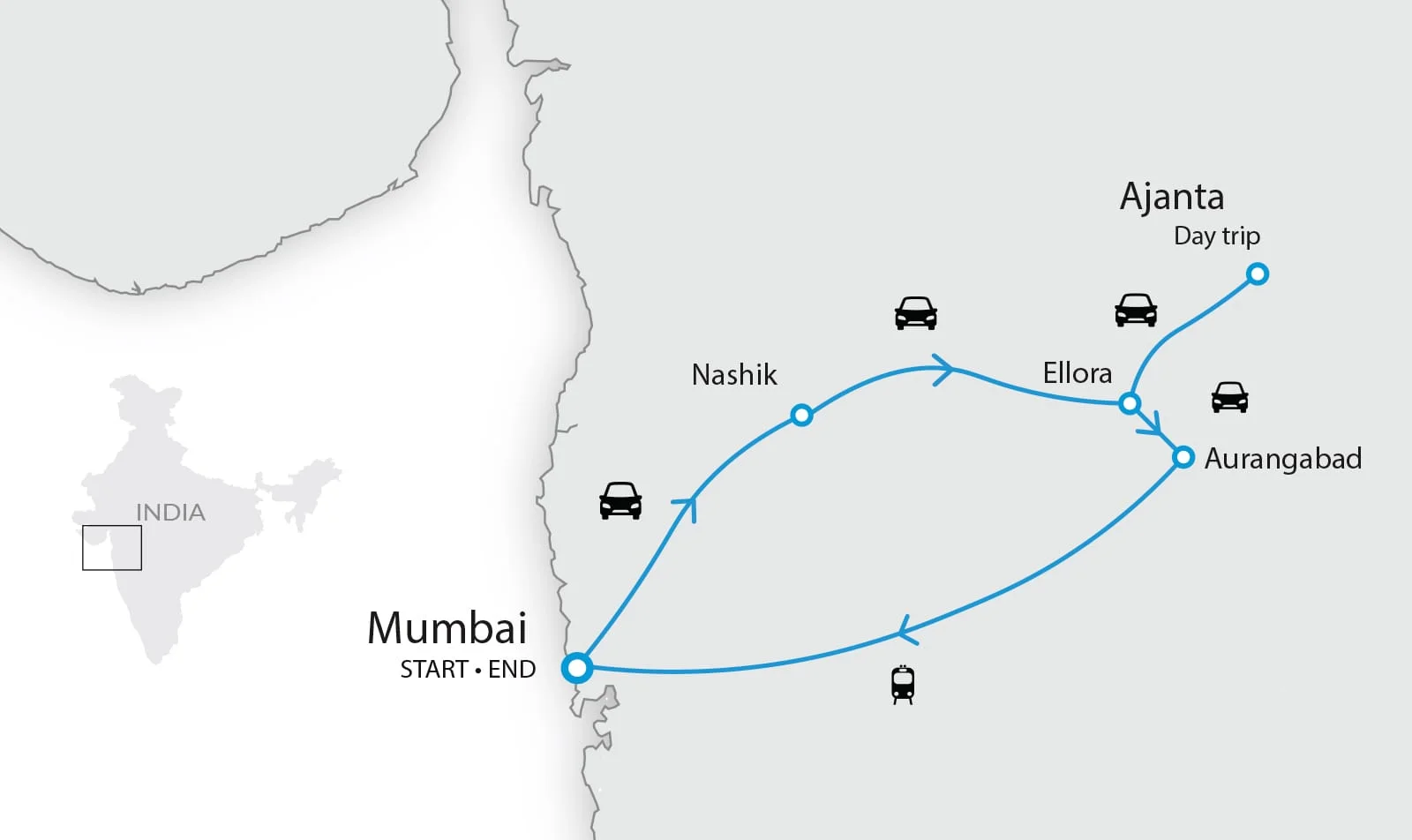
Recommended Itinerary: Stay in Aurangabad and visit Ellora on Day 1 (it's closer and requires less time), then visit Ajanta on Day 2 (it requires a full day). If you're short on time, you can visit both in one day, but it will be rushed and tiring.
Timings, Entry Fee & Practical Tips
Here's the essential practical information for planning your visit:
Timings
Ajanta Caves:
- Open: 9:00 AM to 5:00 PM (closed on Mondays)
- Best time to visit: Morning (9-11 AM) to avoid crowds and heat
Ellora Caves:
- Open: 6:00 AM to 6:00 PM (closed on Tuesdays)
- Best time to visit: Early morning (6-9 AM) for peaceful exploration
Note: The caves are closed on different days, so plan accordingly. If you're visiting both, you'll need at least two days – Monday is best for Ellora (Ajanta is closed), Tuesday is best for Ajanta (Ellora is closed).
Entry Fee
Ajanta Caves:
- Indians: ₹40 per person
- Foreign Nationals: ₹600 per person
- Children under 15: Free
Ellora Caves:
- Indians: ₹40 per person
- Foreign Nationals: ₹600 per person
- Children under 15: Free
Photography Fee:
- Still cameras: Free at both sites
- Video cameras: ₹25 at Ajanta, ₹25 at Ellora
- Flash photography: Not allowed inside the caves (damages paintings)
Tickets can be purchased at the entrance. Foreign visitors should carry their passport as proof of identity. The entry fee is quite reasonable considering the world-class art and architecture you'll experience.
Time Required
- Ajanta: Plan for 4-5 hours to explore the main caves properly. Don't rush – the paintings deserve time and attention.
- Ellora: Plan for 4-5 hours if you want to see the key caves including Kailasa Temple.
- Both caves in one day: Possible but very rushed – you'll need to start Ellora at 6 AM, finish by 11 AM, have lunch, then visit Ajanta from 1 PM to 5 PM. Not recommended for art lovers who want to appreciate details.
Recommended Equipment
- Flashlight: The caves are dim, and a small flashlight helps see details in corners and paintings.
- Comfortable walking shoes: You'll be walking a lot, often on uneven surfaces.
- Water bottle: Stay hydrated, especially in summer. There are water vendors near the entrances.
- Camera: Bring a camera with good low-light performance. No flash is allowed inside.
- Backpack: Carry water, snacks, and camera gear comfortably.
Hiring a Guide
Highly recommended! A licensed guide costs ₹500-1000 for 2-3 hours. They provide invaluable context about the history, iconography, and stories behind the paintings and sculptures. What might seem like just another carving becomes a fascinating story with a good guide.
Guides are officially approved and trained by the Archaeological Survey of India. You can hire them at the entrance – look for their official ID badges.
Etiquette and Preservation
These caves are ancient monuments that have survived for centuries. Please help preserve them:
- Don't touch paintings or sculptures: The oils on your skin can damage ancient artwork.
- No flash photography: Flash damages the paintings and disturbs other visitors.
- Keep your voice down: These are spiritual sites – maintain the peaceful atmosphere.
- Don't use tripods inside: They block pathways and can damage floors.
- Respect religious sentiments: These are active religious sites for many – be respectful.
Conclusion: A Journey Through Time
Visiting Ajanta and Ellora Caves is more than just sightseeing – it's a journey through time, art, and spirituality. These monuments represent the pinnacle of human creativity and devotion, created by artisans whose names we may never know but whose legacy survives in stone and paint.
At Ajanta, you'll witness the birth of classical Indian art – paintings that display a sophistication and emotional depth that rivals anything created in the ancient world. The colors, after 1,500 years, still glow with warmth and vitality.
At Ellora, you'll stand before the Kailasa Temple and marvel at human determination – the idea that a group of people, with simple tools and unwavering faith, could carve a massive temple from a single rock over generations. The scale and precision of achievement here is difficult to comprehend even today, with all our modern technology.
But beyond the art and architecture, these caves tell stories – of kings and queens who commissioned them, of monks who meditated here, of artisans who poured their souls into their work, and of pilgrims who have sought blessings here for centuries. These caves are not dead monuments – they're living heritage sites that continue to inspire and awe.
For travelers planning a broader Maharashtra itinerary, Aurangabad offers excellent connectivity to other destinations. You can combine your cave visit with a trip to Shirdi, home to the Sai Baba shrine, or stop at Lonavala and Khandala on your return journey to Mumbai for some hill station relaxation.
Whether you're a history enthusiast, an art lover, a spiritual seeker, or simply someone who appreciates human achievement, Ajanta and Ellora Caves will leave an indelible mark on your memory. These are not just tourist attractions – they're windows into India's soul, testaments to the human spirit's capacity for creating beauty, and reminders of what we can achieve when we dedicate ourselves to something greater than ourselves.
So come, explore these ancient wonders, and let them transport you to a world where art was devotion, where architecture was prayer, and where human hands achieved the seemingly impossible.
Location
Frequently Asked Questions
Q1.What is the difference between Ajanta and Ellora caves?
Q2.Who built Ajanta and Ellora caves?
Q3.How many caves are there in Ajanta and Ellora?
Q4.What are Ajanta Ellora caves timings?
Q5.What is the entry fee for Ajanta Ellora caves?
Q6.Which day are Ajanta Ellora caves closed?
Q7.How much time is needed for Ajanta and Ellora?
Q8.Is photography allowed inside Ajanta Ellora caves?
Recommended For You
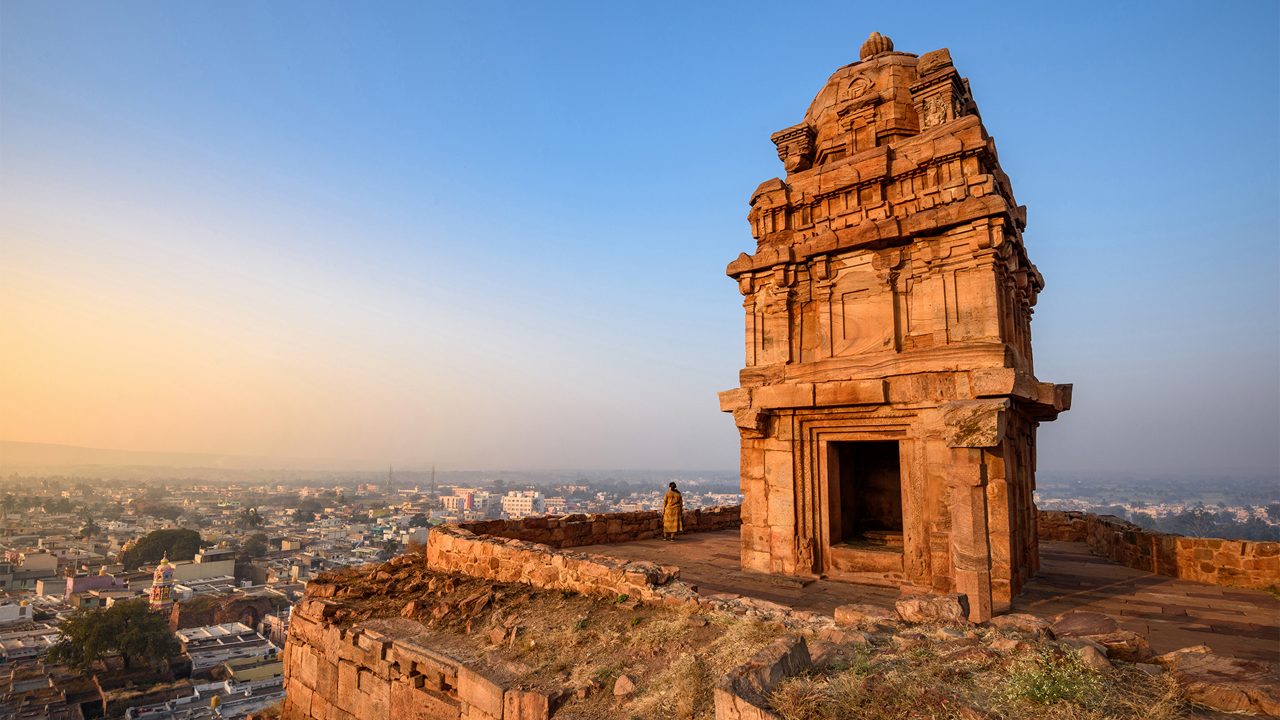
Badami Caves Karnataka: Rock-Cut Temples, Timings & Route
Explore Badami caves, magnificent rock-cut temples from 6th century. Discover Chalukya architecture, sculptures, timings & travel guide.
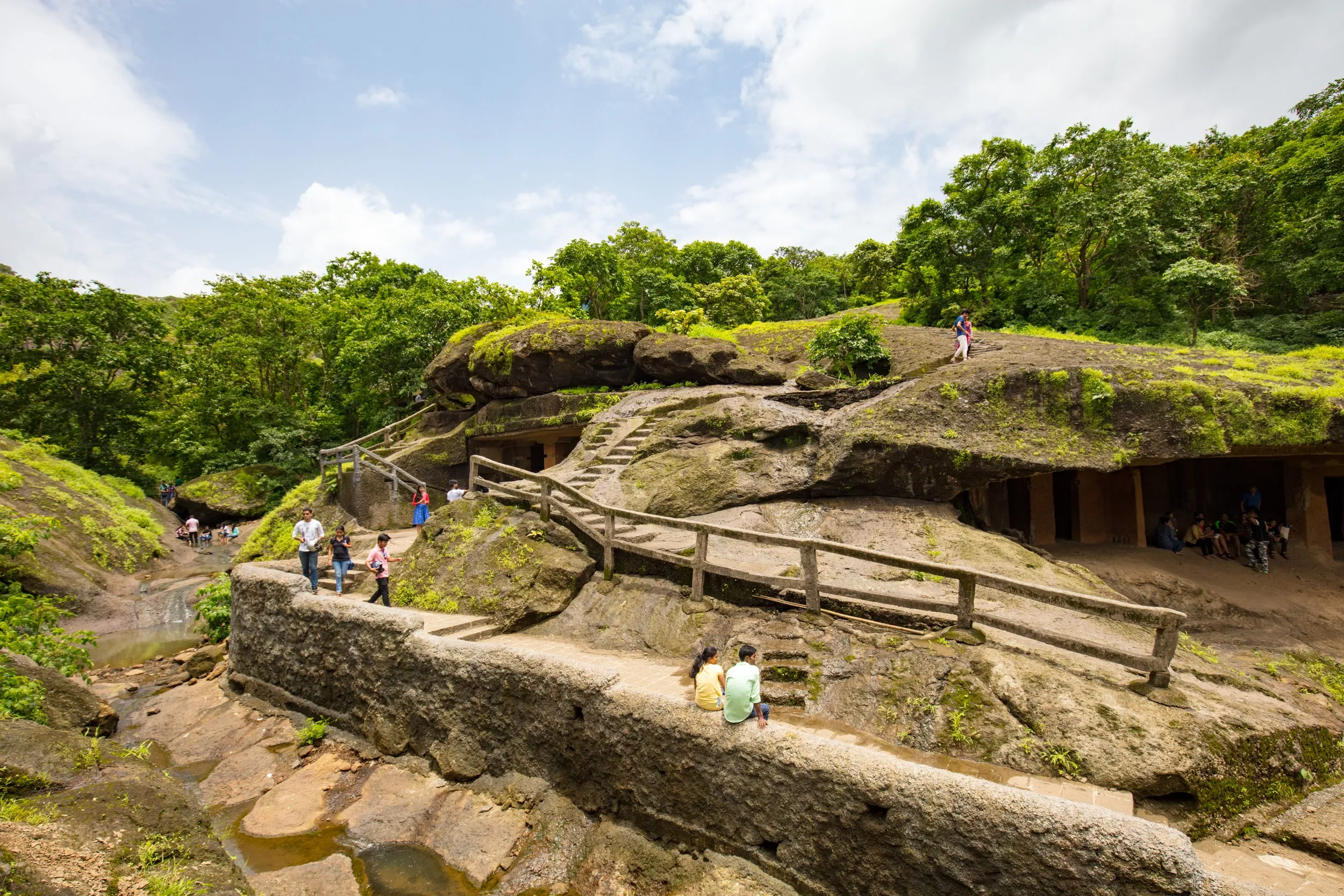
Kanheri Caves Mumbai: Buddhist Heritage, Timings & Trek Access
Explore Kanheri Caves in Mumbai's Sanjay Gandhi National Park. Discover ancient Buddhist rock-cut architecture, history & travel guide.
Udayagiri-Khandagiri Caves: Timings, Tickets & Cave Highlights
Visit Udayagiri Khandagiri Caves in Bhubaneswar - 2200-year-old Jain rock-cut caves. Complete guide with timings, tickets, history & architecture.
Never Miss an Adventure
Get the latest trekking guides, travel tips, and exclusive offers delivered straight to your inbox.
