
Kanheri Caves Mumbai: Buddhist Heritage, Timings & Trek Access

Ananya Sharma
December 17, 2025
Explore Kanheri Caves in Mumbai's Sanjay Gandhi National Park. Discover ancient Buddhist rock-cut architecture, history & travel guide.
Kanheri Caves Mumbai: Complete History, Timings, and Route Guide
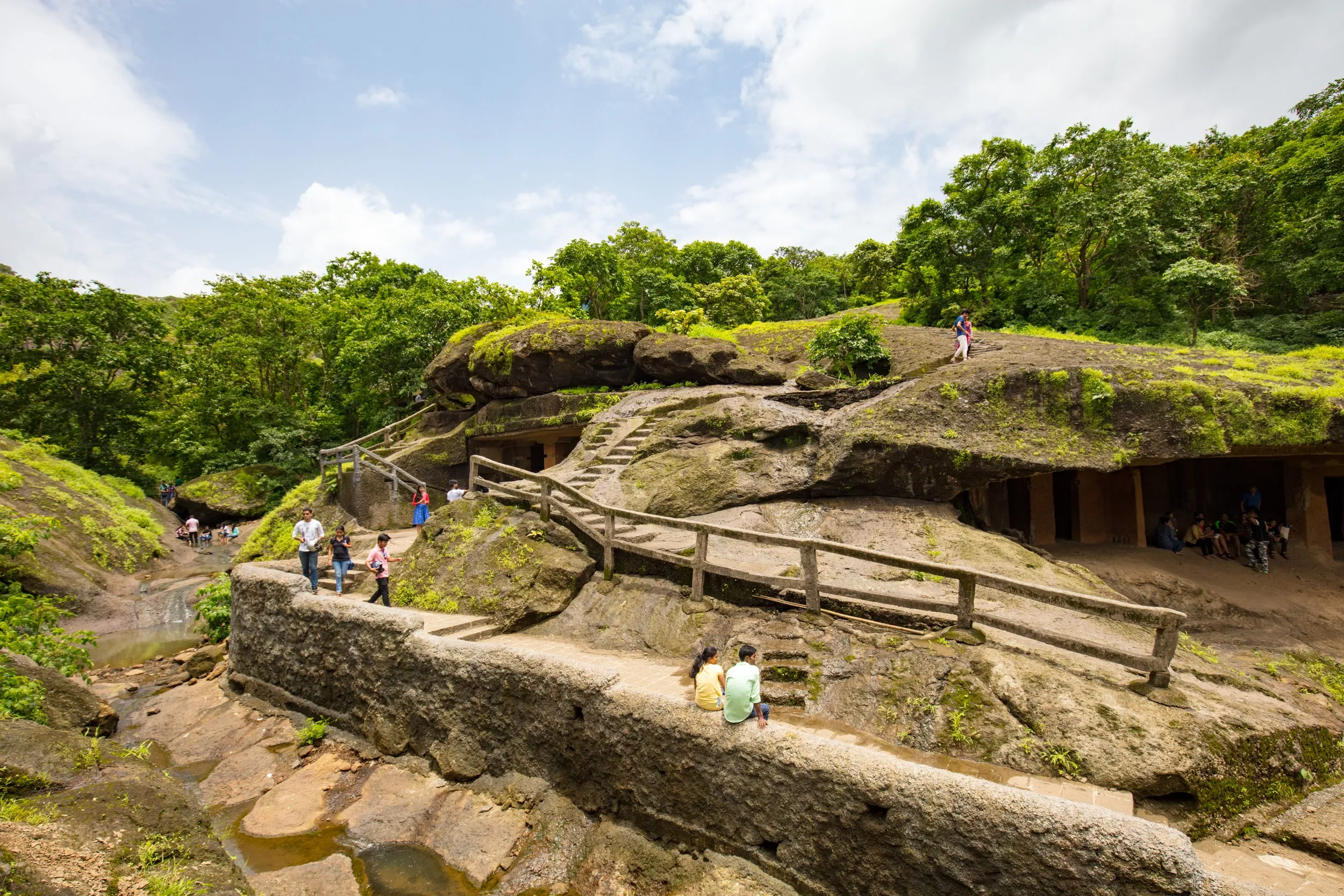
Kanheri Caves is one of Mumbai’s most important historical sites and among the finest Buddhist rock-cut cave complexes in western India. Located inside Sanjay Gandhi National Park, the site includes over a hundred excavated caves that evolved across centuries. Many visitors arrive expecting a short nature walk with a few ruins, but Kanheri is much larger and more intellectually rewarding than that. With the right plan, you can experience archaeology, architecture, inscriptions, and landscape in one visit.
If you are exploring city heritage beyond waterfront landmarks, add Kanheri as a half-day priority. It contrasts beautifully with urban icons like marine drive mumbai and helps you understand that Mumbai’s history extends far before the colonial and modern skyline era. The site rewards slow observation and contextual reading, so avoid rushing through only the most famous cave numbers.

Historical Timeline: From Monastic Center to Archaeological Landmark
Kanheri developed from around the 1st century BCE and continued evolving for many centuries as a major Buddhist monastic and educational center. The location near trade routes helped attract patronage from merchants, local elites, and religious communities. Over time, the caves expanded in number and complexity, moving from simple monastic cells to elaborate prayer halls and sculptural compositions.
Inscriptions found at the site provide clues about donors, monastic life, and social networks. These records are crucial because they connect architecture to real people and economic systems. Visitors who read inscription summaries on-site gain a much stronger understanding than those who treat the caves only as photo points.
Architecture and Cave Typologies
Kanheri includes different cave forms, each with distinct function. Some are viharas (residential monasteries with cells), while others are chaityas (prayer halls) designed for congregation and ritual circulation. Larger caves include pillars, sculpted façades, and iconographic programs associated with evolving Buddhist practice, especially in later phases.
Cave 3 is often highlighted for its grand chaitya hall and strong spatial effect. The scale, colonnade rhythm, and stupa focus demonstrate advanced planning and refined workmanship in basalt excavation. As you move across the complex, notice how simpler caves coexist with elaborate ones; that variation tells the story of gradual expansion over centuries.
Travelers interested in India’s broader cave heritage can compare this experience with ajanta and ellora caves, where painting traditions and sculptural programs present another major phase of rock-cut development.
Water Management and Environmental Intelligence
One of Kanheri’s most underrated features is its water system. The site includes cisterns and channels designed to collect and store rainwater, supporting long-term monastic habitation. In a monsoon-driven climate, this kind of planning was essential for survival and continuity.
When walking the complex, observe cut channels near cave entrances and collection points integrated into rock surfaces. These are not minor details; they are evidence of ecological adaptation and engineering foresight. For modern visitors, this also creates a direct connection between heritage and sustainability.
Timings, Entry Fee, and Practical Planning
| Visitor Detail | Planning Guidance |
|---|---|
| Location | Inside Sanjay Gandhi National Park, Borivali East |
| Access Window | Daytime visiting schedule (confirm current timings) |
| Ticketing | Park entry + cave area ticket rules may both apply |
| Ideal Duration | 3-5 hours for meaningful exploration |
| Best Slot | Morning entry to avoid midday heat and crowds |
Because this is both a heritage and park ecosystem, check operating windows and transport options before departure. Keeping extra time for internal movement improves visit quality significantly.
How to Reach Kanheri Caves
The most common access point is via Borivali side entry to Sanjay Gandhi National Park. From major Mumbai neighborhoods, cabs and public transport connections are available, but travel time can vary sharply with traffic. Plan conservative buffers, especially on weekends.
Inside the park, visitors may use approved internal transport services up to designated points and complete the final approach by walking. Wear proper shoes, carry water, and avoid heavy luggage. If your broader Mumbai trip is compact, integrate this with places to visit mumbai for efficient route planning.

Best Time to Visit
November to February offers the most comfortable weather. Monsoon months create lush surroundings and dramatic visuals, but paths can be slippery and movement slower. Summer afternoons are physically demanding, so early starts are essential during hotter periods.
Weekday mornings usually provide better exploration conditions than weekend peak times. Lower crowd levels help with photography, inscription reading, and uninterrupted movement between cave clusters.
Suggested Half-Day Kanheri Itinerary
- 08:30-09:00 AM: Enter park and reach cave zone.
- 09:00-10:30 AM: Core caves including major chaitya spaces.
- 10:30-11:30 AM: Secondary caves, inscriptions, water systems.
- 11:30 AM-12:00 PM: Rest and notes consolidation.
- 12:00 PM onward: Return transit or combine with city activity.
This schedule keeps effort balanced and reduces heat exposure while preserving learning depth.
Photography and On-Site Etiquette
- Capture wide context frames before close-detail photography.
- Avoid touching carvings, pillars, or inscription surfaces.
- Do not climb on protected elements for photos.
- Carry back all waste; keep the park-cave environment clean.
- Maintain respectful noise levels in enclosed cave spaces.
Good etiquette matters because heritage surfaces are fragile and damage is often irreversible.
Common Mistakes to Avoid
- Arriving late morning and cutting the visit due heat and fatigue.
- Seeing only one famous cave and missing the wider monastic network.
- Ignoring inscription and water-system evidence.
- Underestimating walking effort inside the complex.
- Planning no weather buffer during monsoon months.
If you are planning a deeper heritage trail beyond Mumbai, reading historical places india can help sequence similar archaeological sites more effectively.
Why Kanheri Caves Are Essential in Mumbai Heritage Travel
Kanheri Caves proves that Mumbai’s historical identity is not limited to colonial buildings and modern coastlines. It preserves a long Buddhist intellectual and architectural tradition in a living ecological setting. The site combines archaeology, spirituality, engineering, and landscape in a way few city destinations can.
Visit with time, curiosity, and preparation. Walk slowly, read the evidence, and observe how human adaptation and sacred architecture shaped this hill over centuries. That approach turns Kanheri from a quick excursion into one of the most meaningful heritage experiences in Mumbai.
Before leaving, revisit one cave you saw first and compare your second impression. Most visitors notice details they missed initially, and that final pass greatly improves understanding of the site.
Kanheri for Families and First-Time Heritage Walkers
Kanheri is highly suitable for family groups when planned early in the day. The site offers open movement, educational value, and manageable route flexibility. Children often engage well with cave numbering, carved spaces, and water channels when adults turn the visit into a question-based walk. Ask simple prompts such as: why are cells small, why is one hall much larger, and how did monks store water in rainy seasons?
This interactive style keeps the visit energetic and avoids fatigue from passive walking. Carry light snacks where permitted, schedule short rest pauses, and avoid over-ambitious cave coverage if group stamina is limited.
Combining Kanheri with the Rest of Mumbai
Because Kanheri sits inside a national park setting, it feels very different from central-city attractions. Use that contrast strategically. Do heritage and nature in the morning, then shift to coastal or urban zones later in the day. Travelers with limited time can continue toward places to visit mumbai in one day style plans after completing the caves.
This sequencing prevents historical overload and keeps travel rhythm enjoyable, especially for visitors managing Mumbai traffic and tight schedules.
Location
Frequently Asked Questions
Q1.Where are Kanheri Caves located in Mumbai?
Q2.What are Kanheri Caves timings?
Q3.What is the entry fee for Kanheri Caves?
Q4.How old are Kanheri Caves?
Q5.Why were Kanheri Caves built?
Q6.Do I need a guide for Kanheri Caves?
Q7.How many caves are there in Kanheri?
Recommended For You
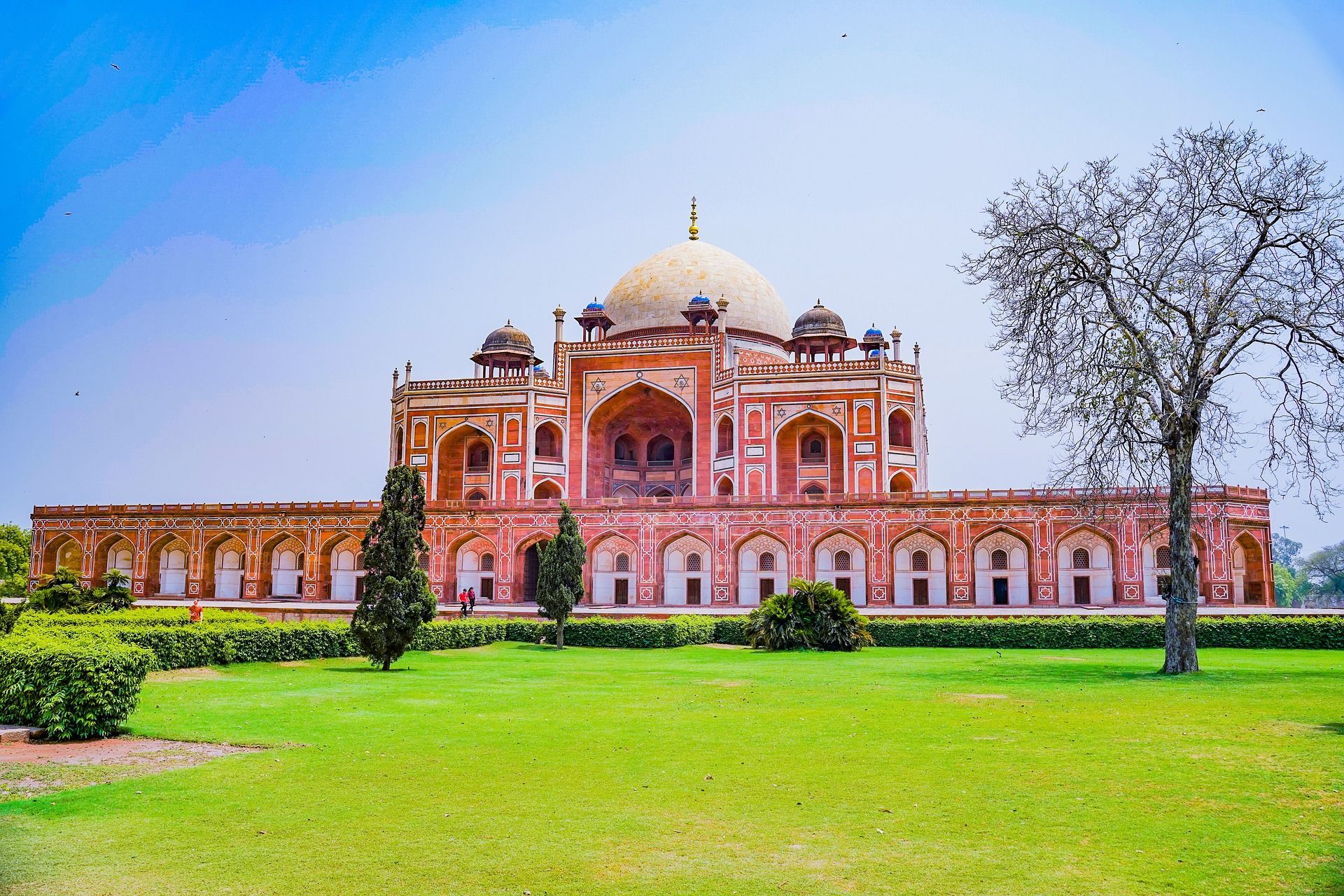
Historical Places in Delhi: Top 30 Heritage Monuments
Discover best historical places in Delhi! Find Red Fort, Qutub Minar, Humayun's Tomb, and complete travel guide to India's capital heritage monuments.

Historical Places in India: Top 50 Heritage Sites
Plan historical places in India with region-wise strategy, realistic daily circuits, and practical heritage travel tips.
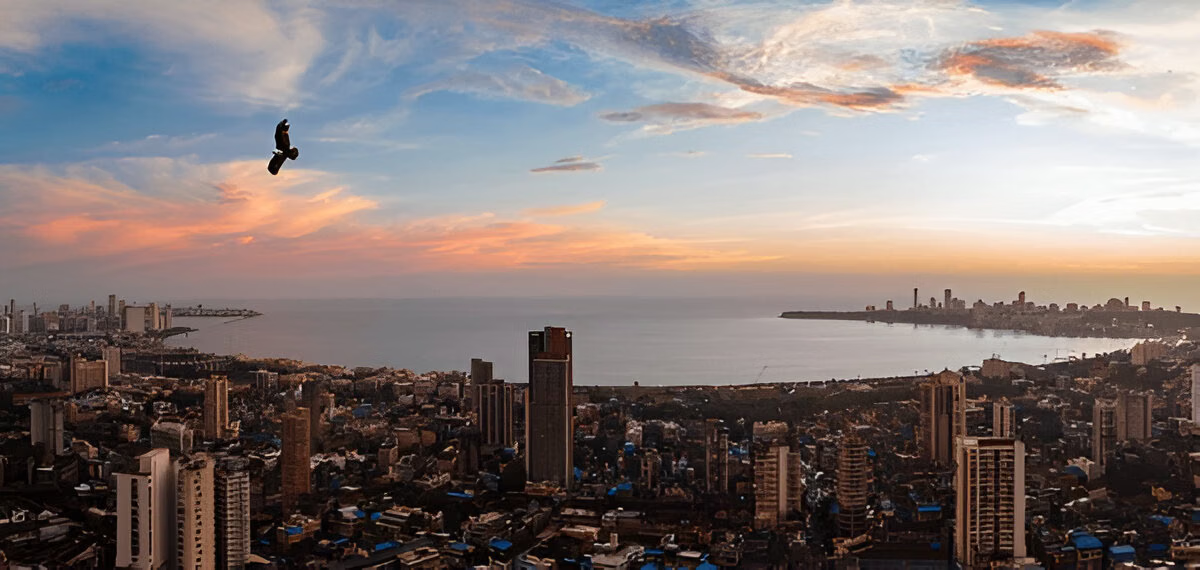
Places to Visit Mumbai in One Day: Itinerary
Complete Mumbai one-day itinerary covering Gateway of India, Elephanta Caves, Marine Drive, Siddhivinayak Temple, and Bandra Worli Sea Link.
Never Miss an Adventure
Get the latest trekking guides, travel tips, and exclusive offers delivered straight to your inbox.
