
Ambubachi Mela: Complete Guide to Kamakhya Temple Festival

Priya Mehta
February 9, 2026
Experience the divine feminine power at Ambubachi Mela, India's unique festival celebrating Goddess Kamakhya's menstrual cycle. Complete guide with dates, rituals, darshan timings and practical tips for visiting Kamakhya Temple Guwahati.
The Sacred Celebration of Goddess Kamakhya
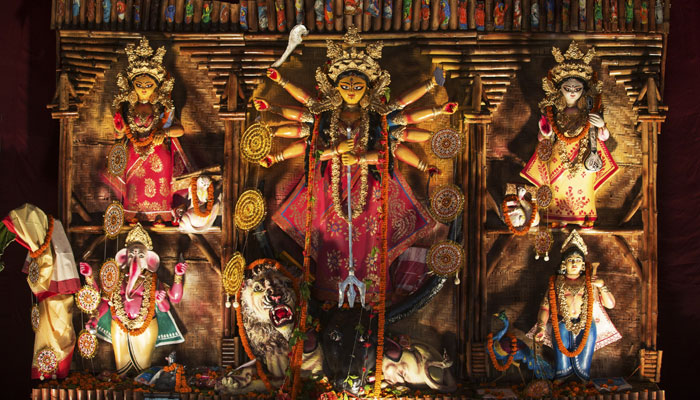
The Ambubachi Mela stands as one of India's most profound and mysterious religious festivals, drawing millions of devotees to the sacred Kamakhya Temple in Guwahati, Assam. This annual celebration honors the menstrual cycle of Goddess Kamakhya, believed to be an incarnation of Goddess Shakti. Unlike any other Hindu festival, Ambubachi Mela celebrates the divine feminine power in its most primal form, recognizing menstruation as a sacred natural phenomenon rather than something impure.
What makes this festival truly extraordinary is its unique theological foundation - it's one of the few religious celebrations worldwide that reveres the menstrual cycle as divine. The temple remains closed for three days during the festival, symbolizing the goddess's menstrual period. During this time, the natural water stream in the sanctum sanctorum turns reddish, which devotees believe represents the goddess's menstrual blood. This miraculous occurrence draws sadhus, tantrics, and devotees from across India and beyond, creating an atmosphere charged with spiritual energy and devotion.
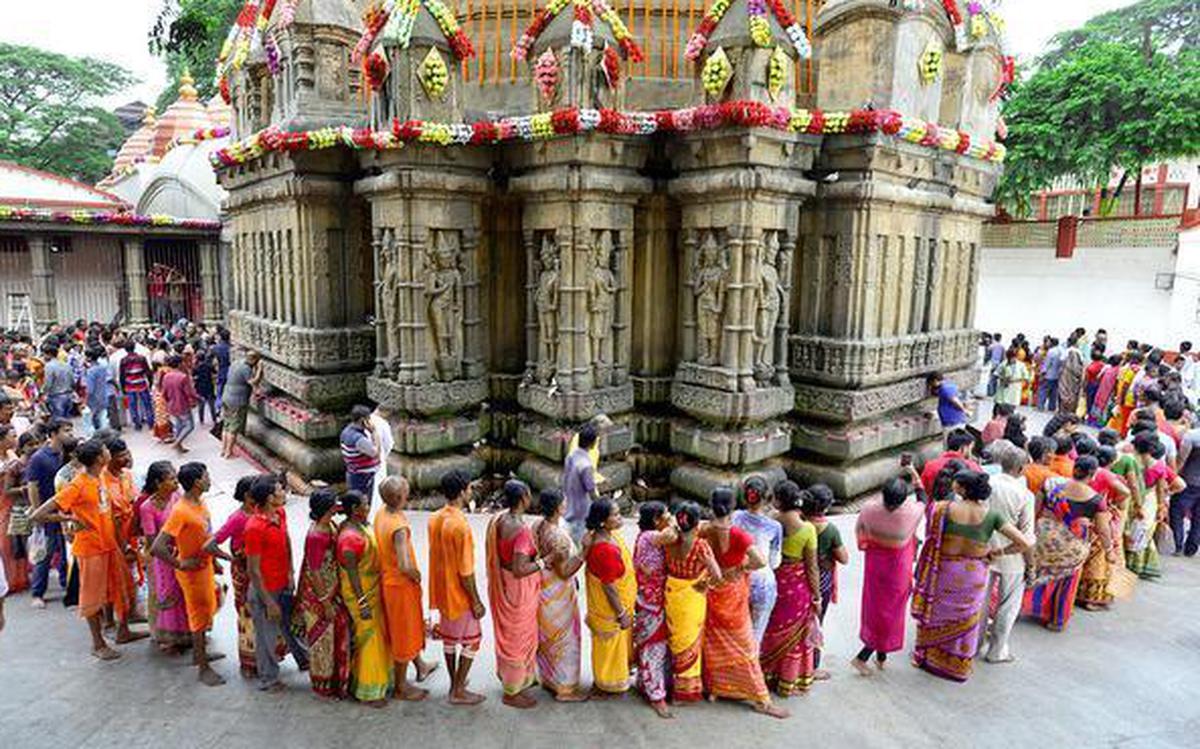
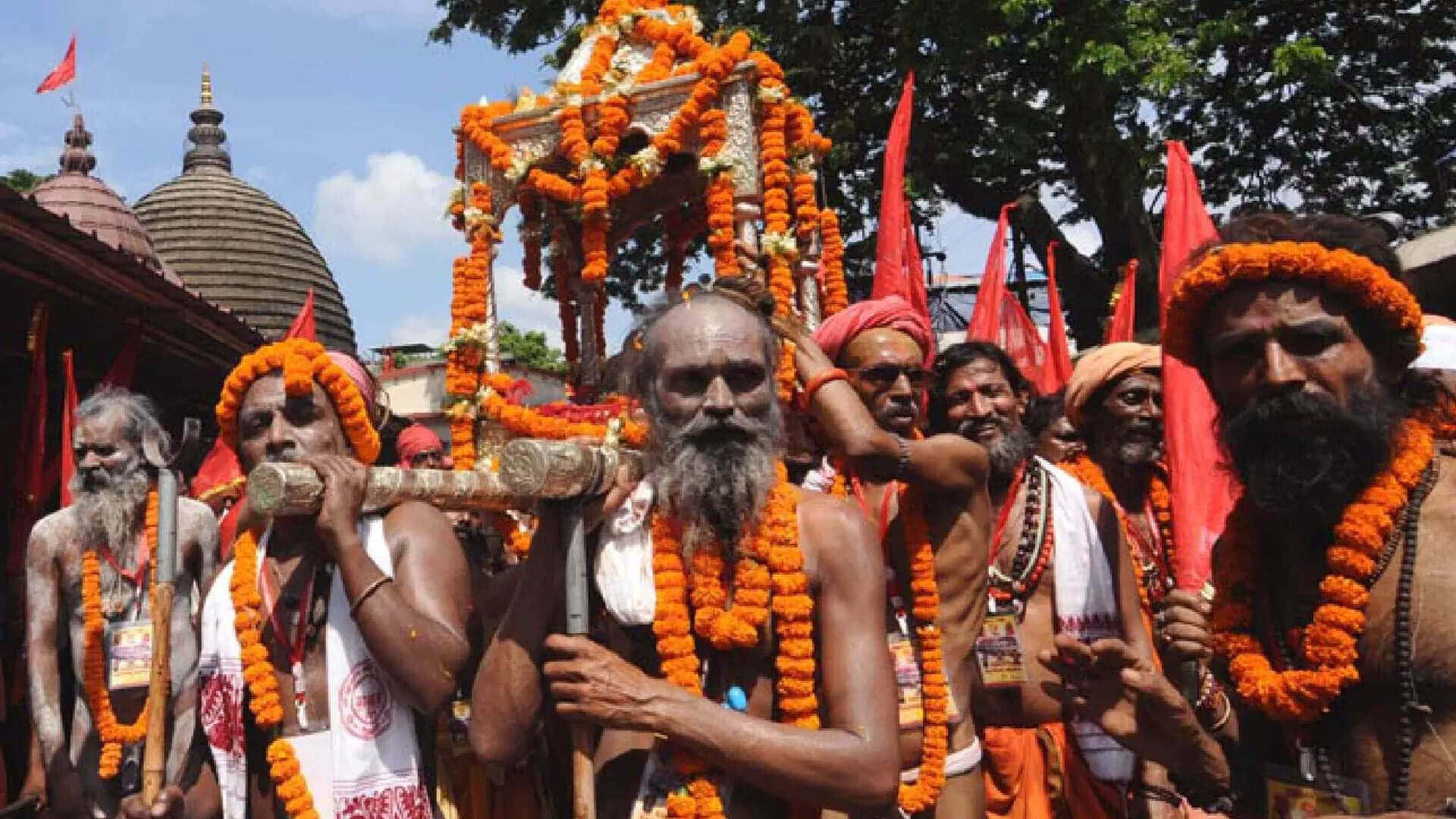
The festival transforms the entire Nilachal Hill where Kamakhya Temple stands into a vibrant sea of humanity. Sadhus with dreadlocks and ash-smeared bodies, Naga Babas wearing nothing but marigold garlands, tantric practitioners, and ordinary devotees - all gather here seeking the goddess's blessings. The air reverberates with chants of mantras, the sound of conch shells, and the collective energy of millions of devoted hearts. For many, this isn't just a religious festival but a transformative spiritual experience that connects them with the ancient Shakti tradition.
Mythological Significance of Ambubachi Mela
The roots of Ambubachi Mela run deep into Hindu mythology, particularly the legend of Sati, the first wife of Lord Shiva. According to ancient texts, when Sati's father, Daksha Prajapati, organized a grand yagna (sacrificial ceremony), he intentionally did not invite Shiva and Sati. Sati, unable to bear this insult to her husband, immolated herself in the sacrificial fire. Lord Shiva, consumed by grief and rage, performed the terrifying Tandava dance carrying Sati's burnt body across the universe.
To save the world from Shiva's destructive fury, Lord Vishnu used his Sudarshana Chakra to cut Sati's body into 51 pieces, which fell at different locations across the Indian subcontinent. These locations became Shakti Peethas, sacred shrines of the Goddess. The Kamakhya Temple is built on the spot where Sati's womb and vagina fell, making it the most revered of all Shakti Peethas. This mythological connection establishes the temple's profound association with fertility, womanhood, and the divine feminine creative power.
The name 'Ambubachi' itself is derived from the Sanskrit word 'Ambuvachi,' meaning 'spoken of water' or 'issuing forth of water.' The festival celebrates the creative power of the goddess - the same cosmic energy that creates life, nurtures existence, and sustains the universe. Unlike many Hindu temples that view menstruation as making a woman impure, Kamakhya Temple embraces it as the most powerful expression of Shakti, the divine feminine energy that powers creation itself.
The Tantric Connection
Kamakhya Temple is one of India's most important centers of Tantric worship, and Ambubachi Mela holds special significance in Tantra tradition. Tantric practitioners believe that during the Ambubachi period, the cosmic energy channels are most open, making it an exceptionally powerful time for spiritual practices, meditation, and sadhana. The goddess is believed to be in her most benevolent and powerful form during these days, granting boons to sincere devotees.
The temple's association with Tantra dates back centuries, and during Ambubachi Mela, the atmosphere becomes particularly charged with Tantric energy. Sadhus and tantrics engage in elaborate rituals, chanting of powerful mantras, and meditation practices. Many believe that spiritual progress achieved during these three days equals years of regular practice. The festival represents the convergence of orthodox Hindu devotion and esoteric Tantric practices, creating a unique spiritual environment found nowhere else.
Dates and Duration of the Mela
Ambubachi Mela is an annual festival that typically takes place during the Assamese month of Ahaar, which usually falls in mid-June according to the Gregorian calendar. The festival coincides with the summer solstice, marking the beginning of the monsoon season in Assam. The exact dates are determined according to the lunar calendar and vary each year, but the festival consistently spans four days - the three days when the temple remains closed, followed by the fourth day when it reopens to devotees.
The first day marks the onset of the goddess's menstrual period, and the temple doors are closed to all devotees. The priests perform elaborate rituals inside the closed temple, maintaining strict vigil over the sanctum sanctorum. These three days represent the goddess's period of rest and renewal. On the fourth day, known as 'Naba Prabhat,' the temple doors reopen in an elaborate ceremony. Devotees rush to receive darshan, believing that the goddess's blessings are particularly potent during this time.
The timing holds deep astronomical and agricultural significance. The summer solstice represents the peak of masculine solar energy, and Ambubachi Mela honors the complementary feminine lunar energy, creating cosmic balance. The monsoon connection is equally significant - just as the earth is rejuvenated by rain, the goddess's menstrual cycle symbolizes fertility and the renewal of life. Farmers across Assam and Northeast India consider Ambubachi Mela auspicious for beginning agricultural activities, believing that the goddess's blessings ensure bountiful harvests.
Millions of Devotees - The Scale of Participation
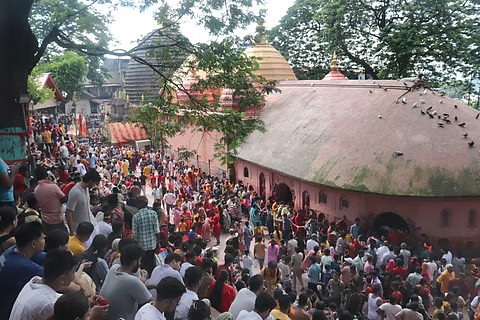
The Ambubachi Mela is one of India's largest religious congregations, attracting an estimated 2-5 million devotees annually. The sheer scale of participation is staggering - the entire Nilachal Hill and surrounding areas transform into a temporary city housing millions of pilgrims. What's remarkable is the diversity of the gathering - you'll find Sadhus from the Himalayas, tribal communities from Northeast India, Bengali families, foreign spiritual seekers, academics studying religion, and curious tourists - all united in their devotion to the goddess.
The pilgrim accommodation during the mela is a testament to human organization and devotion. The Assam government, temple authorities, and numerous voluntary organizations work together to create a temporary infrastructure capable of housing millions. Massive tents are erected across the hill, langars (community kitchens) operate round the clock feeding thousands, medical camps handle emergencies, and water stations ensure hydration. Despite the overwhelming numbers, the festival has historically maintained peace, with devotees showing remarkable patience and consideration for fellow pilgrims.
The demographic profile of attendees reflects the broad appeal of Ambubachi Mela. While the majority are devotees seeking the goddess's blessings, the festival also attracts spiritual tourists, researchers studying indigenous traditions, photographers capturing the unique spectacle, and foreign visitors intrigued by this celebration of the divine feminine. Unlike many pilgrimages that attract specific demographic groups, Ambubachi Mela sees participation across age groups, genders, and social backgrounds - though it holds particular significance for women who find in it a rare spiritual validation of womanhood.
Accommodation During the Mela
Securing accommodation during Ambubachi Mela requires advance planning, as millions descend on Guwahati during these four days. The accommodation options range from very basic to reasonably comfortable, but all require early booking. The temple trust operates several dharamshalas (pilgrim rest houses) on Nilachal Hill, offering basic dormitory-style accommodation at minimal cost. These dharamshalas fill up months in advance, and devotees often register through religious organizations or local contacts to secure a spot.
Private hotels and guest houses in Guwahati see massive demand during the mela period. Hotels in the city center, which is approximately 8-10 kilometers from the temple, offer more comfortable options but at premium rates during the festival. Many devotees opt to stay with local families who open their homes to pilgrims - a tradition of hospitality that exemplifies Assamese culture. The Assam Tourism Development Corporation (ATDC) operates tourist lodges that can be booked online, though these also require advance reservation.
For devotees unable to find paid accommodation, the temple trust and various religious organizations set up massive community shelters during the mela. These basic facilities provide sleeping space on mats or carpets, often on a first-come-first-served basis. While amenities are minimal, the atmosphere is charged with devotion, and fellow pilgrims often share resources. The langars operate 24 hours, ensuring no one goes hungry. Many sadhus and ascetics simply sleep under the open sky or in temporary tents they erect themselves, seeing even basic comfort as unnecessary luxury in their spiritual quest.
The Darshan Process and Temple Timings
Understanding the darshan process during Ambubachi Mela is crucial for devotees planning to visit. The temple follows a specific schedule during the festival, and knowing this in advance helps manage expectations. On the first three days of the mela, the temple remains completely closed - no devotees are allowed inside, not even for external viewing. The priests perform secret rituals inside the sanctum, maintaining the temple's sanctity during the goddess's menstrual period.
The eagerly awaited moment is the temple reopening on the fourth day, known as 'Mela Day.' The temple typically opens early morning, though the exact timing is determined by the priests based on auspicious moments calculated according to traditional astrology. Before the general darshan begins, the priests perform elaborate purification rituals and offer special prayers to the goddess. The first darshan is typically offered to special invitees, including government dignitaries, temple trustees, and distinguished sadhus.
Once the temple opens for general darshan, devotees queue up for hours, sometimes overnight, to catch a glimpse of the goddess. The queue management system is organized by the temple trust with assistance from security personnel. Devotees receive tokens indicating their queue position and approximate darshan time. The wait can extend to 12-24 hours during peak periods, testing devotees' patience and devotion. Once inside the temple complex, devotees move through barricaded pathways, have a brief darshan of the goddess in the sanctum, and exit to make way for the next batch.
For those unable to endure the long queues, special paid darshan options exist, where devotees can pay a premium fee for expedited entry. These VIP passes are limited and must be booked well in advance. However, many traditional devotees believe that the hardships endured while waiting - the hunger, fatigue, and discomfort - themselves constitute a form of penance that enhances the spiritual merit of the darshan.
Facilities for Pilgrims
The Assam government, Kamakhya Temple Trust, and numerous voluntary organizations work together to provide comprehensive facilities for the millions of pilgrims attending Ambubachi Mela. These facilities, while stretched to capacity during peak days, demonstrate remarkable organizational capability and dedication to pilgrim welfare. Water distribution stations are set up throughout the temple complex and surrounding areas, ensuring devotees remain hydrated in the June heat. Purified water is provided free of cost, with tankers constantly replenishing supplies.
Medical facilities are extensive, with multiple first-aid stations, medical camps, and emergency response teams stationed across the pilgrimage area. Doctors and paramedics work round-the-clock handling dehydration cases, heat exhaustion, minor injuries, and other emergencies. Given the massive crowds and June heat, medical teams are particularly vigilant about heatstroke and provide oral rehydration solutions free of cost. Ambulances are stationed at strategic points for quick evacuation to nearby hospitals if needed.
Food arrangements are managed through both formal langars run by religious organizations and community kitchens operated by volunteer groups. These langars serve simple vegetarian meals - typically rice, dal, and vegetables - completely free of cost. Many devotees consider partaking in this prasad (blessed food) an essential part of their pilgrimage experience. The scale of food preparation is enormous - some langars serve tens of thousands of meals daily during the mela, operated entirely by volunteers working in shifts.
Sanitation facilities, while basic, are maintained through hundreds of temporary toilets set up specifically for the mela. Cleaning teams work continuously to keep these facilities functional. Security arrangements are comprehensive, with CCTV cameras, security personnel, and volunteers managing crowd control and safety. Lost-and-found centers help reunite separated family members, particularly important given the overwhelming crowds. Announcements are made through public address systems in multiple languages - Assamese, Hindi, Bengali, and English - helping devotees navigate the festival.
Best Time and Preparation Tips
Timing Your Visit
Choosing the right time to visit Ambubachi Mela requires considering your priorities. If your goal is to experience the maximum spiritual energy and participate in the main temple opening, arriving a day before the temple reopening is ideal. This allows you to be present for the auspicious moment when the goddess's darshan becomes available. However, this is also when the crowds are most overwhelming, with queues extending for hours.
For those wanting to avoid the extreme crowds while still experiencing the festival atmosphere, arriving on the second or third day (when the temple is closed) can be meaningful. While you won't get darshan, you can witness the sadhus, the spiritual ambiance, and the unique festival culture. Many devotees arrive early, perform rituals at the temple entrance, and leave before the reopening rush. The weather in mid-June Guwahati is typically hot and humid, with temperatures ranging from 28°C to 35°C, and high humidity due to approaching monsoon.
Lightweight, modest cotton clothing is essential. Women should wear salwar kameez or sarees, men should wear dhotis or kurta-pajamas. Avoid synthetic fabrics that don't breathe. Carry a light raincoat or umbrella as unexpected showers are common. Comfortable walking shoes are crucial - you'll be walking considerable distances and standing for hours in queues. However, remember you'll need to remove footwear before entering certain areas, so wear shoes that are easy to take off and put on.
Health and Safety Preparation
Physical preparation is important for handling the demanding conditions during Ambubachi Mela. Start drinking plenty of water and staying hydrated in the days leading up to your visit. Carry ORS (oral rehydration solution) packets to mix with water if you feel dehydrated. Heat exhaustion is real - recognize symptoms like dizziness, nausea, or excessive sweating, and seek medical help immediately. Don't push yourself beyond your limits - there's no shame in taking breaks in shaded areas or returning to your accommodation to rest.
Mental preparation is equally important. The crowds can be overwhelming - expect pushing, long queues, basic facilities, and discomfort. Approach it as spiritual sadhana (discipline) rather than a comfortable vacation. Keep emergency contact numbers written down and stored in your phone - including local police, medical services, and your accommodation. Carry basic medications - paracetamol for headaches, motion sickness medication if needed, and any personal prescription medicines.
If you have elderly family members or children, consider their ability to handle the conditions. The elderly, pregnant women, and young children may find the heat and crowds particularly challenging. Many families leave vulnerable members at home or in more comfortable accommodation in Guwahati city rather than bringing them to the temple complex during peak times.
What to Carry
Pack light but smart. Essential items include a reusable water bottle (refilling stations are available), a small bag for carrying offerings and prasad, and a cloth bag for any purchases. If you plan to queue for long hours, carry a light snack - energy bars, bananas, or dry fruits. A small towel or handkerchief helps wipe sweat. Sunscreen, sunglasses, and a hat or umbrella protect against the harsh sun. A portable fan or hand-held battery-operated fan provides relief in the heat.
Keep some cash in small denominations - while many services are free, you might need money for small purchases, donations, or emergencies. Don't carry expensive jewelry or large amounts of cash - the crowds, while generally safe, present pickpocketing risks. Keep your phone charged with a power bank, but use it judiciously as network congestion can make communication difficult. Carry a small torch/flashlight if you'll be moving around at night - some areas have limited lighting.
Religious Significance and Rituals
The religious significance of Ambubachi Mela extends beyond the temple reopening - it's a comprehensive spiritual experience with various rituals and observances. The period when the temple is closed is considered highly powerful for spiritual practices. Many devotees engage in fasting, meditation, mantra chanting, and reading of sacred texts during these three days. Some observe complete silence (maun vrat), believing the goddess's energy to be particularly receptive to sincere prayers during this period.
The Tantric rituals performed during Ambubachi Mela are elaborate and esoteric, known only to initiated practitioners. Inside the closed temple, priests conduct yagnas (sacred fire ceremonies), offer special prayers, and maintain continuous vigil. The sanctum sanctorum, which houses the yoni (vaginal symbol) of the goddess - representing the creative power of the universe - becomes the focal point of these rituals. The reddening of the natural water stream in the sanctum is witnessed only by the head priest and a select few, maintaining its sacred mystery.
Devotees outside the temple engage in various practices. Many circumambulate the temple (pradakshina) chanting mantras. Sadhus deliver spiritual discourses explaining the significance of the festival and the goddess's power. Bhajan and kirtan (devotional singing) continue day and night, creating a charged spiritual atmosphere. Some devotees maintain a complete fast for all three days, breaking it only after receiving darshan on the fourth day.
The Sacred Cloth Distribution
One of the most significant aspects of Ambubachi Mela is the distribution of the 'Rakta Bastra' (sacred red cloth) and 'Ambubachi Angabastra' on the fourth day after the temple reopens. These pieces of cloth are offered to the goddess during the closed period and then distributed to devotees as prasad (blessed gift). The cloth is believed to be charged with the goddess's energy and carries her blessings.
Devotees believe that keeping this sacred cloth in their homes brings prosperity, fertility, protection from evil, and the goddess's continued blessings. Many women specifically seek this cloth for its fertility blessings, while Tantric practitioners use it in their spiritual practices. The distribution system is organized, with devotees receiving tokens and collecting their prasad from designated counters. Despite the massive demand, the temple trust ensures systematic distribution.
How to Reach Kamakhya Temple Guwahati
By Air
Guwahati's Lokpriya Gopinath Bordoloi International Airport is well-connected to major Indian cities. For those exploring Guwahati, the temple is approximately 20 kilometers away. From the airport, Kamakhya Temple is approximately 20 kilometers away. Pre-paid taxis are available at the airport, and the journey takes about 45-60 minutes depending on traffic. Auto-rickshaws are also available but may not be comfortable for long distances with luggage.
By Train
Guwahati Railway Station is the major railhead in the Northeast, connected to all major Indian cities. From the railway station, the temple is approximately 8-10 kilometers. Auto-rickshaws, taxis, and app-based cabs (Uber and Ola operate in Guwahati) are readily available. The journey takes 20-30 minutes depending on traffic conditions. During Ambubachi Mela, special trains may be announced, and the railway station sees massive crowds.
By Road
Guwahati is connected by National Highway 27 to the rest of India. Deluxe and sleeper buses operate from Kolkata, Siliguri, and other major cities. The ASTC (Assam State Transport Corporation) and private operators run regular bus services. During Ambubachi Mela, special bus services are arranged. The Inter-State Bus Terminus (ISBT) in Guwahati is well-connected to the temple by local transport.
Local Transport to the Temple
From any point in Guwahati city, shared autos, city buses, and taxis are available to reach the foothills of Nilachal Hill. From there, devotees either climb the stairs to the temple (approximately 600 steps) or take shared vehicles partway up. During Ambubachi Mela, special shuttle services may operate. The climb, while tiring, is considered part of the pilgrimage experience, and many devotees prefer to walk.
Spiritual Significance for Women
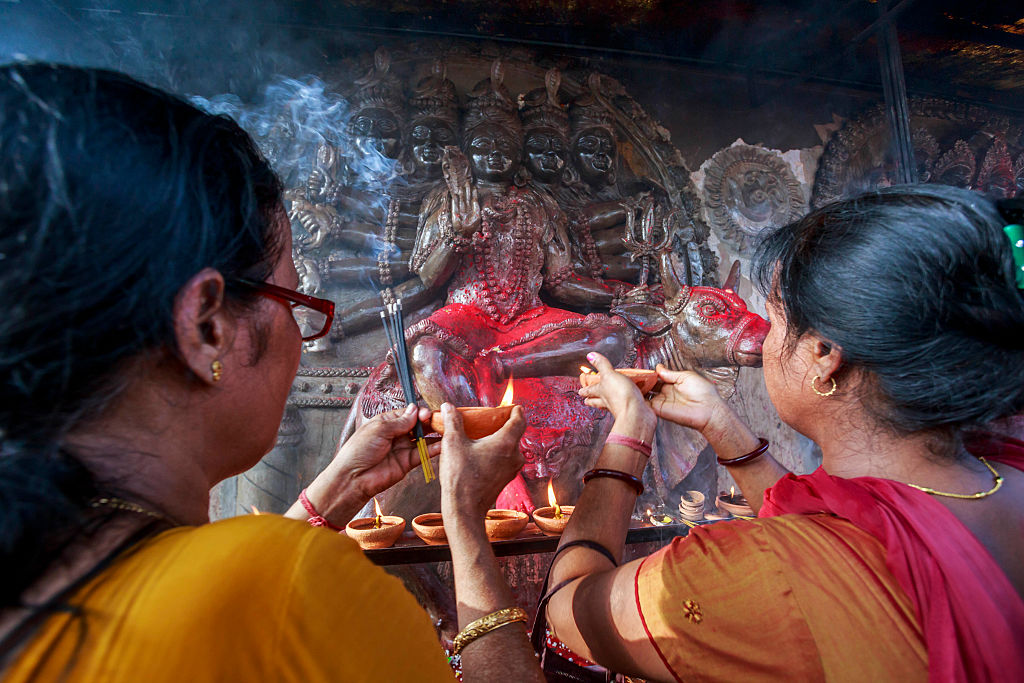
Ambubachi Mela holds particular significance for women, offering a spiritual framework that honors rather than shames menstruation. In many parts of India, menstrual taboos still prevail - women are excluded from temples, kitchens, and social activities during their periods. Kamakhya Temple and Ambubachi Mela stand in stark contrast, celebrating menstruation as the goddess's power and the very source of creation.
Many women devotees speak of the profound sense of validation and empowerment they experience during the mela. For women struggling with infertility, menstrual disorders, or reproductive health issues, the mela offers spiritual solace and hope. Childless couples particularly seek the goddess's blessings during Ambubachi, believing the period's special energy can grant fertility. The temple's unique theology - that the goddess's menstrual power creates and sustains the universe - resonates deeply with women seeking spiritual connection to their own bodies and creative power.
Women participate fully in all rituals during Ambubachi Mela. Unlike some temples that restrict women's entry during menstruation, Kamakhya Temple welcomes all women at all times. This inclusive approach has made the temple a symbol of women's spiritual empowerment within Hinduism, similar to other important temples in Guwahati. Many feminist scholars and spiritual leaders point to Kamakhya and Ambubachi Mela as examples of indigenous traditions that honor feminine divinity without shame or taboo.
The Sadhus and Ascetics of Ambubachi
The Ambubachi Mela brings together an extraordinary gathering of sadhus (ascetics) from across India, representing various traditions including Shaivites, Vaishnavites, and numerous Tantric sects. The sight of Naga Sadhus - completely naked except for ash smeared on their bodies and marigold garlands - is particularly striking. These ascetics have renounced all material possessions and social conventions, living on the margins of society while dedicating themselves entirely to spiritual pursuit.
The sadhus play a central role in Ambubachi Mela's spiritual atmosphere. Many spend the entire three closed period engaged in intense spiritual practices - meditation, mantra japa (repetition), yagyas (fire rituals), and philosophical discourses. Their presence transforms the mela from a mere festival into a spiritual kumbh (gathering). For many devotees, simply seeing these ascetics, receiving their blessings, or listening to their teachings constitutes the highlight of their pilgrimage.
The sadhus themselves view Ambubachi as a particularly powerful time for spiritual advancement. They believe the goddess's energy permeates the entire atmosphere during these days, accelerating spiritual progress. Many have been attending Ambubachi Mela for decades, maintaining an unbroken tradition of participation. Their dreadlocks, often reaching their feet, are believed to have accumulated spiritual energy over years of austerities. Smoking chillum (a traditional pipe) and engaging in philosophical debates are common activities among the sadhus during the mela.
Tantric Practices and Beliefs
Kamakhya Temple is one of the most important centers of Tantra in India, and Ambubachi Mela represents the peak of Tantric activity. Tantra, often misunderstood in popular culture, is actually a sophisticated spiritual tradition that seeks to harness all energies - including those considered taboo by orthodox society - in the pursuit of liberation. During Ambubachi, Tantric practitioners engage in complex rituals involving mantras, yantras (mystical diagrams), and specific meditation techniques.
It's important to distinguish between left-hand Tantra (which may involve controversial practices) and right-hand Tantra (which uses symbolic practices). The practices at Kamakhya predominantly follow the right-hand path, focusing on meditation, mantra chanting, and internal energy practices. However, the temple's association with esoteric traditions has always attracted curiosity and some sensationalism in popular media.
For most devotees, the Tantric elements remain mysterious and inaccessible - the realm of specialists. What's accessible is the general atmosphere of devotion and the goddess's grace, which is believed to be particularly potent during Ambubachi regardless of whether one follows Tantric or orthodox Hindu practices. This coexistence of different spiritual streams creates Kamakhya's unique inclusive character.
Cultural and Economic Impact
Beyond its religious significance, Ambubachi Mela has tremendous cultural and economic impact on Assam and Guwahati. The festival showcases Assamese culture to the world - visitors experience Assamese hospitality, cuisine, music, and traditions. Local artists, musicians, and craftspeople find a massive audience during the mela. The festival has become an important cultural tourism attraction, drawing international visitors interested in experiencing India's spiritual diversity.
Economically, the mela generates significant revenue for local businesses, hotels, transport services, and vendors. The temporary infrastructure created for the mela provides employment to thousands. The Assam government actively promotes Ambubachi Mela as part of its spiritual tourism initiative, investing in improved facilities and marketing. However, this commercialization raises concerns among some traditionalists who worry about preserving the festival's authentic spiritual character.
The media coverage of Ambubachi Mela, while bringing attention to this unique tradition, sometimes focuses on sensational aspects rather than the profound theological significance. Sadhus smoking chillums, Naga Babas without clothes, and discussions about menstruation make for striking visuals but often miss the deeper spiritual message about feminine divinity and cosmic creative power.
Tips for First-Time Visitors
If you're planning your first visit to Ambubachi Mela, approach it with proper preparation and realistic expectations. First and foremost, book your accommodation well in advance - months ahead if possible. Don't expect luxury facilities - this is a pilgrimage, not a vacation. Be prepared for basic amenities, long queues, heat, and crowds. Pack light, carry essential medicines, and dress in modest, comfortable clothing.
Understand that the temple remains closed for three days - if you specifically want darshan, plan to be present on the fourth day when it reopens. The queues will be longest on this day, so patience is essential. If crowds overwhelm you, consider visiting on the first three days when the temple is closed - the atmosphere is still charged with spiritual energy, and you can participate in the general festivities without the darshan rush.
Respect local customs and traditions. Dress modestly, remove footwear when required, and maintain decorum in religious spaces. Ask permission before photographing people, especially sadhus who may consider photography disrespectful. Be prepared for security checks - the massive crowds require strict security measures. Carry some cash but don't display large amounts openly.
Most importantly, approach the experience with devotion and an open mind. Whether you're a believer or a curious observer, Ambubachi Mela offers a window into India's profound spiritual diversity. The message of feminine divinity, the celebration of natural cycles, and the devotion of millions create an experience that's transformative regardless of your background or beliefs.
The Spiritual Essence of Ambubachi
At its core, Ambubachi Mela celebrates a profound theological truth - the recognition of divine feminine power as the creative force of the universe. In a world where feminine divinity is often marginalized, Kamakhya Temple and Ambubachi Mela stand as powerful affirmations of Shakti - the goddess energy that permeates all existence. The festival challenges taboos, celebrates natural processes, and honors the feminine in its most primal form.
For millions of devotees, the mela is more than a religious obligation - it's a spiritual homecoming, a return to the source. The collective energy of millions gathered in devotion, the ancient rituals continuing unbroken for centuries, the presence of realized sadhus and ascetics - all create an atmosphere of palpable spiritual power. Devotees return year after year, drawn by the irresistible pull of the goddess and the transformative power of her grace. If your visit extends beyond the mela itself, Kaziranga National Park, a few hours from Guwahati, offers a striking contrast with its one-horned rhinoceros safaris amid the Brahmaputra floodplains.
The reddening of the sacred spring, whether explained scientifically as iron oxidation or accepted as divine miracle, becomes a powerful symbol of nature's cycles and the earth's fertility. In celebrating the goddess's menstrual period, Ambubachi Mela makes a profound statement about the sanctity of all natural processes and the divine presence in every aspect of existence, including those considered impure by conventional society.
As you leave Kamakhya Temple, having navigated the crowds, endured the heat, and received the goddess's darshan, you carry with you not just prasad and sacred cloth, but an experience that transforms - a recognition that divinity encompasses all of existence, that the feminine creative power is sacred, and that devotion can transcend conventional boundaries to touch the eternal. This is the enduring magic of Ambubachi Mela - a festival that celebrates the very source of creation itself.
Location
Frequently Asked Questions
Q1.When is Ambubachi Mela celebrated in 2025?
Q2.What is the religious significance of Ambubachi Mela?
Q3.How do I reach Kamakhya Temple in Guwahati for Ambubachi Mela?
Q4.What are the darshan timings during Ambubachi Mela?
Q5.What accommodation options are available during Ambubachi Mela?
Q6.What facilities are provided for pilgrims during Ambubachi Mela?
Q7.What should I pack and how should I prepare for Ambubachi Mela?
Q8.Is Ambubachi Mela safe for foreign tourists and women?
Recommended For You
Places to Visit in Guwahati: Temples, Riverfront & City Highlights
Explore top places to visit in Guwahati including Kamakhya Temple, Umananda, Brahmaputra cruise, and a practical 2-day itinerary.
12 Jyotirlingas in India: Temple List, States, Route & Darshan Tips
Explore all 12 Jyotirlingas in India - sacred shrines of Lord Shiva. Complete guide with locations, significance, darshan timings, best time to visit, pilgrimage routes & travel tips.
Things to Do in Guwahati One Day: Smart City Plan
Plan one perfect day in Guwahati with a practical 24-hour itinerary covering temples, ferry rides, food, and sunset river experiences.
Never Miss an Adventure
Get the latest trekking guides, travel tips, and exclusive offers delivered straight to your inbox.
