
Kamakhya Temple Guwahati: Darshan Timings & History

Rohit Verma
January 21, 2026
Visit Kamakhya Temple in Guwahati Assam! Get darshan timings, aarti schedule, history, how to reach, best time to visit & complete guide for this Shakti Peeth.
Introduction
Kamakhya Temple, perched atop Nilachal Hill in Guwahati, Assam, is one of India's most revered Shakti Peeths and a center of tantric worship. Similar to the Kashi Vishwanath Temple in Varanasi, this sacred site attracts millions of devotees. Dedicated to Goddess Kamakhya, a manifestation of Goddess Shakti, this ancient temple holds immense religious significance in Hinduism and attracts millions of devotees from across the country and beyond.
What makes Kamakhya Temple unique is its association with the legend of Sati and its celebration of the feminine divine in all its forms. The temple is particularly famous for the Ambubachi Mela, an annual festival that celebrates the menstruation of the goddess - a rare acknowledgement of feminine divinity in religious practice.
This comprehensive guide covers everything you need to know about visiting Kamakhya Temple including darshan timings, aarti schedule, ticket prices, how to reach, the legend of Ambubachi Mela, and practical travel tips for devotees.
History and Legend of Kamakhya Temple
The history and mythology surrounding Kamakhya Temple are as fascinating as they are ancient. According to Hindu mythology, the temple is one of the 51 Shakti Peeths - sacred sites where parts of Goddess Sati's body fell when Lord Shiva carried her burnt corpse and performed the Tandava dance of destruction.
The Legend of Sati's Yoni
At Kamakhya Temple, it is believed that the 'yoni' (womb or vagina) of Goddess Sati fell here when her body was dismembered by Lord Vishnu's Sudarshana Chakra. This makes Kamakhya Temple one of the most significant Shakti Peeths, representing the creative power of the Goddess and the source of all creation.
The temple's main sanctum doesn't house an idol of the goddess. Instead, devotees worship a natural rock formation with a fissure - the yoni - which is continuously bathed by a natural spring of water. This unique feature represents the goddess's creative power and the source of life itself.
Historical Significance
While the temple's mythological origins date back thousands of years, the current structure was built between the 8th and 17th centuries by various rulers of the Kamarupa dynasty. The temple complex has been destroyed and rebuilt multiple times throughout history, with the current structure largely dating to the Ahom period.
Kamakhya Temple has been an important center of tantric worship for centuries. Tantric practitioners believe that the temple represents the union of masculine and feminine divine energies, making it a powerful site for spiritual practices and rituals. This concept of divine energy is also central to other sacred sites like the Somnath Temple.
Architecture and Temple Complex
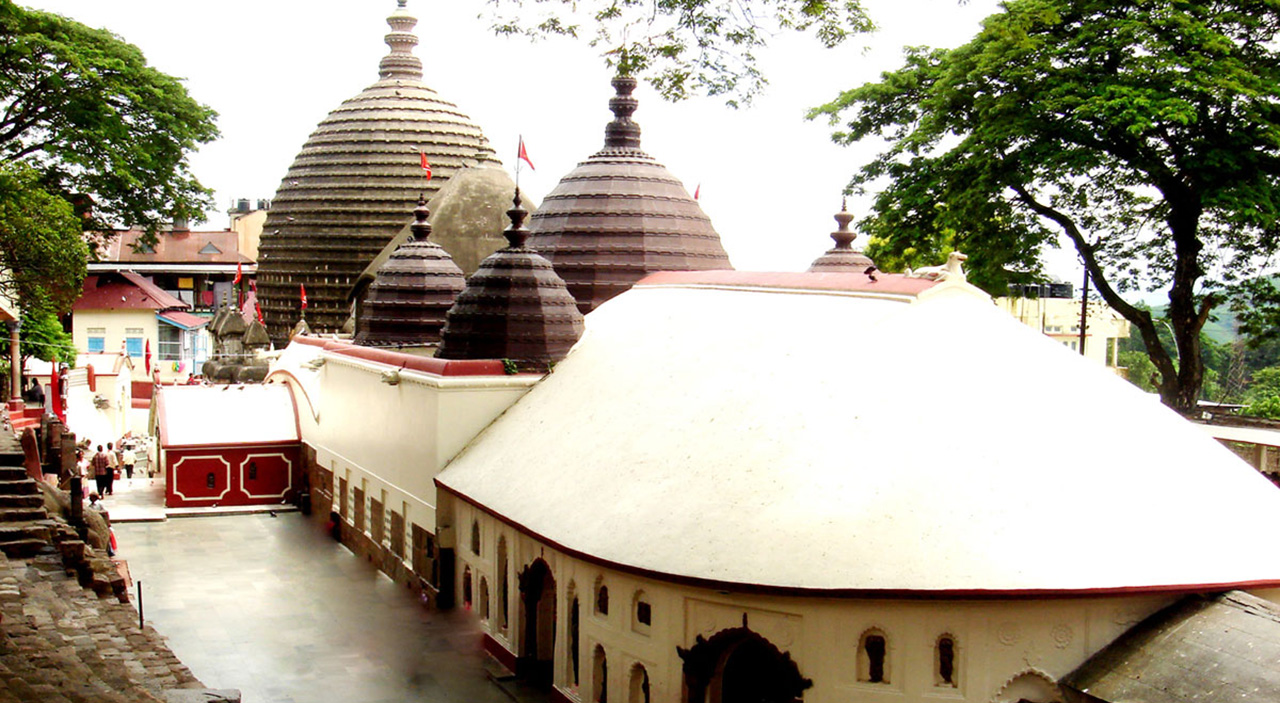
Kamakhya Temple showcases the distinctive Nilachal style of architecture, which combines elements of indigenous Assamese architecture with traditional Hindu temple design. The main temple is beehive-shaped with a hemispherical dome atop a cruciform base.
Temple Structure
The temple complex consists of three major chambers: the western chamber (garbhagriha or sanctum), the middle chamber (calanta), and the eastern chamber (natamandir or dance hall). The sanctum is where the yoni of the goddess is located and is the most sacred part of the temple.
The temple is surrounded by smaller shrines dedicated to the ten Mahavidyas (ten forms of the goddess), creating a complete representation of the divine feminine in various manifestations. Each of these shrines has its own significance and devotees often visit all of them during their pilgrimage.
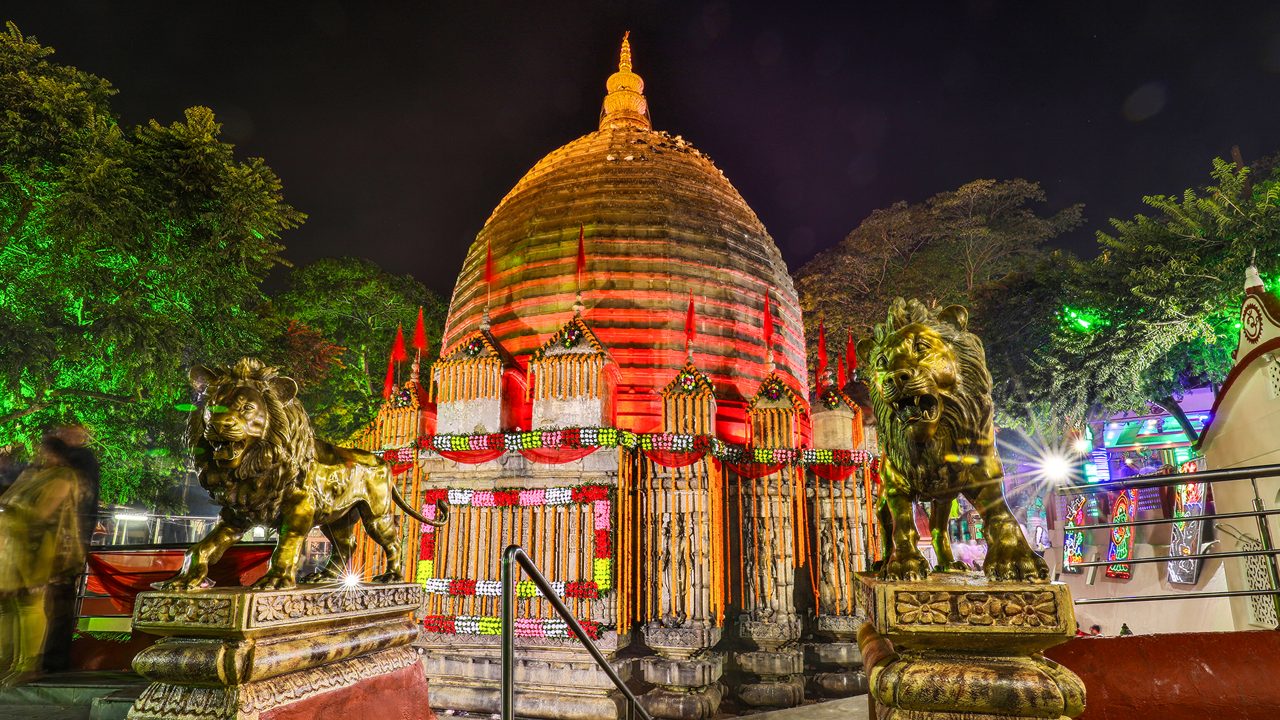
The temple walls feature beautiful sculptures and carvings depicting various deities, mythological scenes, and tantric symbols. The architectural style is distinct from typical North Indian temples, showing the unique cultural synthesis that characterizes Assam's religious heritage.
Kamakhya Temple Darshan Timings
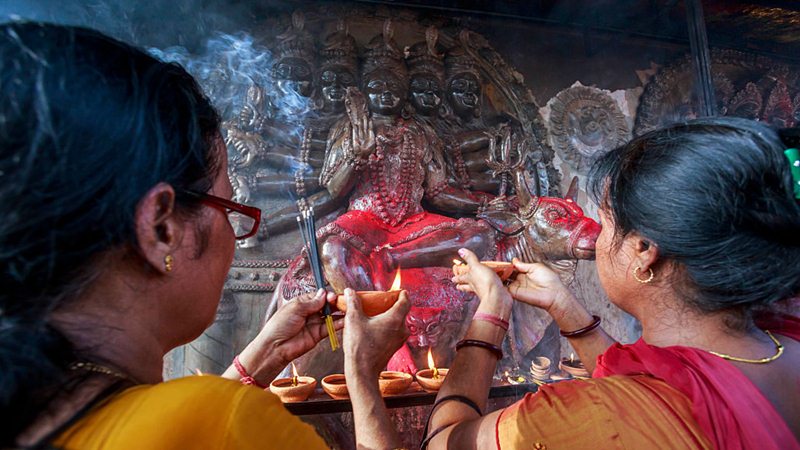
Knowing the darshan timings is essential for planning your visit to Kamakhya Temple. The temple follows specific timings throughout the year, with special schedules during festivals.
Regular Darshan Timings
| Darshan Type | Timing | Details |
|---|---|---|
| Morning Darshan | 8:00 AM - 1:00 PM | Main morning worship period |
| Evening Darshan | 2:30 PM - 5:30 PM | Afternoon/evening worship |
| Puja Timings | Flexible | Devotees can offer puja during darshan hours |
| Aarti Timings | 8:30 AM & 9:00 PM | Main aarti ceremonies |
These timings are general guidelines and may vary during festivals, special occasions, and significant astrological periods. During Ambubachi Mela, the temple remains closed for three days when the goddess is believed to be menstruating.
Aarti Schedule
The temple performs several aartis daily, with the morning and evening aartis being the most significant. The morning aarti (around 8:30 AM) is believed to be especially auspicious for starting the day with divine blessings. The evening aarti (around 9:00 PM) marks the conclusion of the day's worship.
Special aartis are conducted during Navratri and other significant festivals. During these times, the temple atmosphere is charged with devotion as thousands of devotees participate in the ceremonies.
Ticket Prices and VIP Darshan
Kamakhya Temple offers both general darshan and special entry options for devotees who prefer shorter waiting times.
Darshan Types and Costs
| Darshan Type | Cost | Benefits |
|---|---|---|
| General Darshan | Free | Standard queue, may take 2-4 hours |
| VIP Darshan | ₹501 per person | Faster queue, 30-60 minutes |
| Special Puja | Variable | Private puja, contact panda (priest) |
Special Entry Tickets
VIP darshan tickets can be purchased at the temple counter or through authorized agents. This option is particularly useful for those with limited time or elderly devotees who cannot stand in long queues. The VIP queue moves faster but still offers a meaningful darshan experience.
For special pujas and elaborate rituals, you can contact the temple pandas (priests) directly. Costs vary depending on the type of puja, number of priests involved, and materials used. It's advisable to discuss all details and costs beforehand to avoid misunderstandings.
Ambubachi Mela - The Festival of the Bleeding Goddess
Ambubachi Mela is Kamakhya Temple's most famous festival, celebrating the menstruation of the goddess. This unique festival acknowledges and celebrates feminine divinity in a way that's rare in religious traditions worldwide.
Festival Significance
According to legend, the goddess menstruates during this time, and the temple remains closed for three days. During these days, it is believed that the natural spring water at the sanctum turns red, symbolizing the goddess's menstrual blood. This phenomenon attracts devotees and curious visitors from across India and the world.
The festival typically occurs in June during the monsoon season (Ambubachi period). Devotees believe that the earth becomes impure during this time, and agricultural activities are traditionally suspended. The goddess's menstrual cycle is connected to fertility, and farmers believe it influences agricultural productivity.
Temple Closure and Reopening
For three days, the temple remains completely closed - no darshan is possible, and devotees wait outside, maintaining fasts and performing chants. On the fourth day, the temple reopens with great celebration. The earth is believed to be purified, and devotees rush to receive darshan and receive bits of cloth that have been blessed by the goddess.
This reopening day is considered especially auspicious, and devotees believe that receiving darshan on this day brings special blessings. The atmosphere is charged with devotion as the temple bells ring, conch shells blow, and thousands of devotees chant mantras.
Best Time to Visit Kamakhya Temple
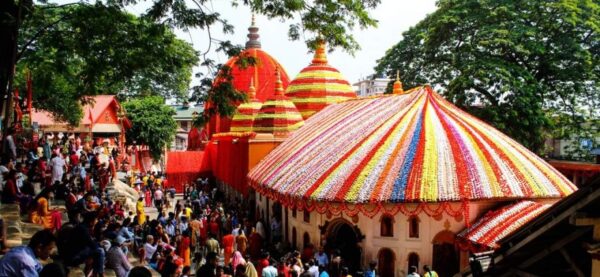
While you can visit Kamakhya Temple throughout the year, different seasons offer different experiences.
Seasonal Guide
| Season | Weather | Experience |
|---|---|---|
| Winter (Oct-Mar) | Pleasant, 15-25°C | Best for darshan, comfortable |
| Summer (Apr-Jun) | Hot, 28-35°C | Good for darshan, but hot |
| Monsoon (Jul-Sep) | Rainy, humid | Ambubachi Mela, challenging weather |
Recommended Visiting Times
For Comfortable Darshan: October to March offers pleasant weather, making it ideal for devotees who want to avoid extreme heat or heavy rain. The winter months are particularly good for extended temple visits and exploring the surrounding areas.
For Spiritual Experience: Visit during Navratri (usually March-April and September-October) when the temple is beautifully decorated and special ceremonies are conducted. The atmosphere during these nine days is especially charged with devotion.
For Ambubachi Mela: If you want to witness this unique festival, plan your visit for June. Be prepared for large crowds, basic facilities, and the challenge of waiting outside for three days while the temple is closed.
How to Reach Kamakhya Temple
From Guwahati Airport
Lokpriya Gopinath Bordoloi International Airport (Guwahati) is approximately 20 km from Kamakhya Temple. Pre-paid taxis, app-based cabs (Uber, Ola), and auto-rickshaws are available. The journey takes about 45-60 minutes depending on traffic. Auto-rickshaws are the most economical option but can be uncomfortable with luggage.
From Guwahati Railway Station
Guwahati Railway Station (also known as Paltan Bazar) is about 8 km from the temple base point. From there, you can take a taxi, auto-rickshaw, or local bus to the base of Nilachal Hill. The base point is where you start the climb up to the temple.
From Guwahati City
From various points in Guwahati city, local buses, auto-rickshaws, taxis, and app-based cabs are available to reach the temple base. The base has parking facilities for private vehicles. From the base, you can climb the stairs or take the ropeway to the temple.
| Starting Point | Distance | Time | Mode |
|---|---|---|---|
| Airport | 20 km | 45-60 min | Taxi/Cab |
| Railway Station | 8 km | 20-30 min | Taxi/Auto |
| City Center | 5-7 km | 15-25 min | Taxi/Auto/Bus |
Ropeway Service
The Kamakhya Temple ropeway is a convenient way to reach the temple from the base, especially for those who cannot climb the stairs. The ropeway offers beautiful views of Guwahati city and the Brahmaputra River. It operates from early morning to evening, with tickets available at the base station.
Dress Code and Temple Rules
As with any sacred site, following proper dress code and temple rules is essential for respectful worship.
Dress Code
- For Men: Traditional attire like dhoti or pyjama with kurta is preferred. If wearing western clothes, ensure shoulders and knees are covered. Remove shirts/vests before entering the sanctum.
- For Women: Traditional saree or salwar kameez is preferred. If wearing western clothes, ensure modesty - no shorts, short skirts, or revealing clothing. Carry a dupatta or shawl to cover your head if desired.
Temple Rules
- Remove footwear before entering the temple premises. Shoe storage is available.
- Leather items (belts, wallets, bags) are generally not allowed inside the main sanctum.
- Photography may be restricted inside the temple - check with temple authorities.
- Maintain silence and decorum within the temple premises.
- Follow the queue system and don't try to jump the line.
- Offerings can be made at designated places - ask the panda (priest) for guidance.
Nearby Attractions
Combine your Kamakhya Temple visit with other attractions in Guwahati and Assam. For those interested in exploring more spiritual destinations, the Brihadeeswarar Temple in Tamil Nadu is another magnificent example of Indian temple architecture.
- Umananda Temple: A Shiva temple on Peacock Island in the Brahmaputra River, accessible by ferry
- Navagraha Temple: Temple dedicated to the nine celestial bodies in Hindu astronomy
- Assam State Museum: Learn about Assamese history, culture, and artifacts
- Brahmaputra Riverfront: Beautiful views and boat rides on the mighty Brahmaputra
- Kaziranga National Park: Day trip to see rhinos and other wildlife (approximately 4 hours drive)
Accommodation Options
Guwahati offers various accommodation options near Kamakhya Temple.
Temple Accommodation
The temple trust operates guest houses and dharamshalas (pilgrim shelters) that offer basic but clean accommodation at reasonable rates. These are ideal for devotees who want to stay close to the temple for early morning darshan. Rooms should be booked in advance, especially during festivals.
Hotels and Guesthouses
Near the temple base and in Guwahati city, you'll find options ranging from budget guesthouses to mid-range hotels. Luxury hotels are available in Guwahati city center, about 7-8 km from the temple. During peak seasons and festivals, book well in advance as availability becomes limited.
Practical Tips for Devotees
Best Practices
- Arrive Early: For peaceful darshan, arrive when the temple opens (8 AM) or during weekday mornings. Weekends and festival days see huge crowds.
- Hire a Panda: Temple priests (pandas) can guide you through the darshan process and perform special pujas. Negotiate and clarify all costs beforehand.
- Carry Offerings: You can bring flowers, fruits, sweets, red cloth, and other items for offering. These are also available near the temple.
- Be Patient: The queue system means darshan can take 2-4 hours on busy days. Use this time for chanting and meditation.
- Stay Hydrated: The climb up the stairs can be tiring, especially in summer. Carry water and take breaks if needed.
Do's and Don'ts
Do: Follow temple rules and respect local customs. Keep your belongings secure. Wear modest, comfortable clothing for the climb. Carry some cash for offerings and services.
Don't: Don't carry unnecessary valuables to the temple. Don't wear footwear inside the temple. Don't take photographs if prohibited. Don't disrespect local customs or practices you may not understand.
Conclusion
Kamakhya Temple is more than a religious site - it's a profound spiritual destination that celebrates the divine feminine in all its power and mystery. Whether you're a devout pilgrim seeking blessings, a spiritual seeker exploring tantric traditions, or simply a traveler interested in unique religious practices, Kamakhya Temple offers an experience that's both deeply moving and culturally enlightening.
The temple's unique mythology, distinctive architecture, powerful atmosphere, and the fascinating Ambubachi Mela make it one of India's most significant Shakti Peeths. Plan your visit well, respect the sacred traditions, and allow yourself to be immersed in the powerful energy of this ancient temple dedicated to the Goddess in her most primal form.
Location
Frequently Asked Questions
Q1.What are the darshan timings of Kamakhya Temple?
Q2.What is the story behind Kamakhya Temple?
Q3.How to reach Kamakhya Temple from Guwahati?
Q4.When is the Ambubachi Mela held?
Q5.Is there a VIP darshan ticket available?
Q6.What is the best time to visit Kamakhya Temple?
Q7.What is the dress code for Kamakhya Temple?
Q8.How many steps are there in Kamakhya Temple?
Recommended For You
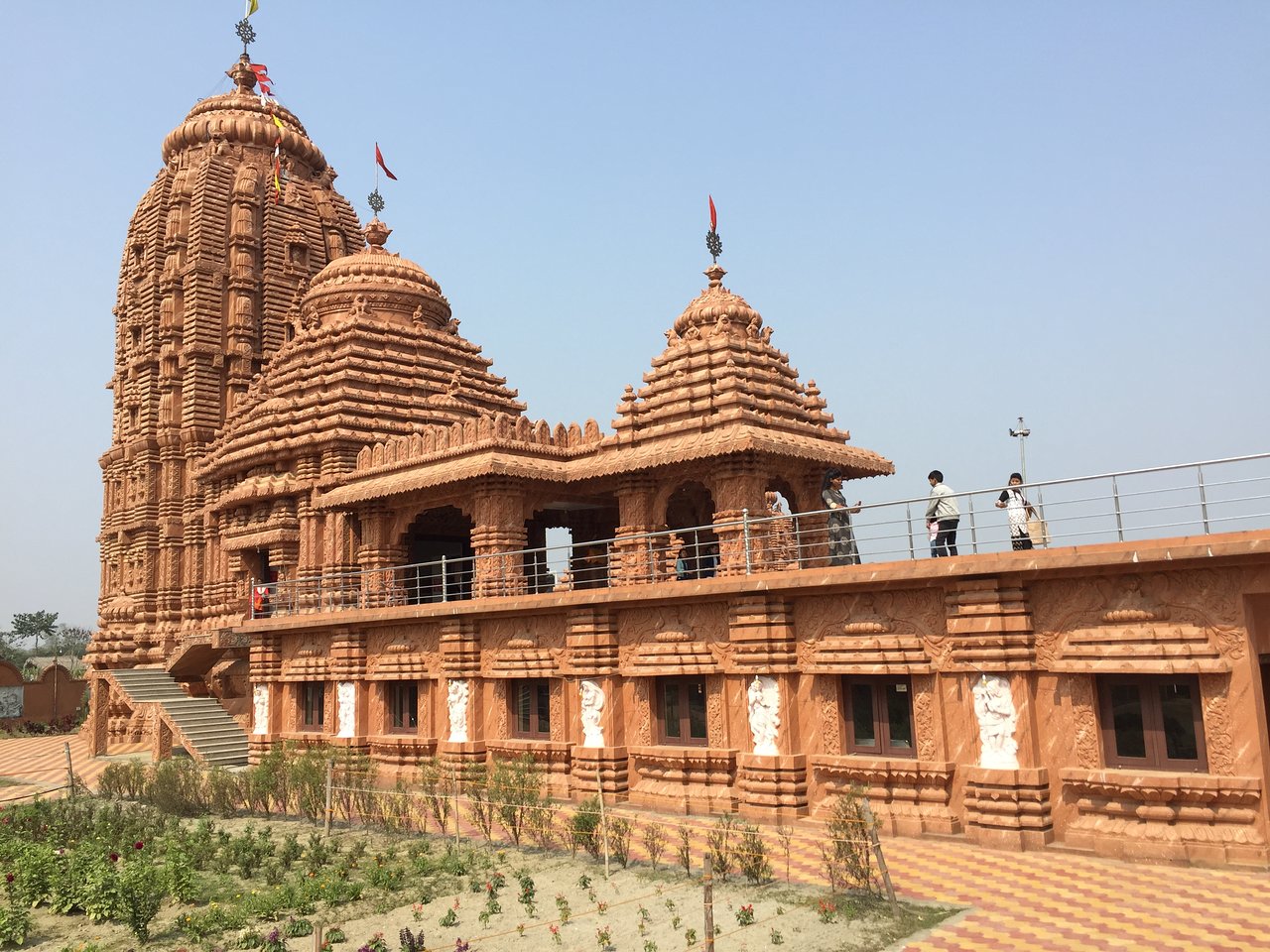
Temples in Dibrugarh: 10 Sacred Sites
Explore 10 famous temples in Dibrugarh, Assam. Discover spiritual sites, Hanuman temple & religious places.
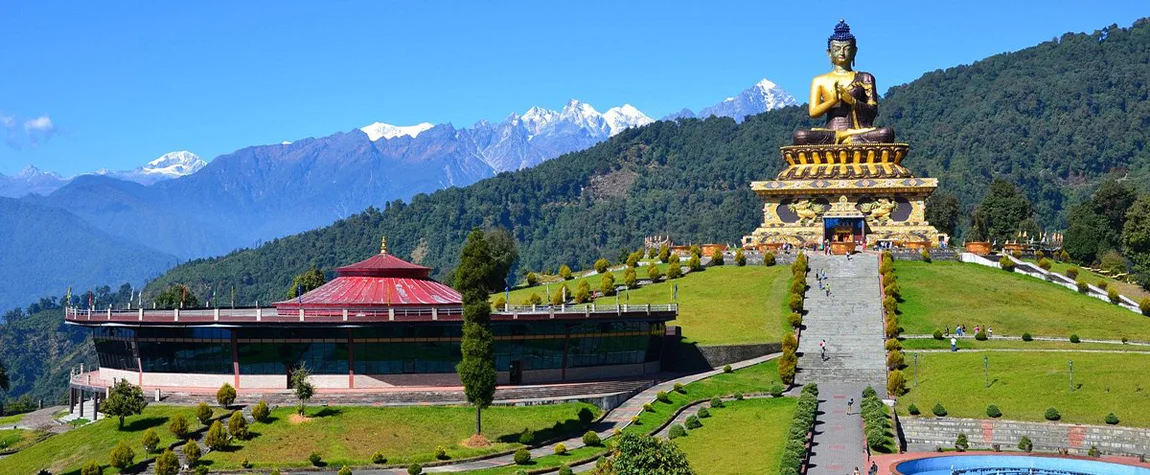
North East India Tourism: Itinerary Plans, Routes & Travel Seasons
Plan North East India tourism with route-based itinerary ideas, state-wise season tips, and practical budget guidance.
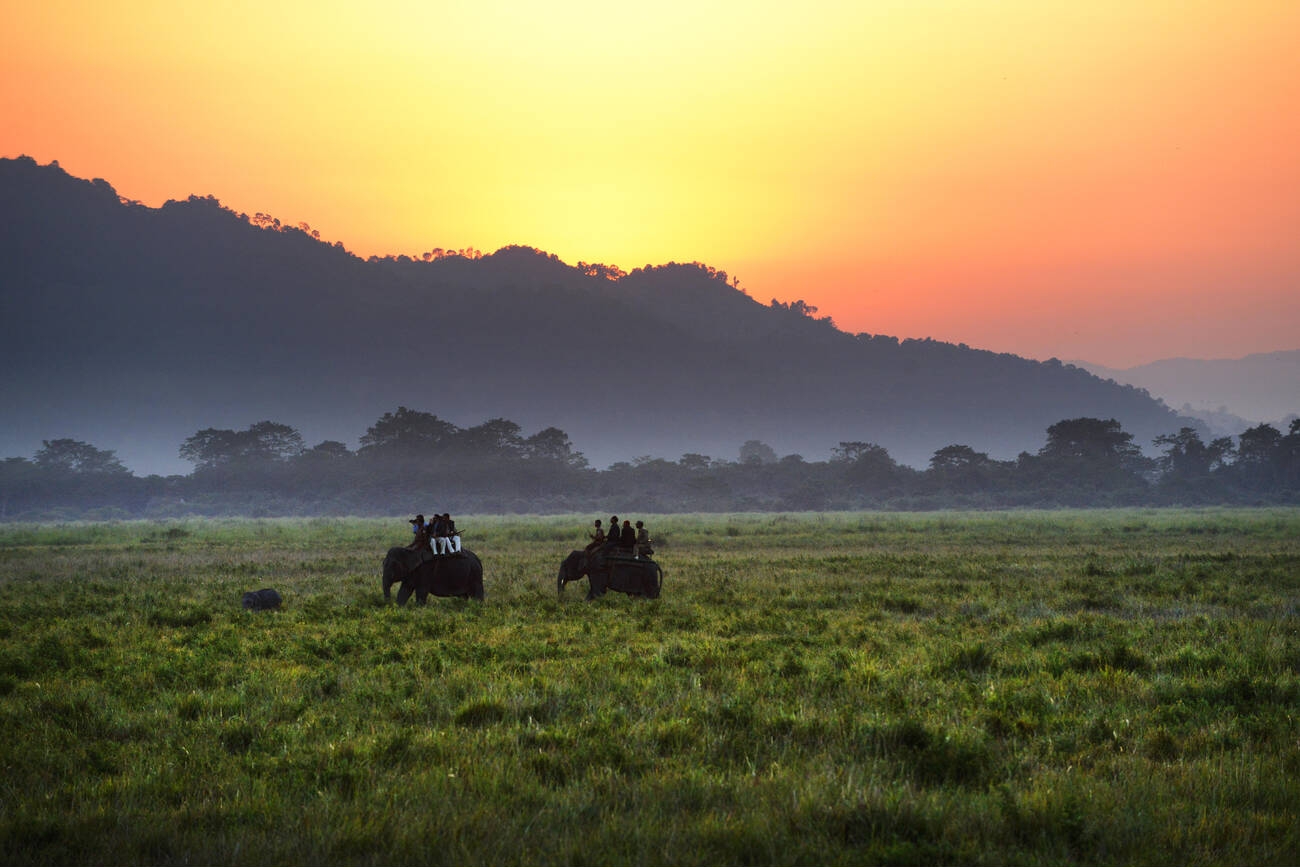
Kaziranga National Park: Complete Wildlife Safari Guide 2026
Explore Kaziranga National Park, home to two-thirds of world's rhinos. Complete safari guide with best time to visit, zones booking, wildlife spotting tips, and accommodation.
Never Miss an Adventure
Get the latest trekking guides, travel tips, and exclusive offers delivered straight to your inbox.
