
Rajaji National Park: Elephant Safari, Zones & Visitor Information

Priya Mehta
February 19, 2026
Explore Rajaji National Park in Uttarakhand. Complete guide to elephant safaris, best time to visit, zones, wildlife, booking tips & accommodation near Haridwar.
Introduction to Rajaji National Park
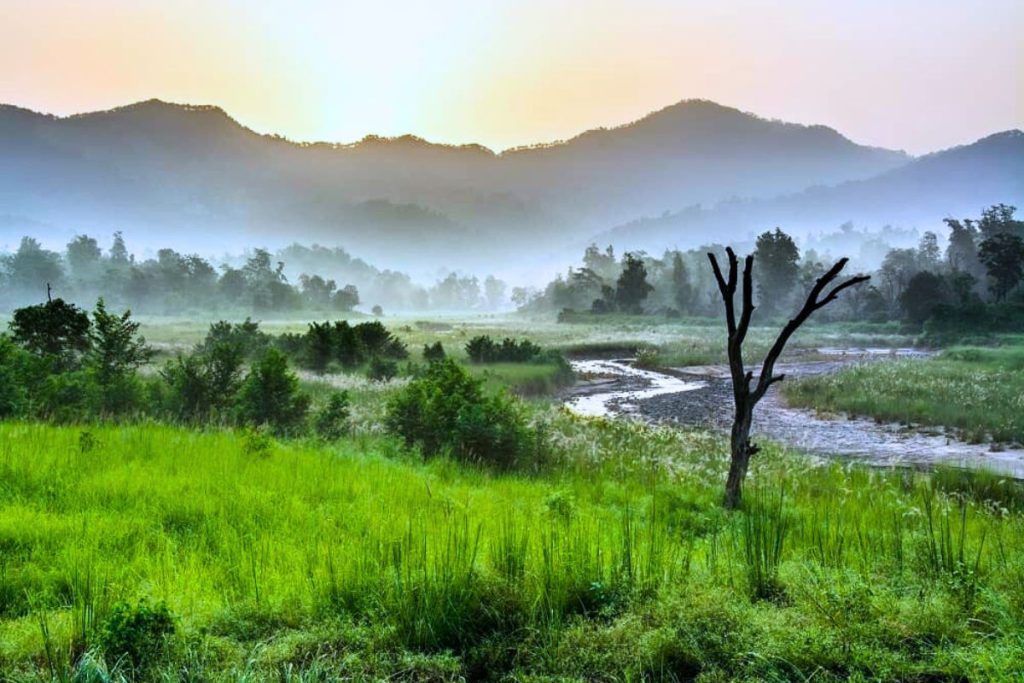
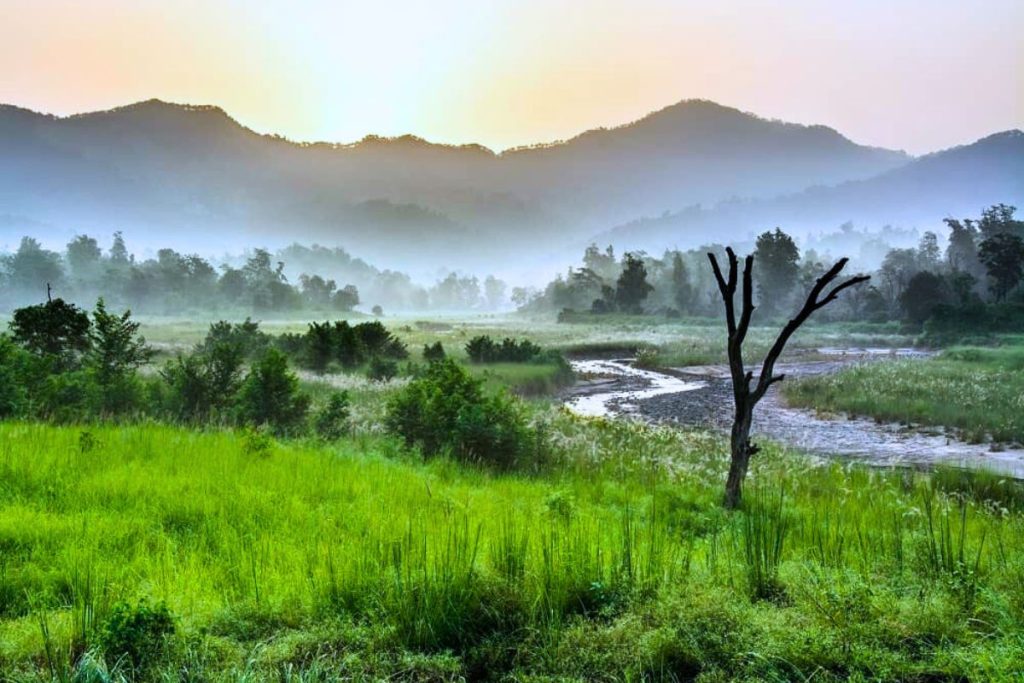
Nestled in the Shivalik range of the Himalayas, Rajaji National Park stands as one of North India's most significant wildlife reserves, renowned for its magnificent elephant population and diverse ecosystems. Spread across 820 square kilometers across three districts of Uttarakhand - Haridwar, Dehradun, and Pauri Garhwal - this national park was established in 1983 and named after the legendary freedom fighter Sri C. Rajagopalachari, popularly known as Rajaji.
What makes Rajaji truly special is its unique position as the northwestern limit of the Asian elephant's distribution range. The park's diverse terrain, ranging from the Gangetic plains to the Himalayan foothills, creates multiple ecosystems that support an incredible variety of flora and fauna. The confluence of the Ganges and several of its tributaries adds to the park's ecological significance, creating riverine habitats that attract wildlife throughout the year. For those interested in exploring more wildlife destinations in India, Jim Corbett National Park offers another incredible elephant safari experience, while Kaziranga National Park is famous for its one-horned rhinoceros population.
The Majestic Elephants of Rajaji
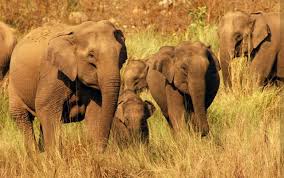
Rajaji National Park's most celebrated residents are undoubtedly its Asian elephants, the park's primary attraction and the reason it holds such importance in elephant conservation. The park boasts a significant elephant population, with approximately 400-500 elephants roaming its diverse terrain. Unlike many other reserves where elephant sightings can be seasonal, Rajaji offers year-round opportunities to encounter these gentle giants in their natural habitat.
The park's elephant herds are known for their regular migration patterns between India and Nepal, making Rajaji a crucial corridor for transboundary elephant movement. Visitors often witness entire herds, including adorable calves, moving through the forests or gathering near water sources. The park's elephants are relatively accustomed to human presence, allowing for excellent viewing opportunities at safe distances. The experience of watching a wild elephant herd - with the matriarch leading, protective mothers, and playful calves - is one that creates lasting memories.
Best Time to Visit Rajaji National Park
Timing your visit to Rajaji National Park significantly impacts your wildlife viewing experience. The park remains open from November to June, with each season offering distinct advantages and experiences.
November to March (Winter): The weather remains pleasant with temperatures ranging from 8-25°C. This is the most comfortable time for safaris, with clear skies and excellent visibility. Elephant sightings are consistent throughout the year, but winter offers the added advantage of comfortable temperatures for extended safari durations. This is also the peak tourist season, so advance booking is recommended.
April to June (Summer): As temperatures rise to 35-40°C, animals frequent water sources more predictably. While the heat can be intense, especially during May and June, the dry vegetation improves visibility, and wildlife encounters around water holes become more frequent. The park remains open until mid-June, after which monsoon rains force its closure.
Monsoon (July to October): The park remains closed during these months for animal breeding season and maintenance.
Safari Zones and Experiences
Rajaji National Park is divided into multiple zones, each offering unique landscapes and wildlife experiences. Understanding these zones helps in planning your safari effectively.
Chilla Zone: The most popular and accessible zone, located near Haridwar. Chilla offers excellent elephant sightings and has the highest probability of tiger encounters among all zones. The terrain varies from dense forests to open grasslands, creating diverse wildlife viewing opportunities. The Chilla-Motichur corridor is famous for elephant movement.
Motichur Zone: Known for its beautiful landscapes and diverse wildlife, Motichur offers excellent birdwatching opportunities alongside mammal sightings. The terrain here is more undulating, with scenic hills and valleys.
Ranipur Zone: Located near Haridwar, this zone is easily accessible and offers good chances of spotting elephants, deer, and various bird species. It's particularly popular for shorter safari experiences.
Dholkhand Zone: Less visited but equally rewarding, Dholkhand offers a quieter safari experience with excellent opportunities for wildlife photography. The dense forests here support a variety of species.
Booking Tips: Safari bookings can be made online or at the park entrance. Morning safaris (6:30-10:00 AM) generally offer better wildlife activity, while afternoon safaris (2:30-6:00 PM) can be productive during summer months when animals seek water.
Beyond Elephants: Diverse Wildlife
While elephants dominate the spotlight, Rajaji hosts an incredible diversity of wildlife that makes every safari exciting. The park's ecosystem supports over 50 species of mammals, 315+ bird varieties, and numerous reptile species.
Major Mammals: The park is home to Bengal tigers, though sightings are less frequent compared to elephants. Other notable species include leopard, jungle cat, fishing cat, sloth bear, Himalayan black bear, striped hyena, jackal, and various deer species including sambar, chital (spotted deer), barking deer, and hog deer. The park also has a significant population of wild boars. If you're passionate about tiger sightings, Ranthambore National Park is known for its high tiger density and excellent photography opportunities.
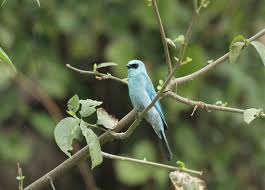
Birdlife: Rajaji is a birdwatcher's paradise, home to species like the great hornbill, pied kingfisher, crested serpent eagle, red junglefowl, and numerous migratory species that visit during winter. The riverine areas attract water birds including herons, egrets, and storks.
Reptiles: The park supports various snake species including king cobras, pythons, and Russell's vipers, along with monitor lizards and various turtles in the river systems.
Types of Safari Experiences
Rajaji offers multiple safari modes, each providing unique perspectives of the wilderness.
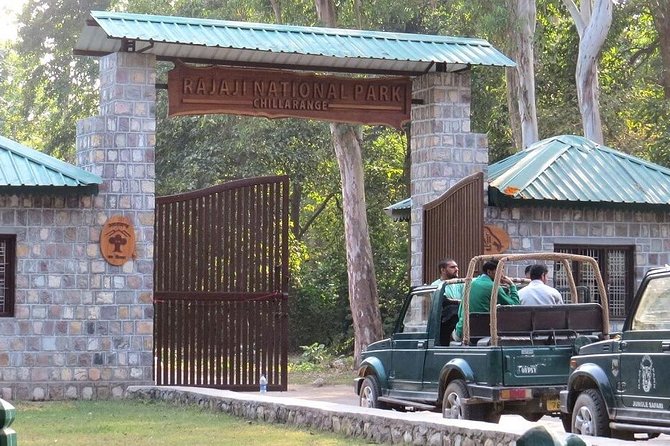
Jeep Safari (6 Seater): The most popular choice, offering flexibility, better photography opportunities, and a more intimate wildlife experience. Open-top jeeps allow for 360-degree viewing and excellent photographic angles. Ideal for serious wildlife enthusiasts and photographers.
Elephant Safari: A unique experience that allows you to explore the forest from atop an elephant, providing a different perspective and the chance to approach wildlife more quietly. This is particularly popular for birdwatching and navigating dense forest areas.
Both safari types are accompanied by experienced naturalists and guides who enhance your experience with their knowledge of animal behavior, tracking skills, and fascinating stories about the park's residents.
How to Reach Rajaji National Park
By Air: The nearest airport is Dehradun's Jolly Grant Airport (35 km from Chilla zone), well-connected to Delhi with regular flights. Taxis are available from the airport to various park zones.
By Train: Haridwar railway station is the nearest major railhead (8 km from Chilla zone), well-connected to major cities like Delhi, Mumbai, and Kolkata. Dehradun railway station is another option (50 km away).
By Road: Rajaji is easily accessible by road. The drive from Delhi takes approximately 5-6 hours (220 km) via Meerut and Roorkee. The park is well-connected to Haridwar, Rishikesh, and Dehradun by regular buses and taxis. For travelers planning to explore more of India's wilderness, Hemis National Park in Ladakh offers a completely different high-altitude wildlife experience.
Where to Stay Near Rajaji
Accommodation options range from luxury resorts to budget-friendly lodges, catering to all preferences and budgets.
Luxury Options: Premium resorts like Raga on the Ganges, Forest Spa Resort, and others near Haridwar and Rishikesh offer world-class amenities, guided nature walks, and exclusive safari experiences. These properties provide luxury with easy access to the park.
Forest Rest Houses: The park's forest rest houses offer authentic stay experiences within the park boundaries. Bookings are managed by the forest department and require advance reservation. These provide basic but comfortable facilities and incredible locations.
Mid-Range & Budget: Numerous resorts and lodges in Haridwar, Rishikesh, and along the park periphery offer good value with essential amenities and proximity to park gates.
Essential Safari Tips
- Book Early: Reserve safaris at least 2-3 days in advance, especially during peak seasons and weekends.
- Wear Earth Tones: Neutral colors like khaki, olive, and brown help you blend with the environment.
- Carry Binoculars: Essential for spotting wildlife from a distance and appreciating birdlife.
- Stay Silent: Maintain quiet during safaris to avoid disturbing animals and maximize sightings.
- Be Patient: Wildlife viewing requires patience. Your efforts will likely be rewarded.
- Respect Rules: Follow your guide's instructions and park regulations for your safety and animal welfare.
- Stay Hydrated: Carry water, especially during summer morning safaris.
- Camera Preparation: Bring telephoto lenses (200mm+) and extra batteries for wildlife photography.
Photography Tips for Rajaji
Capturing the perfect wildlife shot requires preparation and patience. Use fast shutter speeds (1/1000 or higher) to freeze animal movement, especially elephants on the move. Shoot during the golden hours (early morning and late afternoon) for the most dramatic lighting. Keep your camera ready at all times - wildlife encounters happen unexpectedly. Respect the animals' space and never use flash photography, which can disturb them.
Conservation and Ecotourism
Rajaji National Park plays a crucial role in wildlife conservation in North India, particularly for Asian elephants. The park serves as a vital corridor connecting various elephant habitats across the Himalayan foothills, ensuring genetic diversity and healthy populations. However, the park faces challenges from habitat fragmentation due to development and railway lines that intersect elephant corridors. Conservation efforts are ongoing to create safe passages for elephants and reduce human-elephant conflict. Your visit directly supports these conservation initiatives and local communities, making responsible tourism crucial for the park's future.
Conclusion
Rajaji National Park offers much more than just elephant sightings - it's a complete wilderness experience that combines incredible wildlife, stunning landscapes, and spiritual proximity to Haridwar and Rishikesh. Whether you're a seasoned wildlife enthusiast or a first-time visitor, the park's magic will leave an indelible mark on your soul. The thrill of watching wild elephants in their natural habitat, the serene beauty of the Shivalik hills, and the ancient forests' wisdom create memories that last a lifetime. Plan your visit thoughtfully, respect the wilderness, and prepare for one of North India's most remarkable wildlife adventures.
Location
Frequently Asked Questions
Q1.What is the best time to visit Rajaji National Park?
Q2.How many safaris should I book for good wildlife sightings?
Q3.Which zone is best for elephant sightings?
Q4.How far in advance should I book Rajaji safaris?
Q5.Is Rajaji National Park safe for families with children?
Q6.What should I carry for a Rajaji safari?
Q7.Can we see tigers in Rajaji National Park?
Q8.How to reach Rajaji from Delhi?
Q9.What wildlife can we see besides elephants?
Q10.Are elephant safaris available in Rajaji?
Recommended For You
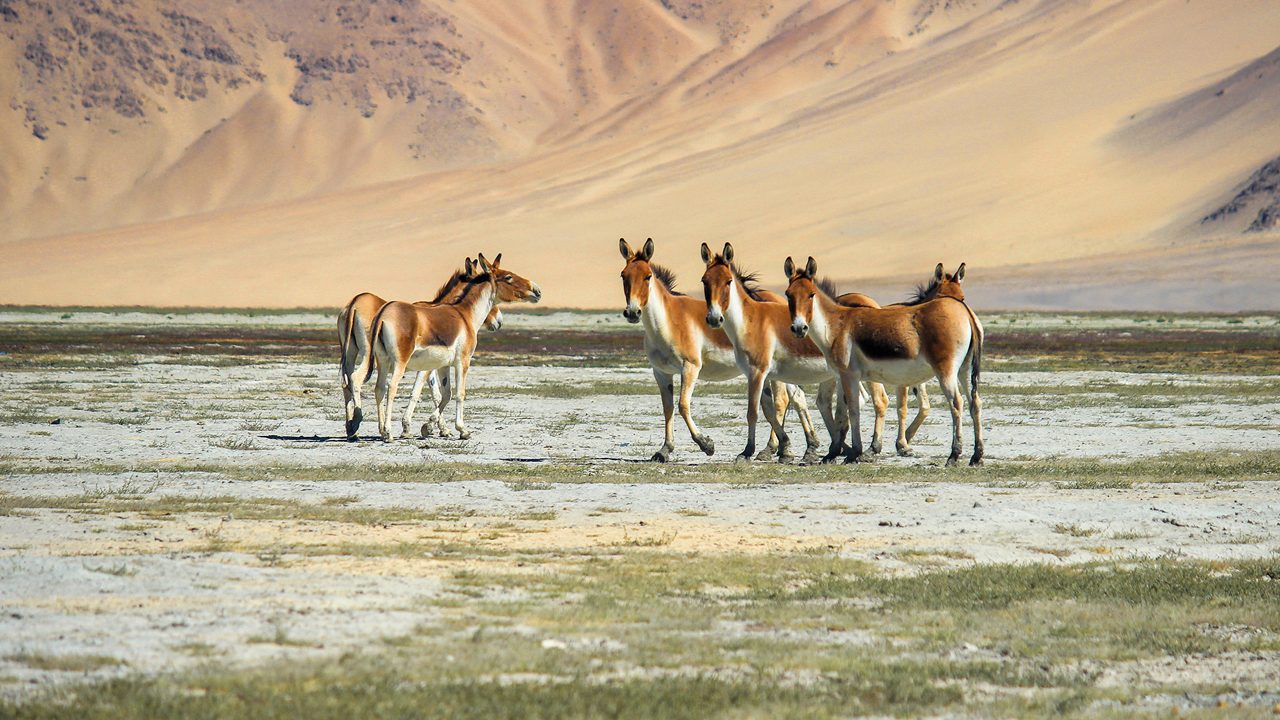
Hemis National Park Ladakh: Snow Leopard Tracking & Travel Info
Explore Hemis National Park Ladakh, home to the world's highest density of snow leopards. Discover wildlife, trekking & tracking in this Himalayan paradise.
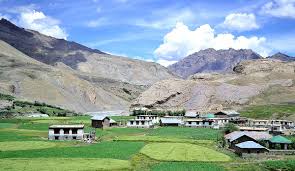
Pin Valley National Park Spiti: Wildlife, Trek Routes & Travel Tips
Pin Valley National Park complete guide covering wildlife, snow leopard habitat, treks, best season, route planning from Kaza, permits, and practical stay tips in Spiti.
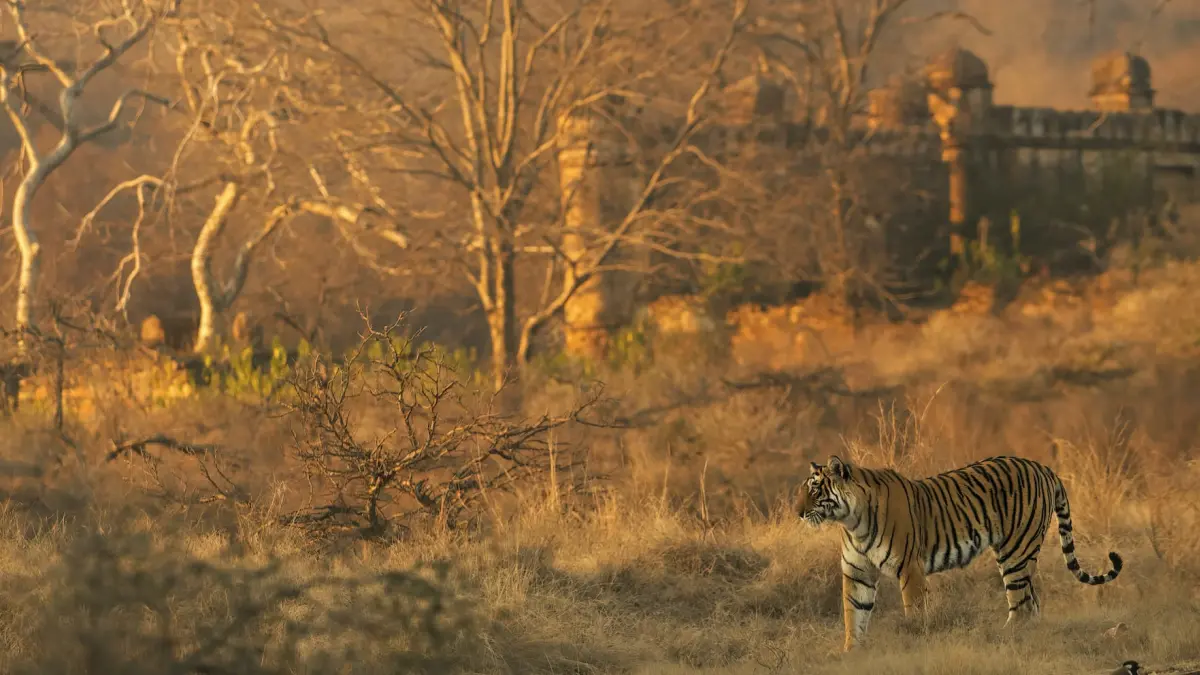
Ranthambore National Park: Safari Zones, Ticket Booking & Best Time
Discover Ranthambore National Park, India's premier tiger reserve. Complete guide to safaris, best time to visit, zones, wildlife, booking tips & accommodation.
Never Miss an Adventure
Get the latest trekking guides, travel tips, and exclusive offers delivered straight to your inbox.
