
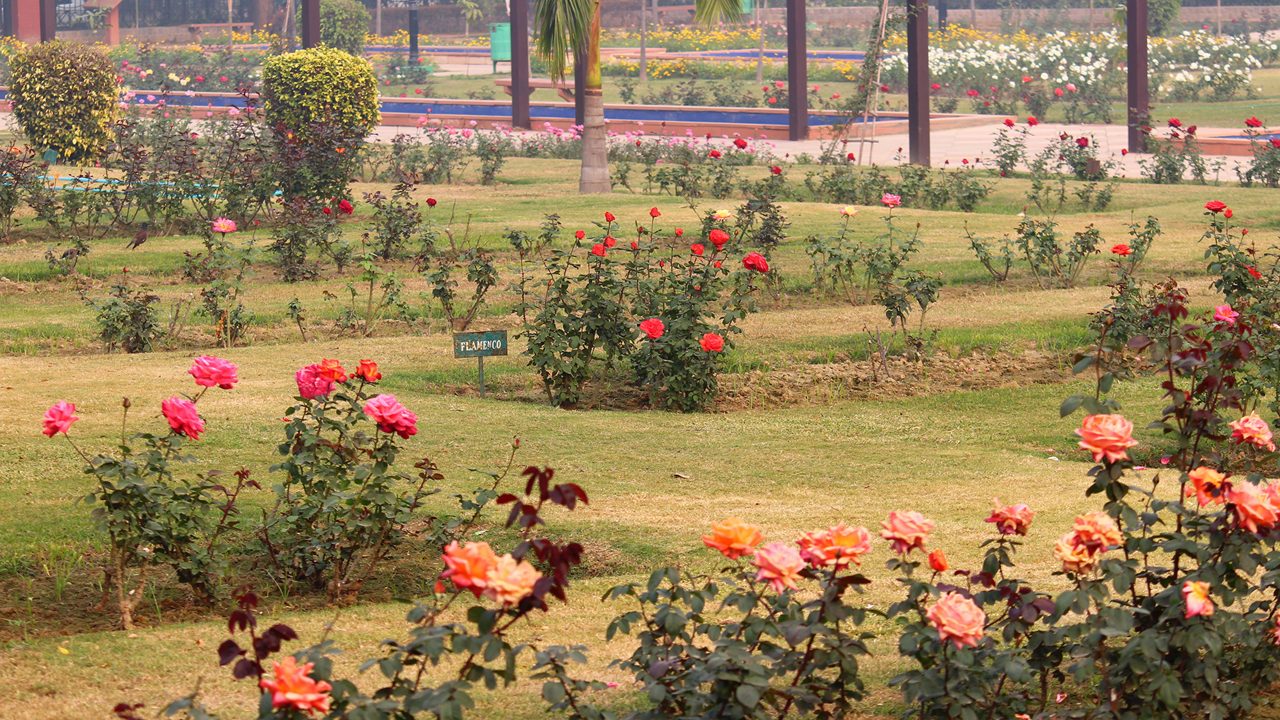
National Rose Garden Delhi: Bloom Season, Entry & Visitor Details

Rohan Malhotra
January 25, 2026
Complete guide to National Rose Garden Delhi including timings, entry fee, best season, rose varieties, photography tips, nearby attractions, and how to reach.
National Rose Garden Delhi: Complete Visitor Guide for 2026
The National Rose Garden in Delhi is one of the city’s most underrated green escapes for travelers who want a slower and more visual experience. While most itineraries focus on monuments and market routes, a rose garden visit adds color, seasonal variety, and a calmer pace to your day. If you plan the timing properly, this destination works for families, couples, photographers, and solo travelers looking for a refreshing break from traffic-heavy sightseeing blocks.
What makes this garden useful for tourists is not only the flowers. It is the combination of open paths, easy walking, floral curation, and a low-stress environment where you can recover between larger city attractions. For full-day planning, you can pair this with places to visit in Delhi and heritage alternatives like historical places in Delhi to create a balanced city itinerary.
Why Visit National Rose Garden in Delhi
Delhi travel can become intense when every day includes long monument lines and dense urban movement. A rose garden visit solves this by giving you a nature-forward slot with high visual reward and low logistics stress. You can spend one to two hours here and return to city routes with better energy. This is especially valuable for multi-day trips where fatigue management affects overall experience quality.
The garden is also excellent for relaxed social travel. Conversations, light walks, and photo stops happen naturally without strict timelines. Unlike ticket-heavy attractions, you can shape your pace based on weather, group profile, and nearby route priorities.
Best Time to Visit the Rose Garden
Seasonal Timing
Winter and early spring are generally the best periods for fuller bloom quality and comfortable walking conditions. During summer, flower density and visitor comfort can vary due to heat. If your trip is fixed in warmer months, prefer early morning windows and keep visit duration shorter.
Daily Timing
Morning is ideal for soft light, lower crowds, and better photo clarity. Late afternoon can also work, especially if you plan a sunset-adjacent city route afterward. Midday hours are less comfortable in hotter seasons and can reduce both visual and physical experience quality.

Top Things to Do at National Rose Garden
1. Explore Rose Sections Slowly
Do not treat the garden as a quick pass-through. Move section by section and observe differences in color, petal structure, and layout style. This slower approach gives you a richer visual experience and better photographs.
2. Plan a Dedicated Photo Session
The garden is one of the easiest locations in Delhi for nature portraits and color-rich compositions. If photography is your priority, arrive early, avoid harsh midday light, and carry only essential gear. Use wide shots for pathway framing and closer shots for texture details.

3. Combine with a Relaxed Walking Break
Many travelers underestimate how useful a low-intensity walk can be in a large-city itinerary. Use this garden stop to reset before heading to heavier attractions or evening traffic corridors. For city comparisons on structured day planning, routes like places to visit in Mumbai and places to visit in Kolkata show similar benefits of balancing landmark intensity with open-space recovery.
4. Use It as a Family-Friendly Pause Point
If you are traveling with kids or elders, the garden can be one of the day’s easiest segments. Keep hydration ready, take short seated breaks, and avoid overpacking the schedule after this stop. Comfortable pacing often creates better memories than rushing to cover more locations.
How to Reach the Garden
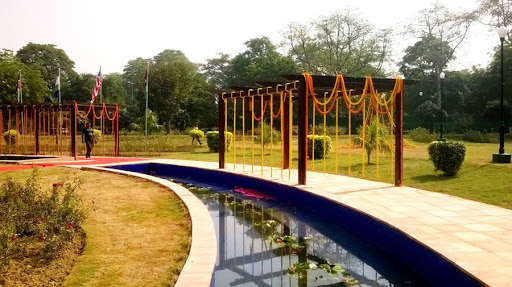
Depending on your stay location, you can reach the garden via cab, auto, or combined public transport and short last-mile movement. App-based cabs are usually easiest for first-time visitors. Keep pickup and drop points pinned in advance, especially if you are planning a fast transfer to your next destination.
If your day includes multiple stops, place the garden either in the morning as a gentle start or in late afternoon as a reset phase before dinner. Avoid tight transitions that force you to rush through the garden.
Suggested Itinerary Formats
Half-Day Green + Heritage Plan
Start with the rose garden in the morning, then continue to one major historical location and finish with an early meal. This keeps walking stress manageable while maintaining variety.
Evening Recovery Plan
Use monument-heavy sightseeing in the first half of the day, then visit the garden for a calmer late segment before moving to dinner or shopping. This structure works well for families and photographers.
Photography Checklist for Better Results
Bring one wide lens or a phone with portrait mode, a microfiber cloth, and a small power bank. Shoot flowers at different heights instead of only eye-level frames. Include one path-based composition for depth and one close texture frame for detail. Early light usually gives more natural color balance than strong afternoon sun, especially for red and pink roses.
Extra Planning Tips for Weekend Visits
Weekends can feel busier at entry points, so arrive earlier than your planned photo slot. Keep one nearby backup stop for tea or breakfast in case your group needs a short pause before entering. If you are combining the garden with a monument visit, keep travel buffers between locations because Delhi traffic can shift quickly during late morning and early evening windows.
For smoother flow, decide your post-garden destination before entry and book transport a few minutes early. This avoids crowd-time pickup confusion and keeps the day controlled. It also improves comfort for families with children and elders overall.
Budget and Practical Tips
Rose garden visits are generally budget-friendly because the primary value is the environment itself. Most spending goes to transport and nearby food stops. Keep clothing light and comfortable, carry sun protection, and bring water. In cooler months, a light jacket may be useful in morning hours.
For photography-focused visitors, carry a power bank and lens cloth. For family groups, keep one small essentials pouch with tissues, snacks, and backup masks if required in crowded areas around entry zones.
Common Mistakes to Avoid
- Visiting at harsh midday hours and expecting the best floral experience.
- Rushing through sections without using the garden as a recovery stop.
- Ignoring weather and seasonal bloom variation.
- Stacking too many far-apart attractions in the same day.
- Not planning return transport during evening traffic windows.
How This Visit Improves a Delhi Trip
A rose garden stop brings visual softness and pacing balance to a city known for high-intensity tourism. This matters more than it seems. Travelers who include one calm nature segment per day often report better energy, better photos, and lower schedule stress. If your route also includes major landmarks, this stop can become the reason the day feels complete instead of rushed.
You can further structure your Delhi plan with landmark anchors like Red Fort Delhi and then insert green spaces intelligently to maintain momentum without burnout.
Final Take
The National Rose Garden Delhi is not just a flower stop. It is a practical itinerary tool that adds beauty, calm, and flexibility to urban travel. Plan your timing around weather and light, pair it with one nearby attraction, and use it as a purposeful reset in your day. With this approach, the garden becomes one of the most rewarding and memorable pauses in your Delhi journey.
Location
Frequently Asked Questions
Q1.Where is National Rose Garden located in Delhi?
Q2.What is the best time to visit Rose Garden?
Q3.What is the entry fee for National Rose Garden?
Q4.How many rose varieties are there?
Q5.Can we do photography in the garden?
Q6.Is the garden open throughout the year?
Q7.What are the opening hours of Rose Garden?
Q8.How to reach National Rose Garden by Metro?
Q9.Is parking available at the garden?
Q10.Are there any eateries nearby?
Recommended For You
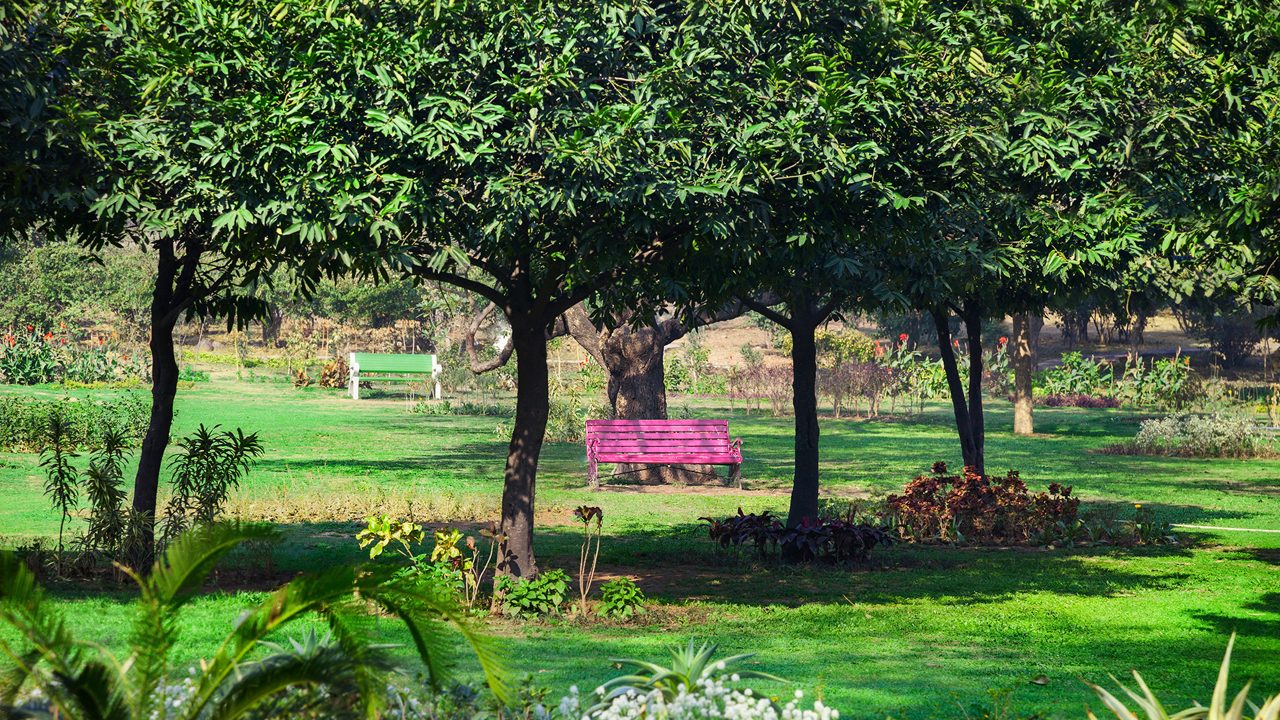
Buddha Jayanti Park Delhi: Timings & Entry Fee
Visit Buddha Jayanti Park Delhi for peaceful gardens, Buddha statue, picnic lawns, and walking paths. Guide to timings, entry fee, and how to reach.
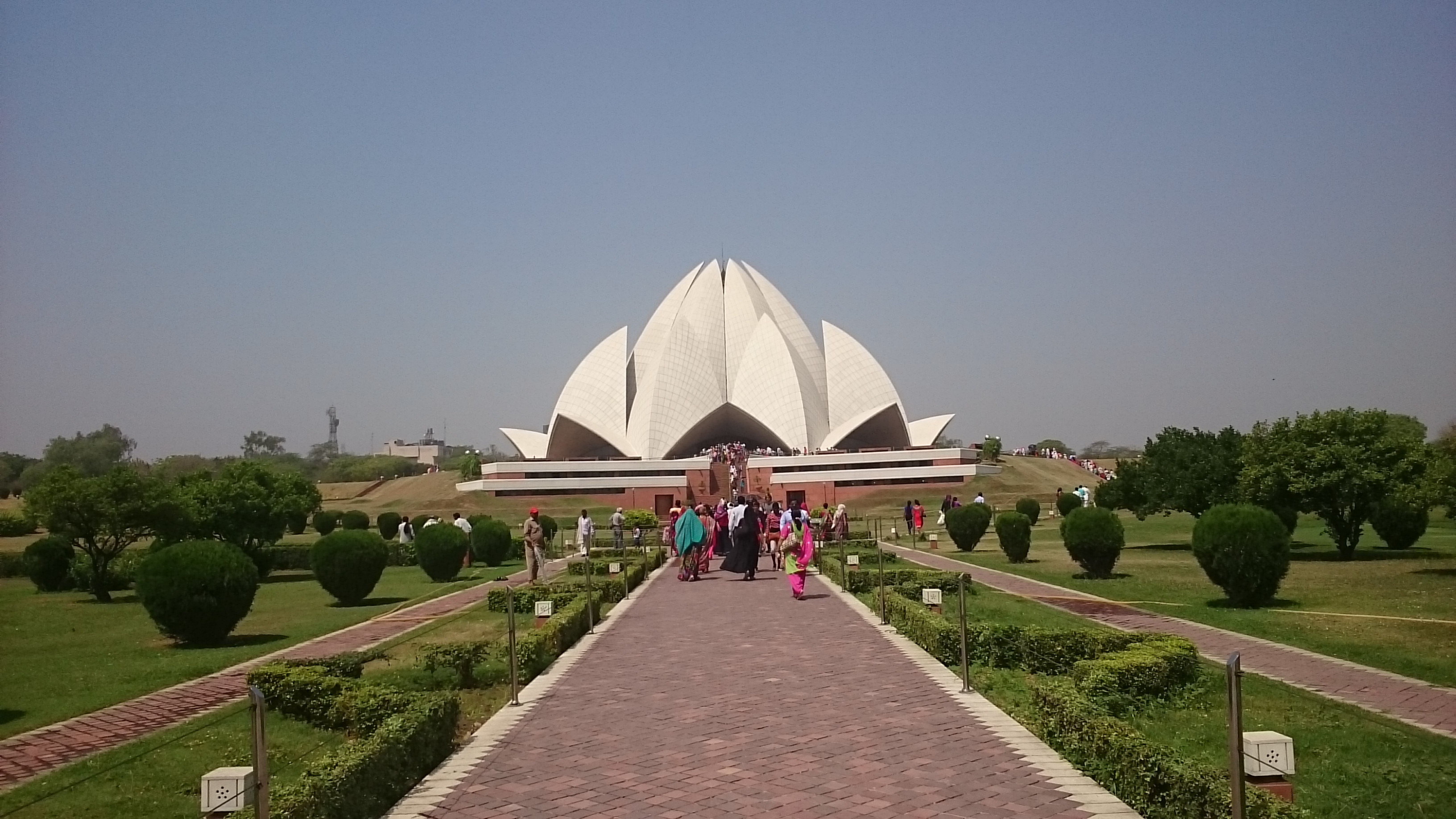
Lotus Temple Delhi: Timings, Entry Rules & Best Visiting Hours
Lotus Temple Delhi complete visitor guide: FREE entry, timings (9 AM-5:30 PM winter, 9 AM-7 PM summer), nearest metro (Kalkaji Mandir), photography rules, dress code, meditation tips & best time to visit. Plan your peaceful retreat.
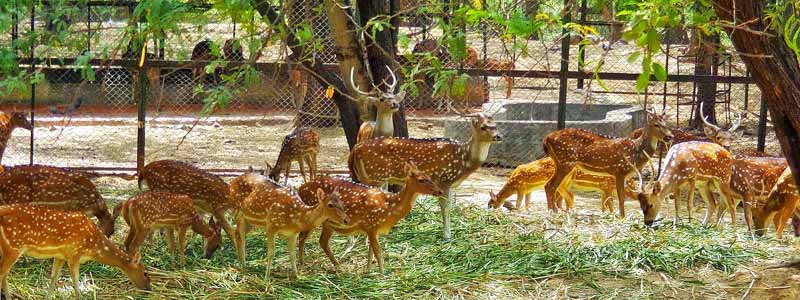
Deer Park Delhi: Timings, Walking Trails & Hauz Khas Access
Explore Deer Park Delhi near Hauz Khas with wildlife highlights, timings, access tips, best visit windows, and nearby South Delhi attractions.
Never Miss an Adventure
Get the latest trekking guides, travel tips, and exclusive offers delivered straight to your inbox.
