
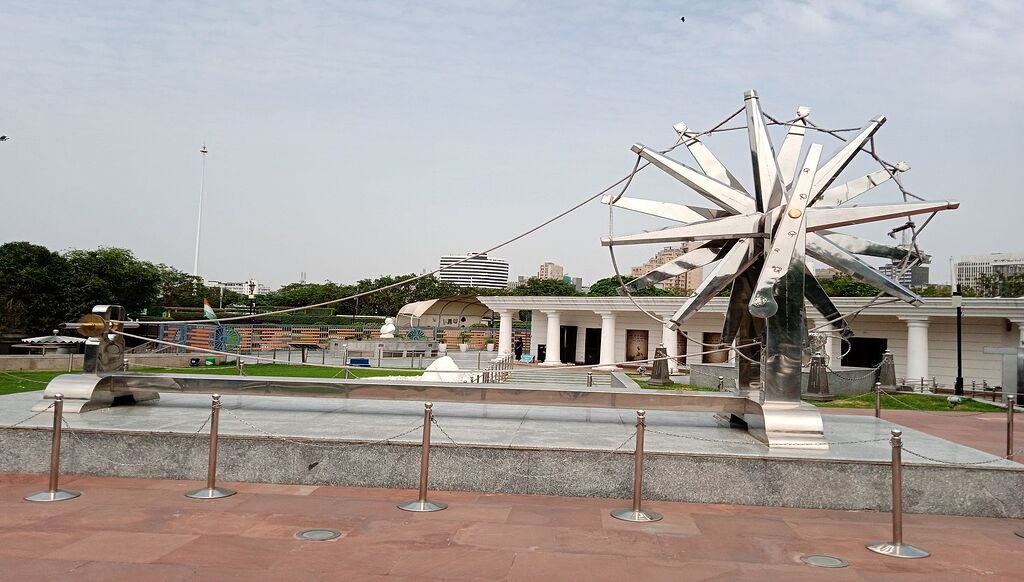
Charkha Museum Delhi: Entry Details, Exhibits & Visitor Timings

Priya Mehta
February 18, 2026
Explore Charkha Museum Delhi with Gandhian context, exhibit strategy, and practical timing and route tips for a meaningful visit.
Charkha Museum Delhi: Symbolism, History, and Visitor Planning
Charkha Museum Delhi is a compact but meaningful cultural stop for travelers interested in India’s freedom movement and Gandhian ideas of self-reliance. Unlike large multi-wing museums, this site is concise and concept-driven. Its strength lies in symbolism: the spinning wheel as a political, economic, and ethical statement during the independence era. If approached with the right expectations, it becomes a high-value educational stop.
You can place this museum in a central Delhi heritage circuit with India Gate, reflective civic history through Gurudwara Bangla Sahib Delhi, and market context from Sarojini Nagar Market Delhi. This combination gives balance between history, memory, and city movement.
Why the Charkha Still Matters
The charkha was not only a tool for yarn production; it was a symbol of decentralized production, dignity of labor, and resistance to exploitative economic systems. The museum highlights this layered meaning, helping visitors understand why a simple object became central to mass political mobilization.
For students and first-time history travelers, this symbolic context is the biggest learning outcome. Spend time connecting exhibits to movement-era realities rather than only photographing displays.
What You Will See at the Museum
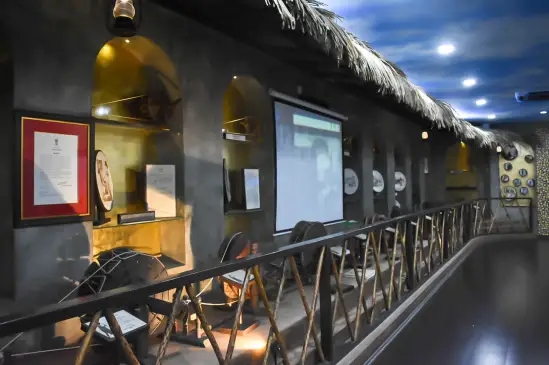
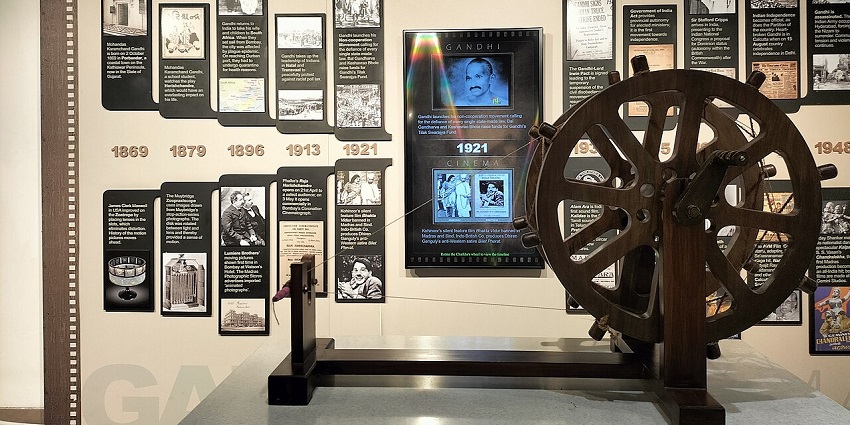
Exhibits generally focus on charkha history, Gandhian thought, and the visual storytelling of the freedom struggle. The content is accessible for short-duration visits, but it still benefits from structured pacing. Read exhibit notes and timeline markers in sequence to preserve narrative continuity.
| Exhibit Layer | Learning Value | Visitor Tip |
|---|---|---|
| Charkha Displays | Material and symbolic context | Observe design variation and purpose |
| Freedom Timeline | Places object in political sequence | Follow chronology, avoid random skipping |
| Interpretive Panels | Connects philosophy and action | Take short notes for recall |
With this approach, even a short museum visit becomes substantial.
Best Time to Visit Charkha Museum
Morning and non-peak daylight windows usually offer smoother entry and quieter observation conditions. Since this is a concise museum, crowd density can quickly affect comfort if multiple groups arrive together. Keeping a buffer in your day schedule helps avoid rushed movement.
If your itinerary includes major Delhi monuments, place Charkha Museum as a context stop between two large attractions. This creates a better rhythm than visiting it at the very end of an exhausting day.
Timings, Entry, and Visit Duration
Always check current timings and access details before departure. Most visitors need 45-75 minutes for a focused experience. The mistake is treating it as a two-minute photo point. The museum’s value comes from reading context and interpreting ideas, not just seeing one iconic object.
- Allocate at least 15 minutes for core exhibit reading.
- Use 20-30 minutes for thematic walkthrough.
- Keep 10-15 minutes for recap and group discussion.
- Add transfer margin for Delhi traffic variability.
This simple structure works well for families, school groups, and solo travelers.
How to Reach and Pair Nearby Stops
Delhi connectivity makes this museum easy to include, but route efficiency depends on clustering. Avoid unnecessary cross-city detours. One practical approach is to combine museum time with nearby civic landmarks and one manageable market or food stop. Overloading too many distant points reduces the learning quality of the museum session.
For architectural contrast, you can add Lotus Temple or Qutub Minar in separate time blocks rather than immediate back-to-back rushes.
Educational Value for Different Visitor Types
School groups benefit from guided interpretation of economic self-reliance themes. Families gain value by connecting exhibits to broader freedom stories children hear in textbooks. Solo travelers and researchers can use the site as a concise reflective pause within larger Delhi history circuits.
If you travel with mixed-interest groups, assign one question before entry, such as “What made the charkha politically powerful?” This increases engagement and memory retention.
Visitor Etiquette and Practical Tips
Maintain respectful museum behavior: low-volume conversations, unobstructed pathways, and compliance with photography guidelines. Avoid turning the museum into a quick social-media stop. Engage with the material first, then capture limited meaningful images.
Carry water, keep your phone on silent mode, and verify transport options before exit to avoid last-minute delays.
Charkha in Modern Civic Memory
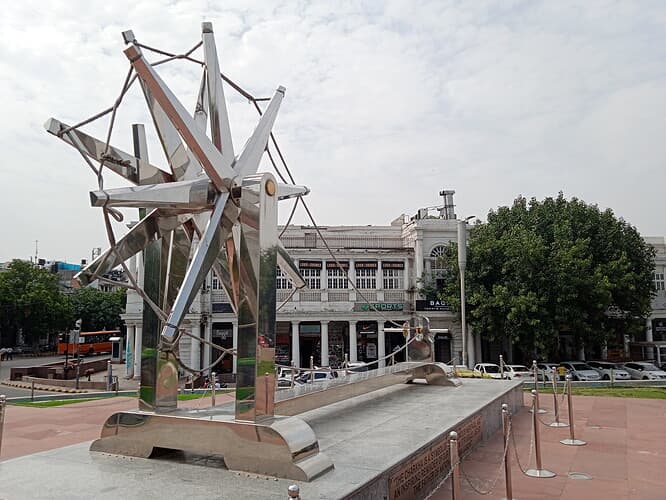
One reason this museum remains relevant is that the charkha still appears in modern civic narratives about sustainability, local production, and ethical consumption. While its original role was linked to anti-colonial resistance, its symbolic language now also supports discussions on self-reliance and dignified labor. Visitors who connect past and present usually gain deeper value from the exhibits.
This broader perspective helps younger visitors understand that heritage is not frozen in time. Ideas represented by historical objects can continue shaping policy discussions, education, and public culture long after their original context changes.
Suggested 90-Minute Delhi Learning Loop
If your goal is education-focused travel, use a 90-minute loop around the museum visit: 15 minutes orientation, 45 minutes exhibit walkthrough, 15 minutes reflection notes, and 15 minutes transition planning. This prevents rushed exits and preserves interpretive quality. The loop works especially well for school teams and small family groups.
At the end of the visit, ask one takeaway question: what made symbolic tools powerful in mass movements? This keeps the museum visit conceptually anchored and makes your next Delhi stop more meaningful.
Final Practical Note
Because this is a concise museum, visitors often underestimate its value. The strongest outcomes come when you slow down, read key panels, and discuss one takeaway before leaving. This simple discipline turns a short stop into a meaningful freedom-history learning experience.
Suggested Reflection Prompt
Before leaving, ask what current civic issue could use the same spirit of self-reliance and collective participation represented by the charkha. This one question makes the visit relevant and memorable.
Quick Checklist Before Exit
Review one key takeaway, confirm next transfer, and keep a short buffer for Delhi traffic. This simple routine protects schedule quality and reinforces what you learned during the visit.
Conclusion
Charkha Museum Delhi is small in size but high in historical significance. It works best when visited with context, calm pacing, and route discipline. Plan it as an educational anchor inside a broader Delhi day, and the visit will deliver far more value than a rapid pass-through.
Location
Frequently Asked Questions
Q1.Where is Charkha Museum in Delhi?
Q2.How much time is needed?
Q3.Is it good for students?
Q4.Can I combine it with India Gate?
Q5.Is photography allowed?
Q6.Best time to visit?
Q7.Is it family-friendly?
Q8.Do I need advance booking?
Recommended For You
Bengali Market Delhi: Food Guide, Timing and Tips Now
Explore Bengali Market Delhi with timing strategy, food-route planning, and practical tips for a smoother and tastier city stop.
Khan Market Delhi: Best Restaurants, Cafes & Shopping Picks
Explore Khan Market Delhi with practical tips on restaurants, cafes, bookstores, shopping, timings, metro access, parking, and nearby attractions.
Sarojini Nagar Market Delhi: Best Lanes, Price Range & Shopping Tips
Sarojini Nagar Market Delhi - Complete shopping guide with timings, nearest metro, bargaining tips & best buys. Export surplus clothes, shoes & accessories.
Never Miss an Adventure
Get the latest trekking guides, travel tips, and exclusive offers delivered straight to your inbox.
