
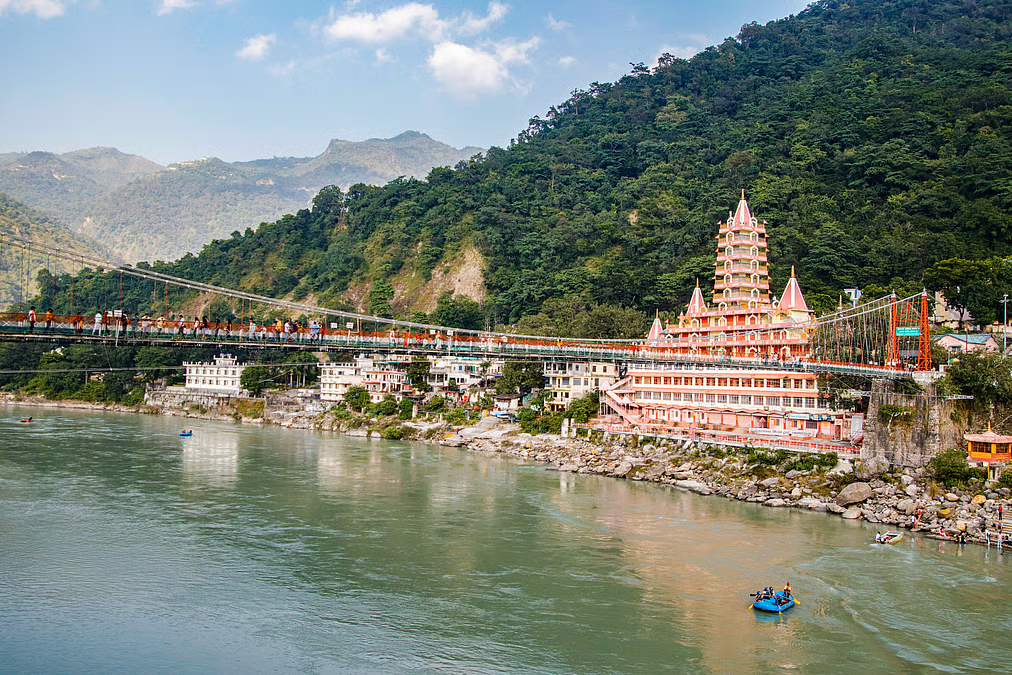
Bajrang Setu Rishikesh: Bridge to Divine Hanuman Temple
Rahul Garg
February 19, 2026
Explore Bajrang Setu Rishikesh, the sacred suspension bridge connecting to the Hanuman Temple. Discover river views, sunset photography, evening aarti & spiritual experiences.
Introduction to Bajrang Setu Rishikesh
Bajrang Setu, one of Rishikesh's most iconic suspension bridges, serves as both a vital pedestrian crossing and a spiritual gateway to the revered Hanuman Temple. Spanning the sacred Ganges River in the heart of the yoga capital of India, this bridge offers visitors a unique combination of breathtaking natural beauty, spiritual significance, and architectural wonder. Named after Lord Hanuman, also known as Bajrang Bali, the bridge connects devotees and travelers to the ancient temple while providing stunning views of the holy river flowing beneath. The bridge has become an essential landmark in Rishikesh, attracting spiritual seekers, photography enthusiasts, and curious travelers alike. Unlike the more famous Lakshman Jhula and Ram Jhula, Bajrang Setu offers a quieter, more intimate experience of Rishikesh's river crossings. For those exploring Rishikesh in one day, this bridge provides a perfect spiritual stop. The gentle sway of the suspension bridge, combined with the mesmerising sound of the Ganges flowing below and the distant chanting of mantras from nearby temples, creates an atmosphere of peace and tranquility that stays with visitors long after they leave. This comprehensive guide explores everything you need to know about visiting Bajrang Setu, including its location, spiritual significance, the Hanuman Temple, photography opportunities, best times to visit, and practical tips for making the most of your experience. Whether you're on a spiritual pilgrimage, seeking adventure, or simply exploring Rishikesh's unique attractions, Bajrang Setu offers something special for every traveler.Location and How to Reach Bajrang Setu
Bajrang Setu is strategically located in the Muni-ki-Reti area of Rishikesh, approximately 3 kilometers from the main city center and within walking distance of several important spiritual landmarks. The bridge spans the Ganges River at a point where the river is particularly scenic, with hills rising on both sides creating a natural amphitheater of stunning beauty. The surrounding area is dotted with ancient temples, ashrams, and meditation centers, making it a hub of spiritual activity.Transportation Options
- By Private Car/Taxi: The most convenient way to reach Bajrang Setu, taking about 10-15 minutes from Rishikesh city center. Taxis are readily available and can drop you at the nearest approach point.
- By Auto-Rickshaw: Auto-rickshaws frequently ply the route to Muni-ki-Reti area and cost ₹50-80 from the city center. Negotiate rates beforehand for the round trip.
- By Walking: If you're staying in the central Rishikesh area, Bajrang Setu is accessible by a pleasant 30-40 minute walk through the town's spiritual heart.
- By Rental Bike/Scooter: Popular among travelers who prefer independence, with rental shops available throughout Rishikesh. Parking is available near the bridge approach.
Route and Landmarks
The route to Bajrang Setu passes through several notable landmarks including the main market area, several smaller temples, and the bustling lanes of Muni-ki-Reti. Most GPS navigation systems will accurately guide you to the location. The bridge is easily recognizable with its distinctive suspension design and is well-known to locals who can provide directions if needed. Ask for "Bajrang Setu" or "Bajrang Bridge" and you'll be pointed in the right direction.
The Hanuman Temple Connection
Bajrang Setu derives its name and primary significance from the ancient Hanuman Temple it connects to. This temple, dedicated to Lord Hanuman, is one of the most revered religious sites in Rishikesh and attracts devotees throughout the year. The temple houses a magnificent idol of Lord Hanuman in his standing posture, radiating divine energy and blessings to all who visit. The temple's history dates back several centuries, though the exact date of its establishment is shrouded in local legends. Devotees believe that the temple has been a center of worship for generations, with priests serving the deity following traditions passed down through their families. The spiritual atmosphere of the temple is intense and palpable, with the constant chanting of Hanuman Chalisa and other sacred mantras creating a powerful vibration that resonates through the entire area.Temple Darshan Timings
The Hanuman Temple is open from 5:00 AM to 9:00 PM daily, with special ceremonies performed during morning and evening hours. Early morning darshan (5:00-7:00 AM) offers a peaceful experience with fewer crowds and beautiful sunrise lighting. Evening aarti (7:00-8:00 PM) is particularly powerful, with the illuminated temple creating a mystical atmosphere against the darkening sky. The temple is especially crowded on Tuesdays and Saturdays, days considered especially sacred to Lord Hanuman.River Views and Natural Beauty
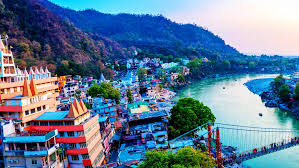
One of the most compelling reasons to visit Bajrang Setu is the spectacular view of the Ganges River it offers. Standing on the suspension bridge, you can witness the sacred Ganges flowing majestically beneath your feet, its waters reflecting the changing light of day and the surrounding Himalayan foothills. The view varies dramatically depending on the time of day and season, each offering a unique visual experience. During early morning, the river is often shrouded in gentle mist that rises from the water's surface, creating an ethereal atmosphere perfect for meditation and quiet contemplation. As the sun rises, the mist clears to reveal the crystal-clear waters reflecting the golden light, with birds flying low over the river in search of their morning catch. The sound of the flowing water combines with distant temple bells to create a natural symphony that calms the mind and soothes the soul.Seasonal Variations
The monsoon season transforms the river into a powerful force of nature, with the swollen Ganges rushing beneath the bridge with impressive force and energy. The surrounding hills turn lush green, and the entire landscape comes alive with vibrant colors. Winter brings clear blue skies and crisp air, making it ideal for photography with excellent visibility of the distant mountains. Summer offers dramatic golden hour lighting as the sun sets behind the hills, painting the sky in spectacular hues of orange and pink.The Suspension Bridge Experience
Walking across Bajrang Setu is an experience that engages all your senses. The suspension bridge gently sways as you walk, creating a subtle rhythm that matches the natural flow of the river below. The metal grating of the walkway allows you to see the rushing water beneath your feet, creating a thrilling connection to the sacred river. The bridge is approximately 450 feet long and provides ample opportunity to pause and admire the views from different vantage points. The bridge's construction represents a beautiful blend of engineering and spiritual purpose. Designed to accommodate pedestrian traffic, it features sturdy cables and support structures that have withstood the test of time and seasonal variations in water levels. The rhythmic sound of footsteps, the distant echo of temple bells, and the constant rush of the river create an immersive experience that connects you to Rishikesh's unique energy.Best Viewing Points
There are several spots on the bridge that offer exceptional views. The center of the bridge provides the most expansive view of the river in both directions, with hills rising on either side. The eastern end offers a spectacular view of the sunrise lighting up the distant mountains, while the western end is perfect for sunset photography. Take your time crossing the bridge, stopping at regular intervals to fully absorb the scenery and the spiritual atmosphere.Evening Aarti at the Hanuman Temple
The evening aarti at the Hanuman Temple, accessible via Bajrang Setu, is a deeply spiritual experience that should not be missed. As the sun sets and darkness descends, the temple comes alive with the glow of oil lamps and the rhythmic chanting of prayers. The aarti ceremony typically begins around 7:00 PM and lasts for 45-60 minutes, during which priests perform elaborate rituals using fire, incense, and sacred offerings. The atmosphere during evening aarti is electric with spiritual energy. Devotees gather from far and wide to participate in or witness this sacred ceremony. The sound of bells, conch shells, and collective chanting fills the air, while the fragrance of incense and camphor creates a mystical ambiance. Participating in or simply witnessing this ceremony from the bridge offers a unique perspective - you can observe the proceedings while feeling connected to both the temple and the sacred river.Cultural Significance
The aarti ceremony at the Hanuman Temple represents centuries of unbroken Hindu tradition. The same rituals, mantras, and sequences of offerings that were performed generations ago continue today, creating a powerful sense of continuity with the past. For many devotees, participating in this ceremony is the highlight of their Rishikesh visit, offering a profound spiritual experience that transcends religious boundaries and speaks to something universal in the human experience.
Sunset Photography Opportunities
Bajrang Setu offers some of the most spectacular sunset photography opportunities in Rishikesh. As the sun begins its descent behind the distant Himalayan foothills, the sky transforms into a canvas of vibrant colors - deep oranges, soft pinks, and dramatic purples. These colors reflect off the calm waters of the Ganges, creating mirror-like effects and stunning compositions that photographers dream of capturing. The golden hour, the period shortly before sunset, provides the most flattering light for photography. The soft, warm light enhances the natural colors of the landscape and creates long shadows that add depth and dimension to your images. The suspension bridge itself becomes an interesting subject during this time, with its cables and structure silhouetted against the colorful sky and the flowing river below.Photography Tips
For the best sunset photography at Bajrang Setu, arrive at least 45 minutes before the actual sunset time to set up your equipment and scout compositions. Use a tripod for stable shots, especially as light decreases. Include the bridge structure in your frames to add interest and scale. Capture both wide landscape views showing the expansive river and close-ups focusing on details like the bridge cables or temple silhouettes. Don't forget to turn around and photograph behind you - the temple illuminated against the evening sky makes for stunning images too.Proximity to Lakshman Jhula
Bajrang Setu is conveniently located near Lakshman Jhula, one of Rishikesh's most iconic landmarks. Lakshman Jhula, located approximately 2 kilometers away, is another suspension bridge with great religious significance - it is believed to mark the spot where Lord Lakshman crossed the Ganges on jute ropes according to Hindu mythology. Many visitors choose to combine visits to both bridges as they offer complementary experiences of Rishikesh's spiritual and natural heritage. The walk between Bajrang Setu and Lakshman Jhula takes you through some of Rishikesh's most charming areas, past small temples, local shops selling spiritual items, and cafes offering views of the river. The route follows the riverbank for most of the way, providing continuous opportunities to admire the Ganges and the surrounding landscape. This walk can take 30-40 minutes depending on how often you stop to take photos or explore interesting spots along the way.Comparing the Bridges
While both are suspension bridges over the Ganges, Bajrang Setu and Lakshman Jhula offer distinctly different experiences. Lakshman Jhula is more famous and attracts larger crowds, with numerous shops and cafes around it. Bajrang Setu, in contrast, offers a quieter, more contemplative experience with fewer tourists and a stronger spiritual focus due to its connection to the Hanuman Temple. Both bridges have their own charm and significance - visiting both provides a more complete understanding of Rishikesh's unique character.The Ganges Flow from the Bridge
Standing on Bajrang Setu and watching the Ganges flow beneath is a meditative experience that connects you to the timeless essence of this sacred river. The Ganges, originating in the Gangotri Glacier high in the Himalayas, has traveled hundreds of kilometers by the time it reaches Rishikesh, gathering spiritual energy from the mountains and the many holy sites along its course. The river's flow here is powerful yet peaceful, symbolizing the eternal journey of spiritual seekers who come to Rishikesh. The water in this stretch of the river is notably clear and clean, reflecting the pristine Himalayan source. Depending on the season, you might see the river in different moods - calm and reflective during winter, powerful and energetic during monsoon, or peaceful and inviting during the pleasant months of spring and autumn. Watching the continuous flow of water reminds observers of the impermanent nature of life and the importance of staying present in the moment.Environmental Awareness
The Ganges, despite its sacred status, faces environmental challenges from pollution and overuse. Local organizations and the government are working to preserve and protect the river, and visitors can contribute by being mindful of their impact. Avoid throwing anything into the river, use eco-friendly products when possible, and support initiatives that promote river conservation. The spiritual experience of watching the Ganges flow from Bajrang Setu is enhanced when you know you're part of efforts to protect this sacred waterway for future generations.
Best Time to Visit Bajrang Setu
Choosing the right time to visit Bajrang Setu can significantly enhance your experience. Each season offers a different perspective on this beautiful destination, and understanding these variations will help you plan according to your preferences and priorities.Winter (October to March)
Winter is widely considered the best time to visit Bajrang Setu for comfortable weather and excellent visibility. The temperature ranges from pleasant to mildly cool, making it ideal for spending extended time on the bridge exploring photography opportunities. Early morning mist creates atmospheric conditions perfect for moody photography, while the clear winter air offers excellent views of the distant mountains. The winter light is soft and golden, especially during sunrise and sunset hours, creating magical illumination of the bridge and surrounding landscape.Spring (March to May)
Spring offers comfortable temperatures and pleasant weather, making it ideal for exploring the bridge and surrounding areas at leisure. The landscape shows signs of new life after winter, with vegetation turning green and the weather remaining predictable. This is an excellent time for birdwatching, as migratory birds can be spotted along the river before departing for their summer habitats. The bridge experience is particularly enjoyable during these months, with neither the summer heat nor winter chill affecting your comfort.Monsoon (July to September)
The monsoon season brings dramatic transformations to the landscape around Bajrang Setu. The hills turn lush green, the Ganges swells to impressive proportions, and the entire region comes alive with renewed energy. Photography during monsoon is spectacular, with dramatic cloud formations and misty conditions creating powerful compositions. However, exercise caution during heavy rains as the bridge can become slippery and the river current is stronger. Check weather conditions before visiting and avoid crossing during severe weather.Summer (June to July)
Summer brings high temperatures, with midday visits potentially uncomfortable. However, early morning and late evening visits can still be pleasant, and the bridge is less crowded during this season. If you visit in summer, plan your trip for sunrise or sunset to avoid the heat while enjoying beautiful lighting conditions. The summer heat creates interesting heat haze effects that can add atmosphere to your photographs. Carry water and sun protection if you plan to spend extended time on the bridge.Daily Visiting Hours and Timing
Bajrang Setu is accessible throughout the day, but different times offer vastly different experiences. Understanding the rhythm of daily life around the bridge will help you choose the timing that best suits your interests and preferences.Early Morning (5:00 AM - 7:00 AM)
Early morning is arguably the most peaceful time to visit Bajrang Setu. The bridge is nearly deserted, offering solitude and quiet contemplation. The river is calm, often covered in a gentle mist that adds mystery to the landscape. Sunrise colors transform the sky, and the first light of day illuminates the distant mountains, creating a magical atmosphere perfect for meditation, photography, or simply absorbing the serene beauty of the place. This is also an excellent time for temple darshan before crowds arrive.Mid-Morning to Afternoon (9:00 AM - 4:00 PM)
The middle of the day sees more activity on and around the bridge, with locals and visitors crossing for various purposes. The light is harsher for photography but creates strong contrasts and interesting shadows. This is a good time to observe daily life in Rishikesh, with devotees going to and from the temple, locals engaged in their routines, and the river bustling with activity. If you enjoy people watching and cultural observation, this timeframe offers plenty of interesting subjects.Evening (4:00 PM - 7:00 PM)
The evening hours, especially the period before and during sunset, are the most popular time to visit Bajrang Setu. The golden light creates beautiful illumination, and the bridge attracts visitors hoping to witness the sunset and the evening aarti at the Hanuman Temple. The atmosphere becomes more festive and spiritual as people gather for the aarti, creating a collective energy that enhances the experience. Photography during this time is spectacular, with the changing light offering endless creative possibilities.Night (7:00 PM onwards)
While it's safe to walk on the bridge at night, the experience is quite different from daytime visits. The temple and surrounding area are illuminated, creating a mystical atmosphere. The sound of evening prayers and temple bells continues late into the night, adding to the spiritual ambiance. Night photography can yield dramatic results, with illuminated structures and starlit skies creating compelling compositions. However, exercise caution and avoid late-night visits if you're unfamiliar with the area.Spiritual Significance of the Location
The area around Bajrang Setu holds profound spiritual significance in Hindu tradition and mythology. Rishikesh itself is known as the "Yoga Capital of the World" and has been a center of spiritual practice for thousands of years. Sages, saints, and seekers have meditated in this region for millennia, drawn by the powerful spiritual energy that emanates from the confluence of the Ganges and the Himalayan foothills. The Hanuman Temple, accessible via Bajrang Setu, is not just a place of worship but a living testament to Hindu devotional traditions. Lord Hanuman is revered as the embodiment of devotion, strength, and selfless service, and devotees believe that praying at this temple brings protection, courage, and spiritual blessings. The temple's continuous operation for centuries represents the unbroken spiritual lineage that has maintained Hindu traditions through generations of practitioners.The Sacred River Connection
The Ganges is considered the holiest river in Hinduism, believed to have descended from heaven to purify humanity. Standing on Bajrang Setu above this sacred waterway creates a powerful connection to this ancient spiritual tradition. Many devotees believe that even viewing the Ganges from the bridge carries spiritual merit, and some perform simple rituals or offer prayers while standing on the bridge, feeling a direct connection to the divine through the sacred river.Practical Tips for Visiting
What to Carry
When visiting Bajrang Setu, carry a small bag with essentials including water, especially during hot weather. Sun protection including sunglasses, sunscreen, and a hat is important, particularly for daytime visits. If you plan to take photographs, bring your camera and extra batteries. Comfortable footwear with good grip is essential as the bridge can be slippery, especially during misty or rainy conditions. A light jacket might be useful during winter mornings or evenings when it can get chilly by the river.Dress Code
While there's no strict dress code for the bridge itself, modest clothing is recommended, especially if you plan to visit the Hanuman Temple. Wear clothes that cover your shoulders and knees as a mark of respect for the religious site. Remove your footwear before entering the temple premises. Comfortable, modest clothing in natural fabrics is most appropriate for the spiritual atmosphere of the area.Safety Considerations
Bajrang Setu is generally safe for visitors, but some precautions are advisable. The bridge can sway slightly, which might be unsettling for those with fear of heights. Hold onto the handrails and stay to the center of the walkway. Avoid running or jumping on the bridge as the motion increases with movement. Exercise caution during monsoon when the bridge surface can be slippery. If you're with children, supervise them closely. Visit during daylight hours unless you're familiar with the area and comfortable with nighttime navigation.Photography Etiquette
Photography is allowed and encouraged at Bajrang Setu, but be mindful of others who are trying to enjoy the experience or participate in religious activities. Avoid blocking pathways or stepping in front of people to get your shot. When photographing people, especially devotees engaged in prayer, ask for permission first. Be respectful of the temple's sanctity during aarti ceremonies - some restrictions may apply, so observe what locals are doing and follow their lead.Nearby Attractions to Combine
To make the most of your visit to the Bajrang Setu area, consider combining it with nearby spiritual and natural attractions. Rishikesh offers numerous opportunities for exploration within a small radius, making it easy to create a fulfilling itinerary.- Lakshman Jhula: Located 2 kilometers away, this iconic suspension bridge is a must-visit. The walk between the two bridges offers scenic views and passes through interesting neighborhoods.
- Ram Jhula: Another famous suspension bridge, about 4 kilometers from Bajrang Setu, known for its numerous ashrams and spiritual centers.
- Triveni Ghat: The main ghat for Ganga Aarti in Rishikesh, located approximately 3 kilometers away. Evening aarti here is a spectacular experience.
- Beatles Ashram: The abandoned ashram where the Beatles stayed in 1968, now an atmospheric ruin with beautiful views, about 5 kilometers away.
- Parmarth Niketan: One of Rishikesh's largest ashrams, offering yoga classes, spiritual programs, and accommodation, within walking distance.
- Vashishta Gufa: An ancient meditation cave about 25 kilometers from Rishikesh, for those willing to venture further.

Sample Itinerary for Bajrang Setu Visit
Half-Day Spiritual Itinerary
5:30 AM: Reach Bajrang Setu for sunrise and early morning temple darshan. 6:00 AM: Morning aarti at Hanuman Temple, witness the peaceful sunrise from the bridge. 7:00 AM: Walk to Lakshman Jhula (30 minutes), exploring the route and stopping for photos. 8:00 AM: Breakfast at a riverside cafe near Lakshman Jhula. 9:00 AM: Explore temples and ashrams in the area. 11:00 AM: Return to Bajrang Setu area for mid-morning exploration. 12:30 PM: Lunch break at a local restaurant. 4:00 PM: Return to Bajrang Setu for sunset photography. 5:00 PM: Find a good spot for sunset and golden hour photography. 6:00 PM: Attend evening aarti at Hanuman Temple. 7:00 PM: Dinner at a nearby restaurant or return to accommodation.Photography-Focused Itinerary
5:00 AM: Arrive at Bajrang Setu before sunrise for blue hour photography. 6:00 AM: Capture sunrise, mist, and morning light on the bridge and temple. 8:00 AM: Golden hour morning photography from different vantage points. 10:00 AM: Explore surrounding areas for documentary and street photography. 12:00 PM: Break for lunch and review morning shots. 3:00 PM: Afternoon photography experimenting with harsh light and shadows. 4:30 PM: Begin golden hour preparation for sunset. 5:00 PM - 6:30 PM: Sunset and twilight photography from multiple positions on the bridge. 7:00 PM: Evening aarti photography at the temple. 8:00 PM: Night photography of illuminated temple and bridge.Accommodation Options Nearby
The area around Bajrang Setu offers various accommodation options for different budgets and preferences. Staying nearby allows you to experience the area at different times of day and creates opportunities for early morning or late evening visits without transportation concerns.- Luxury Hotels: Several high-end hotels in the Muni-ki-Reti area offer comfortable rooms with river views, modern amenities, and easy access to Bajrang Setu. These range from ₹5,000-15,000 per night.
- Ashram Stays: For a more spiritual experience, consider staying at one of the nearby ashrams like Parmarth Niketan or Sivananda Ashram. These offer simple rooms, yoga classes, and spiritual programs at reasonable rates (₹500-2,000 per night).
- Mid-Range Guesthouses: Numerous guesthouses in the area offer clean, comfortable rooms for ₹1,500-4,000 per night, many with river views and rooftop terraces.
- Budget Accommodation: Budget travelers can find basic rooms and dormitories for ₹300-1,000 per night, particularly in the Swarg Ashram area and nearby lanes.
Food and Dining Options
Rishikesh is a vegetarian city by law, and alcohol is prohibited throughout. The food scene around Bajrang Setu reflects the city's spiritual and health-conscious character, offering nutritious, sattvic (pure) food that's good for both body and soul.- Traditional Indian: Numerous small restaurants and dhabas serve authentic Indian food including dal, rice, roti, vegetable curries, and regional specialties. Must-try dishes include aloo paratha, chole bhature, and various thalis.
- Continental and Fusion: Several cafes cater to international visitors, offering continental breakfast, pasta, sandwiches, and fusion dishes. Popular options include Little Buddha Cafe and similar establishments.
- Health Food: Given Rishikesh's yoga and wellness focus, many places serve health-conscious options including fresh juices, smoothies, salads, and organic produce.
- Street Food: For authentic local flavors, try the street food offerings including chaat, samosas, and various snacks sold by local vendors.
Shopping for Spiritual Items
The area around Bajrang Setu offers excellent shopping opportunities for spiritual and religious items. Many small shops line the streets leading to the temple, selling products that support spiritual practice and make meaningful souvenirs.- Rudraksha Malas: Sacred prayer beads made from rudraksha seeds, believed to have spiritual significance and protective properties.
- Idols and Statues: Beautiful representations of Hindu deities, especially Lord Hanuman, in various materials including brass, copper, and marble.
- Incense and Puja Items: High-quality incense, camphor, brass lamps, and other items needed for daily worship and rituals.
- Spiritual Books: Books on Hindu philosophy, scriptures, meditation techniques, and spiritual practices in English and other languages.
- Clothing and Textiles: Spiritual clothing including yoga clothes, meditation shawls, and traditional Indian garments.
Yoga and Meditation Opportunities
Given Rishikesh's reputation as the Yoga Capital of the World, the area around Bajrang Setu offers numerous opportunities for yoga and meditation practice. Many visitors combine their bridge visit with spiritual practices that enhance the overall experience.- Drop-In Yoga Classes: Numerous ashrams and schools offer single-session yoga classes suitable for all levels. Morning classes starting at 6:00 AM are particularly popular.
- Meditation Sessions: Guided meditation sessions are available throughout the day, with early morning and evening sessions being especially conducive to deep practice.
- Spiritual Discourses: Many ashrams offer talks and discourses on Hindu philosophy, meditation techniques, and spiritual living. These are often free or offered for a small donation.
- Long-Term Courses: For those wanting deeper engagement, yoga teacher training courses, meditation retreats, and spiritual workshops ranging from one week to several months are available.
Cultural Events and Festivals
Bajrang Setu and the Hanuman Temple become especially vibrant during major Hindu festivals. Understanding the festival calendar can help you plan your visit to coincide with these special celebrations.Major Festivals
- Hanuman Jayanti: Celebrated in March or April (depending on the lunar calendar), this festival marks Lord Hanuman's birthday. The temple is decorated, special pujas are performed, and devotees gather in large numbers. The bridge and surrounding area are filled with celebratory energy.
- Navratri: A nine-night festival dedicated to the Divine Mother, usually in October. While not directly related to Hanuman, the entire spiritual community participates in special ceremonies and celebrations.
- Diwali: The festival of lights in October or November sees the entire city, including the Hanuman Temple and Bajrang Setu area, decorated with oil lamps and lights. The evening aarti during Diwali is particularly spectacular.
- Makar Sankranti: Celebrated in January, marking the transition of the sun into Capricorn. Devotees take holy dips in the Ganges, and special ceremonies are performed at the temple.
Environmental Conservation Efforts
As Rishikesh continues to grow as a spiritual and tourist destination, environmental conservation becomes increasingly important. The fragile ecosystem of the Ganges and the surrounding hills needs protection, and responsible tourism practices are essential to preserve this sacred landscape for future generations. Several organizations and government initiatives are working to protect the environment around Rishikesh and the Ganges. The National Mission for Clean Ganges, state pollution control boards, and various NGOs run programs for river conservation, waste management, and environmental awareness. As a visitor, you can contribute by following sustainable practices and supporting conservation efforts.Responsible Tourism Practices
- Avoid single-use plastics and carry reusable water bottles, bags, and containers.
- Dispose of waste properly and carry your trash with you if adequate facilities aren't available.
- Respect local customs and traditions, especially during religious ceremonies.
- Support local businesses, guides, and artisans rather than bringing everything from outside.
- Photograph respectfully and avoid intruding on people's privacy or religious practices.
- Conserve water and energy in your accommodation.
Transportation and Accessibility
Getting to and around the Bajrang Setu area is relatively straightforward, with various options available depending on your budget and preferences. The area is accessible to most visitors, though some considerations apply for those with mobility challenges.
Local Transportation
Within Rishikesh, auto-rickshaws are the most common mode of transportation for short distances. They're readily available and relatively inexpensive. For those who prefer independence, rental bikes and scooters are popular options, with rental shops throughout the city. Taxis can be hired for specific trips or full days if you prefer comfort and convenience. Many areas, including the route to Bajrang Setu, are walkable if you're staying nearby and enjoy exploring on foot.
Accessibility Considerations
While Bajrang Setu is generally accessible, those with mobility challenges should be aware that the bridge has stairs at both ends and the walkway can be slippery. The temple entrance may have steps and might not be wheelchair accessible. However, the bridge itself and the approach areas offer views without requiring extensive walking. If you have specific accessibility needs, it's advisable to visit during less crowded times and possibly bring assistance.
Weather and Seasonal Considerations
Understanding the weather patterns in Rishikesh will help you plan your visit to Bajrang Setu according to your preferences and priorities. Each season brings unique advantages and considerations.
Detailed Weather Breakdown
- Winter (December-February): Days are pleasant (15-25°C) while nights are cold (5-10°C). Clear skies, excellent visibility, and ideal conditions for outdoor activities. Carry warm clothing for early morning and evening visits.
- Spring (March-April): Pleasant temperatures (20-30°C) with blooming vegetation. Ideal weather for exploration and photography. Light clothing with a layer for cooler evenings is recommended.
- Summer (May-June): Hot days (35-40°C) with warm nights (25-30°C). Best to visit early morning or late evening. Carry sun protection and stay hydrated.
- Monsoon (July-September): Heavy rainfall with high humidity. Days are cooler (25-30°C) but outdoor activities can be challenging. Pack rain gear and check weather forecasts before visiting.
- Post-Monsoon (October-November): Pleasant, comfortable weather (20-30°C) with clear skies and lush greenery. One of the best times to visit, with the river at its fullest and the landscape beautifully green.
Tips for Photographers
Bajrang Setu offers exceptional photography opportunities throughout the day. To make the most of your photography session, consider these technical and creative tips.
Equipment Recommendations
Bring a camera with good low-light capabilities if you plan to shoot during early morning, evening aarti, or at night. A wide-angle lens (16-35mm) is useful for capturing the expansive river views and bridge structure. A telephoto lens (70-200mm or longer) can help compress distances and create interesting compositions of the temple and distant hills. A tripod is essential for stable shots during low light conditions and for long exposure images that capture the river's silky smooth flow. Extra batteries are important as cold mornings and extended shooting sessions can drain battery life.
Composition Tips
Use leading lines like the bridge cables to draw the viewer's eye through the frame. Include foreground elements like the bridge railing or nearby trees to add depth to your images. Create symmetrical compositions by centering the bridge in the frame and using reflections when the water is calm. Experiment with different perspectives - shoot from low angles to emphasize the bridge's structure, or from high vantage points to capture the river's curve. Include people in your frames to add scale and human interest to the landscape.
Timing for Different Effects
Early morning blue hour (before sunrise) offers moody, atmospheric images with cool color tones. Golden hour shortly after sunrise and before sunset provides warm, flattering light that enhances the natural beauty. Midday harsh light creates strong contrasts and interesting shadow patterns. Twilight after sunset offers a magical window when the sky retains color while artificial lights begin to illuminate the scene. Night photography creates dramatic images with illuminated temple structures and starry skies.
Health and Wellness Considerations
Visiting Bajrang Setu and engaging in the spiritual activities around Rishikesh can have positive effects on your health and wellness. However, some considerations will help ensure a safe and beneficial experience.
- Altitude: Rishikesh is at approximately 372 meters (1,220 feet) above sea level, so altitude is not a concern for most visitors.
- Water Safety: While the Ganges is considered sacred, avoid drinking water directly from the river. Use bottled or filtered water for drinking and brushing teeth.
- Physical Exertion: Walking on the suspension bridge and exploring the area involves moderate physical activity. Wear comfortable footwear and stay hydrated, especially during hot weather.
- Stress Reduction: Many visitors experience stress reduction and mental peace from the spiritual atmosphere and natural beauty of the area. Take time to sit quietly, meditate, or simply absorb the peaceful surroundings.
- Spiritual Wellbeing: Participating in temple rituals, attending aarti ceremonies, and spending time in this sacred environment can provide spiritual nourishment and a sense of connection to something larger than yourself.
Budget Considerations
One of the advantages of visiting Bajrang Setu is that it remains accessible to travelers across budget ranges. The bridge and temple are free to visit, making it an excellent option for budget-conscious travelers.
- Bridge Entry: Free - there is no charge to walk on Bajrang Setu.
- Temple Entry: Free - the Hanuman Temple does not charge for entry or darshan.
- Transportation: Auto-rickshaws cost ₹50-80 for trips within Rishikesh. Rental bikes/scooters are ₹300-600 per day. Taxis cost ₹500-1,500 depending on distance and duration.
- Food: Budget meals cost ₹100-200, mid-range meals ₹300-500, and higher-end dining ₹600-1,000 per person.
- Accommodation: Budget rooms ₹300-1,000, mid-range ₹1,500-4,000, and luxury ₹5,000-15,000 per night.
- Shopping: Spiritual items range from ₹50 for small items to several thousand rupees for elaborate idols or jewelry.
Safety and Emergency Information
While Bajrang Setu and the surrounding area are generally safe for visitors, being prepared and aware of safety considerations will help ensure a smooth experience.
- Bridge Safety: Hold onto handrails, especially if you're uncomfortable with the movement of the suspension bridge. Avoid running or jumping. Exercise caution during wet or slippery conditions.
- River Safety: Do not attempt to enter the Ganges from the bridge or nearby areas unless you're at designated bathing spots and confident in your swimming abilities. The river current can be strong, especially during monsoon.
- Personal Belongings: Keep valuables secure and be mindful of pickpockets in crowded areas, especially during festivals and aarti ceremonies.
- Weather Safety: Avoid the bridge during severe weather conditions like thunderstorms or heavy rain when surfaces become slippery and visibility is reduced.
- Emergency Contacts: Save local emergency numbers in your phone. Know the location of the nearest hospital or medical facility. Most hotels and guesthouses can assist with emergencies.
- Travel Insurance: Consider purchasing travel insurance that covers medical emergencies and trip interruptions, especially if you're engaging in adventure activities in Rishikesh.
Connecting with Local Culture
Beyond the bridge and temple, Bajrang Setu offers opportunities to connect with the local culture and community of Rishikesh. Engaging respectfully with local traditions and people can add depth to your visit.
Cultural Etiquette
When visiting the temple, follow the lead of local devotees. Remove footwear before entering temple premises. Maintain silence during prayers and ceremonies. Dress modestly out of respect for religious sentiments. Ask permission before photographing people, especially during religious activities. Learn a few basic Hindi greetings like "Namaste" (hello) and "Dhanyavad" (thank you) - these small gestures are appreciated.
Local Interactions
The local community around Bajrang Setu is generally warm and welcoming to visitors. Temple priests may be willing to explain the significance of rituals if approached respectfully during quieter times. Shop owners selling spiritual items often have interesting stories and knowledge to share. Yoga teachers and meditation instructors are usually passionate about sharing their practices. Approach interactions with genuine curiosity and respect, and you'll likely find the local community eager to share their culture and traditions.
Conclusion
Bajrang Setu offers a unique window into the heart of Rishikesh's spiritual essence. More than just a suspension bridge over a sacred river, it's a place where natural beauty, spiritual tradition, and human devotion converge to create something truly special. The bridge connects not just two banks of the Ganges, but also connects visitors to timeless traditions, breathtaking landscapes, and perhaps most importantly, to something deeper within themselves.
Whether you're crossing the bridge to visit the Hanuman Temple, standing transfixed by the sunset over the holy river, participating in the powerful evening aarti, or simply absorbing the peaceful atmosphere that pervades this sacred space, Bajrang Setu offers experiences that stay with you long after you leave. The combination of stunning natural beauty, profound spiritual energy, and the gentle rhythm of daily religious practice creates an environment that nurtures both body and soul.
As you stand on this swaying bridge above the ancient Ganges, watching the water that has flowed here for millennia, listening to temple bells that have rung for generations, and feeling the devotion of countless seekers who have stood here before you, you become part of a continuum that transcends ordinary time and space. That's the true gift of Bajrang Setu - the reminder that we're all connected to something much larger than ourselves, flowing like the eternal river toward the infinite ocean of consciousness.
Plan your visit thoughtfully, come with an open heart and mind, and allow yourself to be transformed by the powerful energy of this sacred place. Whether you spend an hour or an entire day, Bajrang Setu will leave you with memories and insights that illuminate your journey long after you've returned to the ordinary world beyond the bridge.
Location
Frequently Asked Questions
Q1.Where is Bajrang Setu located in Rishikesh?
Q2.What is the best time to visit Bajrang Setu?
Q3.Is there an entry fee to visit Bajrang Setu?
Q4.How far is Bajrang Setu from Lakshman Jhula?
Q5.What are the photography opportunities at Bajrang Setu?
Q6.What is the significance of the Hanuman Temple connected to Bajrang Setu?
Q7.How do I reach Bajrang Setu from Rishikesh railway station?
Q8.What are the temple timings for Hanuman Temple at Bajrang Setu?
Recommended For You
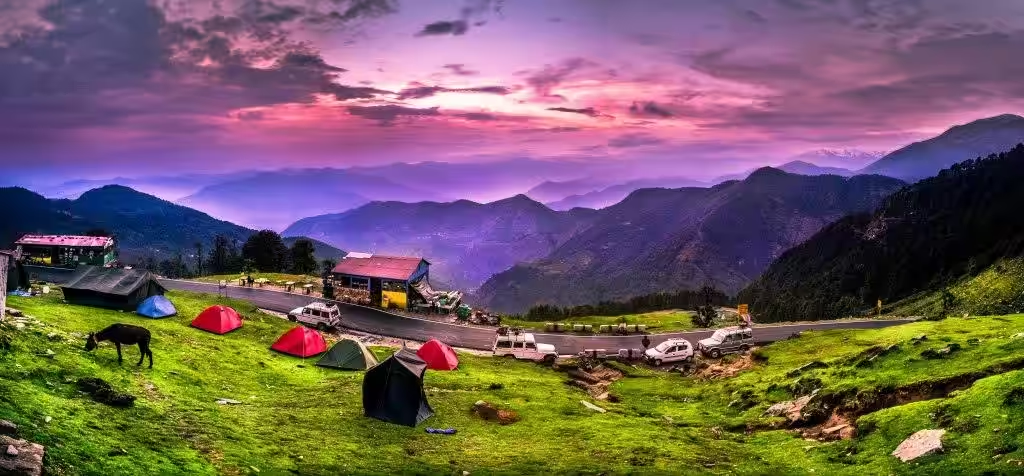
Offbeat Places Rishikesh: Hidden Gems & Unexplored Spots
Discover offbeat places in Rishikesh! Hidden gems, secret beaches, unexplored cafes & serene spots away from crowds in Uttarakhand.
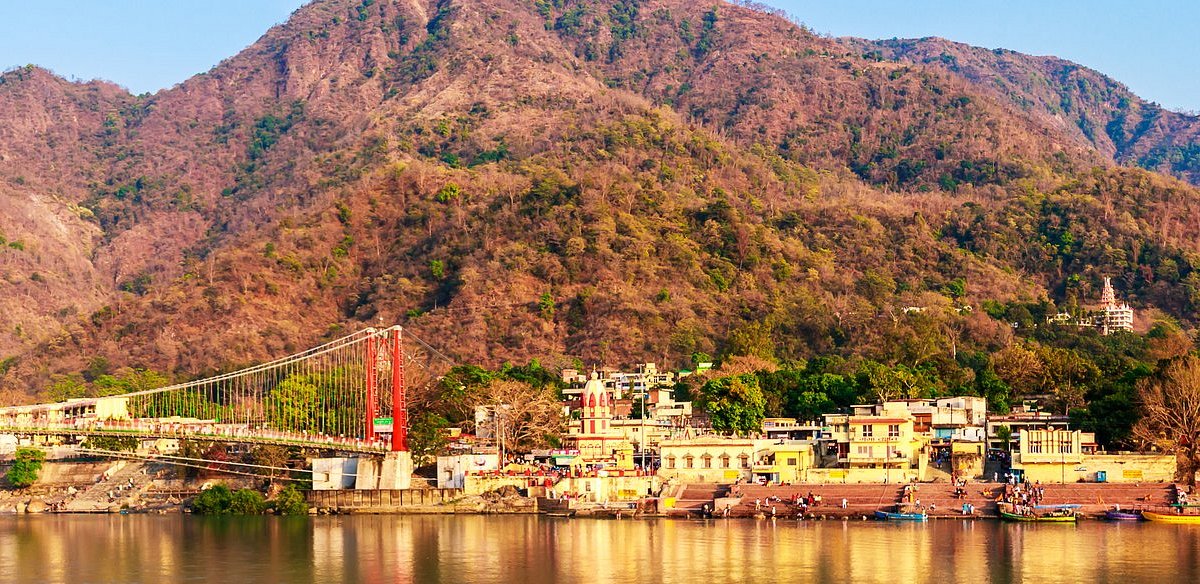
Places to Visit in Rishikesh: Yoga Ashrams, Ghats & Adventure Points
Discover the best places to visit in Rishikesh including Laxman Jhula, Triveni Ghat, adventure activities, ashrams and Neelkanth Mahadev Temple.
Things to Do in Uttarakhand: 30 Best Experiences & Attractions
Discover the 30 best things to do in Uttarakhand - from spiritual Char Dham pilgrimage and yoga in Rishikesh to adventure sports, wildlife safaris, and offbeat Himalayan villages. Complete guide with costs and tips.
Never Miss an Adventure
Get the latest trekking guides, travel tips, and exclusive offers delivered straight to your inbox.
