
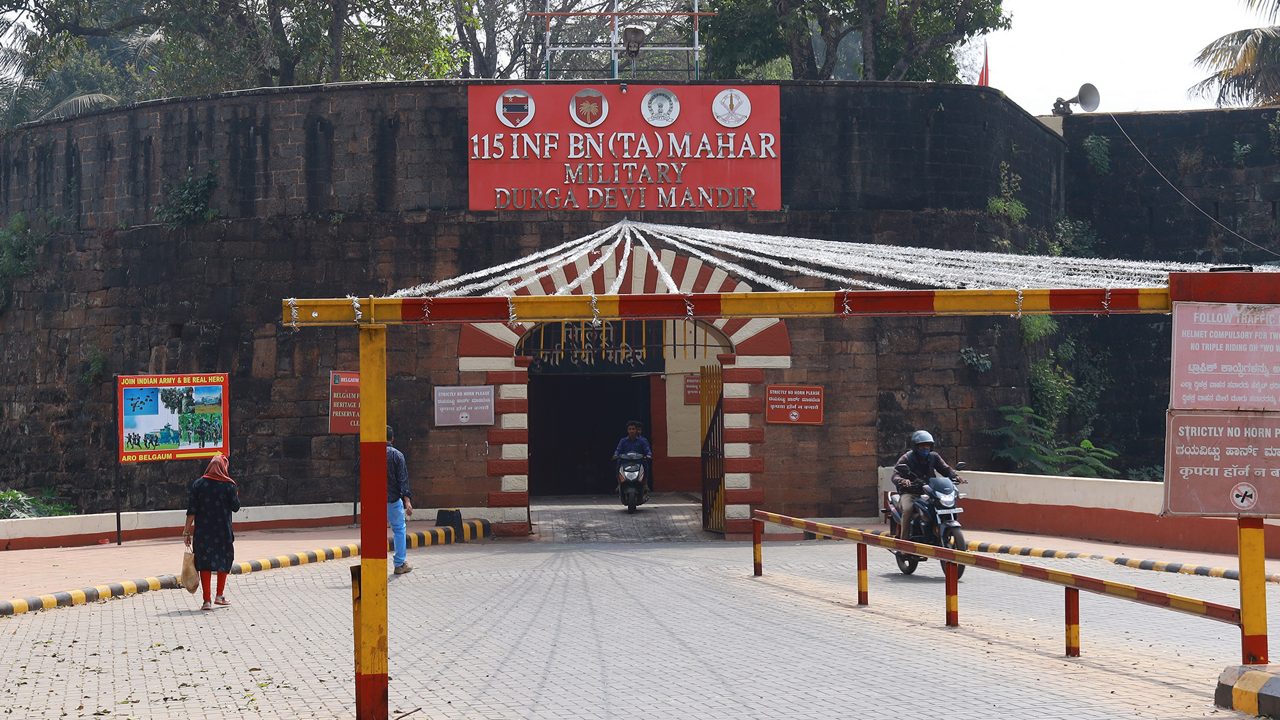
Belgaum Fort: Historic Military Stronghold in North Karnataka

Rohit Verma
February 19, 2026
Discover Belgaum Fort, a 13th-century fortification in North Karnataka featuring unique religious harmony, diverse architecture, and centuries of military history.
Introduction to Belgaum Fort
Belgaum Fort, located in the heart of Belagavi city, stands as one of Karnataka's most impressive historical monuments. Built in the 13th century, this formidable fortification has witnessed the rise and fall of numerous dynasties including the Yadavas, Vijayanagara rulers, Bahmanis, Bijapur Sultans, Marathas, and eventually the British. Its strategic location near the borders of Maharashtra and Goa made it a coveted military prize for centuries.
The fort's unique architecture showcases a blend of various styles, reflecting its diverse historical occupants. Unlike many other forts that stand isolated, Belgaum Fort remains very much a part of the city's landscape, with religious temples, mosques, and administrative buildings continuing to function within its walls. Combine this visit with exploring Chitradurga Fort and Vijayapura for a comprehensive Karnataka fort circuit.
Historical Background
The fort was originally built by the Ratta dynasty in the 13th century, though some structures within predate this period. The Yadavas of Devagiri captured it in the early 14th century, followed by the Vijayanagara Empire in the 15th century. The Bahmani Sultanate acquired it in 1474, and it later passed to the Adil Shahi dynasty of Bijapur.
The Marathas under Shivaji Maharaj captured the fort in 1673, though it was later retaken by the Mughals and then returned to the Marathas. In 1818, the British East India Company captured the fort after a prolonged siege. The fort's walls have seen battles, treaties, and the changing political landscape of South India over seven centuries.
Architectural Features
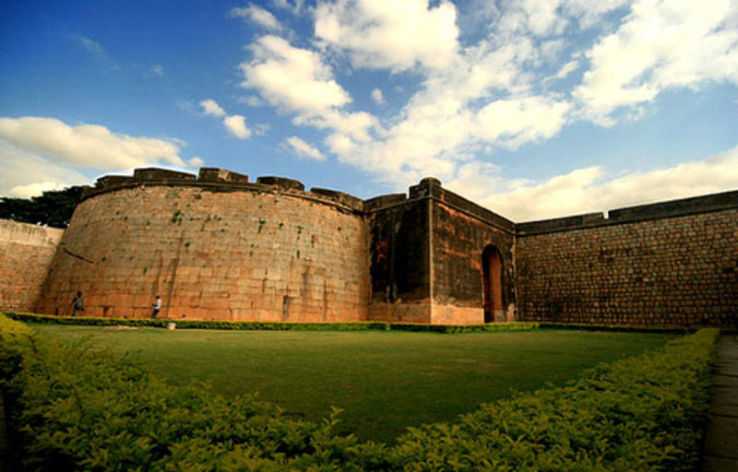
Belgaum Fort covers approximately 300 acres, making it one of Karnataka's largest fort complexes. The fortification walls stretch over 2 kilometers, featuring deep moats and massive gateways that showcase military engineering excellence. The walls average 30 feet in height and were designed to withstand prolonged sieges.
The fort features two main entrances—the Shahapur Gate and the Gopak Patil Gate—both featuring elaborate architectural elements. The fort's design incorporates both defensive and aesthetic considerations, with bastions positioned for optimal defense while the gates feature ornate carvings and inscriptions.
Religious Harmony Within
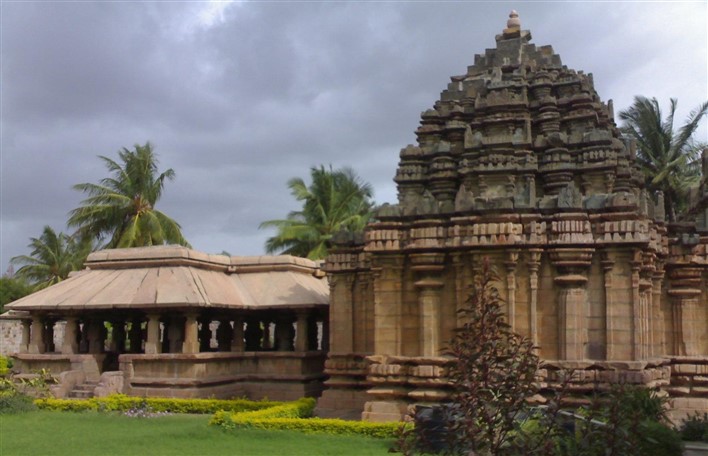
One of Belgaum Fort's most unique features is the peaceful coexistence of religious structures within its walls. The fort houses the Kamal Basadi Jain Temple, known for its beautiful lotus-shaped carvings, and the Safa Masjid, built during the Adil Shahi period. This proximity of religious structures symbolizes the cultural synthesis that characterized the region.
The Shri Ramakrishna Math Ashram within the fort complex provides spiritual solace to visitors. The temples within the fort include the Shri Dattatreya Temple and the Shri Ramalingeshwara Temple, both active places of worship. This religious diversity makes Belgaum Fort unique among India's historical monuments.
Key Attractions
The Kamal Basadi (Lotus Temple) within the fort is a stunning Jain temple featuring a beautiful lotus carved into the ceiling. The temple's architecture showcases the Chalukya style with intricate carvings and peaceful ambiance. The Safa Masjid features elegant Islamic architecture with an open courtyard and prayer hall.
The fort also houses several historic mosques including the Jamia Masjid and the Makki Masjid. The old British cemetery within the fort grounds contains graves from the colonial period. The various bastions and walls offer panoramic views of the surrounding city and countryside.
Military Significance
Belgaum Fort's strategic location made it a crucial military outpost throughout history. The fort's strong fortifications and strategic positioning allowed it to control important trade routes. The British recognized its importance and established a major military cantonment nearby, which continues to function today.
The fort witnessed several important battles including the British siege of 1818. The fort's design incorporates advanced military features including murder holes for defense, secret passages for escape, and sophisticated water storage systems that allowed the fort to withstand long sieges.
Visitor Information
Belgaum Fort is open daily from sunrise to sunset, with the best lighting conditions in the early morning and late afternoon. Since the fort is located in the heart of Belagavi city, it's easily accessible by auto-rickshaw, taxi, or even walking from nearby hotels. There is no entry fee, making it accessible to all visitors.
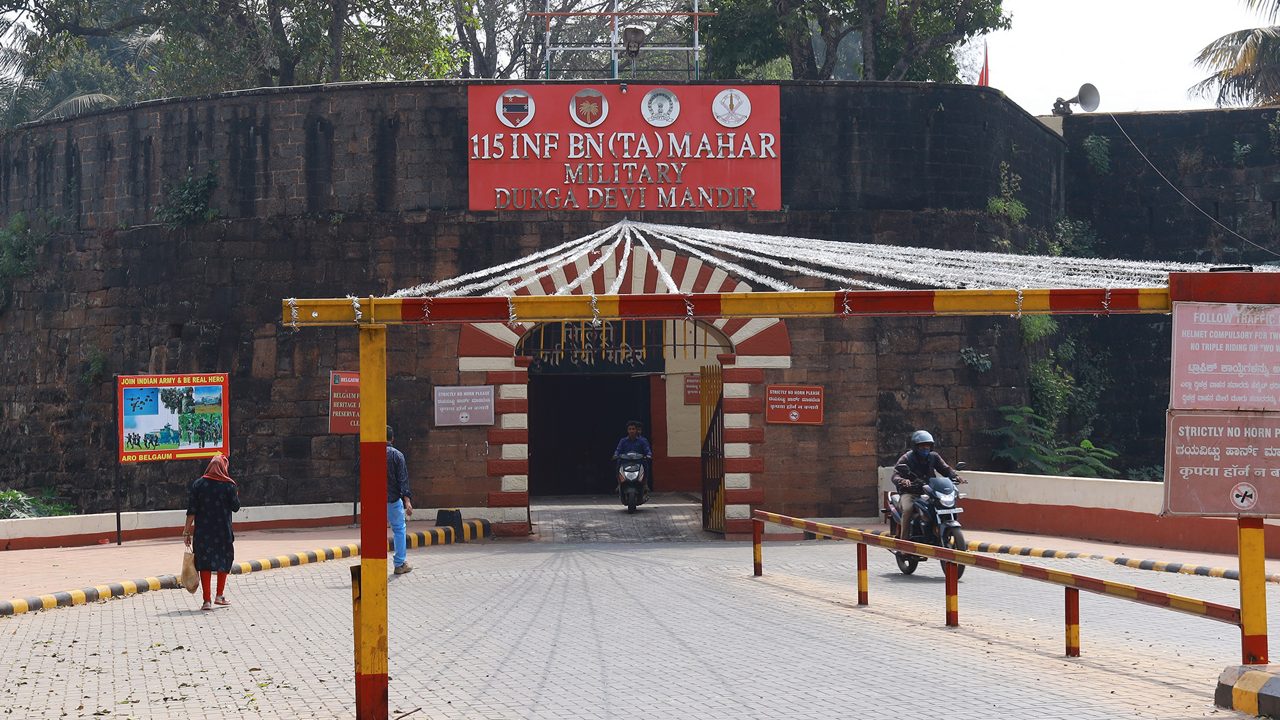
The fort premises house several government offices and religious institutions that remain active. Visitors should be respectful of these functioning establishments. Photography is permitted throughout the complex. Local guides are available for detailed historical information about various structures.
Best Time to Visit
October to March offers pleasant weather for exploring Belgaum Fort, as summer months can get quite hot in North Karnataka. Early morning visits provide the best lighting for photography and avoid the crowds that gather during religious festivals.
The monsoon season transforms the fort's surroundings, with the ancient stone structures contrasting beautifully against lush greenery. However, some areas within the fort may become slippery and challenging to navigate during heavy rains.
Getting There
Belagavi is well-connected by road, rail, and air. The city is approximately 500 kilometers from Bangalore and 400 kilometers from Pune. Belagavi has its own airport with flights connecting to Bangalore and Mumbai. The city is a major railway junction with trains connecting to all major cities in South and West India.
Within Belagavi, auto-rickshaws and taxis are readily available to reach the fort, which is located in the city center. The fort's central location makes it easily accessible from any part of the city.
Nearby Attractions
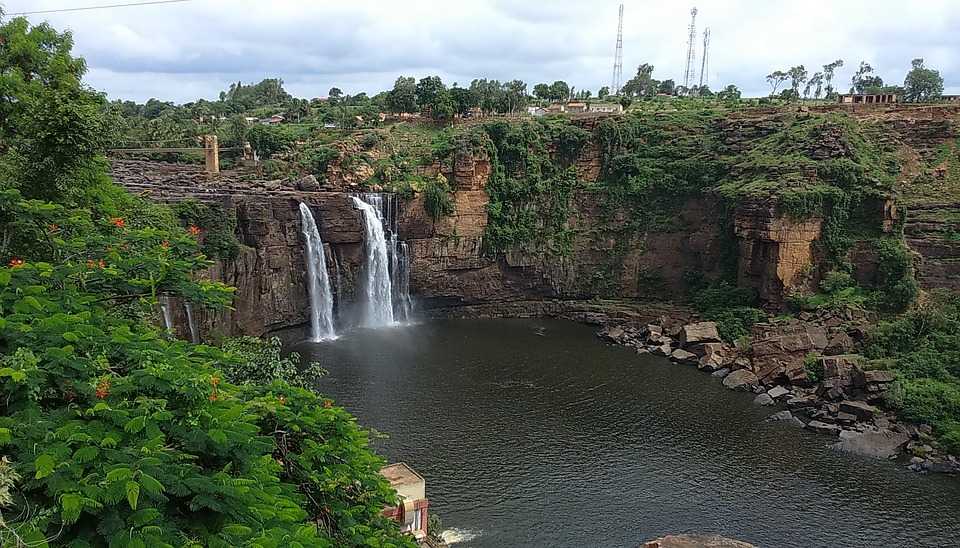
Belagavi offers several attractions that complement a visit to the fort. The Gokak Falls, approximately 60 kilometers away, is a scenic waterfall worth visiting. The Kittur Fort and Palace, associated with the brave queen Rani Chennamma, is about 50 kilometers from Belagavi.
The Military School in Belagavi offers insight into the city's connection with India's armed forces. The city's pleasant climate and colonial-era buildings make it an interesting destination for heritage walks. The surrounding countryside features numerous temples and natural spots.
Practical Tips
Wear comfortable walking shoes as exploring the fort involves considerable walking. Carry sufficient water, especially during summer visits. Hire a local guide to fully appreciate the historical significance of various structures. Allocate 2-3 hours for exploring the main attractions within the fort.
Be respectful of religious practices when visiting temples and mosques within the fort. The fort premises include government offices, so some areas may have restricted access. Photography is generally permitted but be mindful of worshippers in religious areas.
Conclusion
Belgaum Fort stands as a remarkable testament to North Karnataka's rich history and cultural synthesis. Its diverse architectural elements, religious harmony, and historical significance make it an essential destination for heritage enthusiasts. The fort continues to be a living monument, bridging the region's glorious past with its dynamic present.
Location
Frequently Asked Questions
Q1.What are Belgaum Fort timings?
Q2.Is there an entry fee for Belgaum Fort?
Q3.Who built Belgaum Fort?
Q4.What is special about Belgaum Fort?
Q5.How far is Belgaum from Bangalore?
Q6.How much time is needed to visit Belgaum Fort?
Q7.Is photography allowed at Belgaum Fort?
Q8.What are the main attractions inside Belgaum Fort?
Recommended For You
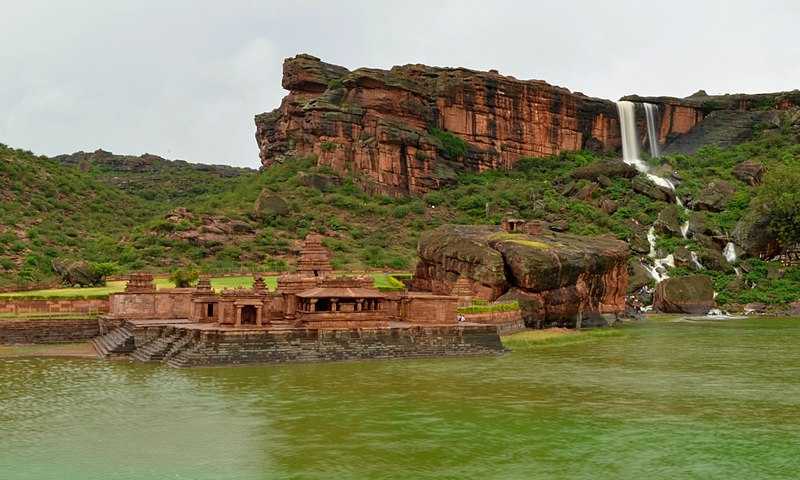
Places to Visit in Karnataka: Coast, Hills & Heritage Cities
Explore the best places to visit in Karnataka with a complete guide to Hampi, Coorg, Mysore, beaches, wildlife parks, trekking routes, and practical travel planning.
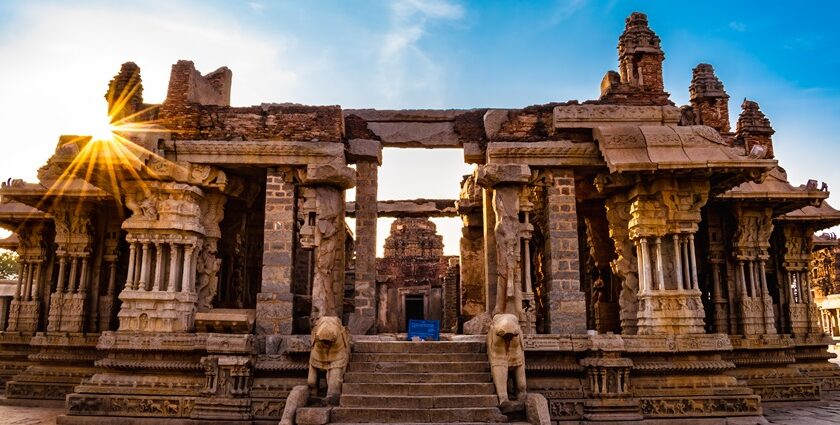
Hampi: 20 Best Places to Visit - Karnataka Heritage
Explore places to visit in Hampi with temples, royal enclosures, viewpoints, river activities, and practical zone-based itinerary planning.
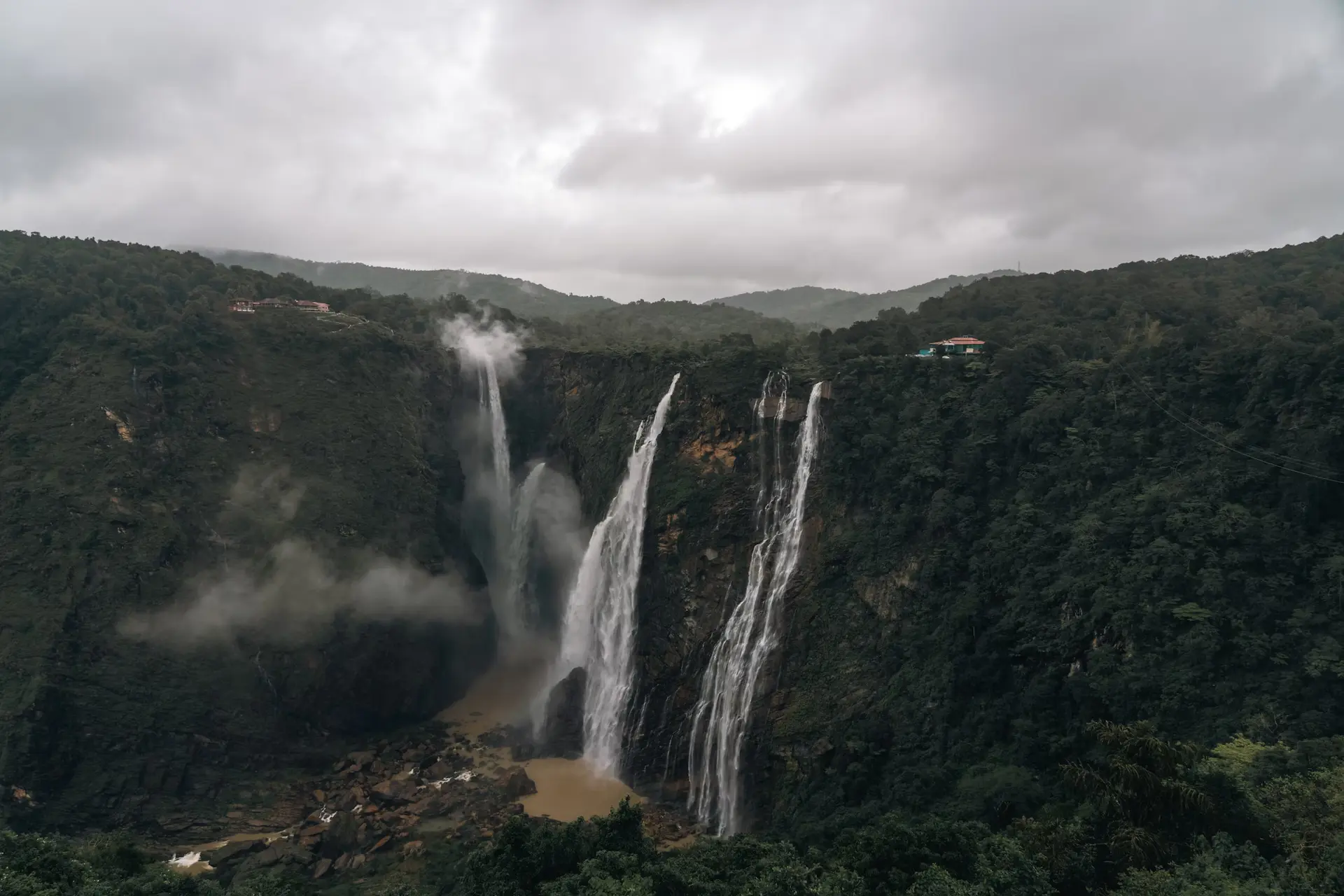
Jog Falls Karnataka: Best Viewpoints, Timings & Monsoon Season
Complete Jog Falls Karnataka guide with four cascades, viewpoints, trekking, best time to visit, timings, and travel tips for India's second-highest plunge waterfall.
Never Miss an Adventure
Get the latest trekking guides, travel tips, and exclusive offers delivered straight to your inbox.
