
Chitradurga Fort: The Stone Fortress of Onake Obavva

Rohan Malhotra
February 19, 2026
Explore Chitradurga Fort, Karnataka's massive stone fortress featuring unique military architecture, the legendary Onake Obavva story, and impressive Nayaka-era fortifications.
Introduction to Chitradurga Fort
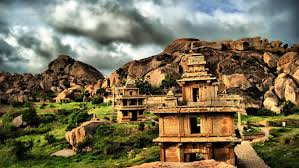
Chitradurga Fort, also known as Kallina Kote (Stone Fortress), stands as one of Karnataka's most impressive historical monuments. Built between the 17th and 18th centuries by the Nayakas of Chitradurga, this massive fortification spreads across several hills and valleys, showcasing the military genius of its builders. The fort's association with the legendary Onake Obavva, a brave woman who defended the fort single-handedly, adds to its legendary status.
The fort's unique architecture, built into rocky hills and natural terrain, makes it a fascinating study in military engineering. Located approximately 200 kilometers from Bangalore, Chitradurga Fort offers visitors a perfect blend of history, architecture, and legend. Combine this visit with exploring Belgaum Fort and Hampi for a comprehensive Karnataka heritage experience.
Historical Background
The fort was built and expanded by various dynasties, with major contributions from the Chalukyas, Hoysalas, and most notably, the Nayakas of Chitradurga. The Nayaka dynasty ruled from 1560 to 1779, with Thimmana Nayaka, Obanna Nayaka, and Madakari Nayaka being prominent rulers who expanded and strengthened the fortifications.
The fort reached its zenith under Madakari Nayaka, who successfully resisted the Marathas and later Hyder Ali of Mysore. However, in 1779, after a prolonged siege, the fort fell to Hyder Ali's forces due to a strategic breach. The fort's capture marked the end of Nayaka rule in Chitradurga.
Architectural Marvel
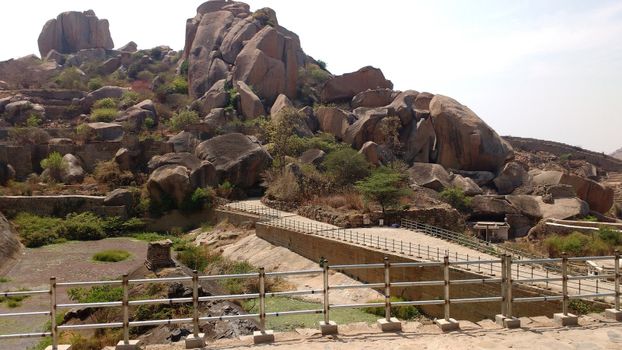
Chitradurga Fort covers approximately 1,500 acres, making it one of India's largest fort complexes. The fortification walls stretch over 8 kilometers, encompassing 19 gateways, 38 posterior entrances, and numerous bastions. The unique feature of this fort is its integration with the natural rocky terrain, using giant boulders and hills as natural defenses.
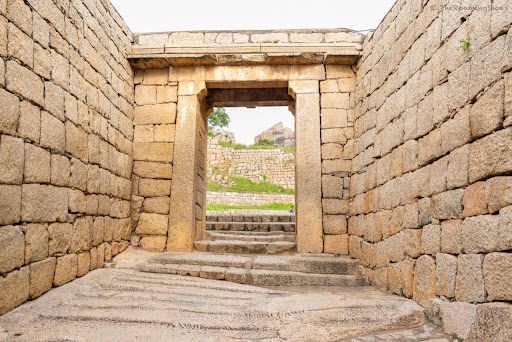
The fort's design incorporates advanced military features including zigzag entrances, narrow passages that made it difficult for enemies to use elephants, and strategically positioned watchtowers providing excellent views of the approaching army. The walls, built using huge granite stones, have withstood centuries of weather and warfare.
The Legend of Onake Obavva
The most famous story associated with Chitradurga Fort is that of Onake Obavva, the wife of a guard who single-handedly defended the fort against Hyder Ali's forces. Legend has it that while her husband was eating lunch, Obavva noticed enemy soldiers entering through a secret crevice (Huli Kallu).
Armed only with an onake (pestle used for pounding grains), Obavva stood guard at the crevice and killed every soldier who attempted to enter. By the time her husband returned, she had eliminated several enemy soldiers. This heroic act made Obavva a symbol of courage and women's empowerment in Karnataka folklore.
Key Attractions Within
The fort complex houses numerous temples, reservoirs, and other structures. The Hidimbeshwara Temple is the oldest temple within the fort, dedicated to Lord Shiva. The Sampige Sidheshwara Cave Temple features unique rock-cut architecture. The Ekanatheshwari Temple showcases beautiful sculptures and carvings.
The fort contains several massive reservoirs that stored water for the fort's inhabitants. The palace complex, though mostly in ruins, gives insights into the lifestyle of the ruling class. The various bastions and viewpoints offer panoramic views of the surrounding landscape and the fort's extensive layout.

Unique Features
Chitradurga Fort incorporates several unique defensive features. The zigzag entrances slowed down enemy forces and made it difficult to use siege equipment effectively. The secret passages and escape routes provided strategic advantages during sieges. The fort's location on rocky hills provided natural elevation for defense and excellent visibility.
The fort's water management system includes numerous wells, tanks, and reservoirs that made it self-sufficient during long sieges. The grinding stones used by Obavva can still be seen near the famous entrance where she made her legendary stand.
Visitor Information
The fort is open daily from 6:00 AM to 6:00 PM, with the best time to visit being early morning or late afternoon to avoid the heat. The Archaeological Survey of India maintains the monument and provides basic facilities including parking, restrooms, and drinking water. Local guides are highly recommended for understanding the historical context.
The entry fee is nominal, with separate charges for video cameras. Photography is permitted throughout the complex. The fort's extensive grounds and hilly terrain require considerable walking and climbing. Wear comfortable footwear and carry sufficient water, especially during summer visits.
Best Time to Visit
October to March offers pleasant weather for exploring Chitradurga Fort. Summer months can get extremely hot, making morning visits essential. The monsoon season brings out the natural beauty of the rocky terrain, with the stone structures creating beautiful contrasts against green surroundings.
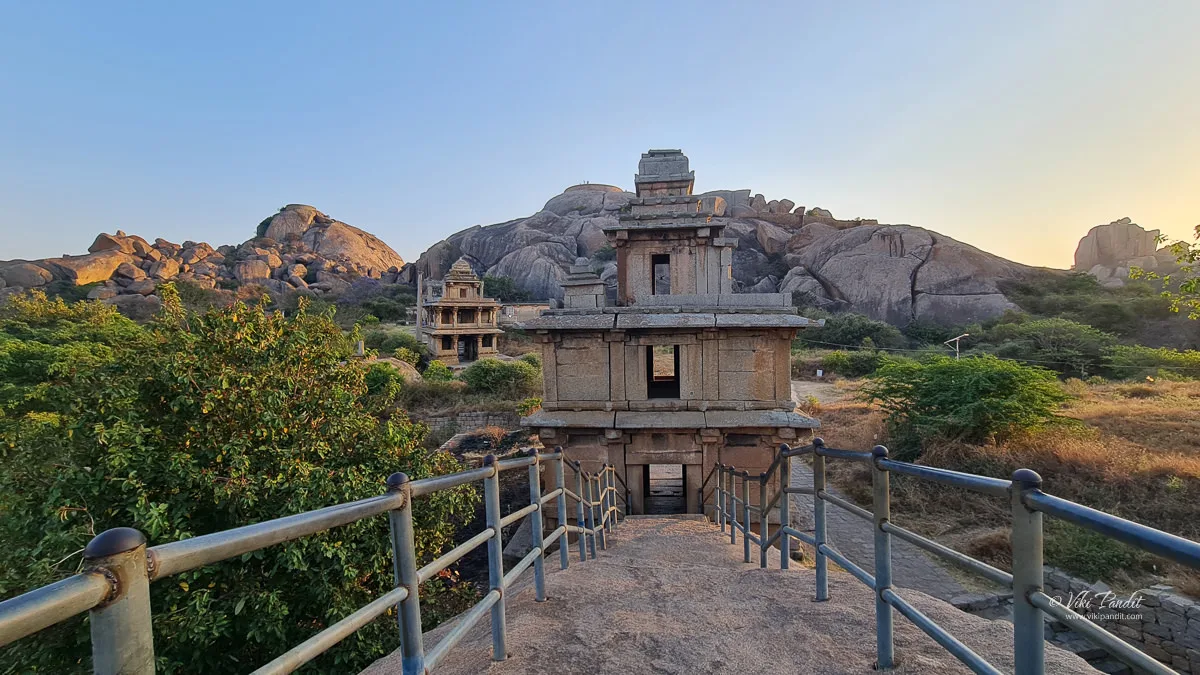
Weekdays generally see fewer visitors compared to weekends and holidays. The fort is particularly beautiful during sunrise and sunset, with the golden light illuminating the ancient stone structures.
Getting There
Chitradurga is located approximately 200 kilometers from Bangalore and 120 kilometers from Davanagere. The town is well-connected by road and rail. National Highway 48 passes through Chitradurga, making it easily accessible by car or bus. Regular trains connect Chitradurga to Bangalore and other major cities.
Within Chitradurga, auto-rickshaws and taxis are available to reach the fort, which is located just 2 kilometers from the city center. Many visitors choose to drive from Bangalore, stopping at interesting places along the way.
Nearby Attractions
The Chandravalli Caves, located nearby, feature ancient rock-cut caves and archaeological sites. The Vani Vilas Sagar Dam, about 15 kilometers away, is a scenic spot perfect for picnics. The Jogimatti Hill Station offers cool temperatures and beautiful views.
The town of Chitradurga itself has several interesting temples and historical sites. The surrounding countryside features agricultural fields and rural villages that offer insights into traditional Karnataka life. The Bruhat Mantapa area showcases local handicrafts.
Practical Tips
Wear sturdy walking shoes with good grip as the fort involves climbing steep rocky paths. Carry sun protection and sufficient water. Hire a local guide to learn about the fort's history and the legend of Onake Obavva. Allocate at least 3-4 hours for a thorough exploration.
Be careful while climbing the rocky areas, especially during monsoon when surfaces can be slippery. The fort has limited food and water facilities, so plan accordingly. Respect the historical nature of the site by not damaging or removing any artifacts.
Conclusion
Chitradurga Fort stands as a remarkable testament to the military genius of Karnataka's Nayaka rulers. Its unique architecture, integration with natural terrain, and the inspiring legend of Onake Obavva make it an essential destination for heritage enthusiasts. The fort offers a fascinating journey through Karnataka's martial history and architectural evolution.
Location
Frequently Asked Questions
Q1.What are Chitradurga Fort timings?
Q2.What is the entry fee for Chitradurga Fort?
Q3.Who built Chitradurga Fort?
Q4.What is the story of Onake Obavva?
Q5.How far is Chitradurga from Bangalore?
Q6.How much time is needed to visit Chitradurga Fort?
Q7.Is Chitradurga Fort worth visiting?
Q8.What is the best time to visit Chitradurga Fort?
Recommended For You
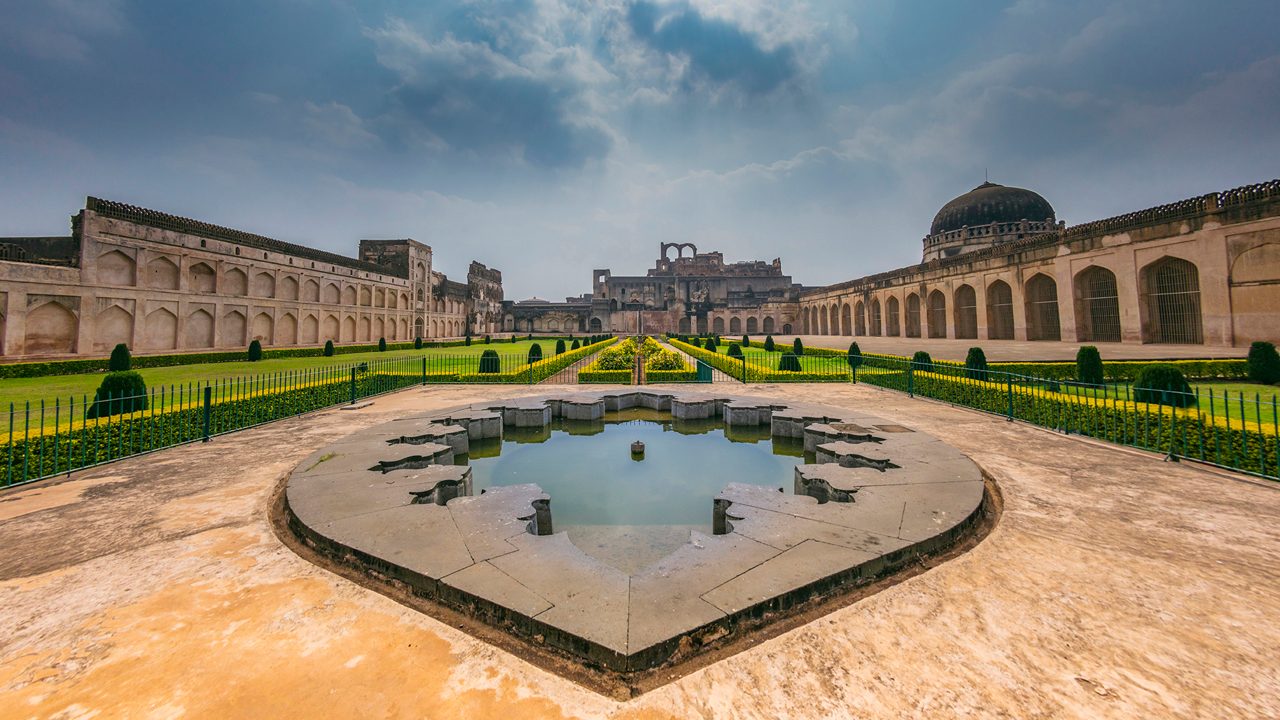
Bidar Fort: The formidable fortress of Karnataka's Deccan plateau
Explore Bidar Fort, a 15th-century Bahmani fortress featuring impressive architecture, royal palaces, and unique water management systems in Karnataka's Deccan plateau.
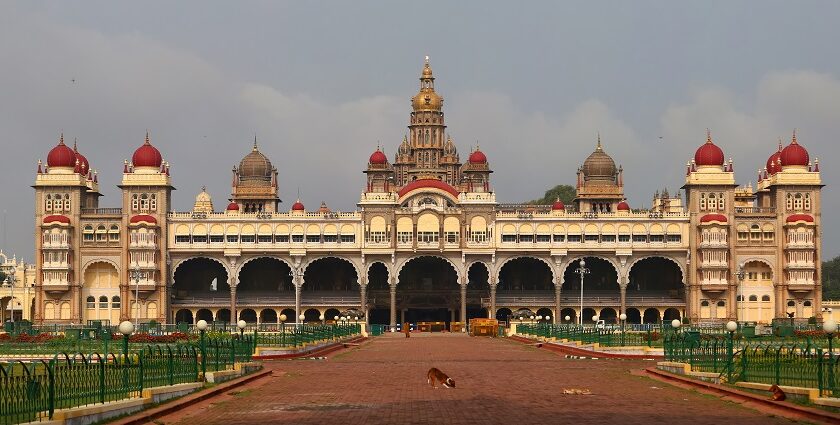
Mysore Palace: Complete Guide to India's Grandest Royal Residence
Discover Mysore Palace, India's most magnificent royal residence featuring stunning Indo-Saracenic architecture and rich cultural heritage.
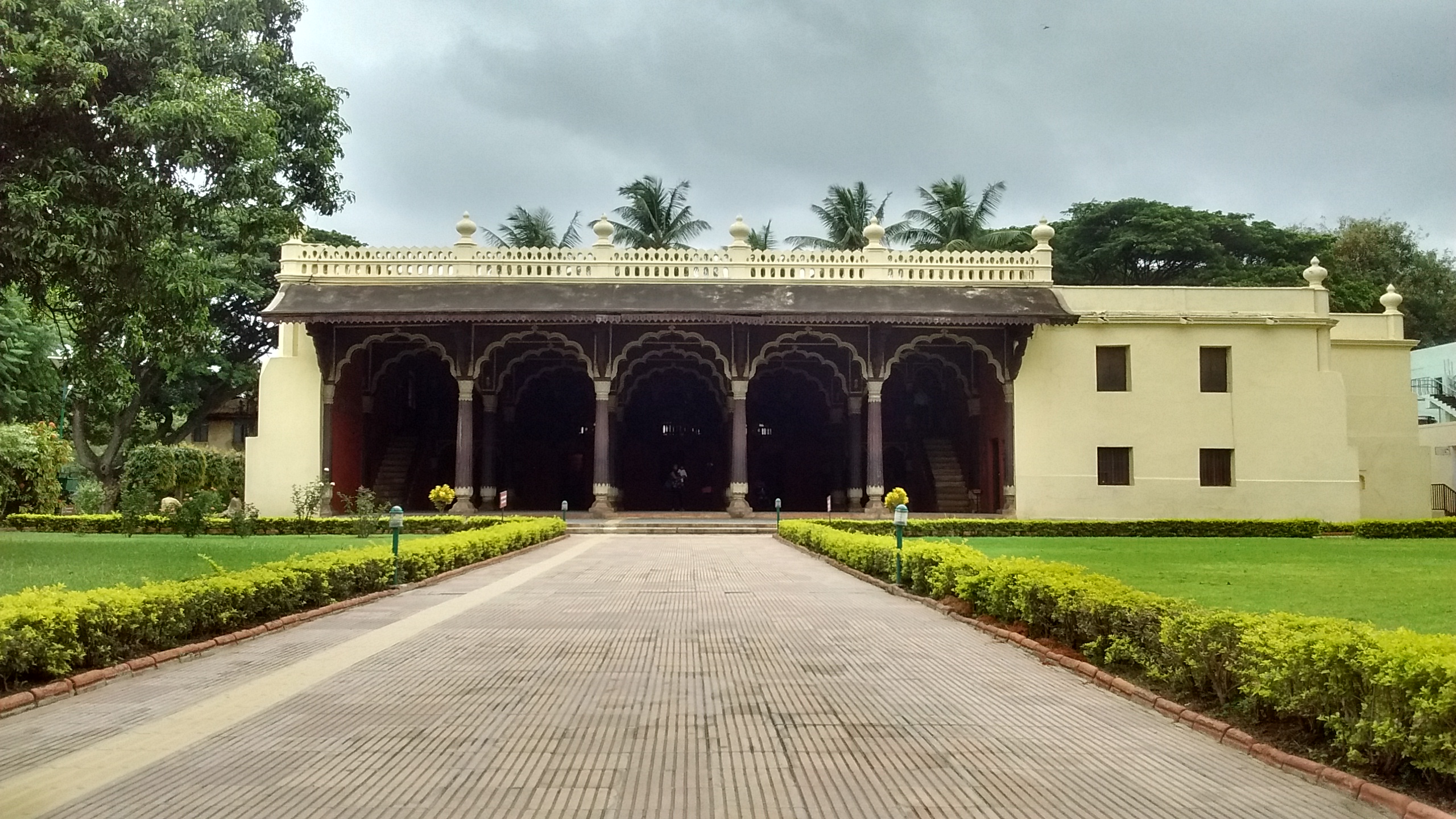
Tipu Sultan Summer Palace: A Glimpse into Mysore's Royal Legacy
Discover Tipu Sultan Summer Palace in Srirangapatna, featuring Indo-Islamic architecture, historic paintings, and the legacy of the Tiger of Mysore.
Never Miss an Adventure
Get the latest trekking guides, travel tips, and exclusive offers delivered straight to your inbox.
